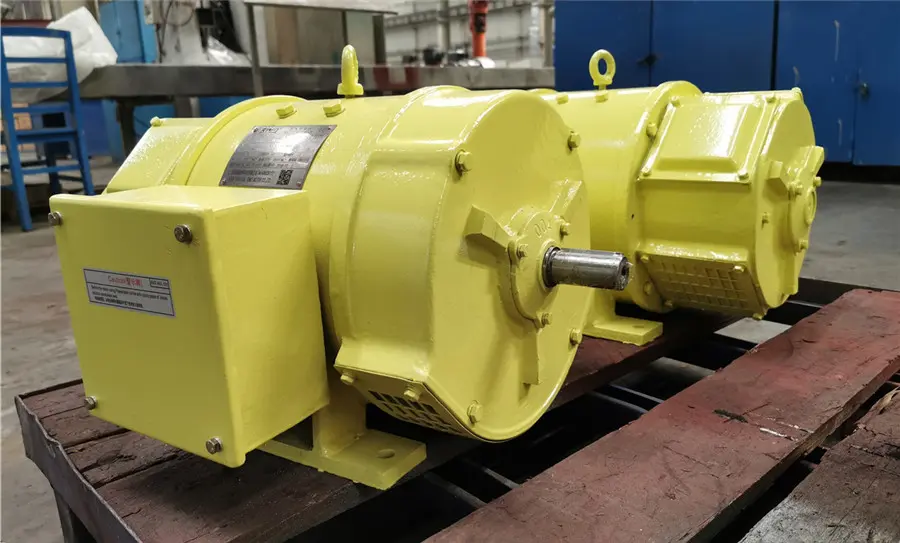
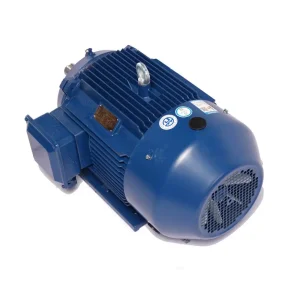
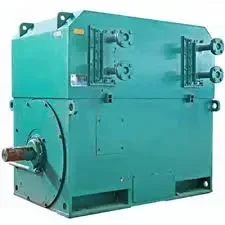
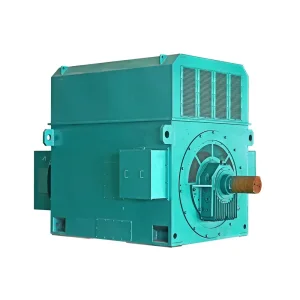
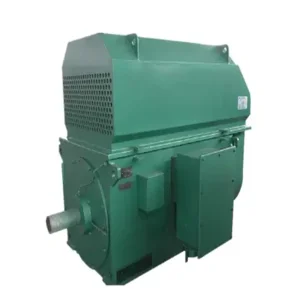
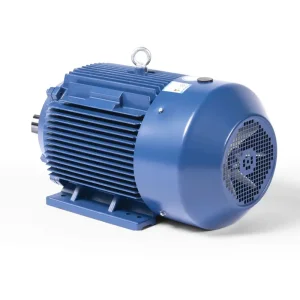
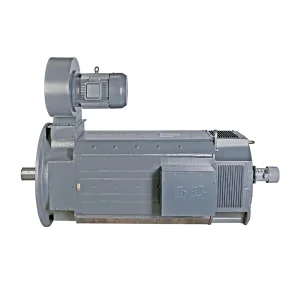
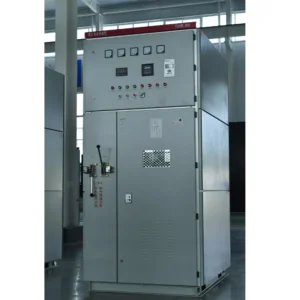
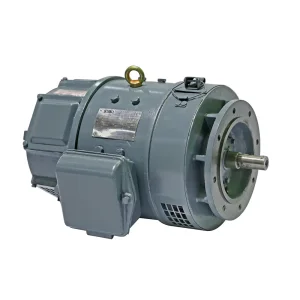
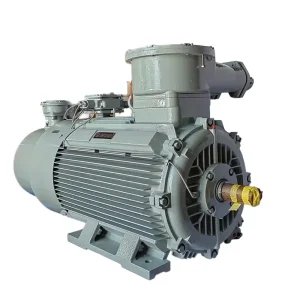
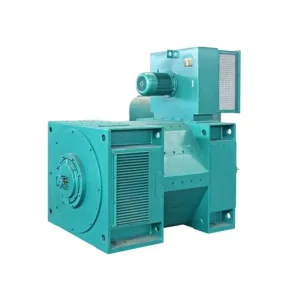
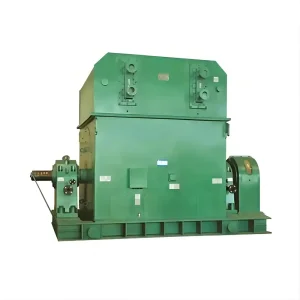
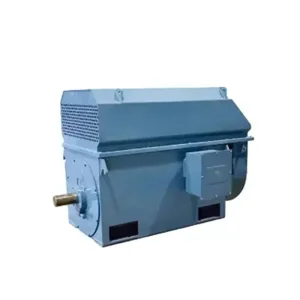
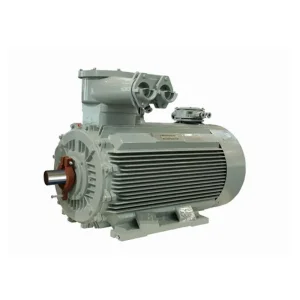
Discount Low Voltage Explosion Proof Motor Company & Factory

Decades of Industrial Engineering Excellence, Pioneering High-Efficiency Power Solutions & Uncompromised Safety for Explosive Atmospheres Globally

Xi'an Lite SIMO Motor Manufacturing Plant

LITESIMO Company Overview

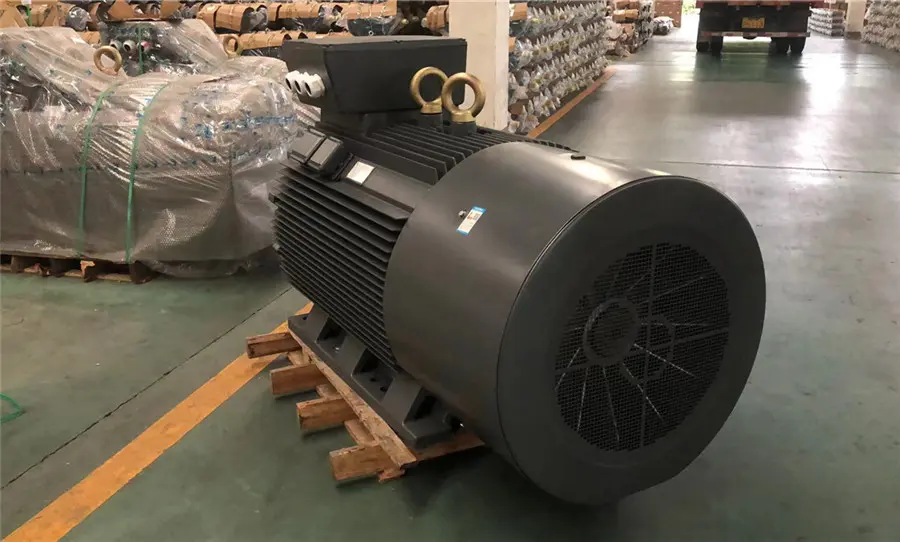
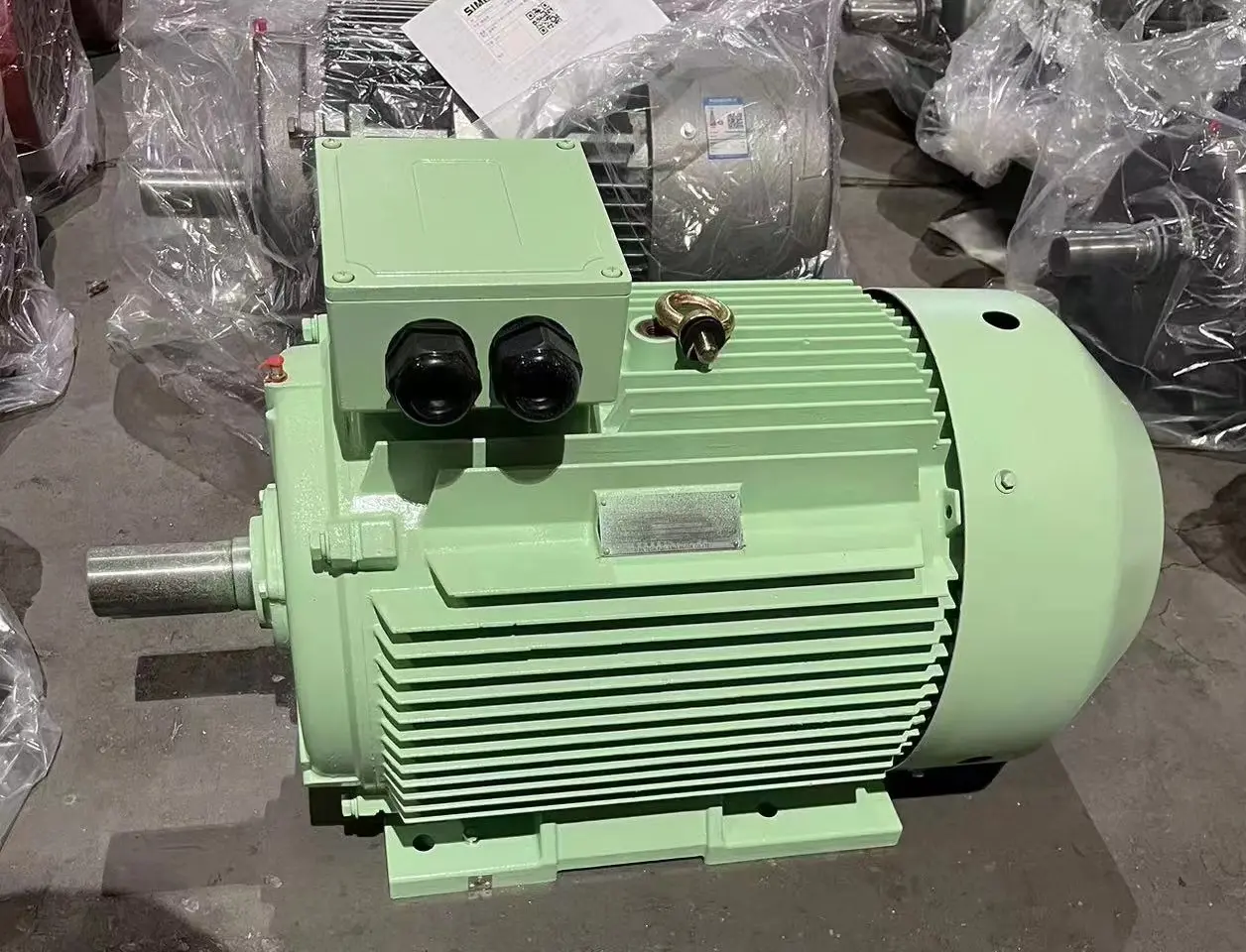
Xi’an Lite SIMO Motor Co., Ltd stands as a prominent electric machine enterprise in the Chinese mechanical industry, specializing in the engineering, design, and manufacturing of large/medium-sized, high/low voltage AC motors, DC motors, synchronous motor configurations, and explosion-proof motor installations. As a comprehensive manufacturing and service supplier, SIMO integrates motor design, advanced mechanical processing, mold fabrication, assembly, and diagnostics.

The company maintains a leading industry rank in China's motor production scales, sustained by consecutive years of rapid development and technological modernization. Known globally for our high dependability under heavy-load scenarios, SIMO is the chosen partner for critical engineering operations across five continents.

60+
Years of History
1,200+
Employees
260+
Engineers
1,170+
Advanced Machine Sets

Technical White Paper & Industry Insights

An in-depth analysis of low-voltage explosion-proof motor design, compliance systems, macro solutions, and global procurement strategies.

1. Development Trends of Low Voltage Explosion Proof Motors

In modern industrial facilities, the demand for low voltage explosion-proof motors has transitioned from simple flame containment to system-wide efficiency, digital control integration, and reduced total cost of ownership (TCO). Historically, explosion protection relied heavily on thick, heavy cast-iron enclosures (Ex d - flameproof) capable of withstanding internal gas ignition without propagating the flame to the external environment. While flameproof housings remain vital, the industry is witnessing a structural shift toward:

  • Ultra-High Efficiency (IE4 and IE5 Ratings): Green regulations globally (such as EU Ecodesign rules and China’s GB18613 energy directives) mandate higher performance margins. Our YE4 and YE5 motor platforms reduce thermal dissipation losses, thereby lowering casing surface temperatures—a critical factor in Class I Division 1 & Zone 1/2 environments where gas ignition temperatures (T-code limits) govern safety margins.
  • Variable Frequency Drive (VFD) System Integration: The implementation of VFD-driven systems like our YBBP series allows automated flow, pressure, and load adjustments in hazardous locations. This necessitates specialized insulation engineering, including corona-resistant enamel wires and insulated bearings to protect against high-frequency shaft currents and transient voltage spikes.
  • Condition-Monitoring & Smart Diagnostics (IIoT): Modern plants require continuous diagnostic feedback. Integrating intrinsically safe vibration sensors, RTDs (Resistance Temperature Detectors) in winding slots, and bearing temperature indicators allows operators to predict mechanical failure long before a thermal runaway event presents a spark hazard.

2. Global Procurement Demands & Risk Mitigation Strategies

Global procurement teams in petrochemical, mining, and chemical processing sectors face multiple risks when acquiring heavy rotating machinery. When purchasing a discount low voltage explosion proof motor, procurement agents must evaluate more than the initial invoice price; they must balance compliance, custom mechanical requirements, and supply chain timelines.

Crucial factors include: system compatibility (ensuring standard frame sizing, IEC/NEMA foot or flange mount configuration), insulation ratings (insisting on Class H insulation with Class F temperature rises for overload safety margins), and robust local support networks. Buying factory-direct from an established giant like SIMO Motor mitigates high distributor markup costs while providing buyers with verified raw material sourcing certificates, comprehensive factory acceptance testing (FAT) logs, and strict quality control oversight from over 260 technical engineers.

3. Macro Industry Application & Engineering Solutions

Industrial applications present unique environmental challenges that generic motor lines cannot withstand. Below are the macro-solutions engineered by SIMO:

  • Oil & Gas Exploration & Refining: Exposure to corrosive saltwater environments, hydrogen sulfide (H2S), and hydrocarbon gases requires Ex d IIB/IIC configurations. Our flameproof enclosures are finished with marine-grade multi-layer epoxy coatings and utilize IP55 to IP66 sealing to completely exclude salt spray and dust entry.
  • Underground & Open-Cast Mining: Highly abrasive coal dust and combustible methane gases demand certified mining solutions. Our heavy-duty mining machines feature reinforced cast-iron frames, dual-chamber terminal boxes for auxiliary wiring safety, and anti-vibration foot mounts to withstand impact from crushers and mill drives.
  • Chemical & Synthetic Processing: Corrosive atmospheres degrade standard insulation. SIMO uses advanced vacuum pressure impregnation (VPI) treatment, applying solvent-less resin over multiple baking cycles to protect stator windings against acid, alkaline mist, and ambient humidity.

4. Localization Support, Certifications, and Compliance Assurance

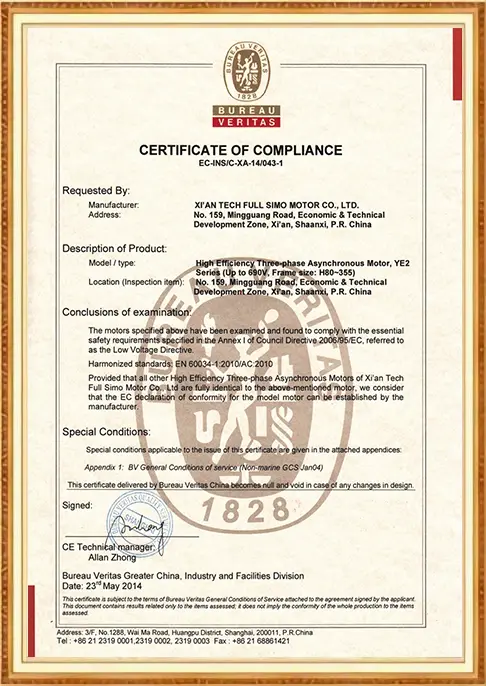
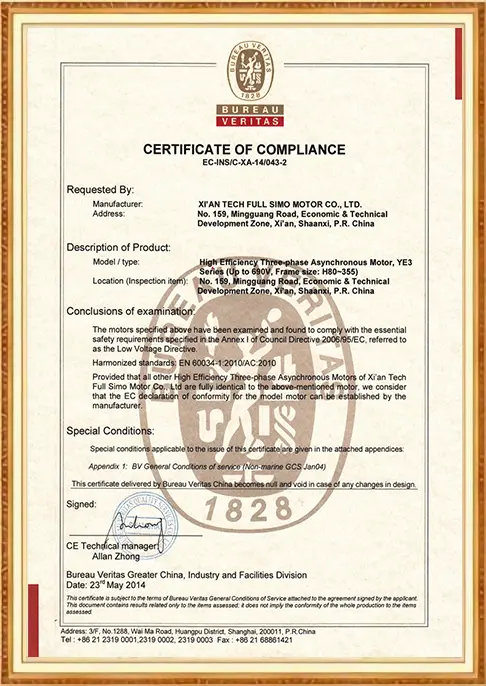
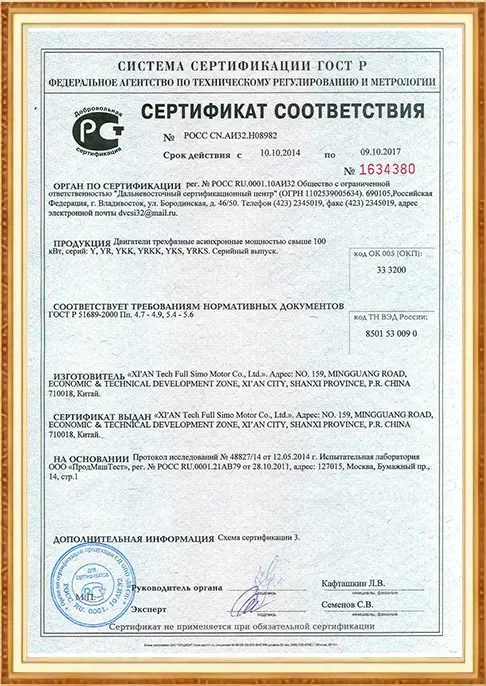
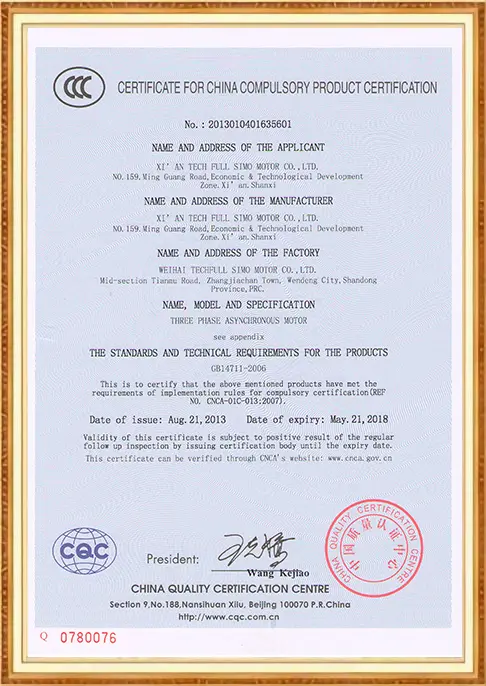
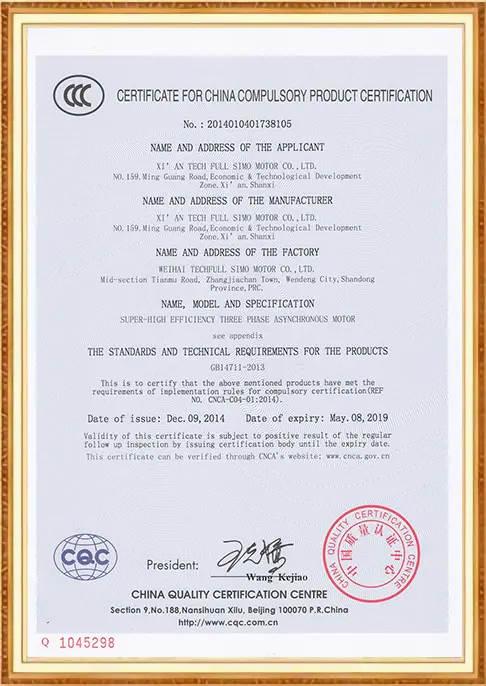
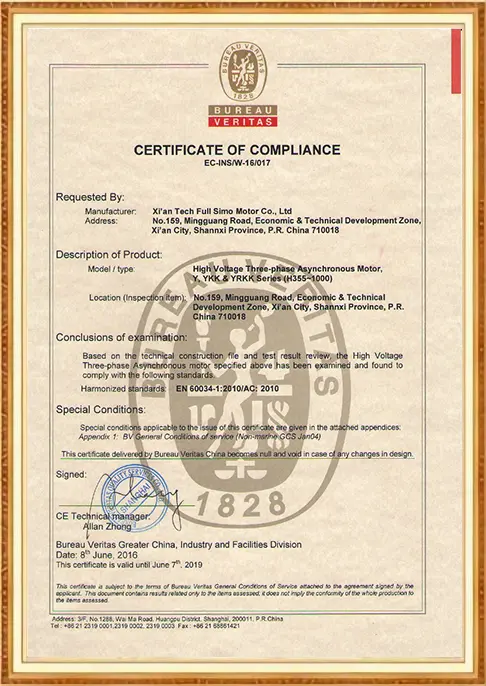
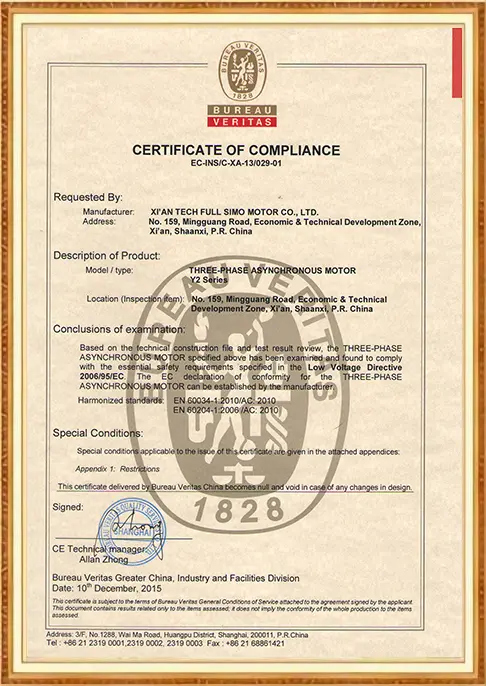
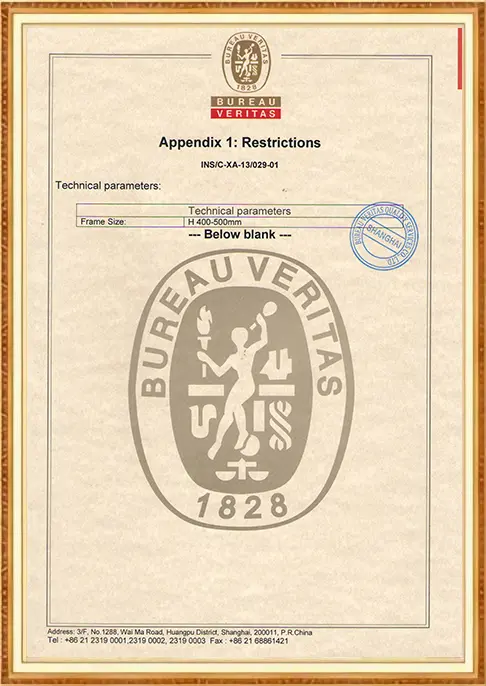
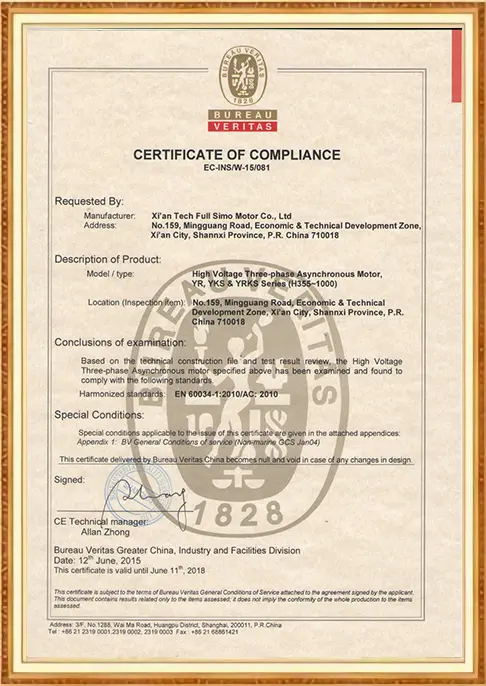
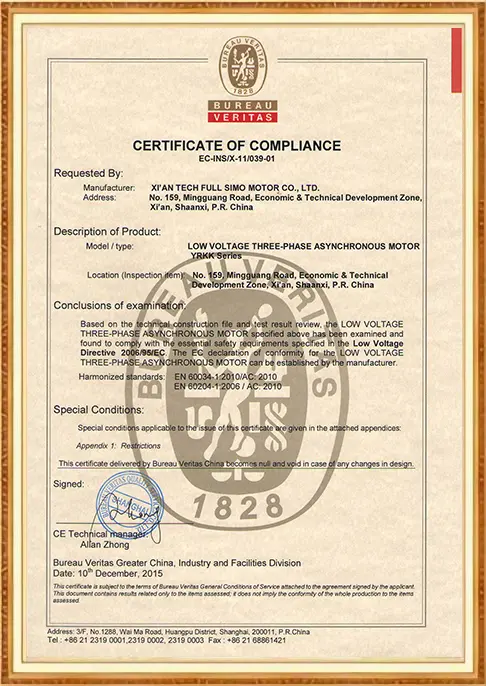
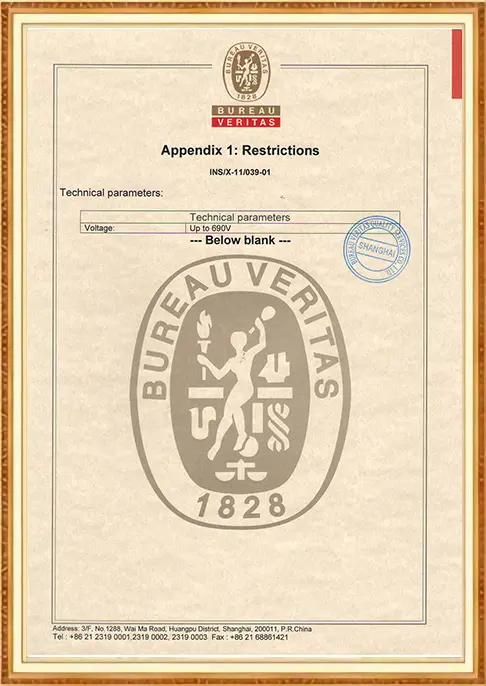
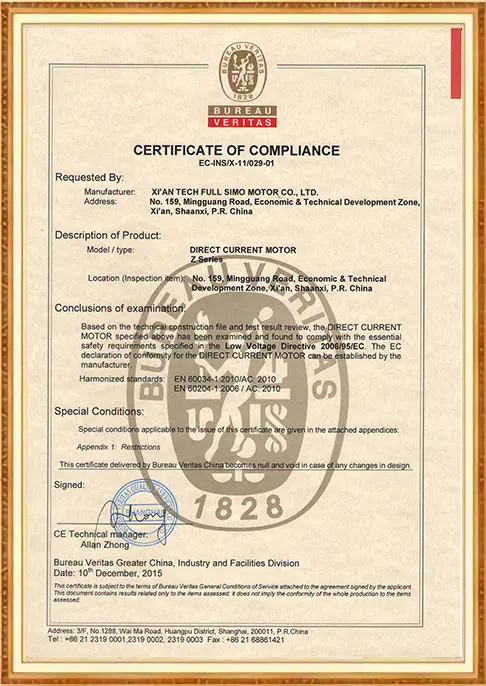
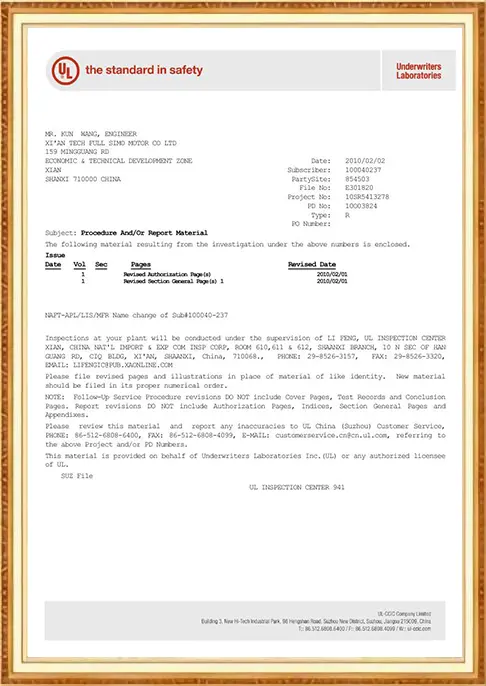
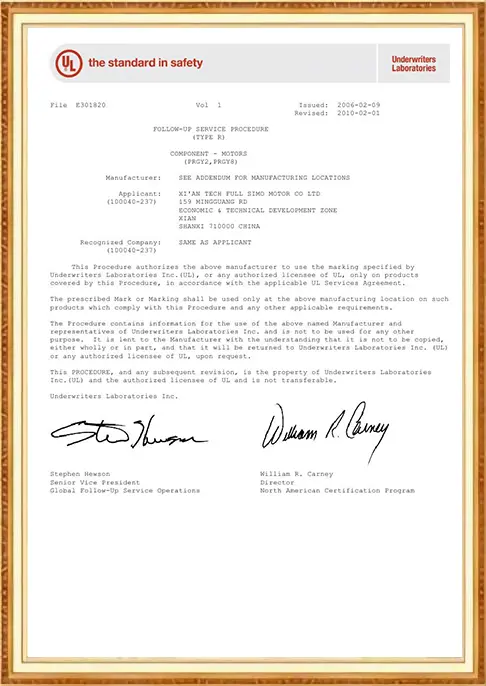
Operational safety is non-negotiable, and compliance with local laws forms the baseline of E-E-A-T (Expertise, Authoritativeness, and Trustworthiness) in the electric machinery market. SIMO’s manufacturing processes are fully certified to international standards. Our quality management system has successfully passed the ISO9001 standard. For international trade, our equipment bears certificates showing compliance with EU CE directives, US UL standards, Russian GOST specifications, and China’s CNEx certificates. This makes our motors ready for immediate commissioning across differing geographical regulatory regimes without delay-inducing safety inspections.
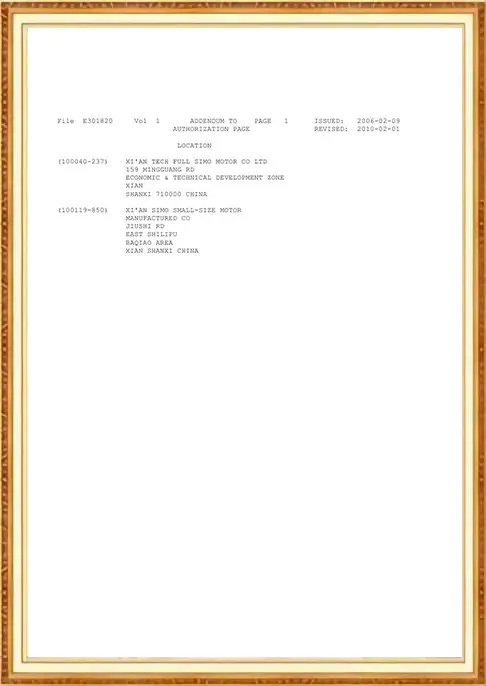
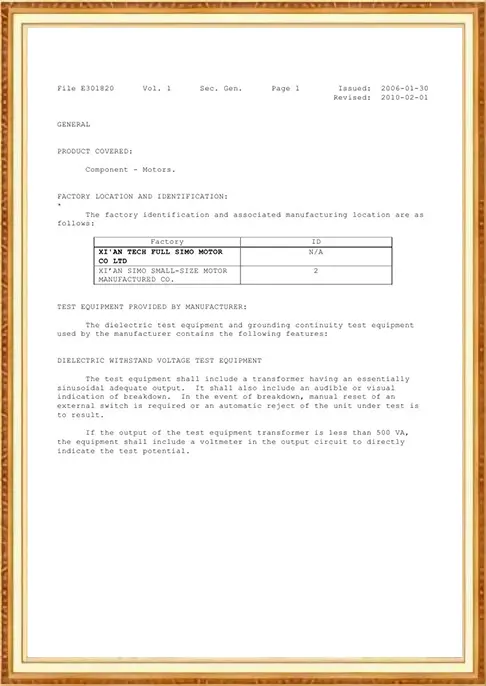
Global Quality Certifications

SIMO Certification Document
SIMO ISO Certificate
SIMO CE Certificate
SIMO Quality Standard Document
SIMO GOST/UL Standard document
Compliance Document
International standard authentication
SIMO Ex-proof Certificate
Safety Standard Proof
Factory Audit Pass Certificate
Additional SIMO Certificate
Special Motor Safety Certificate
Explosion Protection Standard Document
Industry Compliance Verification
Official Quality Certification Document
SIMO Laboratory Certification

5. Technical Roadmap & Future Design Innovation

SIMO's R&D department coordinates with state material research institutes to continuously push mechanical and electrical performance limits. The next-generation YBX4 and YBX5 motor series optimize the fluid dynamics of external cooling fans, reducing parasitic windage losses and keeping noise levels under 78 dB(A) even under full load. In tandem, SIMO is refining permanent magnet synchronous motors (PMSM) for explosive zones. By combining the safety of Ex d / Ex e construction with the high torque density of permanent magnets, we can achieve up to 35% reduction in footprint and weight—a crucial structural asset for deep offshore drilling platform decks where structural space comes at a premium.

SIMO Historic Timeline & Milestone Achievements

Over 60 years of technical progress and continuous improvement, developing from a state-owned factory into a major global manufacturer.

1955

SIMO Motor was established and led by the Chinese government to support primary industrialization efforts.

1957

Relocated to a newly constructed manufacturing facility within Xi'an City, expanding initial production capacity.

1966

Renamed as Xi'an Motor Factory following strategic mergers and system integrations within the mechanical ministry.

1999

Transformed from a state-owned enterprise into a modern limited liability company, introducing private investment.

2005

Formed the SIMO Motor Group, coordinating engineering work across 14 specialized subsidiaries.

2006

Moved operations to our high-tech and advanced new plant, introducing computer-guided machining tools.

2009

Adopted the trade name Tech Full Simo Motor, targeting international standard development and global exports.

2019 - Present

Continuing our path of quality innovation to remain a premier international manufacturer of industrial electric motors.

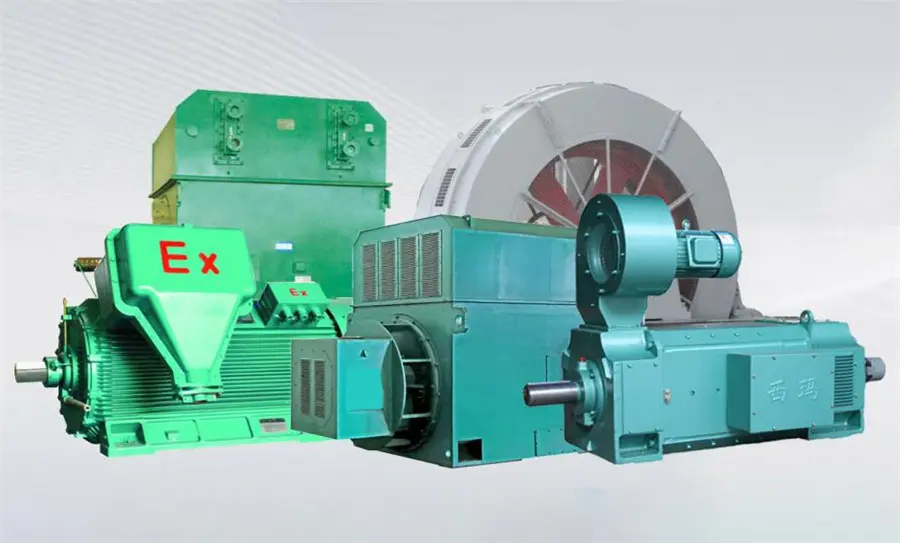
SIMO Advanced R&D and Heavy Machining Gallery

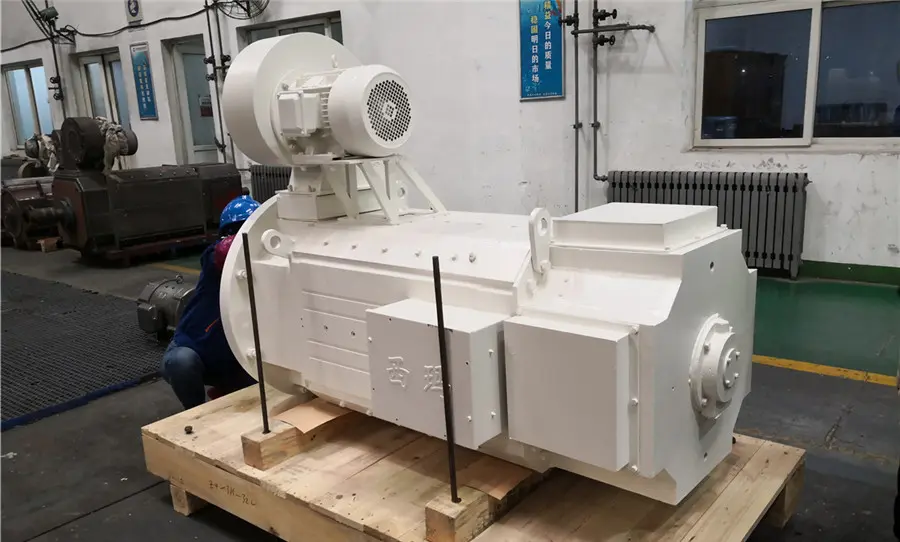
A visual look inside our production facilities, showing our heavy structural machining, coil winding, testing fields, and precision assembly lines.
Technical Q&A / Frequently Asked Questions

Comprehensive engineering and compliance guidance for operations, maintenance, and purchasing departments.

Q1: What are the primary differences between IEC and NEMA standards in explosion-proof motor construction?
IEC (International Electrotechnical Commission) classifications are zone-based (Zone 0, Zone 1, Zone 2 for gas; Zone 20, 21, 22 for dust) and utilize protection techniques like Ex d (flameproof), Ex e (increased safety), and Ex nA (non-sparking). NEMA (National Electrical Manufacturers Association) relies on a Class and Division hierarchy (Class I for gas/vapor, Class II for dust; Division 1 for continuous hazard, Division 2 for abnormal hazard). While cross-referencing is common, enclosures must be certified specifically for the zone or division in which they are deployed to maintain compliance.
Q2: How does the ambient temperature range affect the power rating of an explosion-proof motor?
Standard motors are rated for an ambient temperature range of -20°C to +40°C. In extreme environments (such as high-temperature desert facilities or sub-zero arctic operations), the motor's power output must be derated, or the motor must be built with specialized low-temperature steels, anti-condensation heaters, and high-temperature wind insulation. Operating beyond the nameplate ambient limit risks exceeding the maximum surface temperature safety limits (T-codes).
Q3: Why is Variable Frequency Drive (VFD) operation a challenge for explosion-proof safety?
VFDs control motor speed by adjusting frequency, which can lead to reduced cooling airflow at low speeds. Additionally, VFDs produce non-sinusoidal waveforms that can cause high winding temperatures and voltage spikes (leading to insulation breakdown). Therefore, any motor run on a VFD in a hazardous location must be certified for inverter-duty use, equipped with thermal protection devices linked directly to the VFD controller, and have shaft grounding systems to prevent electrical discharge in the bearings.
Q4: What maintenance intervals are required to preserve explosion-proof certification?
Explosion-proof motors require regular inspection of flameproof joint clearances, checking seals on cable entries, monitoring bearing vibration levels, and checking insulation resistance. Maintenance should only be carried out by qualified technicians using original manufacturer parts. Standard operations usually schedule a minor inspection every 6 months and a major inspection and overhaul every 2 to 3 years.
Q5: Can an Ex d (flameproof) motor be repaired by a standard local machine workshop?
Repairs on certified explosion-proof equipment must be performed by workshops certified under relevant regional schemes (like IECEx Certified Service Facilities or local national equivalents). Standard machine shops typically lack the specialized measurement equipment and diagnostic tools required to verify flamepath tolerances, risking the validity of the safety certification.
Q6: How does SIMO ensure high quality despite offering competitive, wholesale factory pricing?
SIMO controls costs through large-scale, automated manufacturing. By purchasing raw materials in bulk and manufacturing structural elements, casings, and windings in-house across our three main factories, we reduce intermediate supplier markups. This integration allows us to offer competitive, factory-direct pricing while maintaining rigorous quality control.