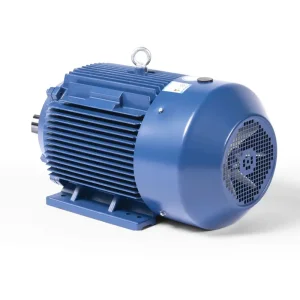
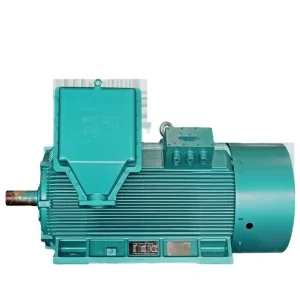
Explore our primary series of robust synchronous and heavy-duty industrial electric motors, designed for high power factor operations and precision torque control.
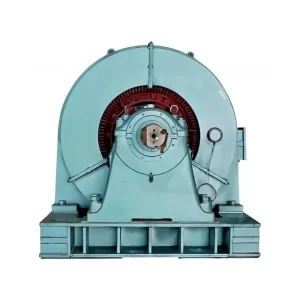
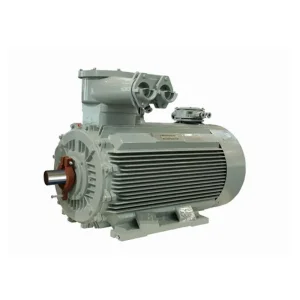
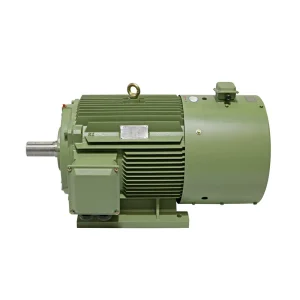
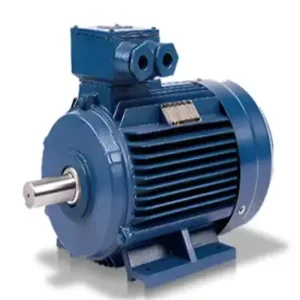
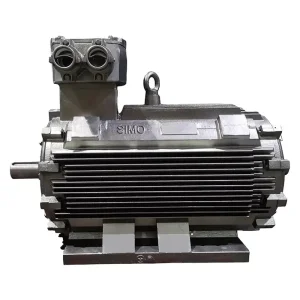
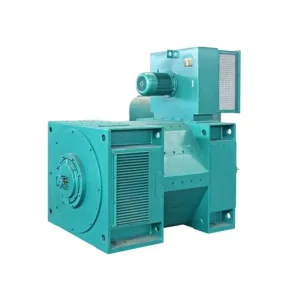
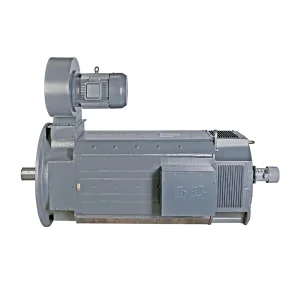
Synchronous motors represent the pinnacle of high-efficiency rotary electrical machinery in large-scale modern engineering. Unlike asynchronous (induction) motors, synchronous motors run at a constant speed determined precisely by the supply line frequency, irrespective of load variations. This makes them indispensable in industrial processes where absolute speed consistency is critical, and where power factor correction is required to lower overall plant operation costs.
Today, the global market for industrial synchronous motors is growing rapidly, driven by the clean energy transition, strict international efficiency criteria (IE4/IE5 standards), and the scaling up of heavy raw material processing plants. From mine milling grids in South America to massive water pumping systems in East Asia, heavy industries are replacing aging, inefficient induction units with state-of-the-art synchronous systems. These machines offer superior efficiency, active power factor correction, and reduced thermal stress under continuous operations.
Our role as an industry-leading manufacturer is to supply robust, highly customized synchronous machines that directly integrate with Variable Frequency Drives (VFD) and modern digital control architectures. Through continuous R&D, our synchronous motors help reduce grid penalties and optimize thermal efficiency in extreme working environments.
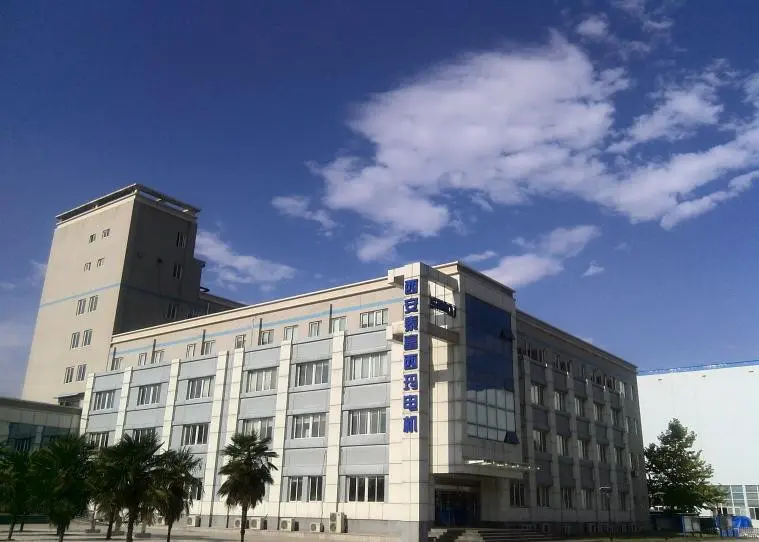
Over 60 years of technical research, engineering, and global distribution of advanced electric motor systems.
Xi’an Lite SIMO Motor Co., Ltd is an electric company and a core enterprise specializing in the manufacturing of large/medium-sized, high/low voltage AC motors, DC motors, synchronous motors, and explosion-proof motors within the global mechanical industry. SIMO functions as a comprehensive manufacturing and service supplier, covering electric motor R&D, mechanical processing, mold development, casting, assembly, and digital testing. The company ranks TOP in China’s motor manufacturing industry regarding production capacity, engineering scale, and global export distribution.
SIMO Motor is established and led by the state government, focusing on basic electrical motor repairs and manufacturing.
Operations relocate to a new, larger industrial plant in Xi'an City, expanding initial production capacity.
Renamed to Xi'an Motor Factory after a series of strategic acquisitions, integrations, and technological upgrades.
Reformed into a limited liability company from a state-owned factory to improve market responsiveness.
SIMO Motor Group is established, managing 14 specialized subsidiaries for raw materials and parts.
Relocated to a modern, high-tech industrial park equipped with advanced CNC and automated winding equipment.
Transitioned corporate identity to Tech Full Simo Motor, expanding integration with global supply chains.
Continuing innovation to deliver high-voltage synchronous and induction motors to over 40 countries.
Our registered capital stands at 21.5 million RMB, powering 3 dedicated manufacturing factories and 1 specialized subsidiary plant. We maintain over 1,172 sets of high-precision production machinery. Our design engineering team includes 21 senior engineers and 15 expert engineers, focusing on expanding the efficiency boundaries of rotating electric machinery.
SIMO's R&D covers 34 major motor series, over 1,800 varieties, and 19,500 individual specifications. The rated power output spans from 0.35 kW up to 25,000 kW, supporting small auxiliary units as well as large main mill drives.
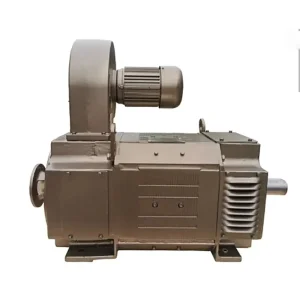
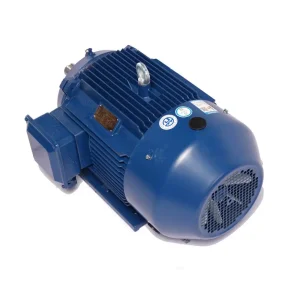
Our portfolio includes YX, YXKK, and YXKS high-voltage induction motors; YR, YRKK, and YRKS wound rotor motors; YE3, YE4, and YE5 high-efficiency motors; along with Z2, Z4, and Z series medium-to-large industrial DC motors.
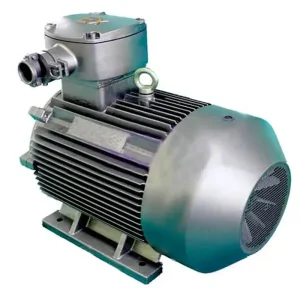
For hazardous environments, we engineer YBX3, YBX4, and YBX5 explosion-proof series. Variable frequency speed regulation is supported by our YVFE3, YVFE4, and YVFE5 lines for dynamic speed adjustments under variable loads.
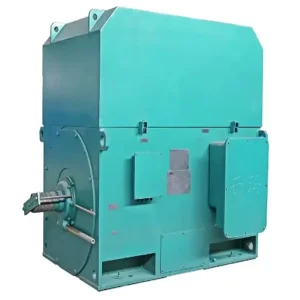
Our core synchronous offerings feature T, TD, TK, and TDMK series motors, alongside TFW large-scale synchronous generators (350 kW to 5,000 kW), engineered for grid-connected operations and reactive power support.
The design of synchronous motors is shifting toward higher efficiency, increased power density, and smarter integration. Key pillars of our technology roadmap include:
We are continuously refining the stator slot geometry, core materials, and rotor pole design of our synchronous motors to meet and exceed IE5 efficiency standards. By utilizing high-permeability, low-loss silicon steel laminations and optimizing the excitation current path, we minimize stray load losses and windage. This ensures energy efficiency even during fractional load operations.
Our high-voltage synchronous motors utilize Class F and Class H insulation systems processed through Vacuum Pressure Impregnation (VPI). Epoxy resin coating helps prevent moisture absorption, corona discharge, and thermal degradation. This extends the insulation life when operating in heavy-duty cycles or aggressive industrial chemical atmospheres.
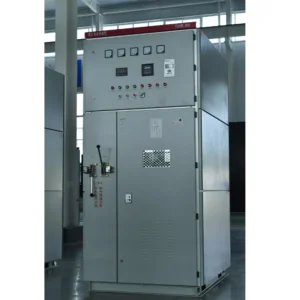
Modern industrial plants require precise integration with Variable Frequency Drives (VFD) and digital excitation controllers. Our TDMK and T series motors can be paired with high-voltage soft-start systems and microcomputer-controlled brushless excitation cabinets. This design minimizes high inrush currents during start-up, protects the grid from voltage sags, and allows for real-time power factor control.
We use finite element analysis (FEA) to model electromagnetic, thermal, and mechanical stresses prior to manufacturing. This allows us to optimize rotor dynamics, reduce bearing vibration, and configure dual-cooling path designs (water-to-air cooling or air-to-air cooling), matching the heat dissipation requirements of specific client sites.
Synchronous motors serve as the primary drivers in several heavy industries. Below are the typical applications where SIMO synchronous systems are utilized:
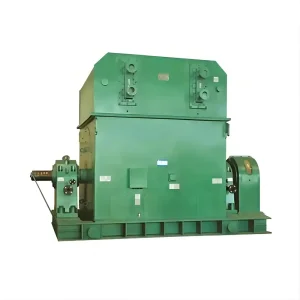
In mining installations, ball mills and autogenous mills require continuous torque at low speeds. Our TDMK series synchronous motors are designed specifically for these conditions. They offer high starting torque, robust overload capacity, and help maintain stable grid voltages under fluctuating loads.
Large axial and centrifugal pumps used in water diversion projects require continuous, year-round operation. Large T series three-phase synchronous motors provide the necessary reliability and constant operating speed, ensuring steady water flow rates.
Large reciprocating compressors in gas processing and refining plants require high-torque motors. Our explosion-proof synchronous motors (designed alongside YBX and YFB families) provide explosion protection, preventing spark propagation in hazardous gas environments.
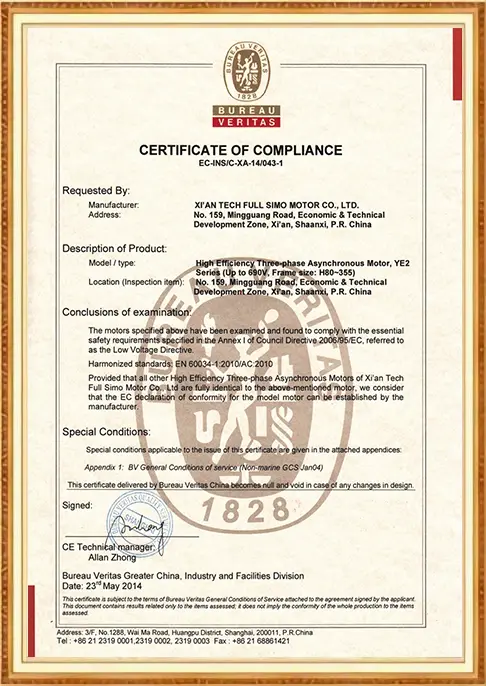
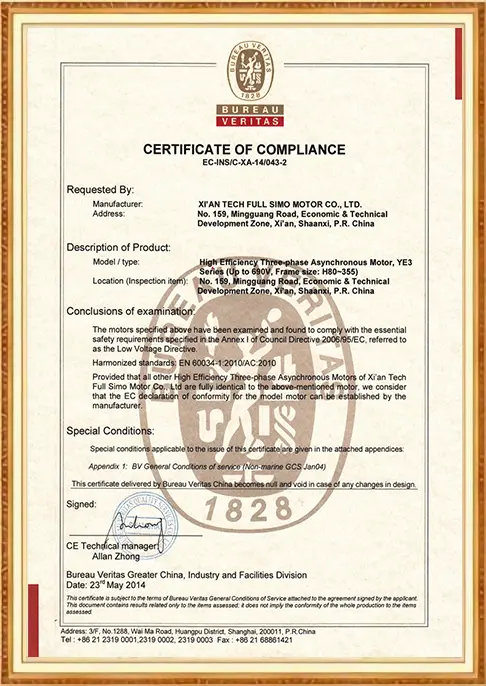
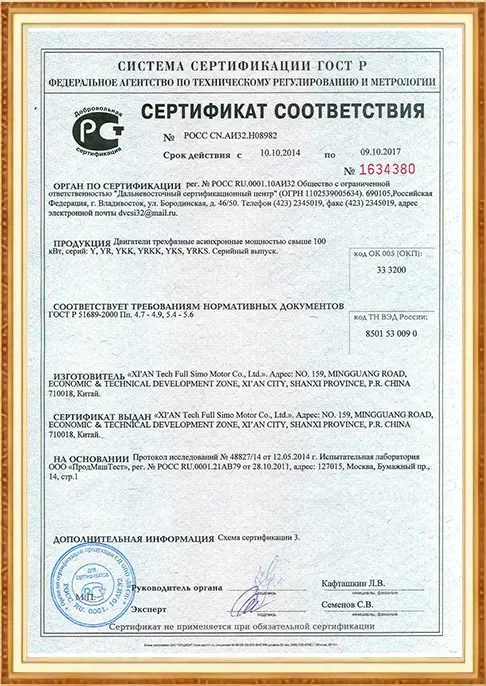
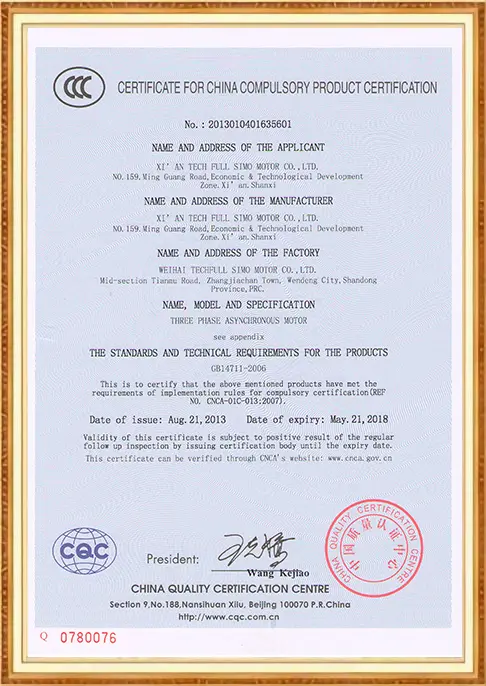
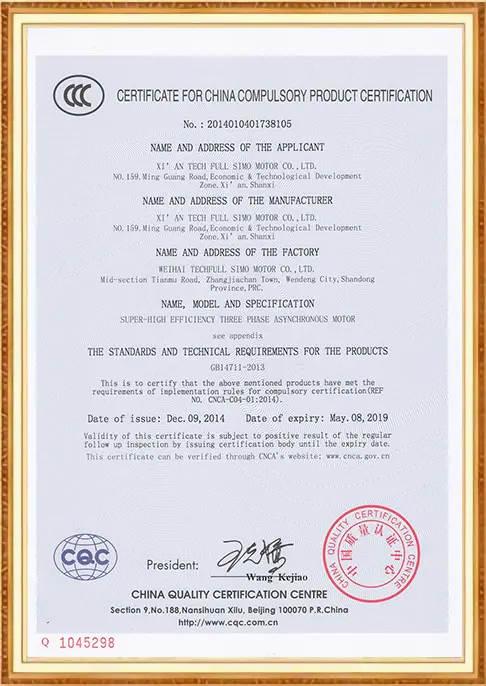
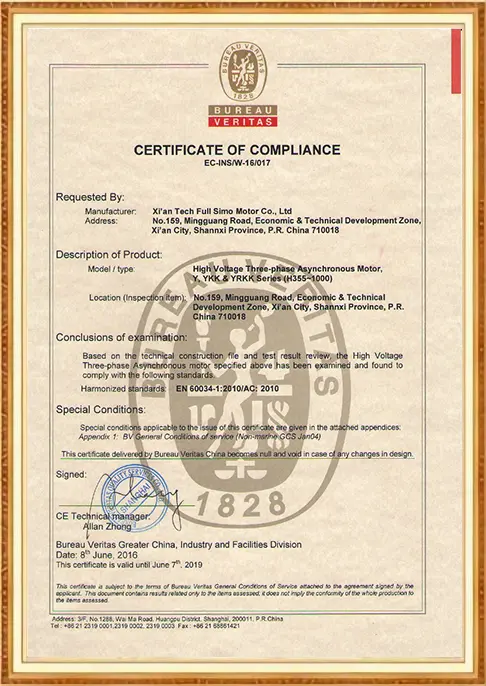
Quality assurance is central to SIMO's manufacturing processes. Our operations are certified under the ISO9001 Quality System, and our products comply with international standards including European CE, US UL, and Russian GOST. This enables our motors to be deployed in global engineering projects across mining, metallurgy, transportation, and power generation sectors.
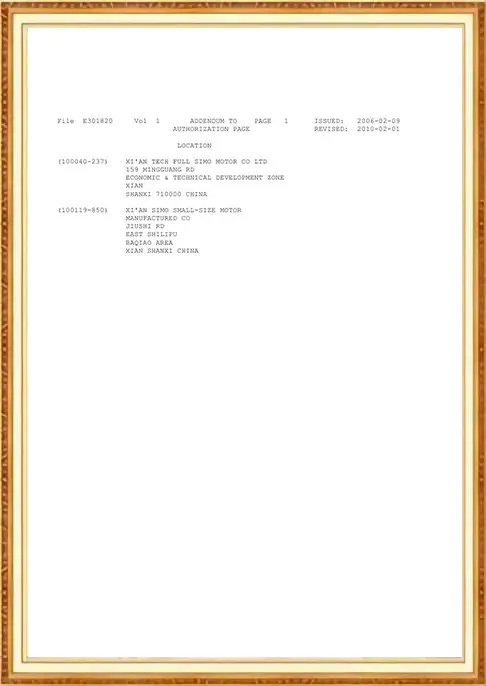
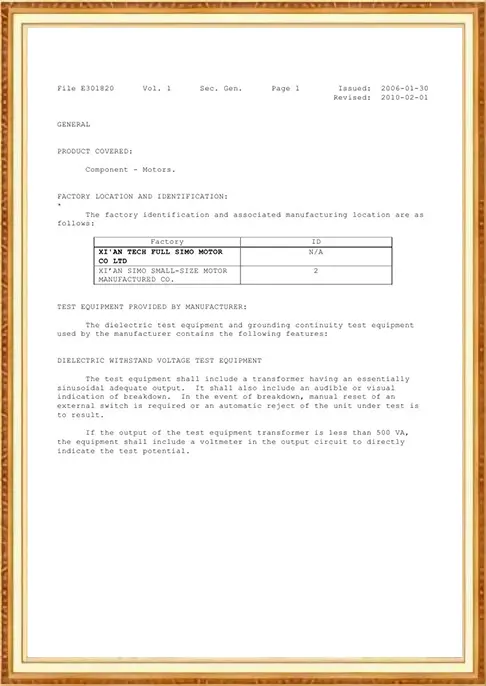
Answers to common technical inquiries regarding design, operation, and maintenance of large-scale synchronous motors.
Browse our extended line of high-efficiency asynchronous motors, variable frequency systems, and control cabinets.
 Lite Simo