High-performance custom design solutions engineered for petroleum, chemical, mining, and heavy-duty global applications.
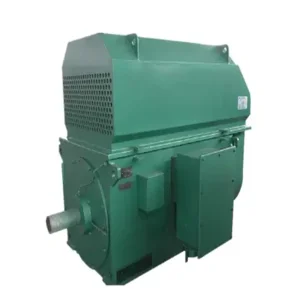
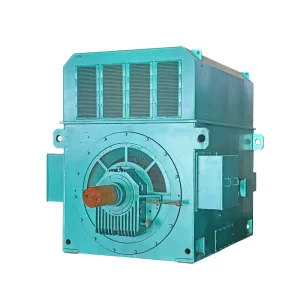
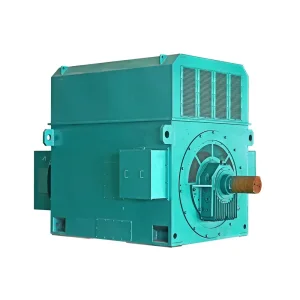
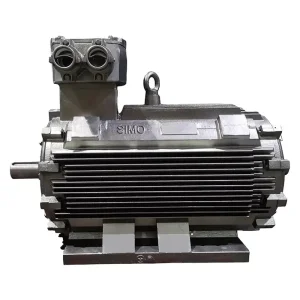

Xi’an Lite SIMO Motor Co., Ltd is an electric company, main enterprise specializing in the manufacturing of large/medium-sized, high/low voltage AC motors, DC motors, synchronous motor, and explosion-proof motor in the Chinese mechanical industry. SIMO is a comprehensive manufacturing and service supplier of motor design, manufacturing, mechanical processing, mold making, and assembling. The Company ranks TOP in China’s motor industry as to its scale of production, and has maintained a fast-growing development trend for consecutive years.
With modern manufacturing processes at the core of our operations, we implement rigorous quality management that conforms strictly to international explosion-proof standards, safety guidelines, and environmental frameworks.
Exploring the mechanical, thermodynamic, and electromagnetic standards governing heavy-duty AC motors in hazardous environments.
In hazardous areas containing volatile gases, vapors, or combustible dust, standard AC induction motors present severe ignition risks. Standard electrical operation produces internal heat, electrical arcing, and mechanical friction—factors that can ignite ambient atmospheric mixtures. As a leading OEM explosionproof AC motor factory, Lite SIMO designs motors that isolate internal ignition sources from the surrounding atmosphere.
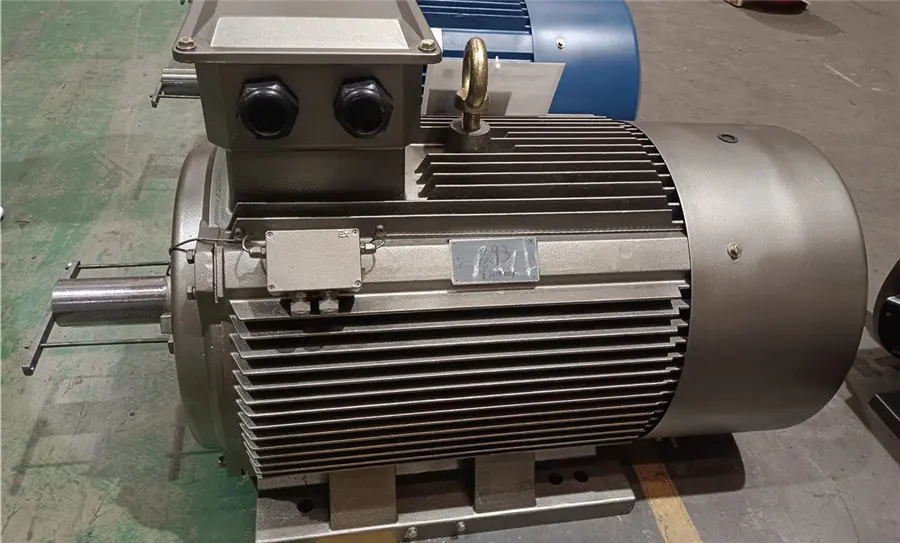
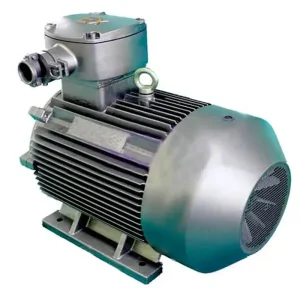
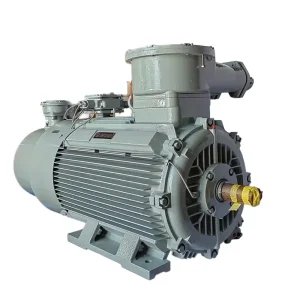
The design of industrial explosionproof motors is governed by international standards, including IEC 60079 and EN 60079. The primary methodology utilized in the SIMO YBX3, YBX4, and YBX5 low-voltage series, as well as YFB3 dust-proof series, is Flameproof Protection (Ex d / Ex db).
Unlike hermetically sealed systems, flameproof enclosures are designed with the understanding that combustible gases *will* enter the motor frame. If an internal ignition occurs, the robust cast-iron frame withstands the generated pressure without rupturing or deforming. Critically, the internal combustion gas escapes to the outer atmosphere only via highly engineered path gaps, known as flame paths (or flame joint clearances). As the expanding gas travels through these tight clearances, it cools below the auto-ignition temperature of the external atmosphere, ensuring no flame propagation occurs outside the frame.
"The flame path dimension is a critical metric. By optimizing structural paths and ensuring tight tolerances on joint faces, we guarantee the safety parameters for Zone 1 and Zone 2 environments (Group IIA, IIB, and IIC gases) without sacrificing thermal dissipation or mechanical efficiency."
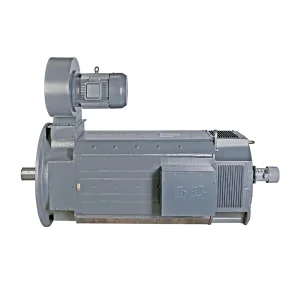
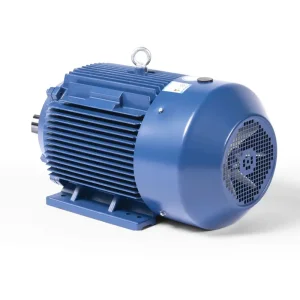
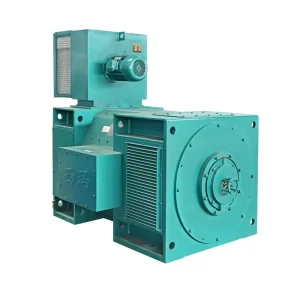
Our manufacturing scope covers 34 major series, over 1,800 varieties, and 19,500 specific configurations. The power output ranges from 0.35kW to 25,000kW, making SIMO one of the few global players capable of supporting low, medium, and high-voltage applications in hazardous conditions.
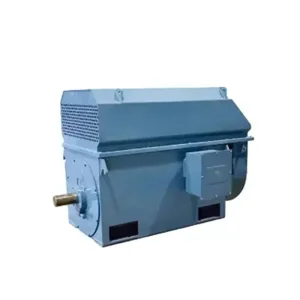
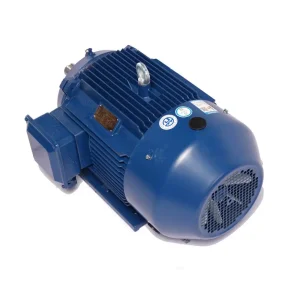
YBX3, YBX4, and YBX5 series. Fully compliant with modern high-efficiency standards (IE3, IE4, and IE5). Ideal for pump, fan, and compressor drives in petrochemical plants.
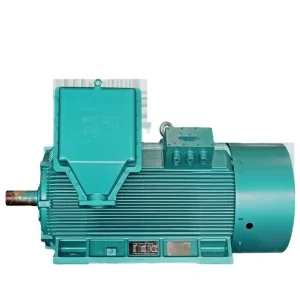
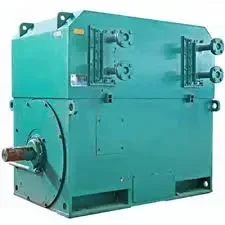
YX, YXKK, YXKS, YR, YRKK, and YRKS series. Voltages range from 3kV to 10kV. Designed for heavy industrial loads such as mine ventilation and raw material crushers.
YFB3 dust explosion-proof series and YBBP low-voltage explosion-proof variable frequency series. Ensures protection against non-conductive and conductive dusts.
High-voltage and explosion-proof motors operate under severe thermal stresses. At SIMO, we utilize Class F insulation systems with Class B temperature rise limits (Class H is available upon request). High-voltage stators undergo Vacuum Pressure Impregnation (VPI). This process forces solvent-free epoxy resins deep into the coil windings, eliminating air voids. As a result, the stator gains excellent dielectric strength, high thermal conductivity, and resistance to environmental moisture and chemical vapors.
To maintain strict manufacturing tolerances, our facility houses more than 1,172 sets of high-precision production machinery. These include CNC horizontal lathes, machining centers, automatic winding machines, and a comprehensive electrical test bay capable of testing full-load characteristics for motors up to 25,000 kW.
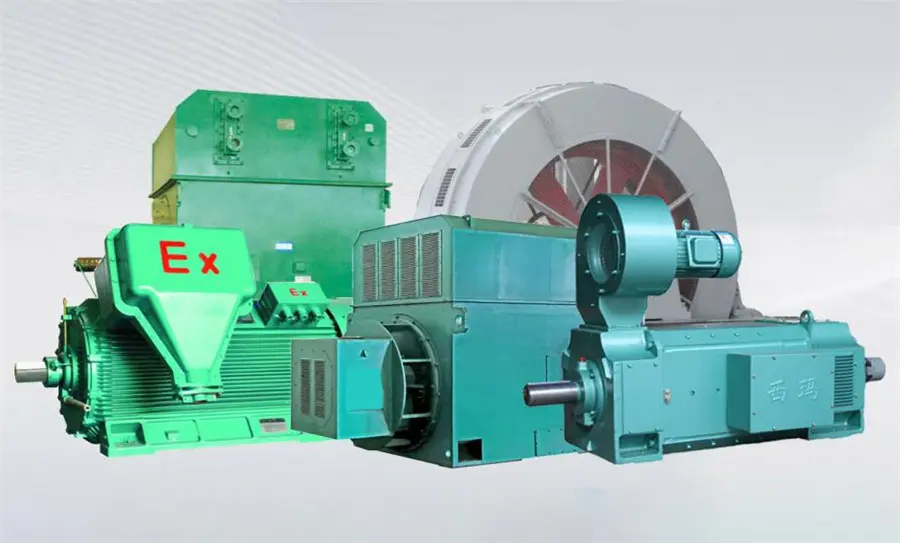
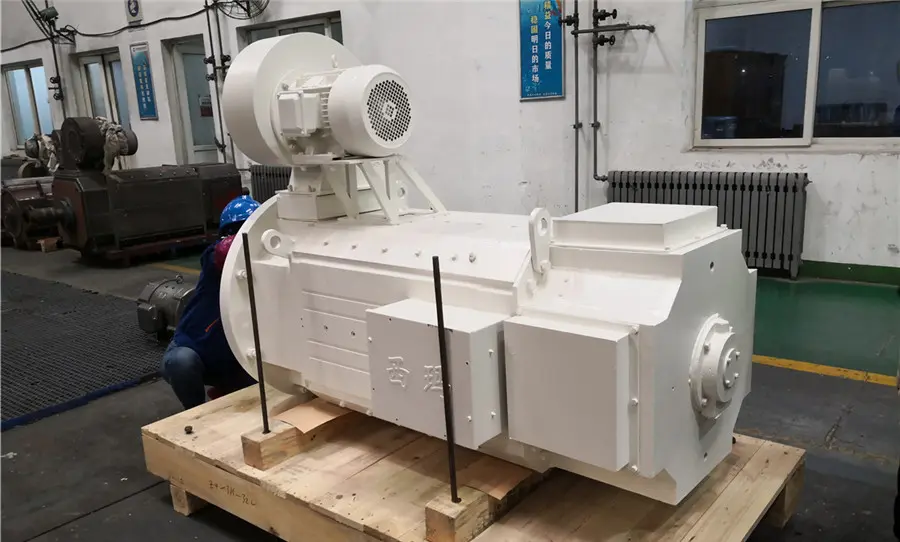
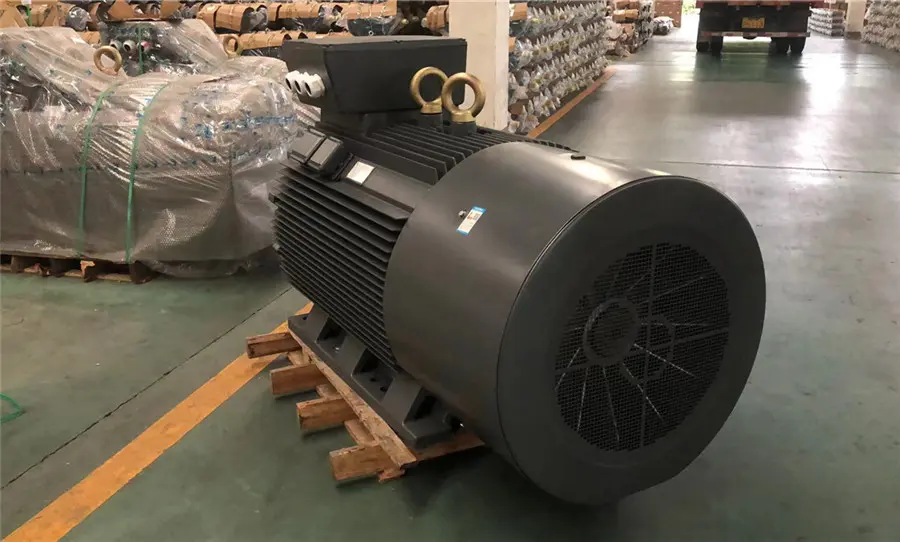
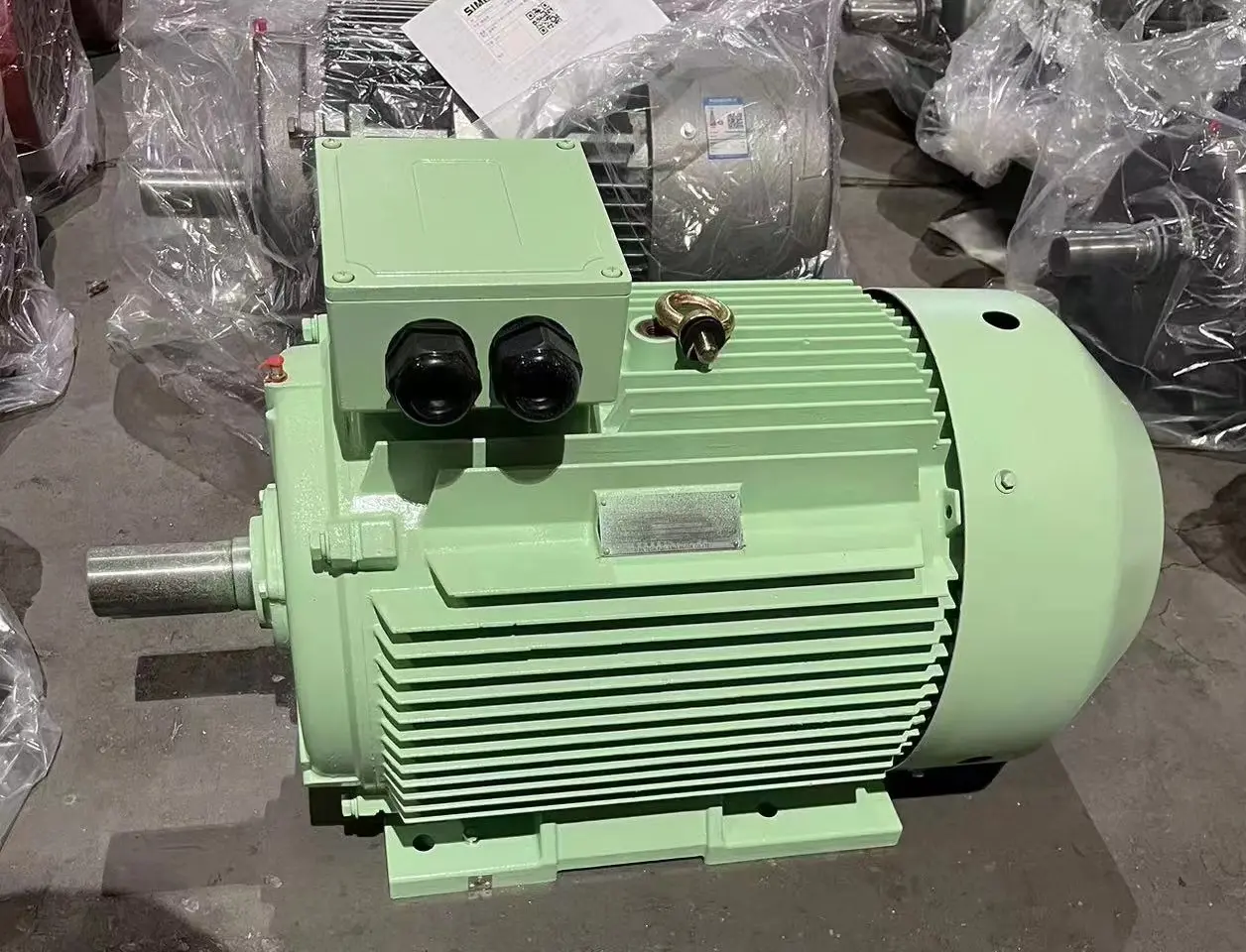
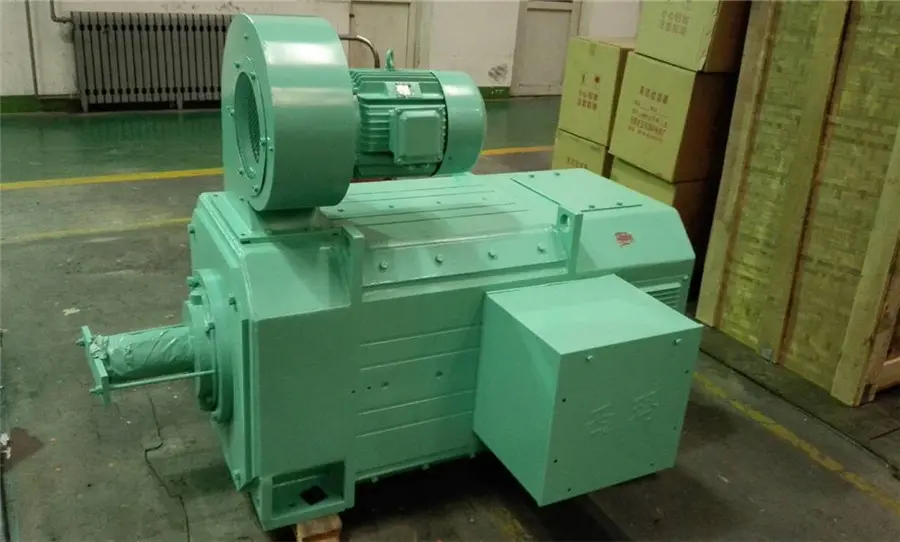
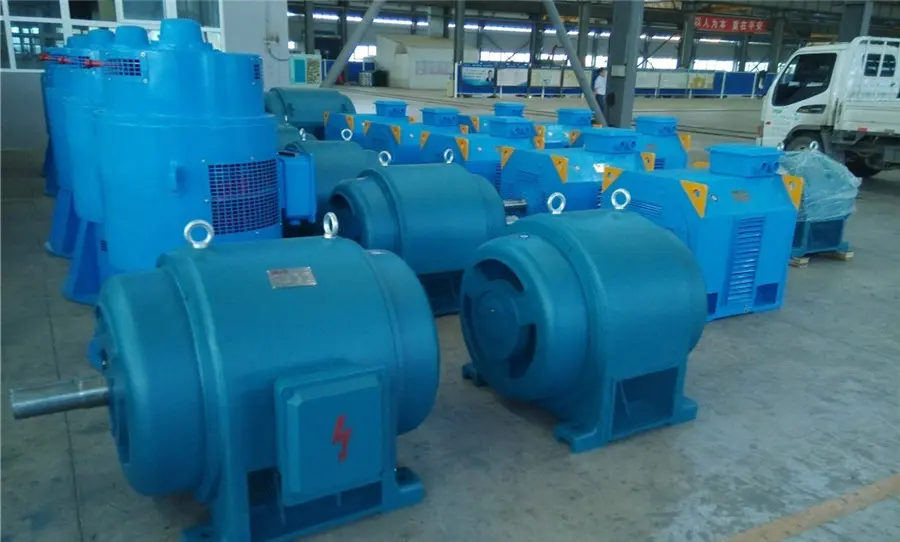
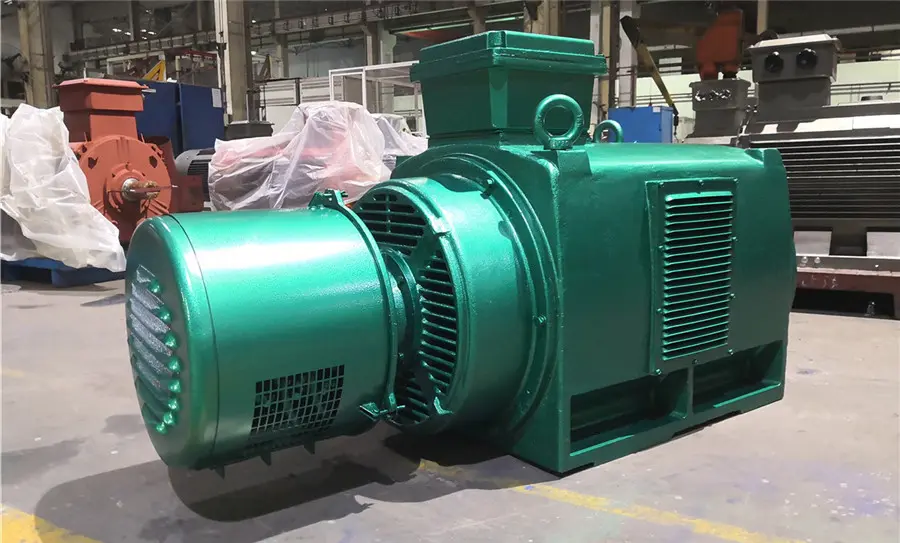
Tracing our progress from a regional state-owned factory established in 1955 to a global leader in high-performance electrical machinery.
SIMO Motor was established and led by the state government, laying the foundation for industrial electric motor manufacturing in Northwest China.
Relocated to a new, purpose-built facility in Xi'an city, expanding engineering capacity to support national infrastructure projects.
Renamed to Xi'an Motor Factory after a series of strategic state-driven acquisitions, integrations, and technological mergers.
Reformed from a state-owned factory into a limited liability company, introducing modern market-driven corporate management and R&D pipelines.
SIMO Motor Group established, organizing 14 specialized subsidiaries to cover materials, copper winding, mechanical processing, and mold engineering.
Moved to a modern high-tech industrial park, integrating advanced assembly, winding, testing, and distribution centers.
Rebranded as Tech Full Simo Motor, aligning corporate strategy with global export structures, CE/UL certification frameworks, and modern trade requirements.
Advancing on the path to becoming a premier global motor manufacturer, with a focus on smart IoT monitoring, IE5 efficiency levels, and custom OEM explosionproof designs.
SIMO explosionproof motors are engineered for hazardous and demanding applications:
Operating from Xi'an—a major industrial and technological hub in China—allows Lite SIMO to integrate local supply chain efficiencies with strict quality control protocols:
Our regional supply network guarantees access to raw materials, including cold-rolled silicon steel sheets with low iron loss, and high-purity electrolytic copper windings. By keeping casting, precision CNC machining, VPI insulation, dynamic balancing, and electrical type-testing within our own manufacturing plants, we reduce production cycle times by 20% to 30% compared to Western OEMs. This integration helps mitigate supply chain bottlenecks and ensures consistent delivery timelines for global infrastructure projects.
Industrial motors account for approximately 70% of total electrical energy consumption in heavy manufacturing. Lite SIMO is transitioning its explosion-proof product lines to meet ultra-premium efficiency regulations worldwide:
Our R&D roadmap focuses on optimizing rotor slot geometry, reducing stator copper losses, and utilizing high-performance electrical steel laminations to meet IE4 and IE5 efficiency levels (specifically seen in the YE4 and YE5 motor series). Additionally, our YBBP variable-frequency systems are engineered to run reliably under non-sinusoidal waveforms generated by Variable Frequency Drives (VFDs). These systems include insulated non-drive end bearings to eliminate shaft currents, preventing premature bearing failure and extending maintenance intervals.
SIMO products conform to major international testing frameworks, verifying safety, efficiency, and engineering quality.
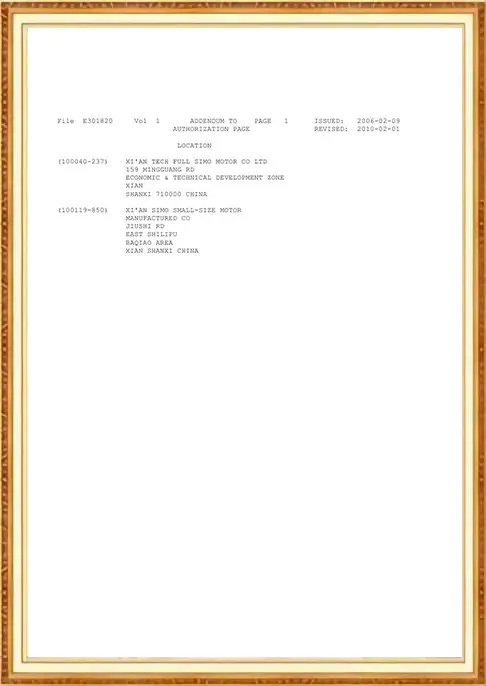
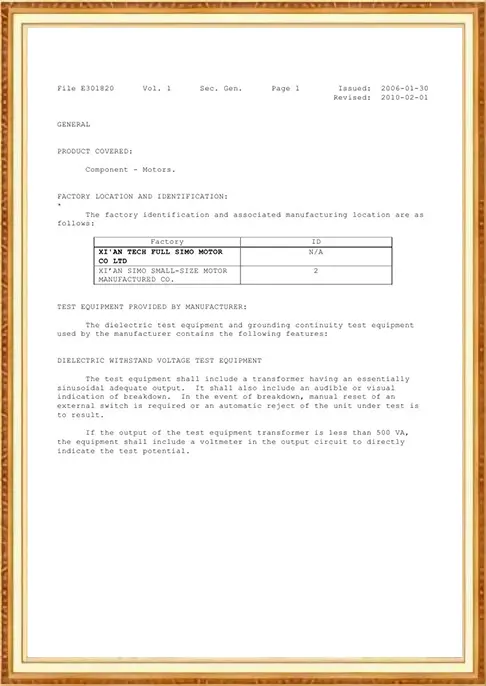
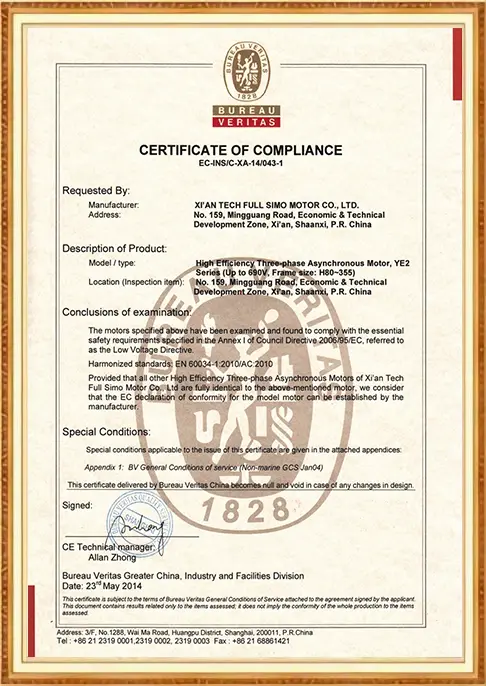
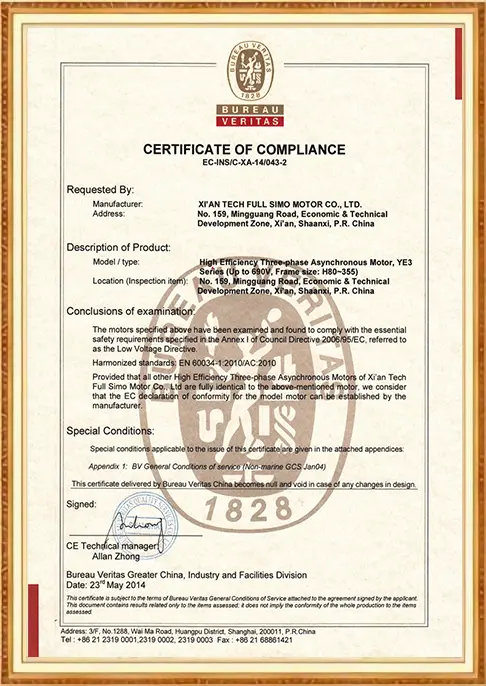
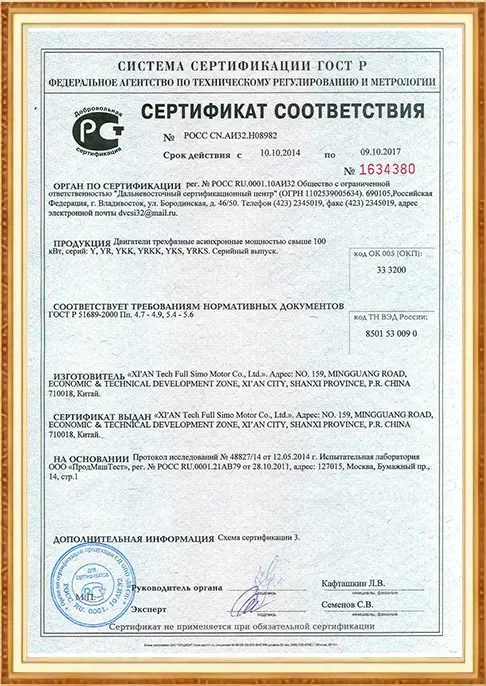
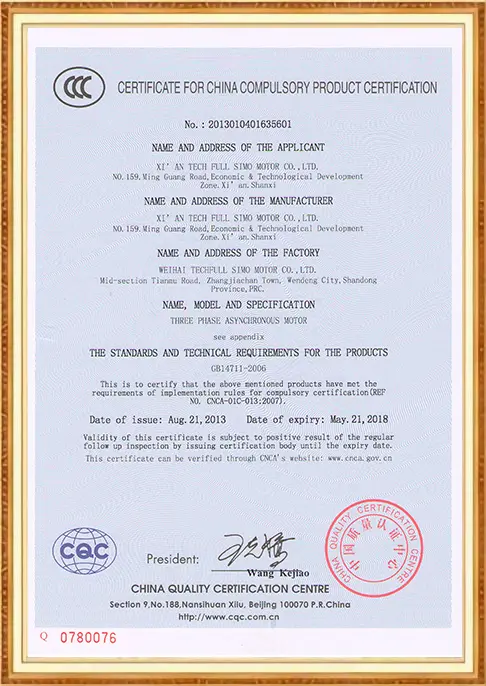
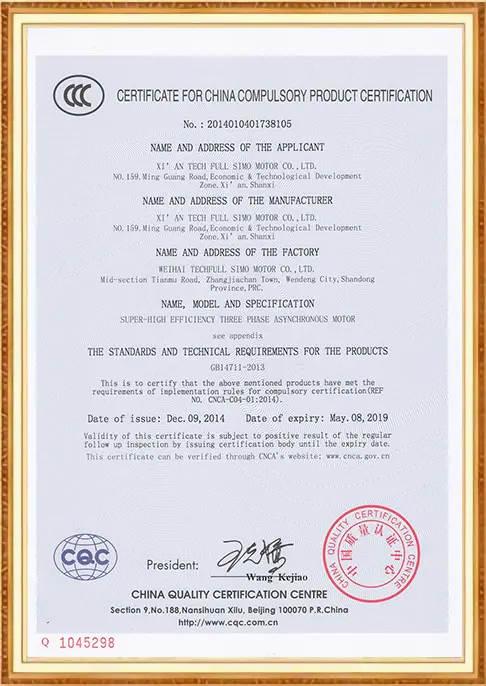
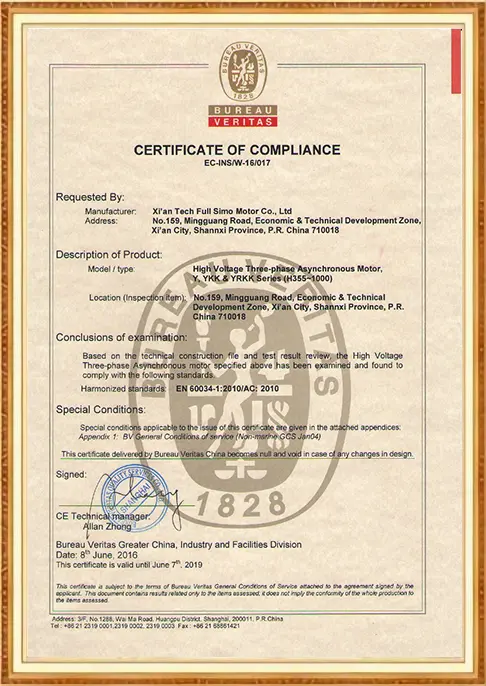
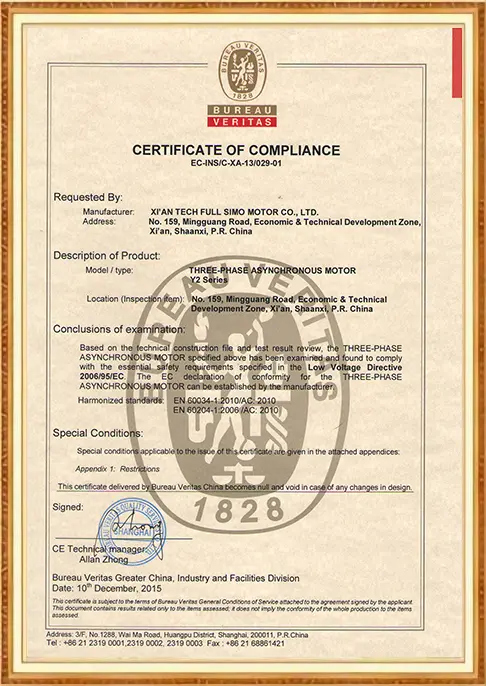
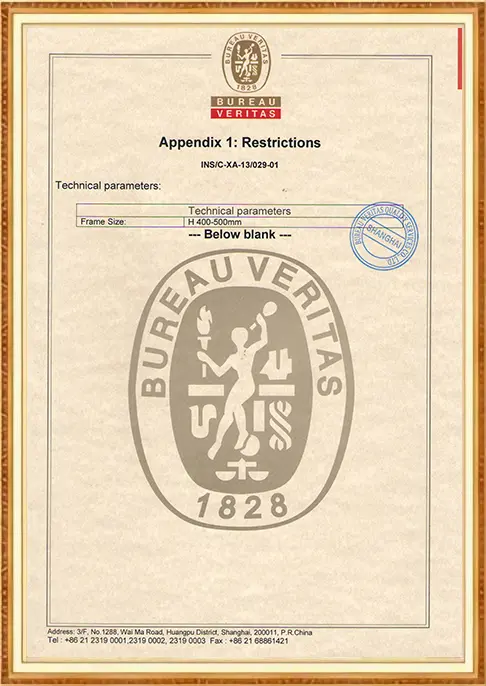
SIMO has successfully passed the ISO9001 Quality System Certification, European Union "CE" certification, United States "UL" safety listings, and Russian "GOST" import standards. Our electric motors are deployed globally in power stations, mining installations, transport terminals, chemical complexes, agricultural facilities, and municipal water conservancy networks.
Expert technical answers to common queries regarding installation, design, safety standards, and maintenance of hazard-rated motors.
An Ex d (Flameproof) motor is designed to withstand internal combustion without allowing the resulting flame to ignite the external environment. This is achieved through calculated flame paths. An Ex e (Increased Safety) motor focuses on preventing internal arcs, sparks, or excessive heat generation. Ex e motors rely on mechanical design safety margins, whereas Ex d frames contain and neutralize internal ignition.
Operating an AC motor at low speeds reduces the cooling capacity of shaft-mounted fans, which can increase the motor's operating temperature. For VFD applications in hazardous areas, we recommend the YBBP variable frequency explosion-proof series. These motors feature independent cooling fans (IC416 cooling), thermal sensors embedded in the windings, and insulated bearings to mitigate shaft current hazards.
The YFB3 series is rated for dust ignition protection, meeting Ex t (typically tD A21 or tD A22) specifications. The frame is sealed (IP65 or IP66) to prevent combustible dusts—such as coal, grain, or chemical powders—from entering the motor housing. It also features structural safety designs to keep surface temperatures below the ignition threshold of settled dust layers.
Flame paths should be inspected annually or during major maintenance cycles. Joint surfaces must be checked for corrosion, pitting, or mechanical damage. No painting is allowed on flame path joints, as paint can alter the clearances. Only approved, non-hardening anti-corrosion grease should be applied to prevent moisture ingress.
Yes. Standard motors are designed for altitudes up to 1,000 meters. For higher elevations, the lower air density reduces cooling efficiency. We can customize windage designs, utilize Class H insulation components, or apply derating factors to ensure the motor operates within safety limits at elevated altitudes.
Every production batch undergoes structural overpressure tests to verify casting integrity, dynamic balancing of rotors to prevent vibration-induced wear, and dielectric testing of VPI windings. Additionally, type tests are conducted in certified labs where the motor's internal chamber is filled with explosive gas mixtures and ignited to verify that no flame propagates to the external environment.
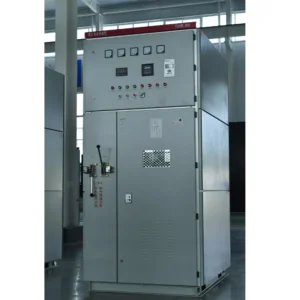
From heavy-duty DC traction motors to custom soft-starters, SIMO supplies complete electric drivetrain solutions.
 Lite Simo