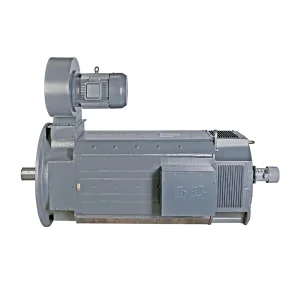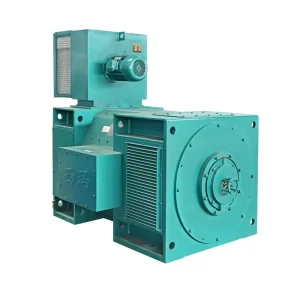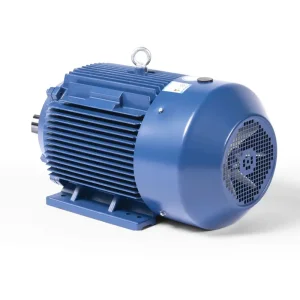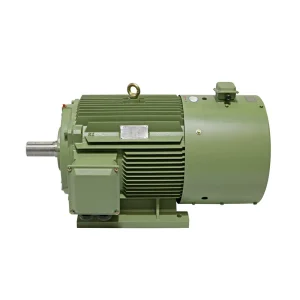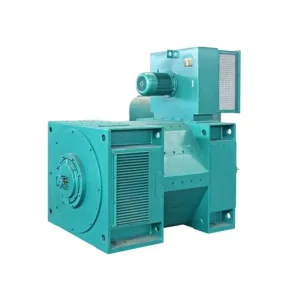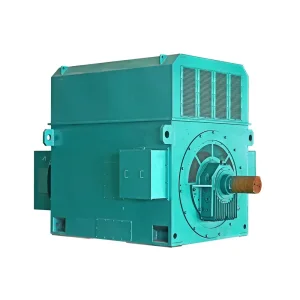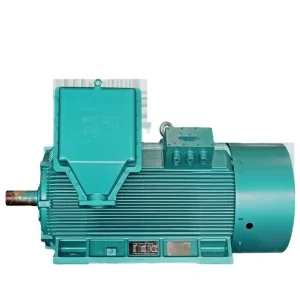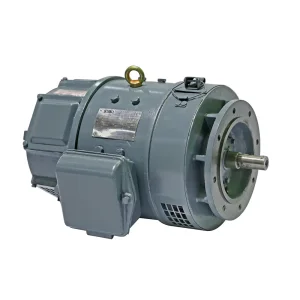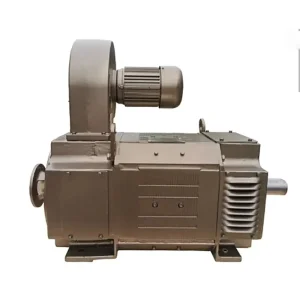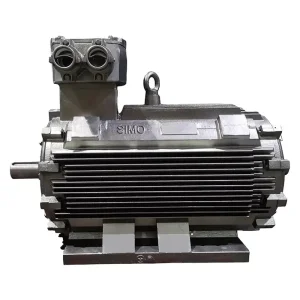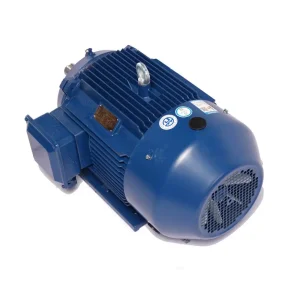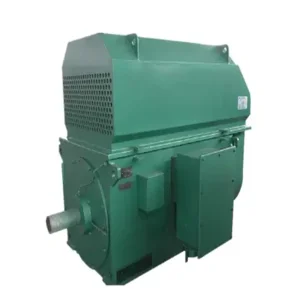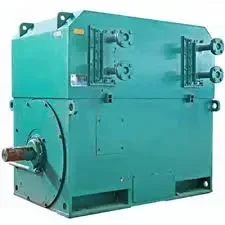
Xi’an Lite SIMO Motor Co., Ltd. is a leading electrical machinery pioneer specializing in the development, manufacture, processing, and assembly of large, medium, and low voltage AC and DC electric motors. With deep integration across mechanical processing, precision mold design, and comprehensive custom assembling lines, SIMO ranks at the absolute forefront of China’s motor manufacturing sector.
Established through governmental guidance and built upon rigorous industrial foundations, the company sustains an accelerated growth index annually, delivering highly reliable drive systems to over 50 countries globally. Operating with advanced, high-precision engineering facilities, SIMO remains a cornerstone supplier for power generation, municipal engineering, mining operations, heavy manufacturing, and green chemical infrastructures.
SIMO Motor is established and initially directed under Chinese government mandate to support core national mechanical industrialization projects.
Relocated to a newly constructed manufacturing plant in Xi'an city, establishing the central geographic hub for motor development.
Rebranded to Xi'an Motor Factory after extensive vertical and horizontal integration of regional manufacturing resources.
Restructured from a state-owned enterprise to a limited liability company, introducing agile market-oriented governance and management.
Establishment of SIMO Motor Group, expanding manufacturing capacity and acquiring 14 specialized subsidiaries across China.
Relocated manufacturing bases to a state-of-the-art, high-tech industrial park, integrating computerized manufacturing and quality testing.
Rebranded as Tech Full Simo Motor, optimizing core production protocols and implementing global exportation systems.
Continuous integration of green designs, IE4, and IE5 energy-efficient technologies, establishing the company as a premier global motor supplier.
Low voltage three-phase induction motors represent the primary workhorse of global industrial infrastructure. Consuming approximately 45% to 53% of all global industrial electricity, these devices are crucial in driving municipal machinery, complex mechanical processes, and modern manufacturing platforms. With global regulations transitioning toward decarbonization, the demand for highly optimized low voltage asynchronous systems has escalated from a cost-saving preference to a mandatory regulatory requirement.
Geographically, regions such as Europe, North America, and parts of the Asia-Pacific have established strict minimum energy performance standards (MEPS) for industrial motors. Operating below these limits is increasingly restricted by law, compelling industrial plants to phase out older IE1 and IE2 class machines. China has emerged as a key global manufacturing center for high-efficiency motors, utilizing advanced manufacturing processes, localized silicon steel supply chains, and extensive copper rotor casting technologies to meet domestic and international standards.
In three-phase induction design, technological progression is defined by the reduction of internal losses: stator copper losses, rotor copper losses, core losses, windage/friction losses, and stray load losses. Modern architectures address these limits by integrating advanced materials and mechanical designs:
| Standard | Efficiency Class | Core Materials | Key Engineering Innovations | Primary Application Areas |
|---|---|---|---|---|
| IEC IE3 / YE3 | Premium Efficiency | Standard Silicon Steel | Optimized slot fill factor, improved fan design. | General pumps, standard fans, compressors. |
| IEC IE4 / YE4 | Super Premium Efficiency | Cold-rolled Cold Silicon Steel | Die-cast copper rotor slots, optimized winding configuration. | Heavy continuous-duty chemical & metallurgy plants. |
| IEC IE5 / YE5 | Ultra Premium Efficiency | Ultra-thin laminations, PM-assisted | Permanent magnet-assisted synchronous reluctance designs. | Smart manufacturing, variable speed precise load controls. |
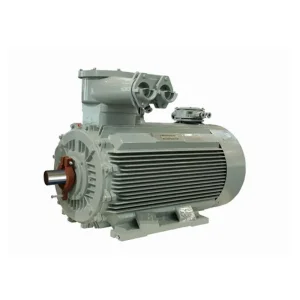
The implementation of Variable Frequency Drives (VFD) has changed low voltage three-phase operation. System series such as YVFE3, YVFE4, and YVFE5 are specifically designed to withstand harmonic distortion generated by pulse width modulation (PWM) switchgear. These motors incorporate insulated bearings and specialized stator insulation systems (Class F/H with vacuum pressure impregnation - VPI) to eliminate localized voltage spikes, preventing premature insulation breakdown.
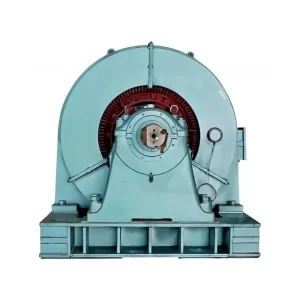
In heavy industrial sectors like mining, induction motors operate under continuous heavy loads, severe dust, and high vibrations. Custom synchronous and asynchronous lines such as the TDMK series are engineered for heavy milling machinery. These motors feature high starting torque configurations and robust frames designed to handle torque variations without overheating.
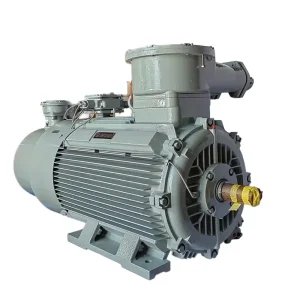
For volatile atmospheres containing combustible dust or hydrocarbon vapors, standard induction motors pose safety risks. The YBBP, YBX3, and YFB3 explosion-proof series utilize specialized flameproof enclosures designed to contain internal sparks, preventing external ignition. This protection is critical for petrochemical refineries, underground coal extraction plants, and grain processing terminals.
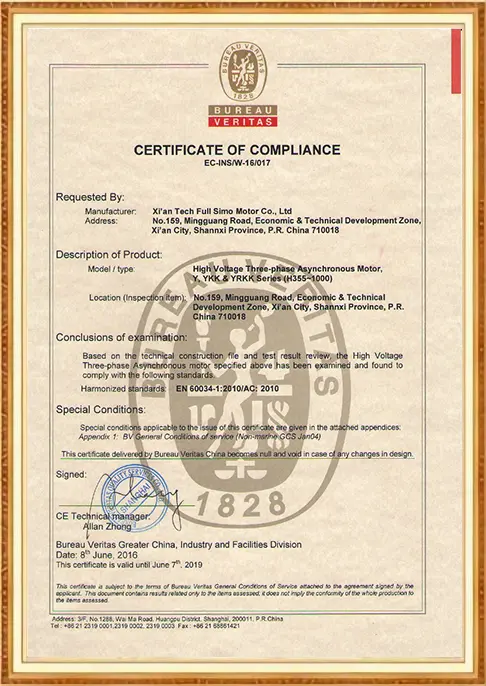
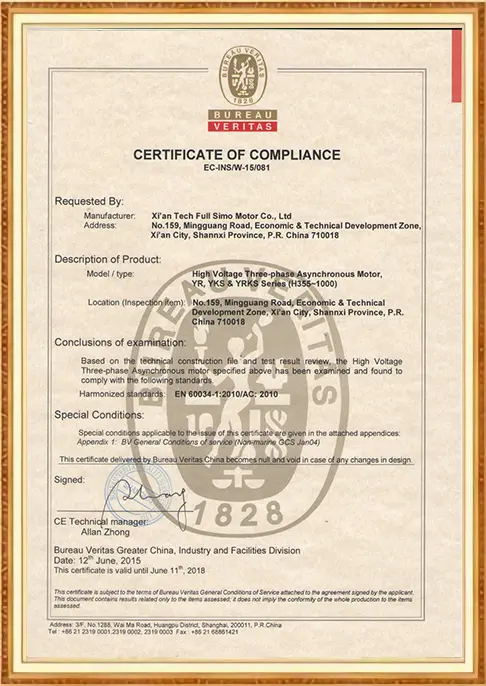
In global municipal water management, irrigation, and power generation cooling, high-voltage induction series like YRKK and YKS manage high fluid-volume requirements. These motors are optimized for continuous operation and feature water-to-air cooling (YKS) or air-to-air cooling (YRKK) options to maintain reliable performance under harsh ambient conditions.
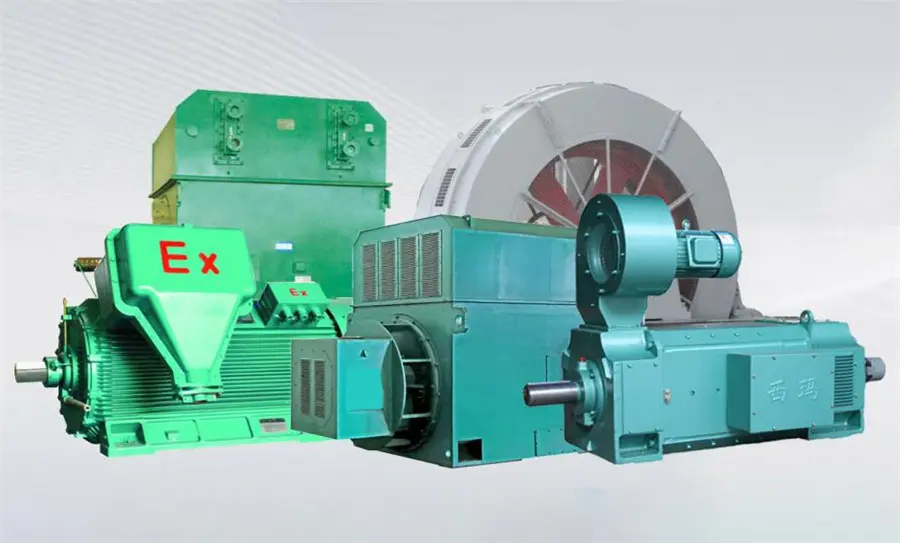
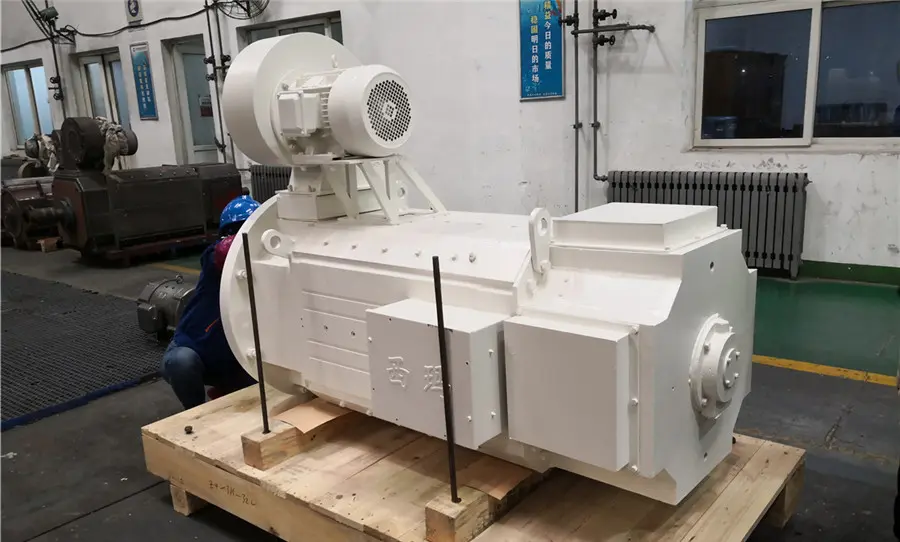
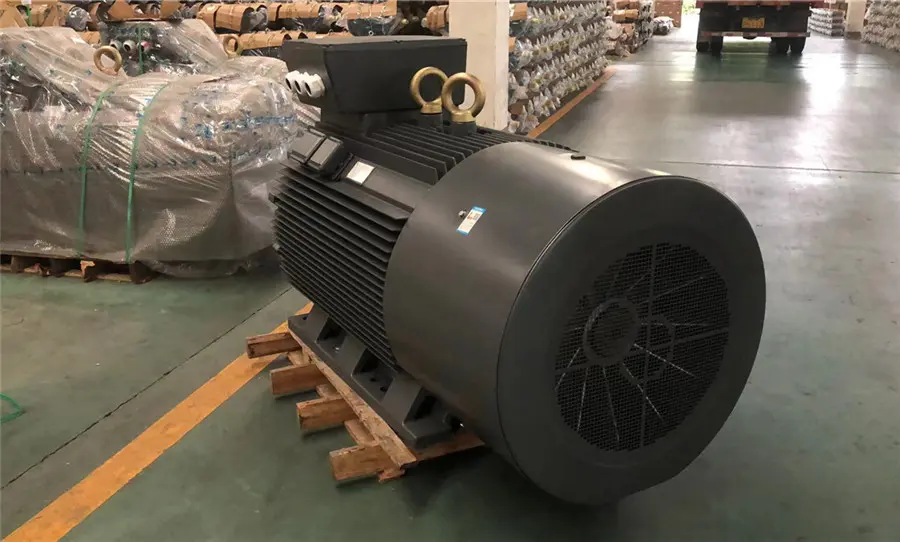
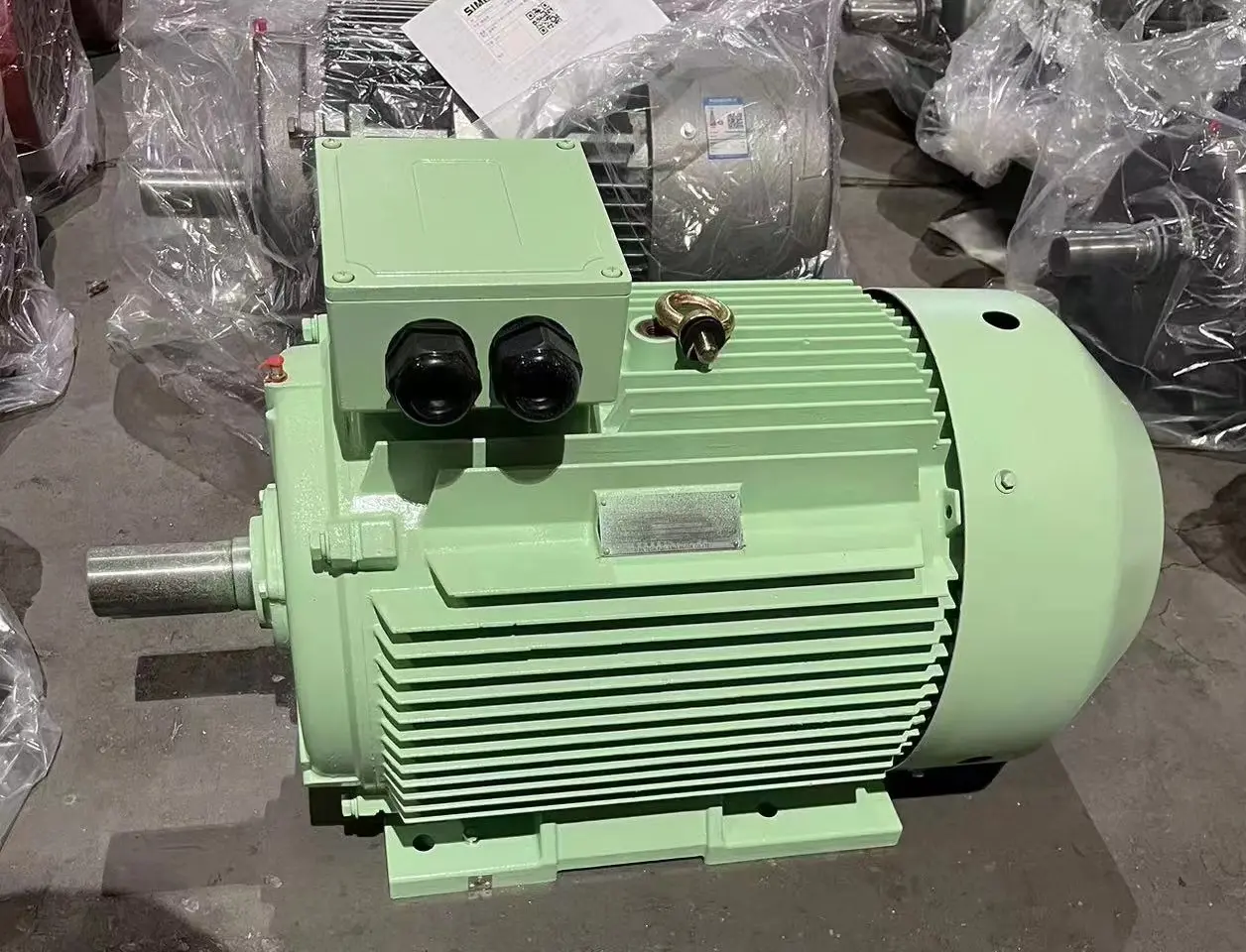
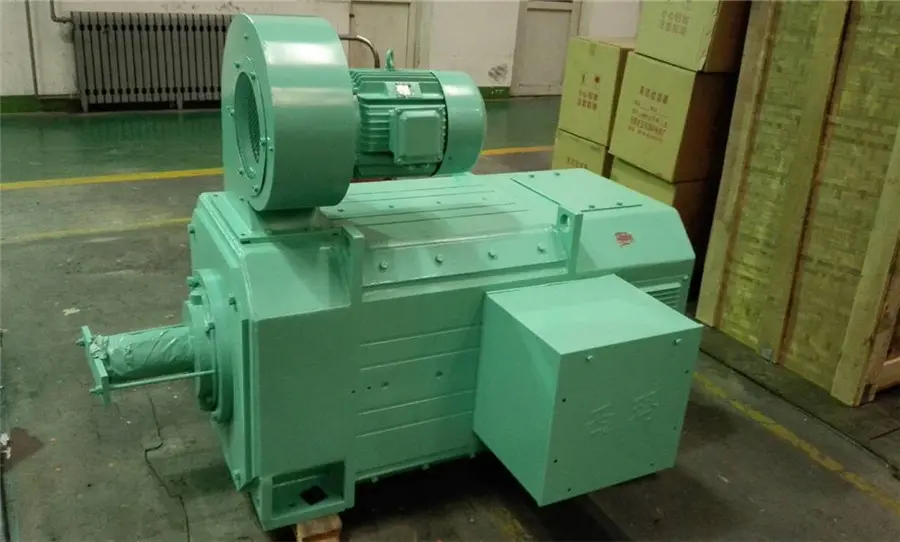
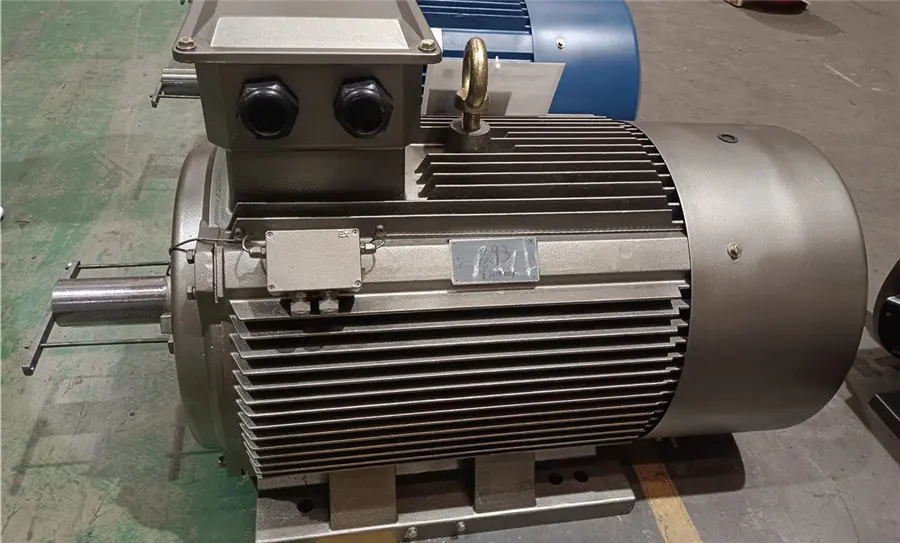
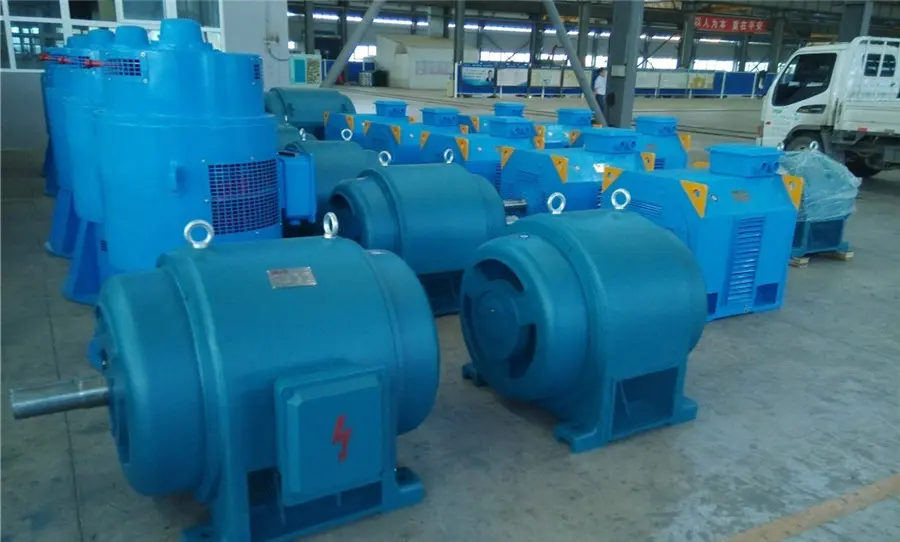
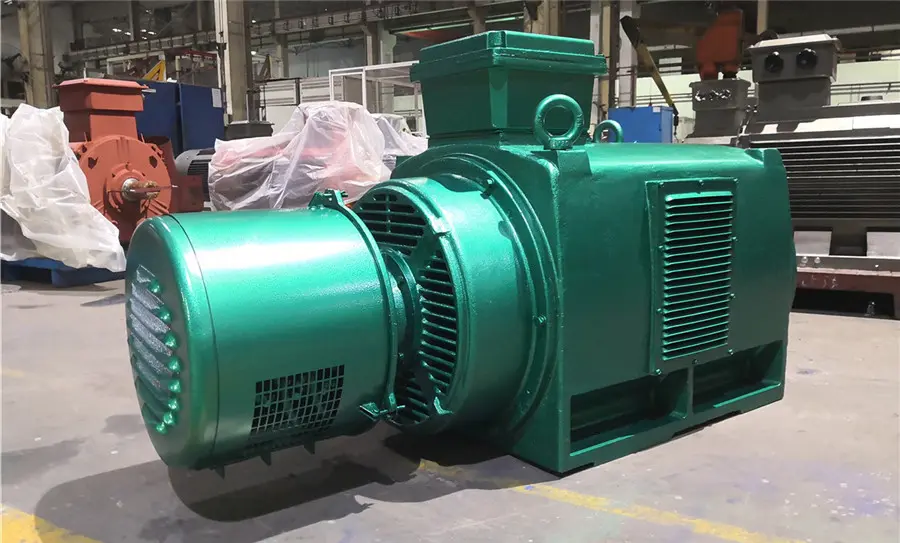
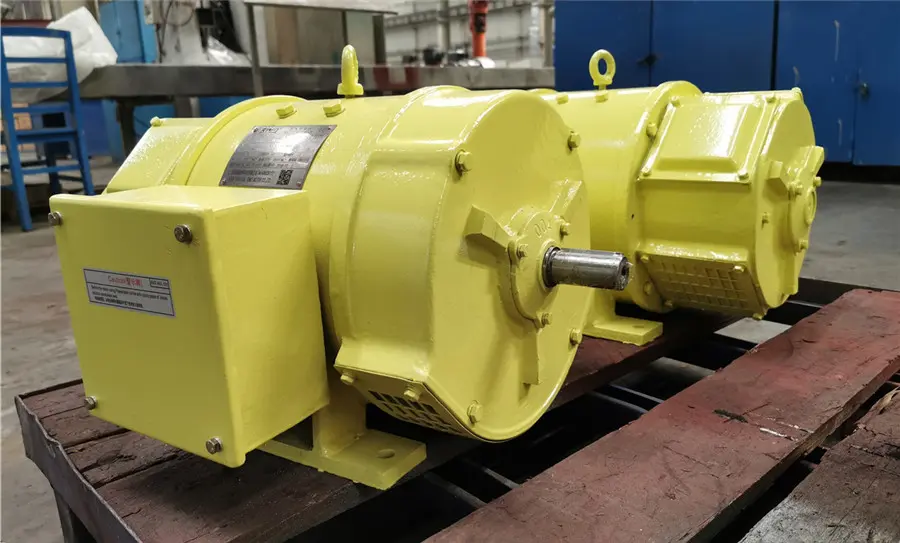
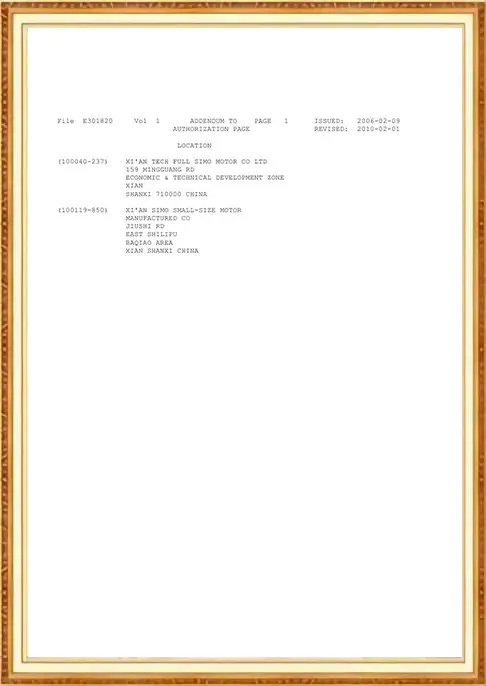
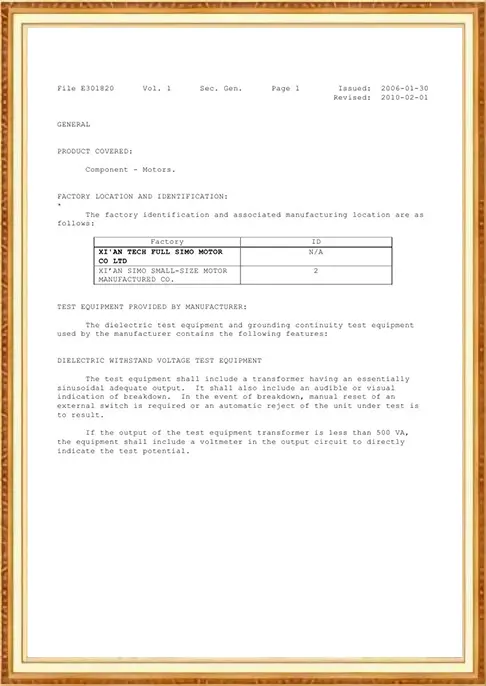
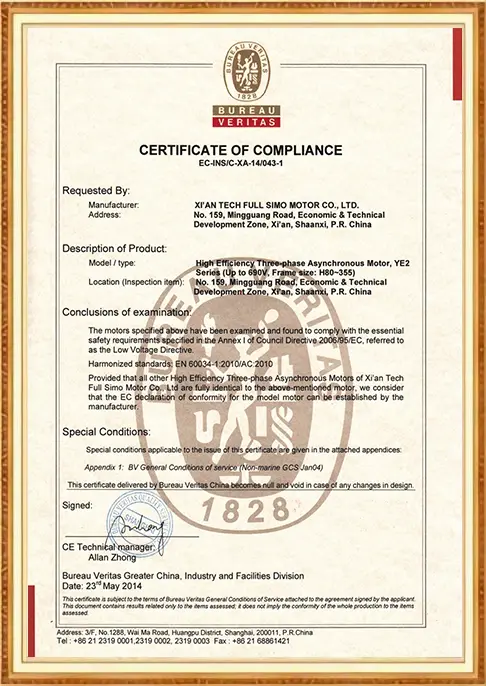
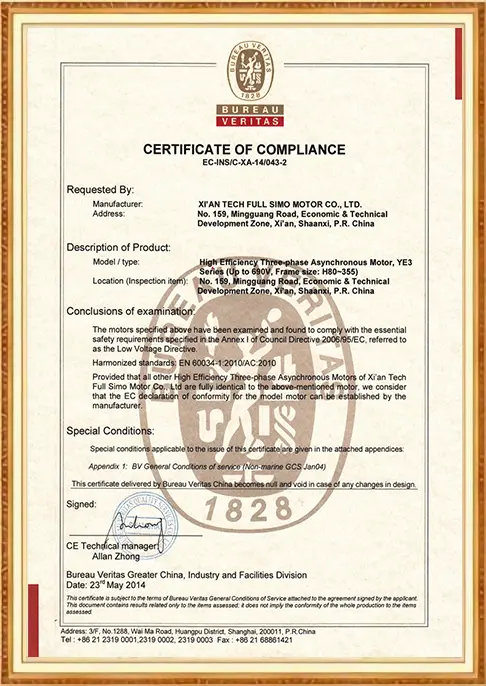
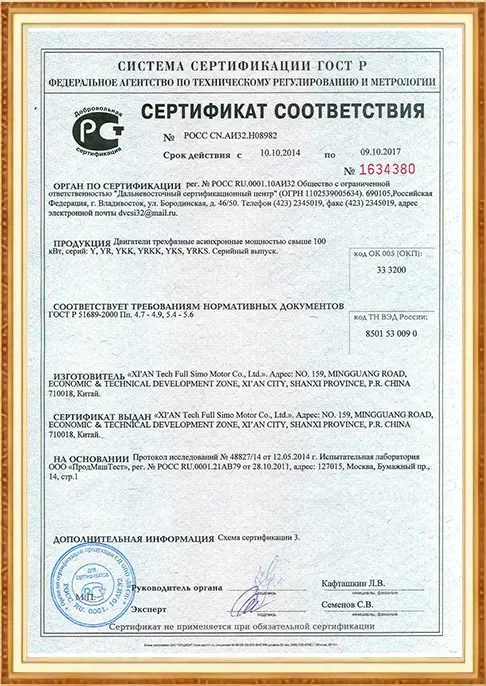
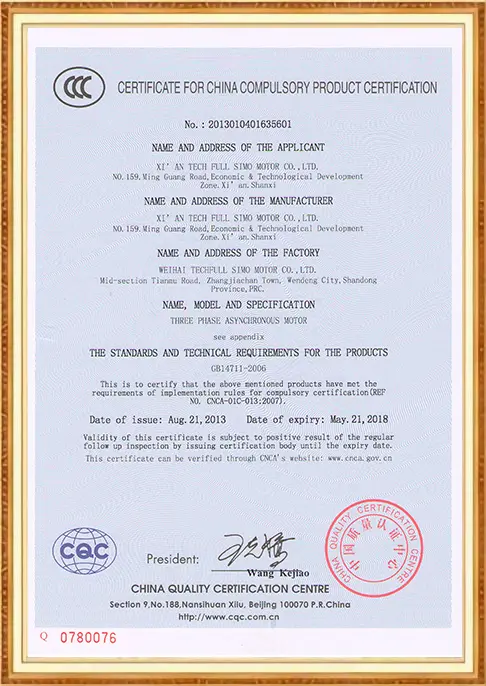
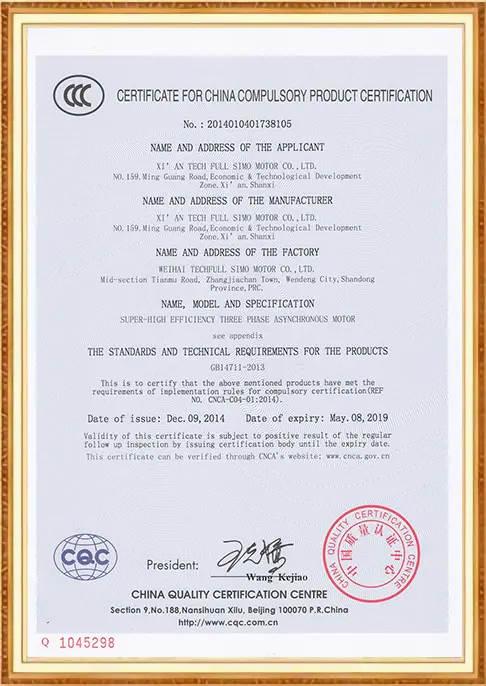
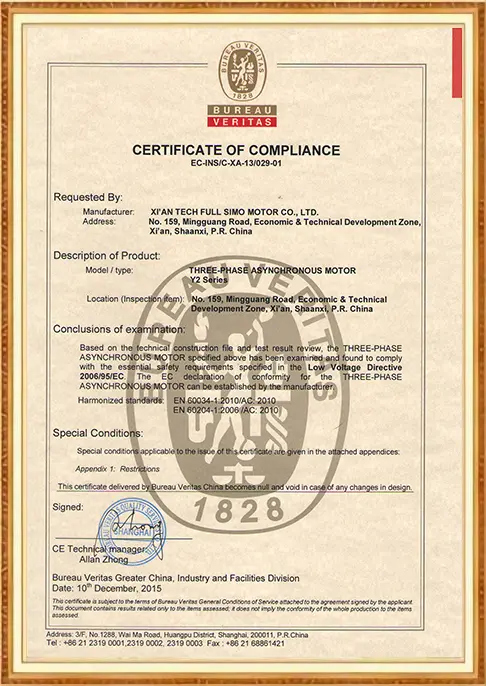
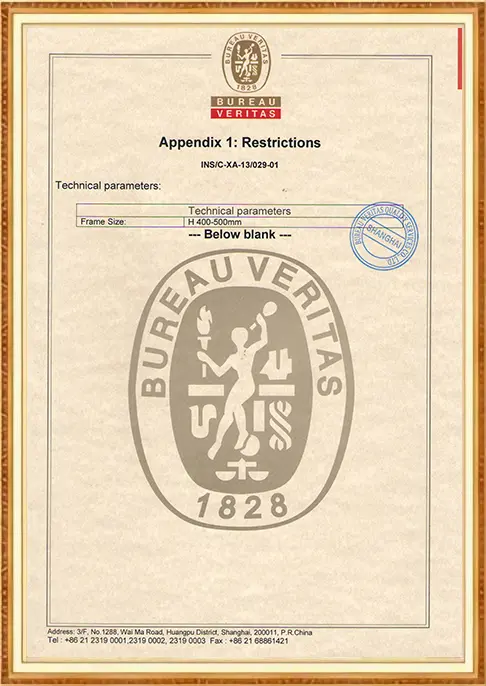
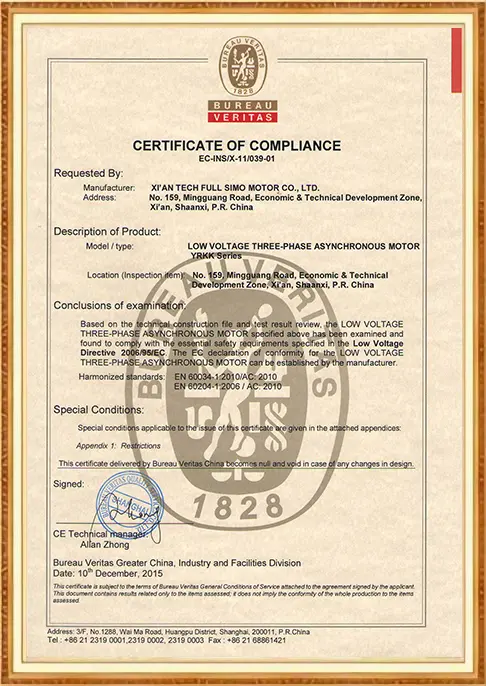
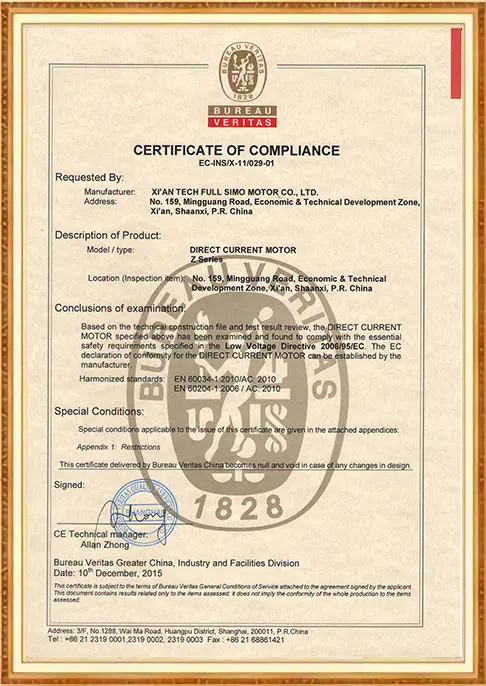
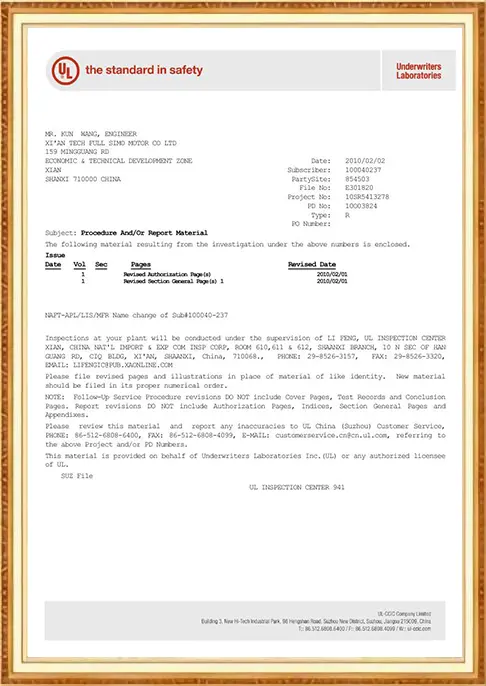
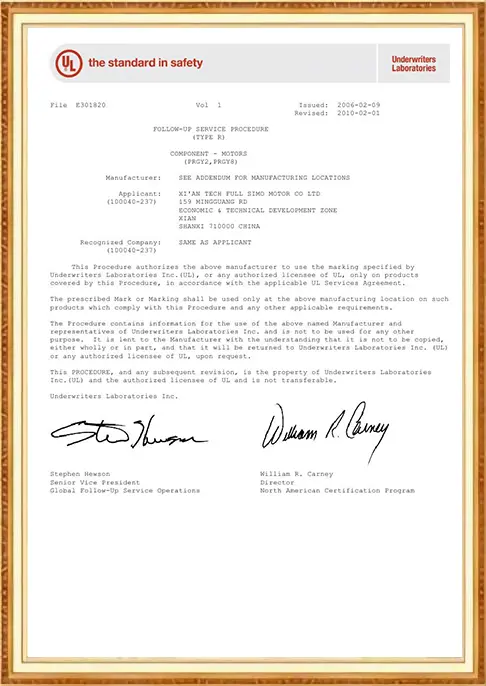
SIMO products meet strict international design and safety standards, verifying our quality protocols and performance ratings through certifications including ISO9001, European Union CE, American UL, and Russian GOST.
Under international electrotechnical standards (IEC 60038), low voltage motors operate below 1000 Volts (typically 220V, 380V, 400V, 415V, 440V, or 690V at 50Hz or 60Hz). Medium and High Voltage induction motors operate at voltages such as 3kV, 6kV, 10kV, or 11kV. Low voltage configurations require simpler control gear, reduced clearances, and standard insulation, making them cost-effective and highly adaptable for applications under 375kW.
Over a typical motor lifespan of 15 to 20 years, electricity accounts for approximately 95% to 97% of total ownership costs. Purchasing an IE4 super-premium or IE5 ultra-premium efficiency motor (such as the YE4 or YE5 series) reduces energy consumption by 2% to 4% compared to an IE3 counterpart. For a continuously operating 250 kW motor, this improvement can yield significant cost savings within the first 18-24 months of operation.
VFDs regulate speed using pulse width modulation (PWM), which can generate voltage spikes (dV/dt) that stress stator insulation. Our variable frequency series (e.g., YVFE3, YVFE4) utilize Class F or Class H insulation systems treated with Vacuum Pressure Impregnation (VPI) resins. Additionally, insulated bearings or grounding rings are recommended for frame sizes 280 and larger to bypass shaft currents and prevent electrical pitting.
Choosing the correct explosion-proof motor depends on identifying the hazard zone: Zone 1 or Zone 2 for gas environments (requiring Ex d or Ex de flameproof designs like YBBP/YBX3), or Zone 21 or Zone 22 for combustible dust atmospheres (requiring Ex t dust ignition protection like the YFB3 series). Selecting the correct temperature class (T1-T6) ensures the motor's maximum surface temperature remains below the ignition point of ambient gases or dust.
 Lite Simo