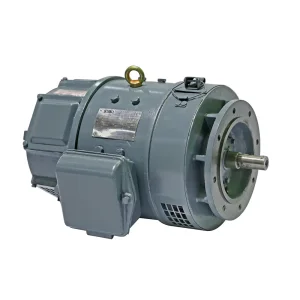
Engineered to optimize startup loads, eliminate inrush currents, and maximize operational efficiency in critical Chicago municipal and industrial facilities.
As the third-largest metropolitan area in the United States, Chicago remains a critical nexus for heavy manufacturing, food processing, logistics, chemical synthesis, and water management. Spanning from the Calumet Industrial Corridor to the high-tech manufacturing parks of Aurora, Elgin, and Joliet, the regional demand for robust, energy-efficient electrical systems is at an all-time high. Electrical control cabinets—particularly those integrating variable frequency drives (VFDs), soft starters, programmable logic controllers (PLCs), and safety networks—are the central nervous systems of these operations.
However, operating within the Chicagoland power grid presents unique challenges. Local facilities must balance volatile power factor regulations imposed by utilities like ComEd, manage electrical noise generated by dense industrial grids, and protect equipment from severe seasonal temperature swings. From sub-zero winter chills to humid summer spells, the thermal management inside an outdoor-rated NEMA 3R, 4, or 4X cabinet is crucial. Local system integrators and electrical engineers are constantly searching for control cabinets that guarantee strict compliance with UL 508A and NEC standards, ensuring long-term operational safety and minimizing costly downtime.
Global procurement specialists are shifting away from standalone components in favor of integrated system packages. Buying a motor from one vendor and a soft-start cabinet from another often results in compatibility bottlenecks, commissioning delays, and fragmented warranty claims. To optimize total cost of ownership (TCO), industrial plants in Chicago, Frankfurt, Shanghai, and Tokyo are looking for partners who understand the direct relationship between electromagnetic performance and control topology.
Modern procurement demands focus heavily on:
1. Efficiency Compliance: Transitioning systems to ultra-premium efficiency lines (such as IE4 and IE5) to align with federal energy mandates.
2. Hazardous Area Safety: Sourcing robust explosion-proof systems (Class I Div 1/2 or ATEX Zones) capable of operating safely in grain handling, chemical processing, and petrochemical refining.
3. Preventative Diagnostics: Utilizing cabinets equipped with smart sensors, Ethernet/IP, and Modbus TCP communications to monitor motor winding temperatures, bearing vibration, and power harmonics in real time.
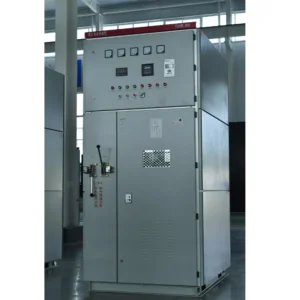
High-voltage soft-starters and VFD systems reduce inrush currents by up to 70%, preventing peak demand charges on municipal grids.
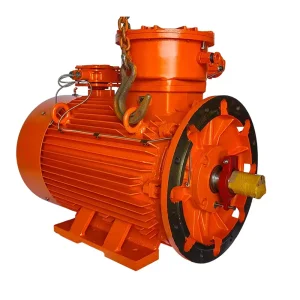
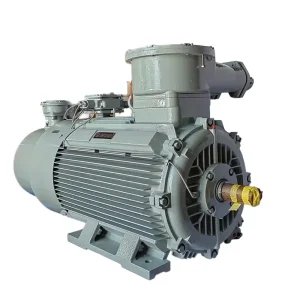
Dust and flameproof certifications (YBBP, YBK3, YFB4 series) protect equipment in high-risk zones like grain silos and chemical processing plants.
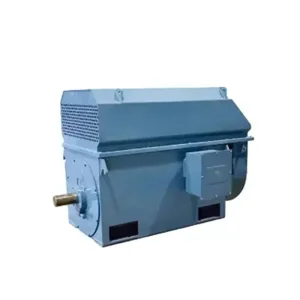
Equipped with real-time temperature tracking, load analytics, and automated safety shutdowns to extend machinery life.
While local system integration is highly valued in the Chicago market for customized layouts, global logistics require partnerships with manufacturers capable of massive scale, rapid prototyping, and vertical supply-chain depth. This is where China's Industry 4.0 infrastructure excels. The integration of advanced robotic manufacturing, automated stator winding, vacuum pressure impregnation (VPI) facilities, and computerized load testing stations allows Chinese factories to maintain unparalleled consistency and speed.
By keeping manufacturing processes like mold-making, component machining, assembly, and testing in-house, these facilities minimize dependency on third-party supply chains. For Chicago businesses, this translates to faster turnaround times for customized projects, more competitive pricing, and strict adherence to technical specifications. Coupled with internationally recognized certifications like ISO9001, CE, UL, and GOST, this modern manufacturing approach ensures that high-power motors and high-voltage starter cabinets operate reliably under the most demanding conditions.
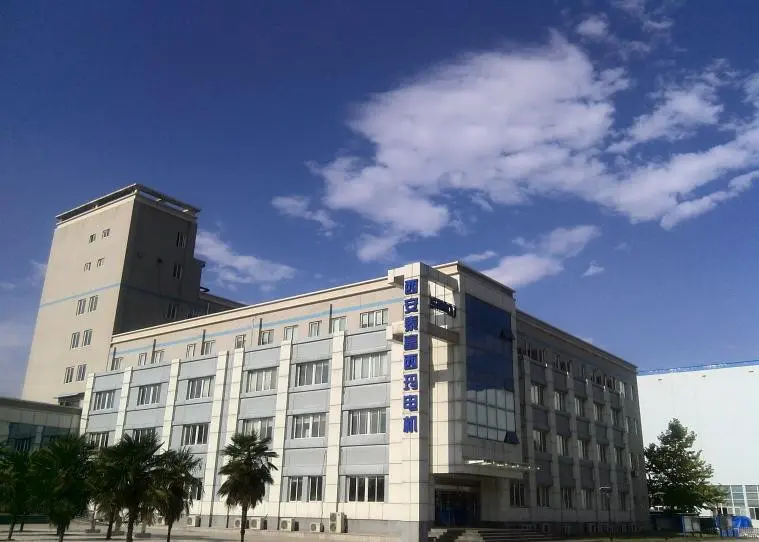
Xi’an Lite SIMO Motor Co., Ltd is an electric company, main enterprise specializing in the manufacturing of large/medium-sized, high/low voltage AC motors, DC motors, synchronous motor, and explosion-proof motor in the Chinese mechanical industry. SIMO is a comprehensive manufacturing and service supplier of motor design, manufacturing, mechanical processing, mold making, assembling.
The Company ranks TOP in China’s motor industry as to its scale of production, and has maintained fast-growing development trend for consecutive years. The combination of structural engineering expertise and state-of-the-art power cabinet configurations places LITESIMO at the forefront of the global heavy industrial market.
More than 60 years of engineering pedigree, scaling from a state-owned facility to a global industrial manufacturing powerhouse.
The Company was founded in 1955 originally and now has more than 60 years history of motor manufacturing and selling. The registered capital is 21.5 million RMB. SIMO has 3 manufacturing factories, one subsidiary factory, with fixed assets 380 million RMB and more than 1172 sets of advanced equipment. There are more than 1200 employees, more than 260 technical engineers, including 21 senior engineers, 15 expert engineers.
This deep talent pool guarantees that every customized motor and electrical control cabinet meets precise technical calculations. From structural stress modeling to thermodynamic testing of closed control panels, our engineering team ensures that equipment deployed to demanding grids like Chicago's performs perfectly from day one.
All-inclusive power systems ranging from 0.35kW to 25,000kW, covering low-voltage controls to massive medium/high-voltage industrial applications.
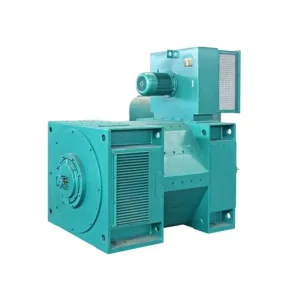
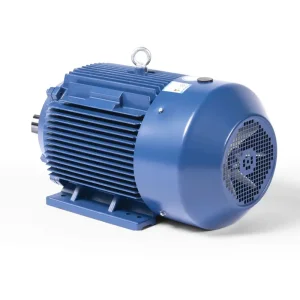
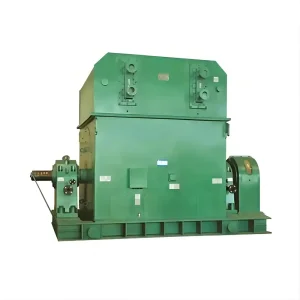
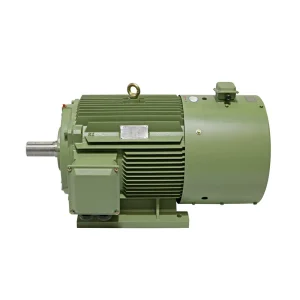
SIMO's R&D and manufacturing covers all types of motors, with its products of 34 major series, more than 1,800 varieties, and more than 19,500 specifications. Main motor products are YX, YXKK, YXKS series high voltage high efficiency three phase asynchronous motor, YR, YRKK, YRKS series wound rotor high voltage motor, YE3, YE4, YE5 high efficiency series asynchronous motor, YVFE3, YVFE4, YVFE5 series variable frequency and variable speed high/low voltage motor, YBX3, YBX4, YBX5 series explosion-proof series high/low voltage three phase asynchronous motor; T, TD, TK, TDMK series synchronous motor, TFW350-5000KW series large size synchronous generator and Z2, Z4 and Z series DC motor.
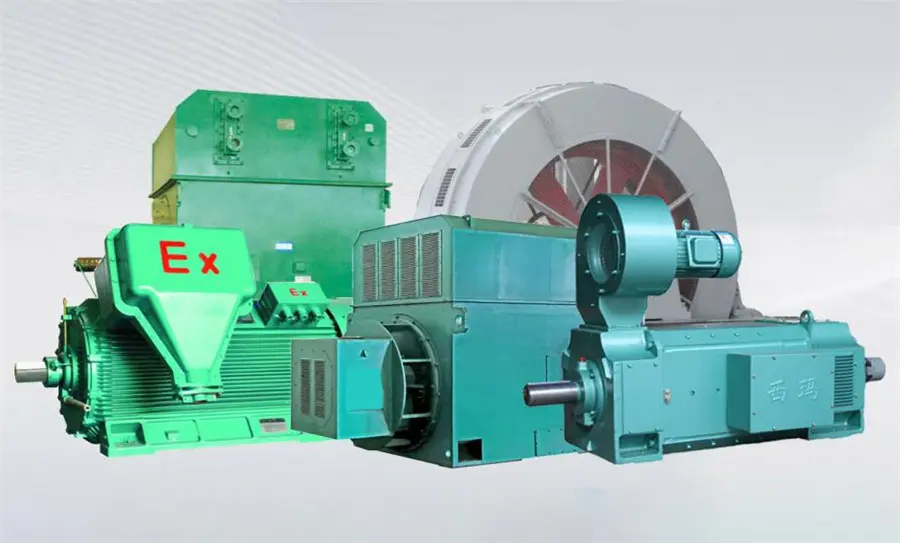
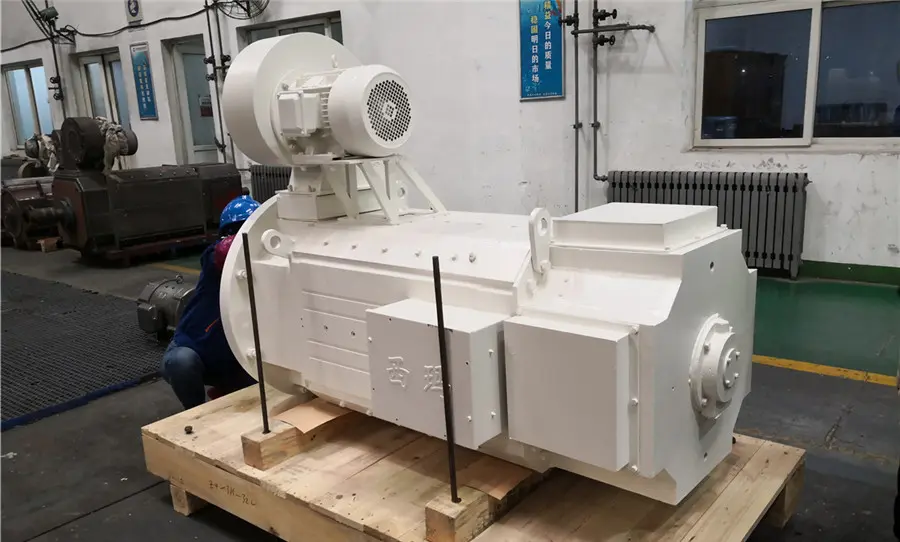
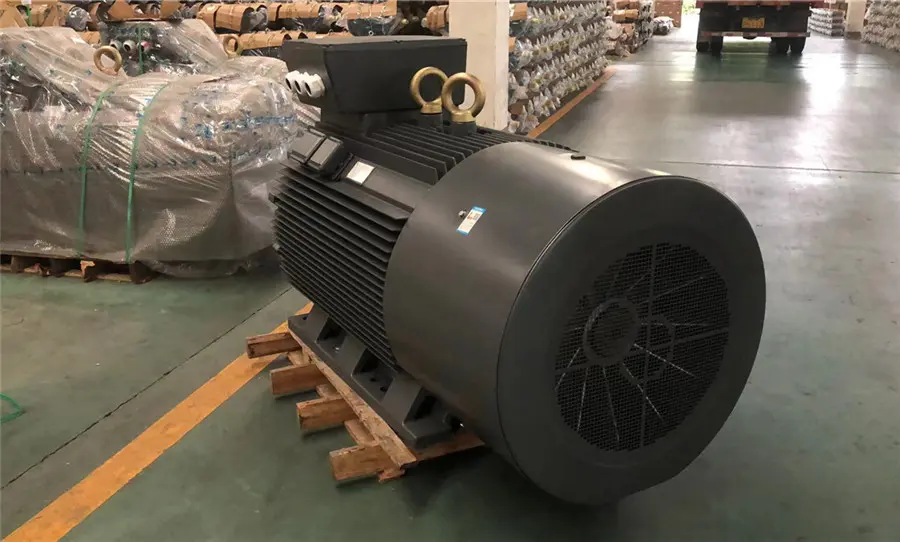
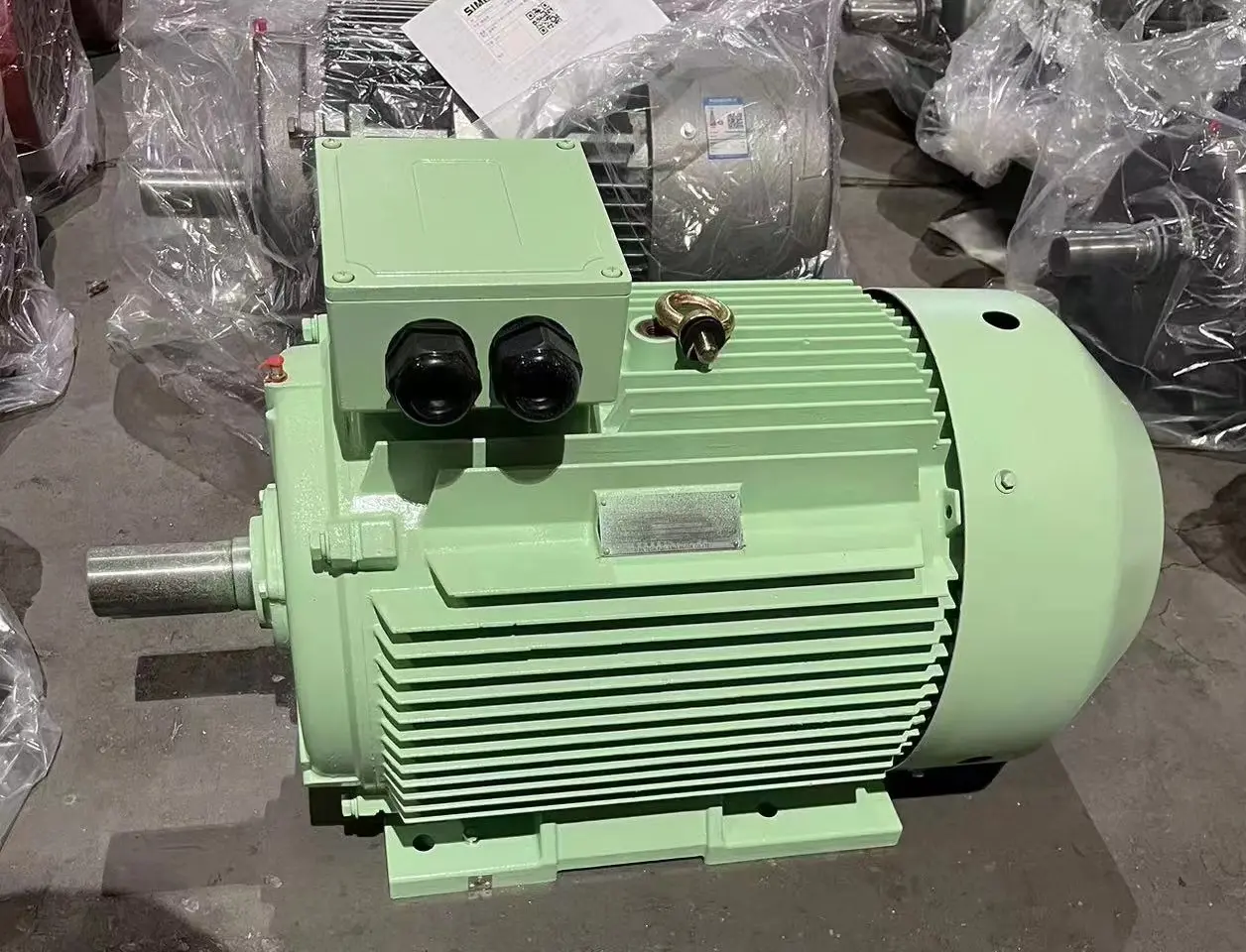
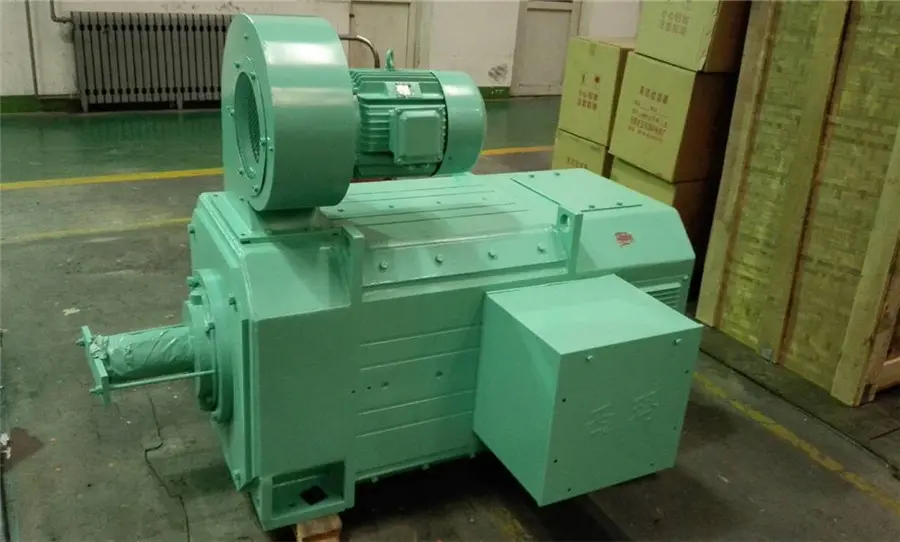
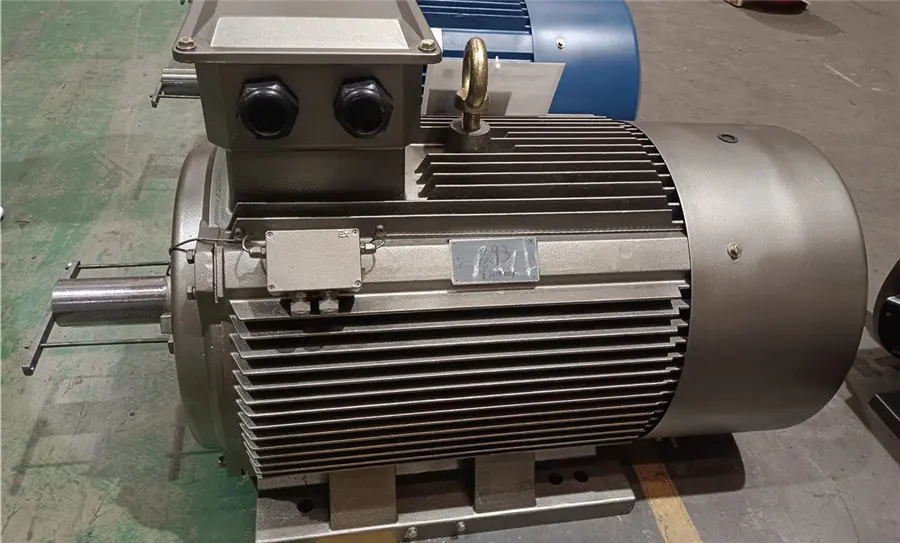
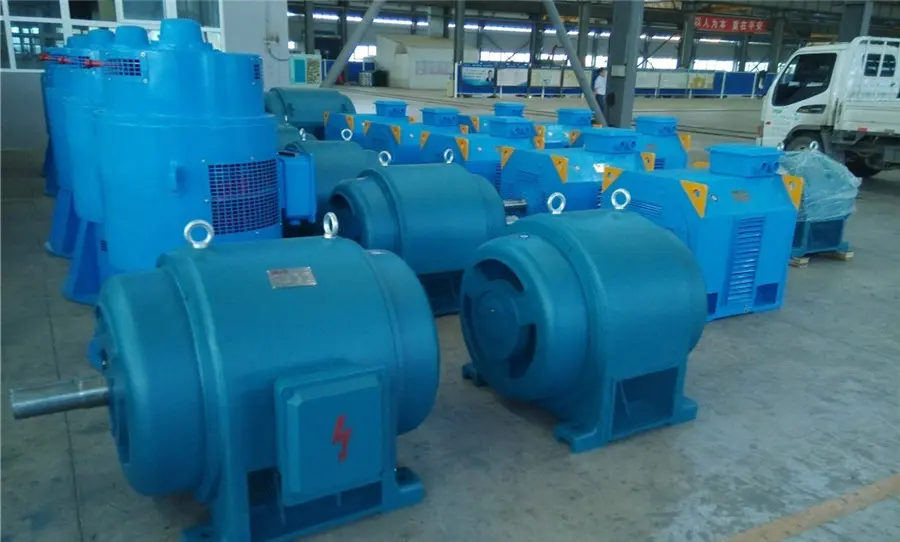
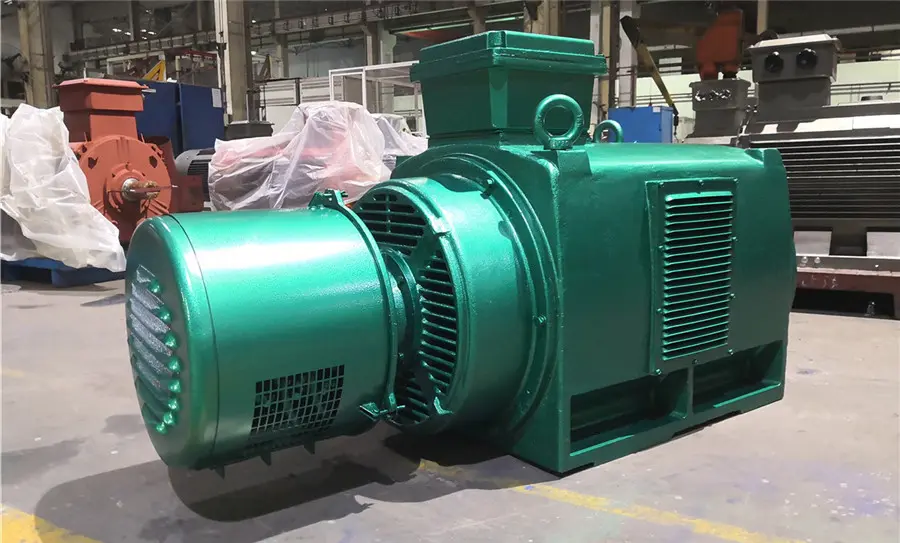
Meeting strict international benchmarks to ensure absolute safety, longevity, and efficiency in demanding settings.
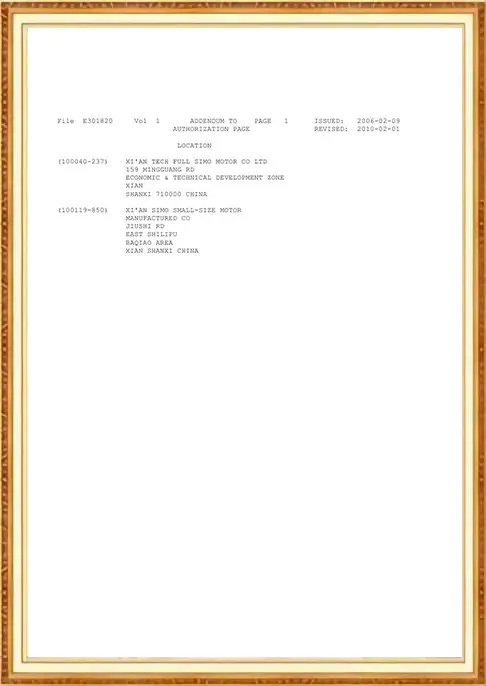
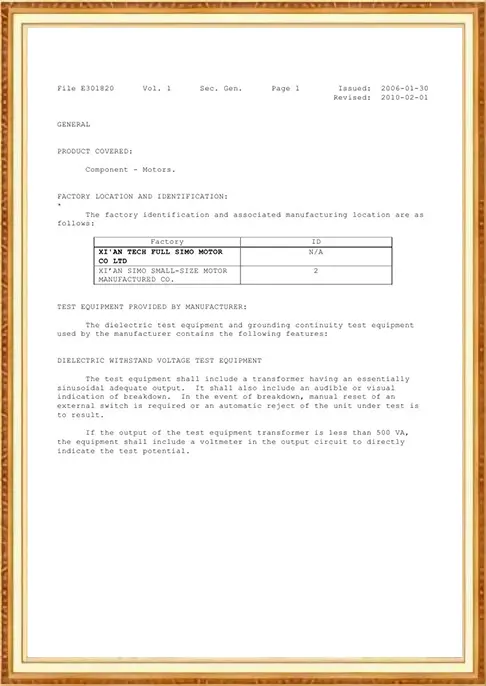
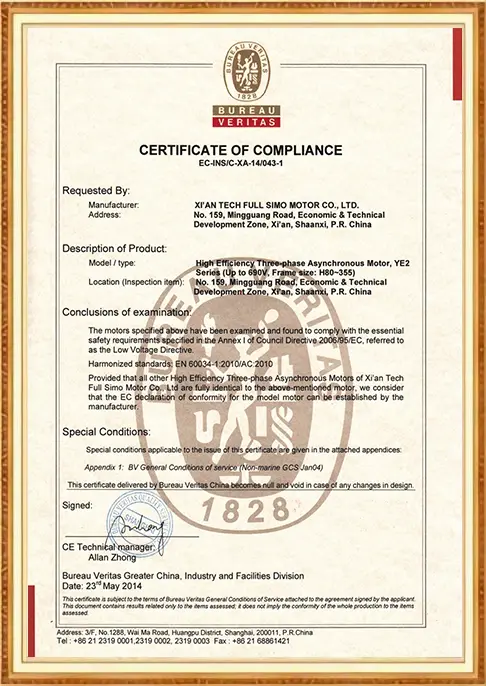
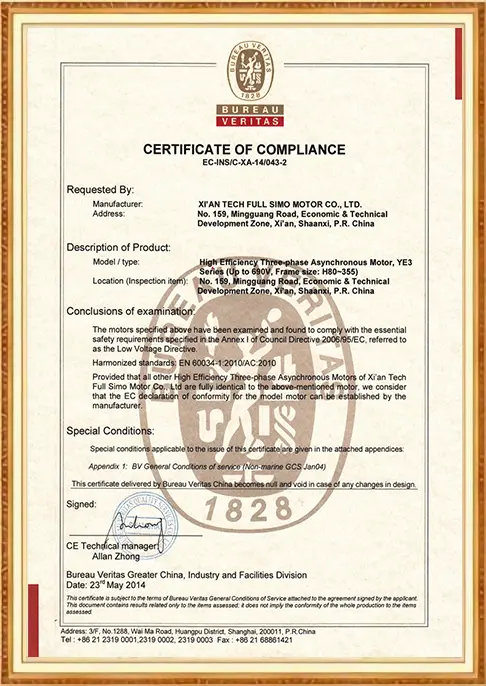
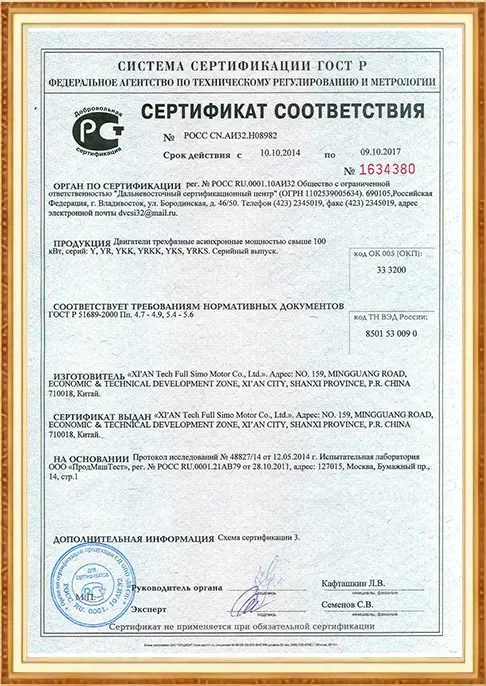
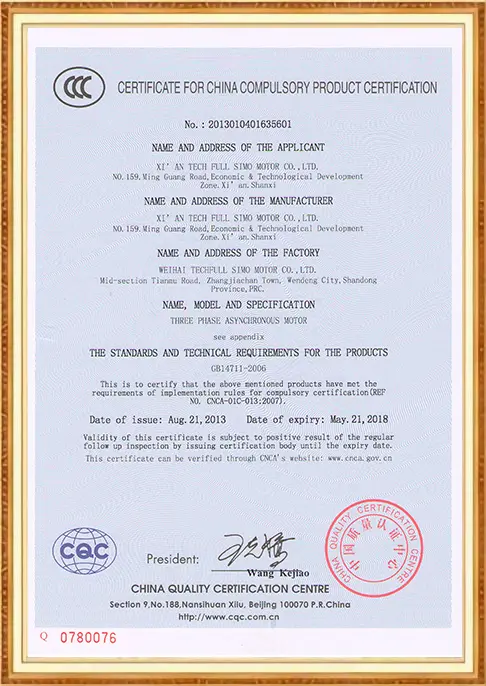
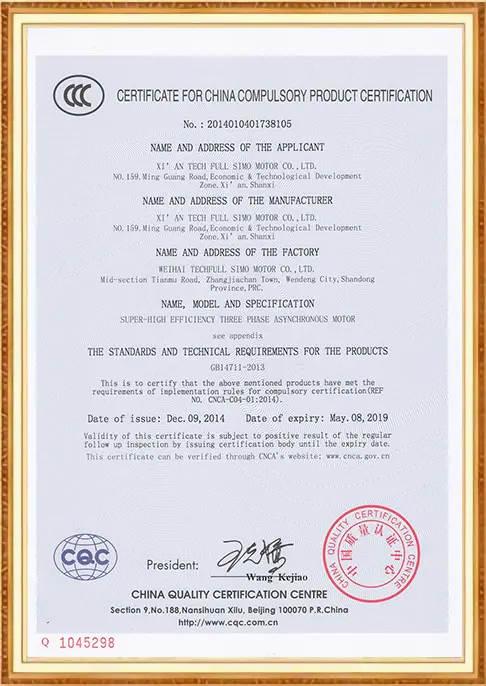
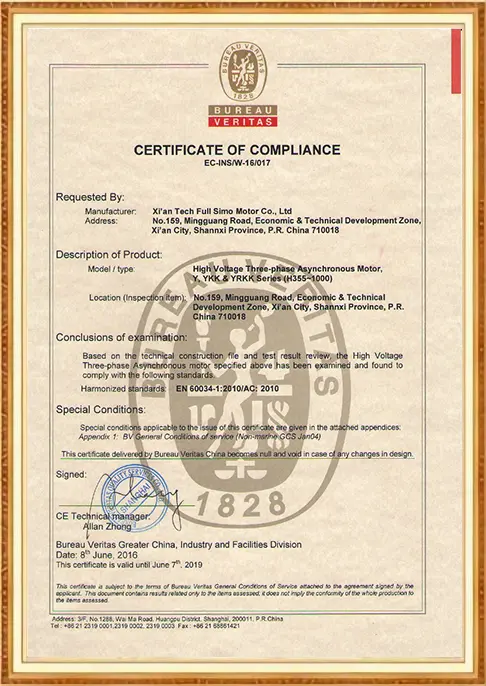
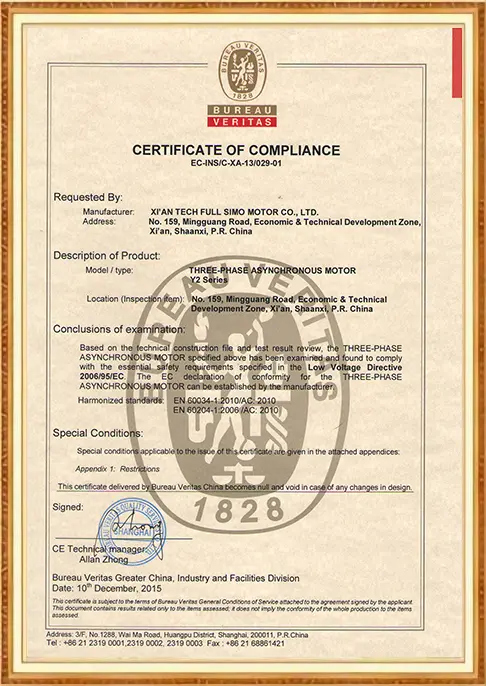
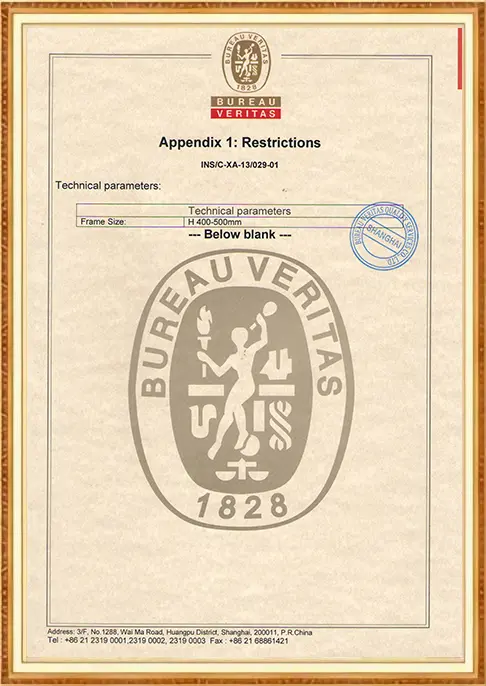
SIMO passed ISO9001 Quality System Certification, EU “CE", US “UL”, Russian "GOST", and so on. Electric motors are widely applied in electricity, coal, petroleum, mining, metallurgy, railway, transportation, chemical industry, agriculture, water economy, aviation, navigation and high technologies and other areas in China and abroad.
Chicago's water reclamation systems (like those operated by the MWRD) process millions of gallons of water daily. The high-capacity pumps used in these operations require heavy-duty three-phase induction motors controlled by dedicated soft-start cabinets. These starters protect regional power grids from voltage dips during initial acceleration and provide soft-stop deceleration to prevent damaging water hammer effects in long-distance pipe networks.
The Midwest is the agricultural heartland of the United States, making grain handling and distribution critical to Chicago's economy. Sifting, conveying, and milling processes generate significant amounts of airborne organic dust, creating hazardous atmospheres. To ensure safe operation, plants rely on Class II explosion-proof motors (such as the YFB4 series) paired with dust-tight NEMA 9 or NEMA 4X control cabinets that prevent electrical sparks from contacting flammable dust.
Chicagoland’s automotive manufacturing and metal fabrication facilities rely on continuous production lines. Any unplanned outage can cost thousands of dollars per minute. The combination of YE4/YE5 ultra-premium efficiency motors and customized VFD cabinets ensures precise speed and torque control. This integration maintains optimal mechanical tension, reduces energy consumption, and prevents equipment wear and tear.
Expert insights on integrating electrical control cabinets, high-voltage motors, and system certifications.
Explore our range of explosion-proof, variable-frequency, and ultra-high efficiency motors designed to integrate seamlessly with custom control cabinets.
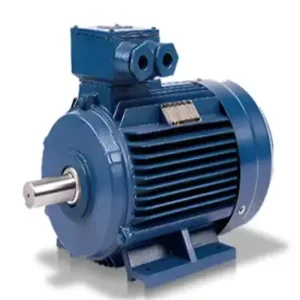
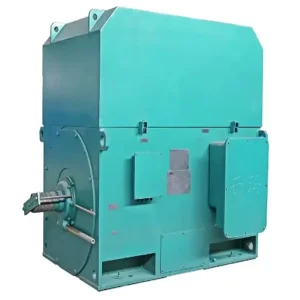
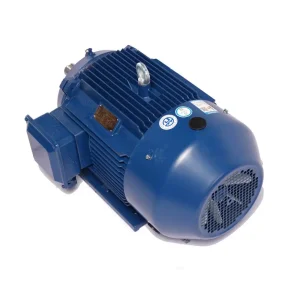
Need UL-compliant control cabinets, high-voltage soft starters, or premium efficiency industrial motors? Work with Lite SIMO’s engineering division to optimize your system performance and lower your operating costs.
 Lite Simo