Explore our specialized portfolio of energy-efficient three-phase induction, high-voltage, and explosion-proof motors built for global industrial demands.
In the modern industrial landscape, energy consumption represents one of the largest operational costs and carbon footprint factors. Statistics show that electric motor-driven systems account for approximately 45% to 50% of the world's total electricity consumption, and in heavy manufacturing environments, this share can exceed 70%. Consequently, transition to power saving motors is no longer just an environmental initiative; it is a primary driver of operational profitability and compliance with international energy standards.
Regulatory bodies worldwide are raising minimum energy performance standards (MEPS). The European Union’s ecodesign requirements, NEMA standards in North America, and China's GB18613 energy-efficiency standards are pushing heavy industries away from older IE1 and IE2 units toward IE4 (Super-Premium) and IE5 (Ultra-Premium) efficiency tiers. In high-power processes—such as mining, petrochemical refining, large-scale ventilation, and municipal water conservancy—even a 1% increase in motor efficiency translates to tens of thousands of dollars in annual energy savings per unit, alongside substantial decreases in carbon emissions.
Global procurement networks are actively seeking OEM power saving motor companies capable of delivering highly customized, robust, and certified electric machinery. These machines must operate reliably under challenging environmental stresses, including explosive dust atmospheres, chemical corrosives, extreme temperatures, and high voltage grid fluctuations. Building high-efficiency motors requires state-of-the-art design frameworks, precise magnetic field management, low-loss electrical steels, and optimal rotor geometry.
Utilizing high-grade copper windings and optimized stator designs to reduce stator I²R losses, enabling maximum conversion of electrical energy to mechanical force.
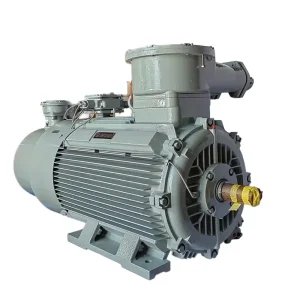
Certified containment boundaries designed to suppress internal ignitions, preventing hot gases or sparks from escaping into explosive environments (dust or volatile chemicals).
Integrated electromagnetic designs compatible with variable frequency drives (VFD) to prevent insulation degradation while optimizing speed and torque across partial load profiles.
Founded originally in 1955, Xi’an Lite SIMO Motor Co., Ltd (LITESIMO Company) has stood as a cornerstone of the Chinese mechanical and electrical machinery manufacturing sector. Over more than six decades of focused research, development, and scaling, SIMO has emerged as a premier comprehensive manufacturer and service supplier of motor design, mechanical processing, mold construction, precision assembly, and rigorous testing.
SIMO Motor ranks at the absolute forefront of China’s electrical manufacturing industry regarding production scale, technical expertise, and product diversity. Transitioning from a state-owned factory to a modern conglomerate, the company has sustained high-speed development through innovation, advanced manufacturing equipment acquisition, and structured engineering methodologies.

Xi'an Lite SIMO Motor Manufacturing Base - High Tech Industrial Zone
Quantifiable evidence of our market footprint, engineering capability, and manufacturing depth.
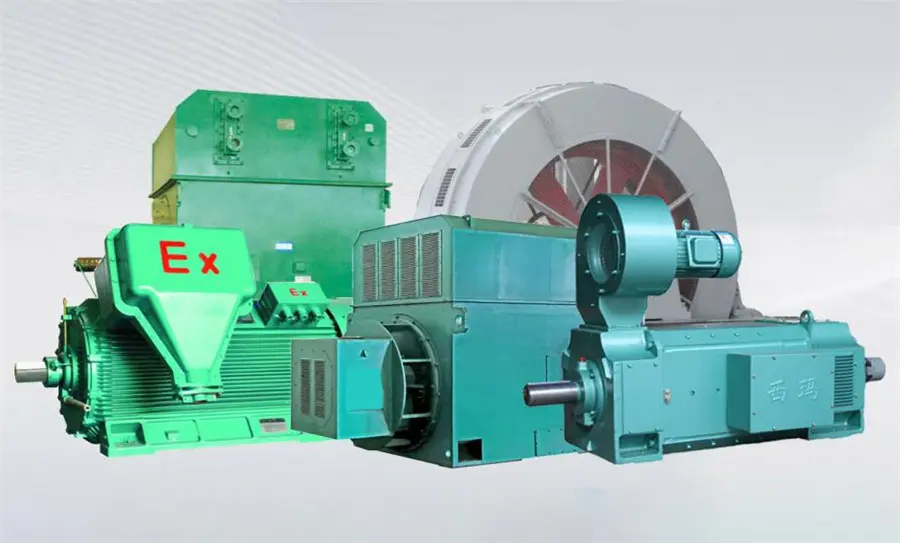
Litesimo’s research and design framework covers a vast application matrix ranging from micro-power units to heavy-duty, multi-megawatt systems. The power range spans from 0.35 kW up to 25,000 kW, supporting diverse voltage profiles and operating frequencies. Below is the systematic classification of our main product series:
| Motor Series | Efficiency Class | Voltage Range | Power Rating (kW) | Primary Industrial Sector |
|---|---|---|---|---|
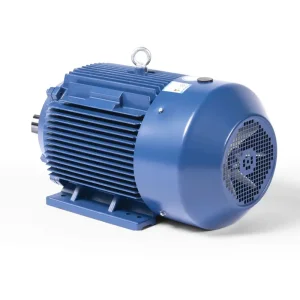
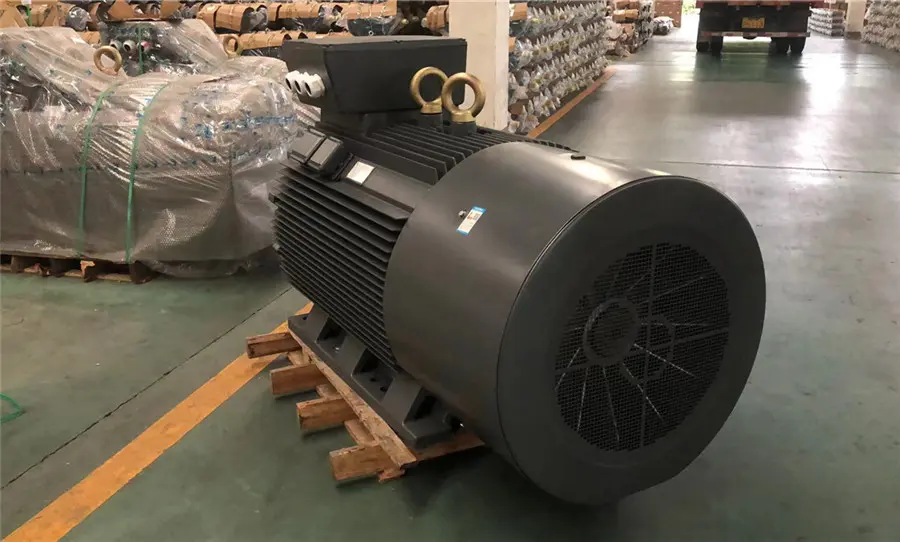
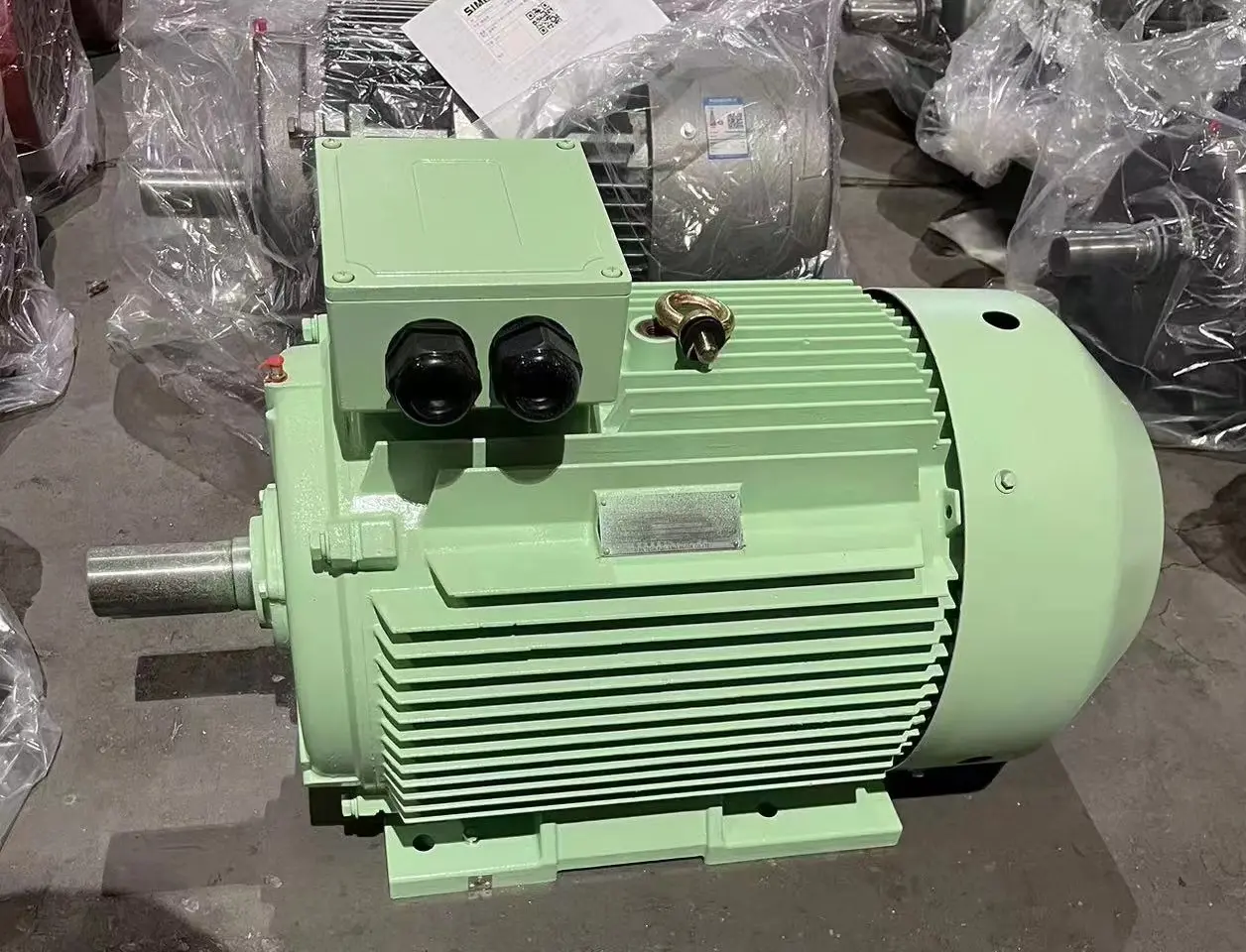
| YE4 / IE4 Series | Super-Premium (IE4) | 380V / 660V / 1140V | 0.75kW - 375kW | Water Treatment, Fans, Pumps, General Machinery |
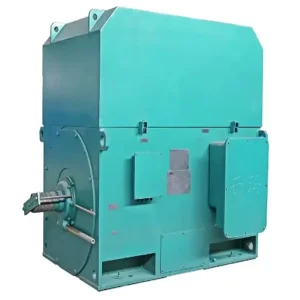
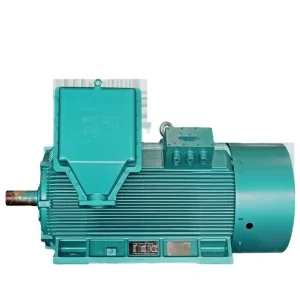
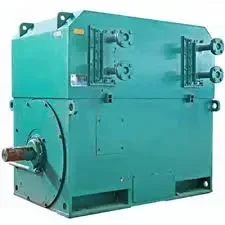
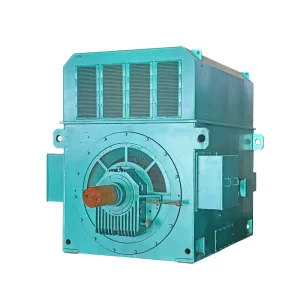
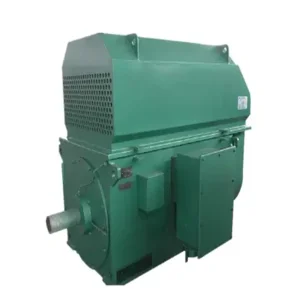
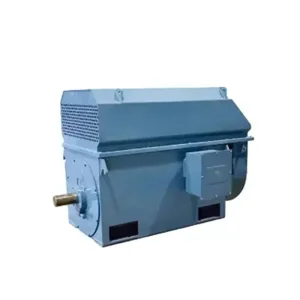
| YXKK / YXKS Series | High Efficiency HV | 6,000V / 10,000V | 220kW - 25,000kW | Mining Compressors, Thermal Power, Large Blowers |
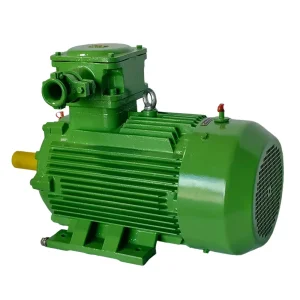
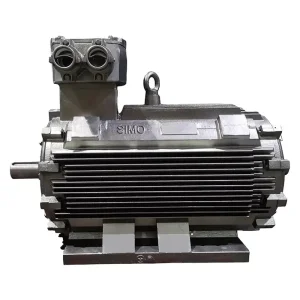
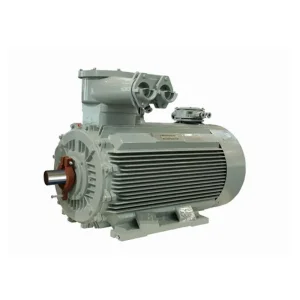
| YBX5 Series | Explosion-Proof (IE5) | 380V - 10,000V | 0.55kW - 3,150kW | Petrochemical Refining, Gas Stations, Coal Dust Mines |
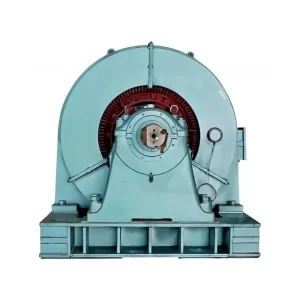
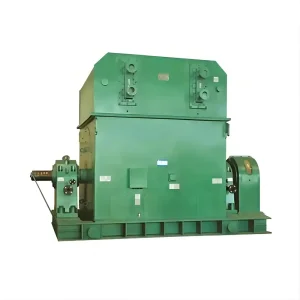
| TDMK Series | Synchronous (Mine Milling) | 6,000V / 10,000V | 250kW - 12,000kW | Metal Mining, Ore Grinding Mill drives |
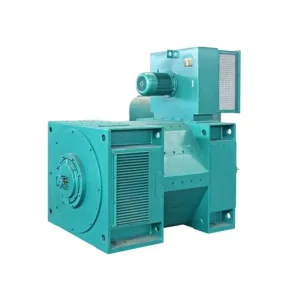
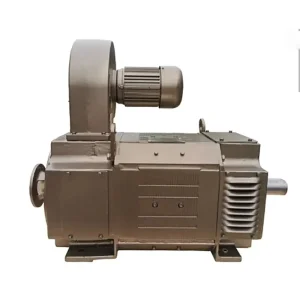
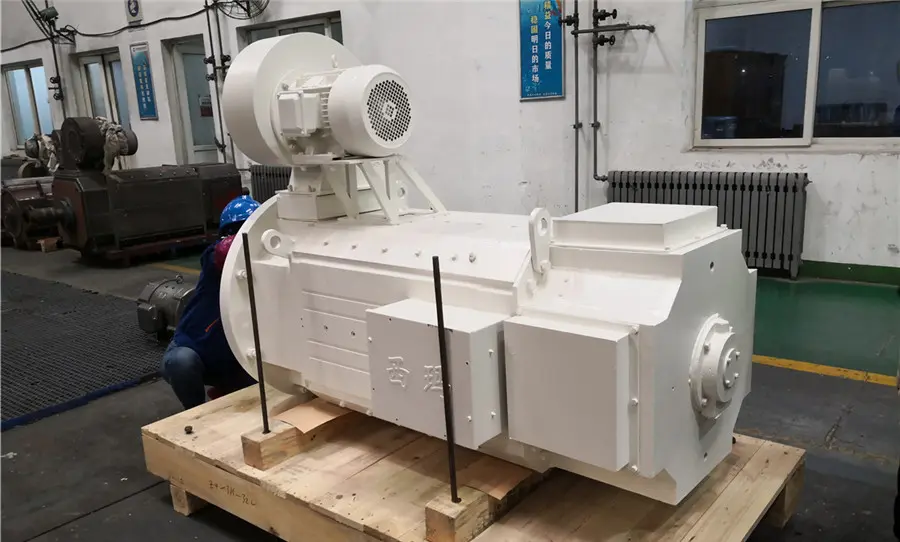
| Z4 Series | Precision DC Control | 220V / 440V | 1.5kW - 600kW | Plastic Extrusions, Rolling Mills, Paper Machinery |
Purchasing managers from Europe, the Americas, and the Middle East increasingly turn to Chinese OEM motor partners to optimize their supply chains. The reason goes beyond labor costs. Modern Chinese motor factories have achieved unmatched ecosystem efficiency, combining high levels of integration with advanced automation.
Xi'an is historically a primary hub for China's aerospace, defense, and heavy machinery industries. This geographical positioning provides SIMO Motor with several distinct manufacturing benefits:
Litesimo electric motors are deployed globally across diverse environments, each presenting unique engineering demands. Understanding these localized challenges is essential for selecting the correct motor specifications.
Recommended Series: TDMK, YRKK
Mining mills require high starting torque and are prone to continuous dust contamination. SIMO’s TDMK synchronous motors are engineered with dust-tight enclosures and robust slip rings to ensure uninterrupted operation in remote mining facilities.
Recommended Series: YBX5, YBBP
Refining processes generate volatile hydrocarbon gases. In these areas, explosion-proof integrity is mandatory. SIMO’s YBX5 series motors feature flameproof casings that isolate internal electric sparks, meeting stringent global safety standards.
Recommended Series: YKS, YXKS
Large-scale water supply systems require continuous operation. The YKS water-cooled high-voltage motor utilizes a water-to-air heat exchanger, maintaining lower internal running temperatures and extending coil life under humid operating conditions.
The industrial motor sector is undergoing rapid evolution, shaped by new materials, digital technologies, and energy targets. OEM partners must keep pace with these shifts to supply future-ready solutions:
While induction motors remain common due to their simple design, PMSMs are growing in popularity. By using rare-earth permanent magnets on the rotor, these motors eliminate rotor copper losses, providing high power density and maintaining high efficiency even at low loads.
Smart factories rely on real-time data to prevent costly unplanned downtime. Modern SIMO motors can be equipped with temperature sensors (PT100) and vibration monitors. When connected to IoT gateways, these sensors enable predictive maintenance, alerting operators to bearing wear or winding heat before a failure occurs.
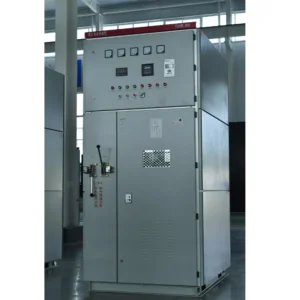
Starting large high-voltage motors directly online (DOL) causes massive electrical inrush currents, putting stress on local power grids and the motor winding structure. The demand for integrated high-voltage soft-start state cabinets (such as SIMO’s custom cabinets) is rising, as they ensure smooth starting ramp-ups and protect critical equipment.
International industrial projects demand strict compliance with technical standards. SIMO Motor prioritizes comprehensive testing and certification to ensure every motor meets global regulatory and project specifications. Our facility operates under a certified ISO9001 Quality Management System, and our product lines hold various international approvals:
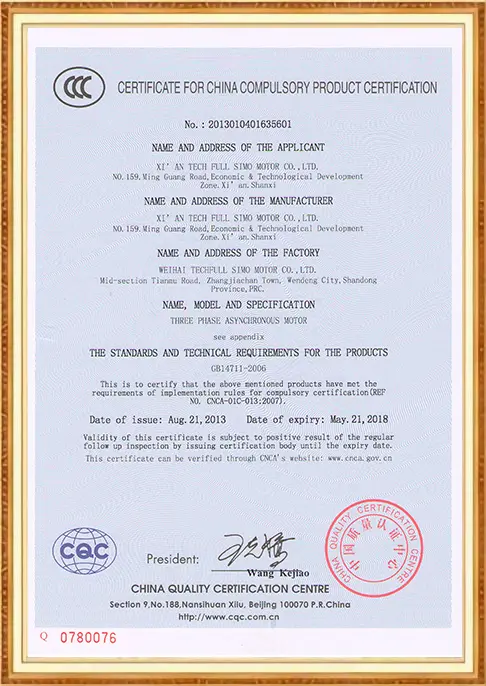
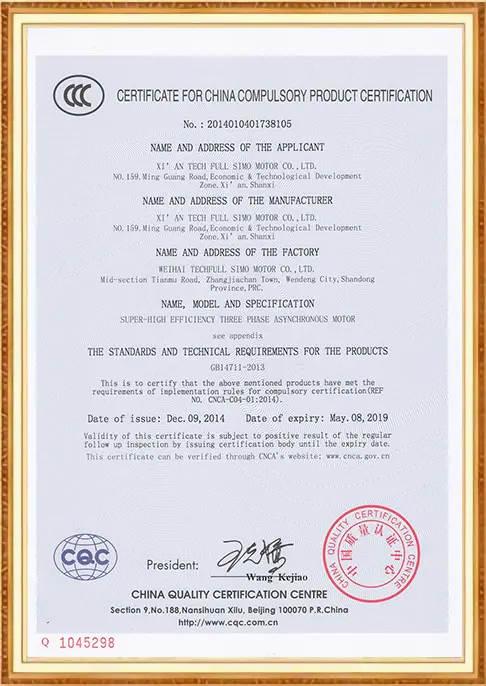
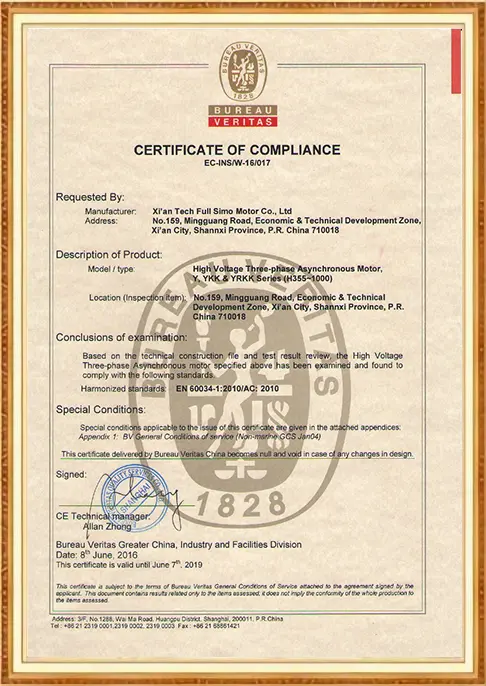
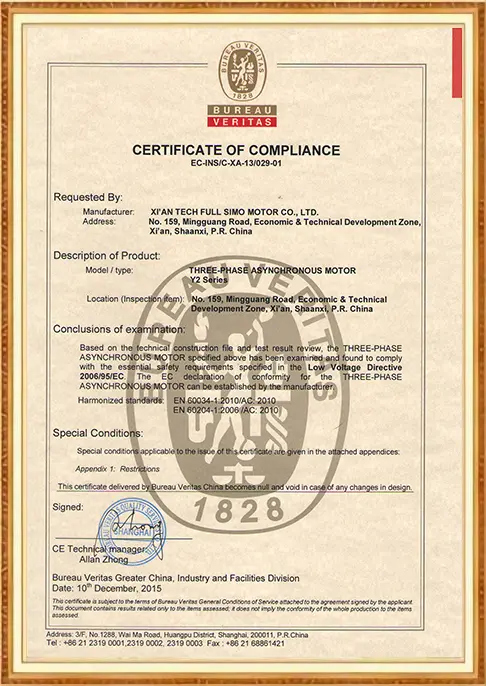
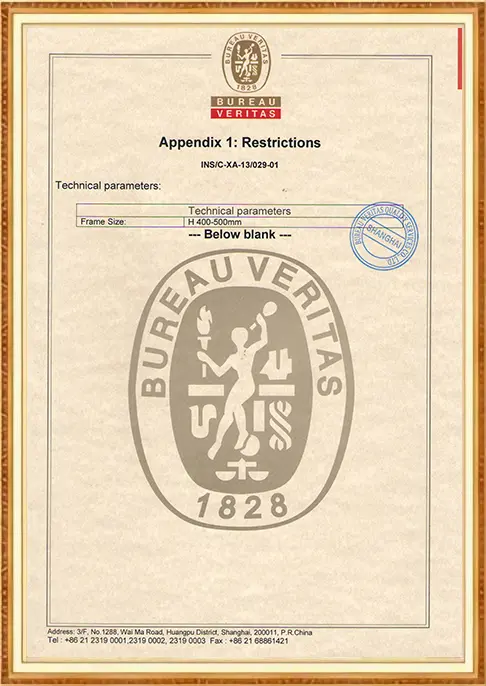
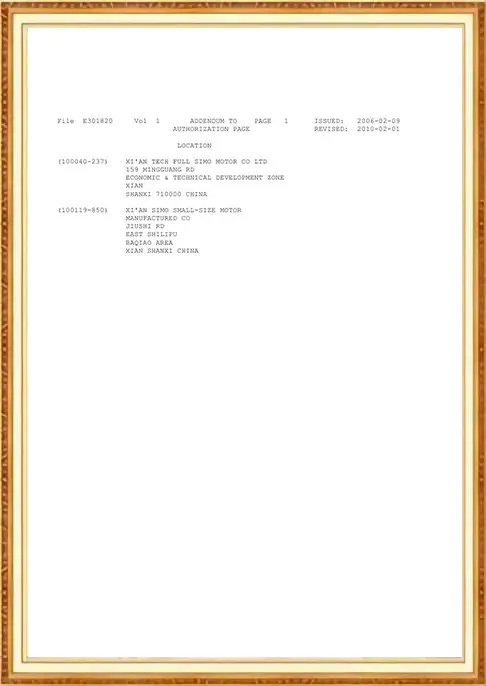
Our quality assurance protocol includes complete stator core insulation tests, VPI cycle verification, dynamic rotor balancing, and full-load running tests in our state-of-the-art testing facility. This guarantees that every OEM motor shipped matches its technical data sheet and operates reliably in the field.
Technical explanations regarding high-voltage operation, energy efficiency standards, and custom OEM motor manufacturing.
Explore our high-voltage synchronous, variable frequency, and control systems engineered for extreme industrial applications.
 Lite Simo