Explore our premium grade high-voltage systems, explosion-proof solutions, and heavy-duty AC/DC motors custom engineered for global energy efficiency compliance.
Analyzing key policies, thermodynamic standards, and systemic energy conversion factors driving industrial operations.
In modern industrial manufacturing, electric motors drive the global supply chain, accounting for approximately 45% to 50% of the world's total electricity consumption. In heavy-duty applications—such as mining operations, metallurgical processing, petroleum refineries, and massive municipal water systems—this metric frequently surpasses 70% of an individual site's operating overhead. Consequently, the transition to high-efficiency motor structures is no longer merely an ecological initiative; it is an economic imperative and a primary lever for operational cost reduction.
International regulatory authorities have established strict legal requirements to phase out low-performance electrical equipment. Minimum Energy Performance Standards (MEPS) globally align with the International Electrotechnical Commission's (IEC) efficiency classification scale, which spans from IE1 (Standard Efficiency) up to IE5 (Ultra-Premium Efficiency). In major industrialized regions including the European Union, East Asia, and the Americas, compliance with IE3 (Premium Efficiency) and IE4 (Super-Premium Efficiency) grades is legally mandated for newly installed machinery. For high-output infrastructure running 24/7/365, upgrading from an IE2-class system to an IE4-class equivalent routinely yields energy savings that offset the initial capital expenditure (CAPEX) within 12 to 18 months.
According to the International Energy Agency (IEA), upgrading a facility's motor driven assets to premium-efficiency standards reduces industrial power demands by up to 10%, translating to millions of megawatt-hours saved annually and significantly reducing Scope 2 indirect carbon emissions.
Achieving these strict efficiency thresholds requires sophisticated electromagnetic designs, high-quality manufacturing materials, and optimized mechanical components. Modern OEM suppliers focus on reducing primary losses: stator winding I2R copper losses, rotor slip losses, core iron losses, and mechanical friction. By integrating superior cold-rolled silicon steel laminations with high magnetic permeability, using precision-milled copper stators, and optimizing windage profiles, leading manufacturers ensure minimal thermal dissipation, guaranteeing reliability and maximum service lifespan even under extreme operating duties.
Xi’an Lite SIMO Motor Co., Ltd stands as a premier mechanical enterprise in China, specializing in the design, development, and manufacture of large- and medium-sized high/low-voltage AC motors, DC motors, synchronous motors, and explosion-proof solutions. As a comprehensive engineering partner, SIMO manages every step of the lifecycle internally, from design, manufacturing, precision machining, and specialized mold fabrication, to assembly and complete mechanical testing.
Holding a top position in China's motor industry for production scale, SIMO maintains a steady, fast-growing development trend, serving key global sectors with advanced industrial equipment.
Corporate Capacity Indicators: The company operates with a registered capital of 21.5 Million RMB. The infrastructure comprises 3 main manufacturing facilities, 1 subsidiary plant, fixed assets totaling 380 Million RMB, and more than 1,172 sets of advanced industrial manufacturing equipment. The workforce comprises over 1,200 employees, including 260+ technical engineers, 21 senior engineers, and 15 expert industrial designers.

Why industrial OEM purchasers choose China-based production facilities for high-capacity projects.
In the highly competitive market of global motor procurement, Chinese manufacturing facilities—particularly those in industrial hubs like Xi'an—provide key structural advantages that are difficult to replicate elsewhere. Chief among these is a mature, integrated industrial supply chain. From direct access to premium rare-earth permanent magnets (such as Neodymium Iron Boron) to the local sourcing of high-grade cold-rolled electrical steel, Chinese factories benefit from shortened supply chains, lower raw material logistics costs, and shorter production lead times.
Additionally, modern Chinese motor factories have moved from manual labor to automated, high-precision manufacturing. Utilizing automated stator winding machines, computerized vacuum pressure impregnation (VPI) insulation lines, and robotic dynamic balancing rigs ensures consistent quality control. This level of process control minimizes human error, resulting in motors with low vibration profiles, high insulation integrity, and longer operational life cycles under heavy stress.
From a cost-efficiency perspective, China-based manufacturers provide an optimal balance of custom engineering capabilities and low production costs. Unlike Western suppliers who charge high premiums for customized voltages, frame dimensions, or shaft designs, Chinese OEM manufacturers like SIMO offer custom adjustments to match specific project requirements. This flexibility helps global operators optimize their systems without exceeding CAPEX budgets.
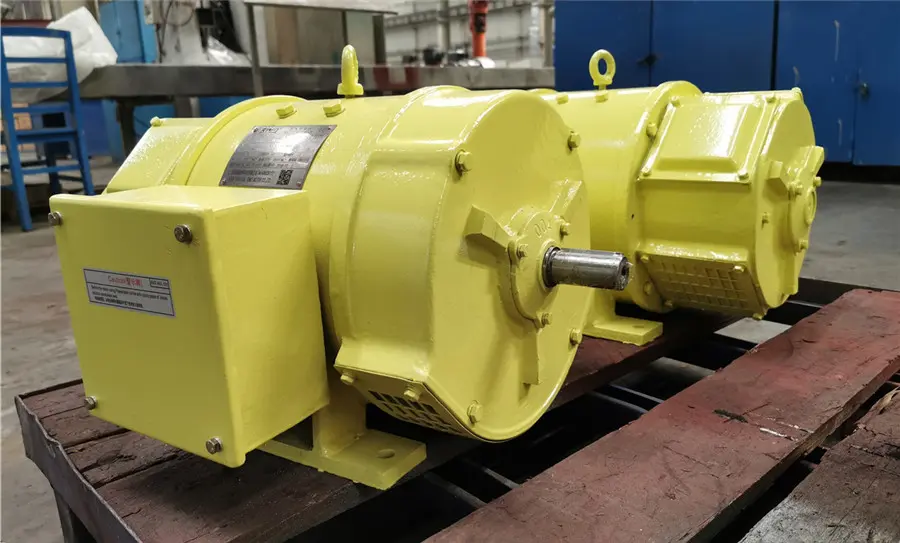
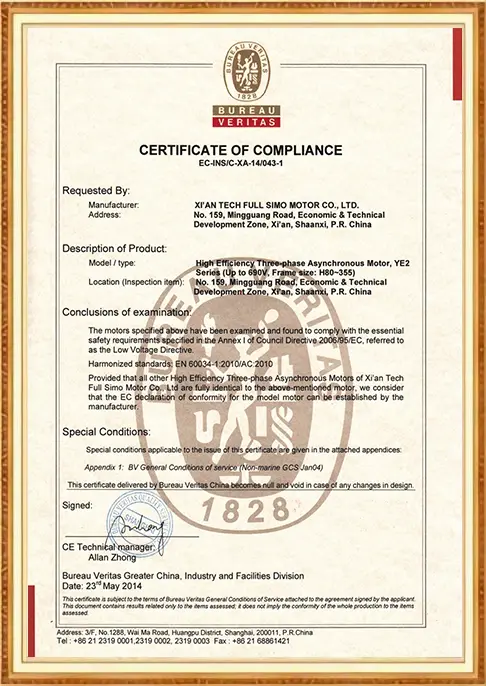
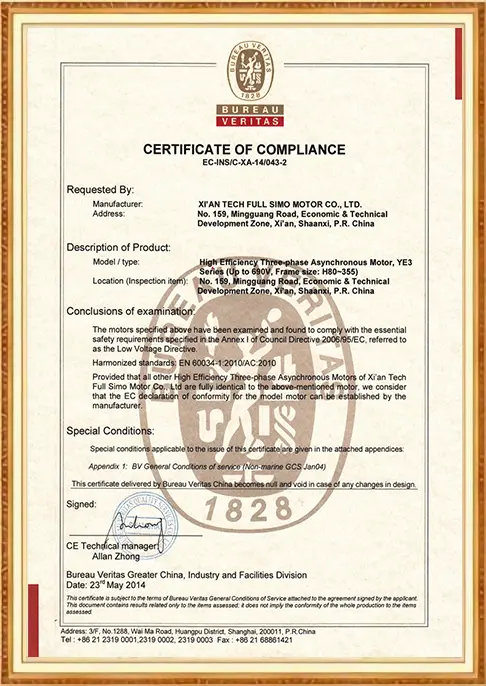
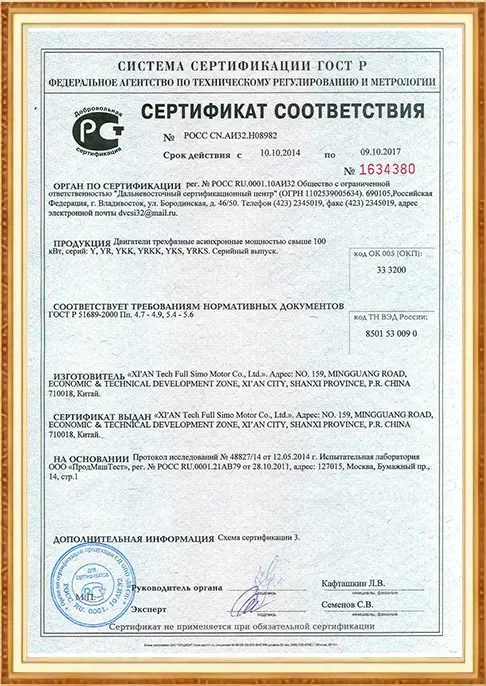
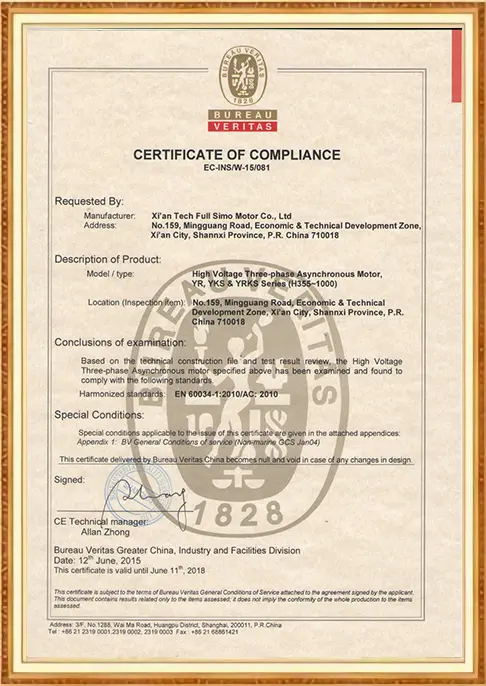
A visual showcase of our modern industrial manufacturing facilities and international compliance credentials.
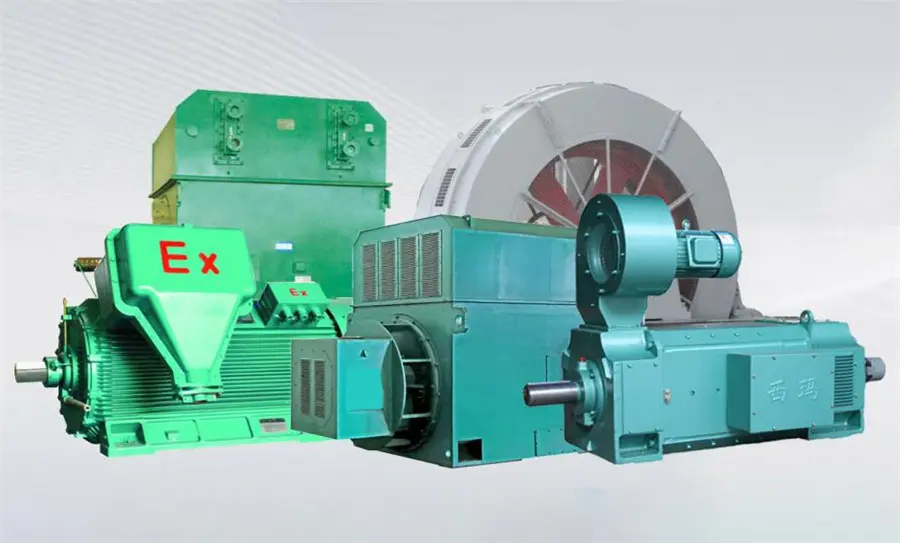
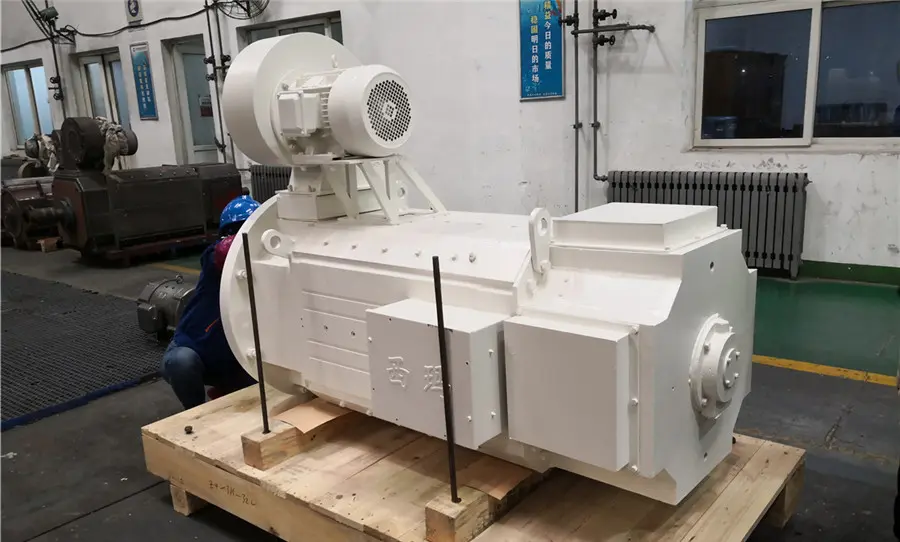
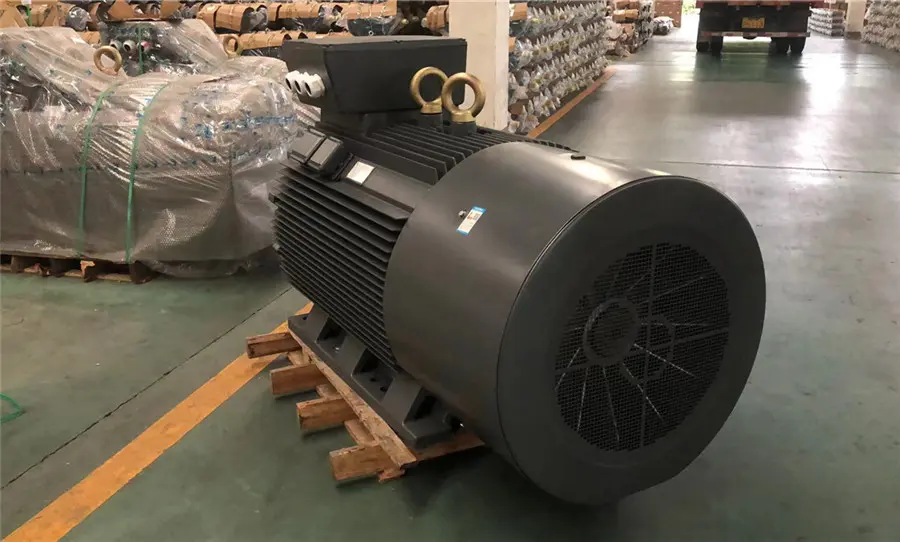
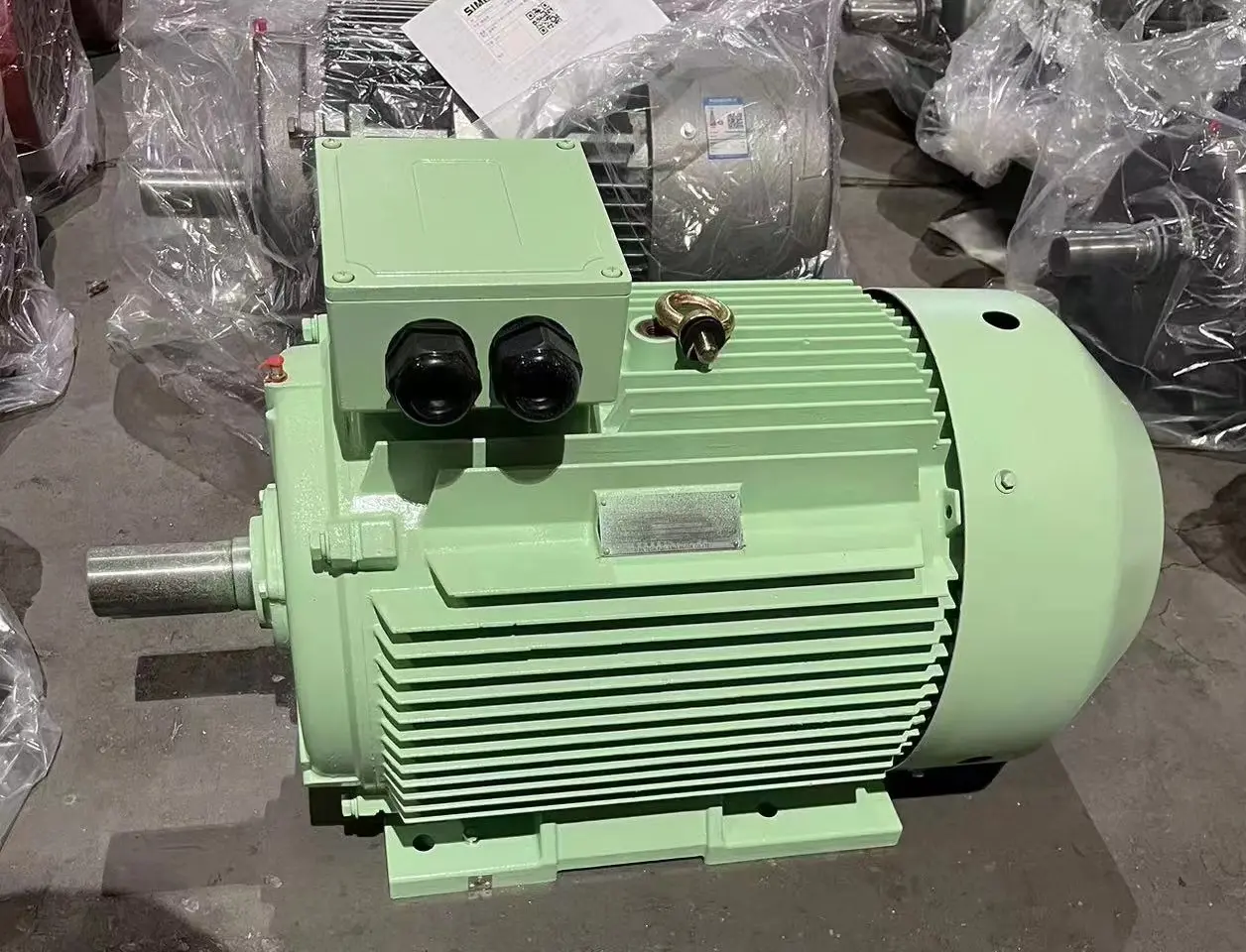
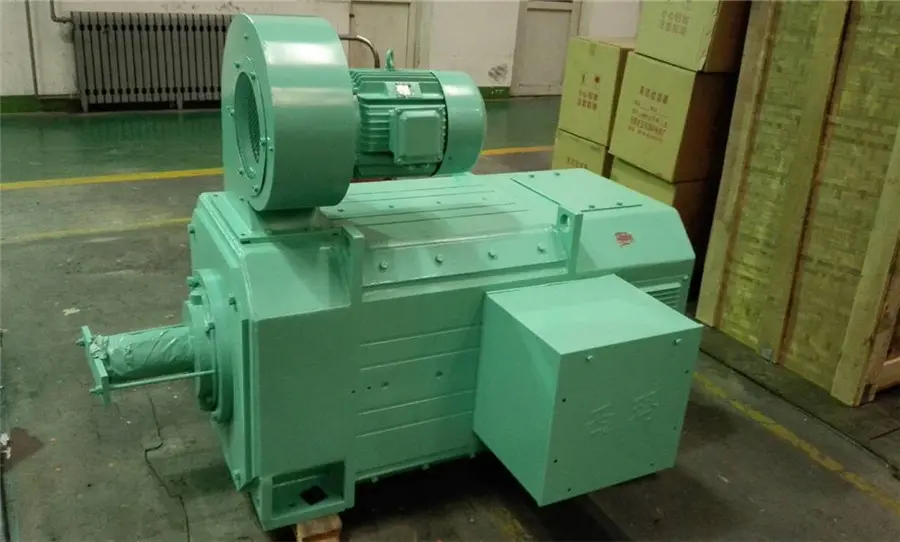
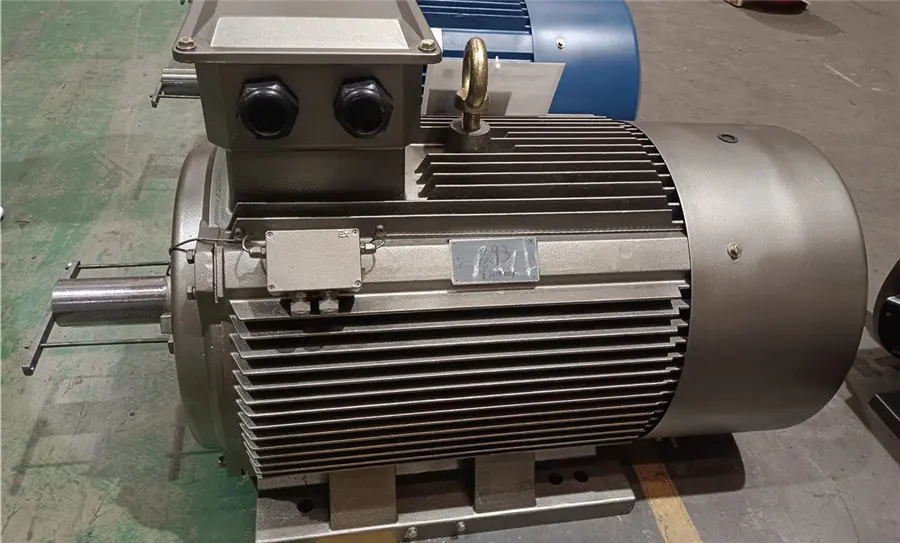
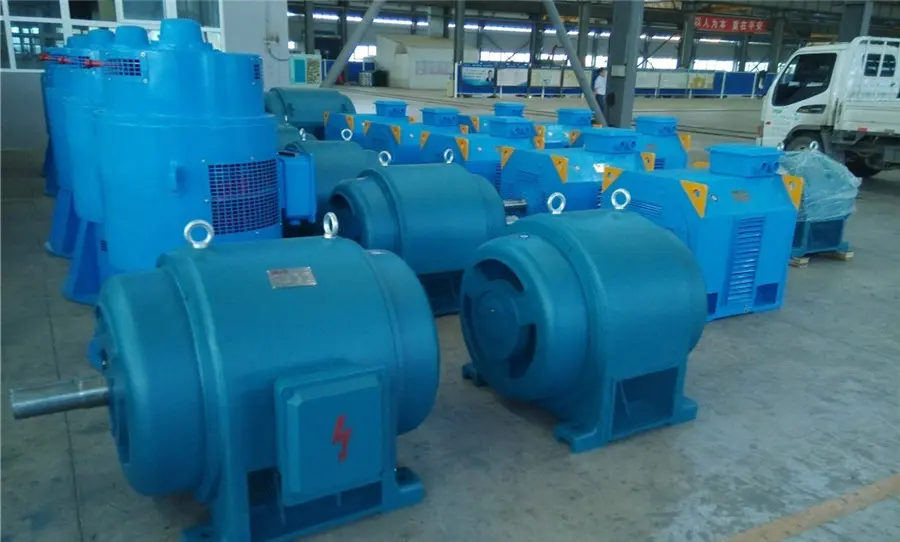
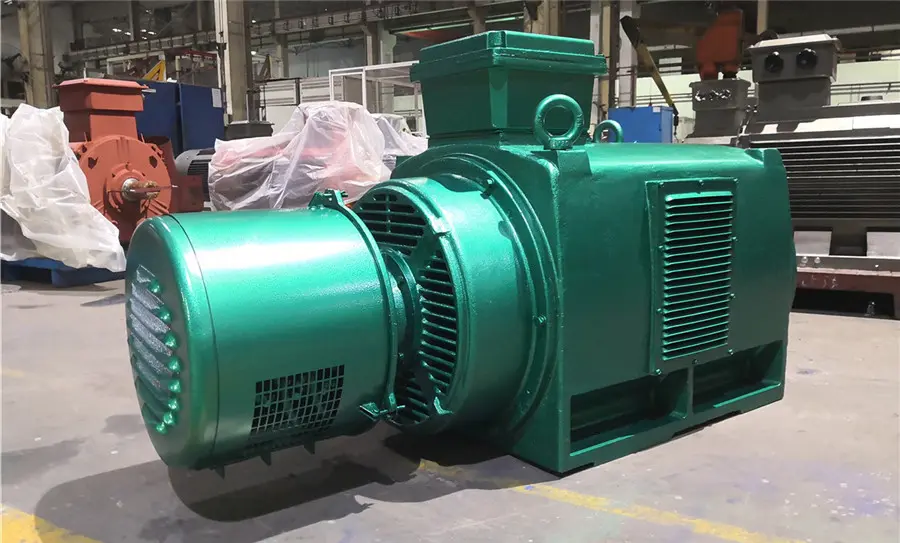
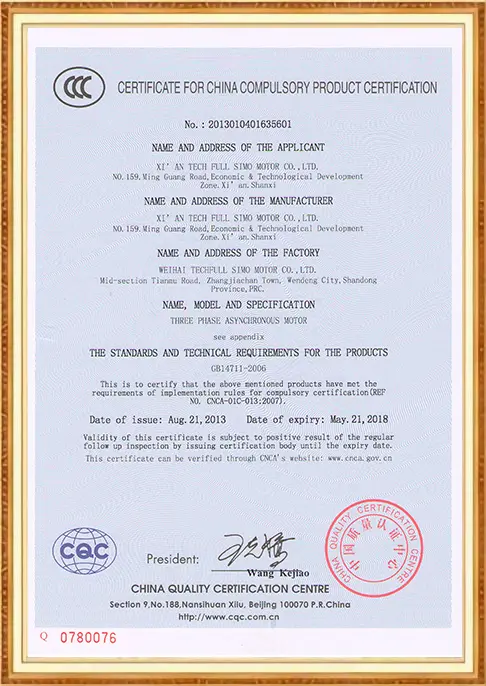
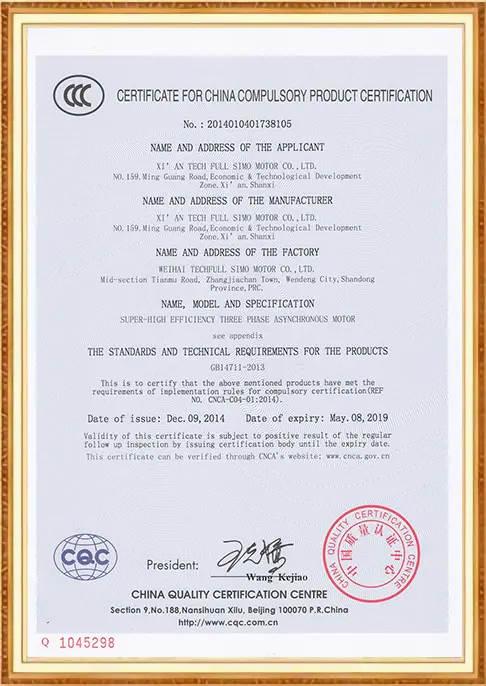
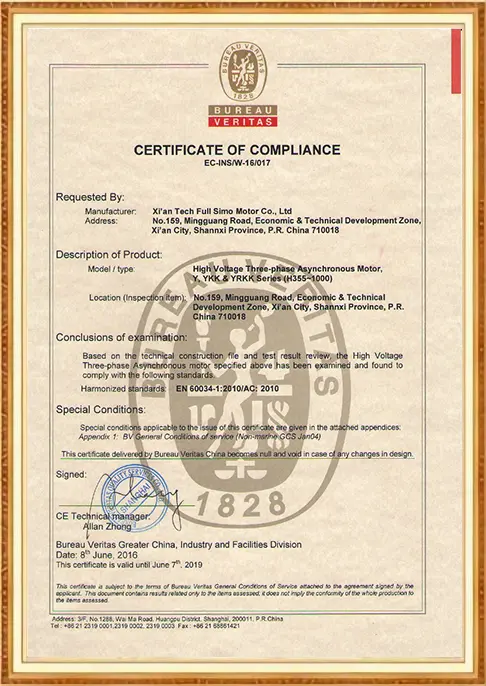
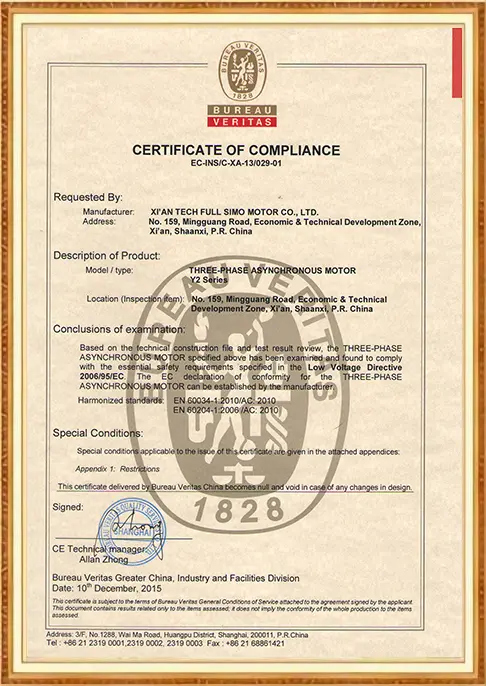
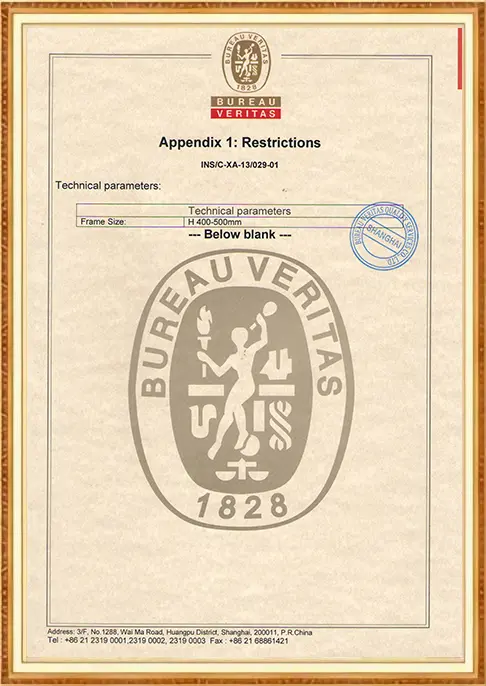
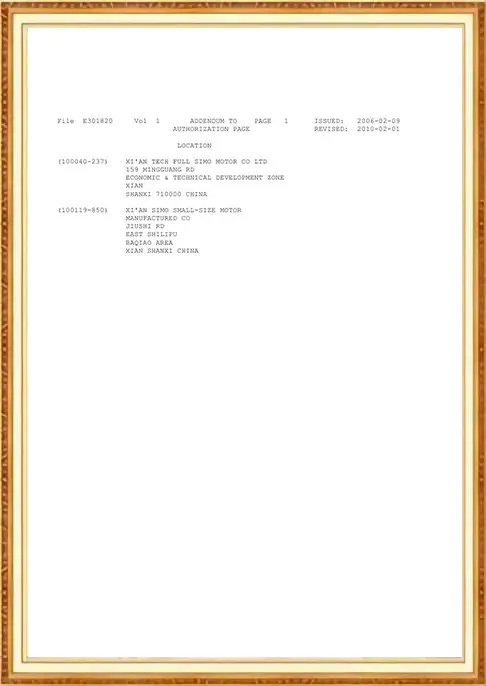
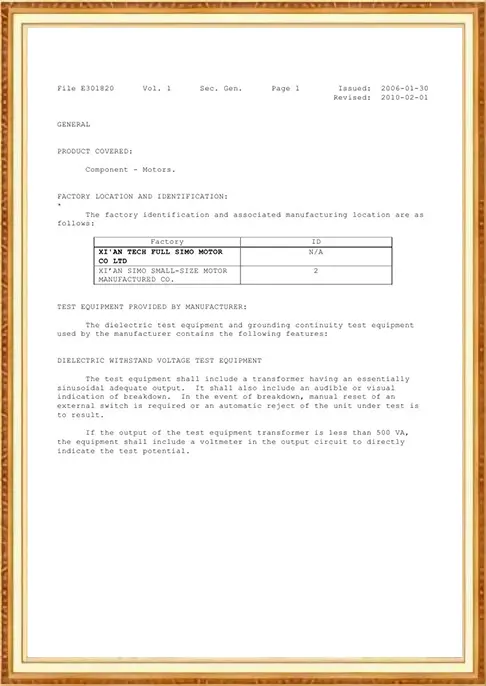
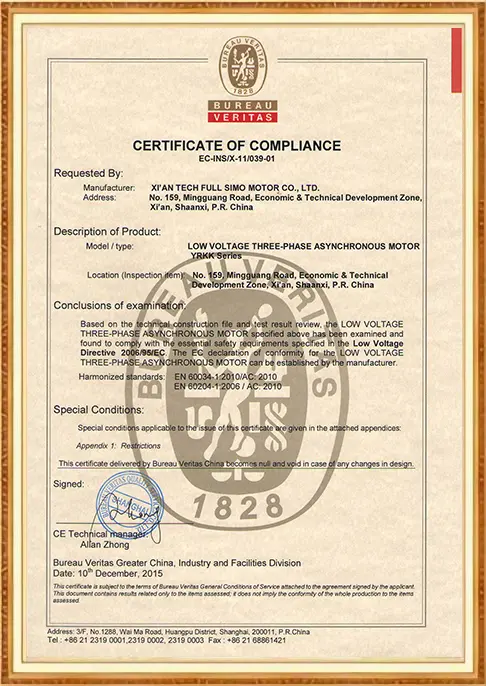
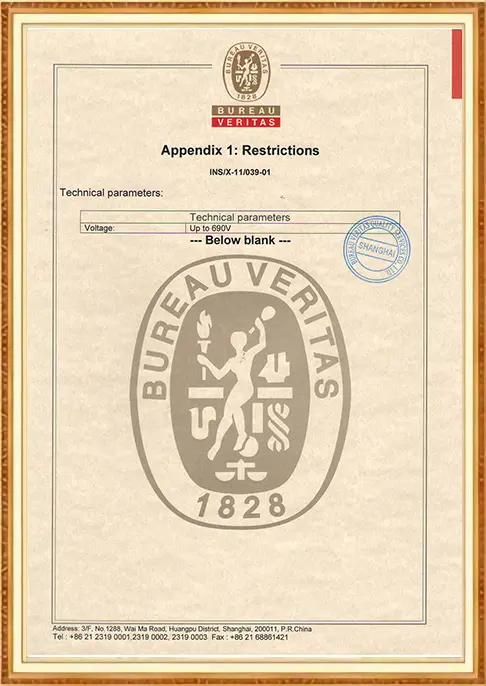
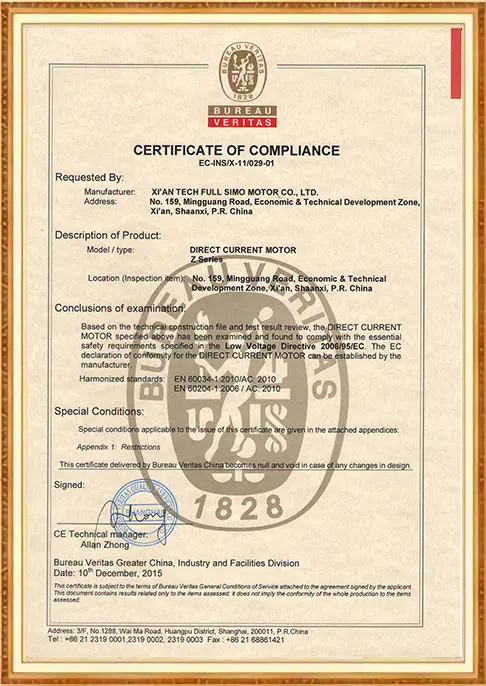
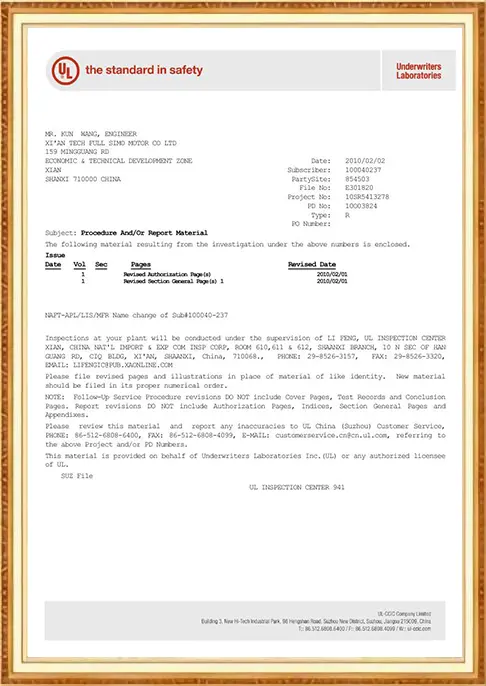
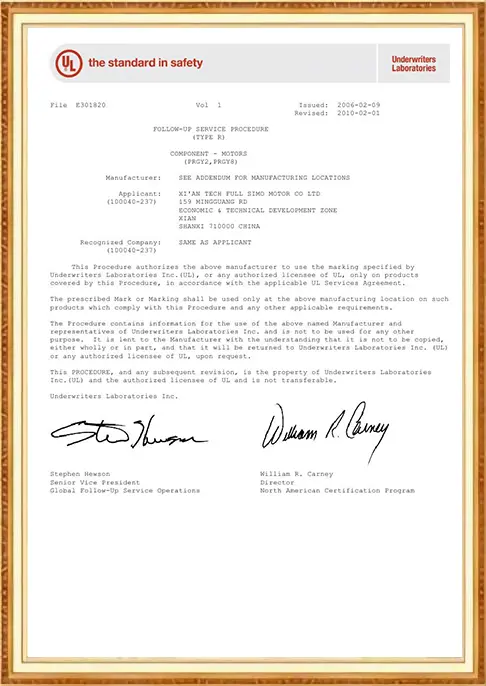
SIMO has successfully passed ISO9001 Quality System Certification, European Union "CE" certification, United States "UL" safety standards, and Russian "GOST" certification. Our high-voltage and flameproof motor designs comply with the most stringent industrial criteria, enabling deployment in harsh operating environments worldwide.
Customizing motor drive engineering to handle unique environmental and mechanical demands.
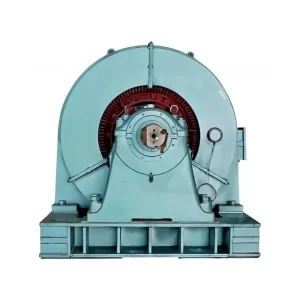
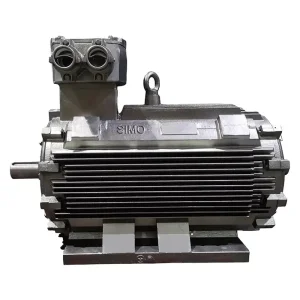
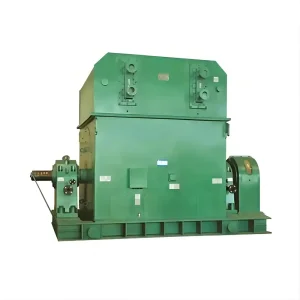
In heavy mining environments—such as copper mines in South America or coal operations in Northern China—equipment faces high dust loads and severe torque stresses. Large grinding mills require slow, high-torque starts. The TDMK series AC three-phase synchronous motor is specifically engineered to handle the high inertias of large ball mills. It maintains high efficiency and improves power factor efficiency, reducing electrical strain on the local grid. In underground operations, the YBK3 and YBX3 flameproof motors provide critical explosion protection, isolating potential electrical sparks from ambient coal dust and methane gas.
Petrochemical refining requires continuous operations where equipment failures can lead to significant losses. Motors operating in these environments must handle explosive gases and variable loading patterns. Variable frequency systems, such as the YVFE3 and YVFE4 series asynchronous motors combined with YBBP low-voltage explosion-proof VFD motors, allow operators to dynamically match motor speed with load demand. This precise flow rate control reduces energy waste compared to mechanical throttling systems.
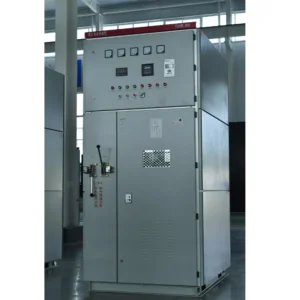
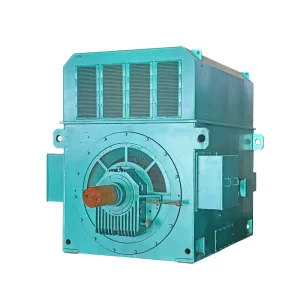
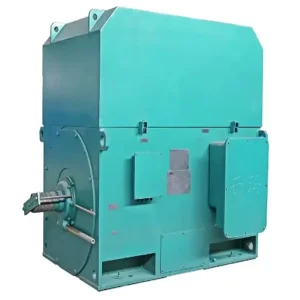
Large municipal water pumping stations and industrial steel mills require reliable, high-power motors. The YX, YXKK, and YXKS high-voltage, high-efficiency three-phase asynchronous motors are built to support long-term continuous operation. When starting currents are high, combining wound rotor designs like the YR, YRKK, and YRKS series with a custom High voltage soft start cabinet prevents voltage drops, protecting adjacent grid equipment.
A comprehensive overview of SIMO's motor lines, capacity ranges, and technical applications.
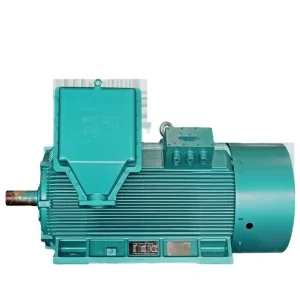
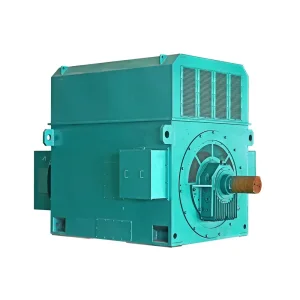
Series: YX, YXKK, YXKS, YR, YRKK, YRKS
Output Range: Up to 25,000 kW
Voltage Options: 6kV, 10kV, and custom levels
Key Feature: Ideal for heavy-duty industrial air compressors, large exhaust fans, and water pump systems.
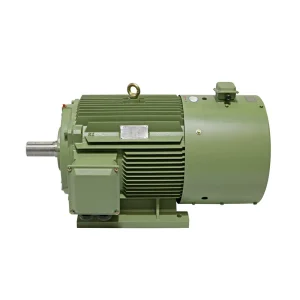
Series: YE3, YE4, YE5, YVFE3, YVFE4, YVFE5
Standards: IEC Premium Efficiency standards
Control System: Designed for Variable Frequency Drive pairing
Key Feature: Provides precise speed control and high efficiency under fluctuating load profiles.
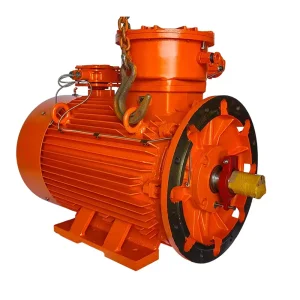
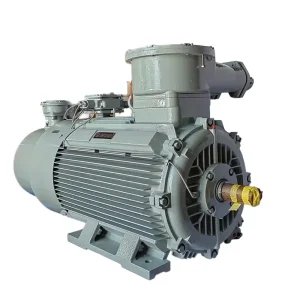
Series: YBX3, YBX4, YBX5, YBBP
Certificates: CNEx, ATEX, and Ex-design standards
Housing: Heavy cast-iron flameproof enclosure
Key Feature: Engineered to contain internal sparks, protecting hazardous chemical and oil gas environments.
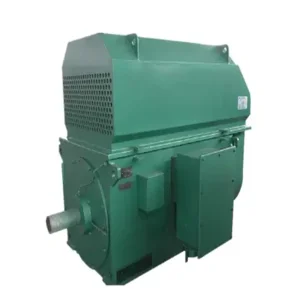
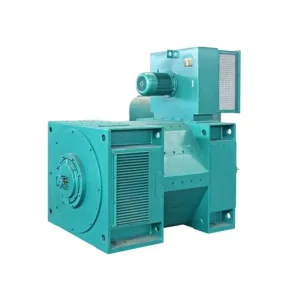
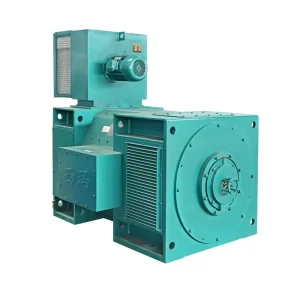
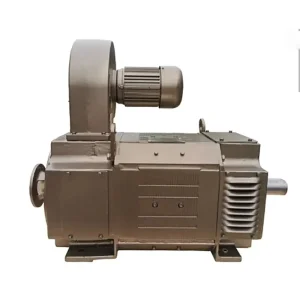
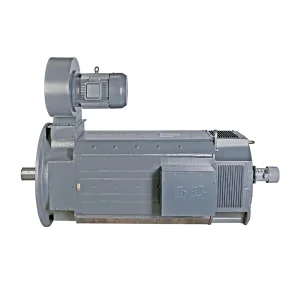
Series: Z2, Z4, Z, T, TD, TK, TDMK, TFW
Torque Output: Continuous high-torque capability
Design: Heavy industrial frame structures
Key Feature: Ideal for mine milling, marine propulsion, steel rolling mills, and power generation systems.
Analyzing key technology developments that will shape industrial drive systems over the next decade.
As global carbon regulations tighten, industries are moving toward IE5 efficiency limits. Traditional induction motors face material design limits when trying to reach these standards without significantly increasing frame sizes. As a result, permanent magnet synchronous motors (PMSM) and synchronous reluctance technologies are becoming more widely adopted. These designs eliminate rotor winding losses, enabling high efficiency even under partial loads.
Smart factories rely on real-time data to prevent unscheduled downtime. Modern industrial motor systems are increasingly equipped with integrated vibration sensors, temperature probes, and current signature analysis tools. These sensors feed data into cloud-based maintenance algorithms, helping operators detect bearing wear or winding insulation degradation before a failure occurs.
Global procurement teams are shifting their focus from initial purchase price to Total Cost of Ownership (TCO). Since energy costs typically make up over 90% of a motor's lifetime expense, purchasing a high-efficiency model offers a strong return on investment. Modern buyers evaluate motors based on projected energy consumption, maintenance intervals, and ease of parts replacement.
Expert insights on motor selection, high-voltage operation, efficiency certifications, and system deployment.
Explore our high-voltage wound rotor, synchronous, DC, and custom variable frequency motor series built for high-performance applications.
 Lite Simo