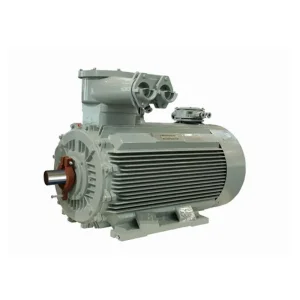
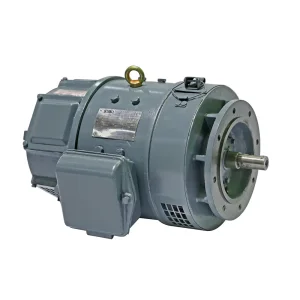
Globally, industrial organizations consume nearly 45% of total world electricity, with electric motor-driven systems accounting for approximately two-thirds of that consumption. As international emission thresholds tighten, the transition from legacy motor topologies to IE3, IE4, and IE5 ultra-premium efficiency configurations has accelerated. Companies aiming to future-proof their supply chains must evaluate structural energy gains, lifecycle operating costs, and digital systems integration.
Global operations face compliance under policies like EU's Ecodesign Regulation and US DOE mandates. Upgrading to IE5 motors yields dynamic carbon reduction across large-scale continuous processes.
Optimized stator configurations and advanced low-loss electromagnetic steel significantly decrease working operating temperatures, preventing premature coil failure and extending bearing lifetime.
Variable speed setups require dedicated insulation engineering (such as corona-resistant magnet wire and insulated NDE bearings) to handle high-frequency dV/dt pulses generated by modern IGBT inverters.
Founded originally in 1955, Xi’an Lite SIMO Motor Co., Ltd. has established a legendary 60+ year footprint in the global electrical machinery industry. Formerly a state-governed vanguard enterprise, SIMO has evolved into a premier manufacturing powerhouse specializing in high-voltage, low-voltage, AC, DC, synchronous, and certified explosion-proof industrial electric motors.
Today, SIMO stands as one of the preeminent enterprises in China's motor sector, offering end-to-end design, advanced casting, custom tool design, micro-precision mechanical processing, automated coil winding, and full-spectrum heavy load system testing.
With an active R&D pipeline that matches international IE3, IE4, and IE5 thresholds, our systems are deployed globally within demanding domains including chemical refining, metallurgy, mineral extraction, water conservation, power generation networks, and modern manufacturing plants.

Established
R&D Engineers
Motor Varieties
Fixed Assets (RMB)
Over six decades of continuous development, shifting from traditional manual assembly lines to automation, smart manufacturing, and AI-enabled diagnostics.
SIMO Motor's robust design frameworks operate on specialized mechanical scales. Our power range extends from 0.35 kW to 25,000 kW across 34 product series, encompassing more than 1,800 varieties and 19,500 distinct specification configurations.
| Motor Series Class | Common Series Identifiers | Power Ranges & Voltage Specs | Optimal Application Scenarios |
|---|---|---|---|
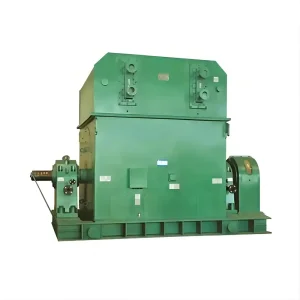
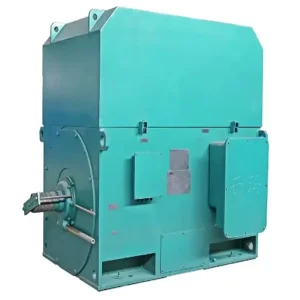
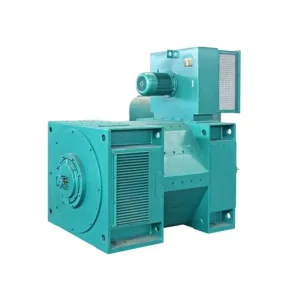
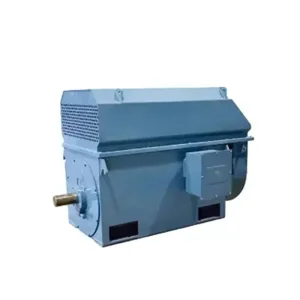
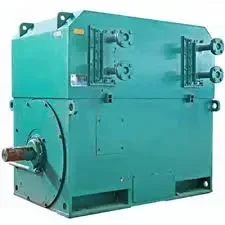
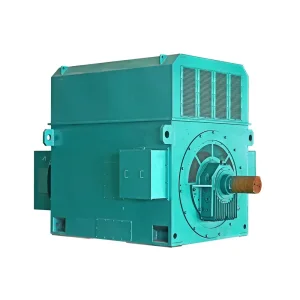
| High Voltage & High Efficiency Asynchronous | YX, YXKK, YXKS | 160 kW to 25,000 kW / 3kV, 6kV, 10kV, 11kV | Water pumps, ventilation fans, heavy steel rolling mills, industrial air compressors. |
| Wound Rotor Slip-Ring Motors | YR, YRKK, YRKS | 220 kW to 15,000 kW / 6kV, 10kV | High inertia starts, heavy duty cranes, ball mills, mining crushers. |
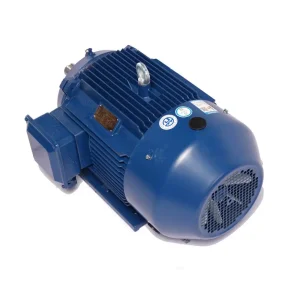
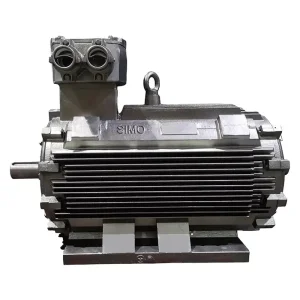
| Ultra-Premium Low Voltage AC | YE3, YE4, YE5 (IE3/IE4/IE5 compliance) | 0.75 kW to 375 kW / 380V, 400V, 660V | Chemical processing pumps, general machinery, packaging, HVAC systems. |
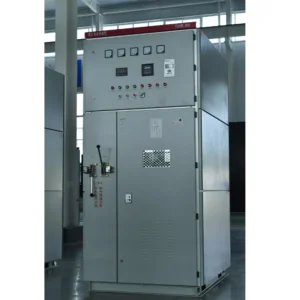
| Variable Frequency VFD Regulated | YVFE3, YVFE4, YVFE5 (AC systems) | 0.55 kW to 2,000 kW / Low & High Voltages | Conveyor lines, dynamic hoist systems, automated production lines. |
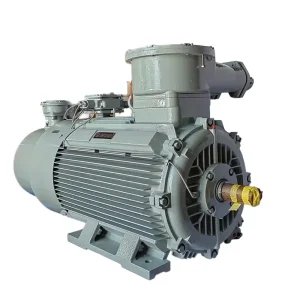
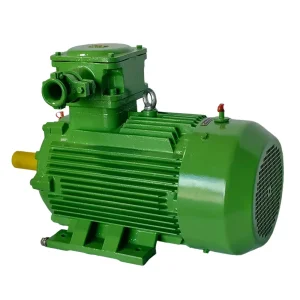
| Certified Explosion-Proof Motors | YBX3, YBX4, YBX5, YFB3, YBBP | 0.18 kW to 1,800 kW / Ex d IIB/IIC T4 Gb | Petroleum refineries, petrochemical installations, hazardous coal mines, grain elevators. |
| Synchronous Heavy-Duty Motors | T, TD, TK, TDMK, TFW Series | Up to 25,000 kW / Large size alternators | Reciprocating compressors, large wood chippers, regional power plant generators. |
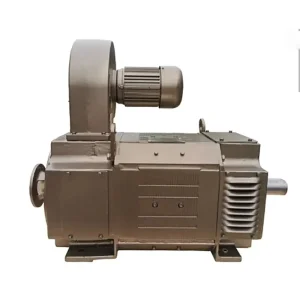
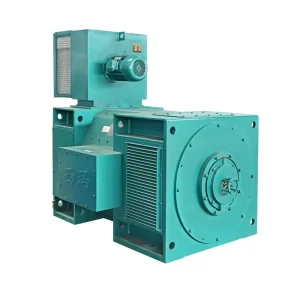
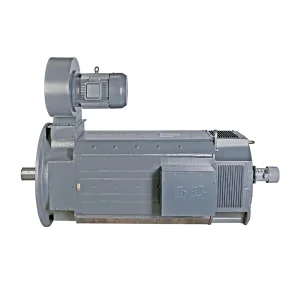
| Industrial Direct Current (DC) | Z2, Z4, Z Series | Frame sizes up to medium & large scales | Plastic extruders, metal rolling mills, paper mill machinery, marine propulsion systems. |
As an experienced OEM partner, we understand that standard catalogue motors do not always align with complicated retrofits or extreme environments. Our team of 260+ technical engineers collaborates directly with client system designers to modify electrical and mechanical architectures:
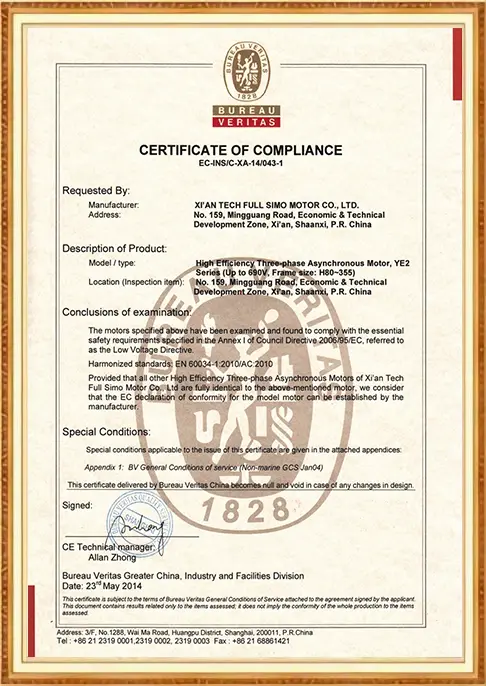
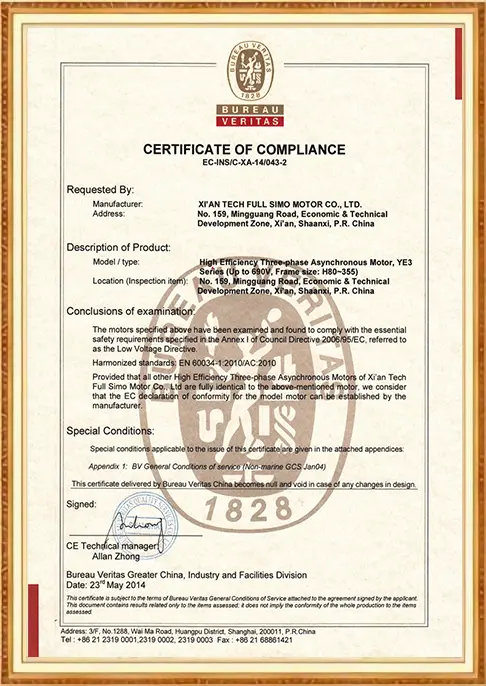
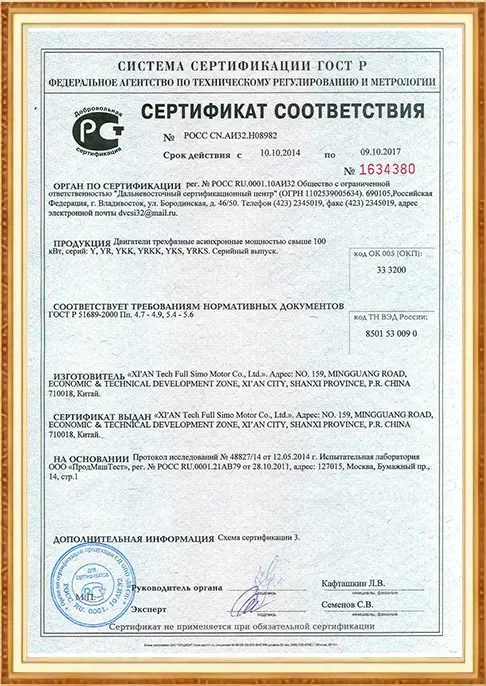
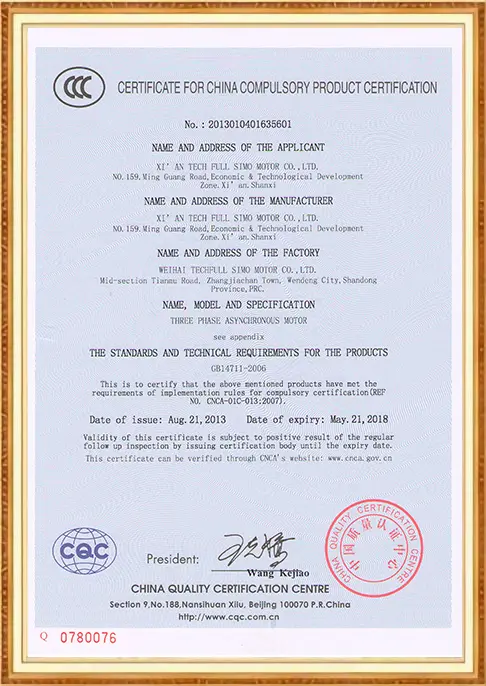
Reliability is the foundation of high-efficiency industrial operations. SIMO’s production facility enforces strict quality control, audited to international design, safety, and performance standards.
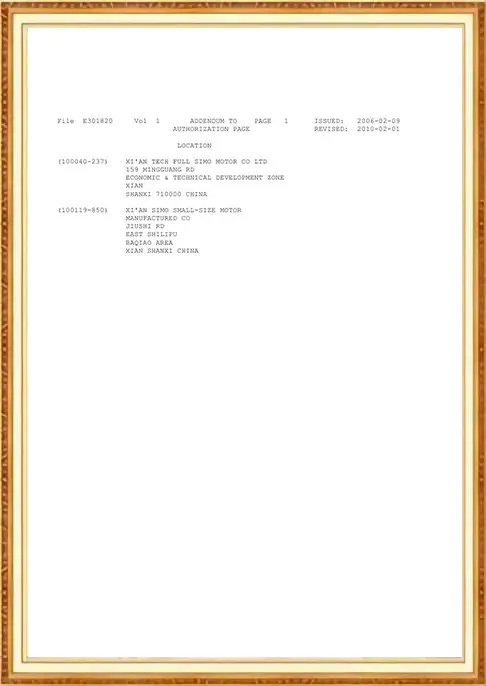
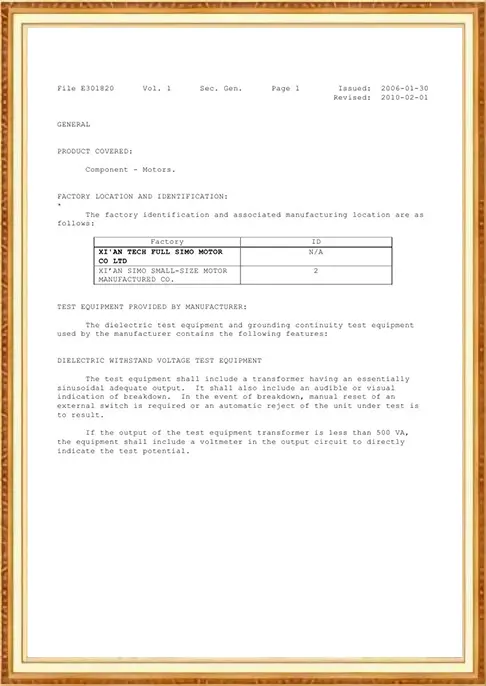
Our manufacturing and testing protocols are certified by international compliance networks. This guarantees drop-in replacement functionality and reliable operation across global territories.
To meet the requirements of Industry 4.0, SIMO is driving forward the convergence of heavy electrical machinery and digital intelligence. The future of electric motor efficiency lies beyond basic copper winding optimization; it relies on intelligent telemetry, new stator laminations, and permanent magnet integrations.
By embedding dynamic accelerometers, thermal RTDs (Resistance Temperature Detectors), and flux sensors within motor enclosures, SIMO enables real-time performance analytics. Predictive maintenance systems analyze high-frequency vibration profiles to identify bearing wear, stator winding insulation degradation, or shaft misalignment before an unscheduled shutdown occurs.
For applications where space is limited and efficiency demands are high, SIMO is expanding its PMaSynRM lines. Operating without rotor losses, these motors achieve IE5 efficiency ratings while reducing structural weight by up to 35% compared to induction equivalents.
Our upcoming generation of high-voltage insulation relies on solvent-free, ultra-low emission epoxy resins cured via smart thermal systems. This process reduces volatile organic compound (VOC) emissions during production while enhancing the motor's mechanical resistance to thermal cycling stresses.
Expert engineering insights regarding selection, installation, and optimization of high-efficiency industrial motors.
IE5 ultra-premium motors utilize premium electrical steel with reduced core losses, optimized slot geometry, and refined rotor casting methods to minimize resistance. Additionally, IE5 designs often integrate permanent magnets (PMSM) or synchronous reluctance topologies to eliminate rotor current losses altogether, resulting in improved efficiency even at partial loads.
At elevations exceeding 1,000 meters above sea level, the air density decreases, reducing the cooling capacity of self-ventilated motors. Under these conditions, the motor must either be derated (reducing the continuous output power) or built with a larger frame size, higher insulation class, or forced air/water-cooling systems to ensure winding temperatures remain within acceptable limits.
VFDs produce high-frequency voltage spikes (dV/dt) that stress stator insulation systems. To prevent failure, motors should feature corona-resistant winding wire, reinforced phase insulation, and insulated non-drive-end (NDE) bearings or grounding brushes to divert shaft currents that can cause bearing fluting and premature failure.
Ex d (flameproof) enclosures are designed to contain any internal explosion without allowing the flame to ignite the surrounding hazardous atmosphere. Ex e (increased safety) designs focus on preventing arcs, sparks, or excessive temperatures during operation, ensuring that an ignition source does not develop in the first place.
Although AC motors with VFDs have become more common, DC motors remain useful for applications requiring high starting torque, wide speed ranges with fine speed control, or dynamic overloading at low speeds without electronic lag. Typical industrial examples include heavy metal rolling mills, plastic extruders, and cable traction drives.
 Lite Simo