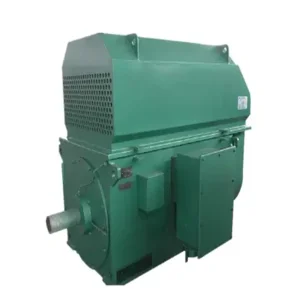
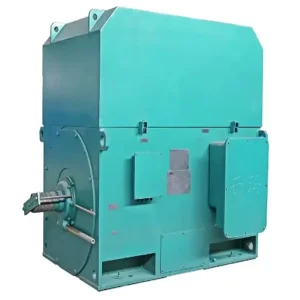
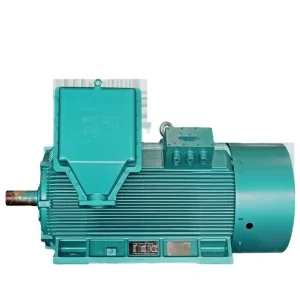
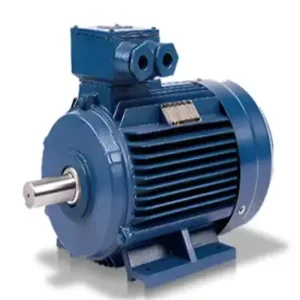
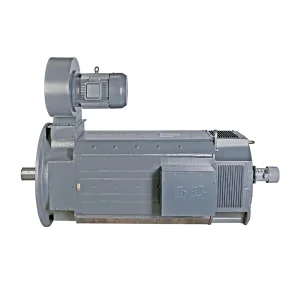
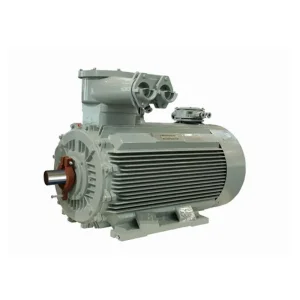
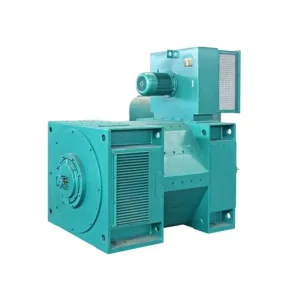
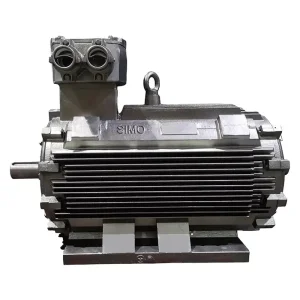
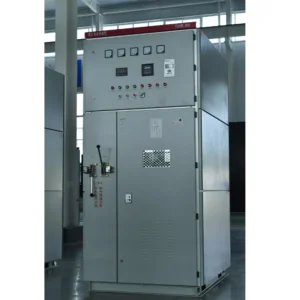
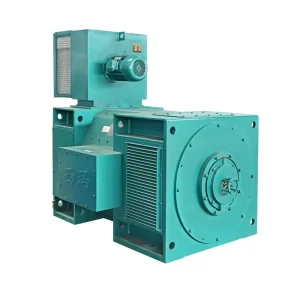
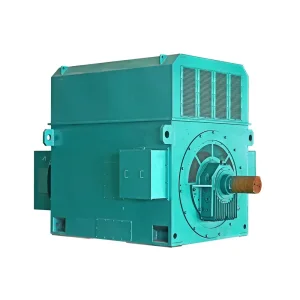
Explore our premium selection of heavy-duty alternating current (AC) motors, direct current (DC) drivetrains, and protection-enclosed machinery engineered to withstand harsh operational environments.
A comprehensive technical analysis of the Gosudarstvenny Standart (GOST) protocols for high-power electric machinery operating across extreme environmental and operational thresholds.
In heavy industrial processing, thermal generation, metallurgy, and mining throughout the Eurasian and CIS regions, electrical powertrain units are strictly bound to the Gosudarstvenny Standart, commonly known as GOST. Unlike IEC or NEMA frame standards, GOST certified motors dictate unique parameters covering geometric dimensions, mechanical mounting faces, shaft keyways, power-to-frame ratios, and specific environmental execution tolerances. For global engineering contractors, selecting a qualified OEM GOST standard motor supplier is crucial to guarantee drops-in compatibility and seamless system integration.
Under the core document GOST R 51689, mounting dimensions are standardized to align with historical infrastructure footprints. A crucial difference between GOST and IEC frames lies in the shaft extension height (H) and shaft diameter (D) parameters relative to the motor's nominal kW output. For instance, a GOST motor might place a higher output rating onto a physically smaller chassis than standard IEC equivalents, or design specific mounting bolt clearances that prevent direct conversion without costly baseplate modification. This makes customized manufacturing from a dedicated OEM partner essential.
From an electrical perspective, the grid characteristics of regions enforcing GOST standards typically require robust operational tolerances. Mains fluctuations of ±10% are common in remote mining extraction zones. Winding assemblies must utilize custom class F insulation systems (tested under Class H temperature rises) treated via vacuum pressure impregnation (VPI) with solventless resins. This shields the stator structure from catastrophic dielectric breakdown during voltage spikes or sudden transients.
Specifies environmental protection ratings such as UHL (moderate-cold), T (tropical), and OM (marine). UHL1 designates outdoor operation under extreme Siberian climates down to -60°C, requiring specialized structural alloy casing, low-temperature synthetic lubricants, and space heaters.
Precision dynamic balancing conforming to rigid vibration tolerances. Machined shaft extensions feature specialized threads to secure oversized pulleys or direct-coupled flexible couplings safely.
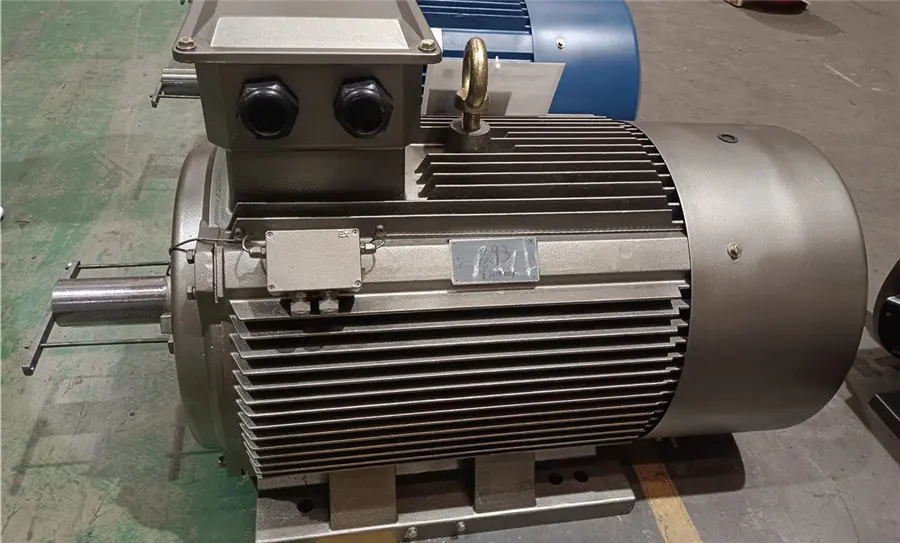
Conformity to explosion-proof standards (e.g., GOST 30852 or the newer TR CU 012/2011 regulations) ensuring terminal boxes and gland entries prevent flame propagation in dust-filled or volatile gas atmospheres.
Uncovering the manufacturing ecosystem, material supply chains, and testing advantages that position Chinese industrial hubs at the top of the global heavy motor market.
Modern industrial supply chains rely on scale, material quality control, and advanced automation. China's electric motor manufacturing industry has evolved from low-voltage assembly shops into high-voltage engineering centers. For specialized GOST motors, Chinese factories offer key structural advantages:
Proximity to top-tier steel foundries producing cold-rolled non-oriented silicon steel sheets guarantees low core loss and high permeability. Copper wire drawing mills provide high-purity oxygen-free copper rods, ensuring minimal electrical resistivity within winding slots.
Advanced Chinese manufacturing plants feature in-house testing beds capable of running full-load thermal evaluations up to 25,000 kW. These facilities can simulate structural load profiles, unbalanced grid phases, and run partial discharge analysis to prevent field failure before export shipping.
Unlike rigid western suppliers restricted to fixed configuration matrices, Chinese factories excel at custom adjustments. Engineers can modify frame designs, shift mounting bolt circles, adapt imperial shafts, and integrate localized sensor configurations (PT100 RTDs, vibration transducers) without causing delivery delays.
Furthermore, through the integration of digital twin simulations and finite element analysis (FEA), the mechanical resilience of structural casings can be modeled prior to heavy casting pours. This ensures that the structural integrity of the frame withstands torsional strain during high-torque startup phases, particularly relevant for synchronous ball mill drives and reciprocating pump operations.
A key pillar of the Chinese machinery manufacturing industry, leading the market in high-voltage, low-voltage, and customized motor technology.

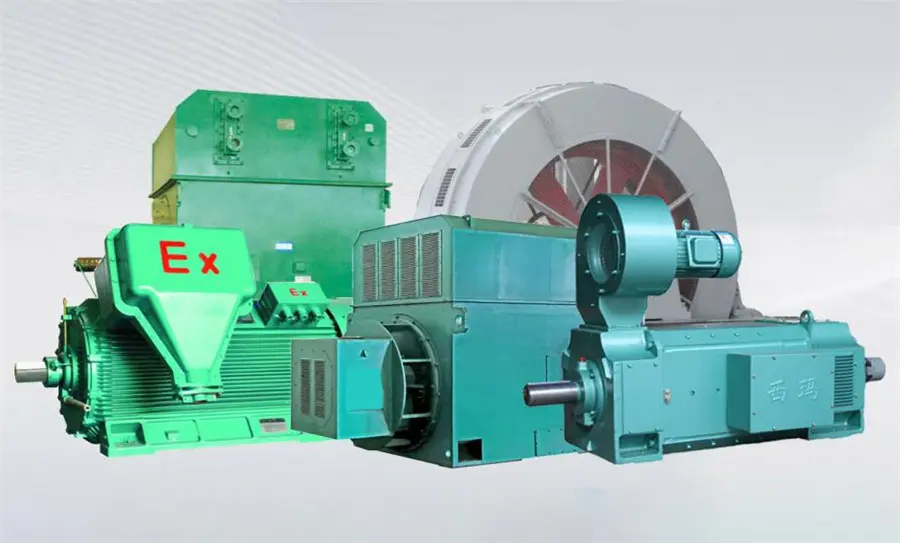
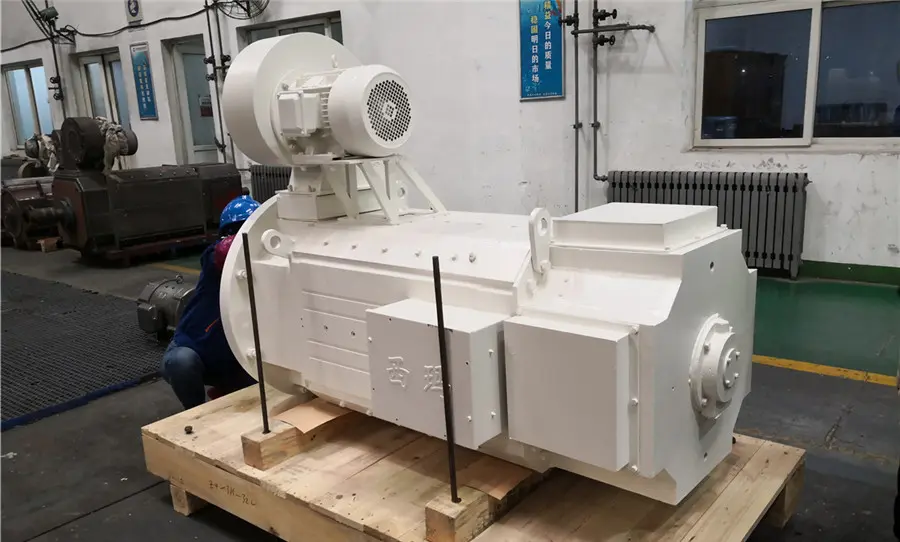
Xi’an Lite SIMO Motor Co., Ltd is an electric company, main enterprise specializing in the manufacturing of large/medium-sized, high/low voltage AC motors, DC motors, synchronous motor, and explosion-proof motor in the Chinese mechanical industry. SIMO is a comprehensive manufacturing and service supplier of motor design, manufacturing, mechanical processing, mold making, assembling. The Company ranks TOP in China’s motor industry as to its scale of production, and has maintained fast-growing development trend for consecutive years.
Our research and development and manufacturing capability covers all types of electric motors, with our products categorized into 34 major series, spanning more than 1,800 varieties, and exceeding 19,500 individual specifications. The power scope ranges from 0.35kW all the way up to 25,000 kW, satisfying diverse mechanical drive needs across global markets.
With over 60 years of history in motor manufacturing and sales, SIMO has grown alongside the global electric machinery industry.
An inside look at our advanced production facilities and the quality certifications that enable us to export high-performance machinery worldwide.
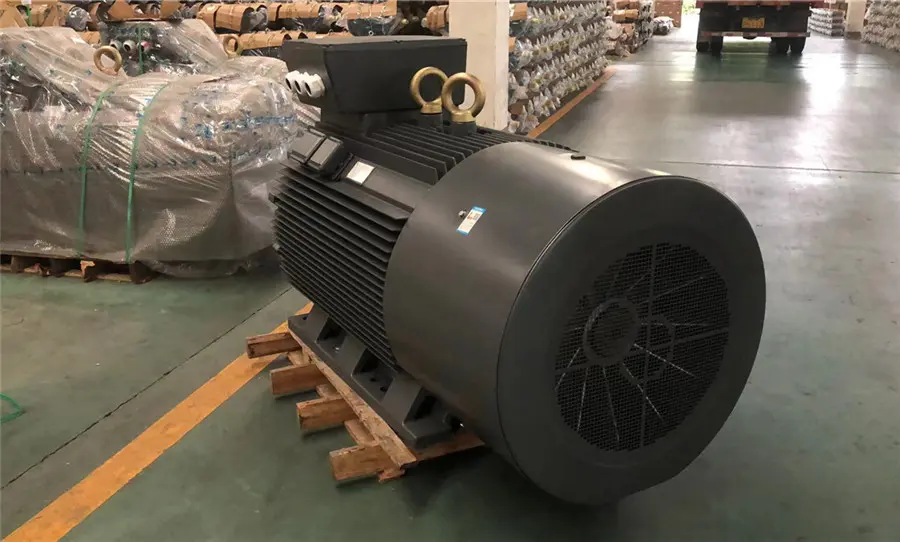
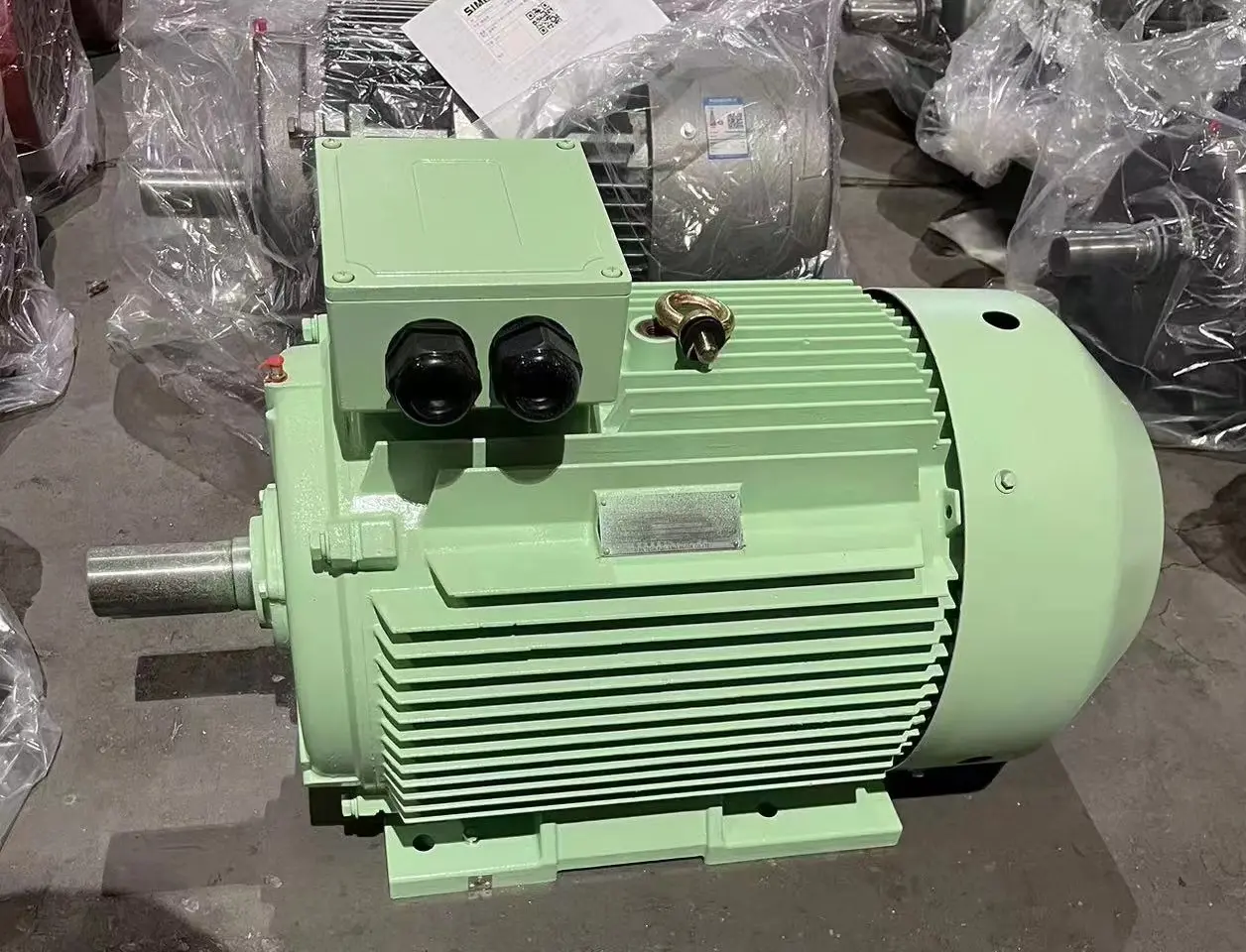
Our registered capital is 21.5 million RMB. SIMO operates 3 manufacturing factories and one subsidiary factory, utilizing fixed assets worth 380 million RMB and more than 1,172 sets of advanced equipment. We employ more than 1,200 people, including 260 technical engineers, 21 senior engineers, and 15 expert engineers.
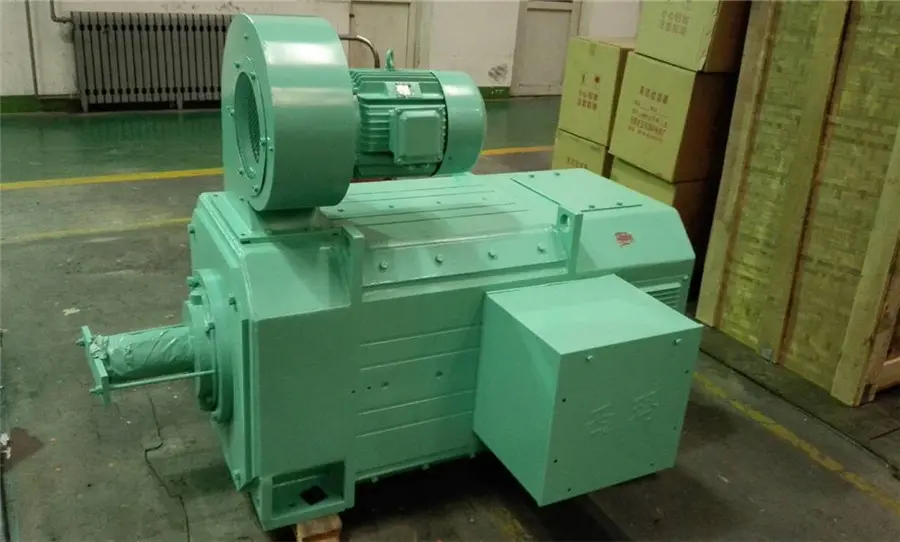
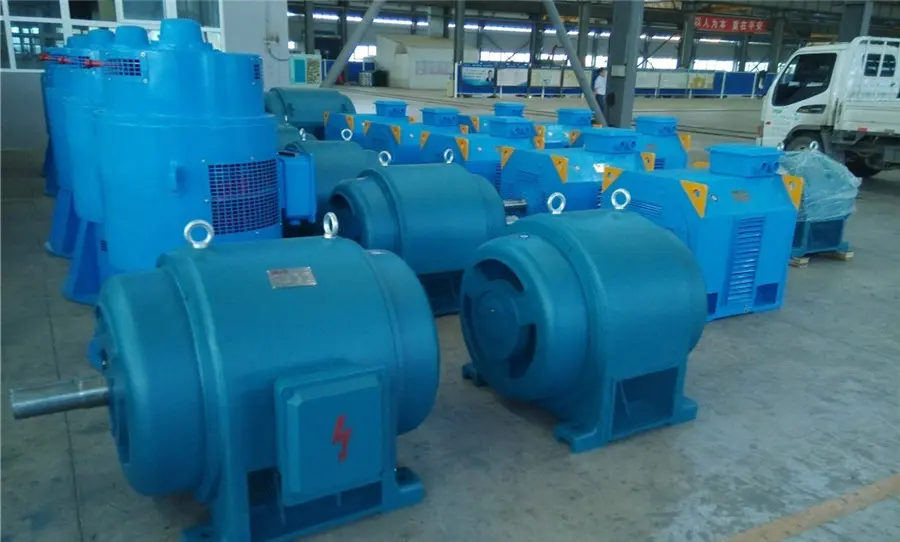
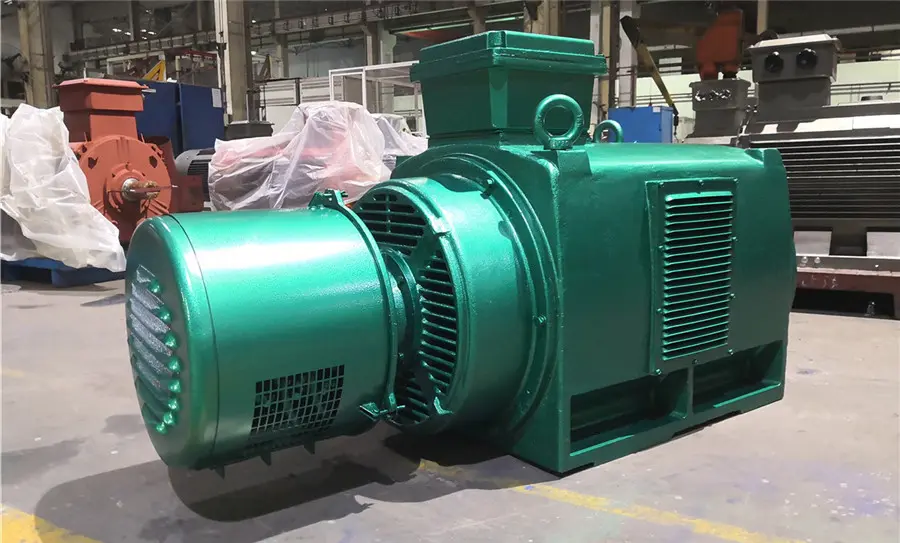
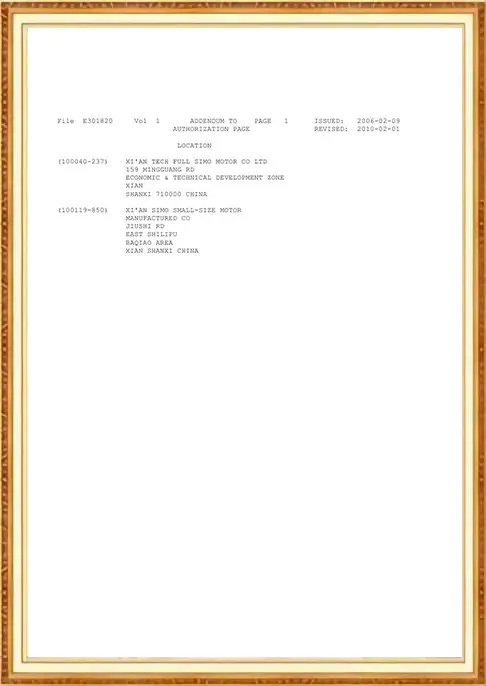
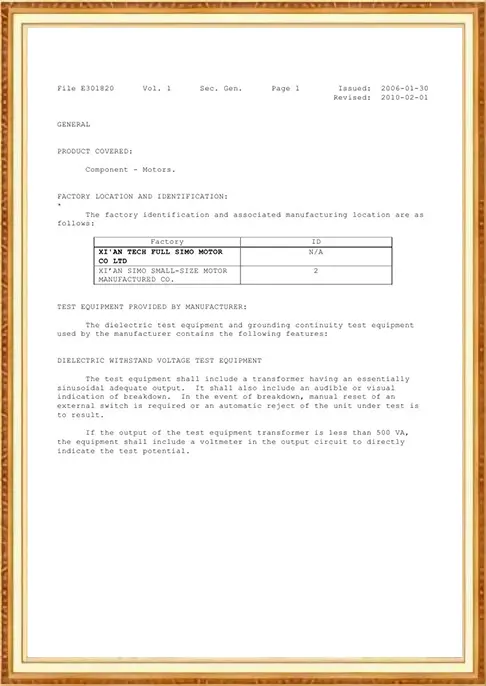
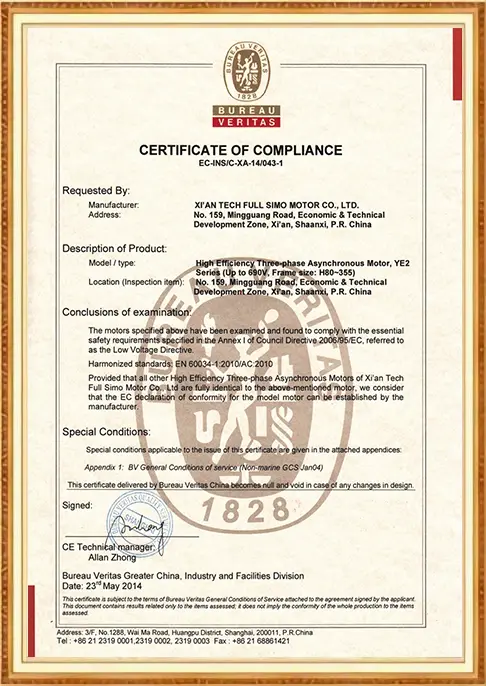
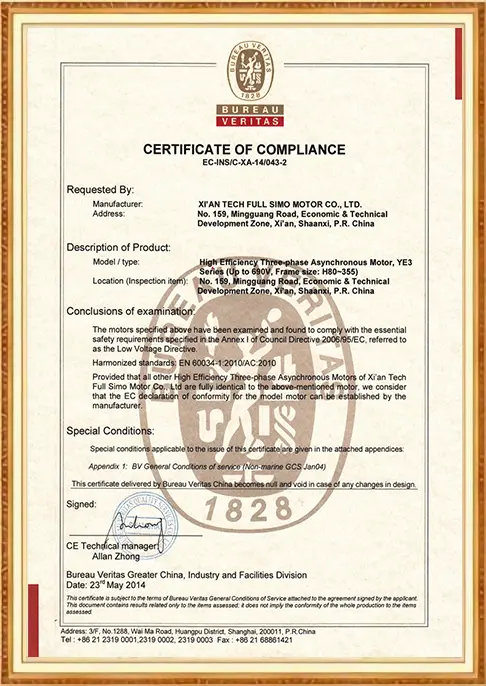
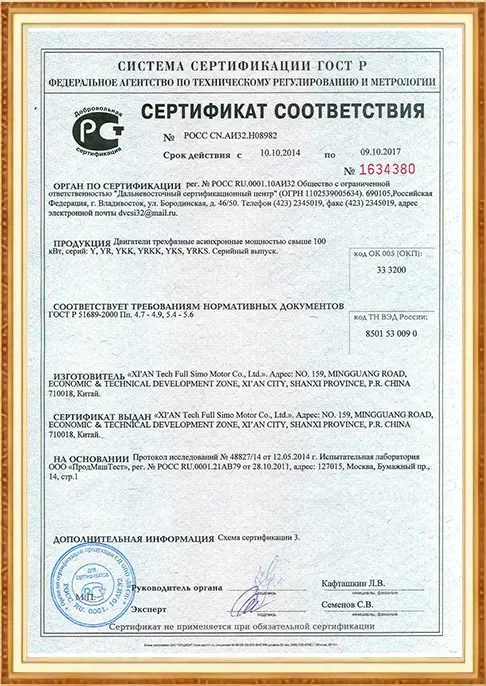
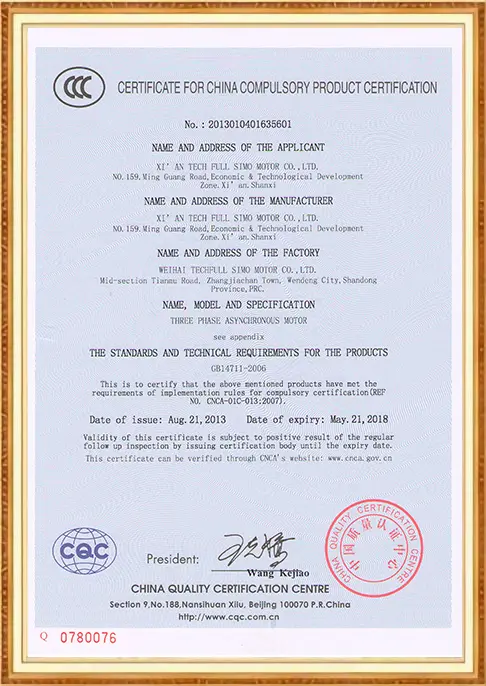
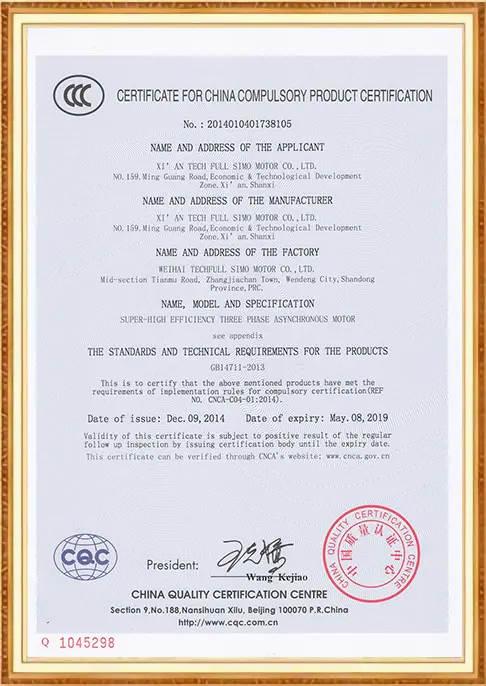
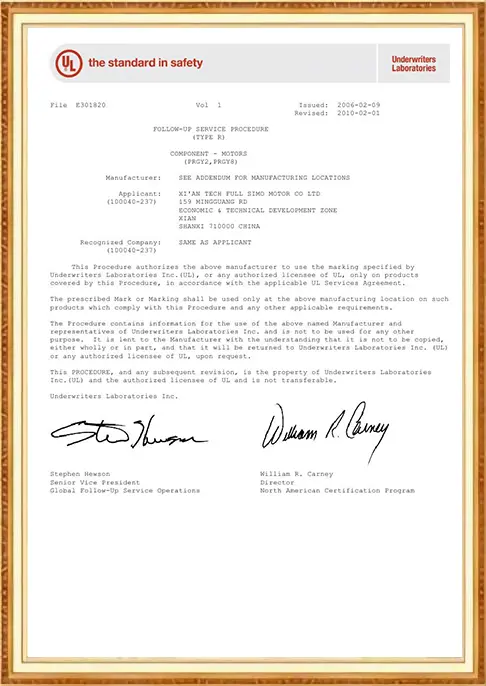
SIMO has passed ISO9001 Quality System Certification, EU "CE", US "UL", Russian "GOST", and related explosion-proof and safety approvals. These certifications verify that our engineering, testing, and documentation meet strict global guidelines for critical operations.
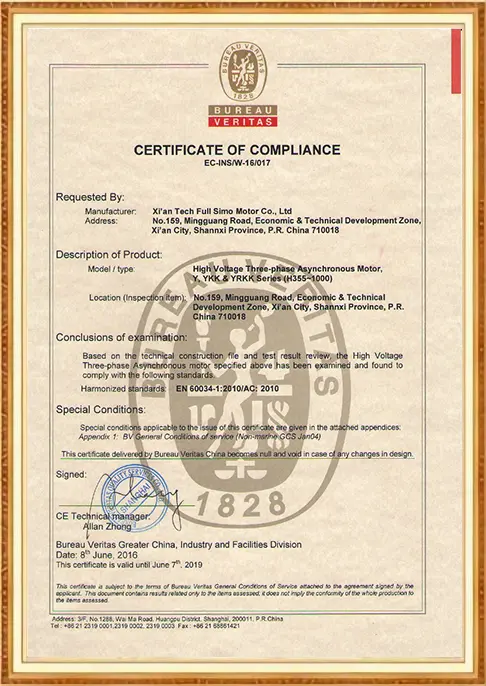
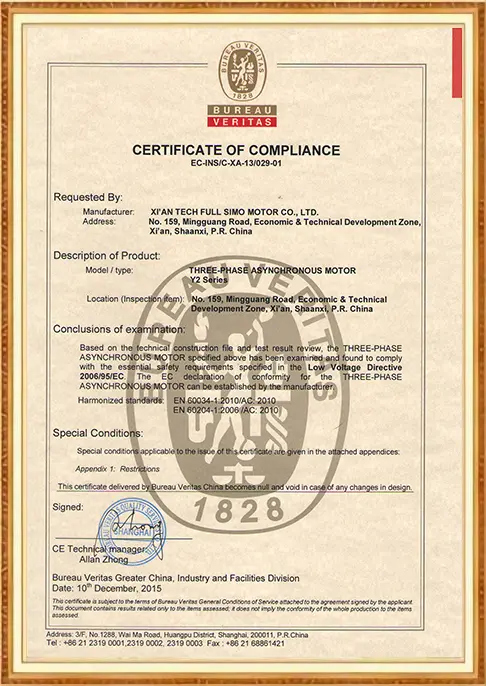
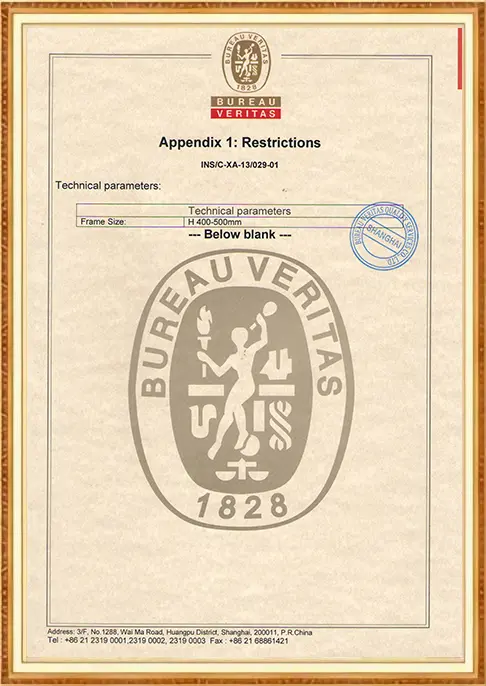
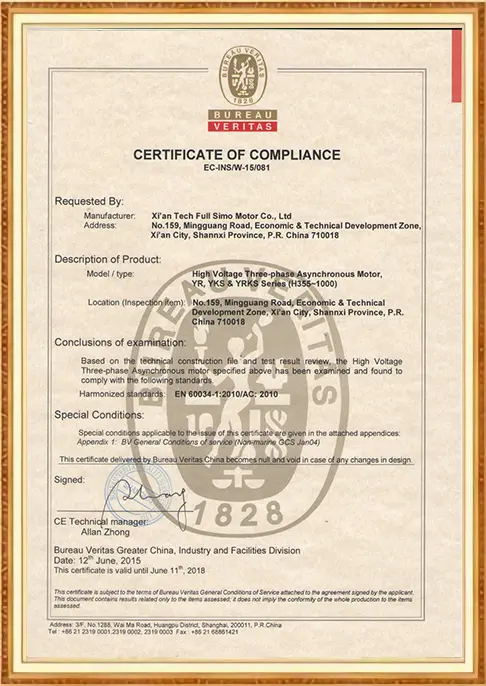
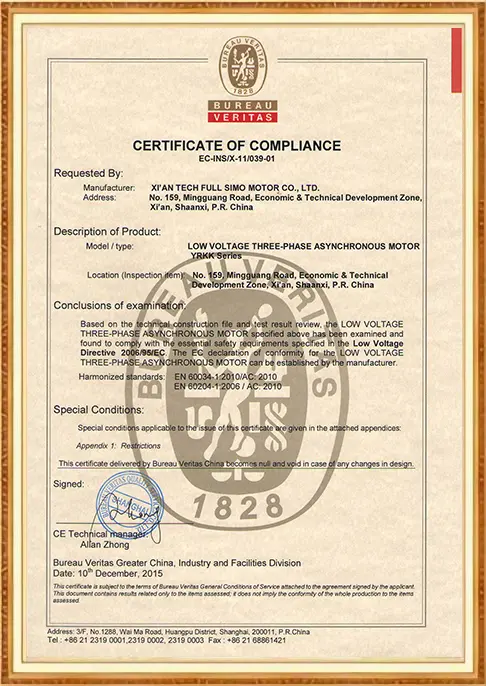
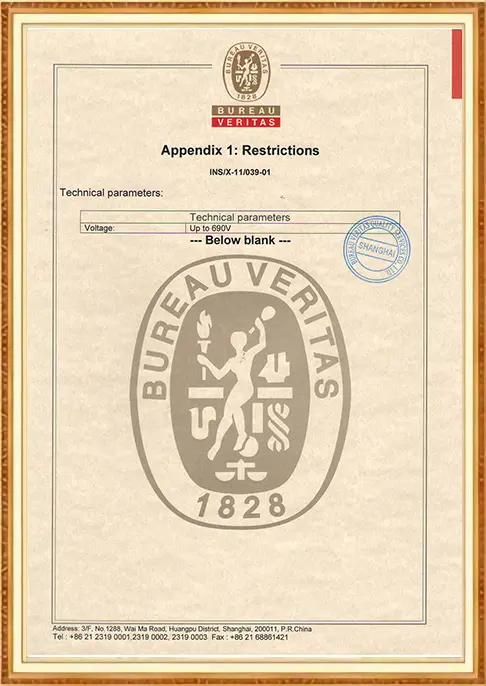
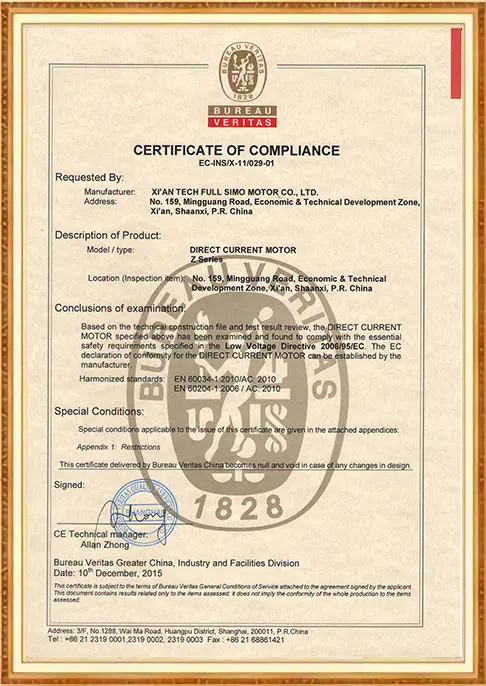
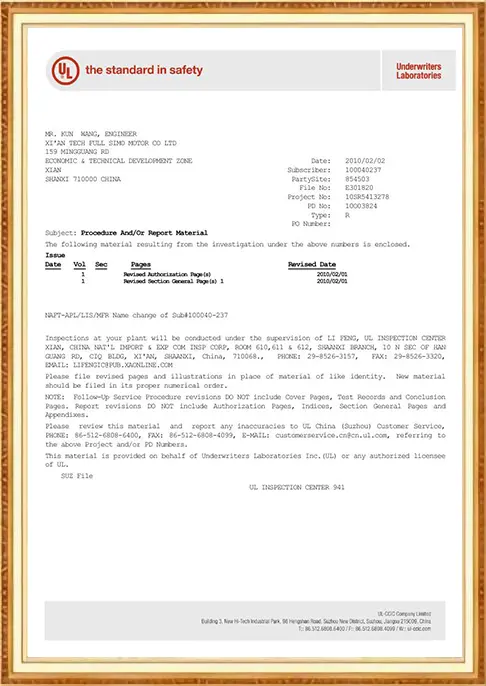
How GOST standard electric motors drive modern heavy industry, from deep underground extraction shafts to high-pressure oil transmission pipelines.
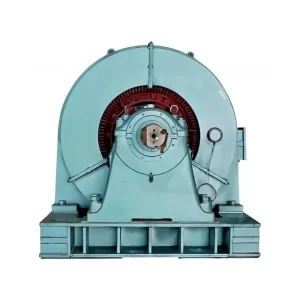
Ball mills, crushers, and heavy conveyors demand exceptional breakdown torque ratios and high load capacity. Our TDMK series synchronous motors are customized to provide high starting torque under variable load conditions while maintaining power factor optimization.
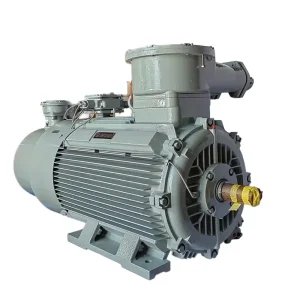
Hazardous areas require explosion-proof configurations. Our YBX3, YFB3, and YFB4 series dust explosion-proof and gas explosion-proof motors are sealed against explosive mixture propagation, ensuring compliance with strict safety standards.
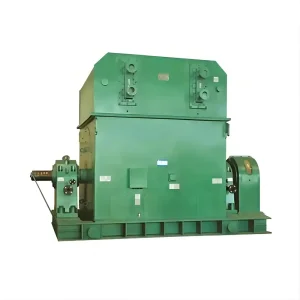
Large-scale fans and boiler feed water pumps rely on high-voltage continuous operation. Our YRKK, YKK, and YKS series motors operate at 6kV and 10kV to ensure continuous uptime, high efficiency, and minimal maintenance intervals.
The global heavy machinery industry is prioritizing sustainable operation and high efficiency. Main industrial trends include:
A structured reference checklist designed for procurement managers and EPC engineers to ensure regulatory compliance and smooth project execution.
Procuring large industrial motors from international suppliers requires careful evaluation of safety and mechanical standards. Use this checklist during the engineering design phase:
Ensure the shaft diameter (D), shaft length (E), and mounting hole dimensions conform precisely to GOST R 51689. Mismatched dimensional layouts will require on-site machining or transition plates, which can compromise dynamic balance and increase vibration levels.
Check the designated location code. Outdoor operations in sub-zero climates require UHL1 execution, indicating specialized steel framing, low-temperature rated terminal boxes, and custom grease suitable for operating temperatures down to -60°C.
Request documentation for routine test schedules. This includes stator winding resistance measurements, insulation resistance checks, vibration velocity measurements, and short-circuit test reports to verify that insulation and bearings meet quality requirements.
Clear, technical answers to common queries regarding GOST standard motor sourcing, specifications, and applications.
Explore our secondary line of heavy-duty industrial electric motors, soft start systems, and custom excitation machinery designed to support stable factory operations.
 Lite Simo