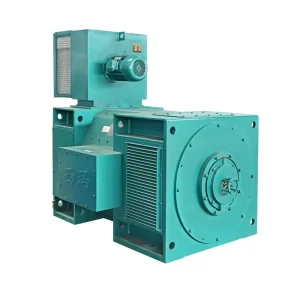
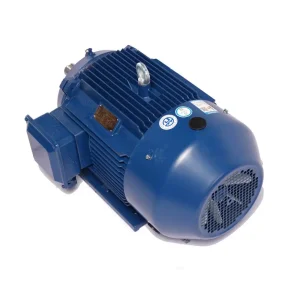
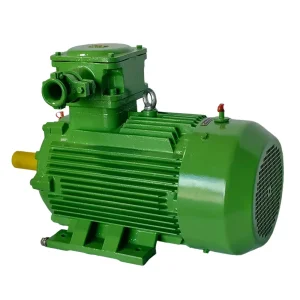
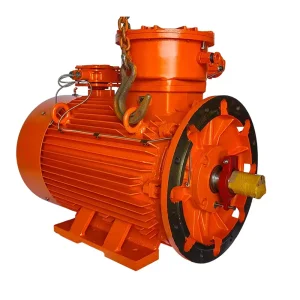
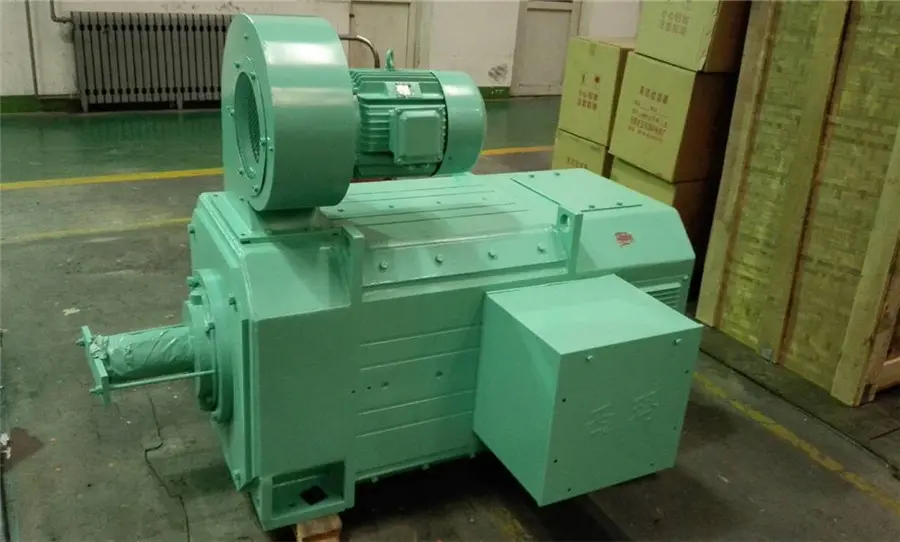
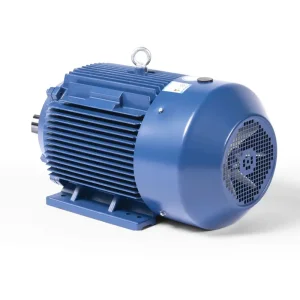
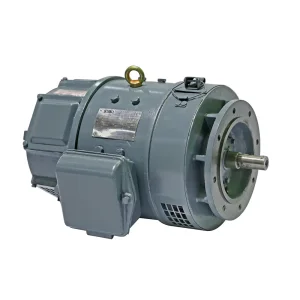
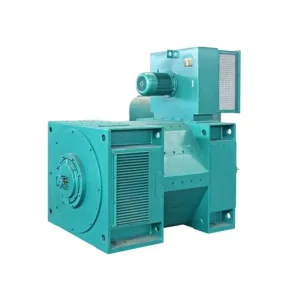
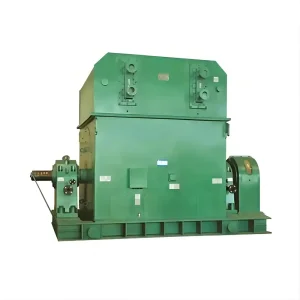
Engineered to exceed modern API 610 performance benchmarks and continuous duty challenges in harsh environments.
In modern petrochemical extraction, refinement, and pipeline distribution systems, the oil pump electric motor acts as the central mechanism for continuous work. As global energy processes evolve toward strict environmental accountability and lean manufacturing, selecting the right motor topology transitions from a simple procurement choice into a critical risk-management decision. Continuous operations require motors to survive high mechanical stresses, wide thermal fluctuations, and atmospheres saturated with hazardous, combustible hydrocarbons.
Reliable operations in extreme zones demand heavy engineering expertise. A minor failure in a refinery's crude feed pump or an offshore platform's water-injection drive can lead to significant production losses and environmental safety concerns. Consequently, leading global infrastructure operators prioritize motors designed under strict IEC and NEMA guidelines. This includes features like double-shielded, insulated bearings to combat VFD-induced shaft currents, complex class-F to class-H vacuum pressure impregnated (VPI) winding configurations, and dynamic cooling architectures (IC411, IC611, or IC81W) to ensure optimal heat dissipation.
Driving positive displacement, progressive cavity, or high-capacity centrifugal pumps requires specific torque properties. Unlike generic fan or blower loads, oil pump drives must handle high starting torques, system back-pressures, and varying fluid viscosities caused by temperature swings. The motor must maintain a stable torque curve even when starting cold or facing system blockages. This capability is achieved through advanced rotor bar geometries, optimized magnetic circuits, and low-loss stator laminations that work together to prevent thermal stress and stalling.
A pioneer in large-scale, high-voltage AC/DC motor engineering and manufacturing across East Asia.

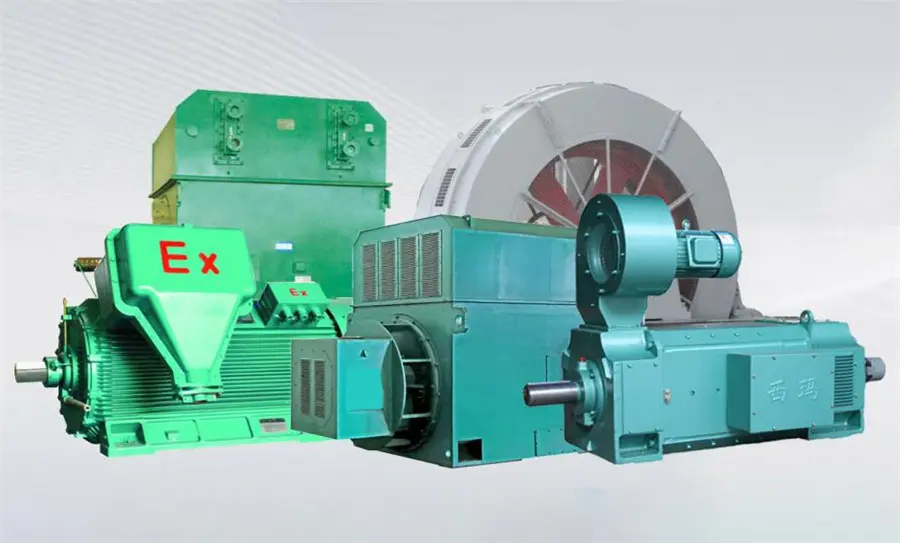
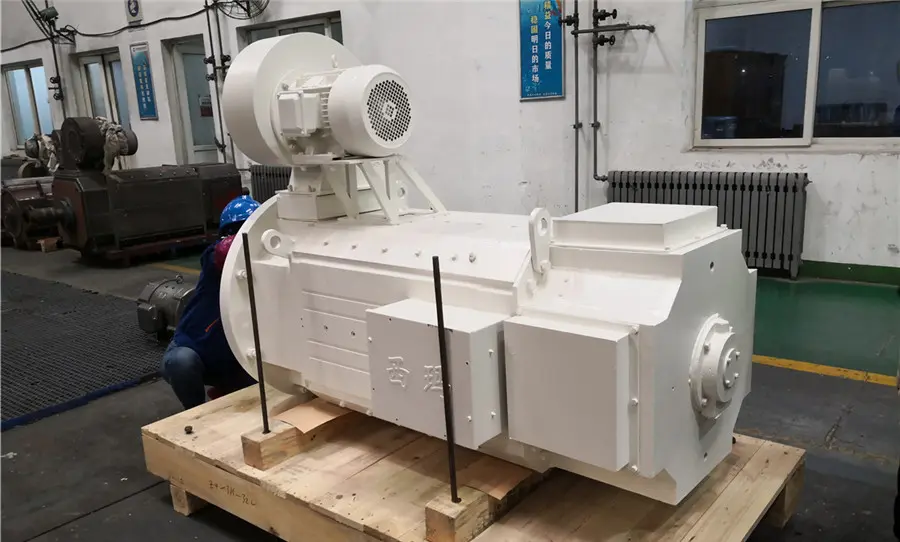
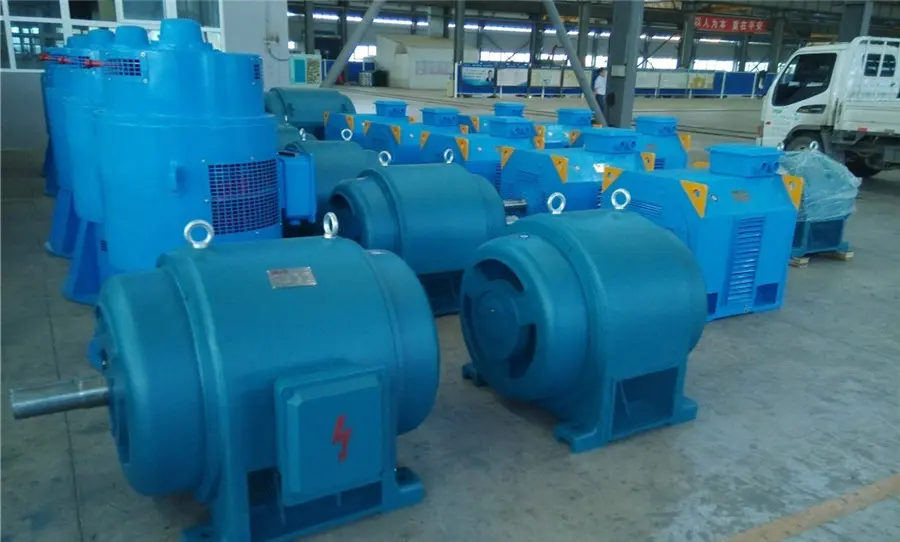
Xi’an Lite SIMO Motor Co., Ltd. is a prominent enterprise specializing in manufacturing large/medium-sized, high/low voltage AC motors, DC motors, synchronous motors, and explosion-proof motors within the Chinese mechanical sector. SIMO operates as a comprehensive manufacturer and service supplier, handling motor design, precision manufacturing, mechanical processing, mold fabrication, assembly, and testing. The company remains highly ranked in the industry for production scale and has sustained a stable development trajectory for decades.
Backed by a registered capital of 21.5 million RMB and possessing more than 1,172 sets of advanced manufacturing and testing equipment, SIMO operates 3 specialized production plants and 1 subsidiary facility. Out of its workforce of over 1,200 employees, more than 260 are technical engineers—including 21 senior engineers and 15 expert engineers—who drive the company's research and development initiatives.
SIMO Motor established and led by government initiatives to kickstart regional heavy machinery capabilities.
Relocated to a newly constructed manufacturing facility in Xi'an city, expanding initial tooling and foundry operations.
Renamed to Xi'an Motor Factory following series acquisitions and state-directed industrial integration.
Reformed into a limited liability company from a state-owned factory to improve market responsiveness and innovation.
SIMO Motor Group established, organizing 14 specialized subsidiaries to serve international industrial demands.
Moved to the modern, high-tech industrial park, integrating automated production lines and testing systems.
Rebranded as Tech Full Simo Motor, targeting international energy, mining, and oil distribution partnerships.
Continuing to innovate as an industry leader, providing energy-saving and explosion-proof motor systems globally.
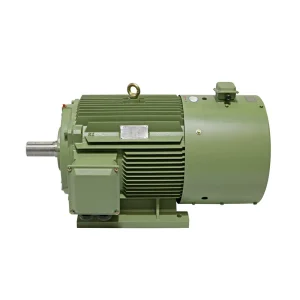
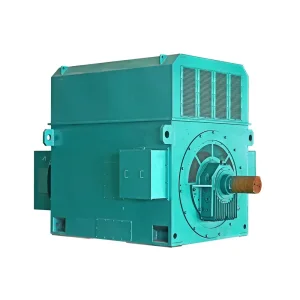
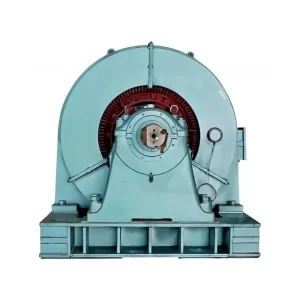
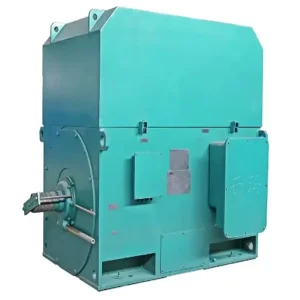
SIMO's R&D covers 34 major series, including over 1,800 varieties and 19,500 individual specifications. Power outputs range from 0.35 kW up to 25,000 kW, providing solutions for different application scale needs. Below is the technical breakdown of our core product series developed for high-reliability pumping applications:
| Motor Series | Engineering Topology | Power Range | Primary Application in Oil / Pump Systems |
|---|---|---|---|
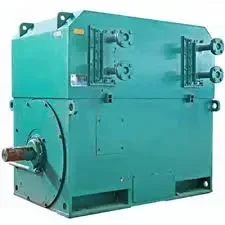
| YX / YXKK / YXKS | High Voltage Three-Phase Asynchronous | Up to 25,000 kW | Main oil pipelines, high-volume water injection, and auxiliary chemical refining pumps. |
| YR / YRKK / YRKS | Wound Rotor High Voltage | Up to 25,000 kW | Pumping processes requiring high starting torque under full hydraulic back-pressure. |
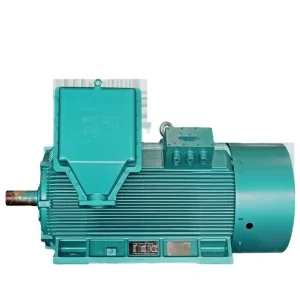
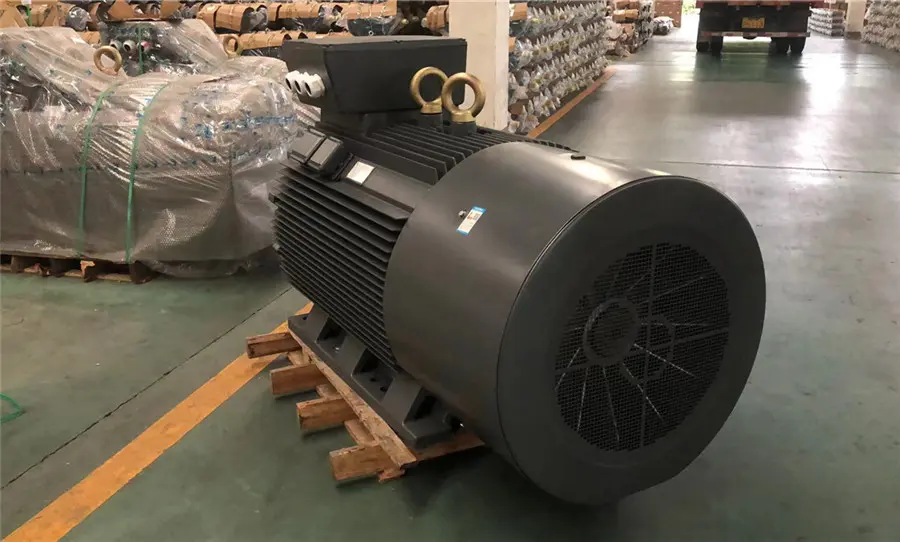
| YE3 / YE4 / YE5 | Ultra-Premium Low Voltage Induction | 0.35 kW - 1,000 kW | Refined product transfer, auxiliary pumps, and greenfield energy-saving upgrades. |
| YVFE3 / YVFE4 / YVFE5 | Variable Frequency Drive (VFD) Optimized | Customized | Flow control applications with changing oil viscosities and dynamic throughput demands. |
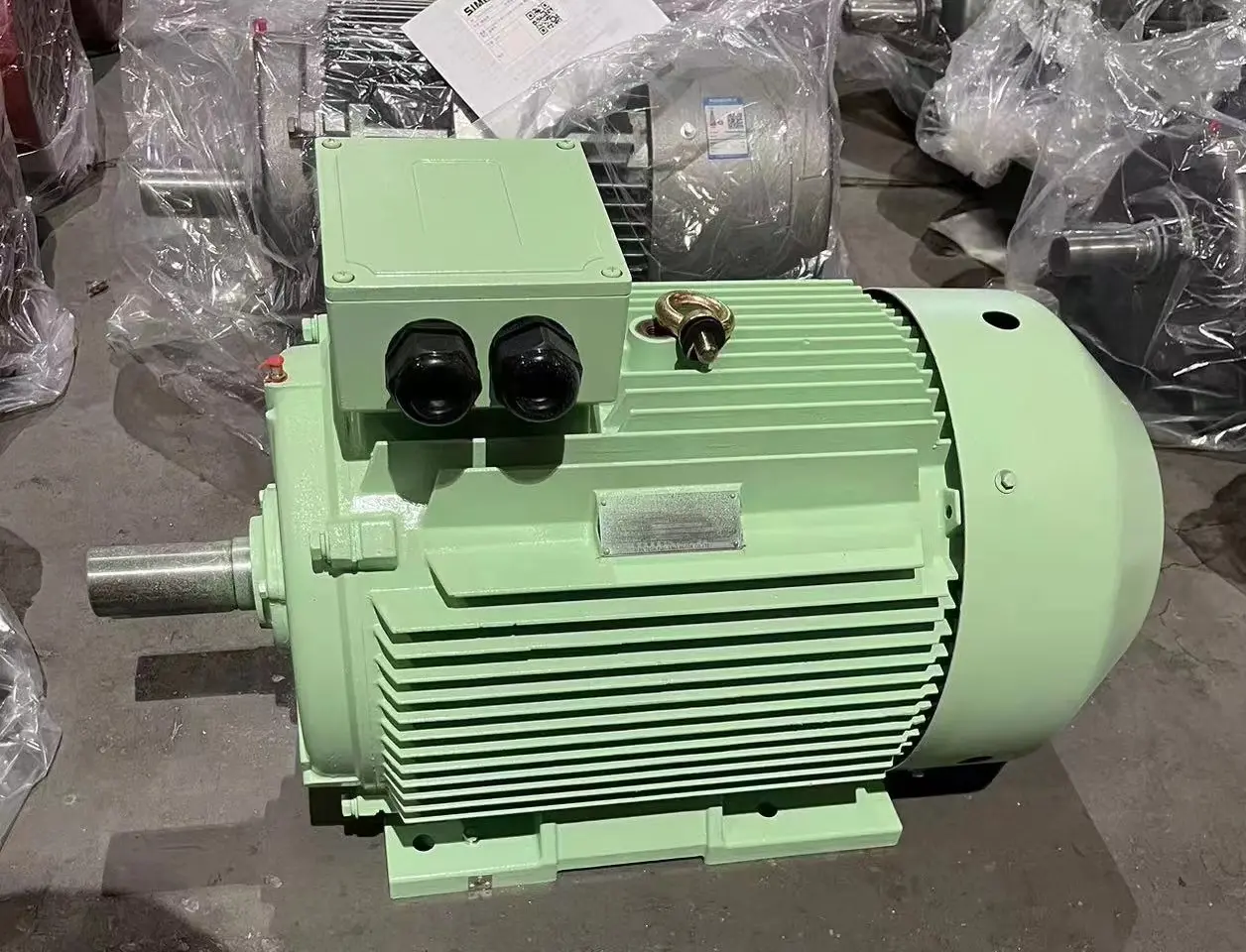
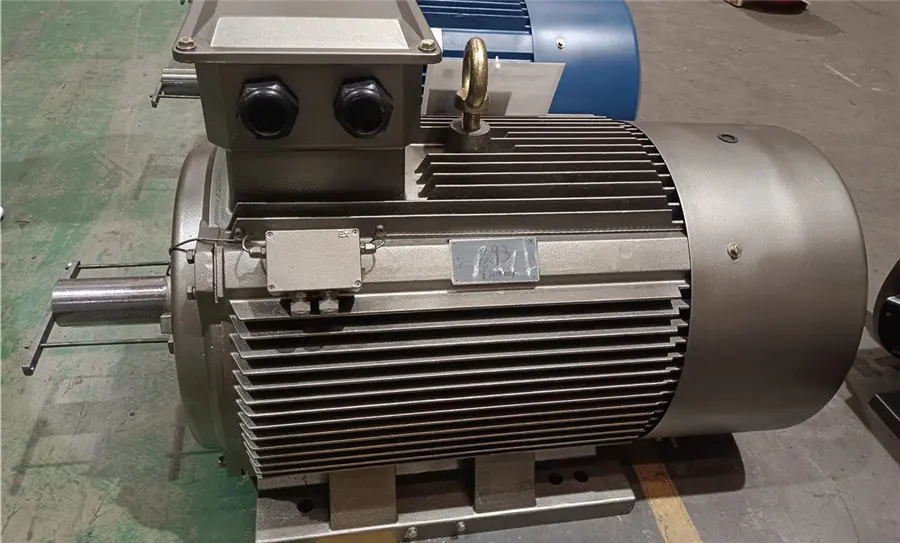
| YBX3 / YBX4 / YBX5 | Explosion-Proof Asynchronous Ex d | Low & High Voltage | Zone 1 & Zone 2 locations, offshore drilling platforms, and refineries handling volatile gases. |
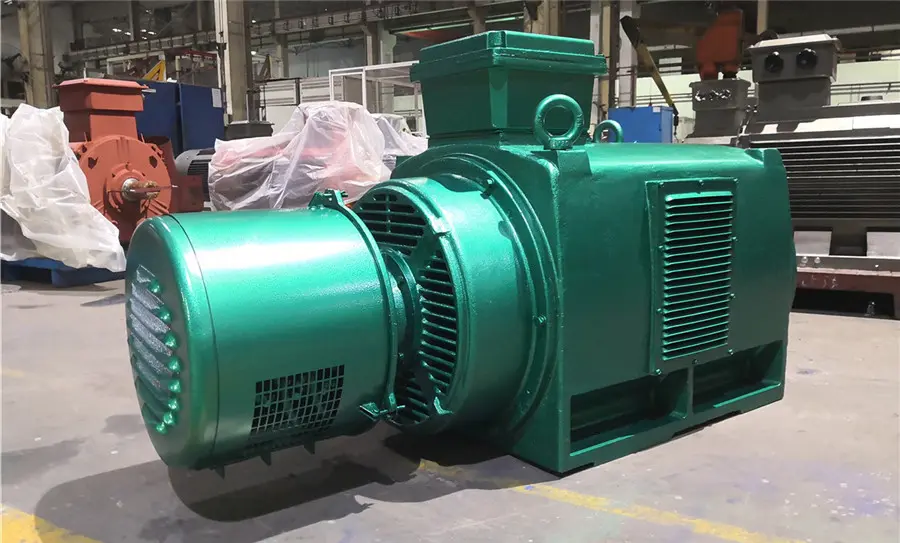
| T / TD / TK / TDMK | High-Capacity Synchronous | Up to 25,000 kW | Continuous heavy-duty pumps and process gas compressors with power factor correction. |
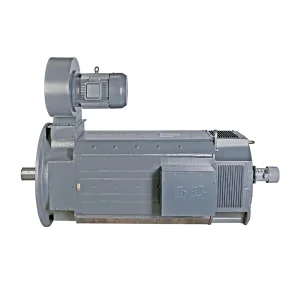
| Z2 / Z4 / Z Series | Industrial DC Motors | Standard Industry Specs | Pumps requiring highly responsive, variable speed control in specialized setups. |
The durability of SIMO motors comes from high material standards and strict quality control. The stator cores use low-loss silicon steel sheets to reduce eddy current losses. The rotor bars are dynamically balanced to minimize vibration and prevent shaft deflection. Windings are treated with high-grade varnish and cured using advanced thermal processes, providing excellent resistance to chemical corrosion and thermal stresses.
Procuring motors for fluid transportation infrastructure involves evaluating several technical parameters beyond acquisition cost. Engineering and operations teams look for designs that lower Total Cost of Ownership (TCO) while maintaining safety and operational reliability. Key evaluation criteria include:
Modern industrial systems require integrated motor and control solutions rather than standalone machinery. SIMO designs its high-voltage and explosion-proof motors to interface with control, protection, and monitoring networks. Key aspects of this integration include:
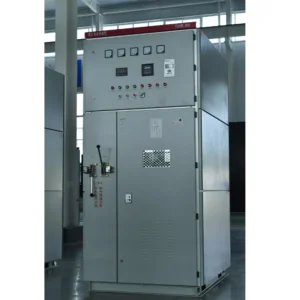
Starting large high-voltage motors can create significant inrush currents, causing voltage drops that affect other equipment on the grid. Integrating high-voltage soft start cabinets controls this inrush current, protecting the electrical grid and reducing mechanical stress on the pump shaft and couplings during startup.
In pipeline systems where crude oil viscosity changes due to temperature, using constant-speed motors can lead to energy losses when regulating flow with valves. By using YVFE variable frequency motors, operators can adjust motor speed to match flow demands, which helps reduce energy consumption and mechanical wear on the pump.
For critical infrastructure, SIMO integrates diagnostic instruments directly into the motor frame. This includes PT100 temperature sensors in the stator windings and bearings, as well as vibration sensors. These instruments connect to centralized SCADA systems to enable predictive maintenance and help prevent unplanned downtime.
The industrial motor sector is adapting to meet global decarbonization goals and digital manufacturing trends. SIMO's development roadmap focuses on three main engineering areas:
Verified compliance with international quality, safety, and efficiency frameworks.
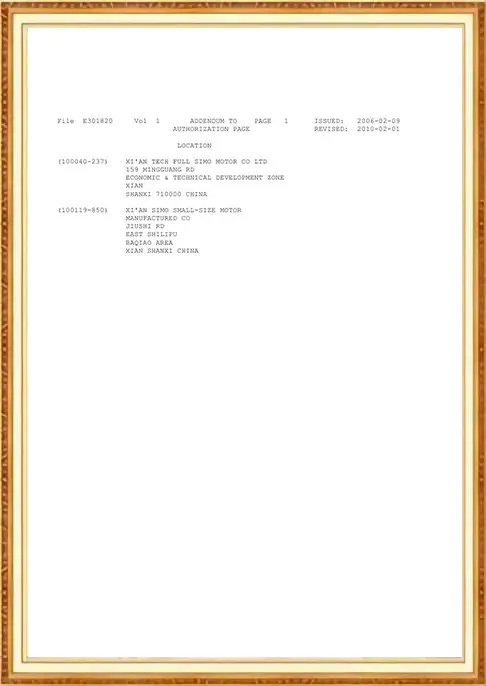
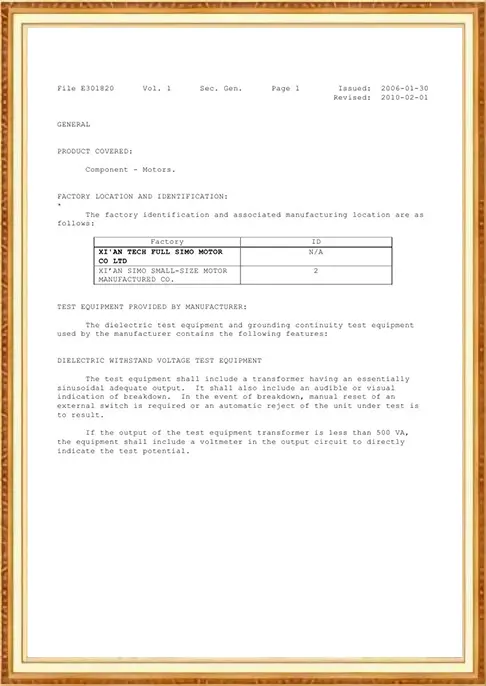
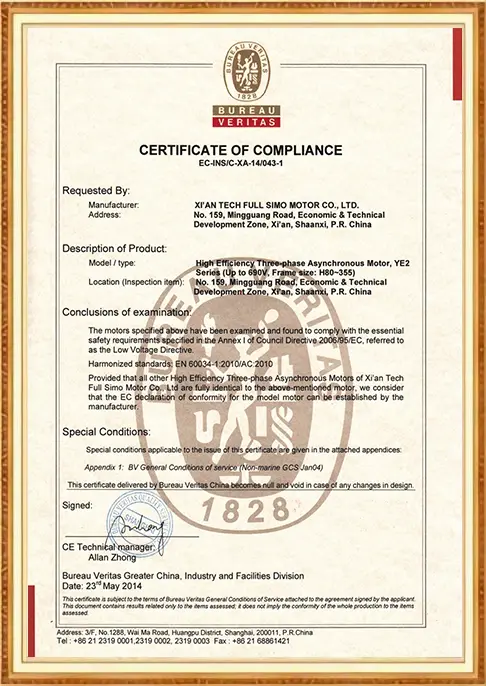
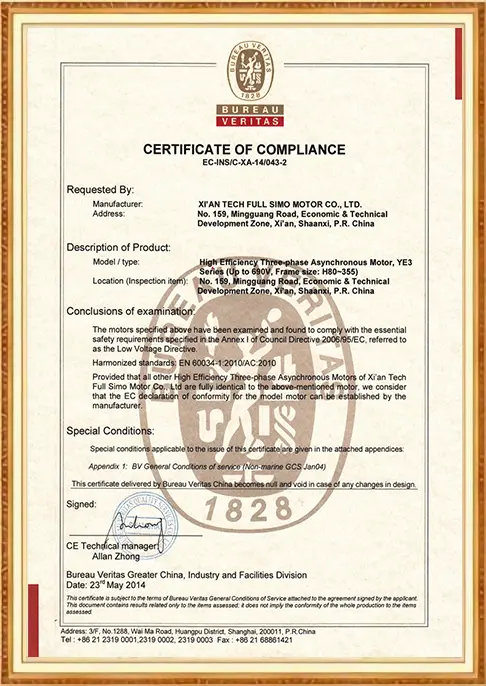
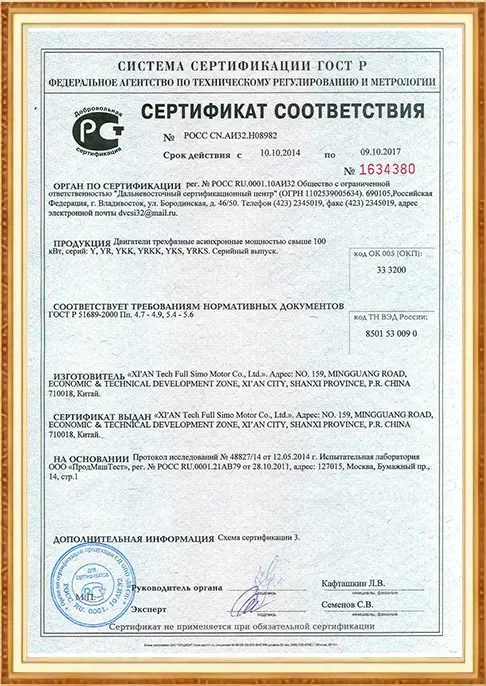
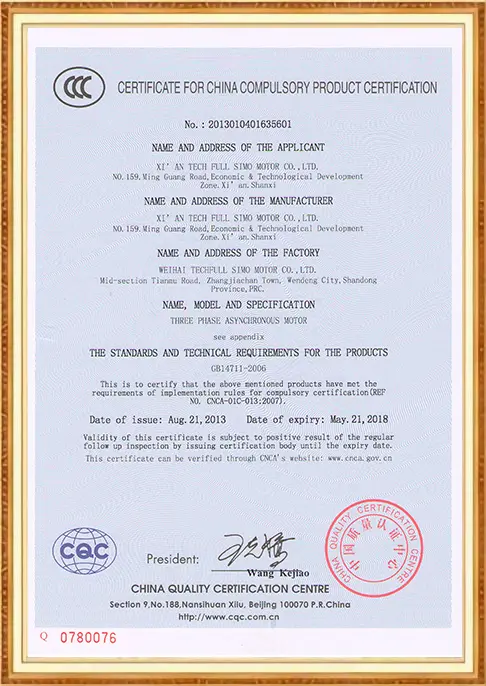
Industrial motors operating in hazardous environments must meet strict regulatory standards. SIMO maintains a quality management system certified to ISO9001. Our product ranges carry recognized international certifications, including European CE, North American UL, and Eurasian GOST certificates, ensuring compliance with regional safety and performance codes.
Technical answers to key engineering and procurement queries.
Heavy-duty drive and automation configurations designed for demanding global industrial applications.
 Lite Simo