Explore our state-of-the-art asynchronous and synchronous powertrain products designed for heavy industries worldwide.

Xi’an Lite SIMO Motor Co., Ltd. is a premier manufacturing enterprise in the Chinese mechanical industry, specializing in the design, engineering, and manufacturing of large/medium-sized, high/low voltage AC motors, DC motors, synchronous motors, and explosion-proof motors. We provide comprehensive, vertically integrated services including mold design, precision machining, automated coil-winding, advanced stator impregnation, and comprehensive quality assurance testing.
Ranking at the absolute top of the national electric motor industry in production capacity and scale, Litesimo has sustained rapid technological and commercial development for consecutive decades. By integrating high-quality Permanent Magnet Motor solutions, we empower modern industrial sites to achieve optimal mechanical output with minimum energy consumption.
For more than 60 years, Litesimo has shaped the landscape of industrial electric machinery through systematic growth and engineering excellence.
SIMO Motor established and led by the state government, laying the foundation of heavy electrical machinery manufacturing in China.
Relocated to the newly constructed production plant in Xi'an City, expanding initial production capacity.
Officially reorganized into Xi'an Motor Factory following systematic asset acquisition and corporate integration.
Successfully restructured from a state-owned factory into a limited liability company to match market-driven globalization.
SIMO Motor Group established with 14 specialized subsidiaries, covering comprehensive industrial mechanical sectors.
Moved to the high-tech, highly automated new manufacturing facility to deploy next-generation production processes.
Rebranded to Tech Full Simo Motor, aligning with the international industrial market requirements.
Developing highly integrated permanent magnet motor systems, intelligent drives, and IoT monitoring solutions to lead global industrial decarbonization.
A comprehensive analysis of Permanent Magnet Synchronous Motors (PMSM) in modern industrial grids.
For decades, squirrel-cage induction motors have served as the workhorse of industrial automation. However, the pressing necessity to reduce carbon emissions and operational expenditure (OPEX) has exposed their limitations: slip losses, lower power factors at partial loads, and substantial heat generation within the rotor. The transition to Kw Permanent Magnet Motors (PMSMs) marks a revolutionary step forward in industrial propulsion technology.
Unlike standard induction motors, which rely on stator-induced electromagnetic currents to magnetize the rotor, PMSMs utilize high-coercivity Rare Earth Neodymium-Iron-Boron (NdFeB) magnets embedded within or mounted on the rotor. This configuration eliminates rotor copper losses (I²R losses), allowing the motor to operate at near-unity power factor across a broad speed and load range. The reduction in heat dissipation preserves insulation integrity, extends bearing lifespan, and enables a significantly more compact frame size for equivalent kW ratings.
In response to international climate initiatives (such as the Paris Agreement and EU Eco-design directives), regulatory bodies are phasing out lower efficiency categories. The global market is rapidly pivoting toward IE4 (Super Premium Efficiency) and IE5 (Ultra Premium Efficiency) standards. In this context, Kw Permanent Magnet Motors stand out as the primary solution for achieving compliance.
Key drivers behind this transition include:
"The elimination of rotor copper losses in Permanent Magnet Synchronous Motors reduces total energy dissipation by up to 40% compared to conventional asynchronous motors, providing a massive information gain for engineers designing energy-efficient systems."
Procuring industrial-grade motors requires a detailed evaluation of technical, environmental, and regulatory criteria. Global procurement directors analyze the following factors when selecting a Kw Permanent Magnet Motor manufacturer:
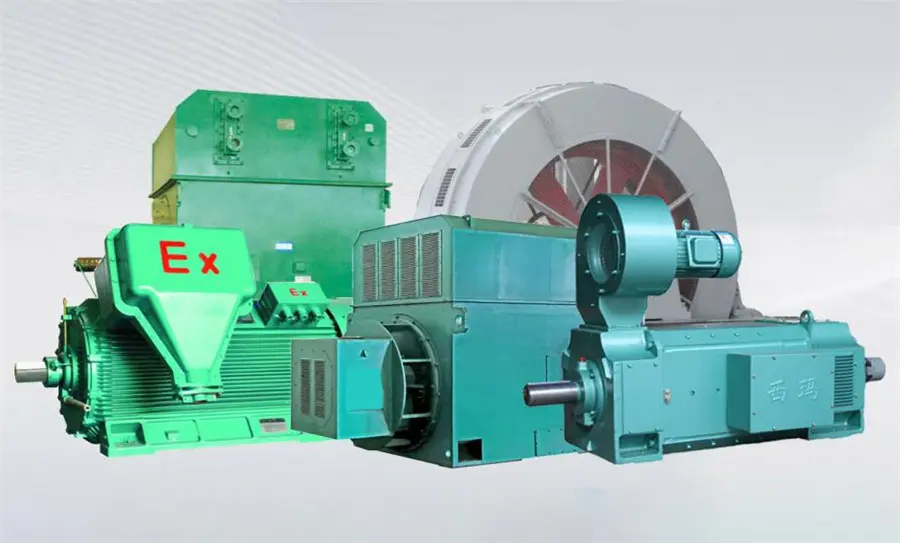
Litesimo’s design capabilities cover 34 major series, over 1,800 varieties, and 19,500 distinct specifications from 0.35 kW to 25,000 kW.
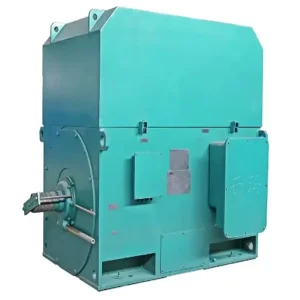
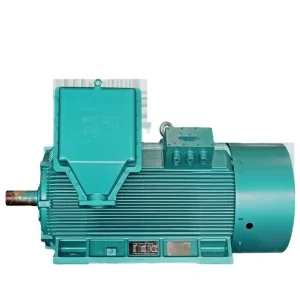
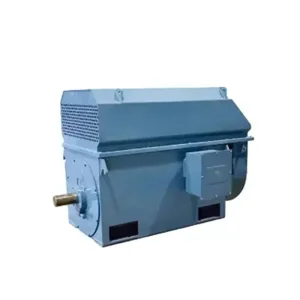
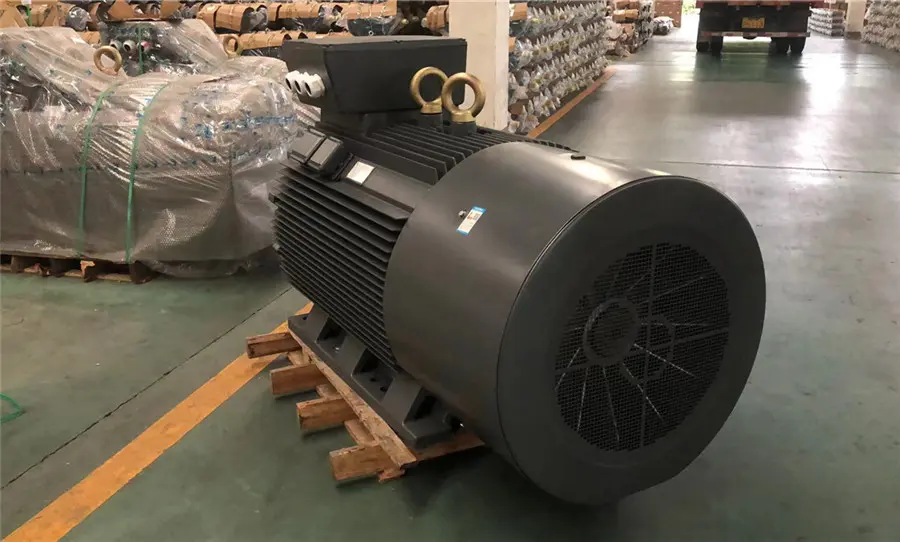
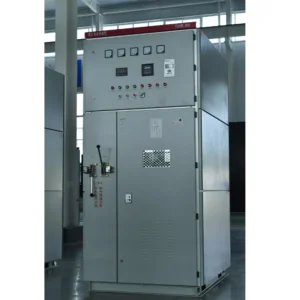
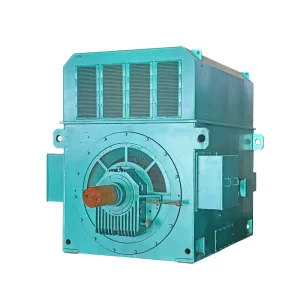
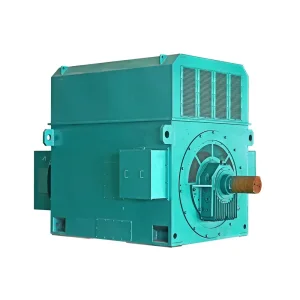
Features our flagship YX, YXKK, and YXKS high-voltage, high-efficiency three-phase asynchronous motors alongside YR, YRKK, and YRKS wound-rotor options, supporting utility and heavy industries.
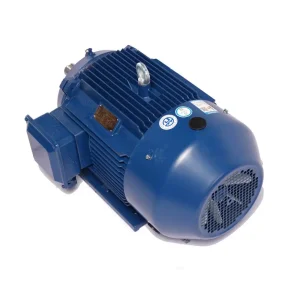
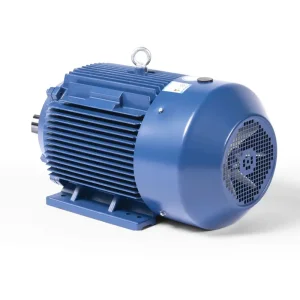
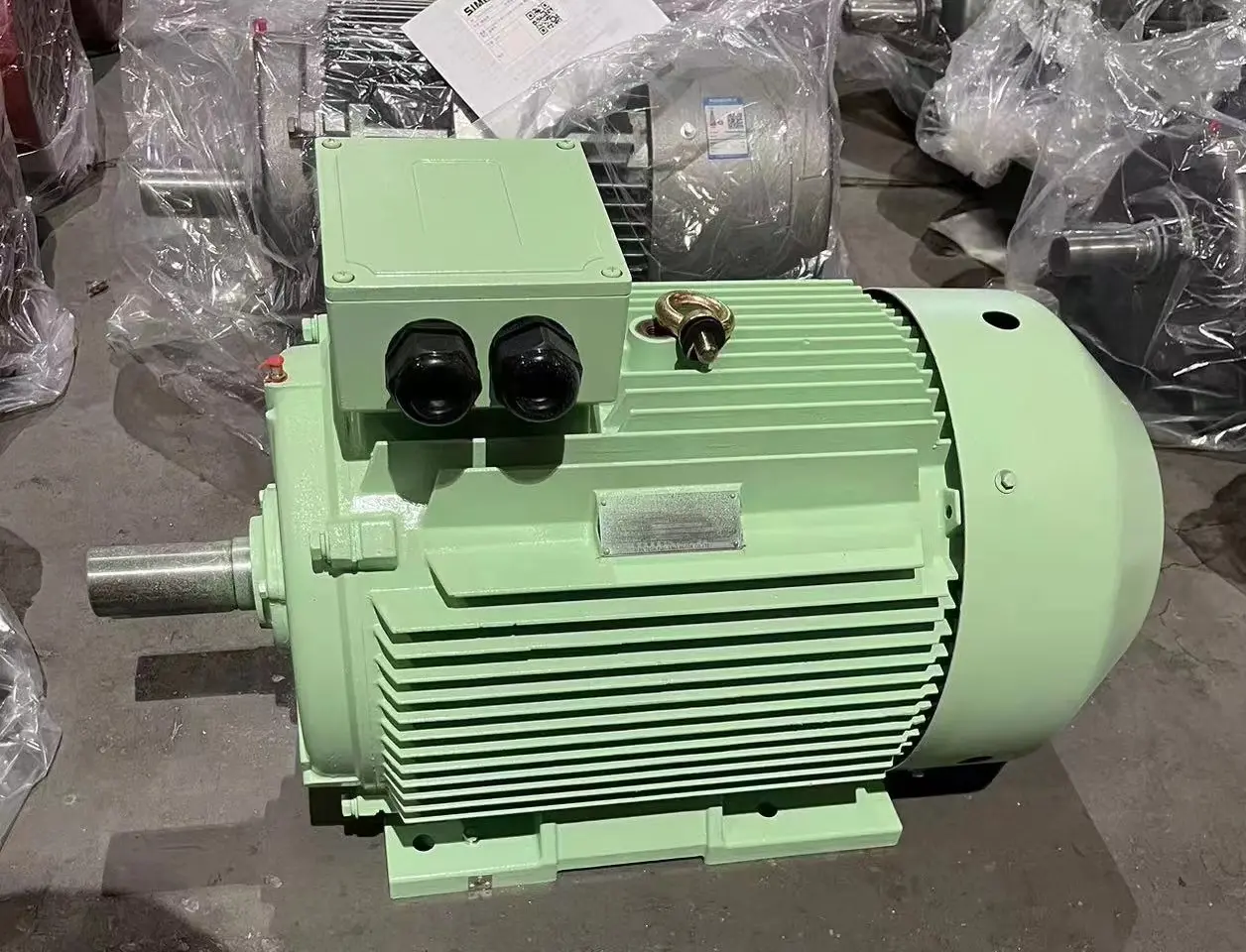
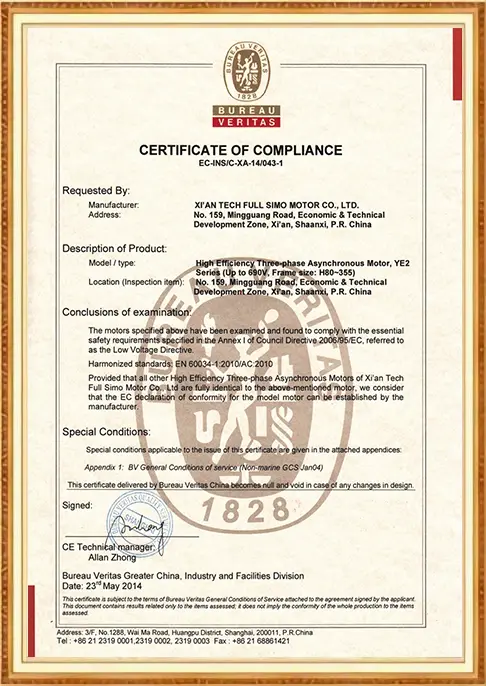
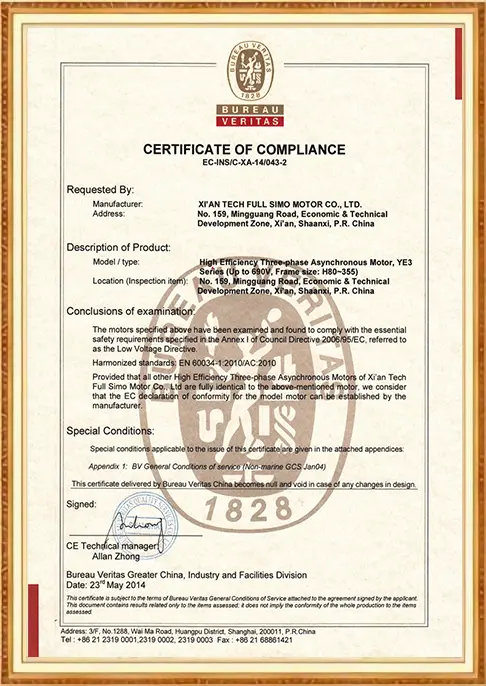
Engineered to meet international standards. Includes the YE3, YE4, and IE5-compliant YE5 series, designed to achieve maximum active power delivery with minimal energy losses.
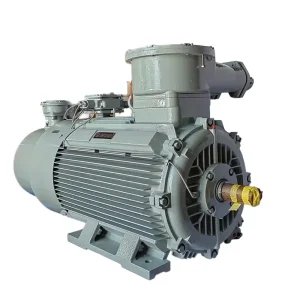
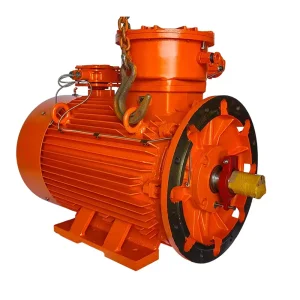
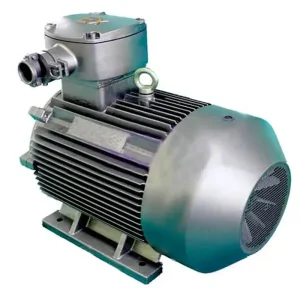
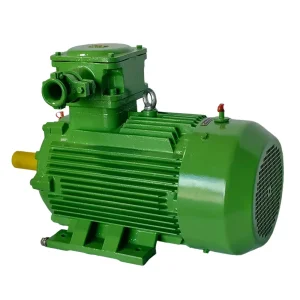
Certified YBX3, YBX4, and YBX5 explosion-proof low- and high-voltage motors designed to operate safely in hazardous locations, underground mining, and chemical processing facilities.
YVFE3, YVFE4, and YVFE5 variable frequency speed-regulating motors enable broad-spectrum operations under variable torque loads, optimizing power consumption.
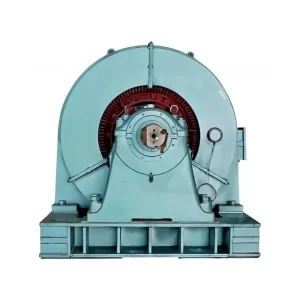
T, TD, TK, and TDMK synchronous motors specifically engineered for heavy milling applications, alongside TFW series large synchronous generators.
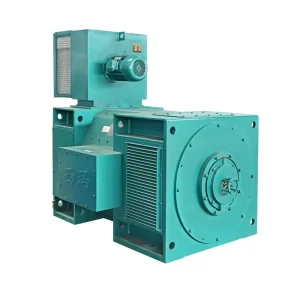
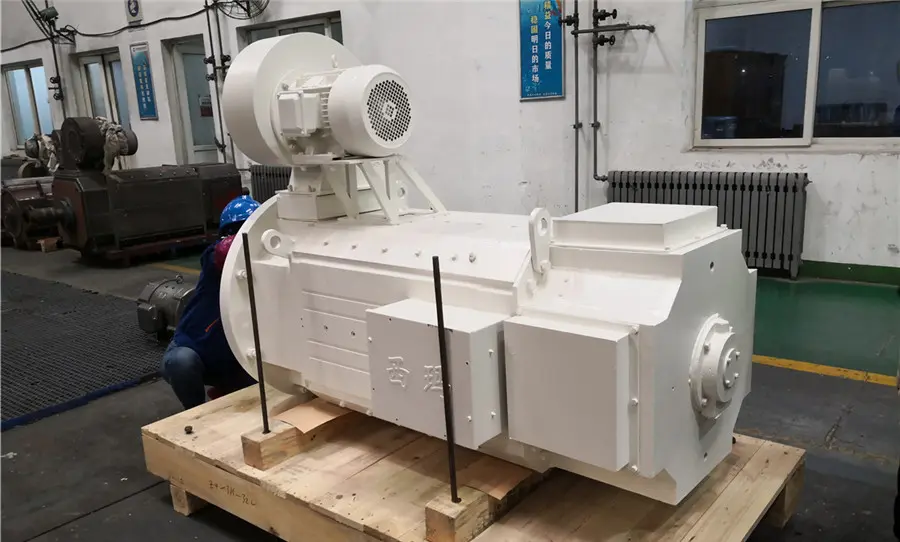
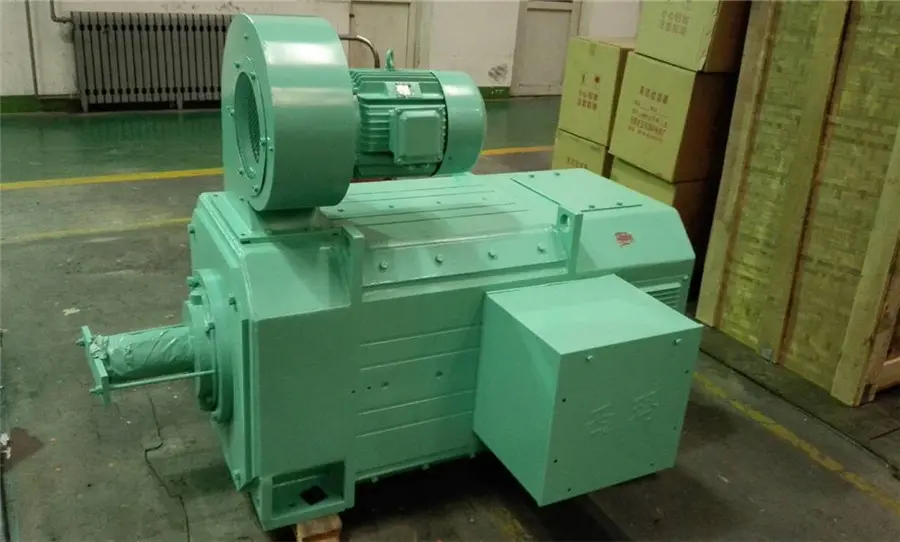
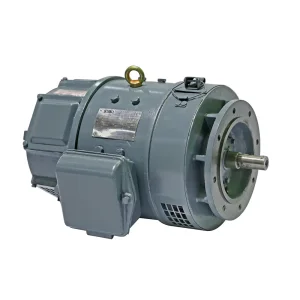
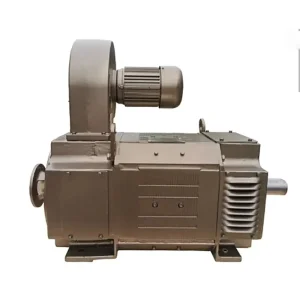
Includes Z2, Z4, and Z series large DC motors designed for steel rolling mills, marine propulsion, and heavy paper-manufacturing machinery requiring fine speed control.
How high-efficiency motor systems drive performance and savings in demanding industrial environments.
In deep shaft underground mining and crushing operations, reliability is critical. Heavy milling systems operating with TDMK synchronous motors or high-voltage wound rotor motors (YRKK series) require massive starting torque under heavy loads. Implementing VFD-driven permanent magnet synchronous motors on conveyor lines reduces power transmission losses, decreases physical stress on mechanical gearboxes, and delivers substantial operational savings.
Volatile chemical gases require certified safety equipment. Litesimo’s YBX3, YBX4, and YBX5 explosion-proof motors prevent gas ignition in hazardous areas. Operating with IP55 or IP56 sealing protection, these motors protect internal windings against corrosive chemical exposure and water sprays while maintaining continuous efficiency.
Steel processing plants require precise torque control under high heat. Litesimo’s Z series large DC motors and variable frequency high-voltage AC motors drive complex roll-table systems, wire drawing machines, and high-capacity ventilation fans. Robust mechanical frames and customized cooling designs enable uninterrupted operation in extreme ambient temperatures.
The future of electrical machinery design and sustainable development at Litesimo.
As industrial automation demands rise, Litesimo's research and development focuses on three primary technology tracks:
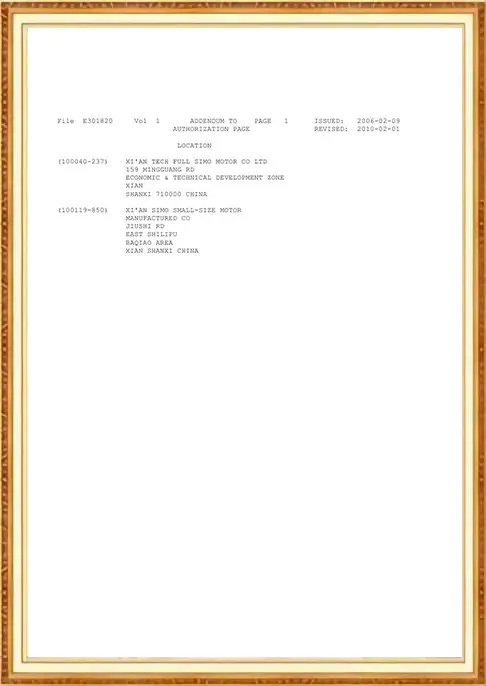
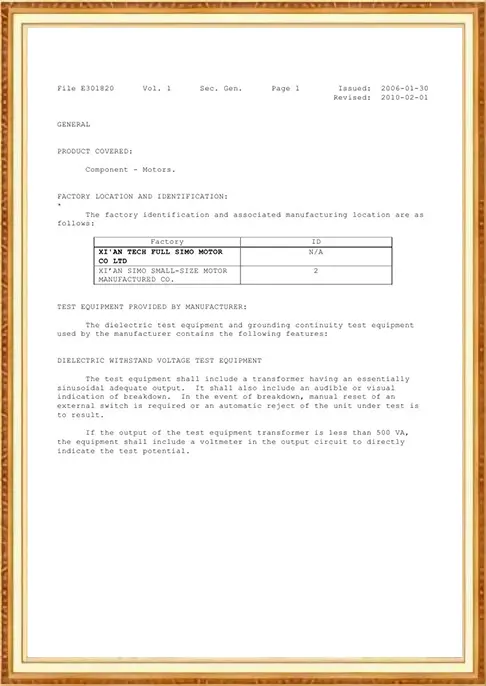
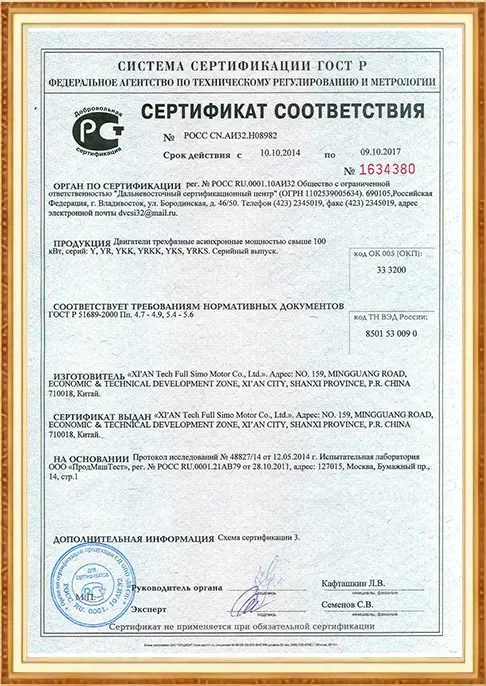
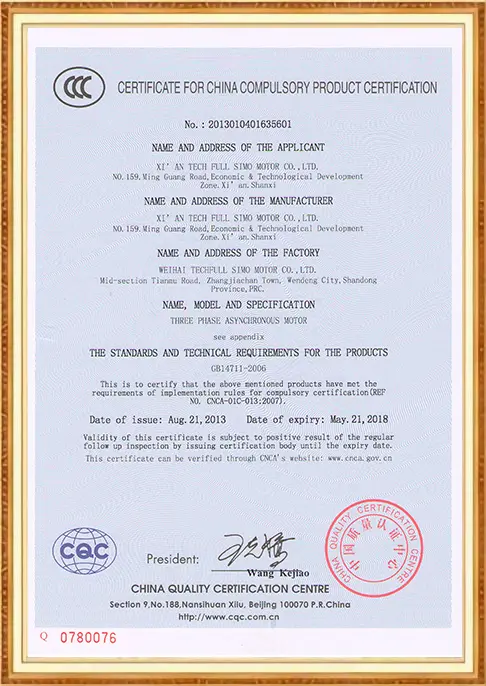
We maintain a rigorous quality assurance system, having passed ISO9001 Quality System Certification, European CE Certification, US UL Standard Certification, and Russian GOST Certification. Our testing facility is equipped with 1,172 sets of advanced testing instruments, allowing us to perform load testing up to 25,000 kW, high-voltage insulation tests, sound pressure analysis, and dynamic balancing calibration. This ensures every motor complies with international safety and performance standards before leaving our factory.
Answers to common engineering and procurement questions regarding PM motors and industrial drive systems.
Engineered for challenging environments, including petrochemical refineries, steel rolling, and heavy mining mills.
 Lite Simo