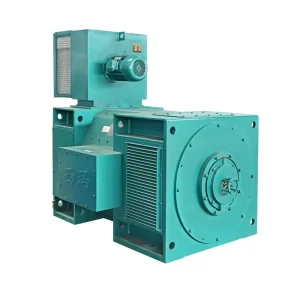
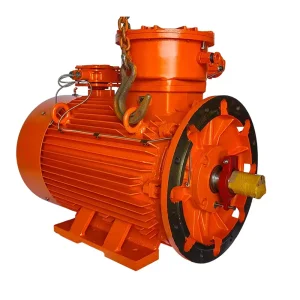
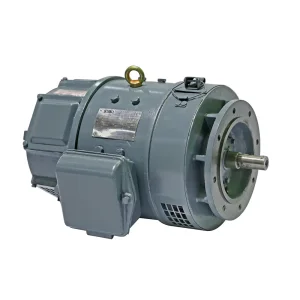
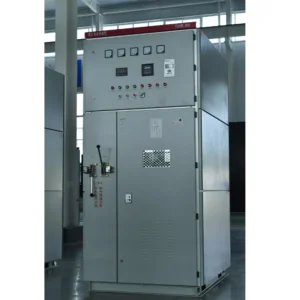
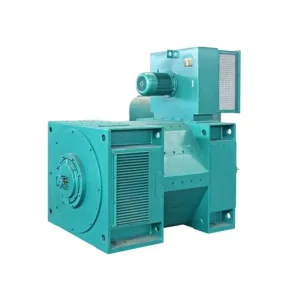
Explore our high-efficiency low voltage, high voltage, explosion-proof, and custom DC motor solutions engineered to drive modern industrial applications.
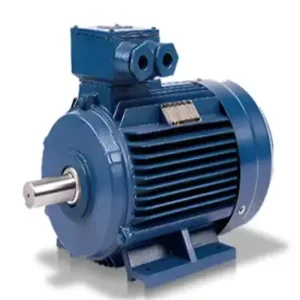
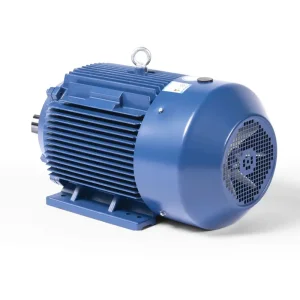
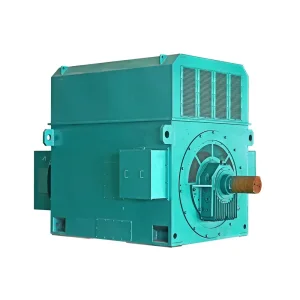
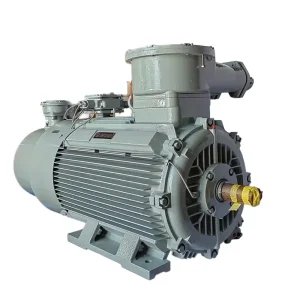
As global industries face the dual pressures of soaring energy costs and strict carbon neutrality regulations, the electric motor—responsible for consuming over 65% of industrial energy—has become the focal point of mechanical optimization. Under the IEC 60034-30-1 standard, the IE4 (Super-Premium Efficiency) classification represents the state-of-the-art in energy-conserving rotating machines. Upgrading from standard motors to IE4 three-phase induction systems reduces energy losses by up to 25%, delivering a compounding return on investment (ROI) that typically offsets initial procurement costs within the first 12 to 18 months of operation.
Today, the regulatory landscapes of the European Union (Ecodesign Directive 2019/1781), the United States (NEMA Premium extensions), and China (GB 18613-2020 Grade 1 efficiency) mandate that newly installed industrial motors meet these elevated baselines. For heavy industries like petrochemicals, mineral mining, steel processing, and municipal utilities, transitioning to an IE4-compliant architecture is no longer merely an option for corporate responsibility; it is a critical strategy for maintaining operational viability and compliance.

Founded originally in 1955, Xi’an Lite SIMO Motor Co., Ltd. (LITESIMO) has evolved into a cornerstone of the Chinese mechanical industry. We are a comprehensive, state-of-the-art enterprise specializing in the research, design, production, assembly, and service of large, medium, and small-sized high/low voltage AC motors, DC motors, synchronous motors, and explosion-proof motors.
Our expansive production infrastructure includes 3 manufacturing plants, 1 dedicated subsidiary factory, and a fixed asset base of 380 million RMB. Driven by over 1,200 employees, our technical task force features 260+ engineers, including 21 senior engineers and 15 industry-recognized expert engineers. Leveraging more than 1,172 sets of high-precision manufacturing and testing equipment, SIMO ranks at the top of China’s motor sector, establishing key partnerships with global distributors and industrial conglomerates across five continents.
SIMO Motor is established under state guidance, laying the foundation for modern electric motor manufacturing in Northwestern China.
Relocation to a new, expanded industrial plant in Xi’an, scaling up regional industrial output and assembly capacity.
Consolidation and restructuring lead to the formal designation as the Xi'an Motor Factory, accelerating R&D on AC/DC power machinery.
Transition from a state-owned factory into a highly responsive limited liability company, introducing international quality control systems.
Establishment of the SIMO Motor Group, expanding operations across 14 specialized subsidiaries to offer turnkey industrial drive systems.
Relocation to a state-of-the-art, high-tech manufacturing plant featuring automatic winding, VPI insulation, and comprehensive dynamometer test centers.
Official transition to Tech Full Simo Motor, optimizing global supply lines and initiating development of the ultra-premium efficiency IE4 (YE4) and IE5 series.
Continuing on our path as one of the best motor manufacturers worldwide, delivering custom high-voltage, explosion-proof, and digital-twin ready solutions.
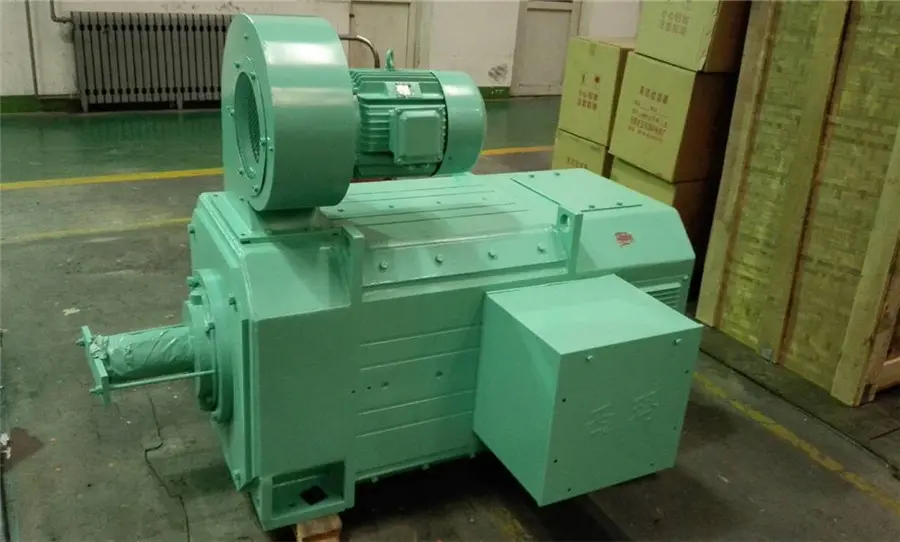
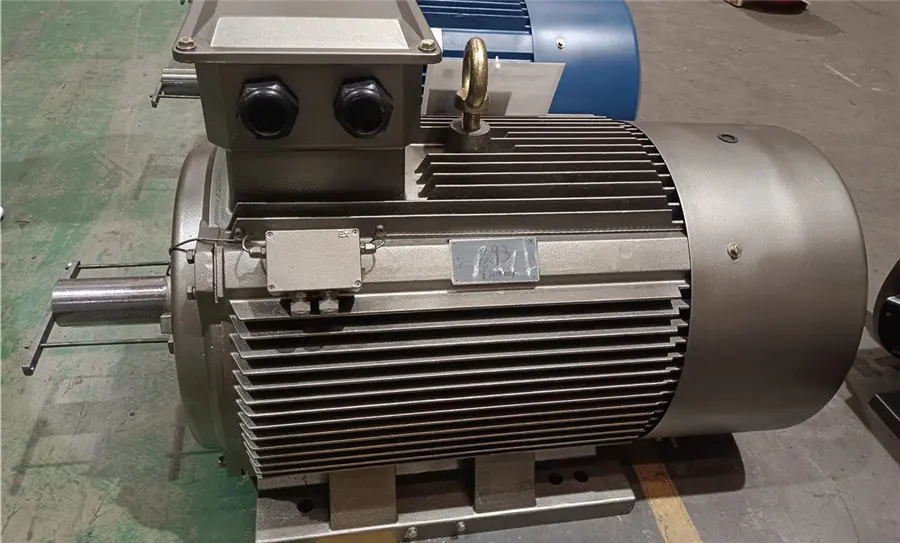
A visual look inside SIMO’s advanced manufacturing facilities, processing equipment, and rigorous structural testing lines.
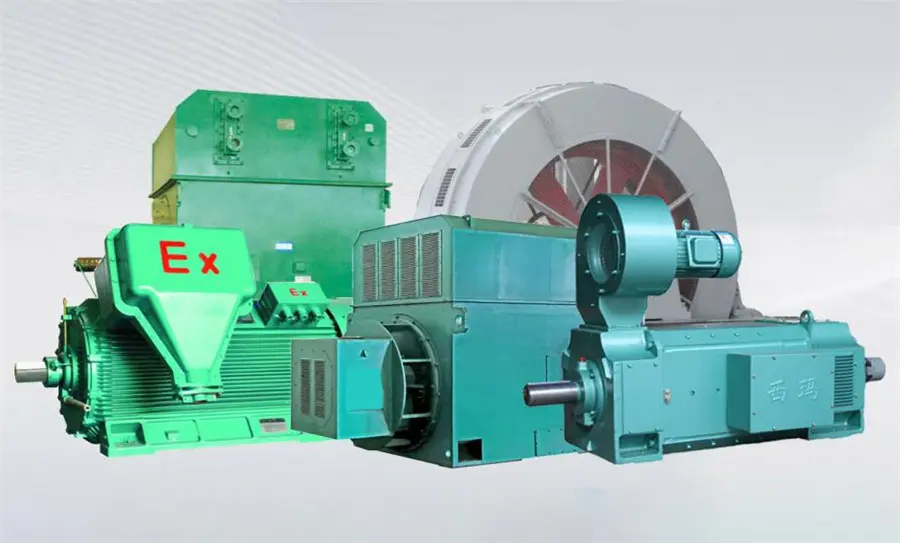
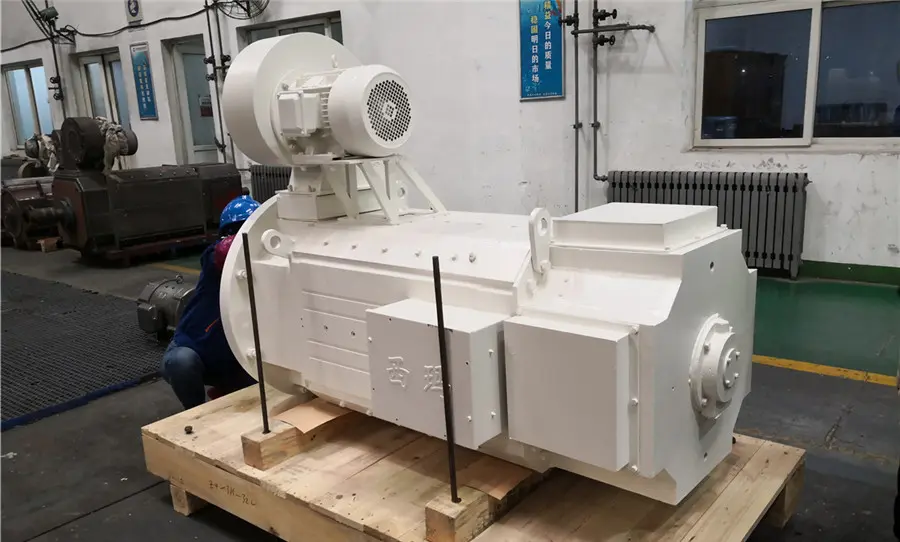
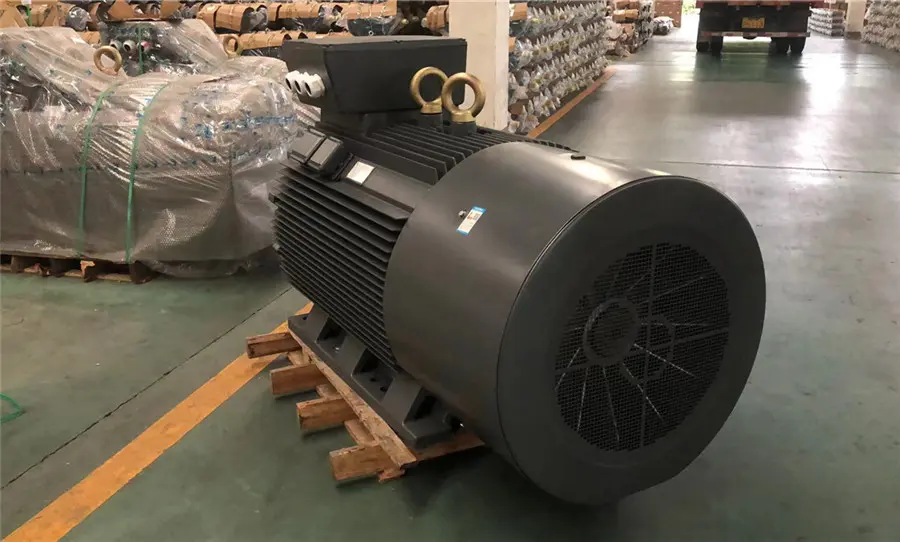
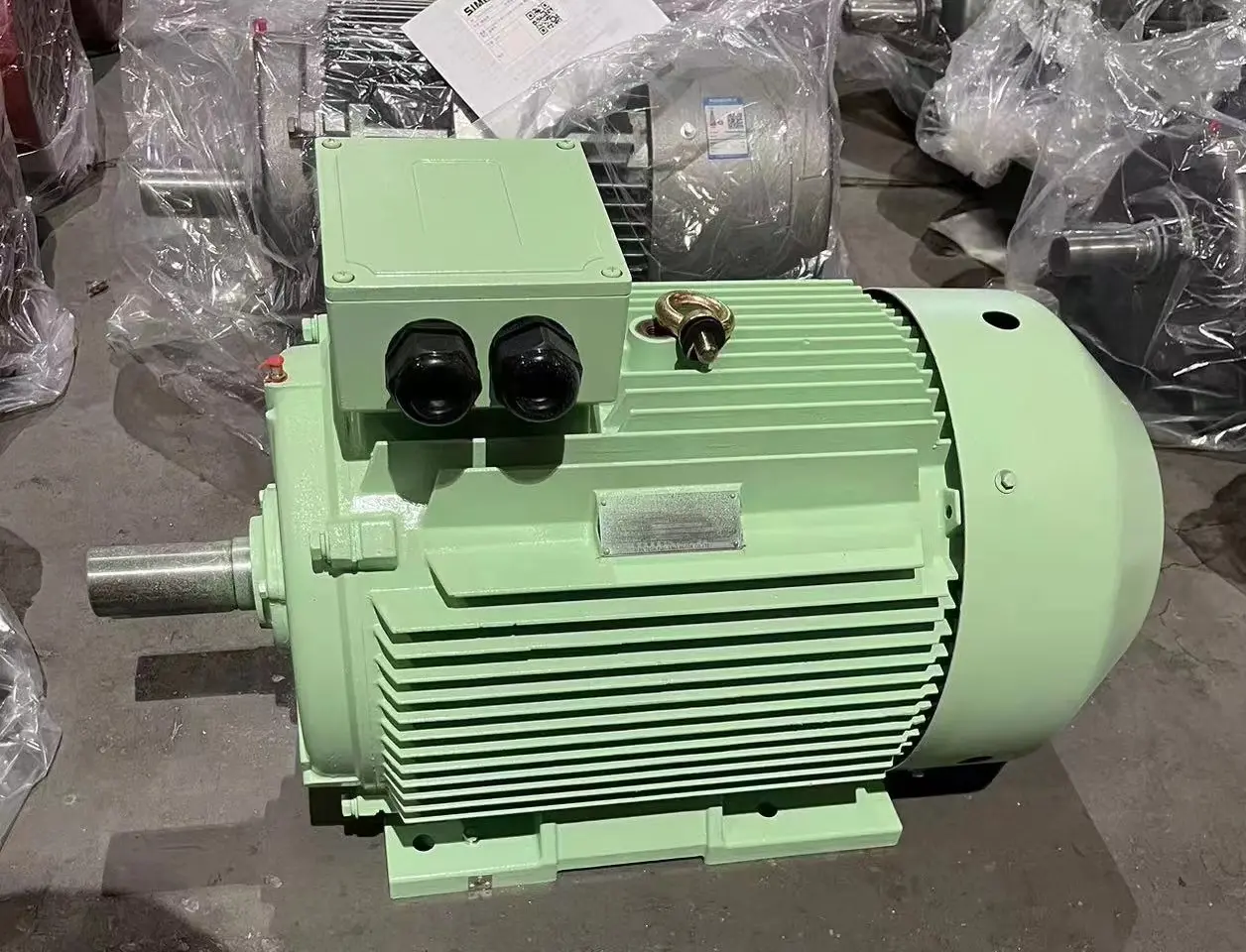
Achieving the IE4 Super-Premium Efficiency standard demands a total rethink of electromagnetic and mechanical losses. Inside standard induction motors, energy losses occur primarily through three mechanisms: stator I²R copper losses, rotor I²R slip losses, and iron core losses caused by hysteresis and eddy currents. SIMO's engineering team addresses these losses using advanced materials and modern manufacturing techniques:
Thermal management plays a crucial role in maintaining motor efficiency. High temperatures accelerate winding degradation and increase resistance, causing further losses. SIMO IE4 motors utilize thermodynamic external fin structures, coupled with low-noise external fan cowls, to maintain a uniform temperature distribution. This robust thermal design ensures the motor operates reliably within Class F insulation limits (with a Class B rise), even in continuous load scenarios.
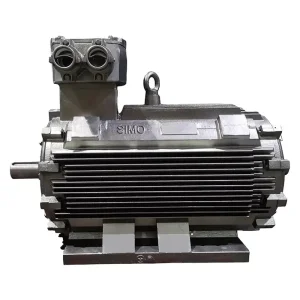
With an R&D portfolio spanning 34 major series, over 1,800 distinct varieties, and 19,500 individual specifications, SIMO’s catalog covers a power spectrum from 0.35 kW to 25,000 kW, suitable for low, medium, and high-voltage applications:
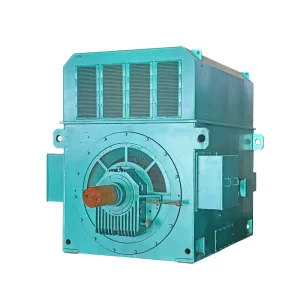
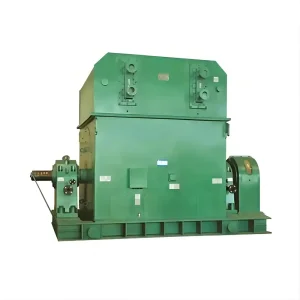
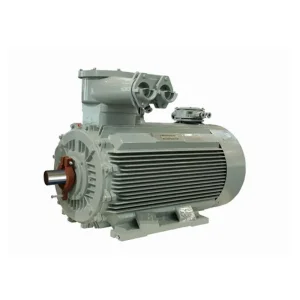
Includes YX, YXKK, and YXKS high-efficiency high-voltage asynchronous motors, alongside YE3, YE4, and YE5 three-phase low-voltage series. Designed for long-run fans, pumps, compressors, and conveyors, these systems are engineered to minimize total lifecycle operating costs.
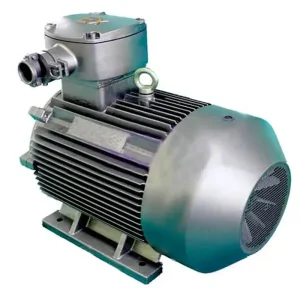
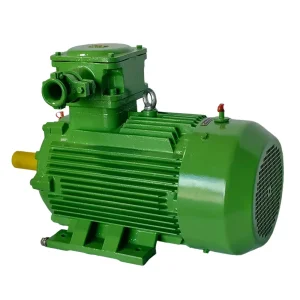
The YBX3, YBX4, YBX5, and YBBP explosion-proof and variable-frequency series provide critical protection in hazardous environments. For dust-heavy environments, the YFB3 and YFB4 series provide dust ignition protection, meeting ATEX and IECEx specifications.
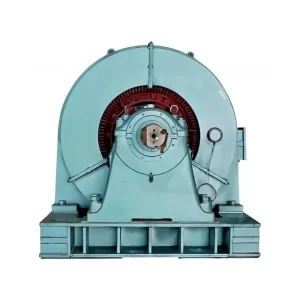
Designed for applications requiring high torque and precise speed control, such as mine mills and heavy metal rolling plants. This segment includes the T, TD, TK, TDMK series synchronous motors and the rugged Z2, Z4, and Z series DC motor lines.
Electric motors do not operate in isolation; they are parts of complex thermodynamic and mechanical processes. SIMO's engineering division delivers tailored solutions across several core industrial sectors:
For copper, gold, iron ore, and coal processing plants, the grinding mill (ball or SAG mill) is the critical path of the circuit. Utilizing our TDMK series high-voltage synchronous motors, mining operations gain high starting torques, low starting currents, and power factor correction capabilities. These motors feature robust dust protection housings and reinforced foundation plates to withstand continuous vibration and shock loads.
Explosion-proof motors in oil refineries must prevent internal sparks from igniting external volatile gases. Our YBX4 and YBX5 flameproof motors feature thick, cast-iron enclosures, flamepath joints, and non-sparking external fans. They are extensively deployed on heavy pipeline pumps, offshore water injection systems, and gas compressors.
Municipal water transfer stations run round-the-clock, making energy consumption their largest operating expense. Upgrading vertical pumps to SIMO’s YE4 three-phase low-voltage induction motors reduces annual electricity consumption by up to 4%. When paired with soft-start cabinets, these systems protect piping networks by preventing water hammer.
Hot and cold rolling mills require precise, dynamic speed changes under massive shock loads. SIMO’s Z series large DC motors provide outstanding torque density, wide speed regulation ranges, and rapid acceleration response. This enables precise gauge control in steel mills and heavy sheet metal production lines.
SIMO maintains a comprehensive Quality Management System certified to international aerospace and industrial standards.
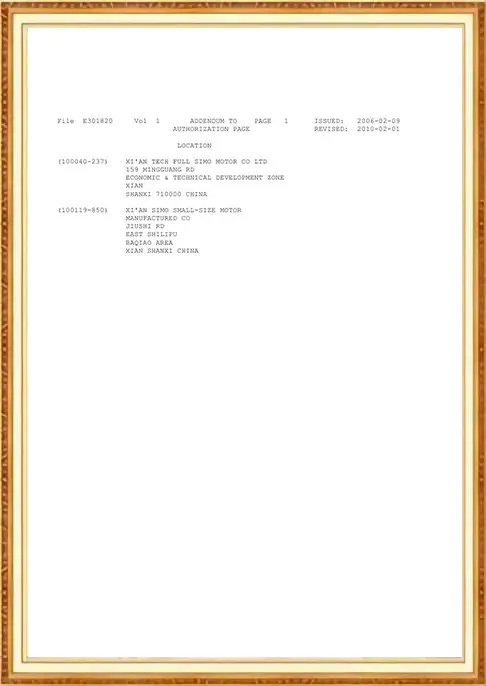
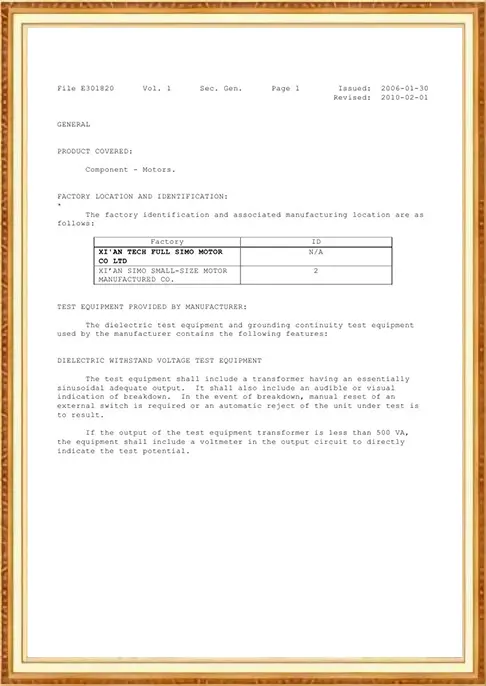
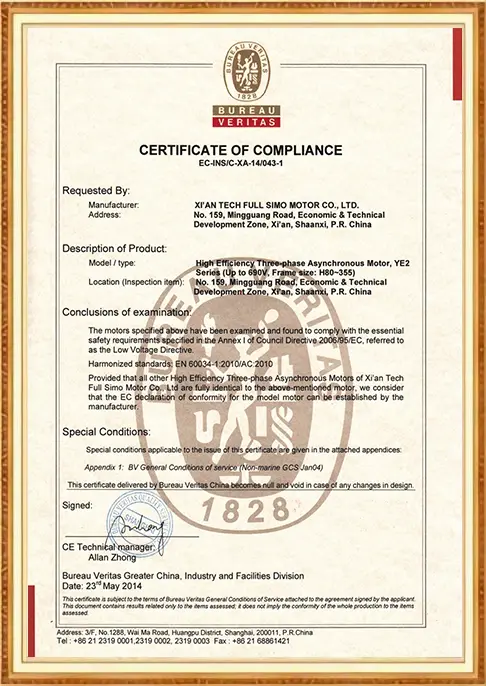
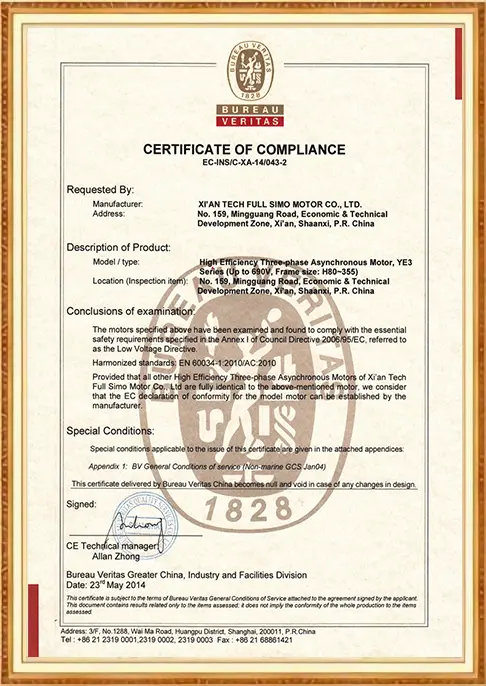
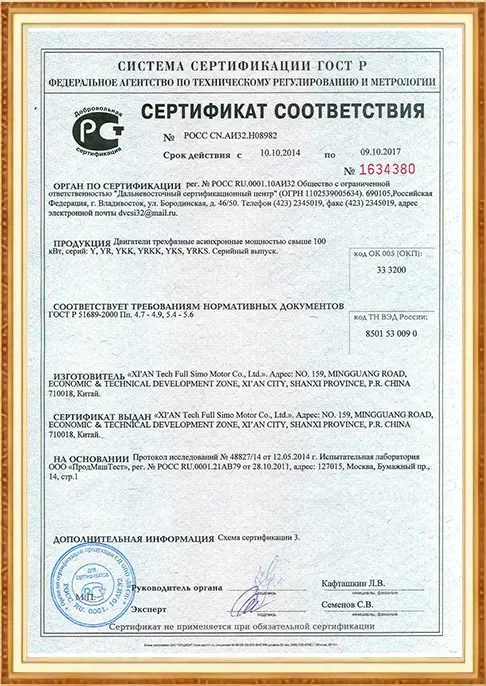
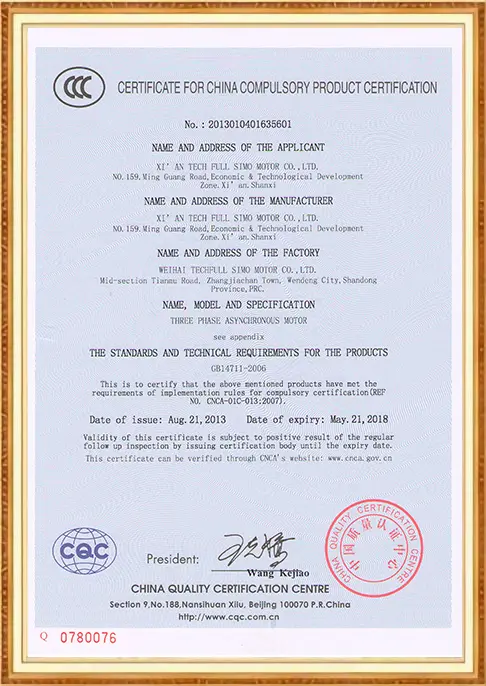
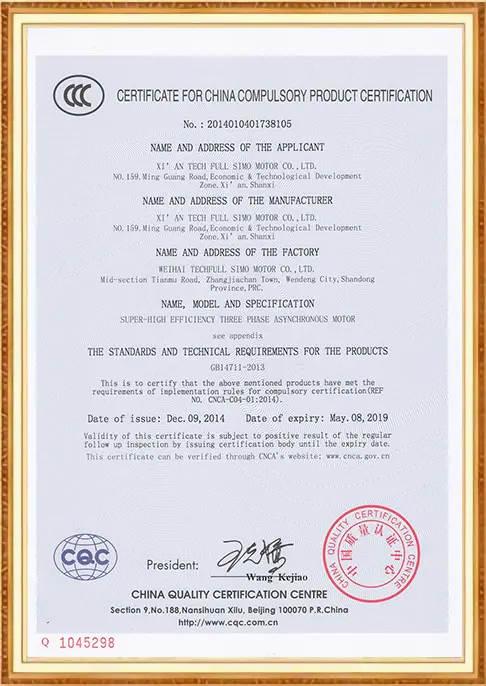
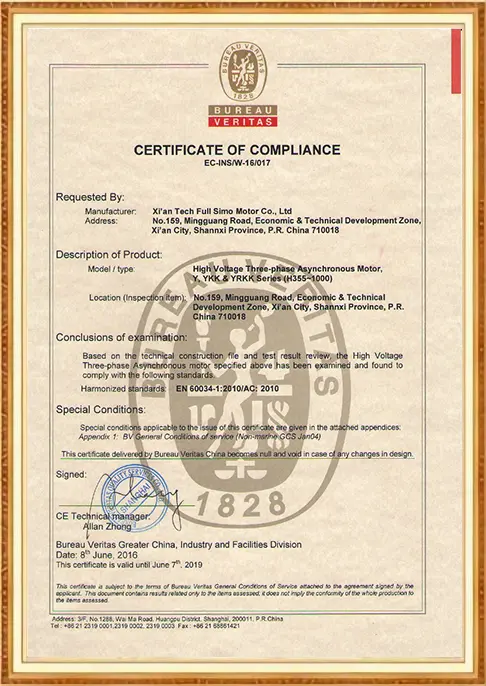
To support global supply chains and local engineering installations, SIMO has achieved compliance certifications across major regional jurisdictions. Our motors are systematically tested and certified under ISO 9001 Quality Systems, European CE directives, Underwriters Laboratories (UL) standards, ATEX directives, and GOST-R standards for Russian-speaking countries.
Each motor undergo full load testing, winding insulation resistance tests, surge checks, shaft current measurements, and vibration spectrum analysis prior to packaging. This quality-first design philosophy ensures that SIMO motors offer high reliability and minimal downtime when deployed in harsh operating environments.
As electric motor systems transition from simple, analog-controlled machinery to digital assets, SIMO is driving forward with an active technology roadmap focused on three key pillars:
SIMO is actively scaling the production of Permanent Magnet Synchronous Motors (PMSM) capable of achieving IE5 and preliminary IE6 efficiency levels. Utilizing rare-earth PM rotors eliminates rotor copper losses entirely, yielding high efficiency even at low operating speeds.
Deploying integrated smart sensor packages directly onto motor frame bodies. These sensors continuously monitor temperature, bearing vibration spectra, and current signatures, transmitting data to cloud-based predictive maintenance systems.
Implementing complete circular design principles. This includes reducing raw copper and steel waste during stamping processes, utilizing biodegradable insulating varnishes, and optimizing frame components for eventual recycling at end-of-life.
Expert answers to common engineering, procurement, and maintenance questions regarding motor efficiency, sizing, and operating environments.
Explore our highly specialized wound rotor, explosion-proof, synchronous, and heavy duty DC motor variants designed for challenging industrial applications.
 Lite Simo