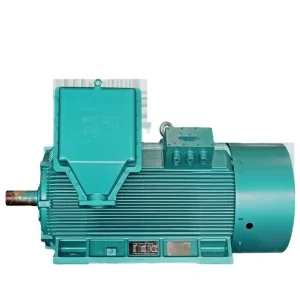
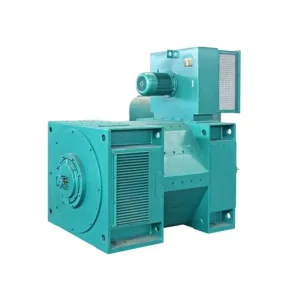
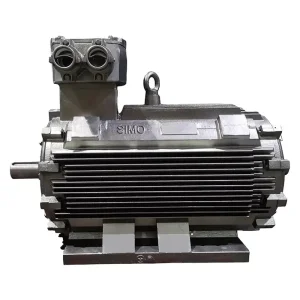
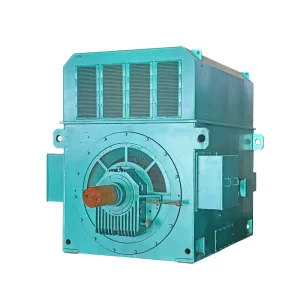
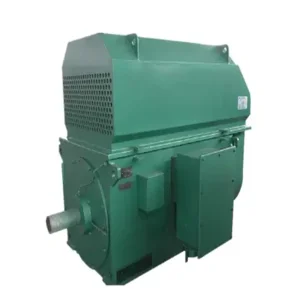
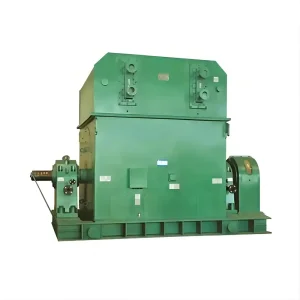
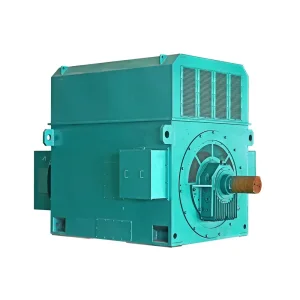
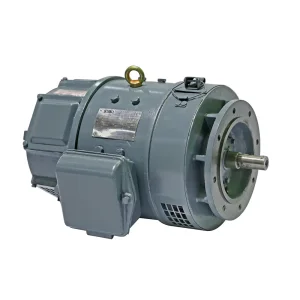
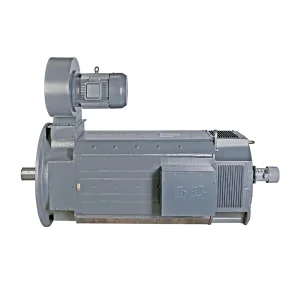
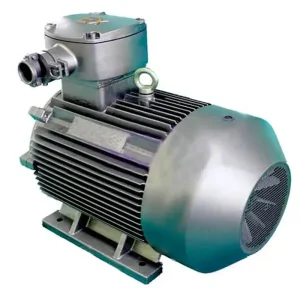
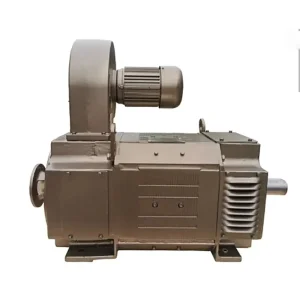
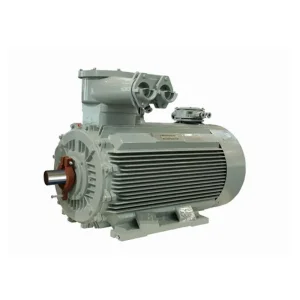
Engineered for extreme reliability. These systems are optimized to exceed modern IE3, IE4, and IE5 specifications within volatile gas and combustible dust environments.

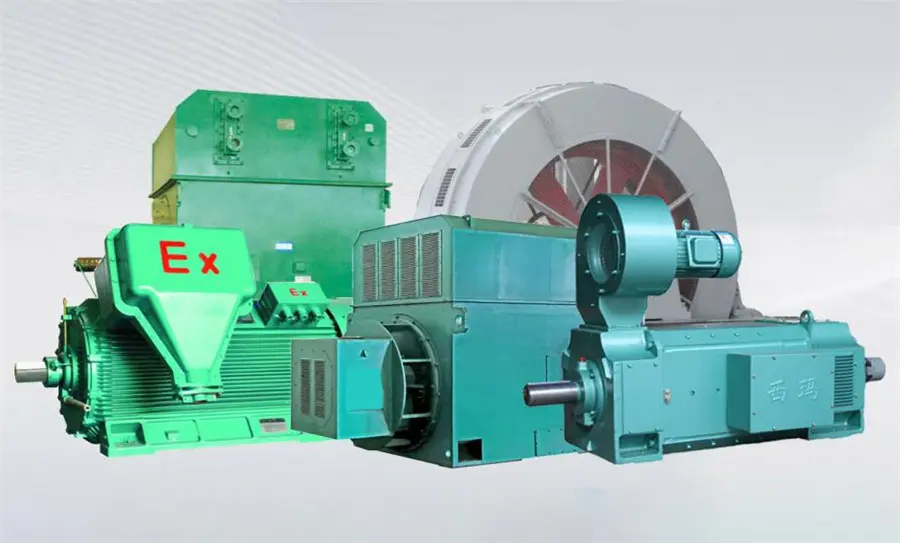
Xi’an Lite SIMO Motor Co., Ltd is an electric company, main enterprise specializing in the manufacturing of large/medium-sized, high/low voltage AC motors, DC motors, synchronous motor, and explosion-proof motor in the Chinese mechanical industry. SIMO is a comprehensive manufacturing and service supplier of motor design, manufacturing, mechanical processing, mold making, and assembling.
The Company ranks TOP in China’s motor industry as to its scale of production, and has maintained a fast-growing development trend for consecutive years. Leveraging over six decades of manufacturing precision, SIMO provides global critical infrastructure and process plants with ruggedized power systems that stand up to the most grueling environments.
Established originally in 1955, SIMO has grown through technological evolution, state reforms, and major mergers to become a dominant pioneer in safe-drive engineering.
SIMO Motor established and led by the government, beginning as a foundational state industrial unit.
Relocation to a newly built, expanded manufacturing plant in Xi'an city to ramp up production scale.
Officially named "Xi'an Motor Factory" after a series of successful state-directed acquisitions and system integrations.
Reformed from a state-owned factory into a highly responsive limited liability corporate enterprise structure.
SIMO Motor Group established, housing 14 dedicated specialized subsidiaries.
Relocation to a modern, high-tech, and advanced new manufacturing complex featuring automated production pipelines.
Rebranded officially to "Tech Full Simo Motor" to mark a new era of global focus and intelligent products.
Still on the way to be one of the best motor manufacturers, with 3 factories, 1 subsidiary, 380 million RMB in fixed assets, and over 1,172 sets of advanced testing machinery.
Industries processing hydrocarbons, chemicals, and fine dust operate under severe risk criteria. Global compliance structures, specifically ATEX in Europe, IECEx globally, and UL/CSA in North America, mandate the utilization of specialized motor frameworks designed to contain internal explosions without triggering ambient atmospheres. The demand continues to shift towards high-voltage and ultra-efficient solutions to optimize operational cost curves.
Integration of Industrial Internet of Things (IIoT) sensors directly into flameproof enclosures is a major trend. Condition monitoring allows operators in oil refineries and grain silos to diagnose stator insulation wear and bearing deterioration remotely. Additionally, the rapid transition from standard induction layouts to synchronous topologies driven by Variable Frequency Drives (VFDs) ensures substantial system efficiency gains.
From the deep, dust-laden underground coal shafts in North China to the humid, saline offshore natural gas exploration projects in the Middle East and Gulf of Mexico, SIMO products are tailored with specialized surface coatings, IP65/IP66 mechanical protection, and corrosion-resistant copper bar rotor architectures that guarantee seamless performance.
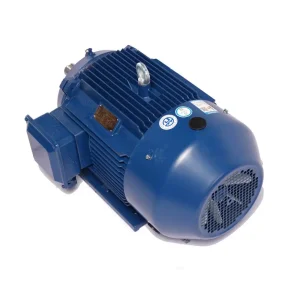
Explosion-proof motors designed for hazardous duty are not merely traditional electric machines with thicker casings. They represent a complex synthesis of mechanical stress management, thermodynamic control, and precise flamepath engineering. At the core of a certified flameproof motor (such as the YBX3 or YBX4 series) is the enclosure's capability to withstand an internal explosion of a specified gas mixture without permitting the ignition of the explosive gases surrounding the frame. This parameter is tightly controlled by flamepath clearances and joint widths, calculated to cool escaping hot gases below their ignition point.
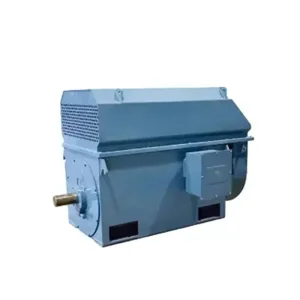
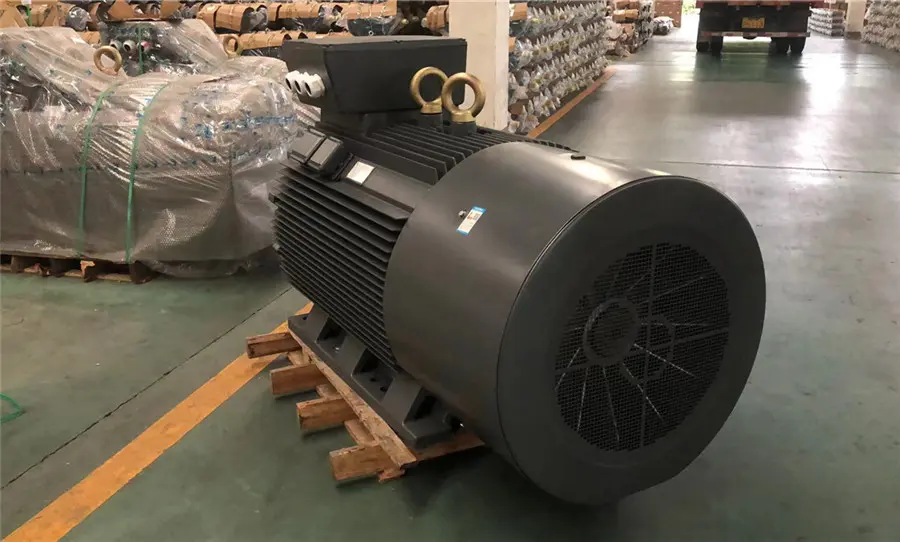
In high-voltage hazardous duty systems, thermal dissipation becomes the primary constraint. Operating under standard IC411 (Totally Enclosed Fan Cooled) or IC611/IC81W (Air-to-Air and Water-to-Air cooling) setups, the rotor and stator windings must maintain temperature levels below the designated class limits—e.g., T4 (135°C) or T5 (100°C)—under all load and overload conditions. SIMO utilizes class H insulation systems, vacuum pressure impregnated (VPI) with high-grade solventless epoxy resins, ensuring zero localized partial discharge (corona effect) inside high-voltage environments.
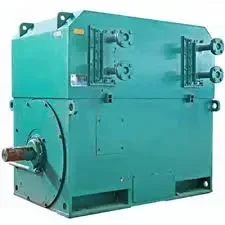
The future of hazardous area drive systems lies in hybrid materials and high-pole synchronous topologies. By minimizing rotor losses through synchronous permanent magnet technology or wound rotor assemblies (like our YRKK series), thermal output is mitigated directly at the source. This enables smaller overall frame configurations, reduction in total weight, and extended lifetime of bearings and sealing gaskets.
How SIMO integrates high-efficiency motors, control systems, and monitoring platforms to achieve failsafe facility designs.
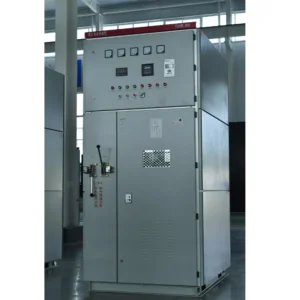
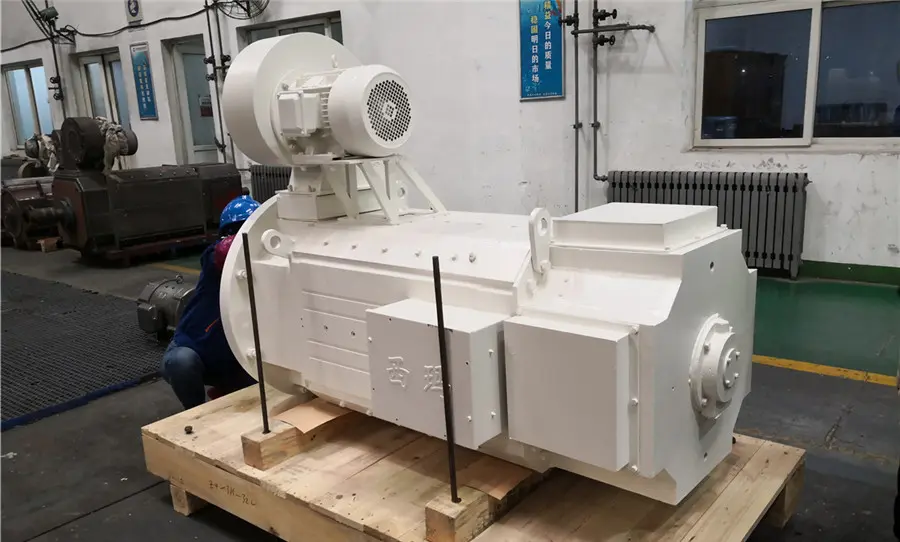
Pairing high-efficiency AC motors (such as the YJP variable frequency series) with robust electrical control cabinets minimizes start-up current inrush. High-inrush starts present a significant localized heat hazard. Our soft-start cabinets and VFD setups control slip and frequency ramp curves, ensuring that peak currents remain well below maximum safety thresholds while delivering high starting torque.
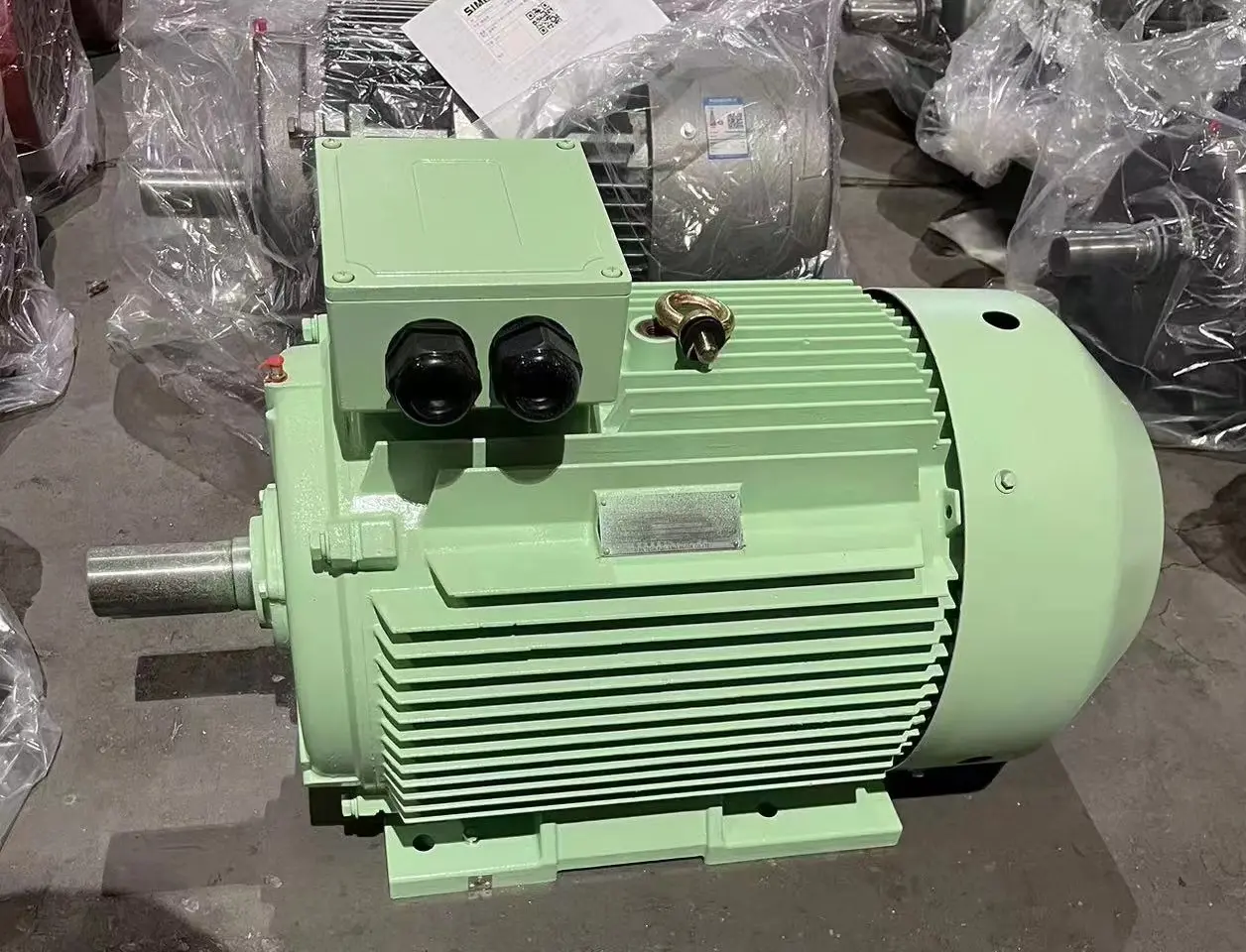
In environments like processing mills, grain elevators, and cement terminals, fine organic and inorganic dust poses a severe detonation risk. The YFB3 dust explosion-proof series features specialized ingress seals and non-sparking outer cooling fans that prevent dust accumulation from contacting internal hot components, meeting stringent ATEX/IECEx Zone 21 and Zone 22 ratings.
Deploying hazardous duty equipment on deep offshore rigs or isolated chemical depots requires extreme reliability. SIMO builds custom packages that integrate RTD temperature sensors inside stator slots, dual-shielded bearing temperature indicators, and vibration transmitters. This allows complete real-time monitoring of operational telemetry from centralized control rooms.
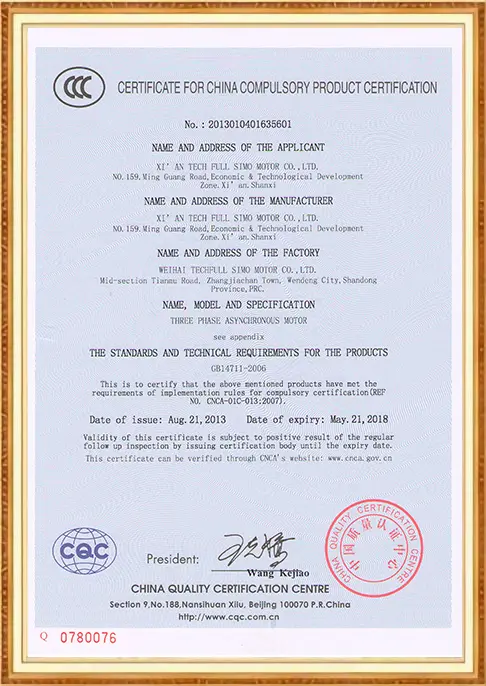
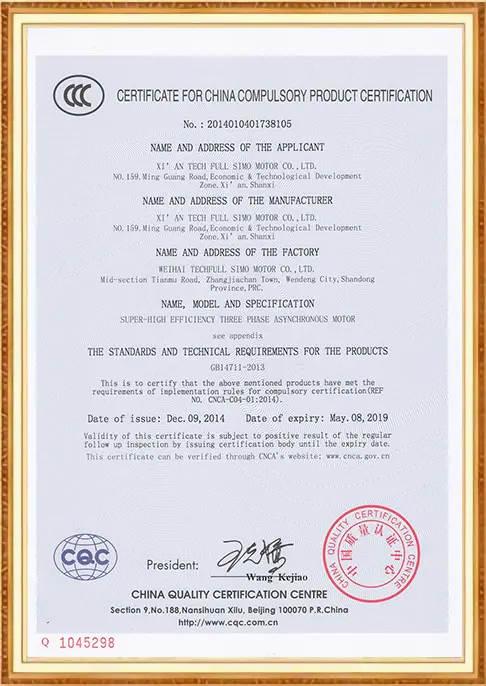
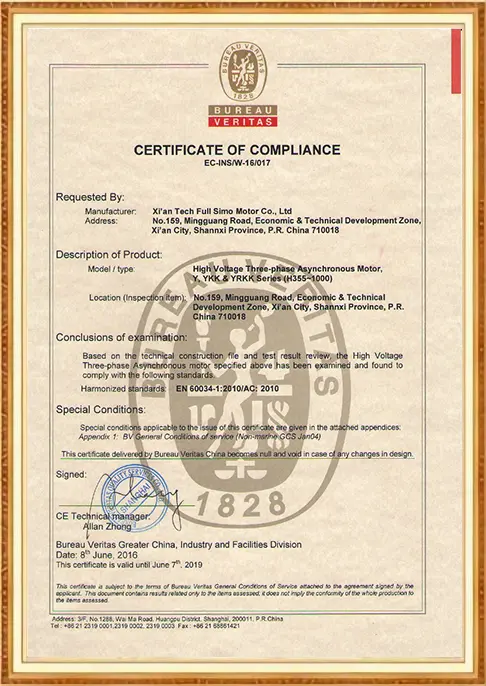
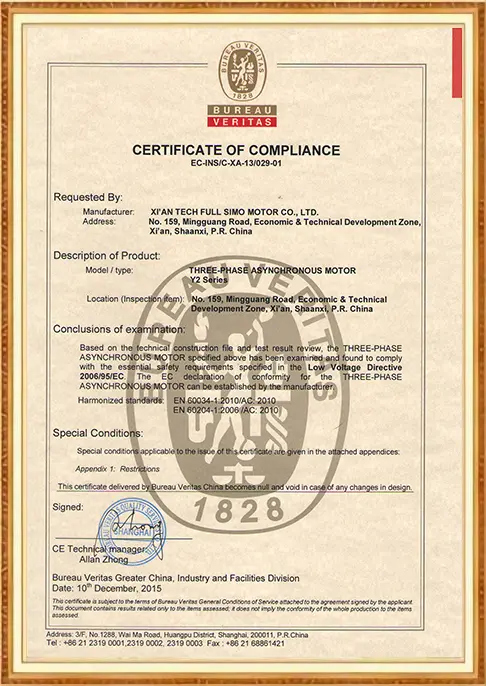
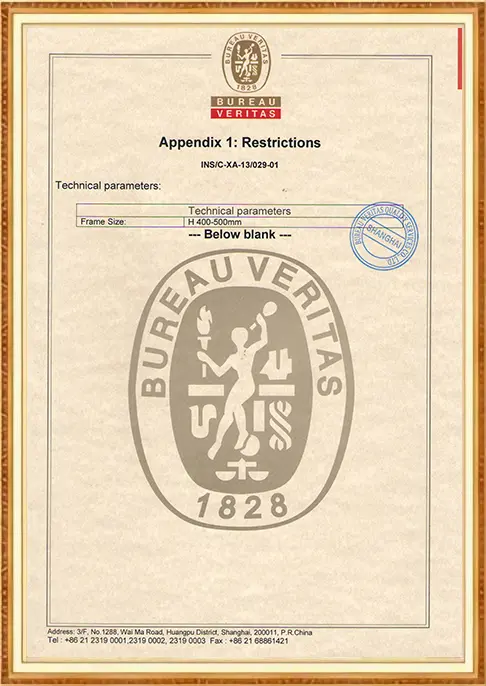
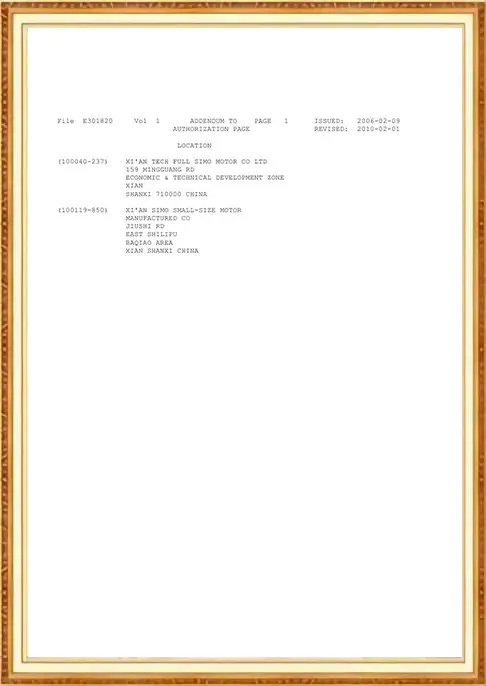
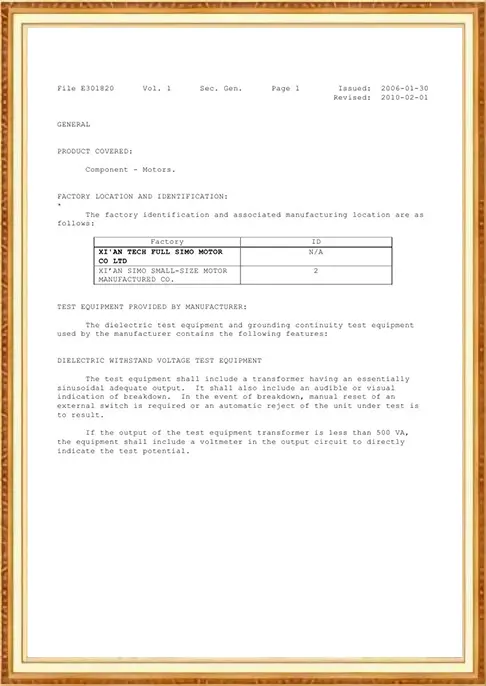
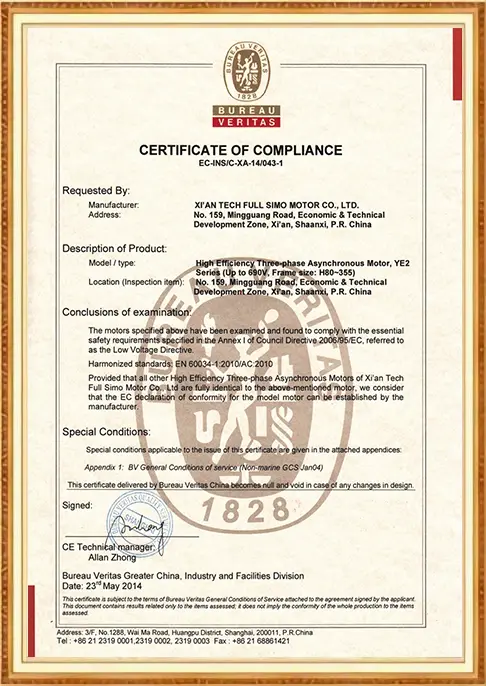
SIMO motors conform to demanding international quality regimes. Our manufacturing processes carry credentials ensuring compliance worldwide.
Practical knowledge and engineering specifications for operators and plant designers working under explosive atmosphere regulations.
Optimized configurations for heavy mining operations, municipal water systems, metallurgy, and complex chemical processes.
 Lite Simo