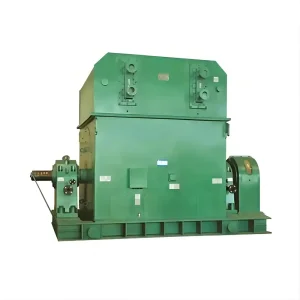
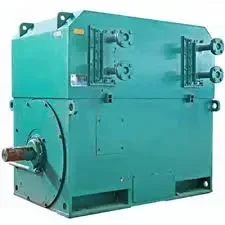
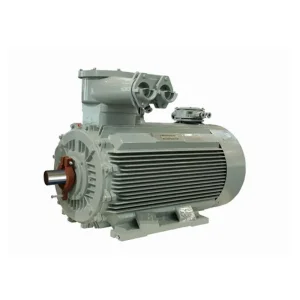
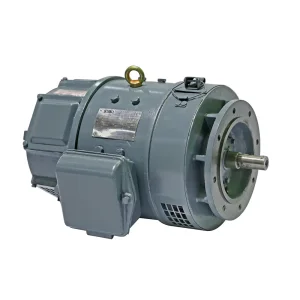
The global industrial landscape is undergoing a monumental transition. The demand for precision-engineered speed control motors is at an all-time high, driven by the twin engines of carbon neutrality policies and the relentless push toward Industrial Internet of Things (IIoT) automation. Traditional fixed-speed motors are rapidly being replaced by variable speed control systems to achieve operational efficiency, minimize wear-and-tear, and lower carbon footprints.
Global regulatory bodies are shifting minimum energy performance standards (MEPS) toward IE3 and IE4 levels. Progressive factories are preparing for IE5 ultra-premium efficiency, saving billions of kilowatt-hours annually in heavy industrial applications.
Modern speed control motors are no longer isolated mechanical parts. The inclusion of thermal sensors, vibration analytics, and smart frequency encoders allows real-time health monitoring and predictive maintenance, eliminating unplanned downtime.
Enterprises require motors designed specifically to withstand the steep voltage spikes and harmonics generated by variable frequency drives (VFDs). Advanced insulation systems like Class H and VPI (Vacuum Pressure Impregnation) have become default expectations.
As these technologies mature, procurement managers are looking beyond initial capital expenditure (CAPEX) to prioritize the Total Cost of Ownership (TCO). This structural shift highlights the value of dealing directly with advanced speed control motor factories that can build custom-engineered solutions without premium price inflation.
Procuring industrial machinery on a global scale is a high-stakes decision. Speed control motors operate at the heart of critical infrastructure—pumps, fans, mining mills, conveyors, and compressors. A single failure can cascade into millions of dollars in lost production. Global procurement teams apply rigorous selection filters based on four primary pillars:
China's motor manufacturing sector has transitioned from a high-volume low-cost exporter to a leader in high-tech, precision engineering. Through China Industry 4.0 integration, factories have combined fully automated stator winding lines, precision CNC machining centers, and advanced vacuum pressure impregnation (VPI) facilities to eliminate human error.
The localized cluster of industrial components—from magnetic core laminations to high-grade copper wire and precision bearings—creates a resilient ecosystem. This cluster insulates clients from global supply chain disruptions and ensures rapid turnaround times, even for custom configurations.
Xi'an Lite SIMO Motor Co., Ltd (LITESIMO Company) stands at the forefront of this industrial transformation. Established in 1955, SIMO has built over 60 years of deep motor engineering and manufacturing heritage. As a comprehensive manufacturing and service supplier, SIMO integrates motor design, advanced mechanical processing, high-precision mold making, automated assembly, and strict testing protocols to deliver elite speed control systems to the global market.

With a foundation laid in 1955, SIMO Motor has consistently driven innovation across the Chinese mechanical industry. Today, it stands as a TOP enterprise in scale, asset health, and engineering talent. Registered at 21.5 million RMB, the company boasts fixed assets worth 380 million RMB, spans 3 specialized manufacturing factories and one subsidiary factory, and operates over 1,172 sets of high-precision production and testing equipment. The company's workforce comprises more than 1,200 employees, including 260+ technical engineers, 21 senior engineers, and 15 nationally recognized industry experts.
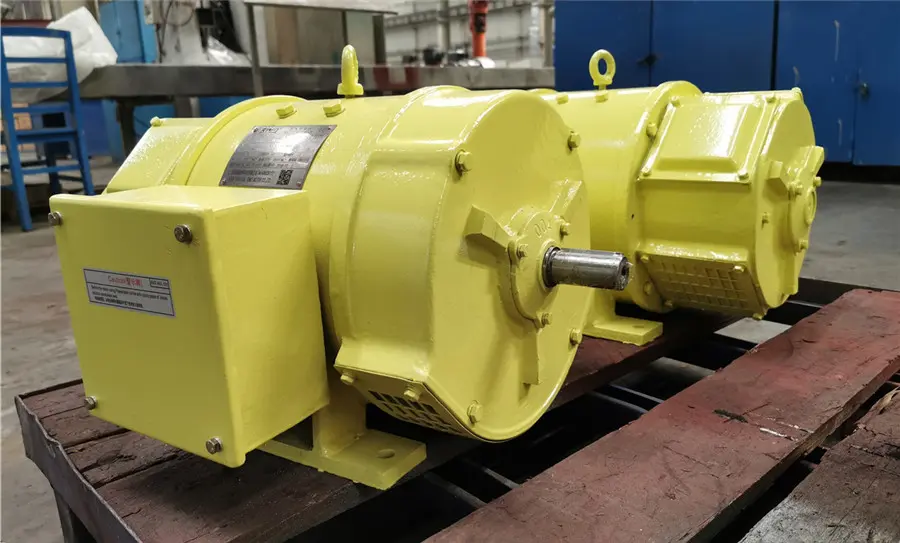
LITESIMO's research, development, and manufacturing capacity covers a comprehensive portfolio of electric motors, totaling 34 major series, over 1,800 varieties, and 19,500 distinct specifications. Power outputs range from a compact 0.35 kW to massive heavy-industry units rated up to 25,000 kW.
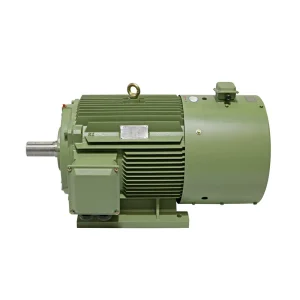
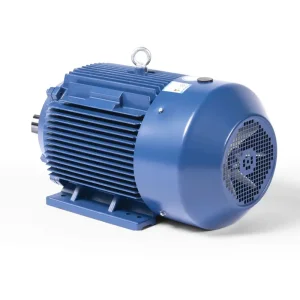
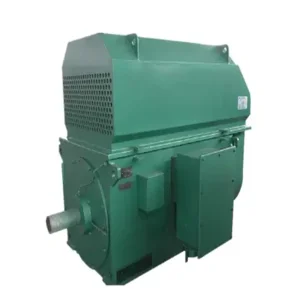
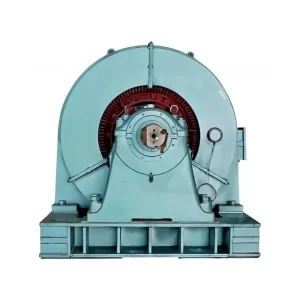
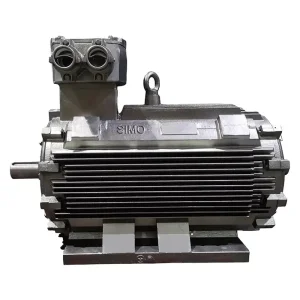
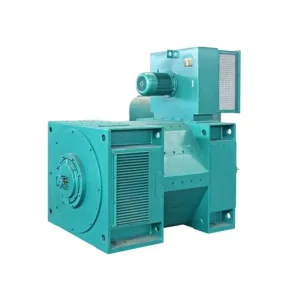
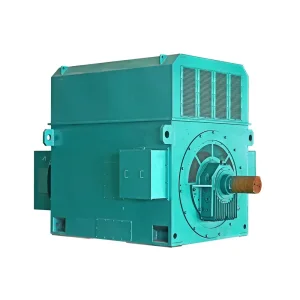
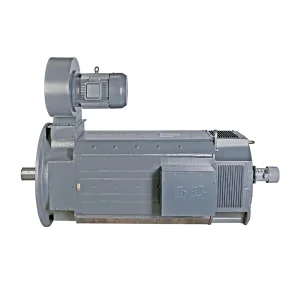
Our main motor products include:
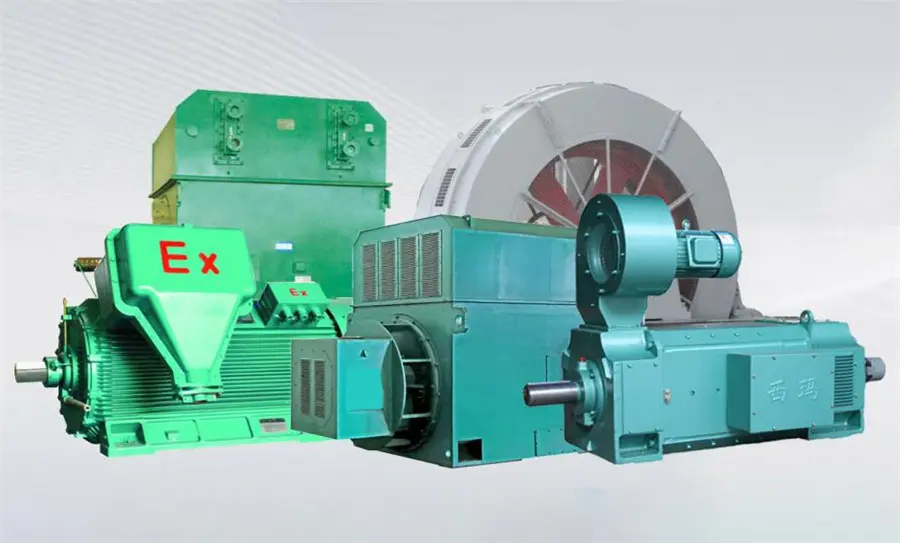
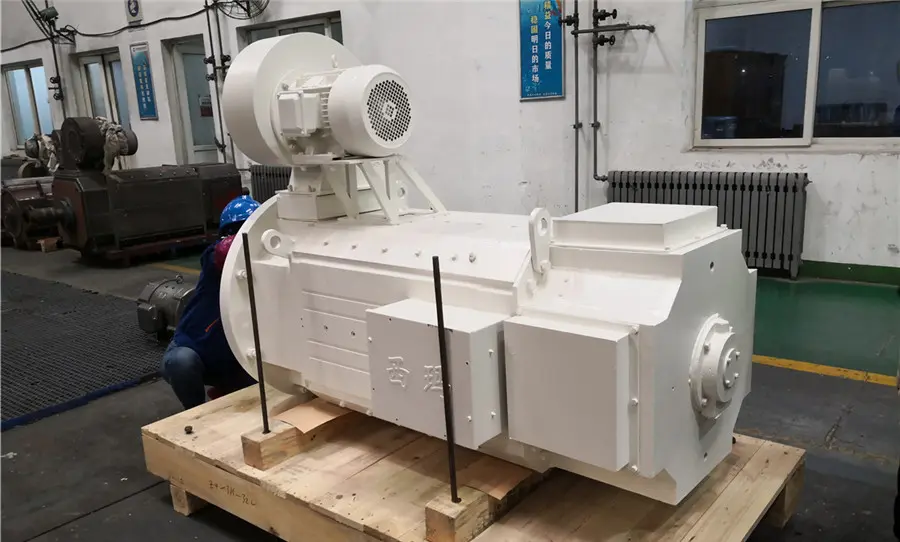
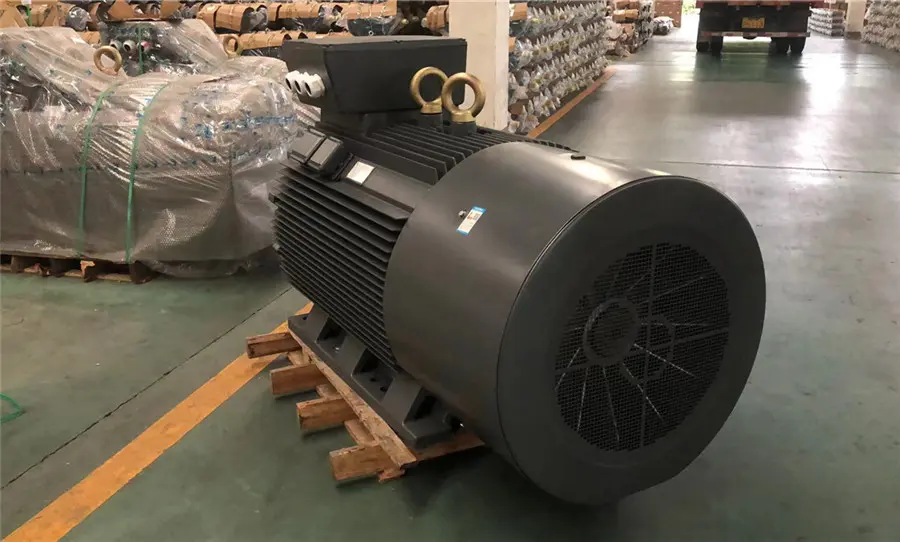
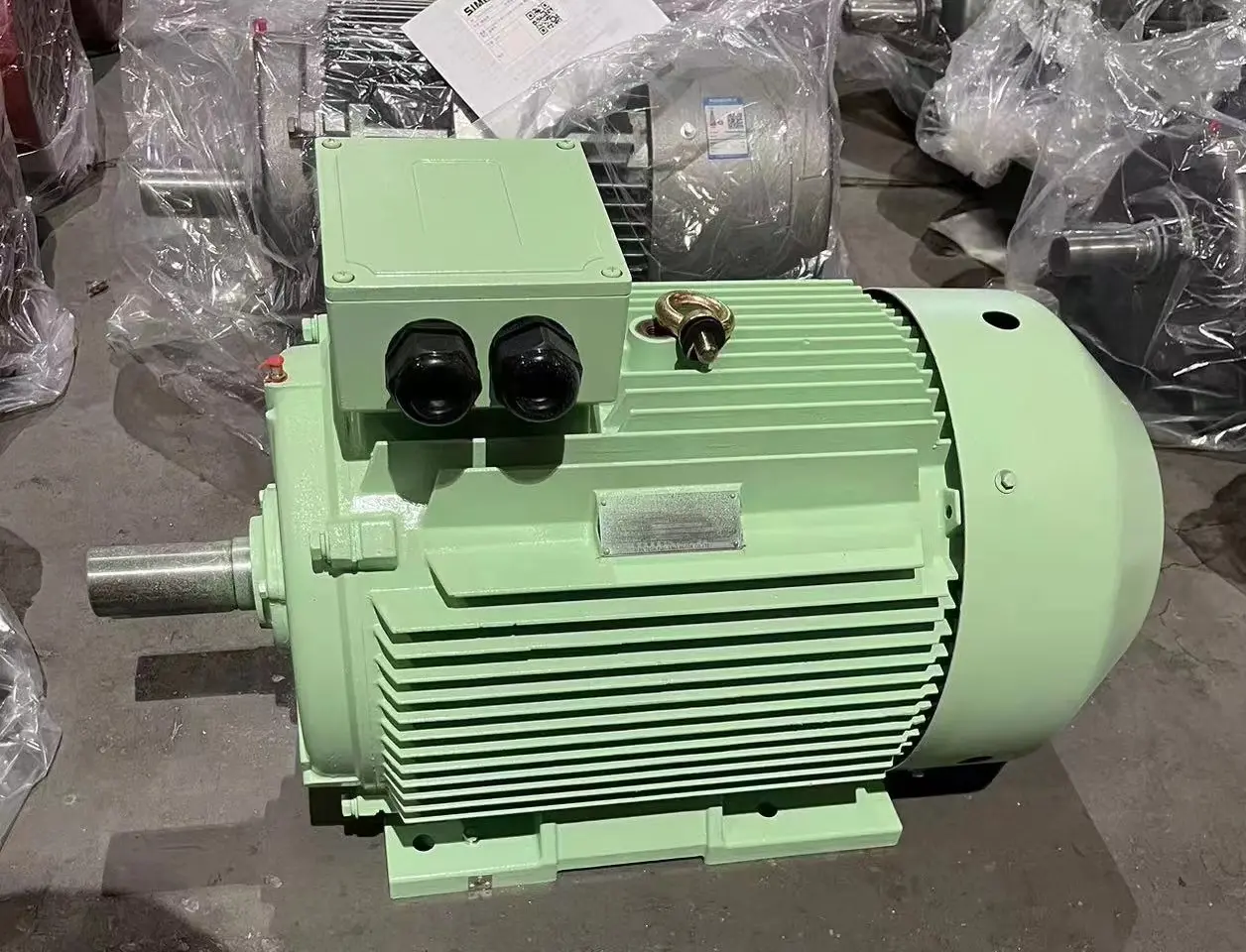
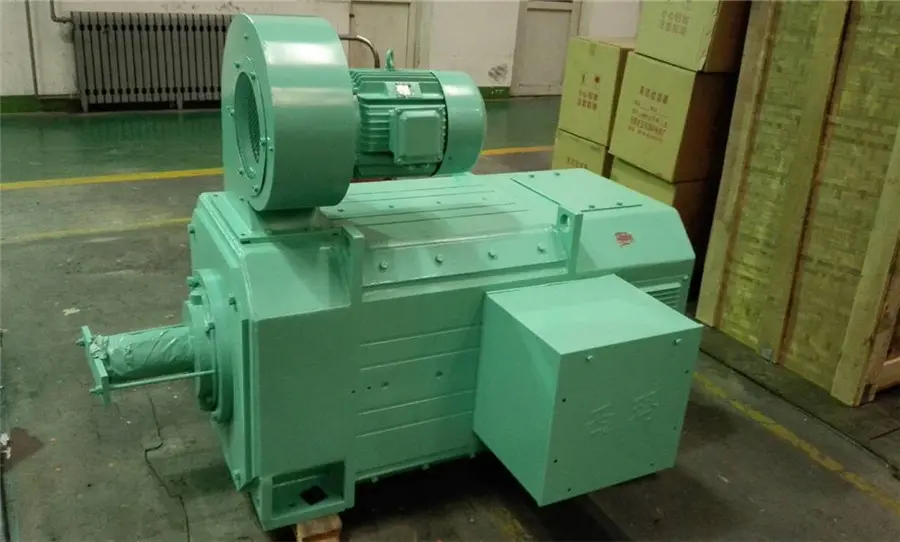
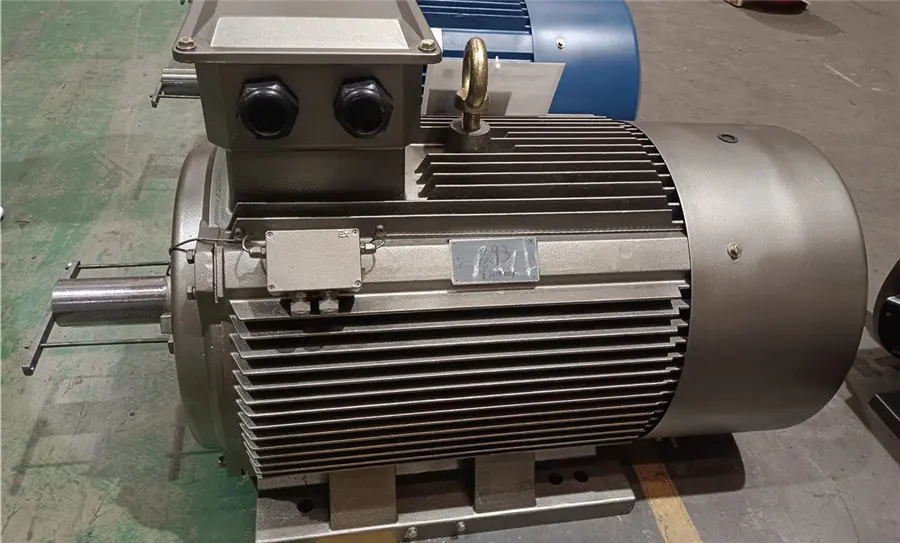
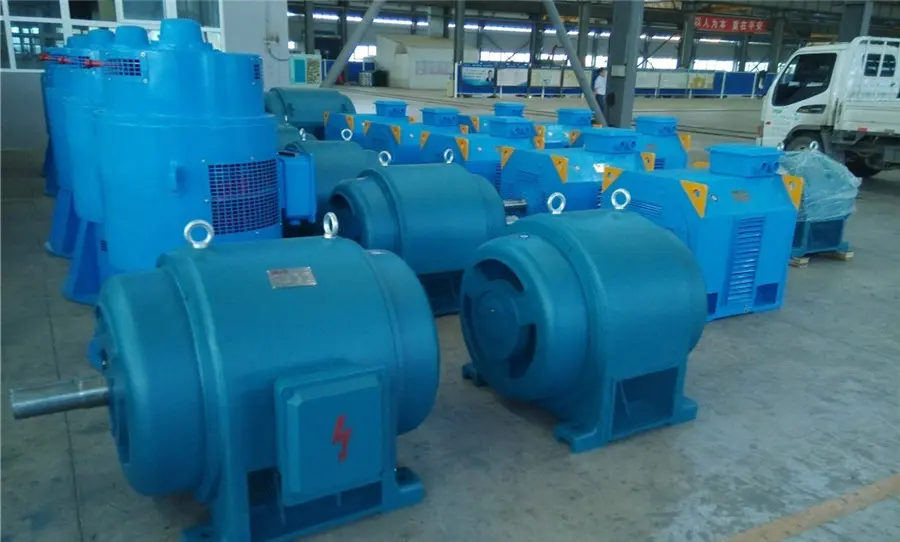
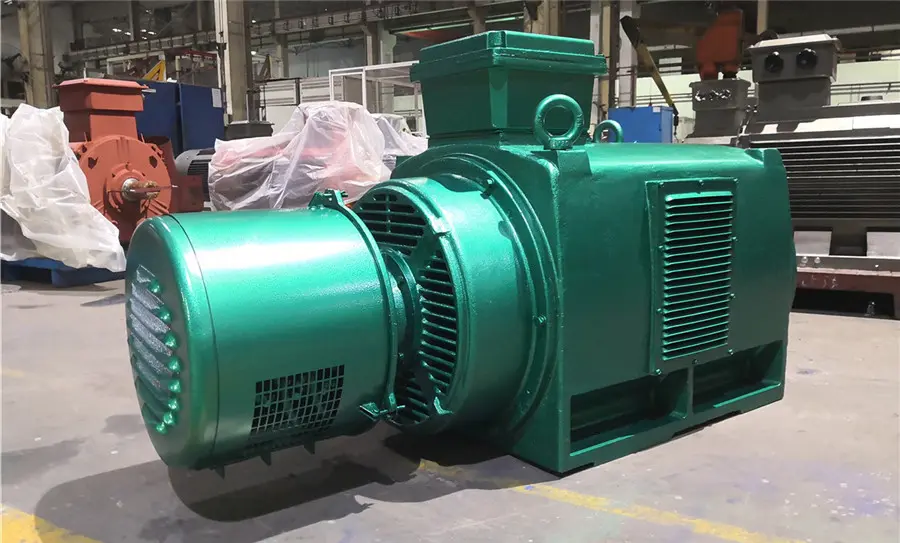
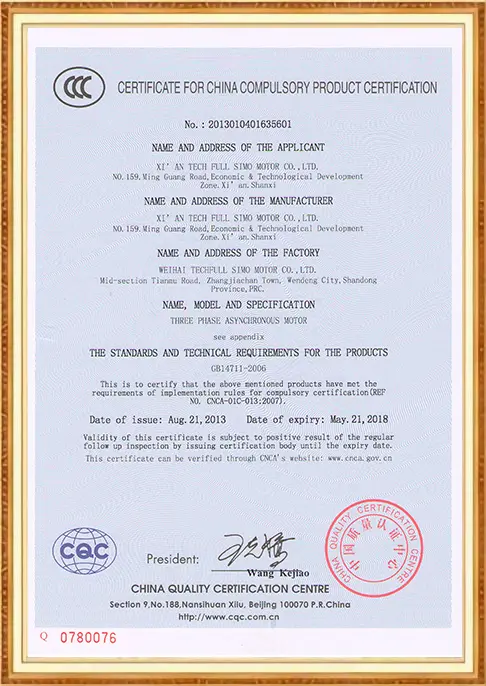
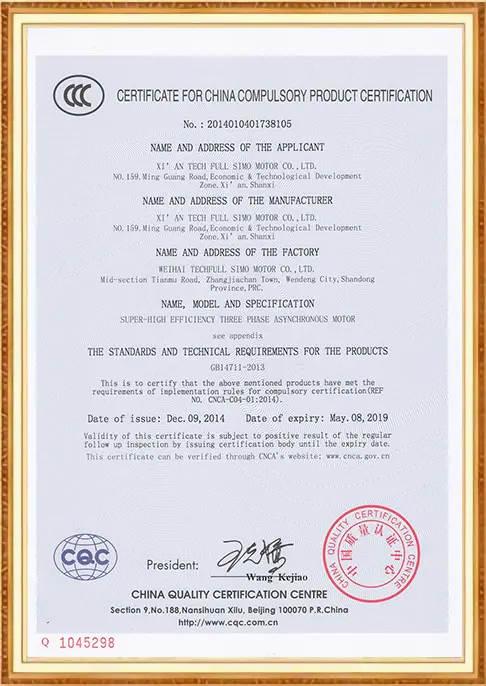
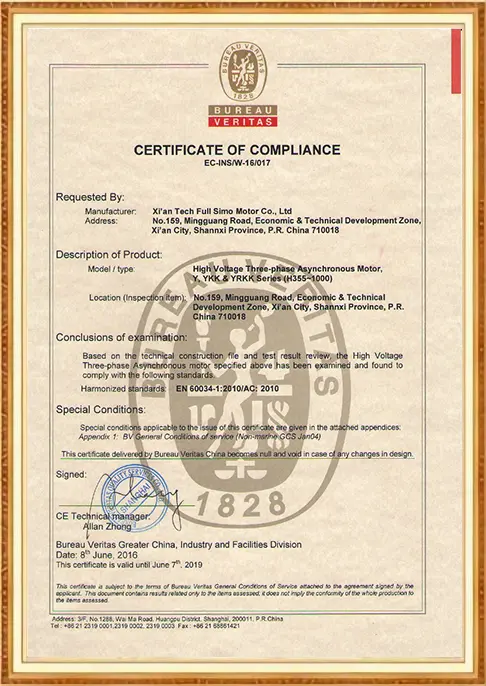
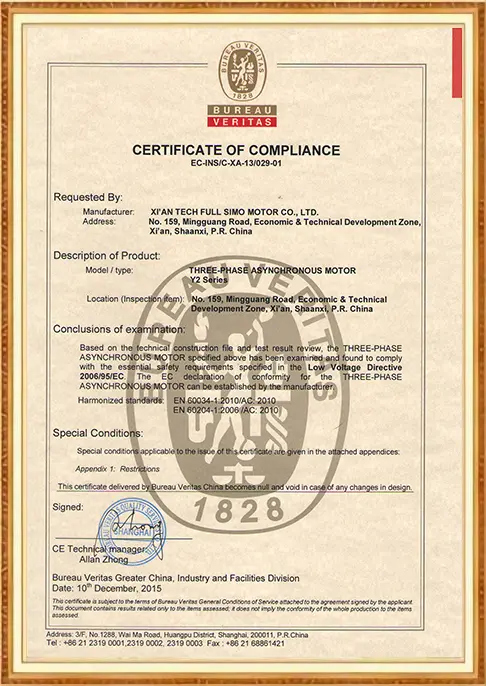
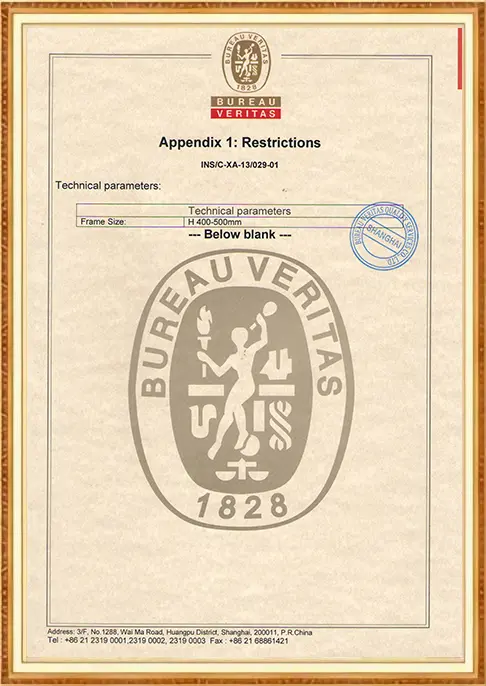
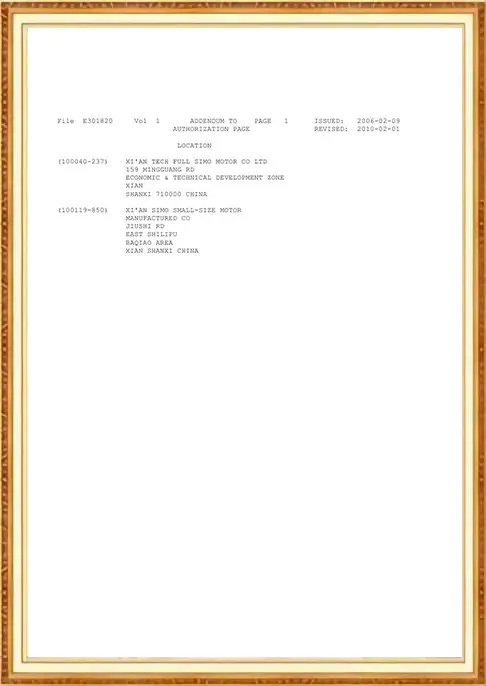
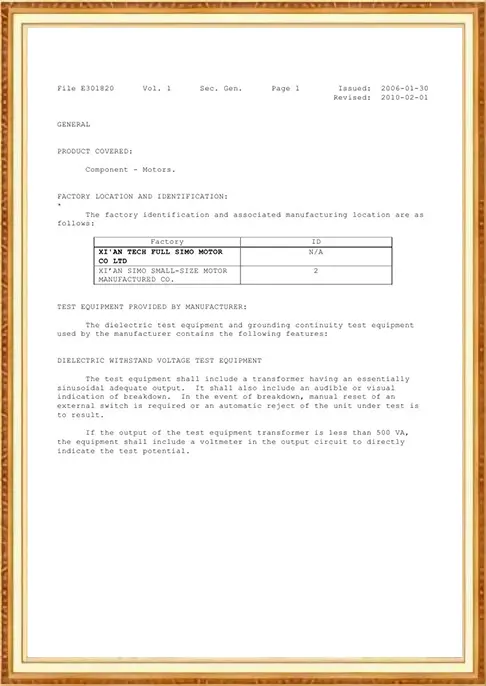
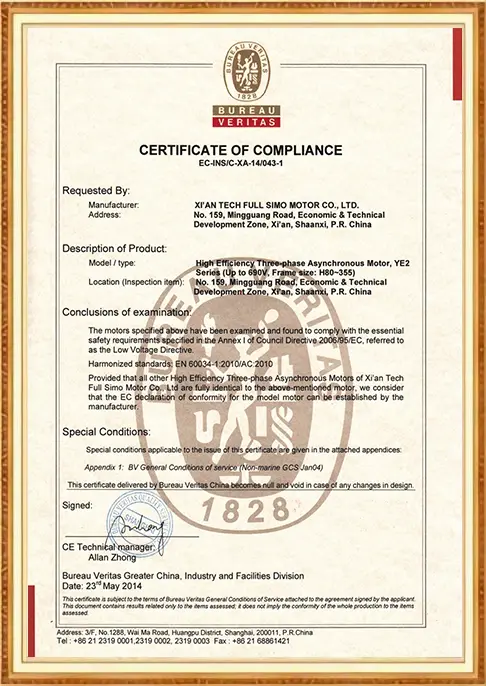
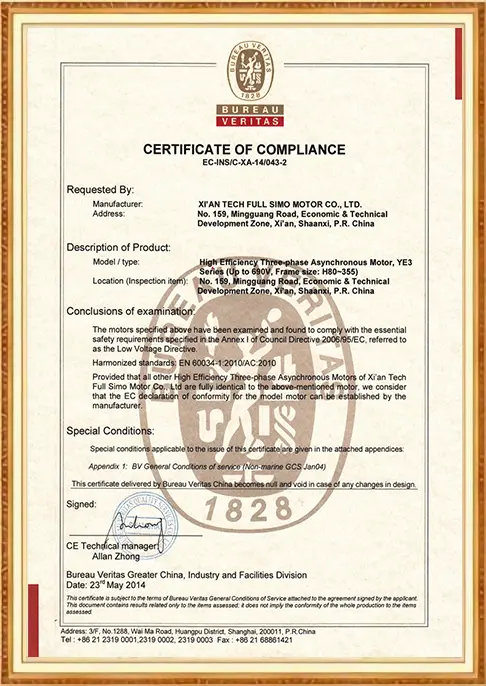
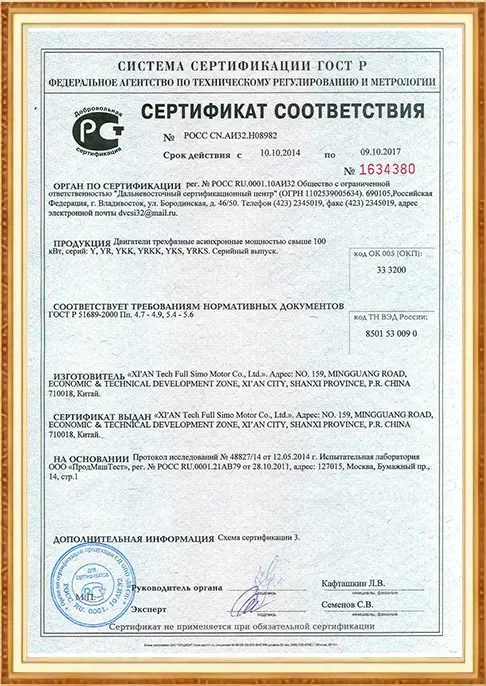
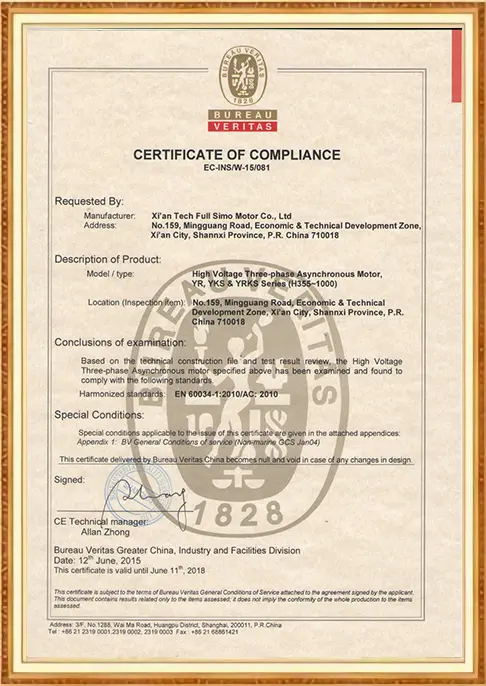
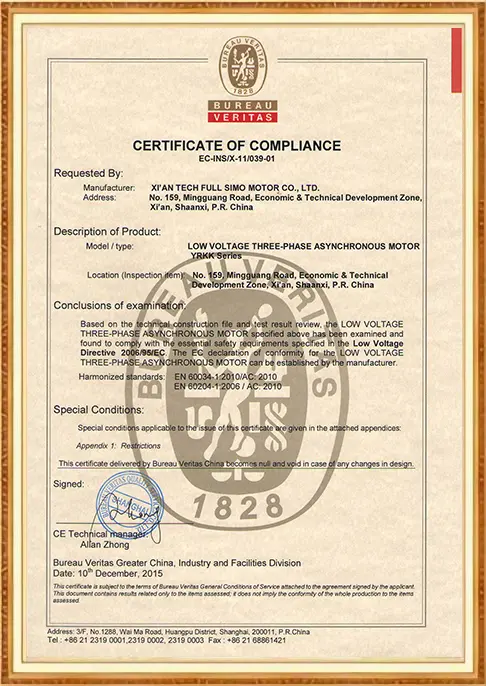
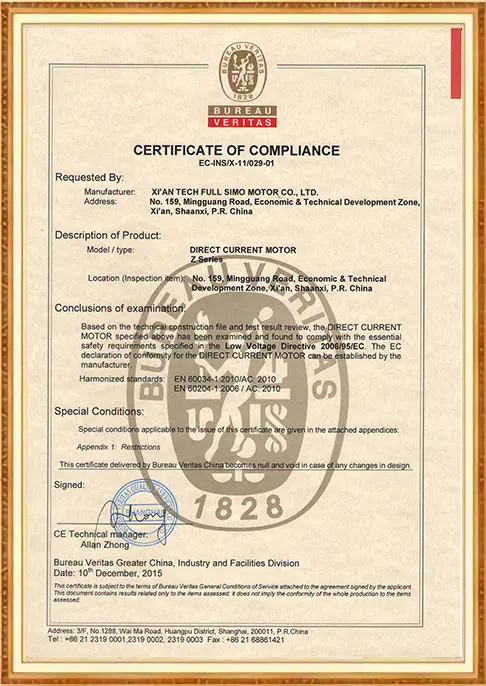
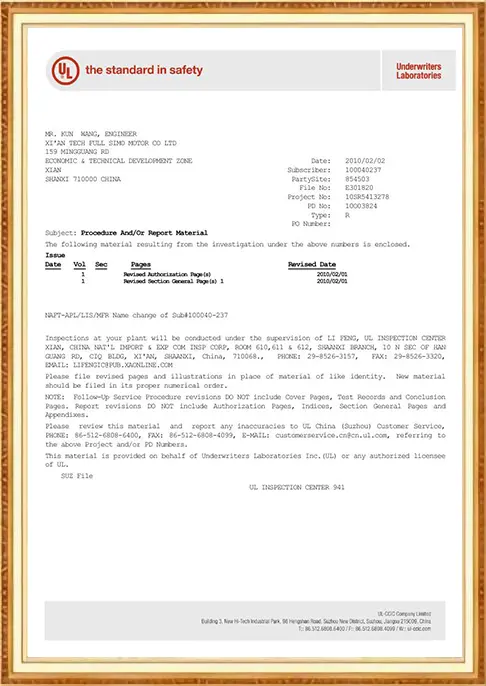
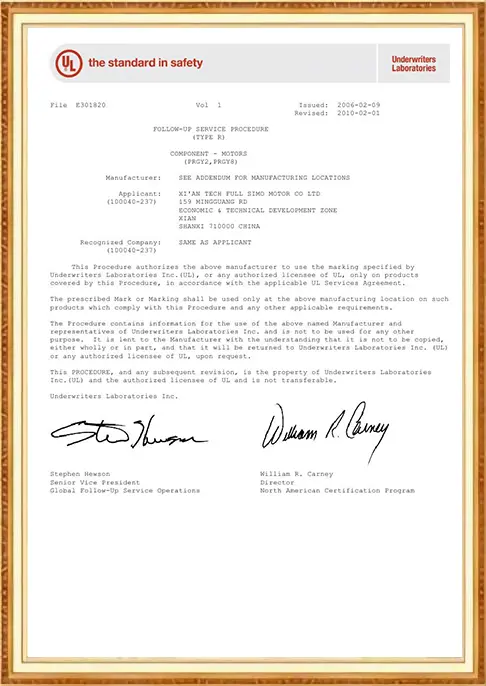
Quality assurance is at the core of SIMO Motor's manufacturing philosophy. Our factories run strictly under ISO9001 Quality System Certification. SIMO products have successfully secured the European Union's "CE" marking, the United States' "UL" safety listing, and the Russian Federation's "GOST" certificate of conformity. These credentials support our exports to over 40 countries, serving sectors like oil & gas, mining, steel processing, power generation, and municipal water projects.
Industrial motors must be configured for their specific operating environment. Climate, dust, altitude, moisture, and chemical exposure all influence the engineering specification of the motor. Here is how SIMO's speed control systems are customized across global applications:
Our TDMK series AC synchronous motors operate in remote, dusty mountain mines. Custom-engineered with IP55 dust-proofing and high starting torque ratios, they drive massive ball mills processing copper, gold, and iron ore without thermal overload.
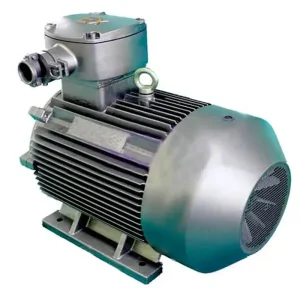
Our YBX3 and YBX4 explosion-proof motors are deployed in coastal oil refineries. They feature flameproof cast-iron enclosures, anti-corrosive epoxy coatings, and non-sparking terminal blocks designed to survive combustible gas environments.
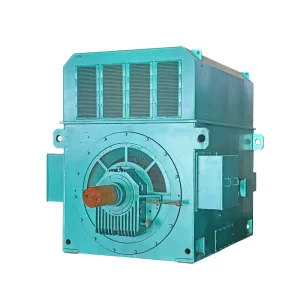
Large municipal water pumping stations in semi-arid zones use YKS high-voltage three-phase asynchronous motors. Their air-to-water cooling structures maintain low rotor temperatures, extending the operational life of bearings and windings.
What makes a motor specifically rated for "Variable Frequency Drive" (VFD) duty?
VFDs control motor speed by converting incoming AC power to DC, and then synthesizing a simulated AC voltage waveform using Pulse Width Modulation (PWM). This process introduces high-voltage spikes (dv/dt) and high-frequency harmonics that can degrade standard winding insulation. VFD-rated motors, such as our YVFE3/YVFE4 series, utilize specialized insulation systems (Class F or H), Corona-Resistant magnet wire, and Vacuum Pressure Impregnation (VPI). They are also equipped with insulated bearings or grounding rings to prevent shaft currents from causing electrical pitting and premature bearing failure.
How does the efficiency savings scale when moving from IE3 to IE5 in continuous operations?
The transition from IE3 to IE5 reduces motor energy losses by roughly 30% to 40%. For instance, in a 250 kW motor running 8,000 hours per year, upgrading to an IE5 ultra-premium efficiency motor can save tens of thousands of kilowatt-hours annually. These energy savings offset the initial purchase cost of the motor, making IE5 upgrades highly cost-effective for continuous-duty applications like municipal pumps, refinery blowers, and mining ventilation systems.
Why is an independent cooling fan (forced ventilation) necessary for low-speed motor operations?
Standard self-cooled motors (TEFC) rely on a shaft-mounted fan. When the motor speed is reduced by a VFD (e.g., down to 10% or 20% of rated speed), the fan's airflow drops exponentially, leading to overheating under high torque conditions. To prevent thermal damage, speed control motors running at low speeds require an independently powered auxiliary cooling fan. This ensures constant, maximum cooling airflow across the motor frame, regardless of the primary rotor's operating speed.
What is the practical difference between DC speed control motors and AC VFD motors?
DC motors (like our Z4 and Z series) have historically been favored for applications requiring exceptionally high torque at very low speeds, rapid acceleration, and precise speed control (e.g., metal rolling mills, paper processing, cable winding). AC motors paired with VFDs have become more common due to their lower maintenance requirements (no carbon brushes or commutators to wear out). However, DC motors remain essential for retrofitting older installations or for specialized industrial applications that demand high overload torque capacity.
How does LITESIMO support custom engineering and OEM specifications?
With 260+ engineers and dedicated tooling and molding shops, SIMO manages custom projects from concept to final testing. We can modify motor frames, shaft configurations, flange designs, and electrical parameters to meet specialized industrial requirements. We also offer custom testing under simulated load conditions in our certified laboratories before shipment.
 Lite Simo