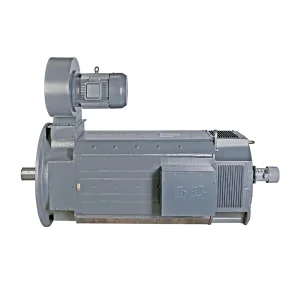
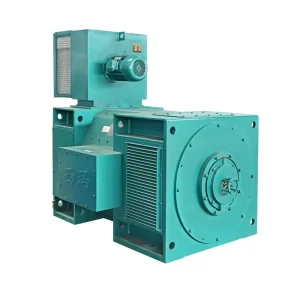
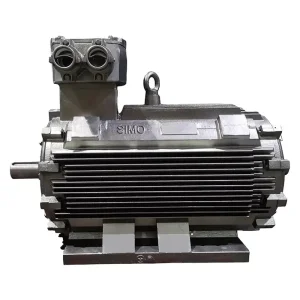
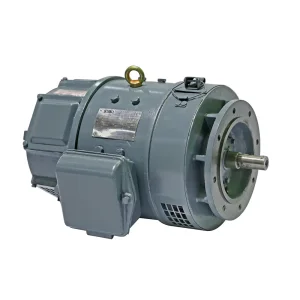
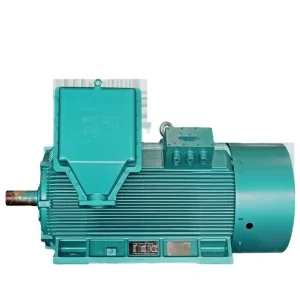
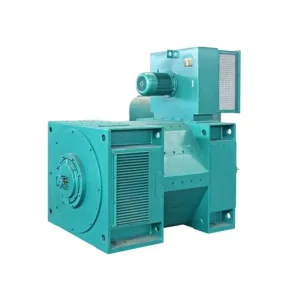
Direct supply from leading Chinese manufacturing plants. High torque, energy-efficient configurations customized for diverse global environments.
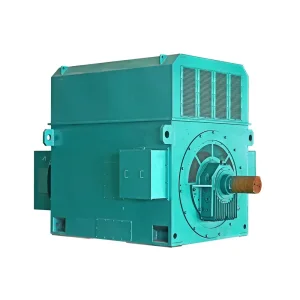
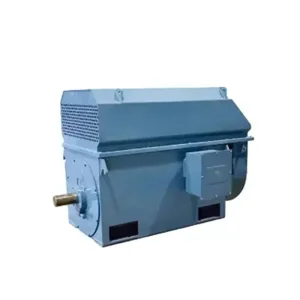
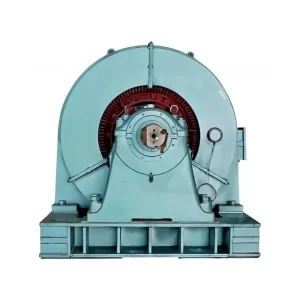
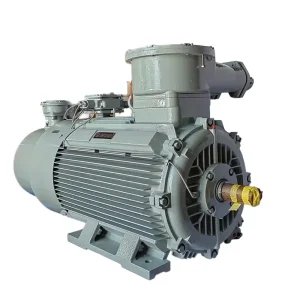
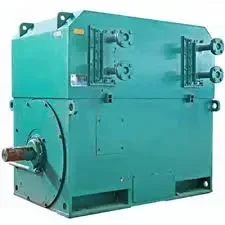
In the modern industrial layout, the electrical powertrain stands as the primary driving force behind material processing, mechanical compression, fluids handling, and raw mining operations. The Totally Enclosed Fan Cooled (TEFC) motor design has emerged globally as the preeminent packaging design for general-purpose and heavy-duty environments. This whitepaper analyzes the current global market demand, design features, factory-level efficiency optimization, and standard criteria for global procurement departments looking to acquire premium, high-ROI TEFC motors.
Totally Enclosed Fan Cooled (TEFC) motors are defined by their structural isolation of inner mechanical components from external atmospheric contaminants. Unlike Open Drip-Proof (ODP) configurations, TEFC systems utilize an external fan mounted to the shaft, driving external air currents over the heat-dissipating frame ribs to lower thermal loads. As heavy industries seek to decrease unscheduled downtime, the preference for TEFC variants has accelerated across major sectors, including petrochemical refining, raw steel mills, bulk agricultural handling, municipal water networks, and marine systems.
According to current market intelligence, the transition to high-efficiency TEFC architectures is driven by environmental protection challenges, high ambient humidity levels, and corrosive chemicals. As a result, the global manufacturing footprint has adapted to build robust castings, high-grade insulation setups, and customizable voltage designs capable of operating under highly challenging environmental conditions.
Rated up to IP55 or IP56, keeping abrasive coal dust, fine iron filings, chemicals, and high-pressure water jets away from stator wind assembly.
Optimized internal magnetic circuits and copper rotor lines aligned to IEC IE3, IE4, or NEMA Premium standard bounds to optimize electricity consumption.
Engineered frame rib designs to maximize airflow convection pathways, preventing hotspots and maintaining balanced thermal footprints.
B2B industrial procurement involves balanced consideration of structural quality, lead times, regulatory documentation, and upfront investment. Over the past few decades, Chinese motor factories have moved from producing basic designs to leading the market in high-voltage, synchronous, and hazardous-duty electrical powertrains.
Several factors explain this leadership position:
Furthermore, standardizing production processes allows manufacturers to offer discount options for large projects, providing high performance at a lower total cost of ownership.
Within the Chinese industrial sector, Xi’an Lite SIMO Motor Co., Ltd is recognized as a key enterprise specializing in large, medium, and low-voltage AC/DC electric motors, synchronous models, and specialized explosion-proof motors.
SIMO operates a comprehensive facility capable of handling motor design, precision mechanical machining, custom mold production, structural assembly, and compliance testing. As a major supplier in the Chinese mechanical industry, SIMO maintains a steady development trajectory through regular investments in research and development and manufacturing capability.

Our manufacturing history spans over six decades. This experience supports our design work across 34 major series, 1,800 varieties, and 19,500 specifications. With power ratings spanning from 0.35kW to 25,000 kW, we configure electrical machines for a wide range of industrial applications.
SIMO's operations are supported by 3 manufacturing factories, 1 subsidiary facility, 380 million RMB in fixed assets, and over 1,172 sets of production and testing equipment. Our engineering team includes 21 senior engineers and 15 expert engineers who design solutions to meet international technical and environmental requirements.
SIMO’s history shows a steady progression from a government-directed plant to a modern, globally focused manufacturer:
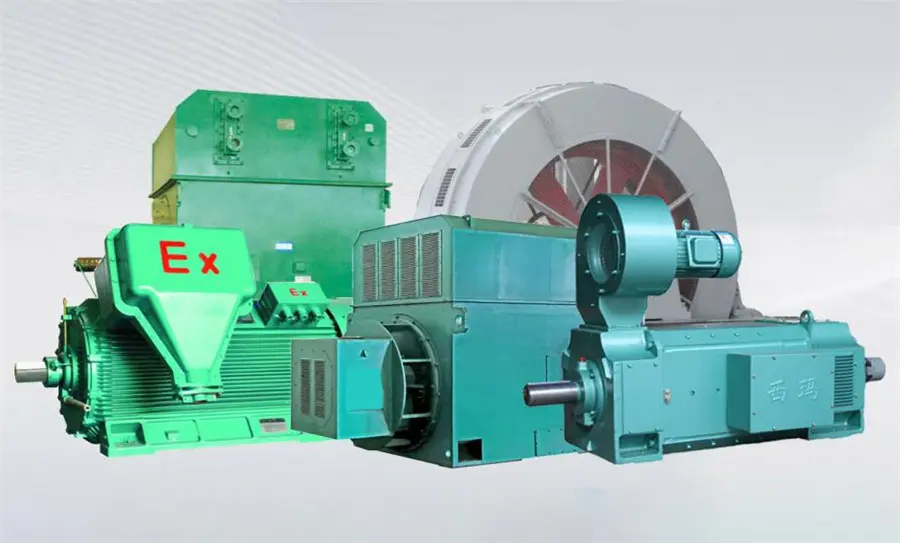
A key strength of our factory operations is our ability to design and manufacture diverse motor lines to match specific industrial requirements:
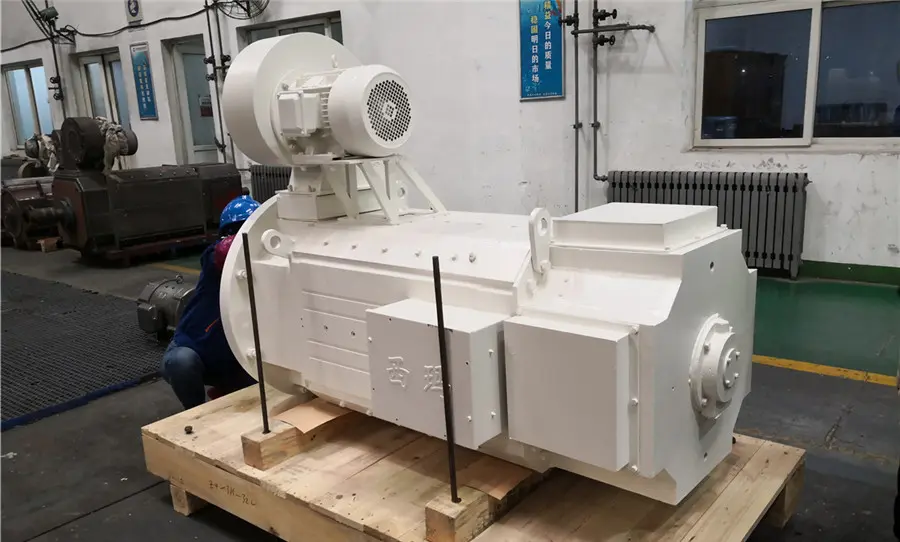
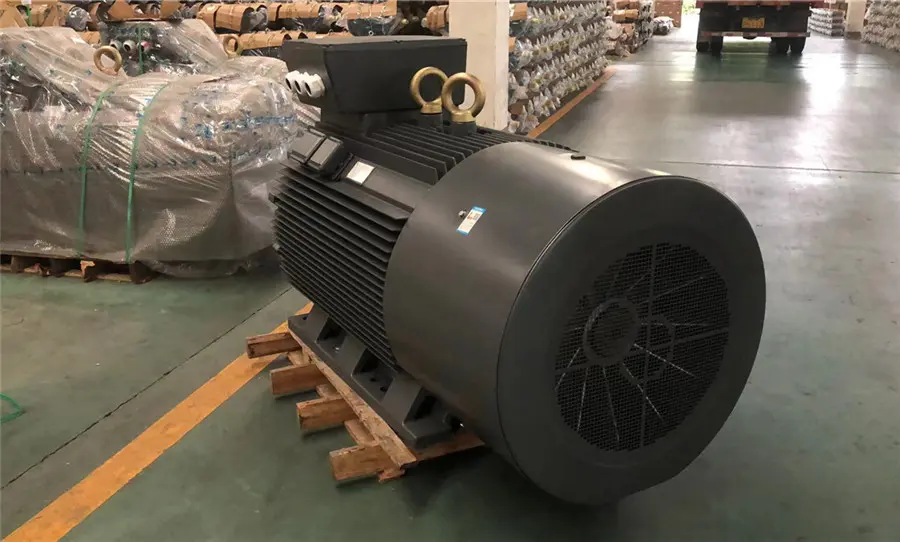
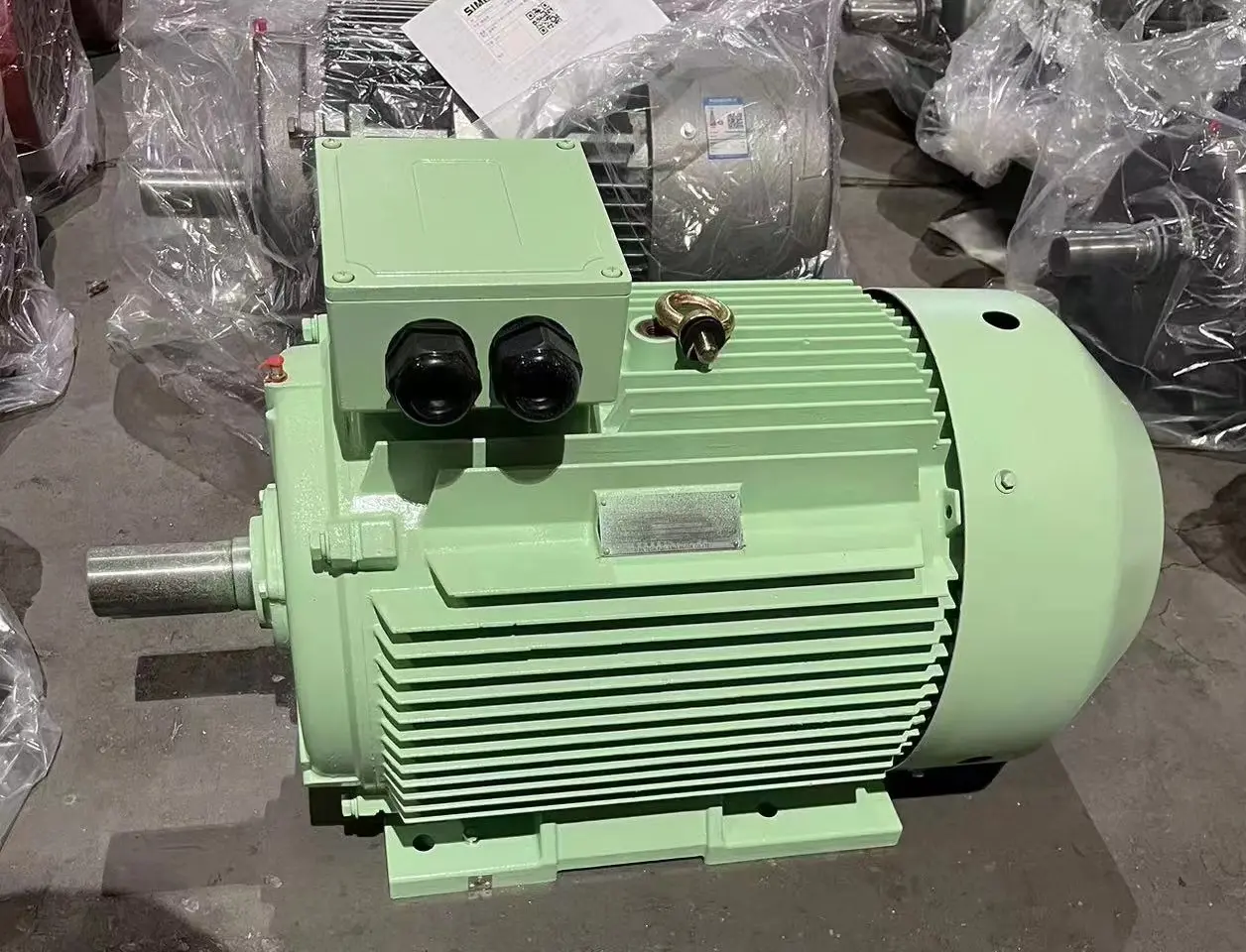
For engineering and procurement departments, understanding standard variations ensures proper fit and performance in local installations. The table below compares the key differences between IEC (International Electrotechnical Commission) and NEMA (National Electrical Manufacturers Association) standards for TEFC motors:
| Engineering Attribute | IEC Standards (e.g., IEC 60034) | NEMA Standards (NEMA MG1) |
|---|---|---|
| Dimensioning System | Metric (millimeters) | Imperial (inches) | Efficiency Classification | IE1, IE2, IE3, IE4, IE5 | Energy Efficient, NEMA Premium |
| Ingress Protection | IP Codes (typically IP55/IP56 for TEFC) | Described by environment (TEFC, ODP, etc.) |
| Frame Sizes & Shafts | Based on shaft height in mm (e.g., 280M) | Based on frame codes (e.g., 444T) |
| Temperature Rise Standard | Class B or F rise calculated in Celsius | Class B, F, or H limits for ambient conditions |
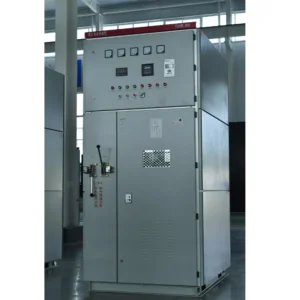
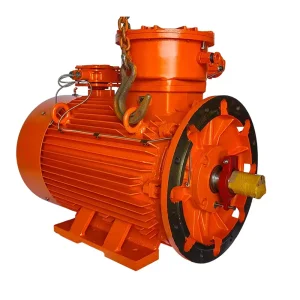
High-voltage machines, flameproof mining motors, and industrial control solutions designed for steady performance in heavy B2B applications.
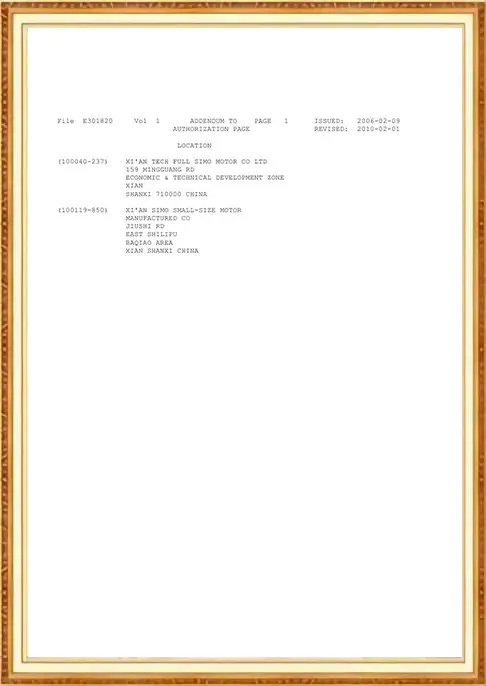
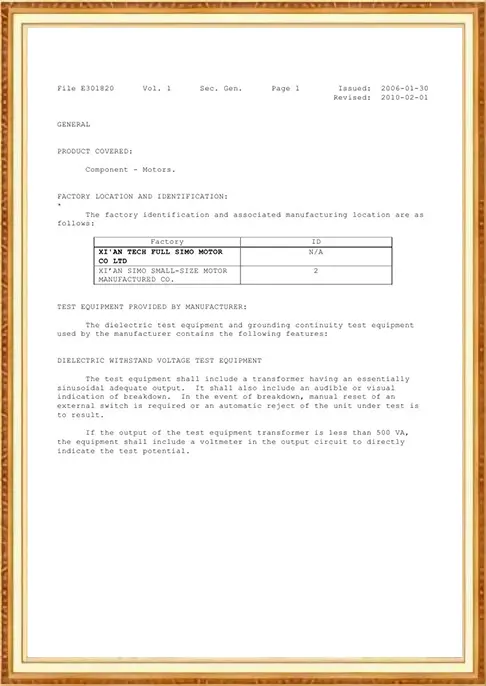
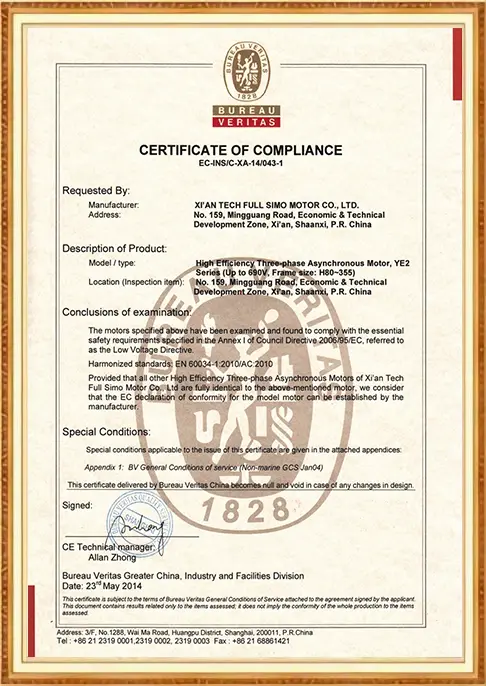
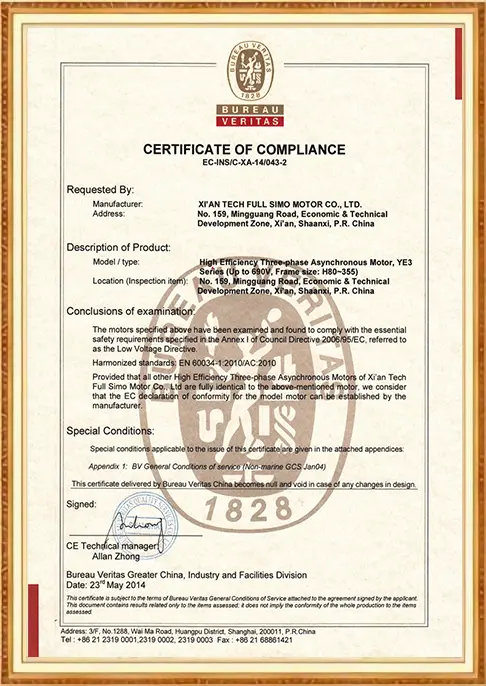
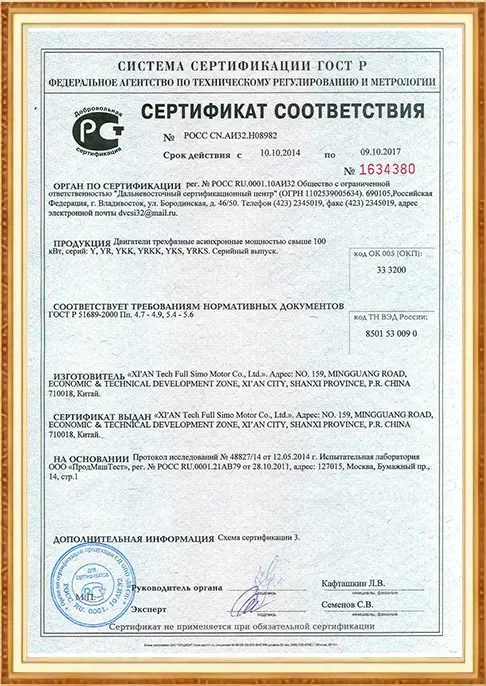
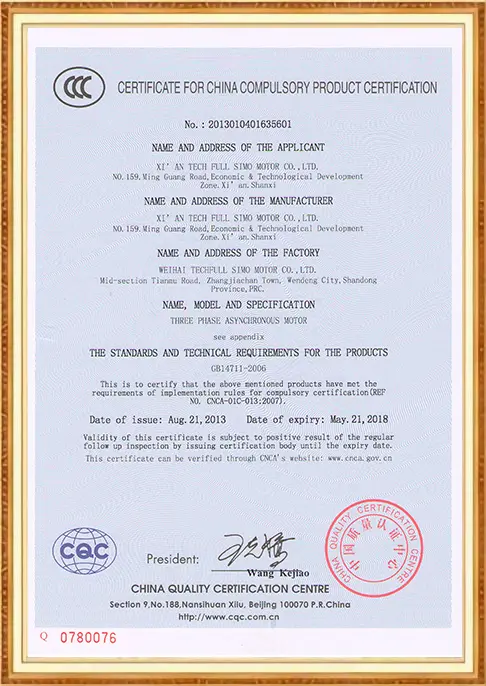
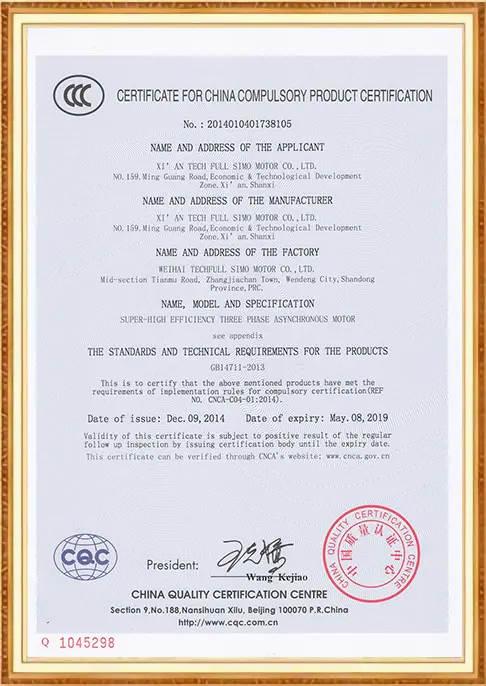
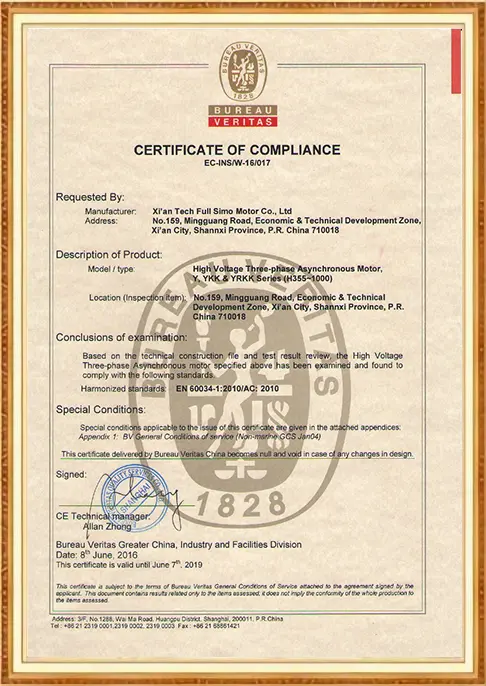
SIMO motors are manufactured under ISO9001 quality systems and carry certifications for major global markets, including European CE, American UL, and Russian GOST.
Technical guidance and answers to common integration questions for industrial motor installations.
 Lite Simo