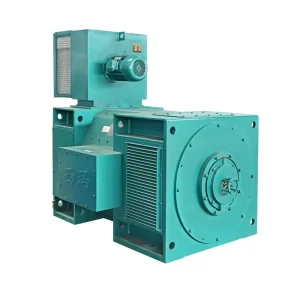
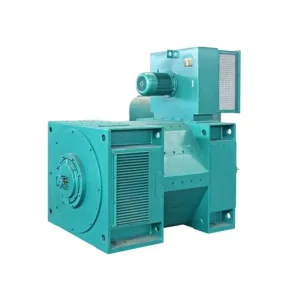
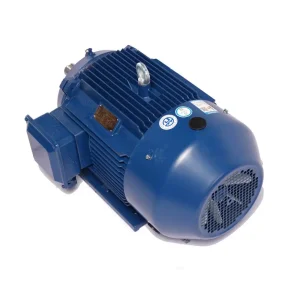
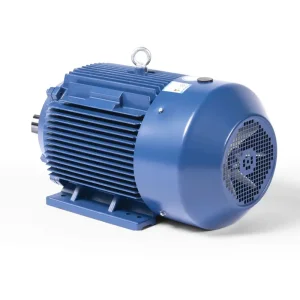
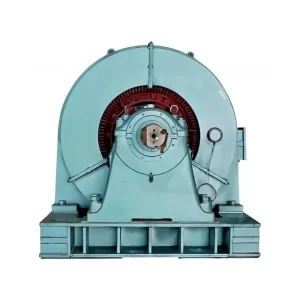
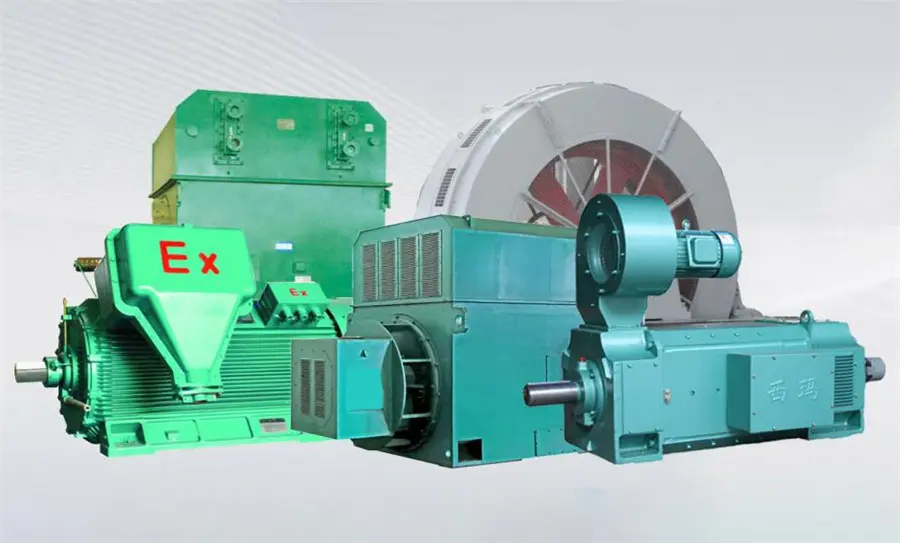
Explore our flagship heavy-duty asynchronous, synchronous, and variable frequency electric motor series engineered for global industrial giants.
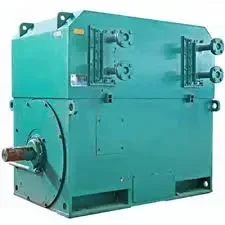
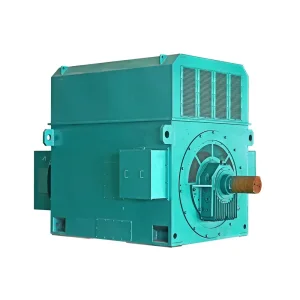
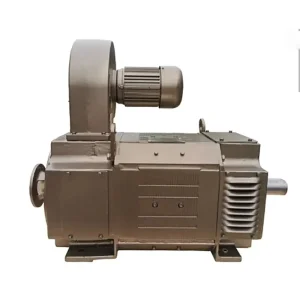
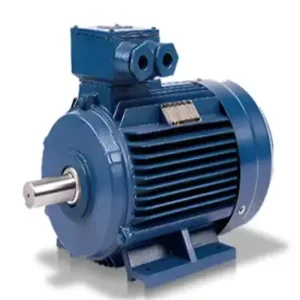
Xi’an Lite SIMO Motor Co., Ltd (LITESIMO) stands as a prominent pillar in the Chinese mechanical and electrical manufacturing sectors. Established under state direction in 1955, our organization has spent over 68 years refining the design, manufacture, and deployment of large, medium, and heavy-duty electric motor systems.
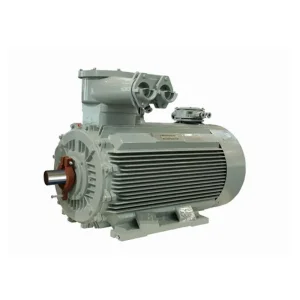
Our core capabilities stretch across complex mechanical processing, high-precision custom mold creation, robust system assembly, and full-stack product development. As industrial operations globally target decarbonization and energy performance metrics, LITESIMO delivers engineered synchronous and asynchronous AC/DC motor platforms designed to function under severe conditions. Our heavy industrial units range from low-voltage high-efficiency solutions to high-voltage, explosion-proof models that power critical sectors worldwide.
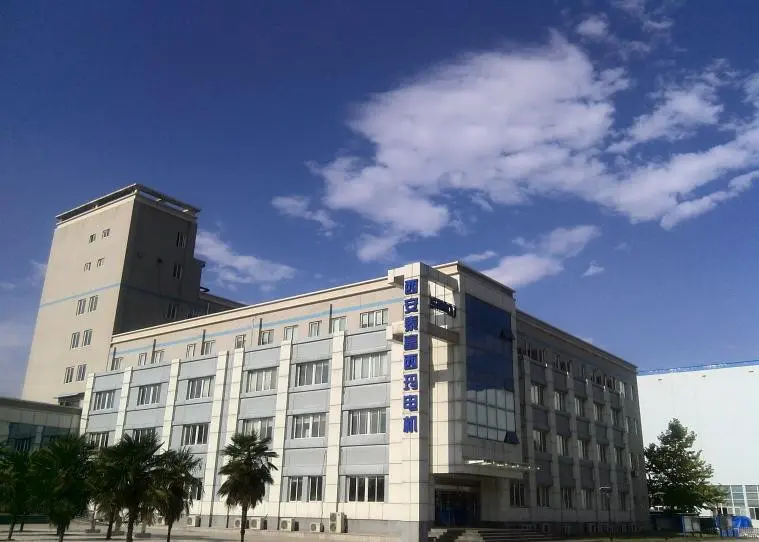
Decades of development backed by engineering power and large-scale industrial infrastructure.
Understanding electromagnetic mechanisms, slip characteristics, and dynamic load adaptability for industrial planning.
In modern industrial applications, selecting the appropriate motor topology is critical for maximizing power density, optimizing energy usage, and reducing operating costs. The primary choice generally lies between Three-Phase Asynchronous Induction Motors and Three-Phase Synchronous Motors. While both rely on AC stator designs to generate a rotating stator magnetic field, their rotor mechanics, excitation structures, and operational behaviors vary significantly.
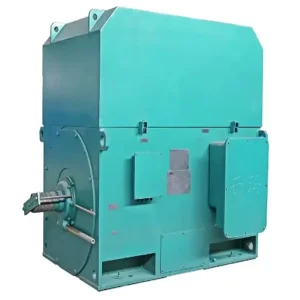
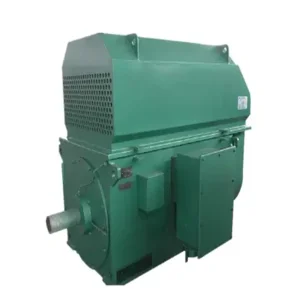
Induction motors rely on electromagnetic induction to generate rotor current. The rotor rotates at a speed slightly lower than the stator field (known as slip). These machines are valued for their simplicity, mechanical durability, and self-starting properties. Our YX, YXKK, and YXKS high-voltage series deliver high reliability under heavy mechanical starts.
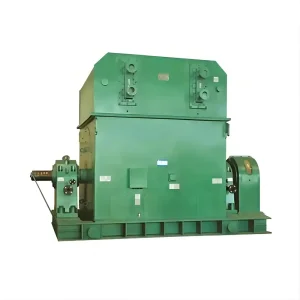
Synchronous motors operate at synchronous speed, locking the rotor in phase with the rotating magnetic field. Running without slip, these systems are useful for low-speed, high-torque applications. The T, TD, TK, and TDMK series can run with a leading power factor, providing reactive power compensation to improve plant electrical efficiency.
Selecting between technologies depends on load profile, speed requirements, and efficiency goals. Utilizing high-performance induction options like the YE4 (IE4) and YE5 (IE5) series helps reduce electrical losses, enabling companies to meet modern emissions and efficiency standards.
| Motor Series Class | Technological Classification | Typical Voltage Rating | Power Output Range (kW) | Key Industrial Applications |
|---|---|---|---|---|
| YX / YXKK / YXKS | High-Voltage Asynchronous Motor | 6kV - 10kV (AC) | 220kW - 25,000kW | Heavy-Duty Water Pumps, Industrial Blowers, Compressing Stations |
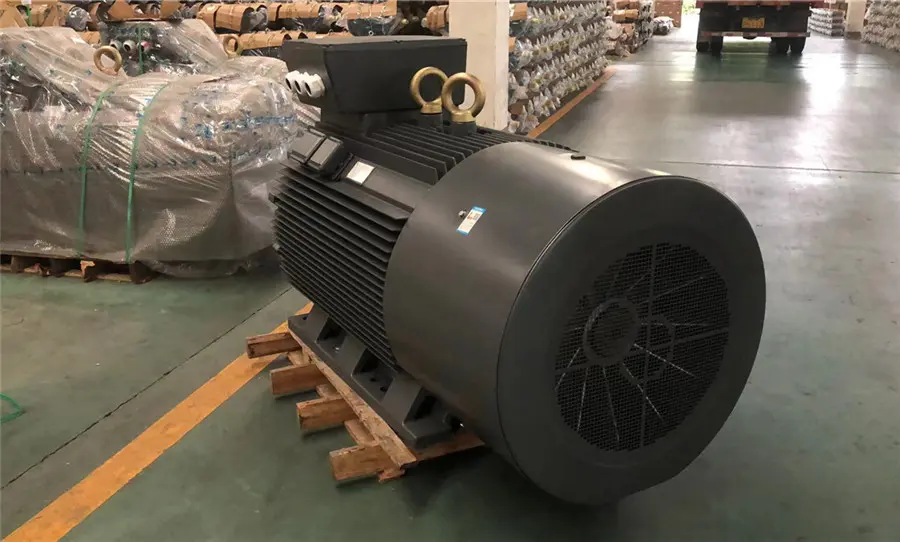
| YE3 / YE4 / YE5 | Ultra-High Efficiency Induction Motor | 380V - 660V (AC) | 0.35kW - 1,000kW | Manufacturing Plants, Material Conveying, Factory Machinery |
| TDMK / T / TD / TK | AC Three-Phase Synchronous Motor | 3kV - 10kV (AC) | 200kW - 20,000kW | Heavy Grinding Mills, Mine Crusher Systems, Reciprocating Compressors |
| YVFE3 / YVFE4 / YVFE5 | Variable Frequency AC Induction Motor | 380V - 10kV (AC) | 0.55kW - 15,000kW | Variable Speed Draft Fans, Dynamic Load Pumps, Process Control |
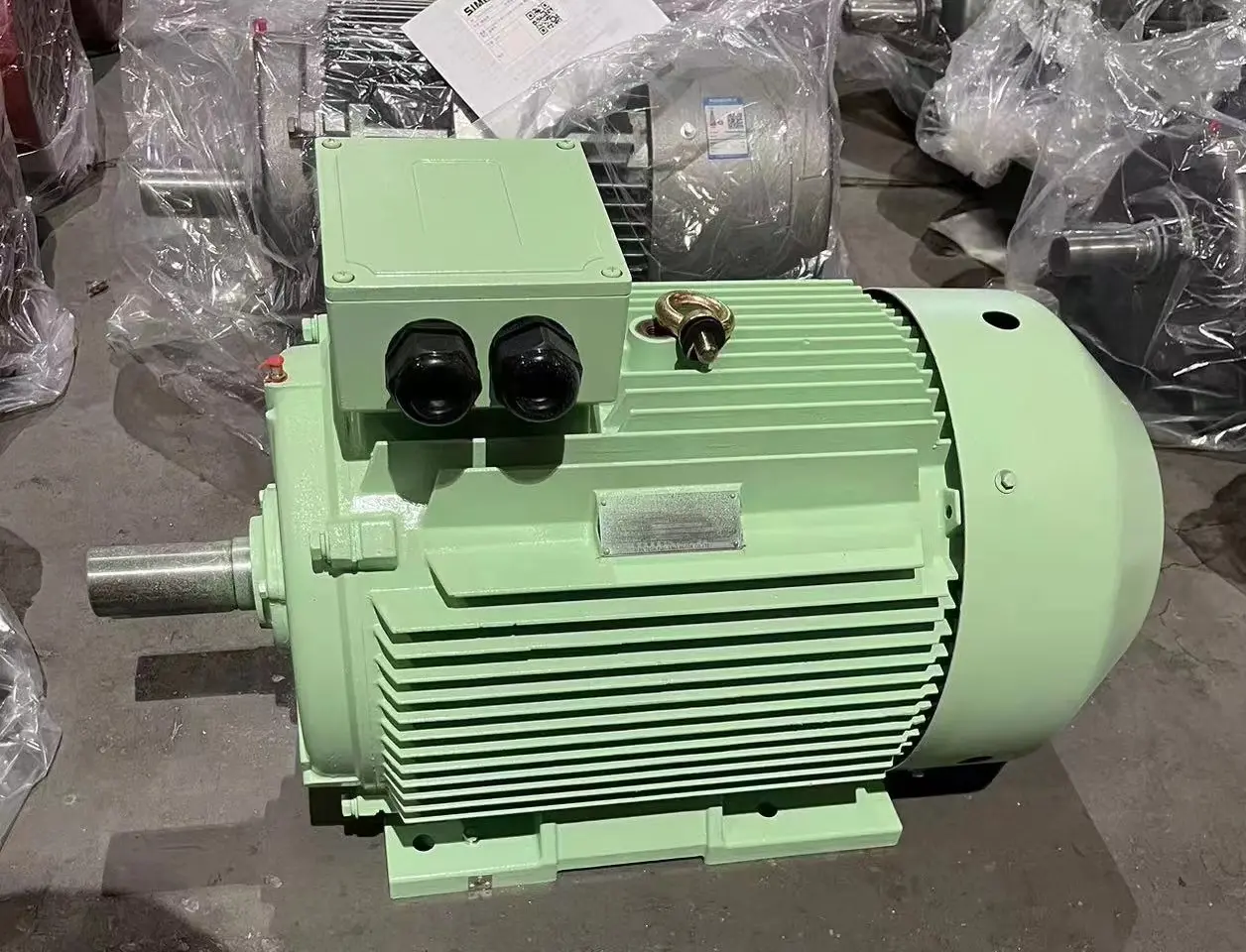
| YBX3 / YBX4 / YBX5 | Explosion-Proof Asynchronous Motor | 380V - 10kV (AC) | 0.55kW - 5,000kW | Coal Mines, Petrochemical Refineries, Dust-Prone Silos |
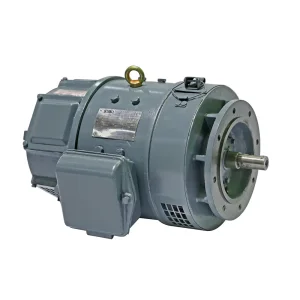
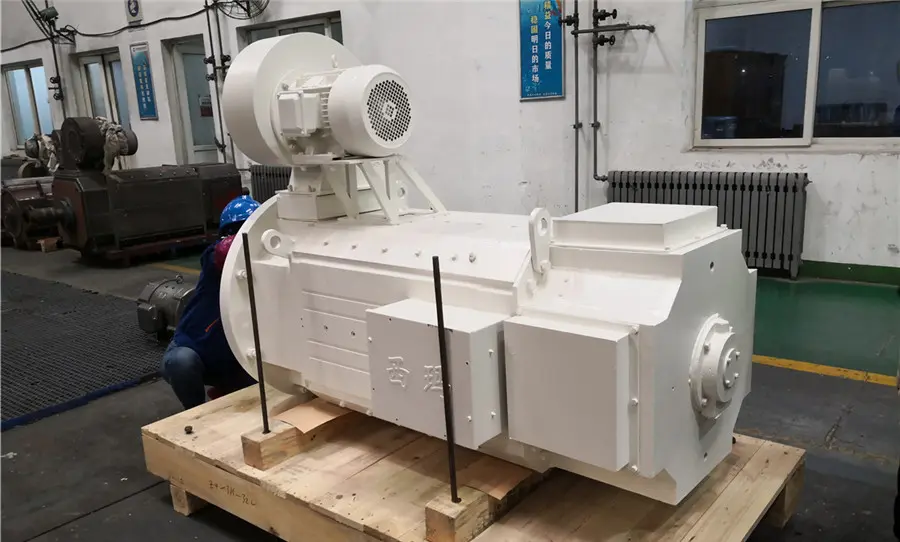
| Z2 / Z4 / Z Series | Heavy Industrial DC Motors | 110V - 1,000V (DC) | 0.55kW - 3,000kW | Metal Rolling Mills, Extruders, Marine Propulsion, Heavy Hoists |
A history of engineering growth from a regional workshop to a global industrial manufacturer.
Founded under government direction to build heavy electric machinery for national infrastructure.
Relocated to a dedicated plant in Xi'an, establishing a base for electrical engineering research.
Renamed to Xi'an Motor Factory following state-led mergers, consolidating mechanical production capacity.
Reformed from a state-owned factory into a limited liability company to better serve international commercial markets.
Formed the SIMO Motor Group, expanding corporate structure to include 14 specialized subsidiaries.
Moved operations to a modern plant in the Xi'an High-Tech Zone, upgrading production lines with CNC machines and VPI treatment centers.
Rebranded as Tech Full Simo Motor, expanding technical support channels for export markets.
Expanding the reach of high-efficiency asynchronous and synchronous motor lines to industrial operations worldwide.
Combining technological integration and raw material supply chain control to deliver cost-effective, high-performance motors.
International buyers selecting motor manufacturers face the challenge of balancing production cost with long-term mechanical reliability. LITESIMO operates a manufacturing system that integrates China's industrial supply chain advantages with rigorous quality control, providing competitive pricing on premium high-voltage and high-efficiency motors.
Our production environment integrates several core components to maintain performance standard while managing costs:
By coupling advanced manufacturing technology with efficient logistical infrastructure, LITESIMO delivers reliable industrial motors that meet international efficiency requirements, offering a cost-effective alternative for global operators.
Engineered to operate reliably under extreme conditions in critical sectors worldwide.
Grinding mills, crushers, and conveyors require massive start-up torque and continuous operation under dust-heavy conditions. Our specialized TDMK series synchronous motors are built to provide high mechanical stability and power factor control, reducing utility charges in large-scale mines.
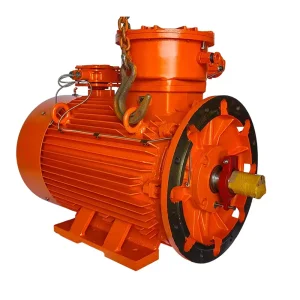
Refineries and gas handling lines require equipment that mitigates explosion hazards. Our explosion-proof YBK3 (underground coal) and YFB3/YFB4 (dust explosion-proof) asynchronous motors feature reinforced enclosures that contain internal failures, ensuring plant safety under explosive atmospheres.
Continuous municipal water distribution and drainage require motor drives with high operational uptime. Our YKS and YKK high-voltage AC motors offer specialized air-to-air cooling options (IC611) and weather protection enclosures (IP54/IP55) to maintain reliability under variable ambient conditions.
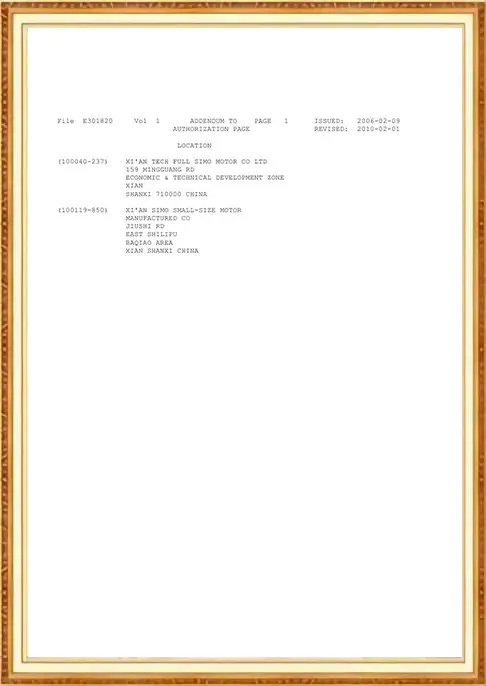
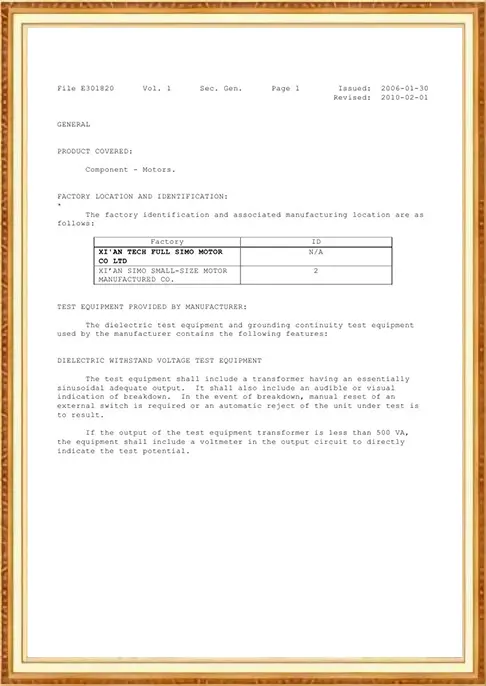
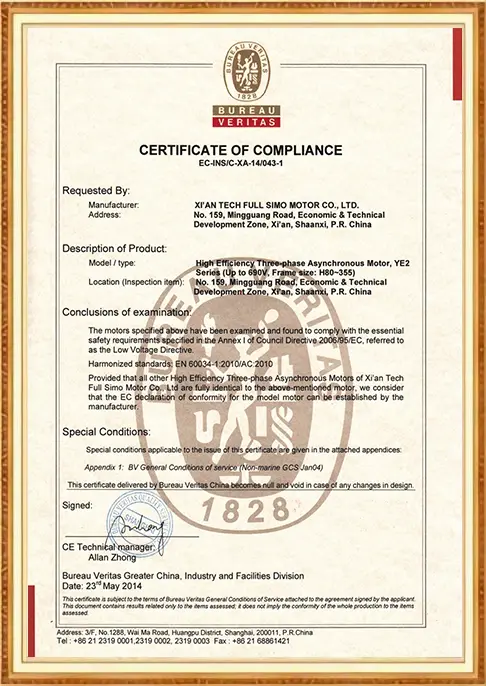
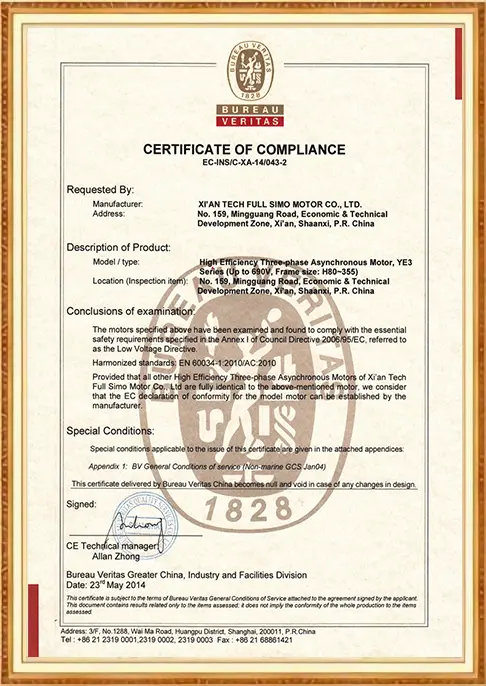
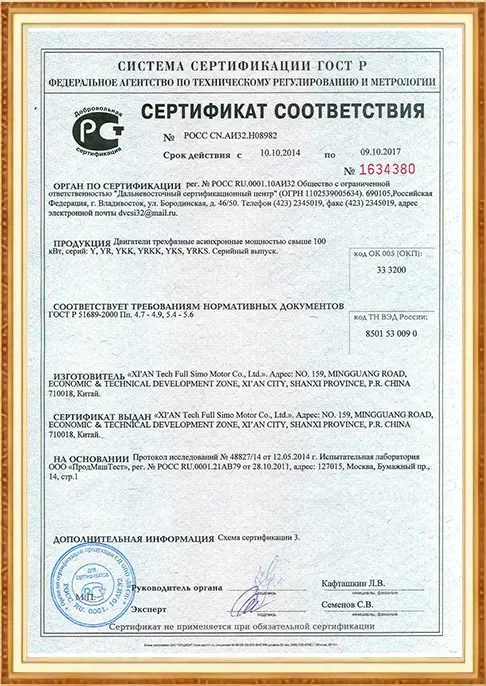
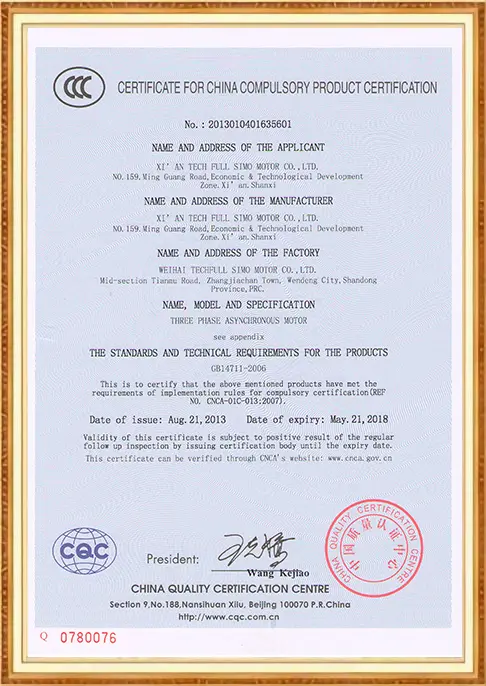
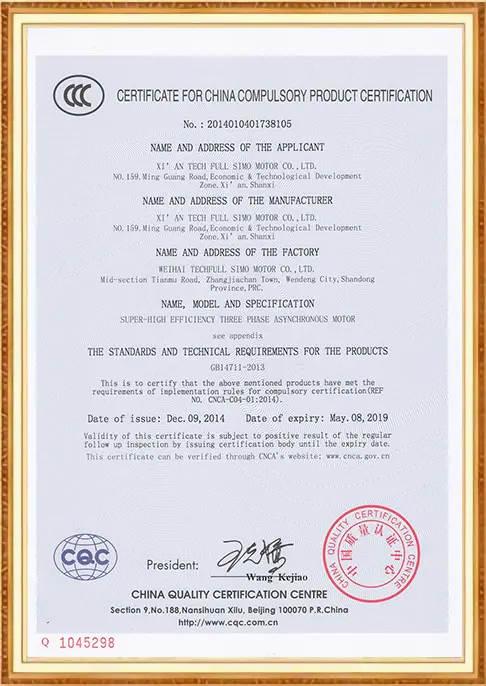
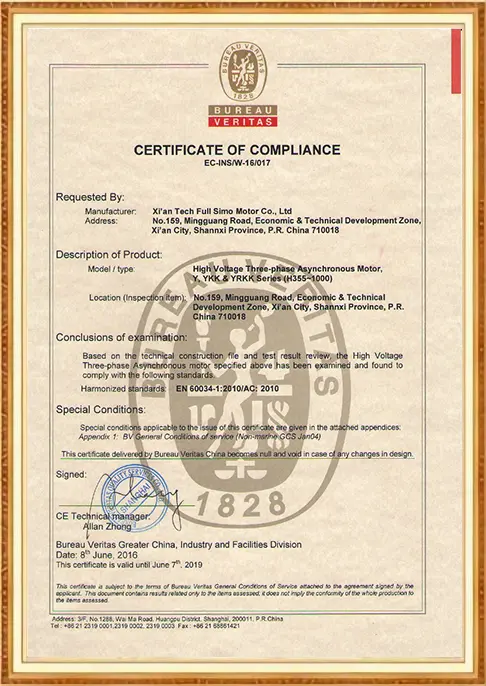
Our motors are verified against global technical standards to ensure compliance with municipal and industrial requirements.
LITESIMO maintains an ISO9001 certified quality management system across our design, manufacturing, and servicing operations. To support international deployment, our motor lines carry certificates of compliance for major regional import markets, including EU "CE" markings, US "UL" approvals, and Russian "GOST" certificates. Our engineering teams design and build machines to meet IEC standards, ensuring integration into existing industrial power grids worldwide.
Technical details on design selection, manufacturing standards, and commercial procurement.
These motor series vary primarily in cooling configuration and enclosure design to suit different operating environments:
For heavy industrial mills (such as ball mills in mineral processing), a TDMK series synchronous motor is often selected over induction models for several key reasons:
Our motors feature Class F insulation (rated for 155°C) with Class B thermal rises (limited to 130°C) to provide a safety margin for thermal stress. The stator winding undergoes Vacuum Pressure Impregnation (VPI), which removes air pockets within the windings and seals them against moisture, chemical vapors, and dust, ensuring reliable operation in tropical climates.
Upgrading to YE4 (IE4 compliance) and YE5 (IE5 compliance) three-phase induction motors reduces electrical energy losses, lowers operating temperatures, and extends insulation and bearing lifetimes. These efficiency improvements help reduce lifetime operating costs in continuous running applications like municipal water pumping and ventilation systems.
Yes, LITESIMO offers customization for our motor platforms. Our team of 260 engineers can modify mounting footprints, supply special double-shaft extensions, integrate specialized RTD thermal sensors and space heaters, or adapt terminal boxes to match existing plant cabling configurations.
Browse our selection of specialized DC motors, explosion-proof units, and synchronous assemblies for industrial integration.
 Lite Simo