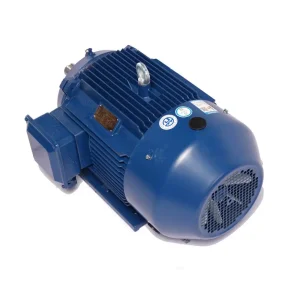
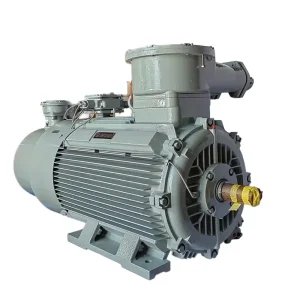
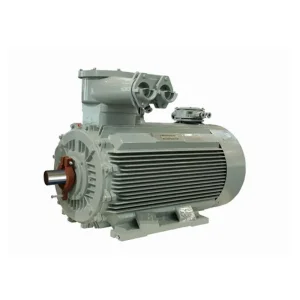
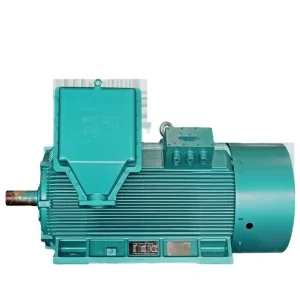
In the realm of advanced industrial automation, the decoupling of motors and variable frequency drives (VFD) is rapidly becoming obsolete. Next-generation systems mandate a unified, cohesive drive design.
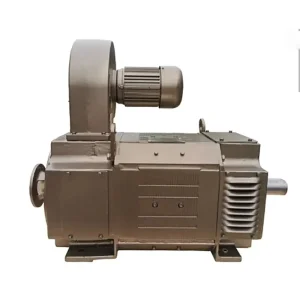
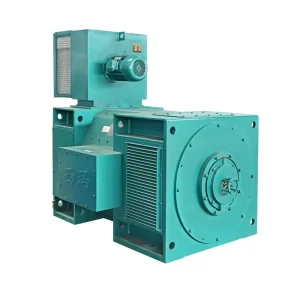
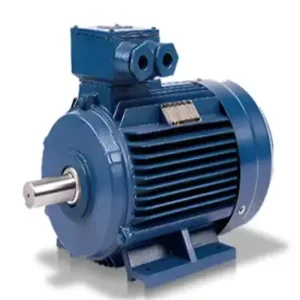
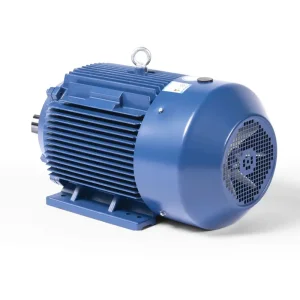
An Integrated VFD Motor consolidates the power electronics of the variable frequency drive directly with the mechanical frame of the electric motor. This structural optimization eliminates long run cable installations, mitigates high-frequency electromagnetic interference (EMI), and reduces installation and maintenance costs.
By bypassing the need for remote drive cabinets, plants can reduce footprint by up to 40% while enhancing electrical stability. High-performance microprocessors built into the motor terminal house monitor temperature, load fluctuation, and phase balance in real-time, executing adjustments with milliseconds of latency.

Xi'an Lite SIMO Motor Co., Ltd. Advanced Manufacturing Base
China has evolved from a high-volume manufacturing center to a global powerhouse in precision power electronics and advanced motor design. Sourcing from top-tier Chinese factories yields structural benefits:
From rare-earth permanent magnets (NdFeB) to silicon steel laminations and IGBT chips, the raw materials and electronics are concentrated within key industrial clusters, drastically lowering lead times and material costs.
Chinese factories are uniquely set up to pivot designs dynamically. Whether you require custom frame lengths, specialized shaft materials (e.g., Duplex Stainless Steel), or specific communication protocols (Modbus, Profinet, EtherCAT), engineering teams resolve blueprints rapidly.
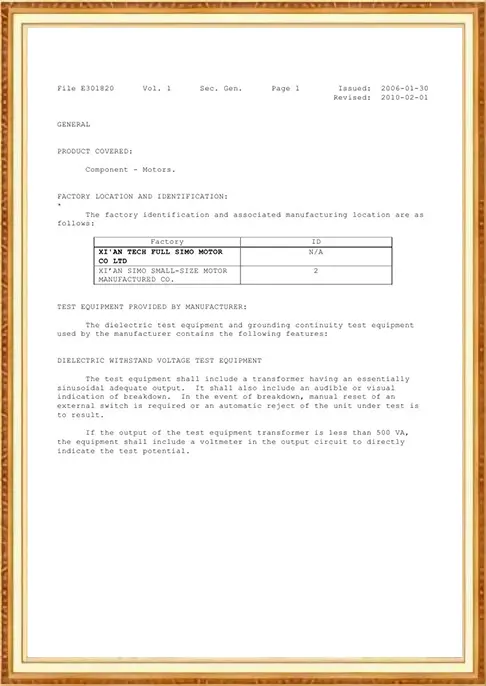
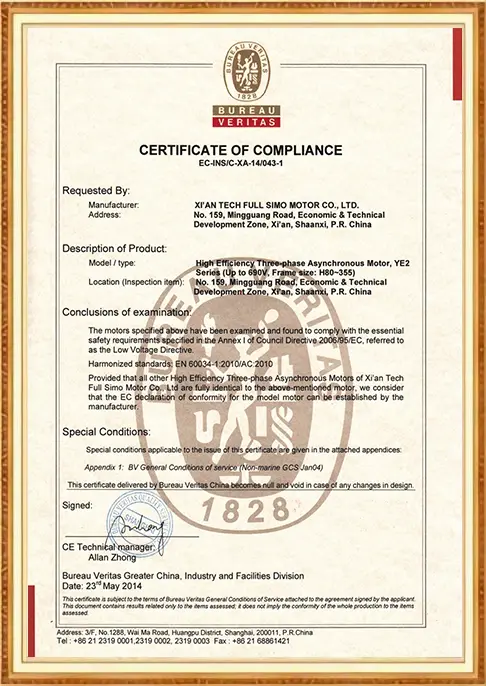
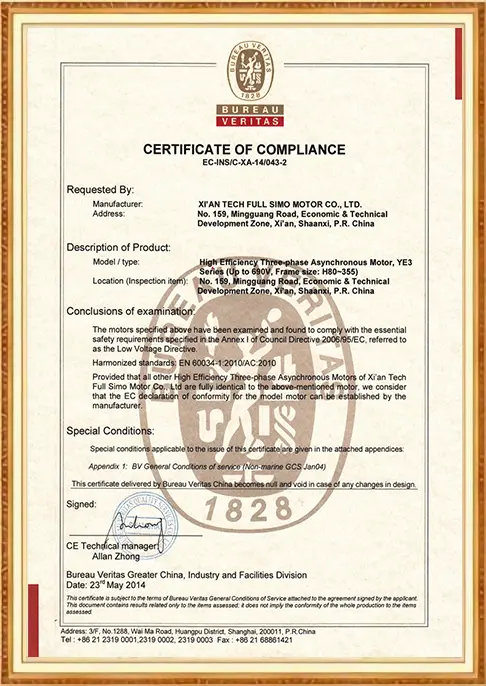
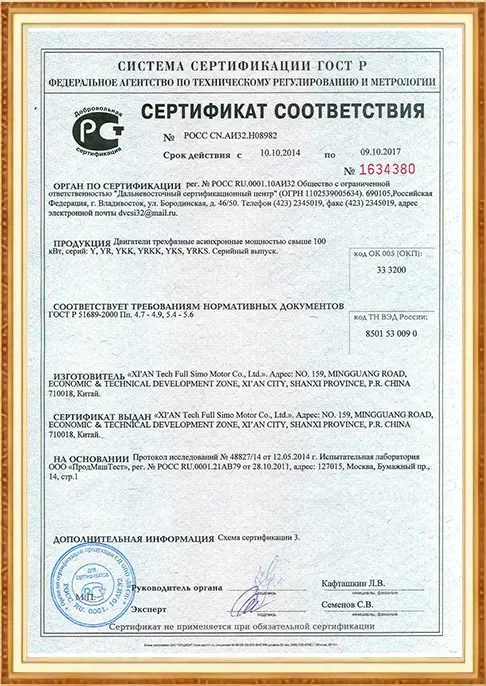
Modern Chinese suppliers run massive, fully automated testing centers. Motor dyno testing, thermal imaging, insulation partial discharge analysis, and vibration measurements are completed under load to guarantee 100% compliance with CE, UL, and GOST standards.
SIMO Motor established and led by the state government, introducing core electric motor manufacturing lines to northwestern China.
Relocated to the newly constructed, dedicated plant in Xi'an City, expanding heavy industrial production capacity.
Renamed officially to Xi'an Motor Factory after a series of strategic state acquisitions and structural integrations.
Successfully reformed from a state-owned factory into a limited liability company, unleashing technological innovation capabilities.
SIMO Motor Group established, organizing 14 specialized subsidiaries under one core brand to optimize supply efficiency.
Moved the entire infrastructure to a newly built, high-tech industrial park equipped with advanced machining tools.
Rebranded to Tech Full Simo Motor, aligning the enterprise with international markets and high-efficiency systems.
Consolidated its ranking among the top electric motor manufacturers, advancing into intelligent permanent magnet motors and integrated VFD drives.
Electric drives are no longer simple power conversion boxes. They are turning into intelligent network nodes. Watch out for these three major trends driving the market forward:
Combining VFDs with permanent magnet motors yields unmatched low-speed torque profiles and allows drives to maintain efficiency levels matching IE5 standardizations. This setup minimizes rotor loss and permits compact frame dimensions.
Modern integrated VFD motors feature vibration, pressure, and winding temperature sensors. Smart algorithms analyze this telemetry data to predict bearing failure or winding short circuits, sending warnings over wireless clouds before costly breakdowns occur.
Transitioning from silicon-based IGBTs to Silicon Carbide (SiC) switches dramatically reduces switching losses, allowing higher frequencies (above 20kHz) without generating excessive heat. The result: incredibly small drive packages that mount effortlessly to motor housings.
SIMO's vast portfolio—covering 34 series, 1,800 varieties, and over 19,500 individual specifications ranging from 0.35kW to 25,000 kW—powers critical infrastructure worldwide.
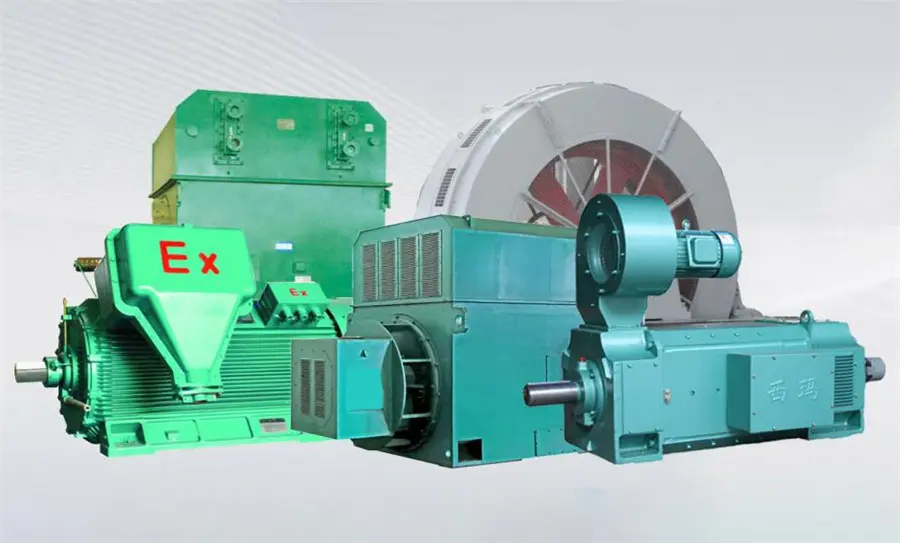
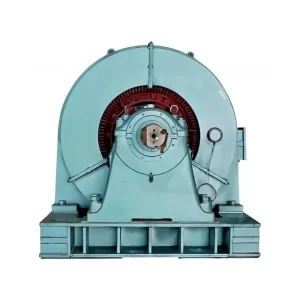
High-torque starting conditions are standard in minerals processing. SIMO's TDMK Series AC three-phase synchronous motors and heavy-duty wound rotor YR/YRKK induction motors provide high starting torque with low starting currents. Combined with robust frequency regulation, they ensure conveyor belts, crushers, and ball mills operate continuously, preventing grid strain.
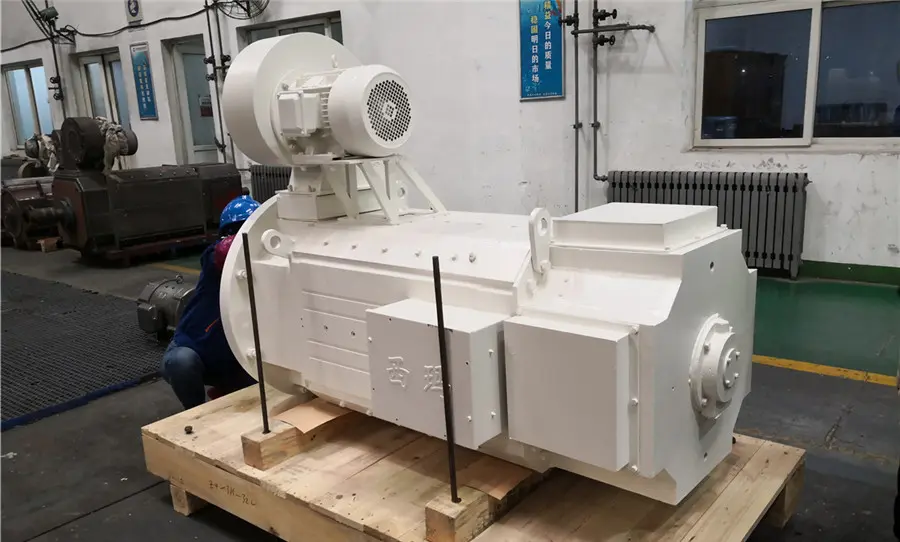
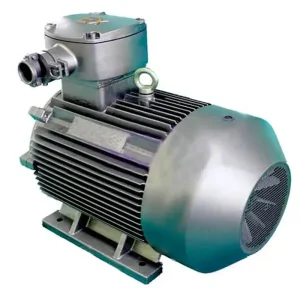
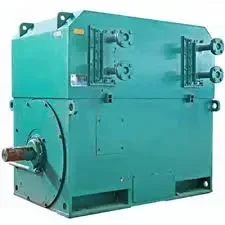
Safety is non-negotiable in environments laden with volatile gases or combustible dust. The YBX3, YBX4, and YBX5 Series explosion-proof low/high-voltage motors, along with the YFB3/YFB4 Dust Explosion-Proof series, protect oil rigs, refineries, and chemical plants. Integrated with variable speed controls, they regulate ventilation blowers, high-pressure pumps, and compressors safely.
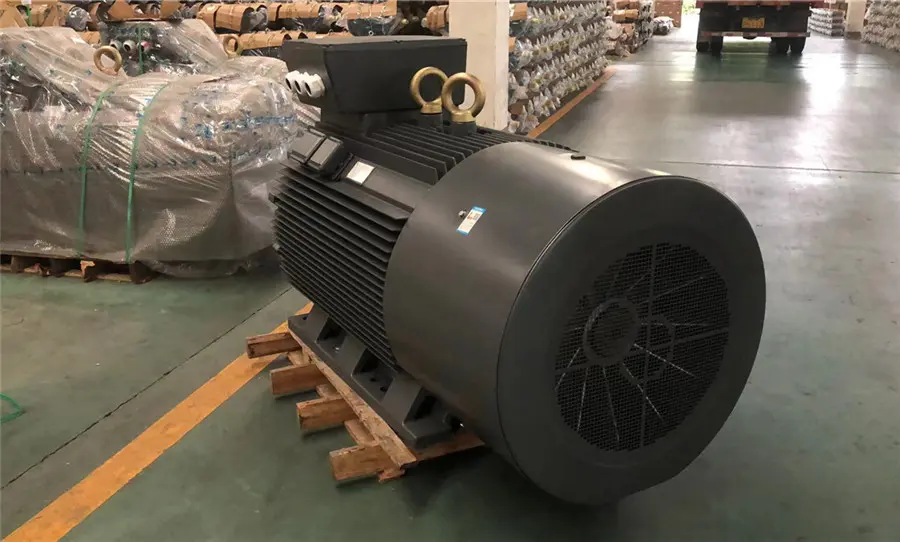
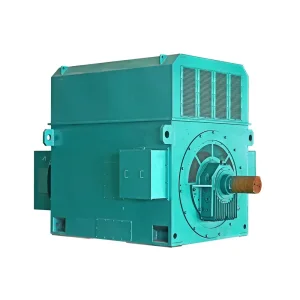
Municipal water supplies, cooling towers, and agricultural irrigation grids demand absolute reliability. SIMO's YE4 & YE5 Ultra-Premium Efficiency series, paired with YVFE3/YVFE4/YVFE5 high/low-voltage variable frequency motors, adjust dynamically to volumetric flow demands, cutting electrical usage up to 30% relative to fixed-speed throttles.
This reference table outlines the critical electrical and mechanical design ranges offered for industrial customization:
| Motor Series | Voltage Range | Power Output (kW) | Speed Control (RPM) | Insulation / IP Rating | Main Application Scenarios |
|---|---|---|---|---|---|
| YVFE3 / YVFE4 / YVFE5 | 380V - 1140V (Low V) | 0.55 - 1200 kW | 150 - 3000 RPM | Class F/H, IP55 / IP56 | Industrial fans, compressors, high-efficiency pumps |
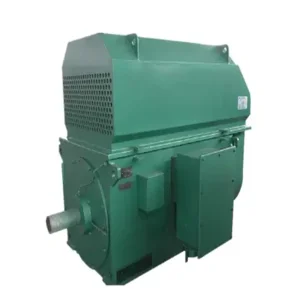
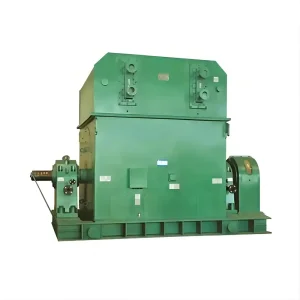
| YXKK / YXKS (High Volt) | 6kV / 10kV / 11kV | 220 - 25000 kW | 375 - 1500 RPM | VPI Class F, IP44 / IP54 | Water conservancy pumps, steel mill blowers, power plant fans |
| YBX4 / YBX5 (Ex d) | 380V - 10000V | 0.18 - 3000 kW | 500 - 3000 RPM | Class F, IP55 (Ex d IIC T4) | Petrochemical pumps, oil refineries, coal mines, hazardous areas |
| TDMK / T Series | 380V - 10000V | 200 - 10000 kW | 100 - 500 RPM (Low Speed) | Class F, IP00 / IP23 / IP54 | Heavy mine ball mills, rod mills, reciprocating compressors |
| Z4 / Z Series (DC) | 160V - 440V - 1000V | 1.5 - 4500 kW | Variable range | Class F, IP21S / IP44 | Extruders, paper mills, metal shearing machines, marine propulsions |
When procuring integrated VFD systems for multi-national projects, buyers must verify critical factors to ensure field compatibility and system longevity:
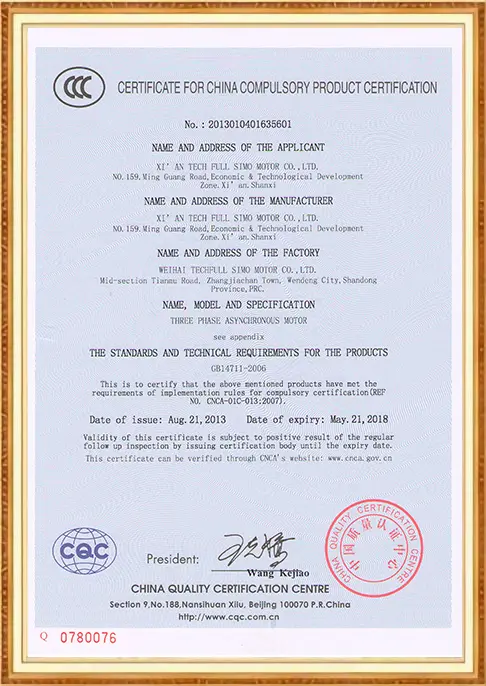
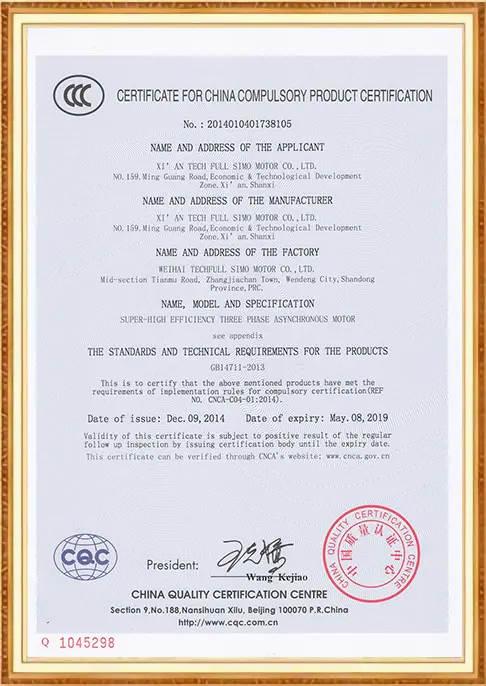
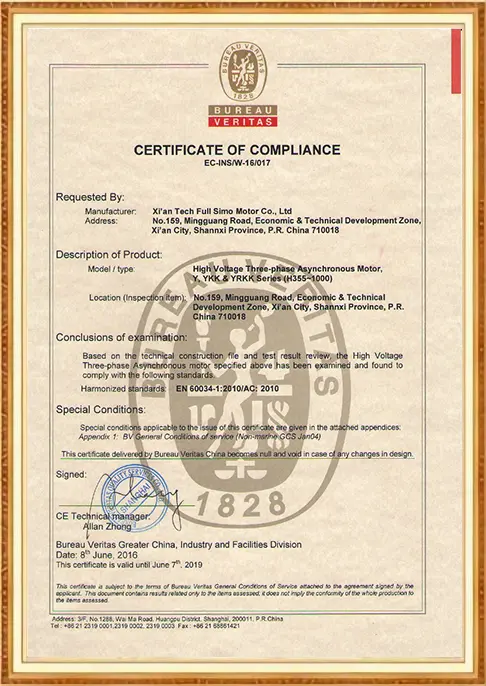
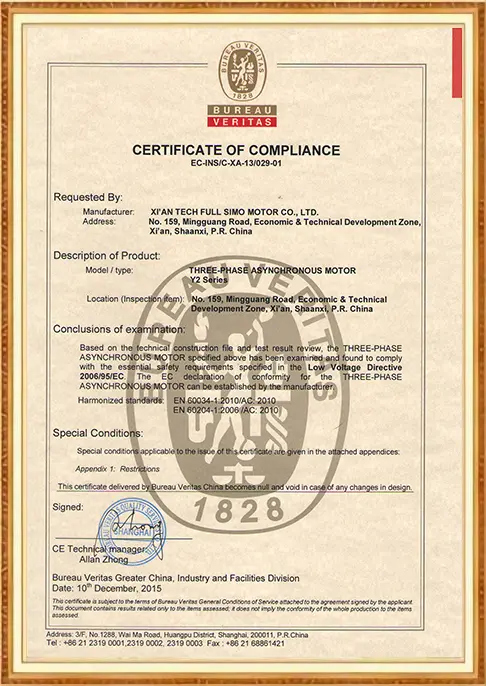
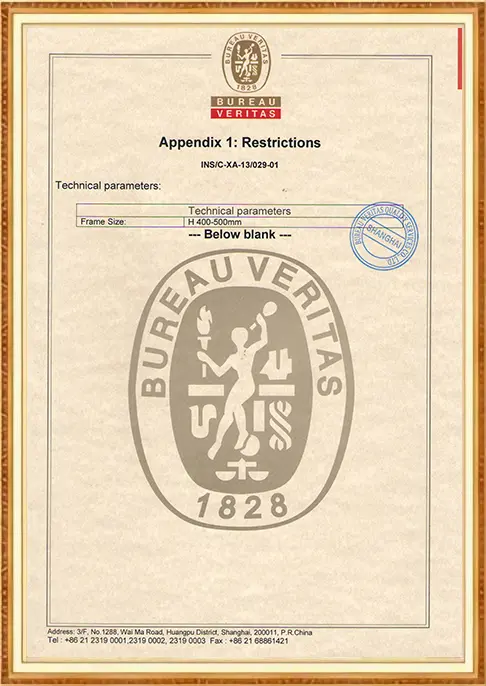
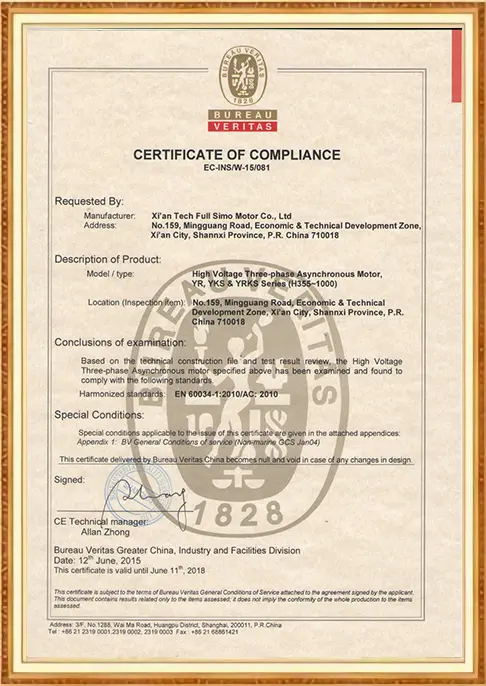
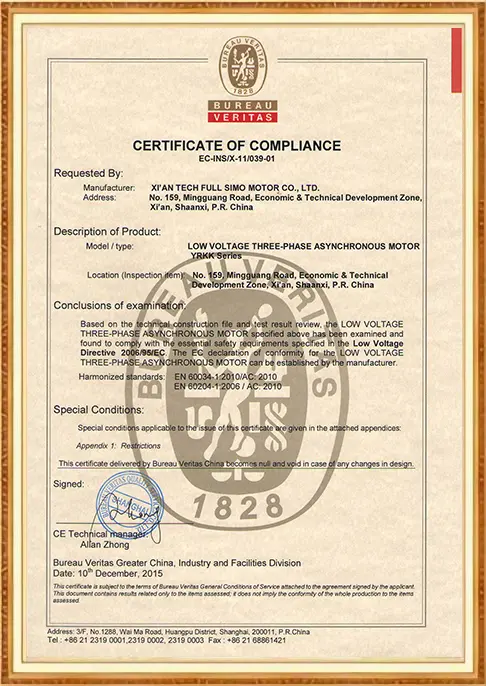
SIMO is ISO9001 quality system certified, EU "CE", US "UL", and Russian "GOST" compliant. Our products undergo rigorous testing and are used in critical sectors globally.
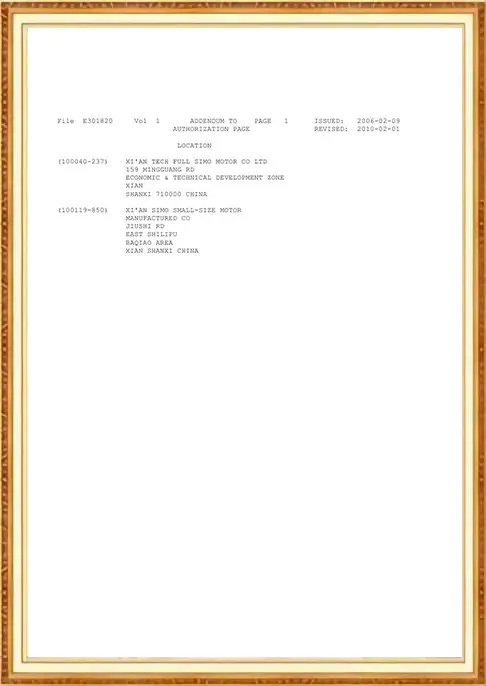
Get professional answers to common technical queries regarding variable frequency drives and motor integration.
 Lite Simo