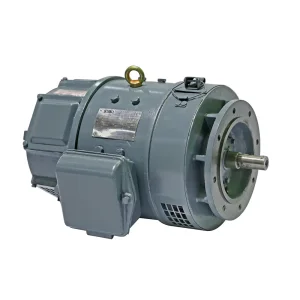
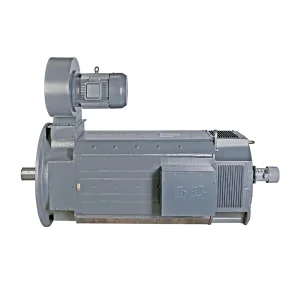
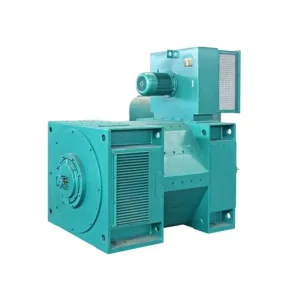
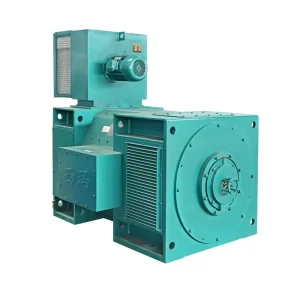
Discover our high-efficiency industrial motors equipped with state-of-the-art rotor systems
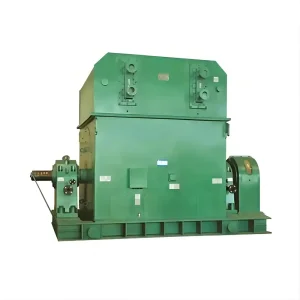
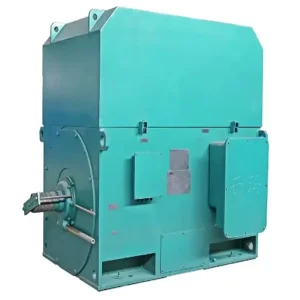
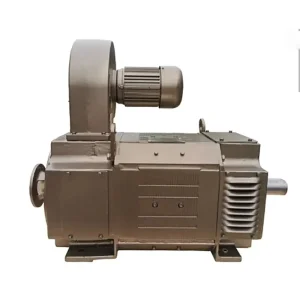
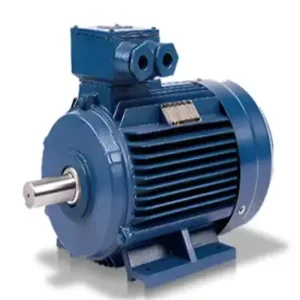
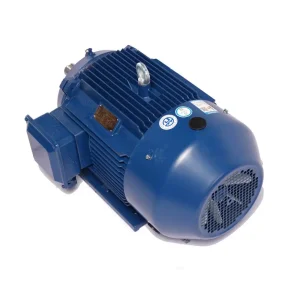
The Squirrel Cage Type Rotor is the mechanical heartbeat of the three-phase induction motor, representing one of the most significant engineering breakthroughs in industrial power transmission. Consisting of highly conductive rotor bars (typically cast aluminum or fabricated copper) short-circuited at both ends by heavy rings, this rotor type derives its name from its structural resemblance to a rodent exercise wheel. In modern rotating machinery design, optimization of the squirrel cage rotor configuration is critical to resolving the trade-offs between starting torque, operational efficiency, dynamic slip, and thermal distribution.
"By employing advanced Finite Element Analysis (FEA) and computational electromagnetic modeling, modern manufacturers configure rotor slot shapes, skew angles, and bar metallurgy to dramatically reduce harmonic losses, parasitic torques, and structural vibration."
When selecting a rotor type, electrical design engineers focus intensely on slot geometry. Deep-bar rotors and double-cage rotors are engineered to exploit the electromagnetic "skin effect." During high-slip startup sequences, the current is forced to flow in the outer, higher-resistance sections of the rotor bars, generating critical high starting torque with restrained inrush currents. As the rotor accelerates and matches its operating speed, the slip frequency falls, distributing the current evenly across the lower-resistance cross-section of the entire bar. This transition guarantees optimal efficiency and minimized thermal stress under continuous nominal loads.
Globally, the industrial sectors are transitioning through a rapid decarbonization phase, driven by stringent energy regulations like the European Union's Ecodesign Directives and the United States NEMA Premium efficiency guidelines. These regulatory framework revisions mandate a shift towards IE4 (Super Premium Efficiency) and IE5 (Ultra Premium Efficiency) electric motors. Because rotor losses (principally I²R Joule heating within the bars and end rings) represent up to 25-30% of total motor losses, optimizing the squirrel cage design is the primary vehicle for achieving IE5 benchmarks.
Historically, cast aluminum has dominated due to cost efficiency. However, the superior electrical conductivity of copper rotor bars reduces resistance losses, pushing motors into ultra-premium efficiency brackets (IE4 and IE5).
Advanced high-frequency harmonics generated by Variable Frequency Drives (VFD) place severe thermal stress on motors. Modern rotor cages are dynamically balanced and insulated to endure VFD transient voltages.
Engineering has shifted from empirical approximations to predictive digital mapping. Precise slot matching reduces electromagnetic torque ripple and high-pitch acoustic noise.
For B2B technical procurement managers, sourcing high-power induction motors requires deep verification of engineering parameters. Squirrel cage rotors must withstand mechanical stresses up to 150% of nominal speed, high thermal shock during frequent starting cycles, and corrosive atmospheres in heavy-duty sectors like chemical plants or deep-shaft mining. The critical purchasing checklist focuses on three pillars:
China's industrial motor manufacturing ecosystem has transitioned from low-cost scale production to highly integrated, digitally driven Smart Manufacturing (Factory 4.0). Xi'an, as a central technological hub in Northwestern China, hosts consolidated supply chains that offer high cost-efficiency, technical engineering depth, and robust logistical networks.
By leveraging localized supply chains for raw silicon steel sheets, advanced copper processing plants, and international logistics channels, Chinese motor factories minimize production lead times. Automation in rotor die-casting, CNC precision balancing, and automated robotic winding ensures identical quality across batch runs, matching or exceeding western standards while maintaining competitive total-cost-of-ownership (TCO) matrices.
Xi’an Lite SIMO Motor Co., Ltd is a premier manufacturer in the Chinese mechanical industry, specializing in the engineering and production of large/medium-sized, high/low voltage AC motors, DC motors, synchronous motors, and specialized explosion-proof motors. As a comprehensive engineering and manufacturing services supplier, SIMO integrates motor design, tooling fabrication, precision machining, automated coil assembly, and comprehensive system testing.
SIMO ranks at the top of China’s electrical motor manufacturing sector in terms of output capacity and scale of production. Through decade-long structural optimizations and integration, the company maintains a rapid development path, serving global heavy industries, marine fleets, power plants, and agricultural developments.

SIMO's R&D capabilities cover a broad range of rotating electrical machinery, comprising 34 major series, more than 1,800 varieties, and 19,500 distinct catalog specifications. The single-unit power ratings span from 0.35kW to 25,000 kW, providing options for low, medium, and high voltage drive configurations.
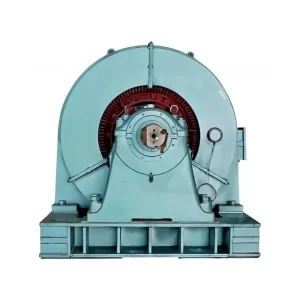
Our main motor products include: YX, YXKK, YXKS series high-voltage high-efficiency three-phase asynchronous motors; YR, YRKK, YRKS series wound rotor high-voltage motors; YE3, YE4, YE5 high-efficiency series asynchronous motors; YVFE3, YVFE4, YVFE5 series variable frequency and variable speed high/low voltage motors; YBX3, YBX4, YBX5 series explosion-proof high/low voltage three-phase asynchronous motors; T, TD, TK, TDMK series synchronous motors; TFW series large-size synchronous generators; and Z2, Z4, and Z series DC motors.
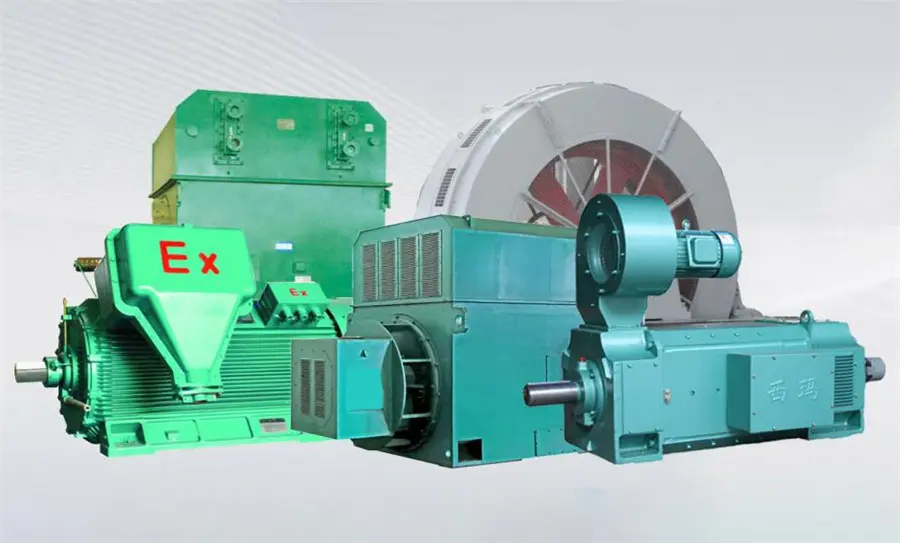
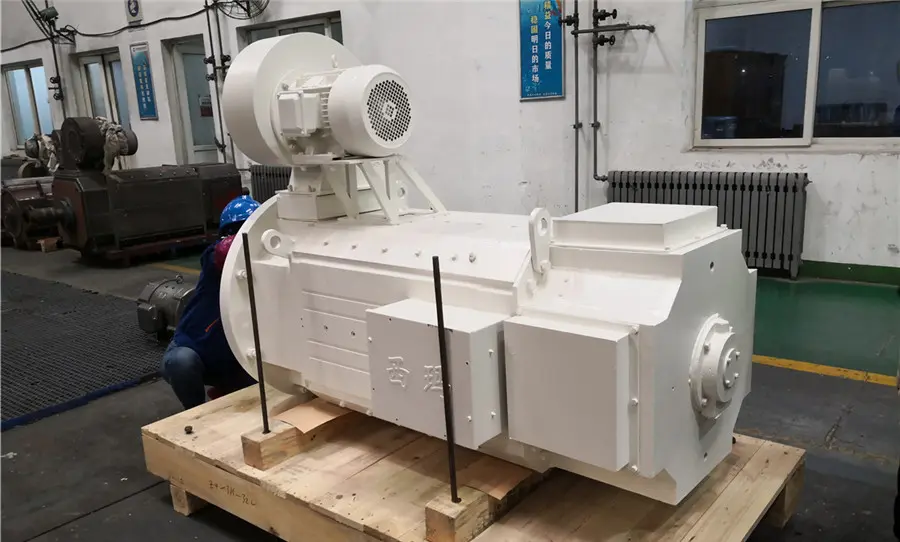
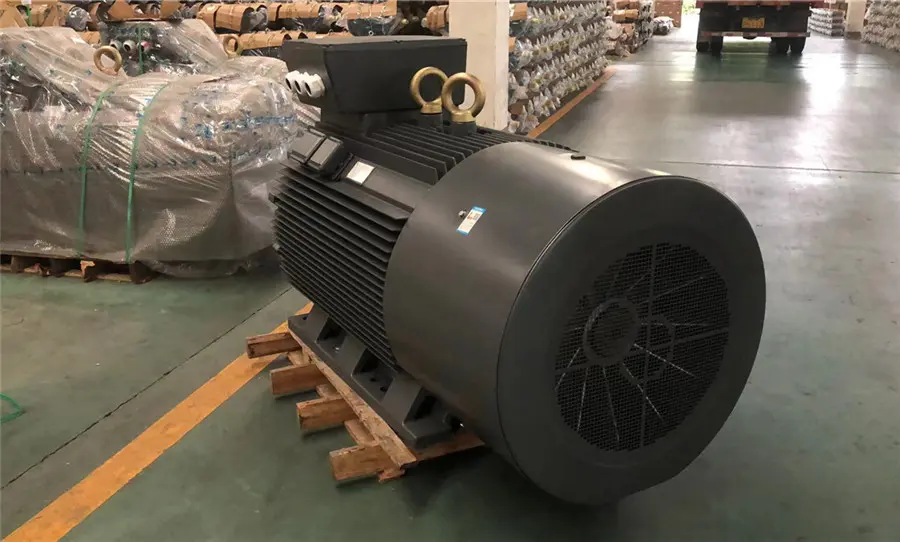
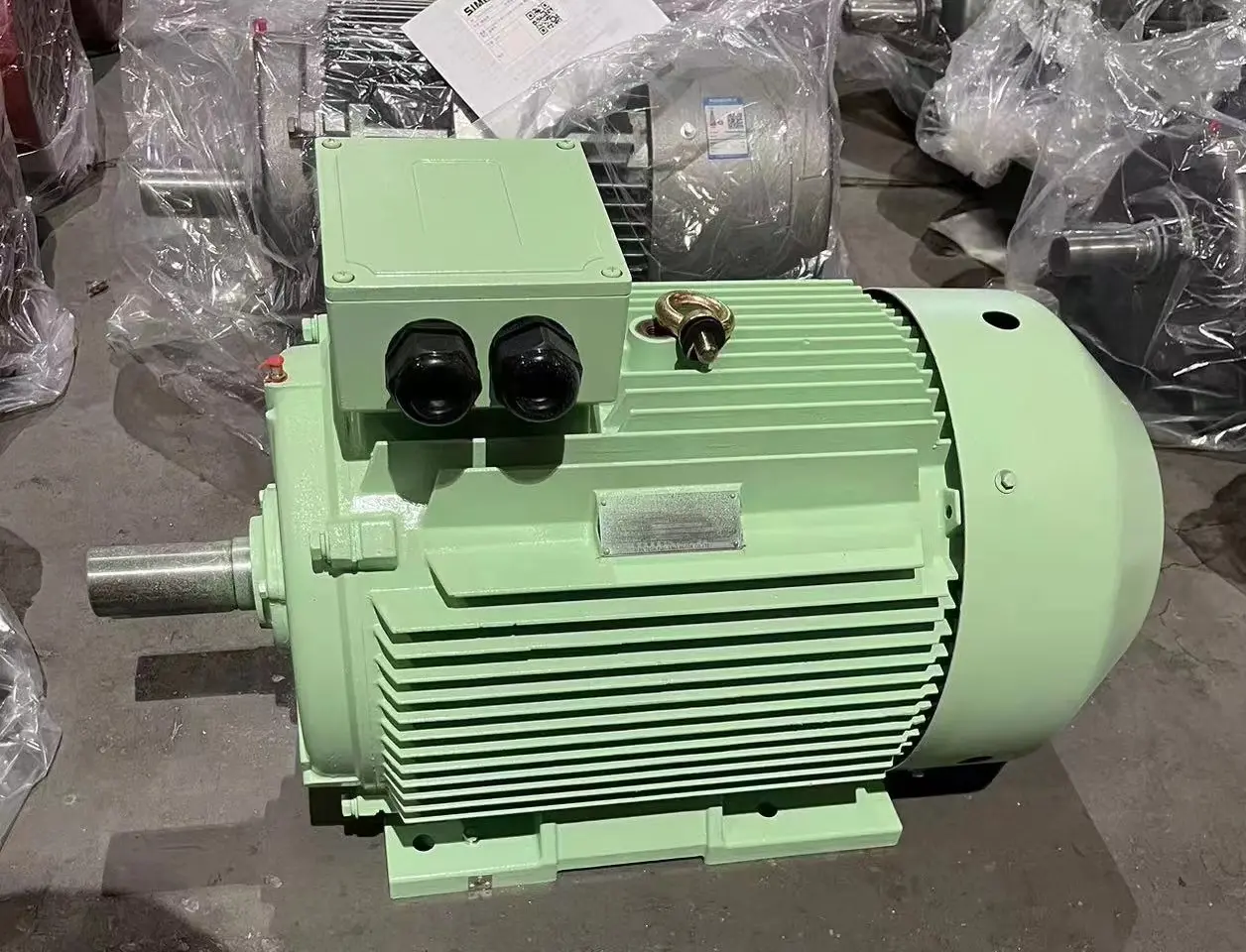
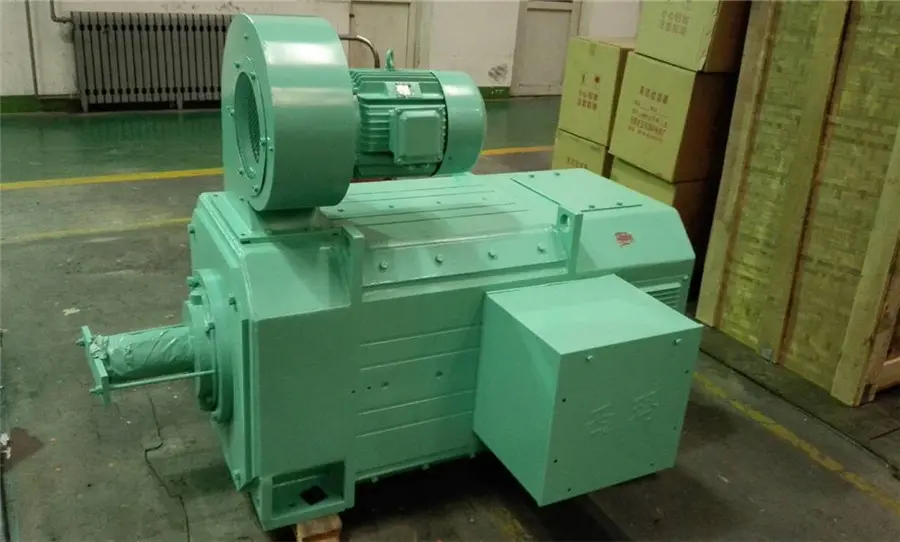
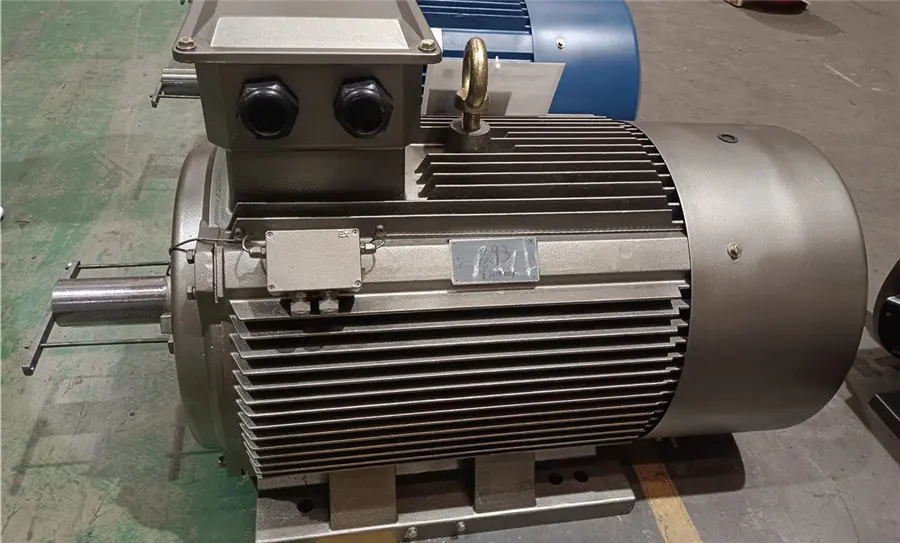
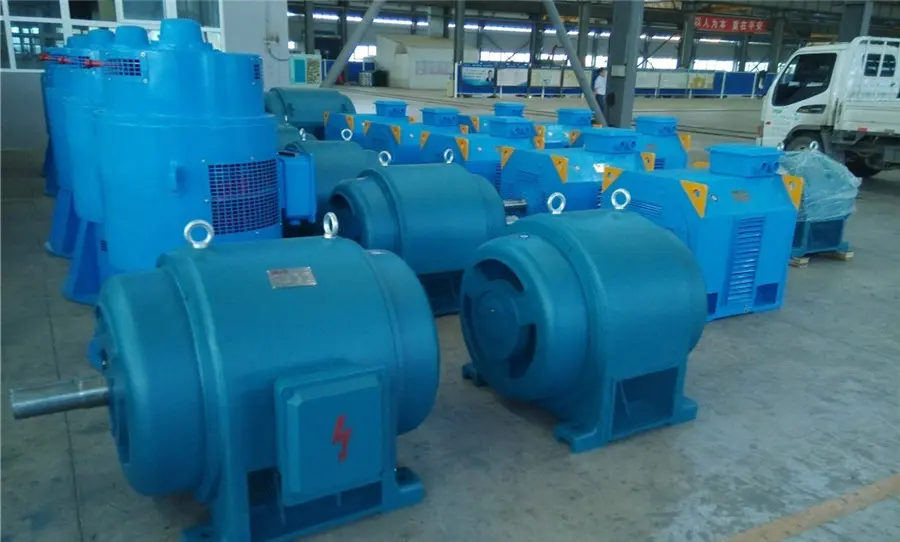
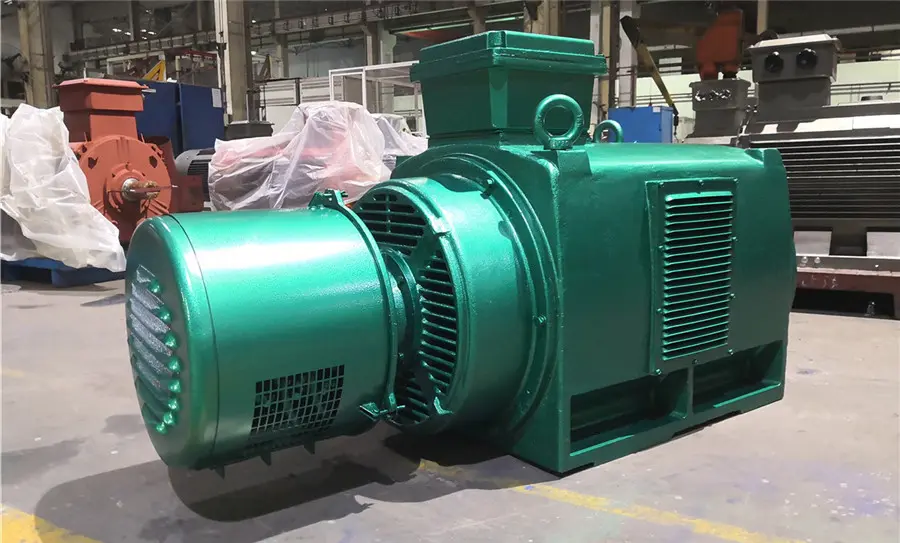
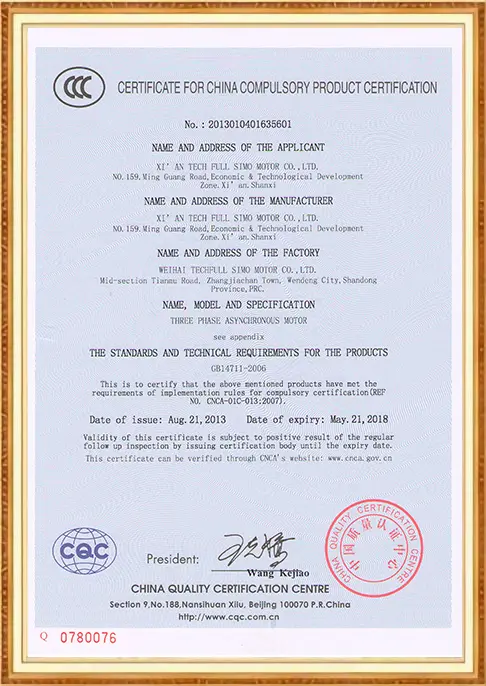
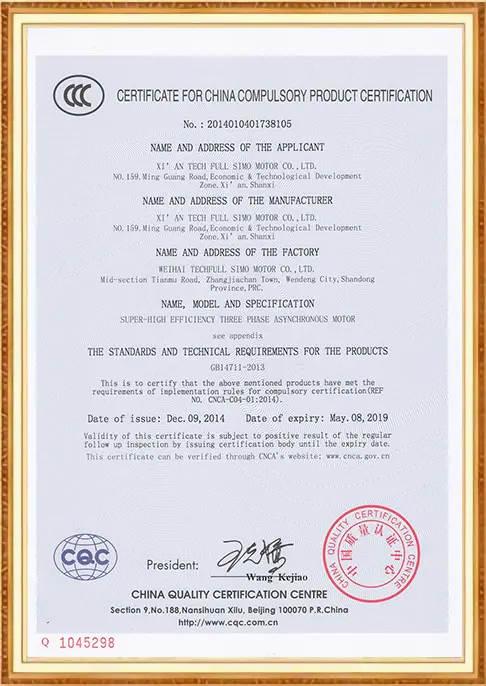
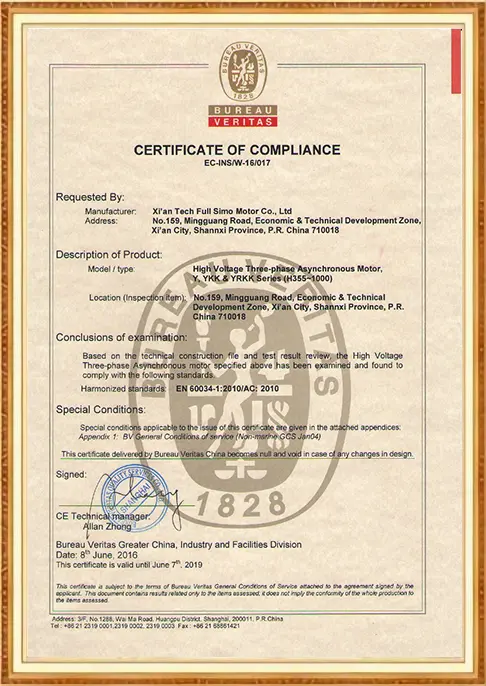
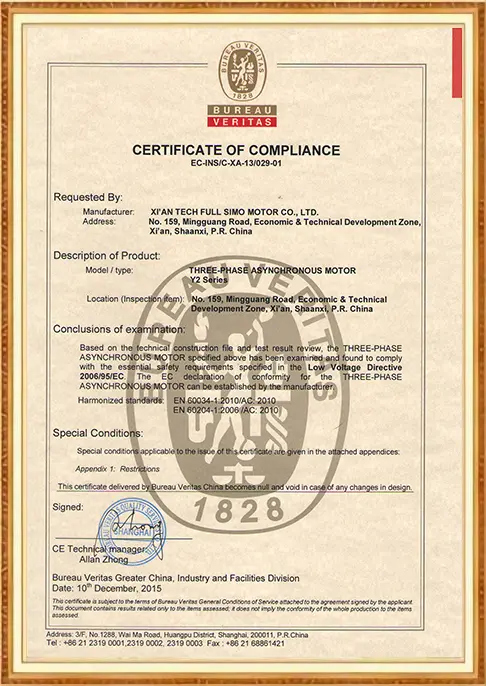
SIMO products conform to major international engineering standards and have obtained the following quality frameworks: ISO9001 Quality System Certification, EU CE mark, US UL certificate, and Russian GOST-R standard. Our industrial motors are deployed in coal mines, power generation facilities, deep-sea exploration vessels, iron and steel metallurgical centers, high-pressure agricultural irrigation projects, and chemical processing facilities globally.
Our squirrel cage induction motors are designed for specific industrial challenges:
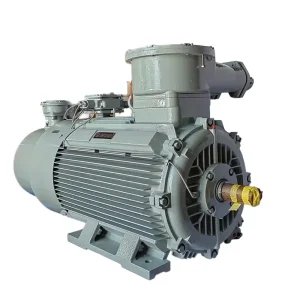
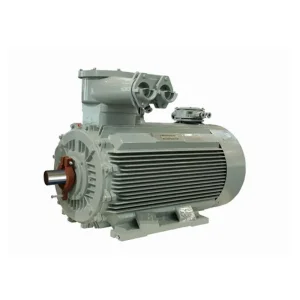
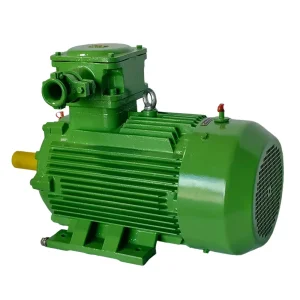
In environments containing volatile gases and dusts, SIMO YBX5 explosion-proof squirrel cage motors isolate internal electrical arcs. Featuring rugged cast-iron frames and flameproof enclosures, these motors prevent thermal ignition, ensuring safety in Class I Division 1 and 2 zones.
Operating under abrasive dust and continuous load variations, our TDMK and YR series large three-phase motors deliver consistent torque. The heavy-duty rotor shaft resists transient mechanical shocks and fatigue during crushing and grinding processes.
For high-capacity sewage pumps and aerators, SIMO YE4 and YE5 premium-efficiency motors offer continuous (S1 duty) performance. Advanced waterproofing, coupled with optional YKS water-cooled enclosures, ensures long life under high humidity.
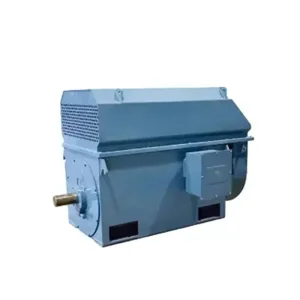
Power plant ventilation requires continuous boiler feed fans. Our YKK and YKS high-voltage squirrel cage induction motors operate at 6kV and 10kV to deliver the necessary air volumes with low power consumption, reducing operating costs.
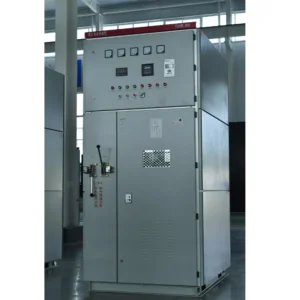
Explore our industrial-grade DC motors, synchronous units, and custom starting cabinets
 Lite Simo