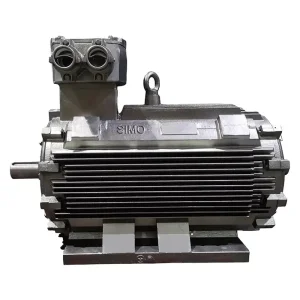
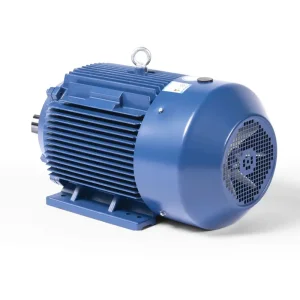
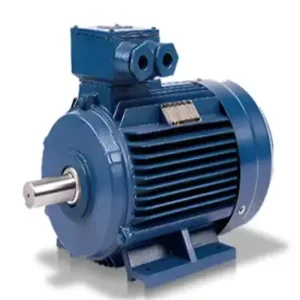
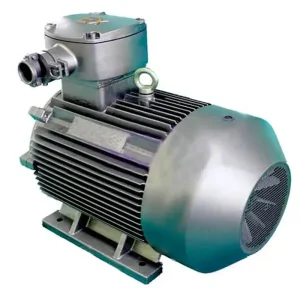
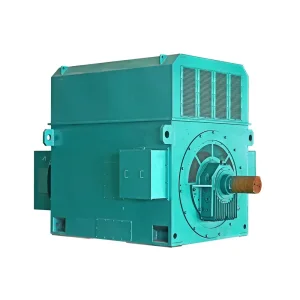
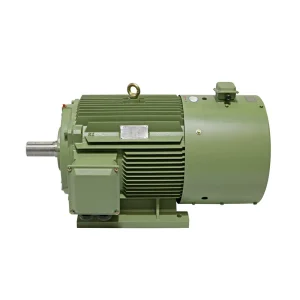
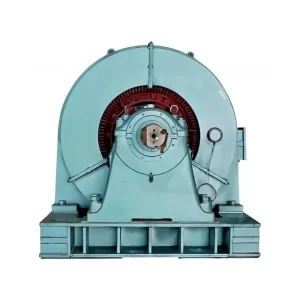
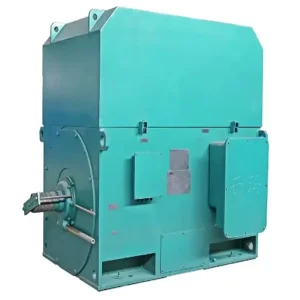
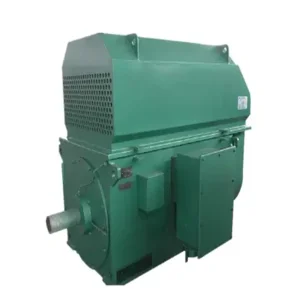
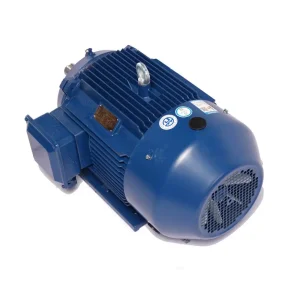
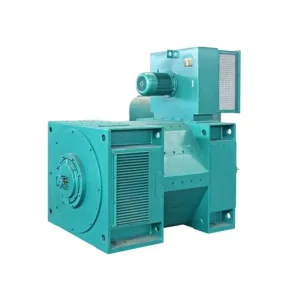
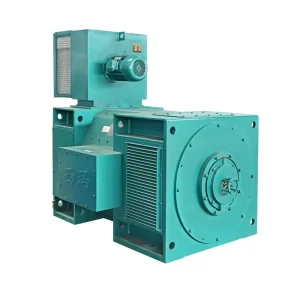
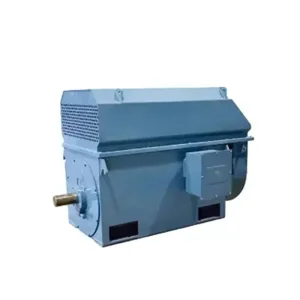
China Non-Sparking Motors Manufacturers & Factories

High-Performance, Compliance-Driven Industrial Electric Motors Engineered for Hazardous Areas and Zone 2 Hazardous Classified Environments Globally.

Executive Whitepaper: Industrial Non-Sparking & Explosion-Proof Motor Tech

A comprehensive analysis of safety standards, engineering criteria, and global procurement for critical industrial environments.

In modern industrial processing, safety and performance are fundamentally interlinked. Volatile petrochemicals, explosive dust in agricultural processes, combustible gases in pipelines, and coal mines demand robust equipment. Among these, the non-sparking motor is a vital asset for Zone 2 and Zone 22 hazardous areas globally. Defined by international standards such as IECEx and ATEX, non-sparking design concepts ensure that under normal operating conditions, no electrical arcs, sparks, or hot surfaces can occur that could ignite an surrounding explosive atmosphere.
Historically, flameproof (Ex d) motors were the dominant choice for hazardous environments. However, non-sparking variants (classified as Ex ec or Ex nA under standard IEC/EN 60079-7 and IEC 60079-15) offer significant operational benefits. By focusing on preventative engineering rather than containment, non-sparking motors use lighter enclosures, run at higher thermal efficiencies, reduce overall footprint, and feature a lower total cost of ownership. This whitepaper analyzes China's manufacturing ecosystems, global compliance requirements, and technical innovations driving today's safety standards.

Non-Sparking Principle (Ex ec)

Strict mechanical clearances, enhanced insulation materials (Class H/F), and surface-temperature control prevent ignition hazards during normal operation.

IE4 & IE5 Efficiency

Optimized low-loss stator laminations and advanced rotor designs reduce heat losses, ensuring compliance with global carbon reduction targets.

Advanced Dust Protection

Enclosures sealed to IP55, IP56, or IP65 protect internal windings from conductive, non-conductive, and combustible dust environments (Zone 21/22).

Xi'an Lite SIMO Motor Manufacturing Plant

Xi’an Lite SIMO Motor Co., Ltd.

A Comprehensive Global Motor Manufacturing & Engineering Service Partner
Xi’an Lite SIMO Motor Co., Ltd. is a major industrial enterprise specializing in the R&D, engineering, and manufacturing of large/medium-sized, high/low voltage AC motors, DC motors, synchronous motors, and high-safety explosion-proof motors. As a foundational pillar of the Chinese mechanical industry, SIMO manages a fully integrated supply chain encompassing motor R&D, machining, mold fabrication, precision assembly, and rigorous testing.
With a production scale that ranks consistently at the top of China's motor industry, SIMO has built reliable relationships with engineering firms (EPCs) and industrial operators worldwide. The company leverages advanced manufacturing equipment, computerized design platforms, and state-of-the-art testing centers to deliver specialized motor systems.
ISO9001 Certified CE Mark UL Listed GOST Compliance

Over 60 Years of Engineering Excellence

Tracing our history from a state-owned enterprise in 1955 to a global industrial motor supplier.

1955
Established
1,200+
Employees
260+
R&D Engineers
1,170+
Advanced Machines

1955: Foundation

SIMO Motor was established under government directive, laying the foundation for modern motor manufacturing in Northwest China.

1957: Strategic Relocation

Relocated to a dedicated manufacturing site in Xi'an, accelerating production of heavy machinery motors.

1966: Industrial Consolidation

Renamed Xi'an Motor Factory after acquiring and integrating regional manufacturing operations to expand technical capability.

1999: Corporate Restructuring

Transitioned from a state-owned factory into a limited liability company, introducing agile market systems.

2005: Group Establishment

SIMO Motor Group established, consolidating 14 specialized subsidiaries across electric design, casting, and maintenance.

2006: High-Tech Park Relocation

Moved manufacturing to a modern plant in Xi'an's High-Tech Development Zone, implementing automated assembly lines.

2009: Tech Full SIMO Motor

Rebranded as Tech Full Simo Motor Co., Ltd., upgrading our export capacity to meet European and American demand.

2019 - Present: Next-Gen Innovation

Investing in IE5 Ultra-Premium Efficiency motors, IoT condition-monitoring sensors, and certified explosion-proof equipment.

Industrial Solutions: Technical Matrix & Classifications

A side-by-side comparison of electrical safety standards to help engineering teams select the correct motor configurations.

Selecting the correct explosion-proof classification requires balancing environment risk (gas/dust zones), efficiency goals, and capital budgets. Flameproof (Ex d) enclosures are designed to contain internal explosions, which results in heavier construction. Non-sparking (Ex ec) motors focus on preventative engineering to avoid ignition sources, offering a lighter option for Zone 2 installations. The table below outlines these technical details:
Classification Code Protection Type Applicable Hazardous Zone Key Design Strategy Primary Industrial Applications
Ex ec (formerly Ex nA) Increased Safety / Non-Sparking Zone 2 (Gas) Prevents sparks, arcs, and excessive heat on internal components. Petrochemical pumps, fans, gas pipeline compressors.
Ex d / Ex db Flameproof Enclosure Zone 1 & Zone 2 (Gas) Contains internal explosions without propagating flame externally. Refineries, offshore oil rigs, chemical dosing pumps.
Ex tb / Ex tc Dust Ignition Protection by Enclosure Zone 21 & Zone 22 (Dust) IP6X/IP5X dust-tight seals to prevent combustible dust ingress. Grain silos, coal handling plants, cement processing mills.
Class I, Div 2 North American Non-Incendive Division 2 (Gas/Vapor) Designed to prevent sparking under standard operating conditions. US oil and gas installations, processing plants.
To ensure safety in challenging environments, SIMO motors incorporate several key engineering features:
  • VPI Insulation: Vacuum Pressure Impregnation (VPI) with solventless resins eliminates air gaps, improving dielectric strength and resistance to moisture.
  • Low Surface Temperature: Windings and external frames are designed to keep maximum surface temperatures below target auto-ignition points (e.g., T3: <200°C, T4: <135°C).
  • Optimized Fan Design: Static-resistant, non-sparking plastic or non-ferrous metal fans ensure consistent cooling without generating electrostatic discharge.

Global Procurement & Supply Chain Strategies

Key considerations for industrial procurement officers, EPC contractors, and plant engineers sourcing hazardous area motors.

Navigating TCO, Lead Times, and Certification Compliance

Sourcing large-scale, high-voltage non-sparking motors involves evaluating total cost of ownership (TCO) beyond the initial price tag. Key purchasing factors include energy efficiency ratings (IE3 vs IE4/IE5), frame weight, frame size compatibility, and lead-time guarantees.
China has developed integrated steel, copper, and manufacturing supply chains, allowing manufacturers to deliver high-quality, customized motors. For instance, Simo's 120,000-square-meter facility utilizes automated CNC machines and VPI systems to produce motors that match European and North American configurations at competitive price points.
International buyers should prioritize manufacturers that offer comprehensive testing data. Factory Acceptance Tests (FAT) using load testing systems, vibration analysis, and temperature rise tests help confirm that custom-engineered motors perform reliably before shipment.

Certified Global Compliance

SIMO motors are certified for deployment across global markets, meeting relevant regional safety and import regulations:

ISO 9001:2015
CE (ATEX)
UL Listing
GOST-R / EAC

* Note: For custom installations, SIMO provides certified drawings and detailed test reports to support local third-party inspections and approvals.

SIMO Comprehensive Product Range

Engineering customized configurations spanning 34 major series, 1,800 varieties, and 19,500 specifications.

SIMO's R&D and manufacturing divisions support power demands ranging from 0.35 kW to 25,000 kW. This comprehensive range allows procurement managers to source low-voltage, high-voltage, AC, and DC industrial motors from a single manufacturer.

High Efficiency AC Induction Motors

Features the YE3, YE4, and YE5 series. These motors utilize high-grade laminations and low-loss rotor designs to achieve IE3, IE4, and IE5 efficiency levels, reducing ongoing energy consumption.

High Voltage Motors (6kV / 10kV)

Includes the YX, YXKK, and YXKS high-efficiency high-voltage series, as well as the YR, YRKK, and YRKS wound rotor series. Engineered for heavy industrial operations, these motors provide high starting torque for heavy loads.

Explosion-Proof & Non-Sparking

The YBX3, YBX4, YBX5 explosion-proof low and high voltage series, along with dust-ignition proof designs, deliver reliable safety performance in volatile atmospheres.

Variable Frequency & Speed Regulation

The YVFE3, YVFE4, and YVFE5 series low and high voltage variable frequency drive (VFD) motors allow for precise speed regulation and energy conservation across varying load profiles.

Industrial Synchronous Motors

Features T, TD, TK, and TDMK series synchronous motors. These systems are optimized for heavy milling and mining operations where constant speed and power factor correction are required.

High-Power Industrial DC Motors

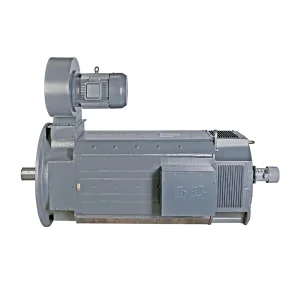
Includes the Z2, Z4, and Z series DC motors. Designed for applications requiring precise, wide-range speed control and high torque, such as steel rolling mills and extruders.

Technology Roadmap & Future Outlook

How IoT diagnostics and new material sciences are shaping the next generation of industrial electric motors.

SIMO R&D and Quality Control Center

Smart Motors and Predictive Maintenance

The integration of the Industrial Internet of Things (IIoT) is changing how factories manage electric motor operations. Placing vibration sensors, temperature probes, and current signature analysis tools directly onto non-sparking frames helps operators identify mechanical issues before they cause costly downtime.
In hazardous environments, early detection is critical. Temperature sensors in winding slots and bearing housings monitor for excessive heat buildup, helping prevent thermal hazards. SIMO's future product roadmap focuses on developing integrated sensor enclosures that maintain the motor's explosion-proof rating.
Additionally, the transition to IE5 efficiency standards supports corporate carbon reduction goals. Utilizing high-permeability magnetic steel laminations and optimized rotor geometries helps reduce carbon emissions, lowering both carbon footprint and utility costs over the equipment's lifecycle.

Frequently Asked Questions (FAQ)

Technical guidance and answers to common questions about non-sparking and explosion-proof motors.

What is the difference between a non-sparking motor (Ex ec) and a flameproof motor (Ex d)?
A flameproof motor (Ex d) is engineered with an enclosure heavy enough to contain an internal explosion and prevent flames from escaping. A non-sparking motor (Ex ec) focuses on prevention; it is constructed using materials and clearances that prevent sparks, electrical arcs, and hot spots during normal operation, making it a lighter, more cost-effective option for Zone 2 areas.
Can non-sparking motors be used with variable frequency drives (VFDs)?
Yes, but they must be specifically rated for VFD service. Variable speed operation can lead to increased thermal loads at lower speeds and high voltage spikes from the drive. Using motors with Class H insulation, thermal sensors, and VFD-certified designs (such as our YVFE3/YVFE4 series) ensures safe, reliable operation.
What certifications are required for hazardous area motors?
Required certifications vary by region. Europe requires ATEX (Directive 2014/34/EU), international markets accept IECEx, the United States relies on UL and CSA standards, and China uses GB standards. SIMO manufactures motors to meet these varying international compliance standards.
How does enclosure IP rating affect dust explosion protection?
Dust explosion protection (Ex tb/tc) relies on sealing the motor enclosure to prevent combustible dust ingress. An IP55 rating provides dust-protected operation for non-conductive dusts, while IP65/IP66 ratings are dust-tight, preventing the ingress of conductive and hazardous dusts in Zone 21 and 22 environments.