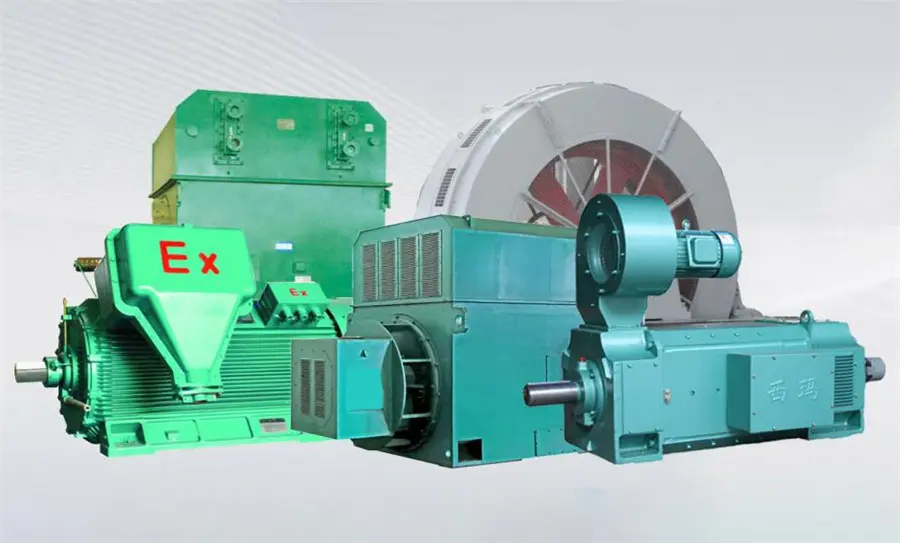
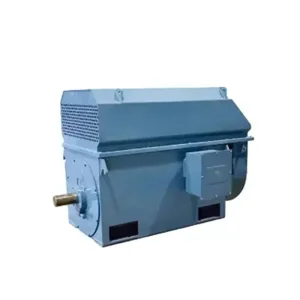
Explore our leading collection of high-voltage and ultra-efficient low-voltage electric motor solutions engineered to global standards.
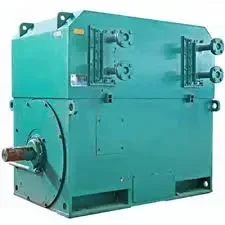
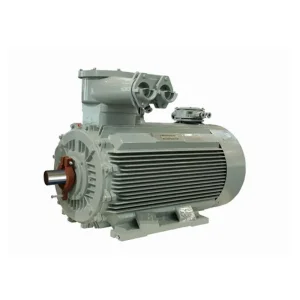
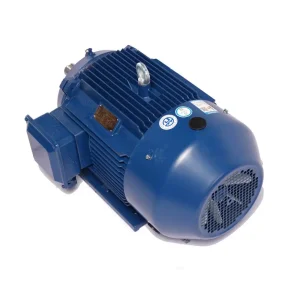
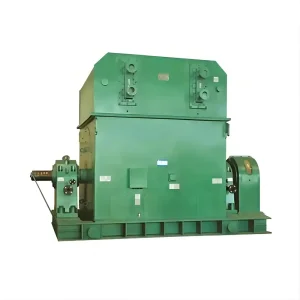
Global climate targets have turned electric motors into a key focus for energy reduction. As defined by the International Electrotechnical Commission (IEC) standard 60034-30-1, motor efficiency grades are divided into key levels: IE1 (Standard), IE2 (High), IE3 (Premium), and IE4 (Super Premium). Today, the market is beginning to transition toward the new IE5 (Ultra Premium) tier. This evolution represents more than a simple drop in electricity consumption—it marks a fundamental redesign of industrial powertrains.
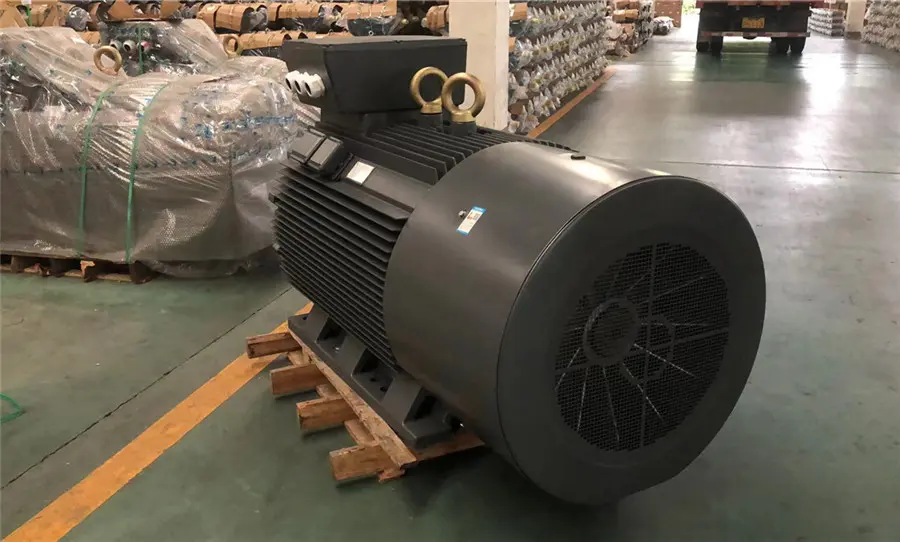
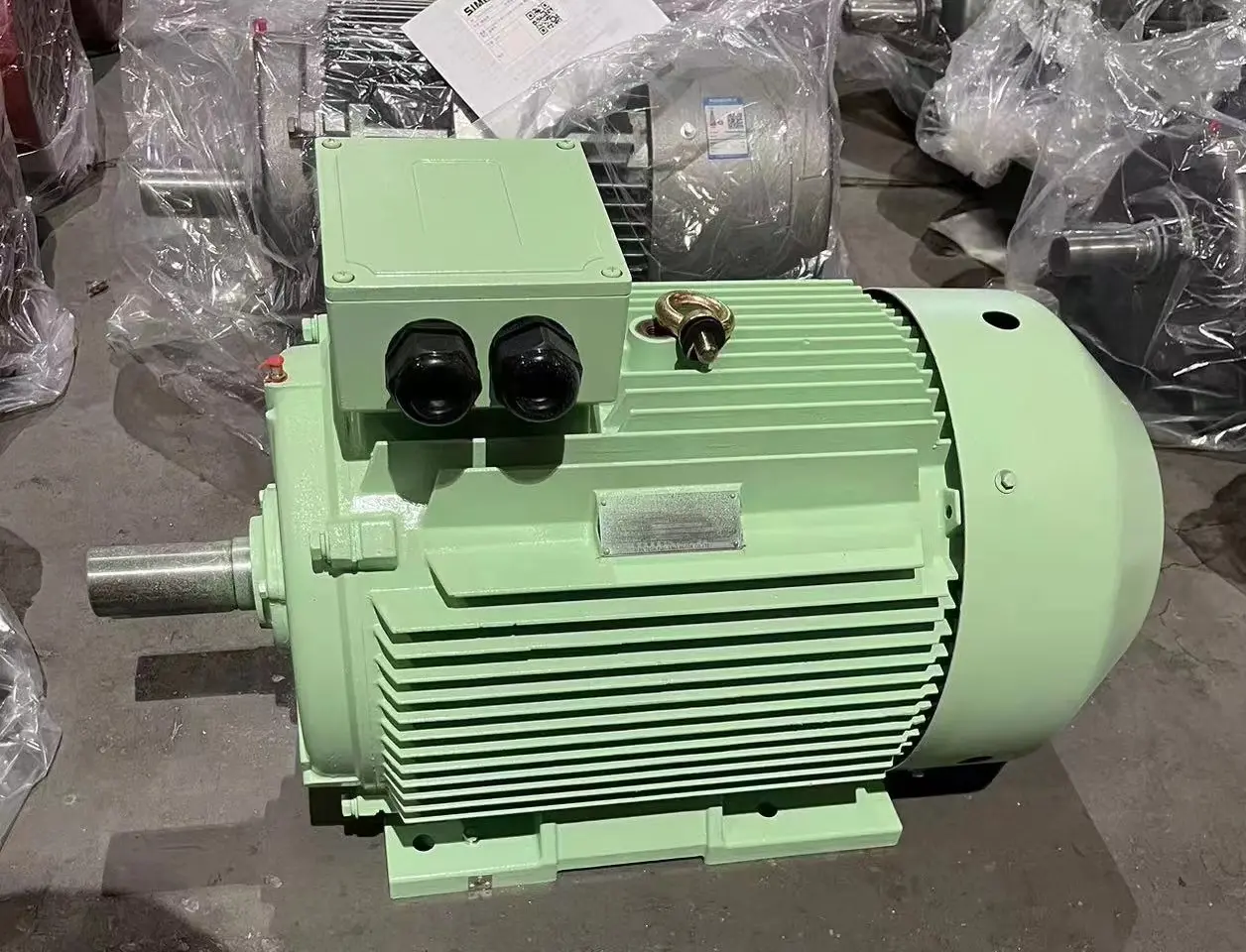
An IE4 efficiency motor delivers up to a 15% to 20% reduction in energy loss compared to standard IE3 motors. Implementing these gains requires precision engineering adjustments. By minimizing stator copper loss, optimizing the slot fill rate, utilizing cold-rolled non-grain-oriented silicon steel sheets, and lowering rotor slip via specialized materials, IE4 motors operate with less friction and heat. This reduces both the electricity draw and the mechanical stress on bearings and insulation systems.
For international buyers navigating strict carbon compliance frameworks—such as the European Union's Ecodesign Regulation or the United States Energy Policy and Conservation Act—purchasing IE4 efficiency machinery is no longer optional. It has become a key requirement to comply with local laws and avoid grid penalties.
*Average calculated values based on a typical 4-pole 75 kW asynchronous industrial motor configuration.
How technical directors and procurement officers balance initial capital expenditures with decades of active operational run-time.
Over a typical 15-to-20-year lifespan, electricity costs account for 95% to 97% of a motor's total cost of ownership. The initial purchase price represents only 2% to 3%. Upgrading to an IE4 efficiency motor often offsets the purchase price variance within 12 to 18 months through ongoing utility bill savings.
With global supply chains tracking Scope 2 indirect carbon emissions, installing IE4 high-efficiency motors helps corporations lower their carbon footprint. This supports international sustainability compliance and qualifies operations for green energy rebates.
Lower operating temperatures prevent the thermal degradation of stator winding insulation (utilizing Class F and Class H materials). This extended thermal headroom translates directly into fewer winding failures and less unplanned system downtime.

Founded originally in 1955, Xi'an Lite SIMO Motor Co., Ltd. is a key manufacturer in the Chinese mechanical industry. We specialize in producing large/medium-sized, high/low voltage AC motors, DC motors, synchronous motors, and explosion-proof motors. As a comprehensive provider, SIMO handles motor design, mechanical processing, tool and mold manufacturing, product assembly, and quality testing.
The company maintains a leading position in China's motor industry for production capacity and has grown steadily year over year. Operating with a registered capital of 21.5 million RMB, SIMO manages three manufacturing plants and one subsidiary factory. Our fixed assets are valued at 380 million RMB, and our facilities feature over 1,172 sets of advanced production equipment.
Our operation is supported by a large, specialized workforce of more than 1,200 employees. This includes a dedicated technical engineering team of over 260 members, with 21 senior engineers and 15 expert engineers guiding our core R&D program.
Over six decades of growth, transitioning from a state-owned factory into a modern industrial group.
SIMO Motor was established and led by the government to support China's post-war industrial development.
Relocated to a new, larger production plant in Xi'an City, expanding initial heavy machinery manufacturing output.
Renamed to Xi'an Motor Factory following a series of strategic acquisitions and structural integrations.
Transformed from a state-owned factory into a limited liability company, introducing private investment and modernized corporate governance.
Established SIMO Motor Group, expanding our footprint to manage 14 distinct subsidiaries.
Moved all core manufacturing to a newly constructed high-tech advanced plant, installing automated winding and testing systems.
Changed name to Tech Full Simo Motor, aligning our brand with global export goals and international distribution networks.
Consolidated our position as a leading motor manufacturer, expanding export channels to over 40 countries.
China's motor manufacturing sector has transitioned from assembly-focused operations to high-precision engineering. Under the Factory 4.0 model, SIMO Motor integrates automated CNC machining centers, automated coil winding machinery, and high-performance Vacuum Pressure Impregnation (VPI) systems to ensure structural quality and winding reliability.
This localized supply chain provides notable resilience. By sourcing raw materials—such as high-grade cold-rolled silicon steel sheet laminations, refined copper, and rare-earth permanent magnets (including Neodymium Iron Boron)—from domestic partners, we can mitigate global pricing spikes and logistics delays.
For international buyers, this domestic integration translates directly into stable project lead times, consistent build quality, and lower freight risk compared to manufacturers relying on fragmented global component supply chains.
From heavy mining machinery in South America to sub-zero gas pumping in Northern Europe, our motors are built to perform.
For water treatment utilities and HVAC systems, our YVFE4 & YVFE5 variable frequency motors adapt speed based on real-time fluid dynamics. This integration prevents throttling losses, delivering system-wide energy savings of up to 40%.
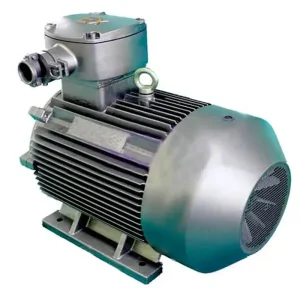
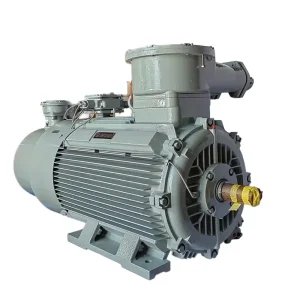
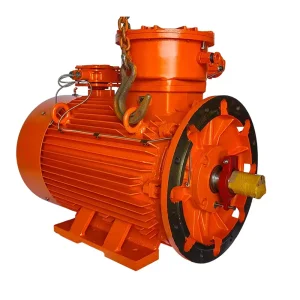
In petrochemical refineries and gas extraction fields, our YBX4 & YBX5 series explosion-proof motors and YBK3 underground coal mine motors prevent gas ignition. These motors feature robust flameproof cast-iron casings that meet EN 60079-0 standards.
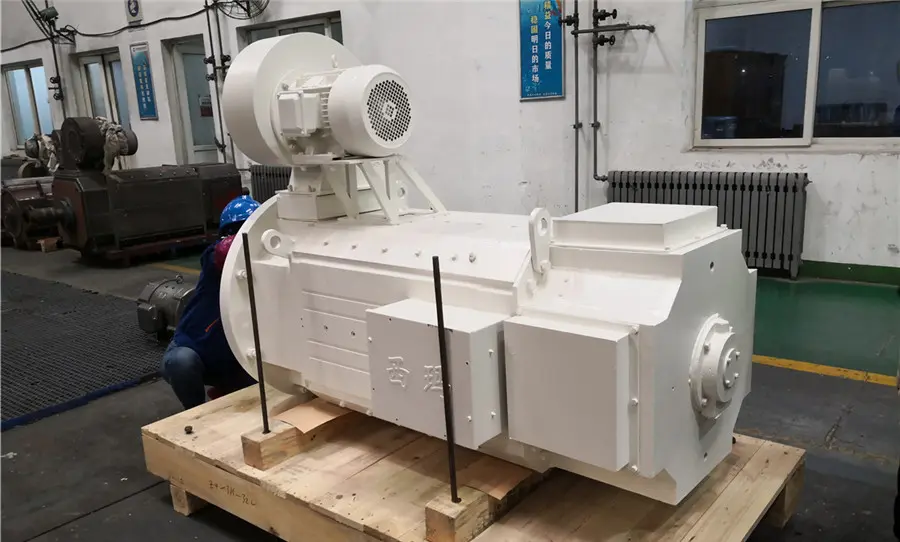
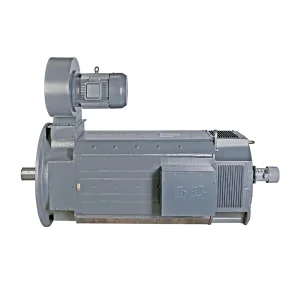
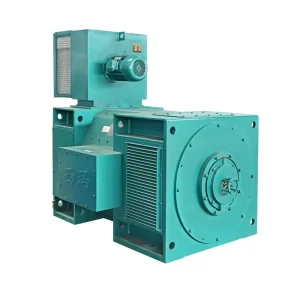
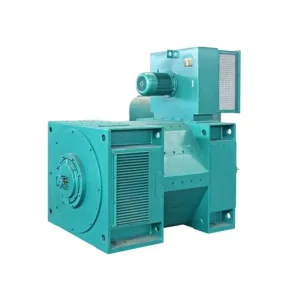
High-torque steel rolling mills require reliable speed control. Our Z4 and large Z-series DC motors deliver precise speed regulation, while our TK and TDMK synchronous series provide high efficiency for heavy industrial machinery.
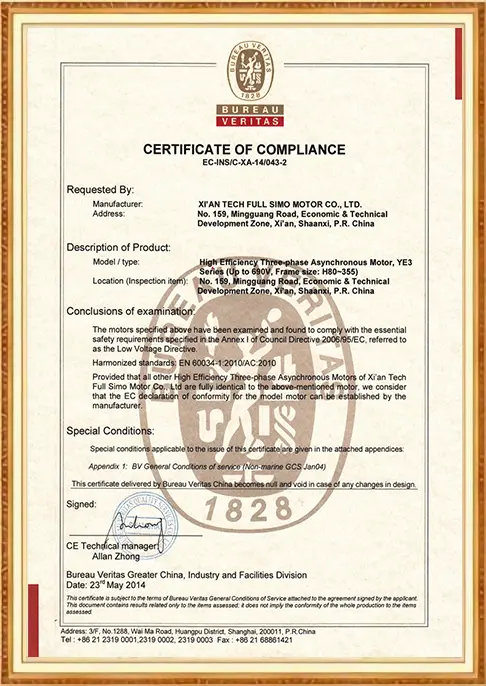
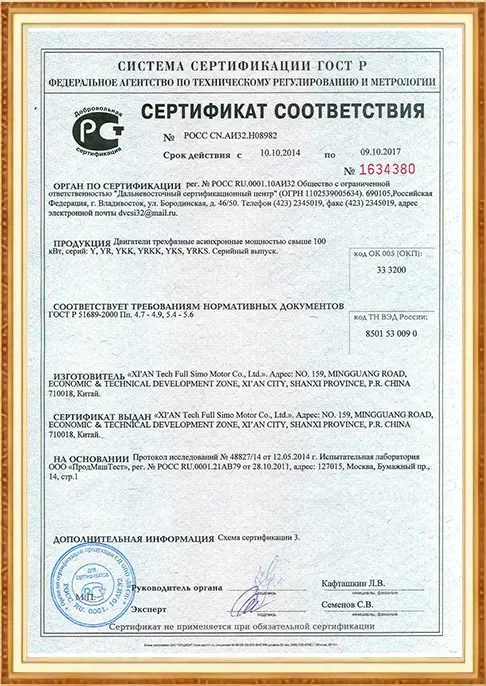
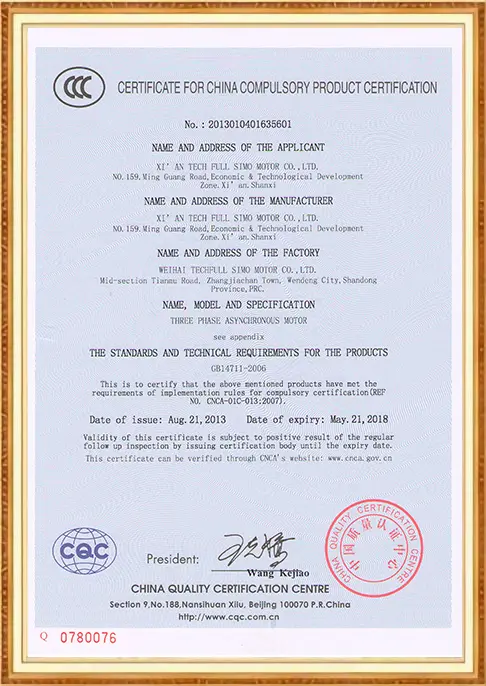
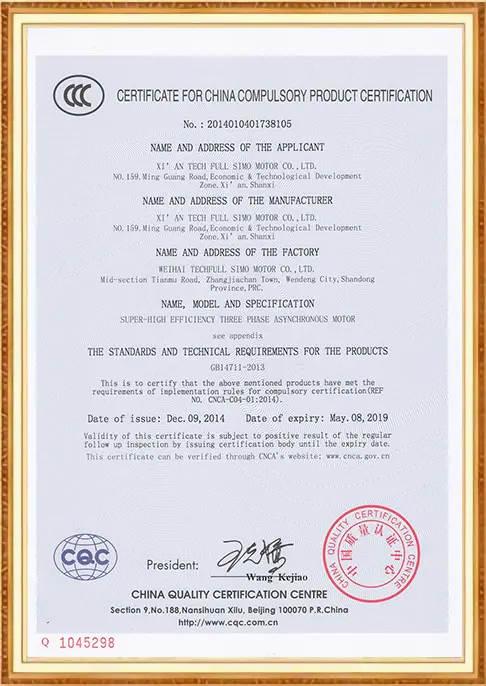
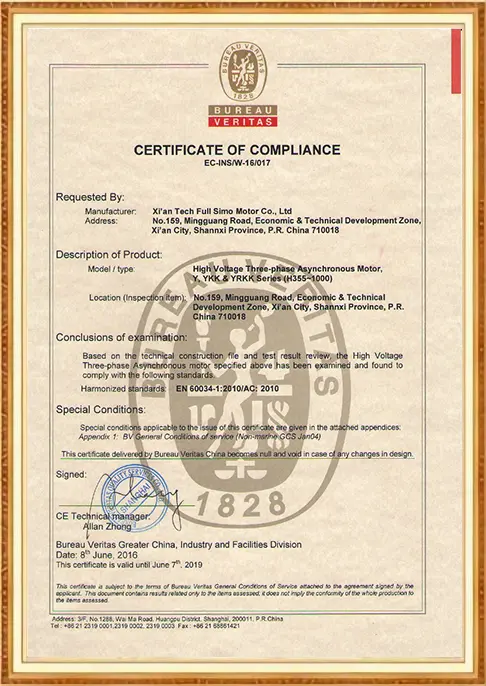
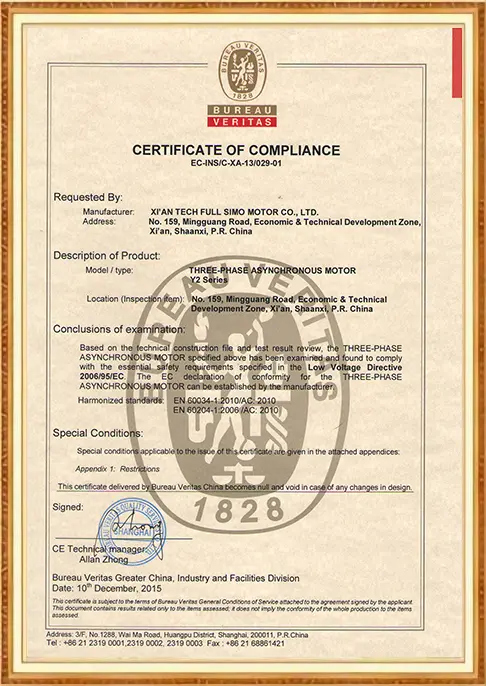
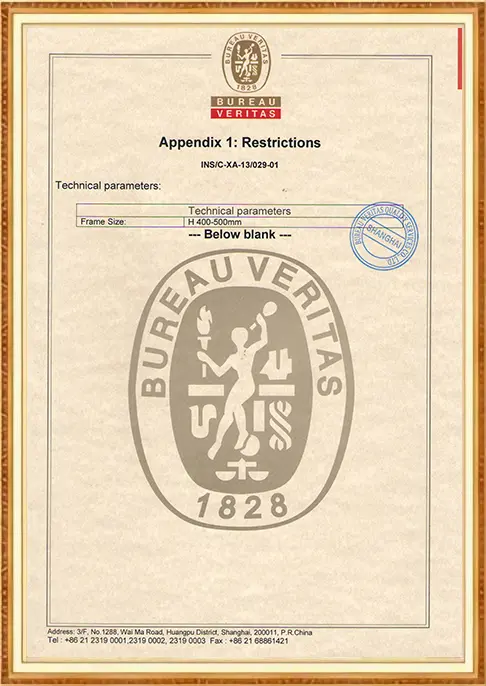
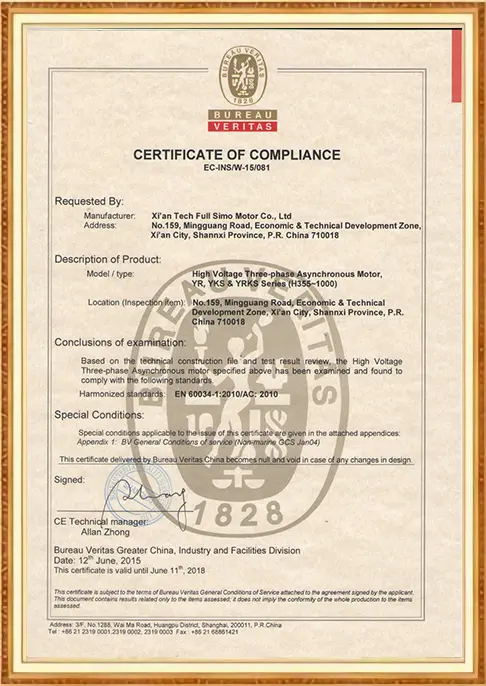
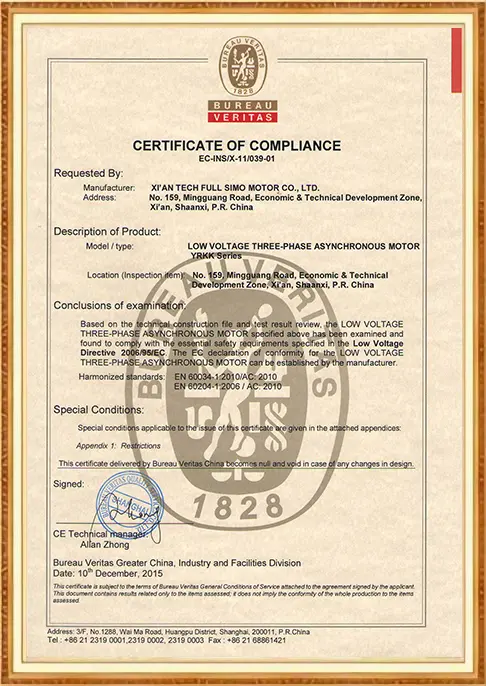
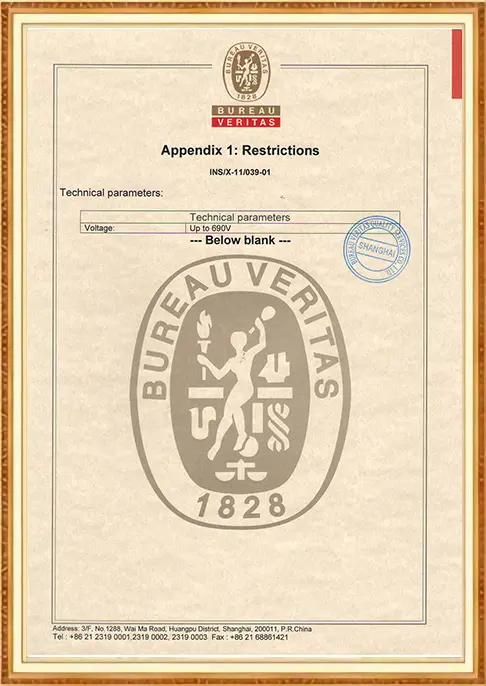
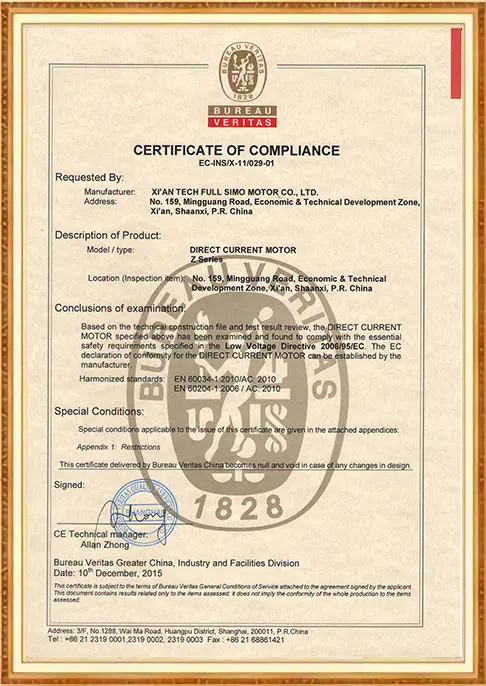
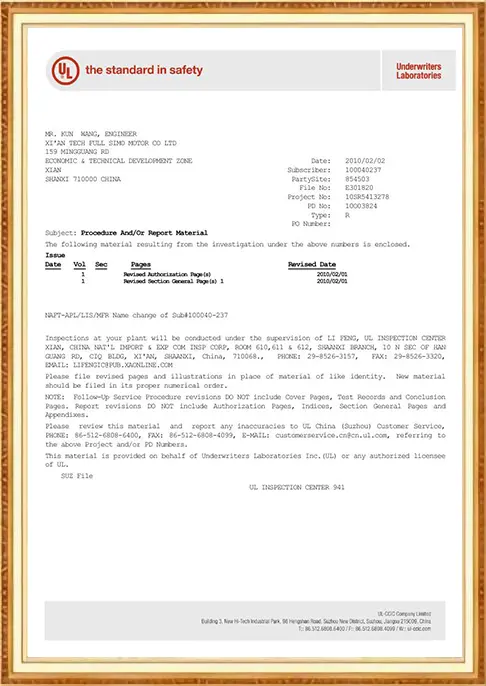
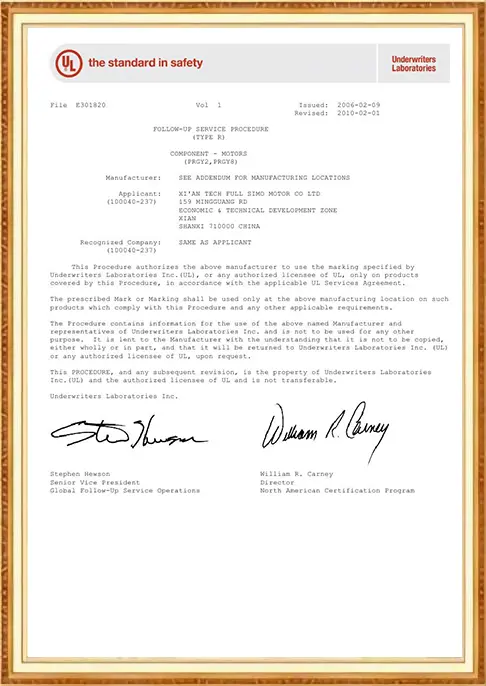
SIMO Motor operates in compliance with international quality standards. We hold active registrations, including ISO 9001, EU CE, USA UL, Russian GOST, and China Compulsory Certification (CCC).
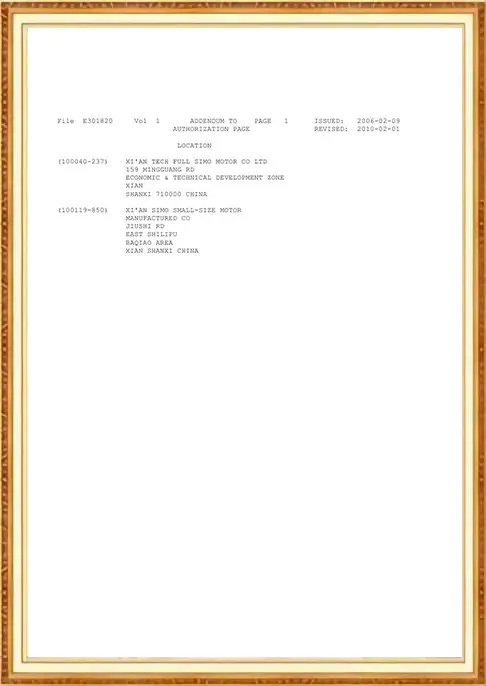
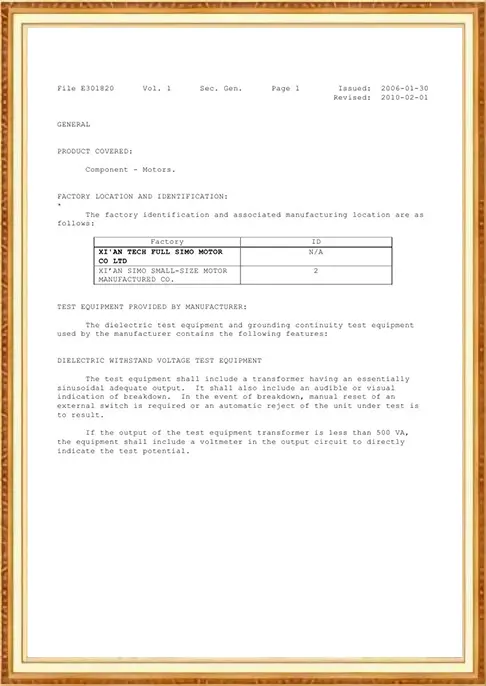
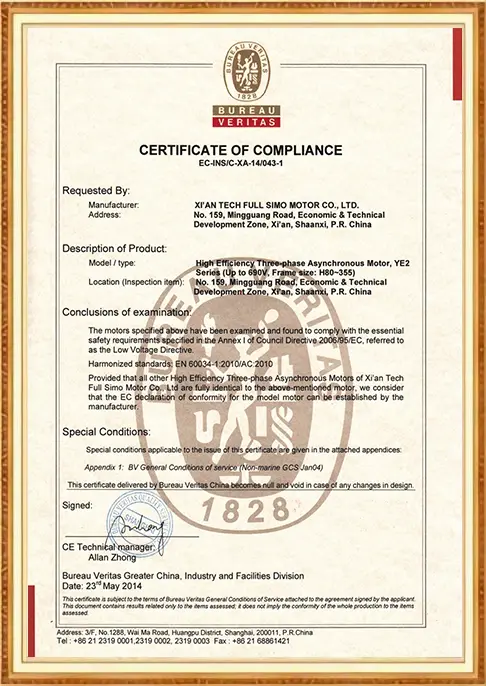
Critical engineering and procurement questions answered by SIMO's technical board of directors.
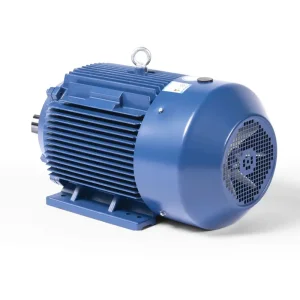
Explore our specialized range of high-efficiency low-voltage and medium-voltage explosion-proof and DC motors.
 Lite Simo