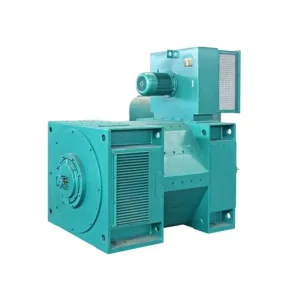
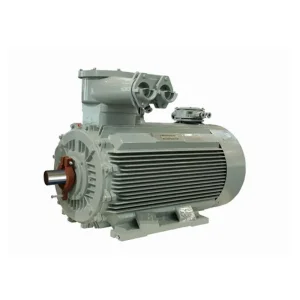
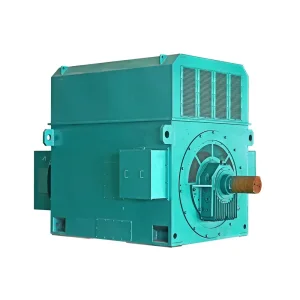
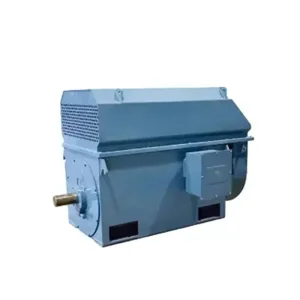
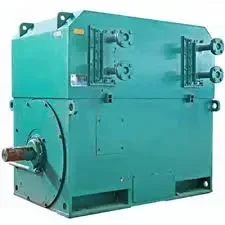
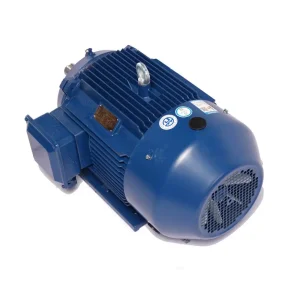
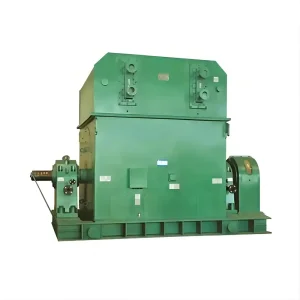
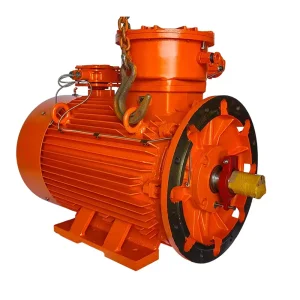
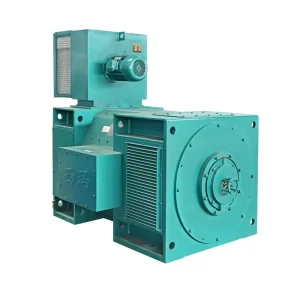
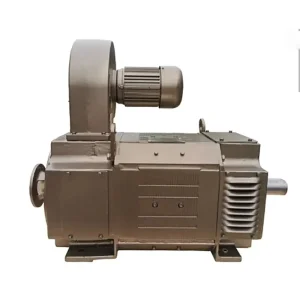
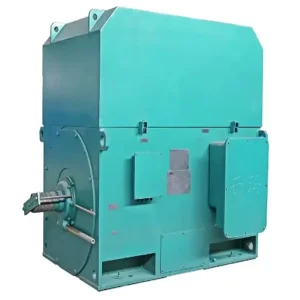
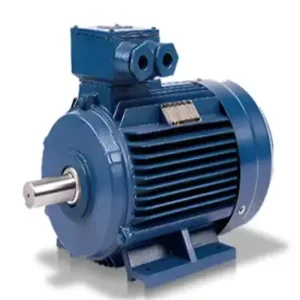
Explore our high-voltage and specialized electric motor ranges engineered for deep industrial efficiency and continuous operation.
An authoritative technical review of energy-efficient electric drives and their crucial role in minimizing lifecycle emissions and optimization metrics.
In today's highly competitive industrial sector, energy consumption represents one of the largest overhead costs for manufacturing and processing facilities. Electric motors alone consume more than 45% of global electricity, and in heavy industrial applications, this figure can surpass 70%. The transition from Standard Efficiency (IE1) and High Efficiency (IE2) to Premium Efficiency (IE3) and Ultra-Premium Efficiency (IE4/IE5) standards is no longer simply an environmental option—it is a core economic imperative. The IEC 60034-30-1 standard defines the efficiency classes for single-speed, three-phase, cage-induction motors, providing a globally harmonized benchmark that ensures procurement teams can calculate direct return-on-investment (ROI) based on verifiable physical output characteristics.
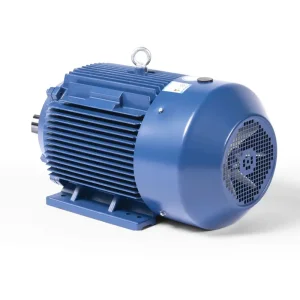
Our premium IE3 series asynchronous motors are designed utilizing low-loss silicon steel sheets, optimized copper slot-fill configurations, and aerodynamically refined cooling fan systems. The resulting reduction in mechanical friction, copper loss, and core loss not only minimizes power draw from the grid but also dramatically lowers thermal output within the machine casing. A cooler motor translates directly into extended bearing lifetimes, reduced insulation degradation, and a significant reduction in unplanned downtime. For continuous operation applications such as mine ventilation, municipal pump stations, and petrochemical extrusion, these performance factors determine the viability of multi-million dollar production facilities.
By drastically reducing rotor slip and stator resistance losses, IE3 motors utilize every kilowatt to its maximum threshold, resulting in substantial utility savings.
Class F and Class H insulation materials combined with precise Vacuum Pressure Impregnation (VPI) ensure standard-defying resistance to voltage surges and heat.
Upfront acquisition costs account for less than 3% of a motor's lifetime costs. The 97% remaining cost is the power consumed—where IE3 and higher motors generate massive cost reductions.
Xi’an Lite SIMO Motor Co., Ltd is an electric company, a main enterprise specializing in the manufacturing of large/medium-sized, high/low voltage AC motors, DC motors, synchronous motors, and explosion-proof motors in the Chinese mechanical industry. SIMO is a comprehensive manufacturing and service supplier of motor design, manufacturing, mechanical processing, mold making, and assembling. The Company ranks TOP in China’s motor industry as to its scale of production, and has maintained a fast-growing development trend for consecutive years.

SIMO Motor established and led by the government as a core national enterprise.
Moved to the new large-scale industrial plant located in Xi'an city.
Changed name to Xi'an Motor Factory after a series of strategic acquisitions and integration.
Reformed into a limited company from a state-owned factory to drive internationalization.
SIMO Motor Group established with 14 specialized subsidiaries.
Relocated to a state-of-the-art high-tech and advanced new manufacturing base.
Name officially changed to Tech Full Simo Motor to align with international high-tech integration.
Continuing to innovate as one of the best motor manufacturers globally, pioneering IE3, IE4, and IE5 motor technologies.
Understanding how global procurement officers and project engineers analyze performance parameters to achieve sustainable operations.
Procurement is increasingly governed by local and continental MEPS (Minimum Energy Performance Standards). Buying IE3/IE4 motors guarantees future-proof compliance in regions like the European Union (EU Commission Regulation 2019/1781) and the US (NEMA standards).
Modern enterprises structure their bidding procedures to prioritize Life Cycle Cost (LCC) calculations. The slightly higher CAPEX of premium efficiency motors is frequently offset within the first 12 to 18 months of intensive runtime operations through lower electric bills.
Global buyers seek single-source manufacturers that can supply both low-voltage premium efficiency motors and highly customized high-voltage auxiliary motors, minimizing logistics friction and simplifying aftermarket technical support protocols.
When drafting purchase requirements for electric machinery, engineers must verify key parameters beyond nominal efficiency. Our technical team advises focusing on:
From mineral extraction to public utility water management, SIMO supplies customized systems engineered to survive the harshest operational conditions.
SIMO's R&D and manufacturing covers all types of motors, with products across 34 major series, more than 1,800 varieties, and more than 19,500 specifications. The power range spans from 0.35kW to 25,000 kW. Our heavy industrial application engineering is designed to integrate seamlessly into several critical sectors:
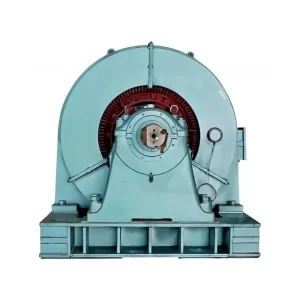
Crushers, mills, conveyors, and blast furnace blowers require massive starting torque and dust-proof resilience. Our YR, YRKK, and YRKS series wound rotor high voltage motors, as well as TDMK AC synchronous motors, provide the necessary mechanical power to process highly abrasive materials without mechanical failure.
Key Motor Series: YR, YRKK, TDMKOil refineries and underground mines require total protection against flammable dust and gases. Our YBX3, YBX4, and YBX5 explosion-proof high/low voltage induction motors, alongside YBK3 and YFB3 series dust explosion-proof models, are fully certified to contain spark arcs internally, protecting workforce and infrastructure.
Key Motor Series: YBX3, YFB3, YFB4, YBK3Pumping massive water volumes in municipal treatment structures calls for continuous-run reliability. Our YKS and YXKS high-voltage high-efficiency motors, designed with specialized water-to-air cooling structures, keep internal stator heat low while functioning 24/7 in wet atmospheres.
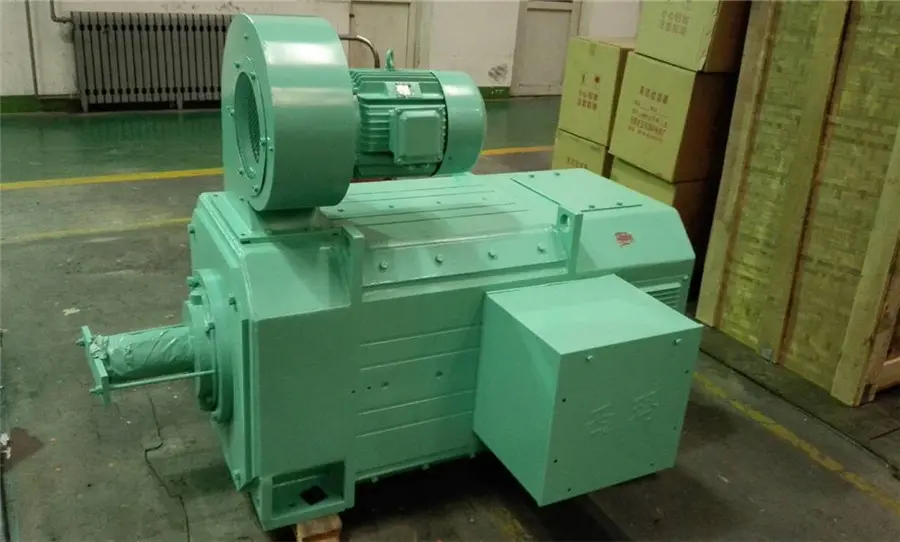
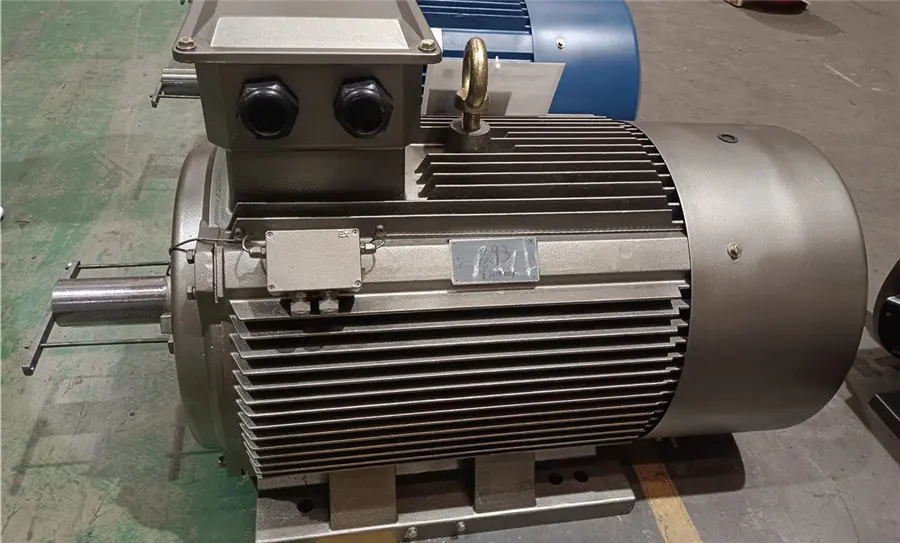
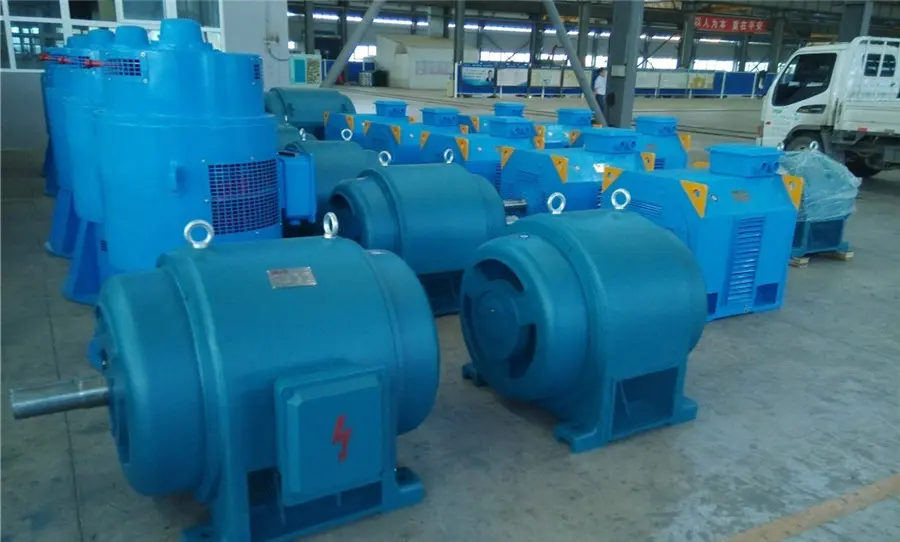
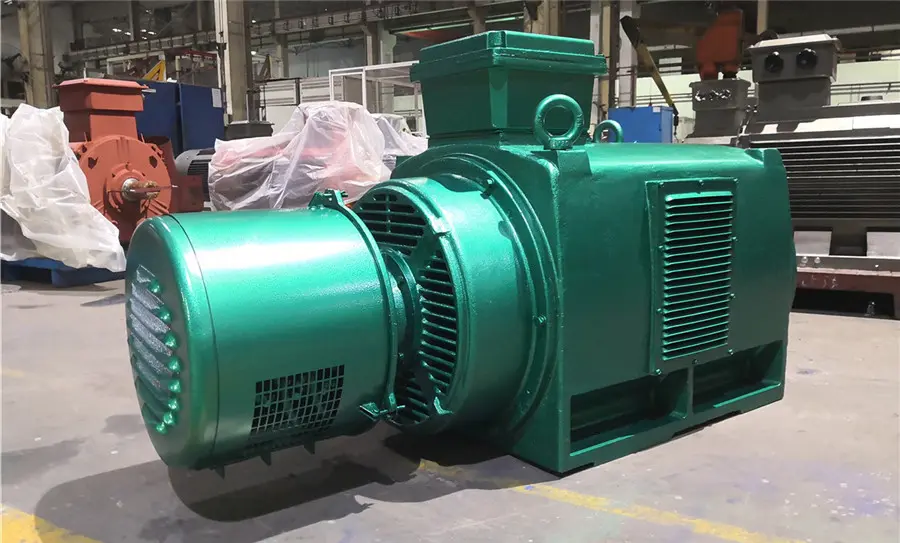
Key Motor Series: YKS, YXKS, YE3, YE4, YE5To achieve these industrial requirements, our facility employs strict quality control, state-of-the-art winding technology, and dynamic rotor testing. Below are authentic glimpses inside SIMO’s industrial facilities and product components:
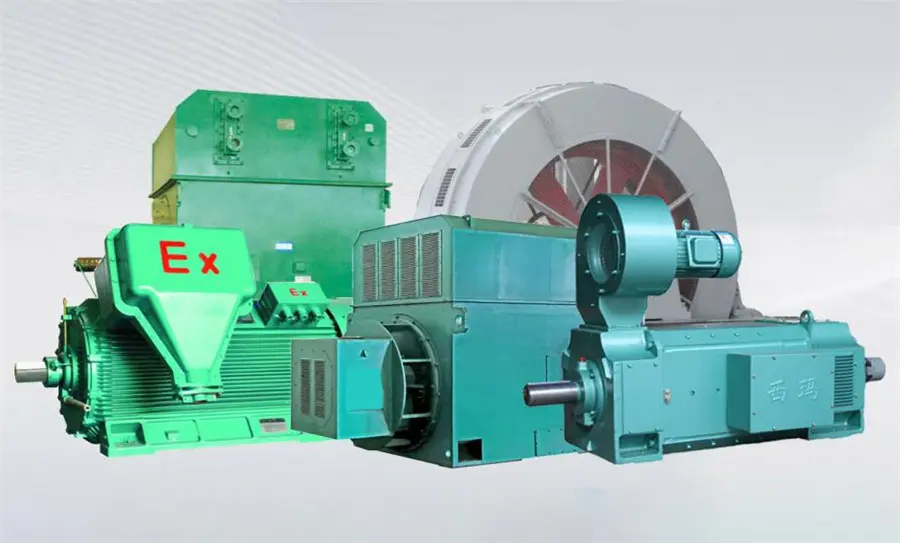
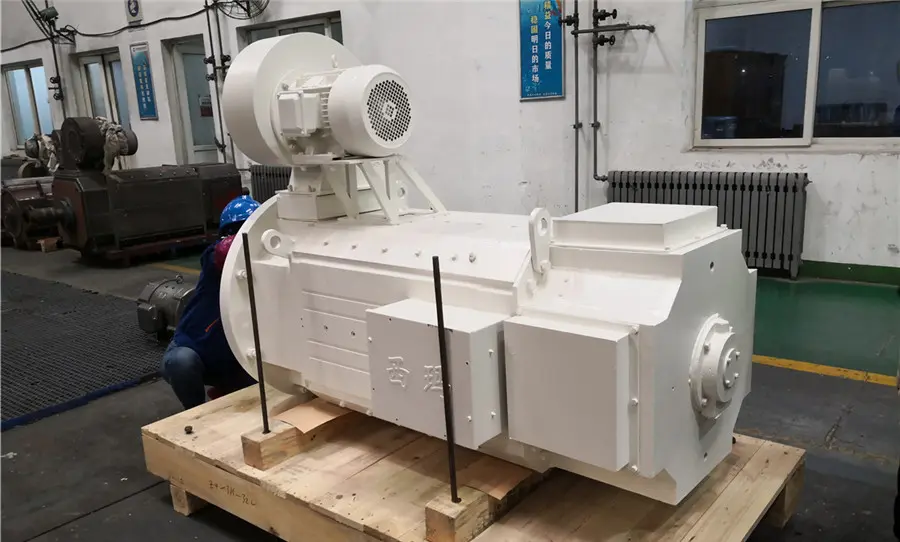
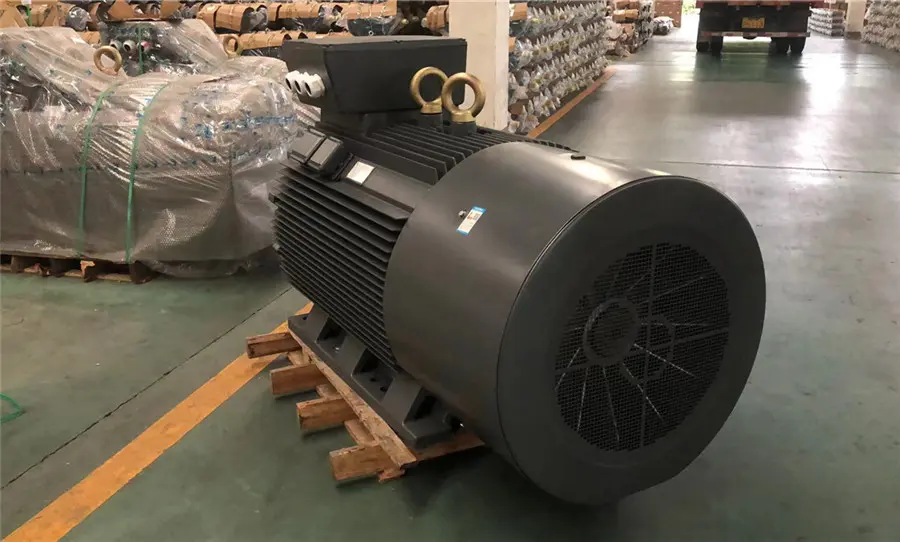
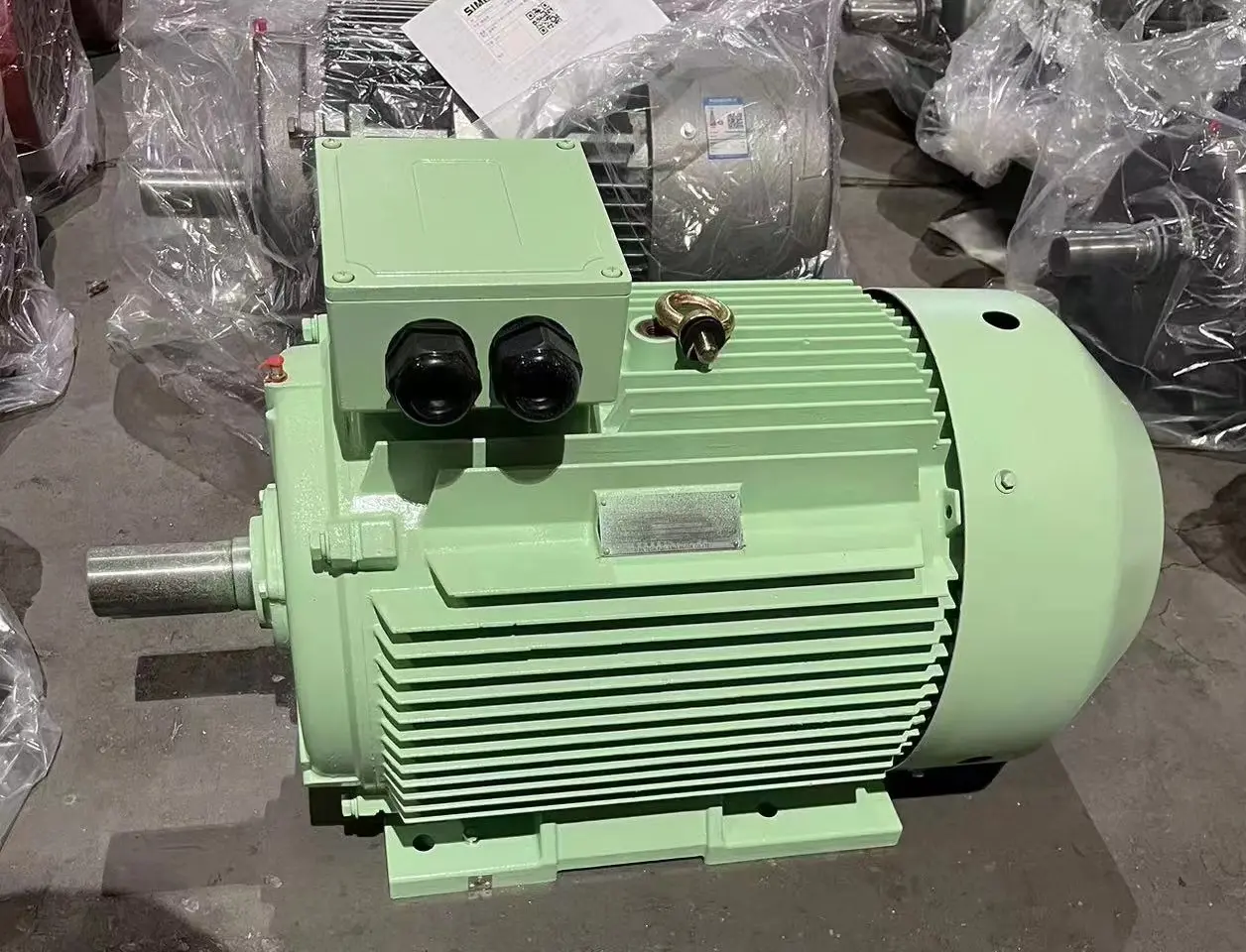
A detailed breakdown of electromagnetic design parameters, thermal management, and precision mechanical tolerances.
To push motor efficiency into premium brackets (IE3 ≥ 95% depending on power output; IE4/IE5 higher), SIMO’s design team targets five critical energy loss pathways:
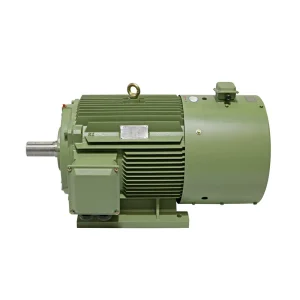
For operations that run at variable loads, matching an IE3 or IE4 motor with a Variable Frequency Drive (VFD) yields massive system-level energy savings. Our YVFE3, YVFE4, and YVFE5 series are built with wide-range frequency capabilities and robust insulated bearings to handle dangerous shaft voltages induced by high-frequency PWM switching.
By utilising Vacuum Pressure Impregnation (VPI) with high-grade epoxy resin, we guarantee void-free windings. The resulting structure features exceptional dielectric strength, superior heat transfer properties, and resilience against aggressive airborne chemicals.
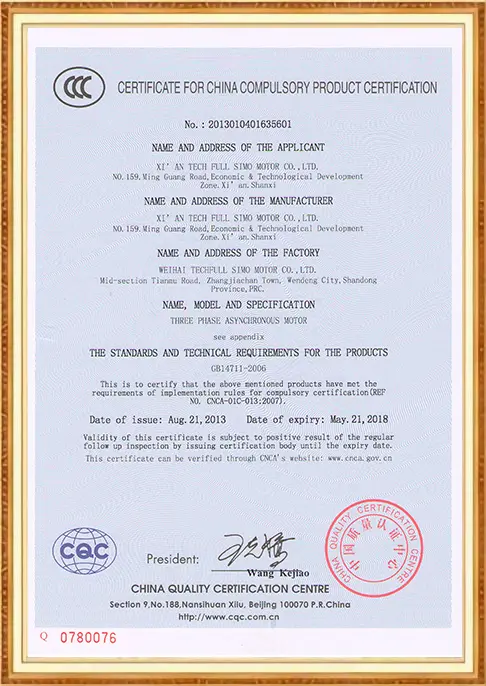
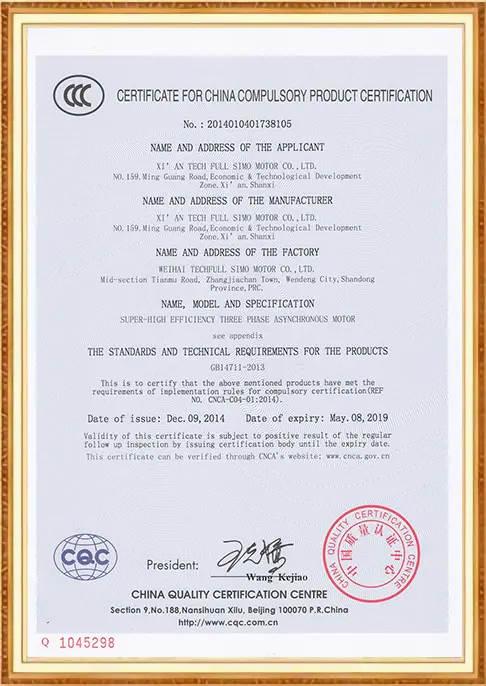
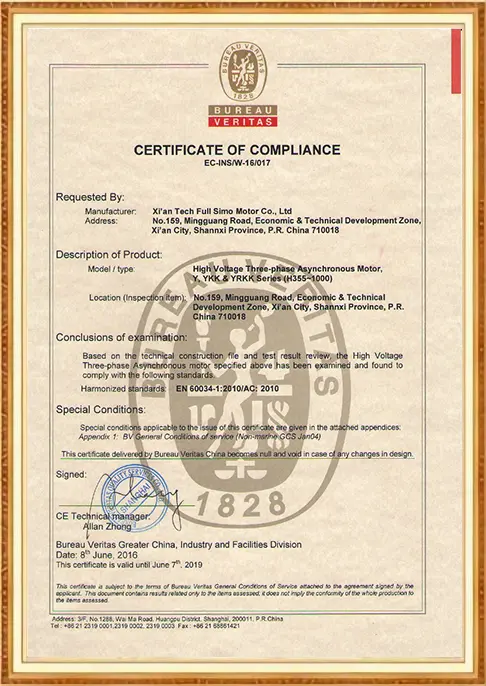
Our manufacturing and testing protocols are fully aligned with the strict certification systems required by global industrial firms.
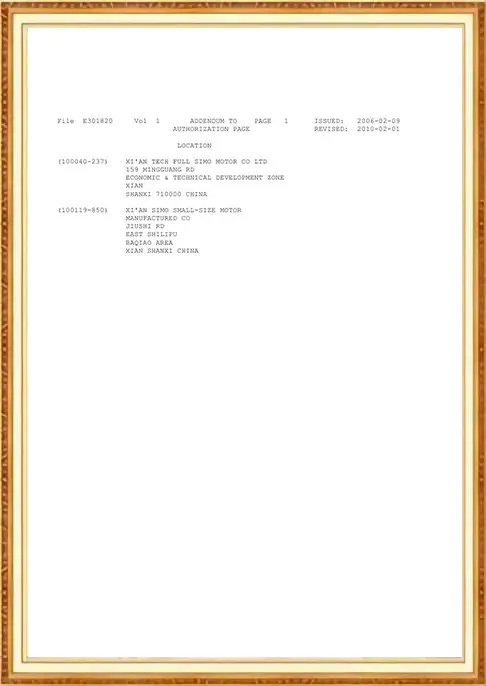
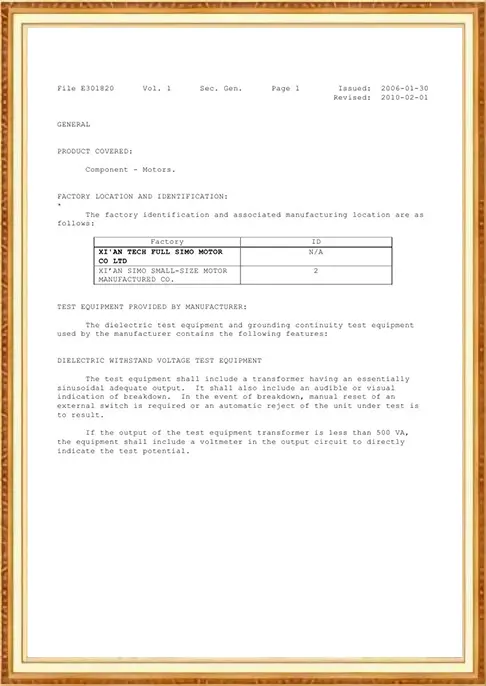
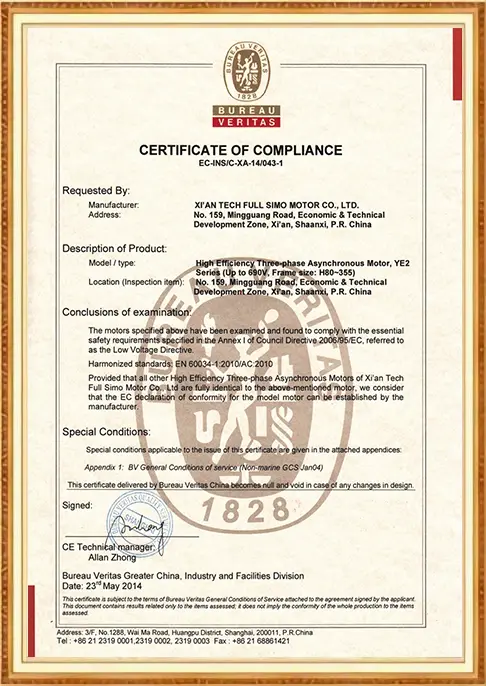
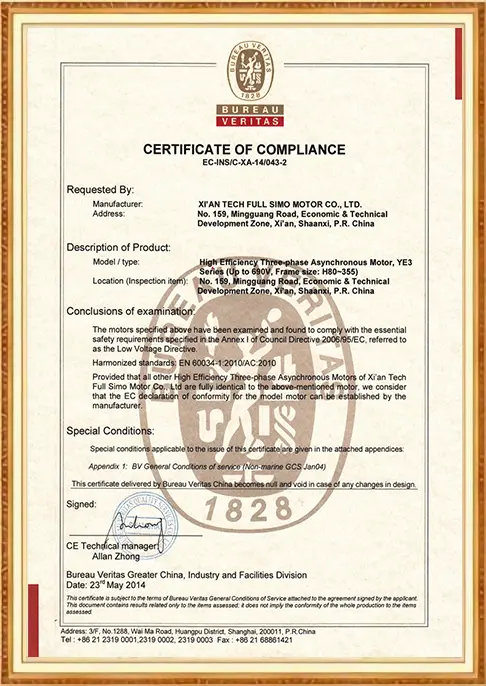
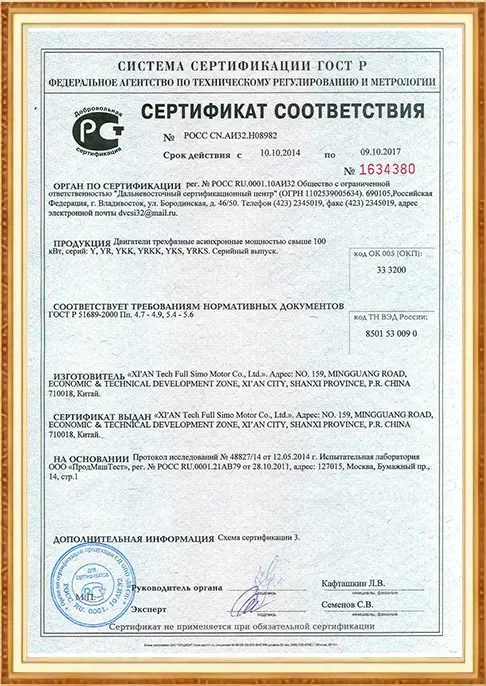
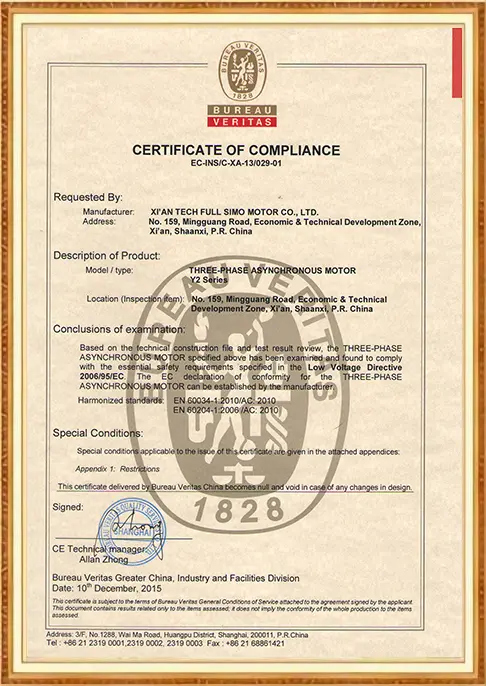
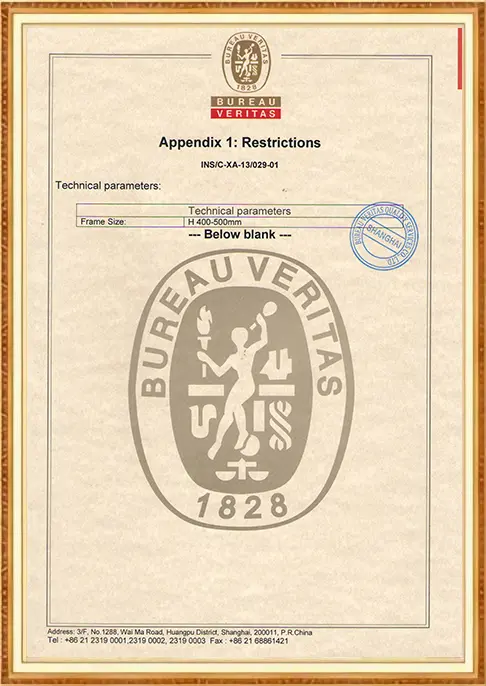
SIMO has passed ISO9001 Quality System Certification, EU “CE”, US “UL”, and Russian “GOST”, among others. These quality certifications are not simple badges—they verify that our materials, factory tolerances, test procedures, and document tracking conform to internationally audited norms. This level of compliance makes our electric motors highly viable for export, integration into major engineering projects, and operation within hazardous global sites.
Providing clear, expert answers to engineering questions about IE3/IE4 standard implementation and integration parameters.
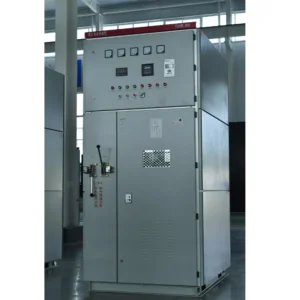
Complete your system procurement with our specialized industrial motor lines, starting cabinets, and custom AC/DC solutions.
 Lite Simo