Explore our premium grade low voltage and high voltage engineering designs customized for heavy duty industrial operations worldwide.
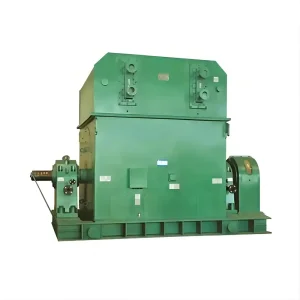
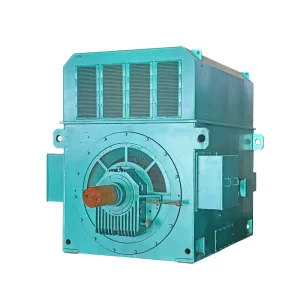
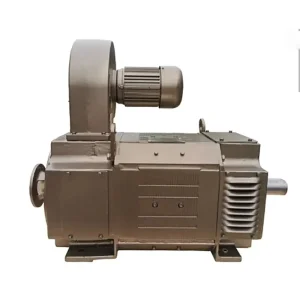
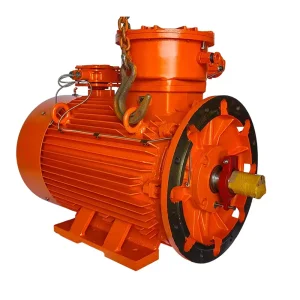
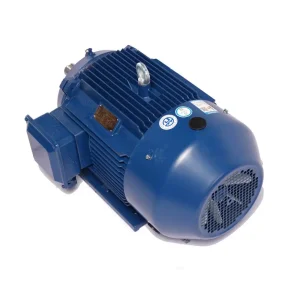
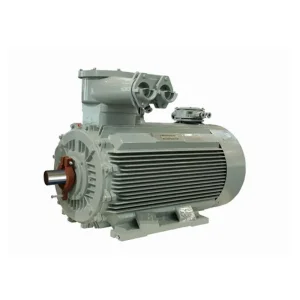
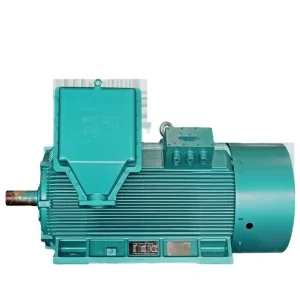
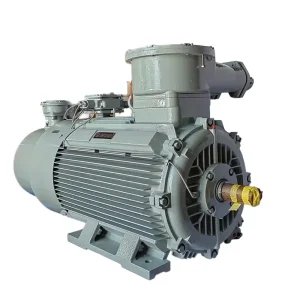

Xi’an Lite SIMO Motor Co., Ltd is an electric company, main enterprise specializing in the manufacturing of large/medium-sized, high/low voltage AC motors, DC motors, synchronous motor, and explosion-proof motor in the Chinese mechanical industry. SIMO is a comprehensive manufacturing and service supplier of motor design, manufacturing, mechanical processing, mold making, assembling.
The Company ranks TOP in China’s motor industry as to its scale of production, and has maintained fast-growing development trend for consecutive years. Powered by advanced testing systems and state-of-the-art winding technology, SIMO delivers high mechanical endurance alongside low maintenance thresholds, satisfying parameters required for heavy industrial systems.
Over six decades of transition, technical optimization, and structural innovation in the motor manufacturing sector.
SIMO Motor was established and led by the state government, initiating specialized motor production.
Relocated to the newly constructed production plant in Xi'an City to expand output capabilities.
Renamed to Xi'an Motor Factory following comprehensive corporate acquisitions and integrations.
Successfully reformed from a state-owned factory into a highly competitive limited company.
SIMO Motor Group established, organizing 14 specialized subsidiaries under unified oversight.
Moved to a modern, high-tech industrial plant optimized for advanced manufacturing engineering.
Corporate title changed to Tech Full Simo Motor, optimizing global business operations.
Firmly positioned as an industry leader, advancing high-efficiency IE4/IE5 global systems.
Providing high-volume capabilities backed by engineering credentials and state-of-the-art industrial processing systems.
Founded in 1955, Tech Full Simo Motor brings over 60 years of production background. With a registered capital of 21.5 million RMB, the company commands a massive asset valuation. Operations are divided across three specialized manufacturing facilities and one dedicated subsidiary, supported by 380 million RMB in fixed assets.
The manufacturing floor boasts over 1,172 sets of high-precision machinery, accommodating winding, machining, and final systems assembly. The workforce includes more than 1,200 employees, with 260+ engineers—including 21 senior engineers and 15 expert engineers directing the technological development.
Products are constructed using premium electrical insulation components and magnetic steel structures to maintain durability in demanding operating environments.
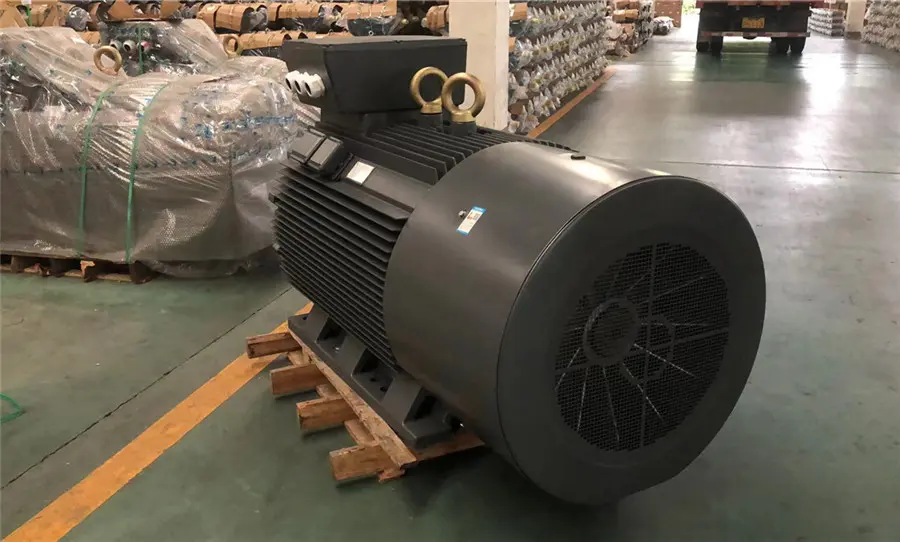
Exploring transition patterns, efficiency classifications, and structural parameters driving modern motor platforms.
The low-voltage motor market is undergoing a significant transition. Driven by international decarbonization guidelines, industries are migrating from standard IE3 motors to ultra-premium efficiency IE4 and IE5 models. According to International Electrotechnical Commission (IEC) definitions, low-voltage motors operate at or below 1000V. They serve as the primary power source for industrial pumps, compressors, blowers, conveyors, and processing equipment, which consume over 50% of all generated electricity in modern manufacturing sites.
This reality makes high-efficiency motor configurations essential for plant optimization. Advanced motors feature high slot fill factors, premium electrical laminations, and low-loss rotor designs. Modern manufacturing also prioritizes variable-frequency drive (VFD) compatibility to prevent insulation breakdown under voltage spikes, ensuring reliable continuous performance.
Integrating YE5 standard layouts lowers thermal footprints and reduces long-term operational costs across continuous-duty operations.
YBX3, YBX4, and YBX5 explosion-proof motors provide spark protection for safe operation in underground coal mines and chemical processing facilities.
YVFE3/YVFE4 systems deliver reliable speed adjustments, optimizing mechanical output and torque control under varying load profiles.
Comprehensive motor models, power distributions, and structural configurations.
SIMO's R&D division supports production across 34 major product series, encompassing over 1,800 distinct varieties and 19,500 individual specifications. Power configurations range from 0.35 kW to 25,000 kW, covering low-voltage installations up to large-scale high-voltage configurations.
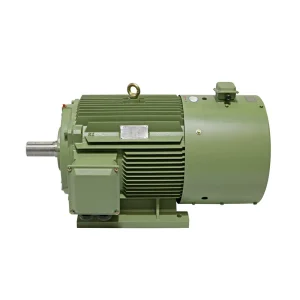
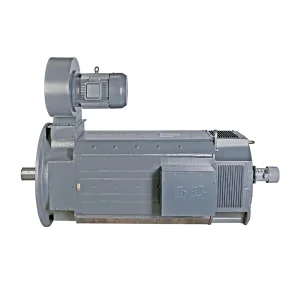
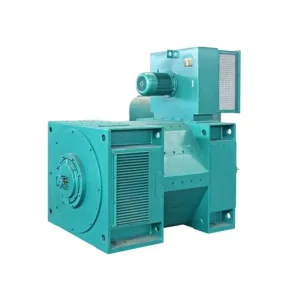
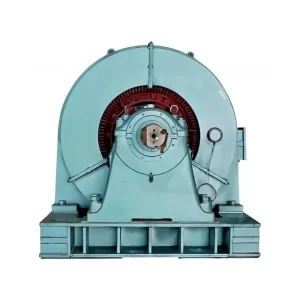
The product range includes: YX, YXKK, and YXKS high-efficiency high-voltage three-phase asynchronous motors; YR, YRKK, and YRKS wound-rotor high-voltage systems; YE3, YE4, and YE5 ultra-premium efficiency low-voltage motors; YVFE3, YVFE4, and YVFE5 variable-frequency motors; YBX3, YBX4, and YBX5 explosion-proof assemblies; T, TD, TK, and TDMK synchronous mill systems; and Z2, Z4, and Z series DC industrial motors.
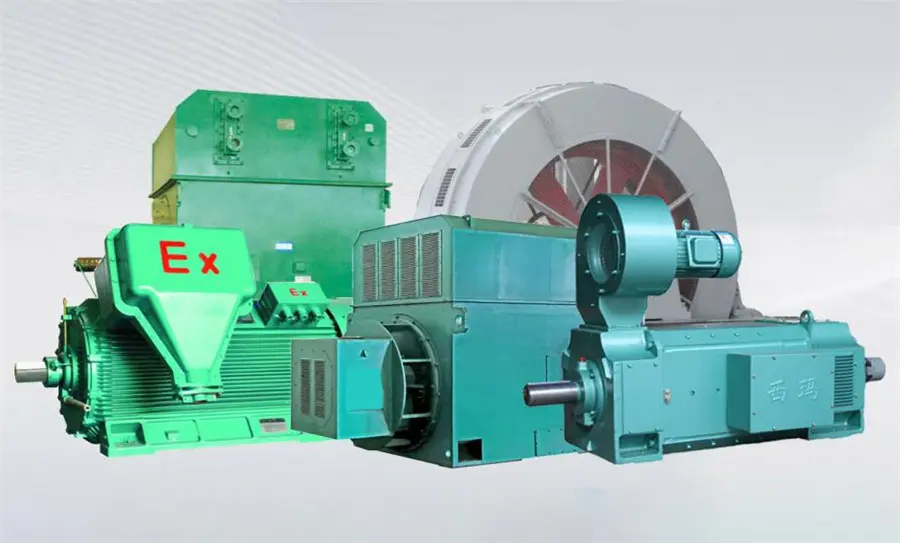
High-precision winding insertion processes ensure optimal copper fill factors and insulation durability.
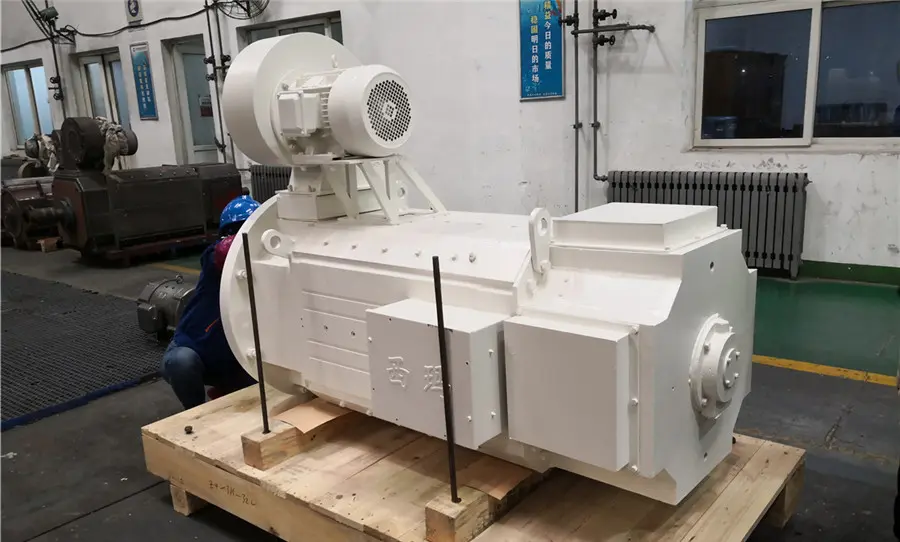
Dynamic balancing processes minimize mechanical vibration, extending bearing service life.
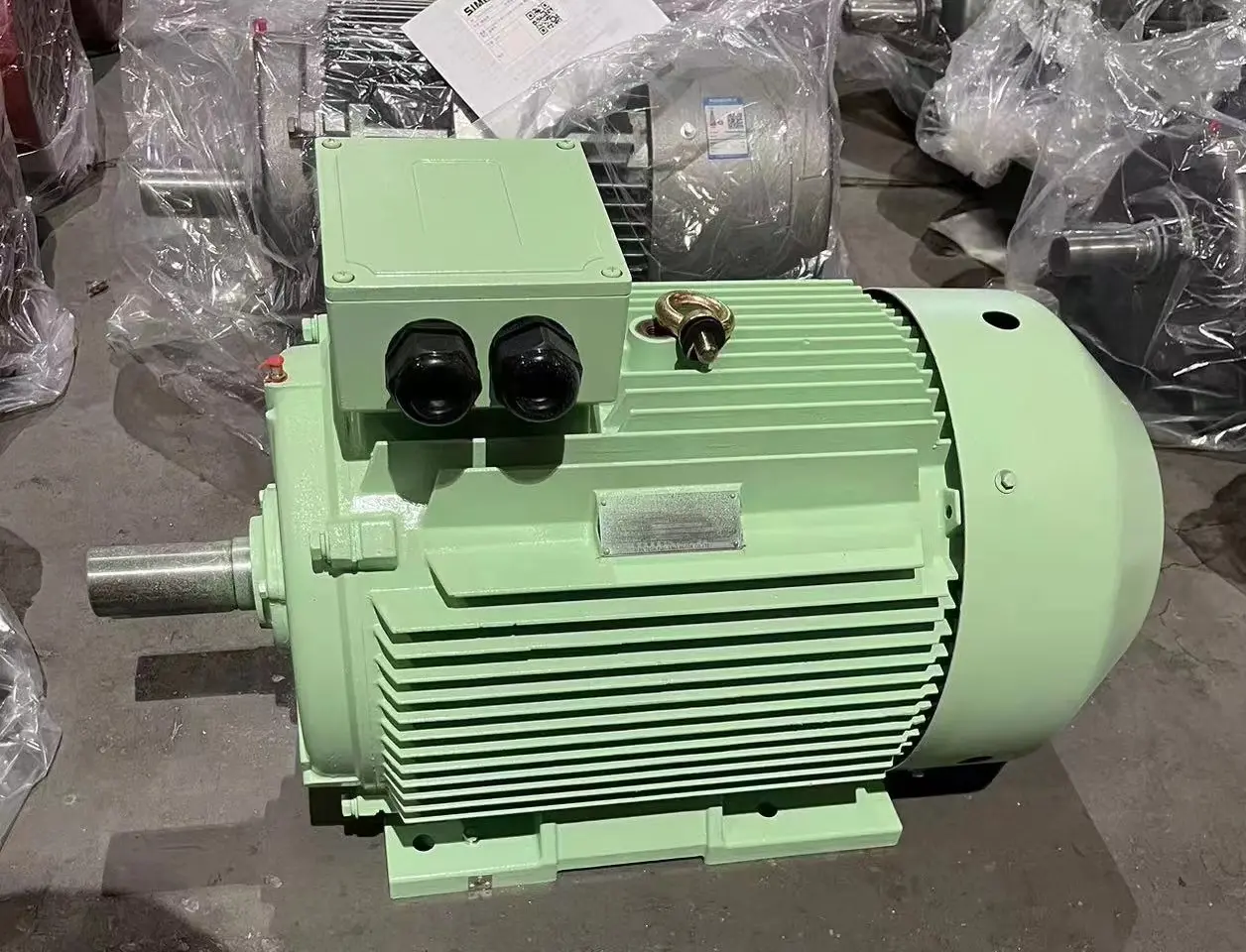
Every motor undergoes load tests to verify efficiency, current balance, and temperature parameters.
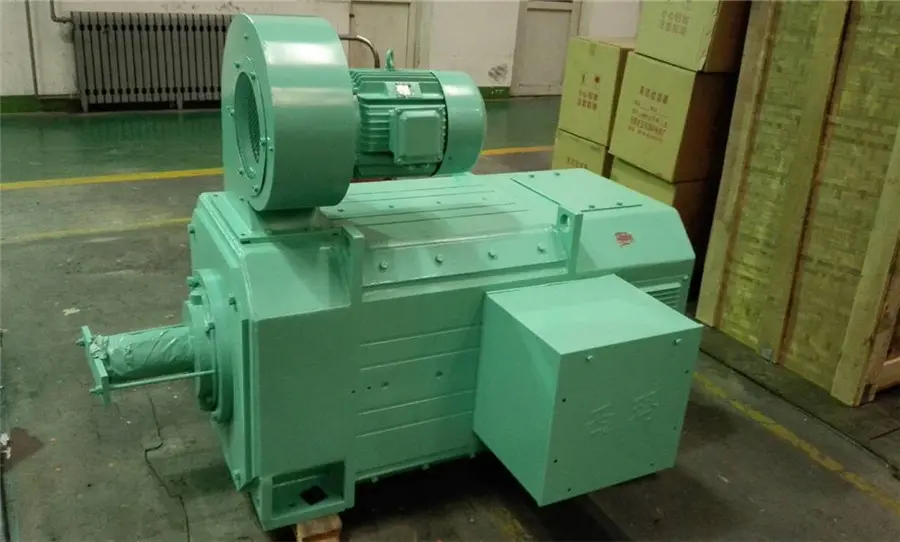
Vacuum Pressure Impregnation (VPI) guarantees insulation integrity under harsh conditions.
Compliance documentation and application scenarios across demanding industrial sectors.
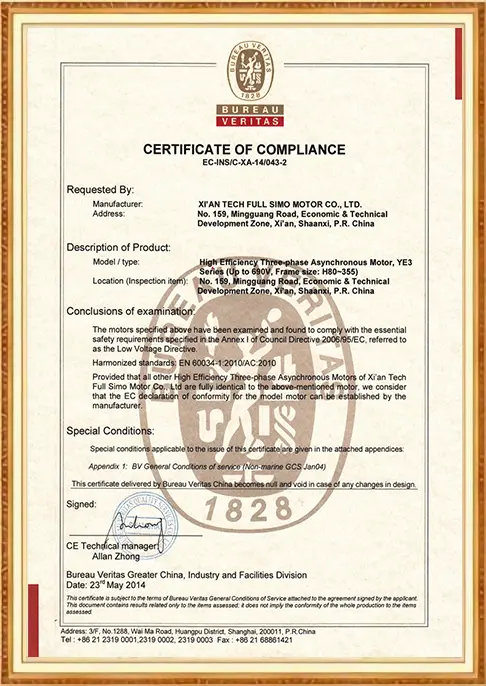
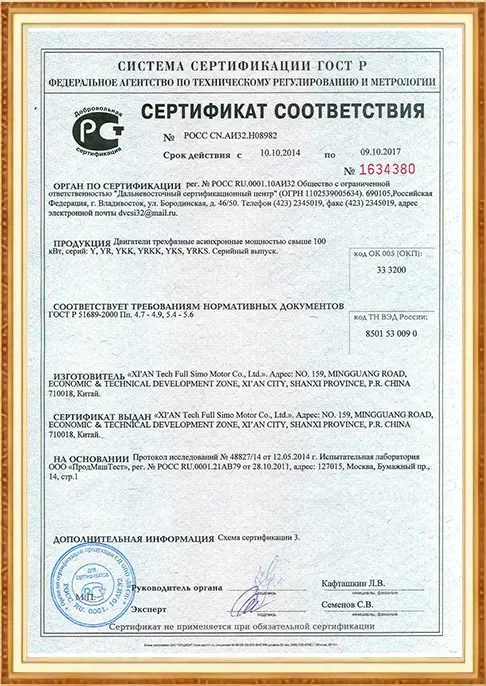
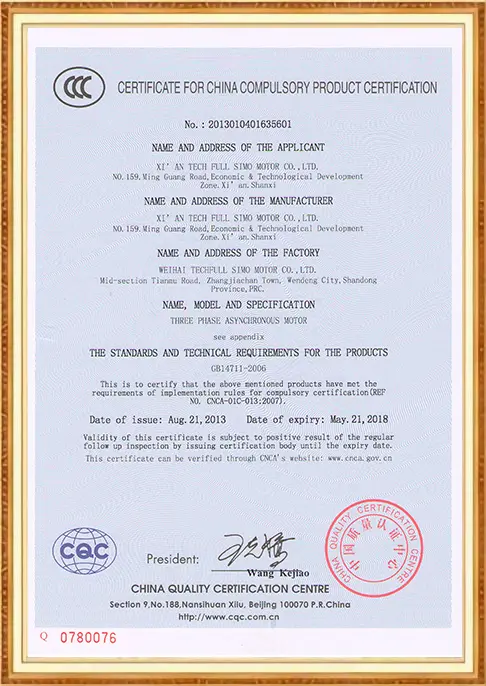
SIMO's manufacturing processes are certified to ISO9001, European CE, American UL, and Russian GOST standards. These certified motor lines are utilized in power generation, coal mining, petrochemical plants, steel mills, rail transportation, water distribution systems, and aviation support facilities.
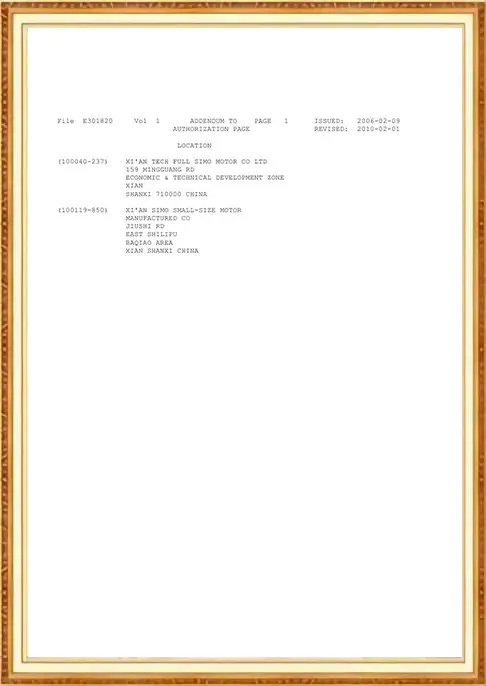
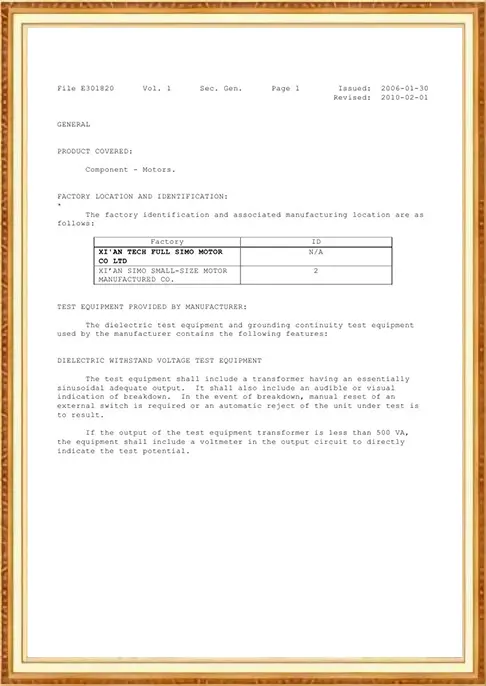
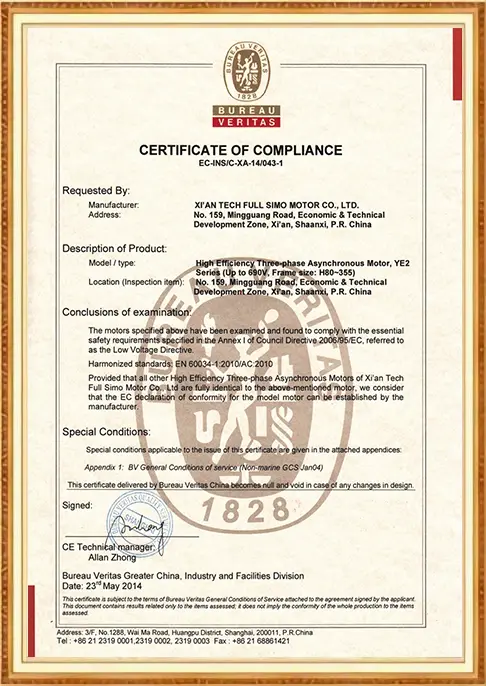
Pioneering smart, digital, and ultra-high-efficiency electric motor architectures.
The industrial sector is transitioning from reactive maintenance to sensor-based predictive maintenance. SIMO’s technology roadmap integrates smart condition monitoring modules directly into our low-voltage and high-voltage motor frames. By measuring parameters like frame vibration, temperature fluctuations, and supply currents in real-time, systems can predict insulation wear or bearing issues before failures occur, reducing unscheduled downtime.
Additionally, SIMO is refining permanent magnet assisted synchronous reluctance motors (PMASynRM). These motors combine synchronous reluctance torque with permanent magnet stability, enabling IE5+ efficiency classifications without relying heavily on rare-earth metals.
Modern VFDs subject motor insulation to high-frequency voltage spikes and transient voltages. To address this, SIMO's engineering team utilizes corona-resistant magnet wire and Class H insulation materials, combined with advanced Vacuum Pressure Impregnation (VPI) cycles. This treatment process minimizes internal voids within the stator slots, improving thermal dissipation and dielectric strength.
Structural layouts are developed using Finite Element Method (FEM) modeling to optimize airflow paths and cooling fins, which lowers operating temperatures and extends grease life.
Addressing engineering questions regarding low-voltage motors, variable frequency setups, and environmental protections.
Under IEC standards, low-voltage motors operate below 1000V (commonly 380V, 400V, 460V, or 690V), while high-voltage motors operate at levels like 3kV, 6kV, or 10kV. Low-voltage installations require lower initial capital costs for switchgear and control panels, making them suitable for auxiliary pumps, compressors, and general manufacturing lines. However, at very high power demands, low-voltage designs require high operating currents, which leads to large cable cross-sections and copper resistive losses. Therefore, applications above 315 kW often transition to high-voltage systems to maintain manageable current levels and overall efficiency.
IEC 60034-30-1 defines motor efficiency classes from IE1 (Standard) up to IE5 (Ultra-Premium). Each step up represents approximately a 10% to 15% reduction in motor energy losses. For instance, a 110 kW YE5 (IE5) motor exhibits lower internal electrical losses than an equivalent IE3 model. While IE5 models carry higher initial procurement costs due to premium silicon steel laminations and optimized copper rotor components, they reduce overall operating costs. Because energy consumption represents over 95% of a motor's lifecycle cost, upgrading to IE5 typically offers a rapid return on investment in continuous operations.
VFDs can introduce steep voltage fronts (dv/dt spikes) that stress insulation systems. To protect these setups, SIMO variable frequency motors (like the YVFE3 and YVFE4 series) use corona-resistant insulation systems and phase-to-phase barrier insulation. For motors rated above 110 kW, shaft currents can arc through bearings and cause fluting damage. We prevent this by installing insulated non-drive end bearings and shaft grounding rings to route capacitive currents safely to the frame.
These classifications designate the motor's protective design for hazardous locations. Ex d (Flameproof, utilized in our YBX3 and YBBP series) is engineered to contain any internal explosion without allowing sparks or flames to ignite the surrounding atmosphere. Ex e (Increased Safety) focuses on preventing arcs, sparks, or hot spots from forming under normal or abnormal operating conditions. Ex n (Non-sparking) is designed for Zone 2 environments, ensuring the motor will not ignite a combustible gas mixture during normal operation. The choice depends on the hazard zone classification of the installation site.
For large-scale, low-speed mill drives (such as ball mills or SAG mills), synchronous motors offer two key advantages: power factor correction and high torque stability. Unlike induction motors, synchronous motors can operate at a leading power factor, helping offset the lagging power factor of induction loads across the facility. Additionally, their torque varies linearly with system voltage rather than quadratically, making them less susceptible to voltage sags under heavy loads.
IC411 uses a shaft-mounted external fan to blow air along cooling fins on the motor frame (Totally Enclosed Fan Cooled, or TEFC). It is standard for low-voltage and medium-sized motors. IC611 uses a top-mounted air-to-air heat exchanger, where internal hot air is circulated through tubes cooled by external ambient air. IC611 is common on larger high-voltage motors because it keeps the stator and rotor isolated from dusty or corrosive environments, though it increases the physical size and weight of the motor enclosure.
VPI is a process where the wound stator is placed in a vacuum chamber to remove air and moisture from the slots. A solventless resin is then introduced under pressure, filling all voids within the winding structure. This process increases mechanical strength, resistance to chemical contaminants, and dielectric strength while improving heat dissipation from the copper coils to the stator core.
Engineers must evaluate the speed-torque curve (especially constant torque speed ranges), transient overload capacity, mounting dimensions, and coupling designs. Modern AC variable frequency systems (like our YVFE3/YVFE4 series) can match the torque output of Z4 series DC motors across wide speed ranges. However, AC upgrades require verifying space constraints and choosing matching VFD parameters to ensure smooth integration with existing plant control networks.
Explore our high-performance industrial motor selections, designed to support continuous processing and heavy industrial infrastructure.
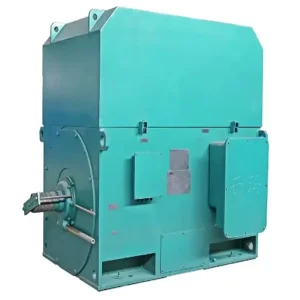
 Lite Simo