Explore our industrial solutions featuring explosion-proof certifications, variable-frequency efficiency, and heavy-load custom configurations.
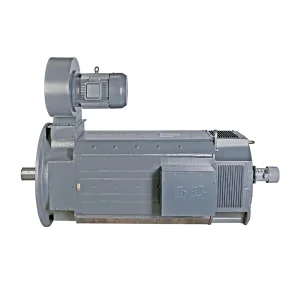
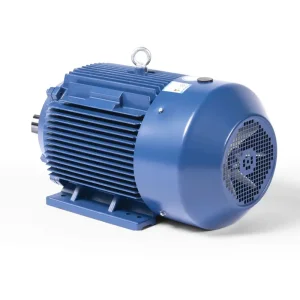
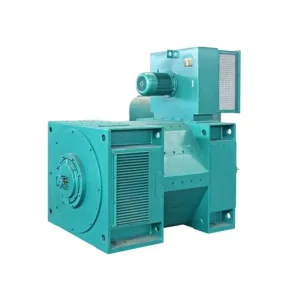
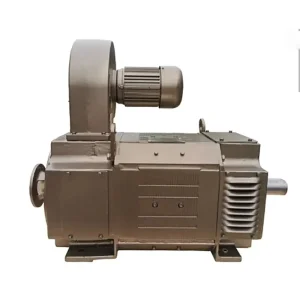
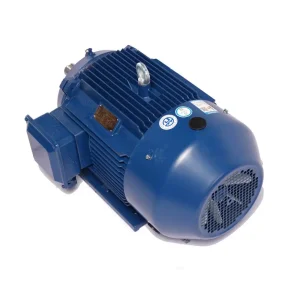
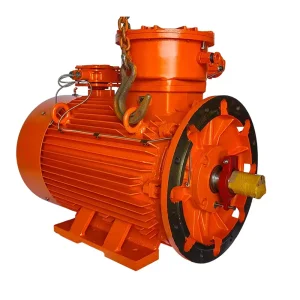
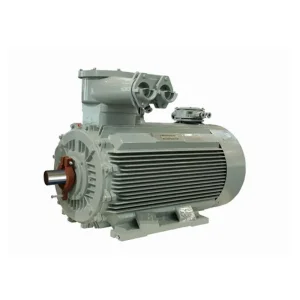
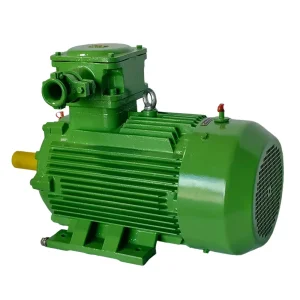
Decoupling the physics of pulsating torque, mechanical load profiles, and electrical stress optimization.
In the heavy industrial domain, reciprocating compressors represent one of the most demanding loads a power system can experience. Unlike centrifugal or rotary screw compressors, which present a relatively smooth, continuous torque curve, a reciprocating piston layout generates cyclically varying torque peaks that match the stroke cycles of the cylinders. This mechanical layout imposes unique challenges on the driving electric motor: severe electrical current pulsations, cyclic thermal overload, and continuous torsional vibration. Sourcing from a premier manufacturer with deep custom design experience is critical to ensure operational reliability and high energy efficiency.
To withstand these extreme dynamics, motor design must go beyond off-the-shelf catalog models. It demands a specialized design matrix including custom stator winding layout, high-inertia rotor dynamics, and a robust mechanical frame. Xi'an Lite SIMO Motor Co., Ltd. has mastered this engineering process, combining high-grade silicon steel sheet configurations, high-voltage insulation systems, and precision mechanical tooling to deliver motors that operate under the most severe continuous cycles without premature rotor cage failures or insulation fatigue.
The primary concern when engineering reciprocating compressor motors is the control of torque pulsations. The torque demand spikes sharply during the compression stroke and drops close to zero during the intake stroke. Without adequate motor system design, this pulsation translates back to the power grid as current harmonics, resulting in voltage drops and mechanical fatigue in the motor windings. To resolve this, motors must be designed to accommodate external flywheels or constructed with a high rotor inertia (GD² value). This stores kinetic energy and discharges it during peak torque demand, smoothing the current line curves.
Additionally, variable frequency operations via systems like the YJP or YVFE series require insulated bearings to prevent shaft current issues resulting from high dV/dt in PWM inverters. Our engineers design these motors with specialized insulation methods (Class F or Class H) using Vacuum Pressure Impregnation (VPI) for complete resin penetration, preventing copper movement within the slots under continuous cycling.

Over 60 years of industrial motor design, mechanical processing, and global distribution.
SIMO Motor ranks as a top manufacturing and service supplier of motor design, mechanical processing, mold making, assembly, and testing in the Chinese mechanical industry. Originally founded in 1955, SIMO has grown to operate with a registered capital of 21.5 million RMB and fixed assets of 380 million RMB. Spanning multiple manufacturing facilities, we employ more than 1,200 people, including 260 technical engineers, 21 senior engineers, and 15 expert engineers who oversee the design and manufacturing of large/medium-sized, high/low voltage AC motors, DC motors, synchronous motors, and explosion-proof motors.
How Simo Motor combines quality control with cost efficiency to deliver maximum value.
Located in Xi'an, Shaanxi province, SIMO leverages localized supply networks for high-purity electrolytic copper, precision cast iron housings, and premium electrical steel sheet components. This proximity minimizes raw material transport costs and reduces production cycle times.
Our facilities are equipped with 1,172 sets of advanced equipment, including high-precision dynamic balancing machines, computer-aided motor testing stations, and insulation diagnostic systems that simulate load profiles prior to dispatch.
Sourcing directly from our factory offers pricing advantages without compromising build quality. Economical manufacturing processes, combined with long operational lifespans, deliver a low total cost of ownership for heavy industries.
A reference table mapping SIMO motor series to reciprocating compressor load configurations.
| Motor Series | Voltage Range | Power Output (kW) | Efficiency Class | Primary Compressor Application |
|---|---|---|---|---|
| YE5 / IE5 Series | 380V, 660V, 1140V | 0.75 to 375 kW | Ultra-Premium IE5 | Standard industrial reciprocating air compressors with variable loading. |
| YE4 / IE4 Series | 380V, 660V, 1140V | 0.75 to 1000 kW | Premium IE4 | Continuous-duty process gas compressors in manufacturing plants. |
| YRKK High Voltage | 6kV, 10kV | 220 to 5000 kW | High Efficiency | Wound rotor configuration for soft starting under heavy reciprocating loads. |
| YBX5 Explosion-Proof | 380V, 660V, 1140V | 0.37 to 315 kW | IE5 Flameproof | Hydrocarbon gas compression in petrochemical refineries and offshore platforms. |
| T / TK Synchronous | 3kV, 6kV, 10kV | 500 to 25000 kW | High Power Factor | Large-scale reciprocating compressors in ammonia and chemical production. |
| Z4 Series DC Motor | 220V, 440V | 1.5 to 600 kW | Variable Speed | Compressors requiring dynamic, wide-range speed adjustment under constant torque. |
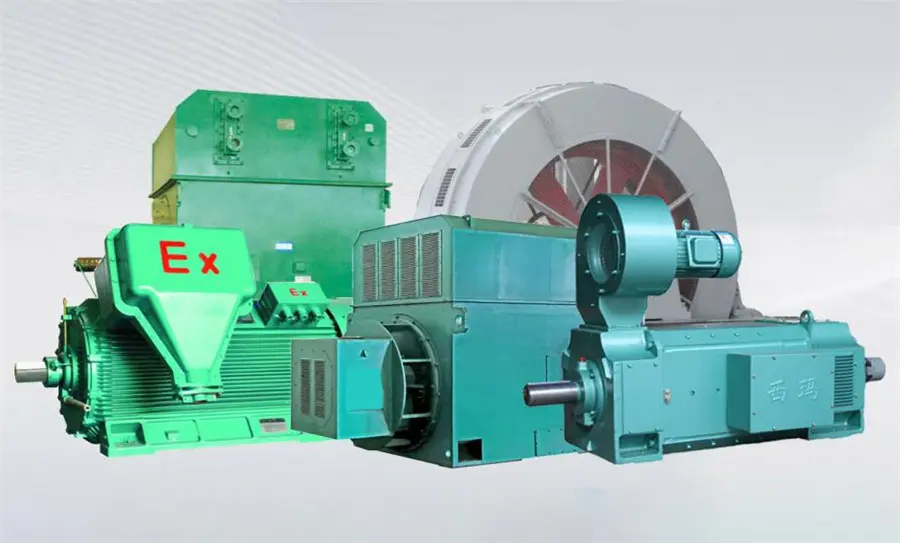
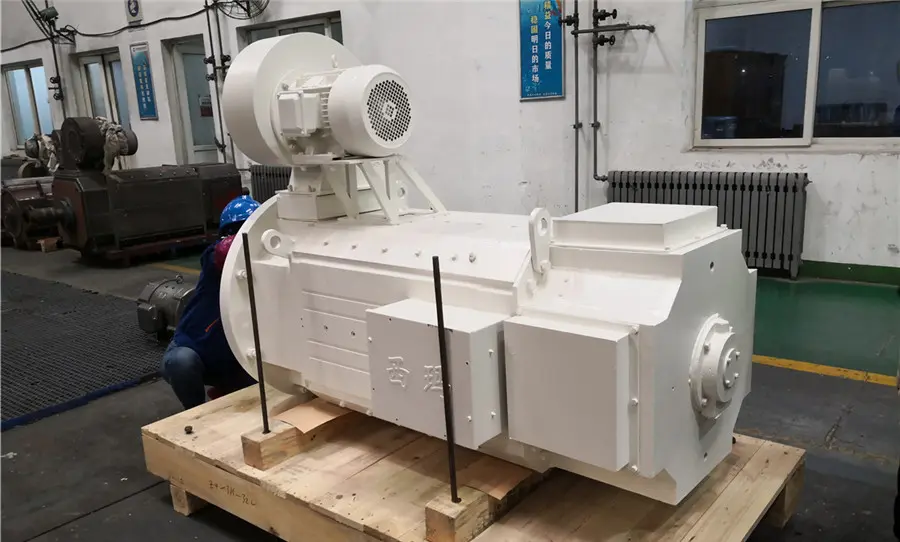
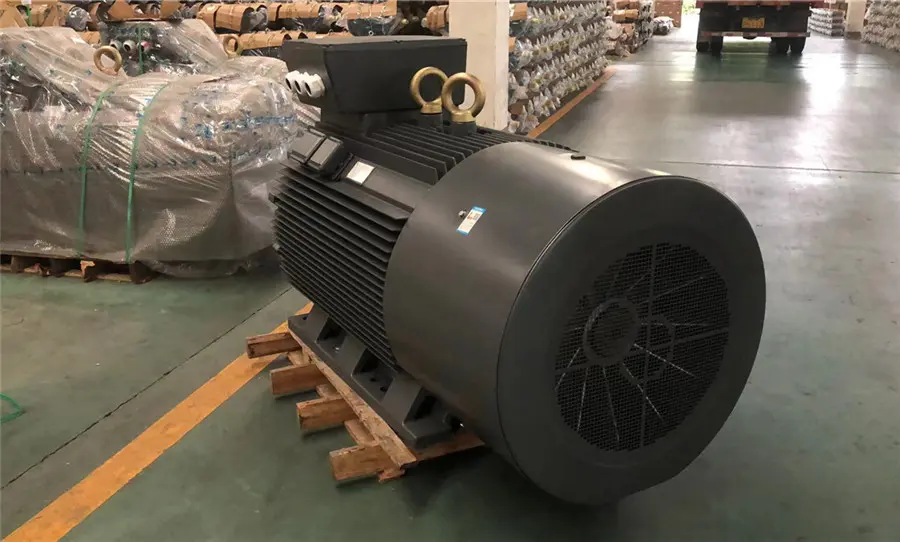
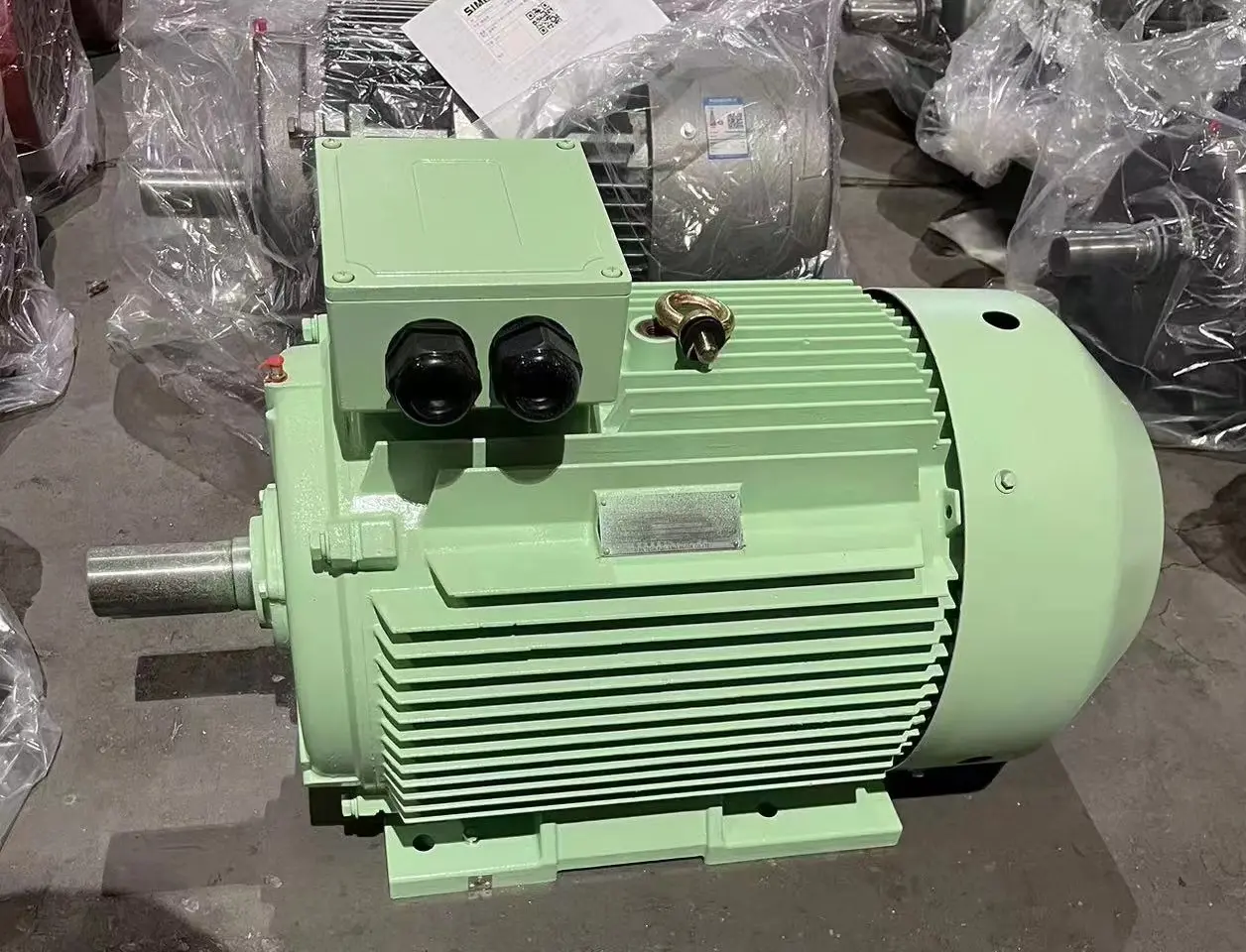
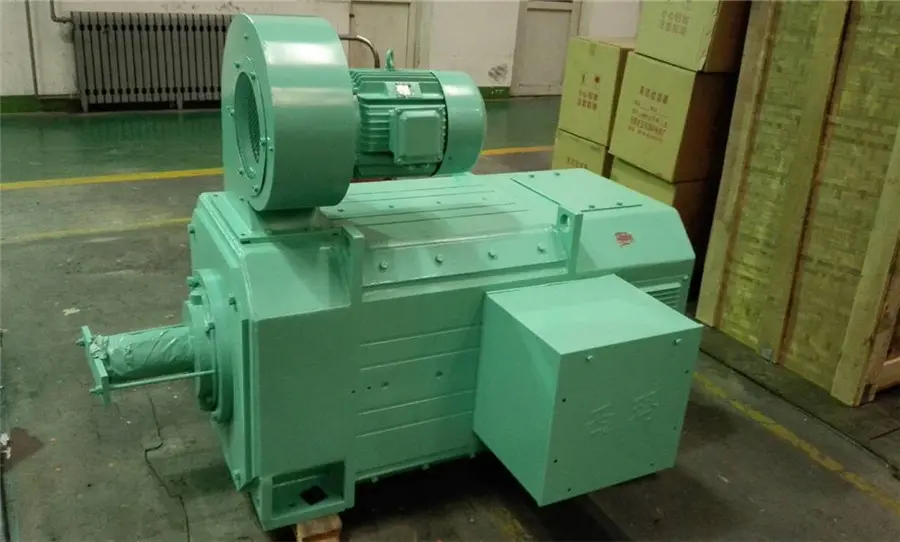
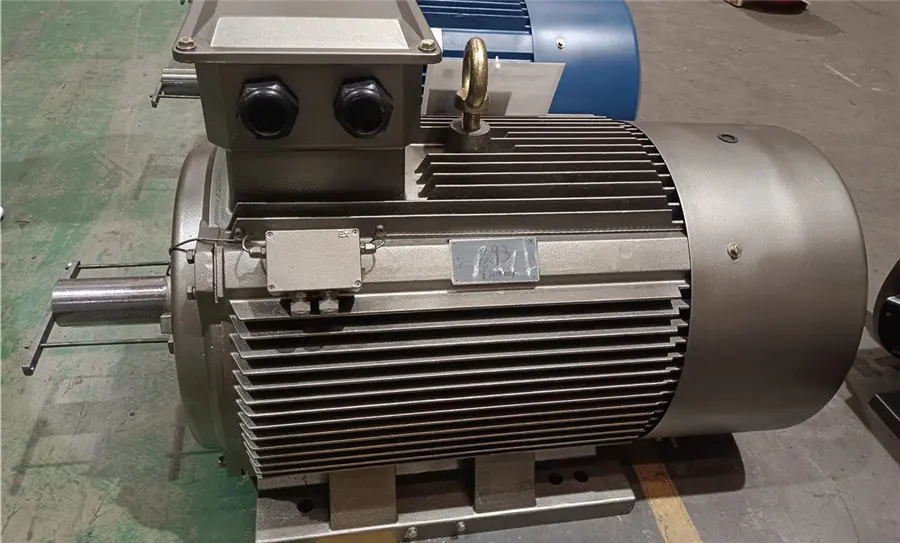
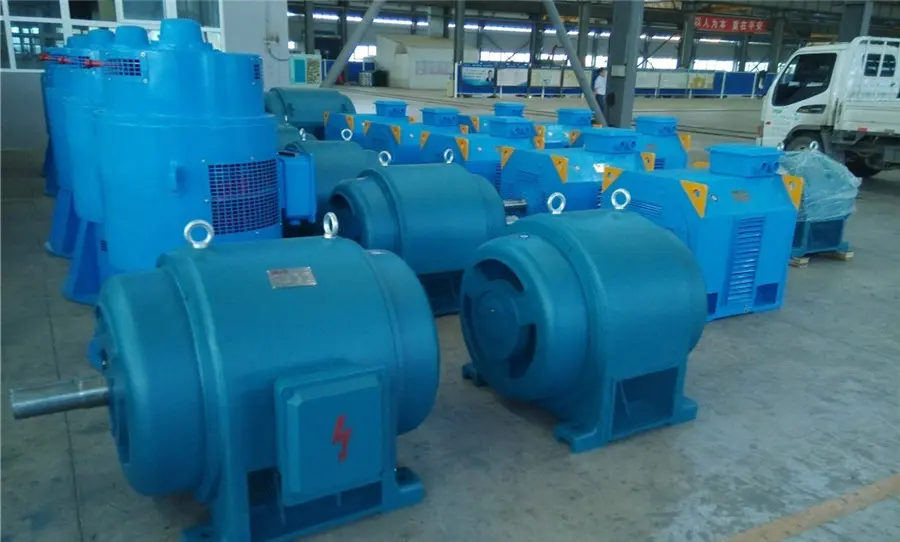
A look at the SIMO manufacturing facilities, casting lines, and heavy assembly halls.
Aligning motor specifications with global net-zero goals, smart grid integration, and digital twins.
The global energy sector is moving toward high-efficiency technologies under strict ESG (Environmental, Social, and Governance) targets. Reciprocating compressors, which consume a significant share of power in oil & gas refiners and chemical plants, are primary candidates for efficiency upgrades. Moving from older IE2/IE3 induction motors to IE4 and IE5 ultra-premium efficiency lines directly reduces daily energy consumption and carbon footprints.
Modern global procurement teams also prioritize predictive maintenance technologies. Our custom industrial motors support vibration sensors, winding temperature detectors (RTDs), and thermal imaging ports. By integrating these sensors, operators can feed data into factory control systems to run diagnostics, calculate bearing degradation, monitor stator temperature rise, and forecast potential winding issues. This allows for planned maintenance before an unexpected breakdown occurs.
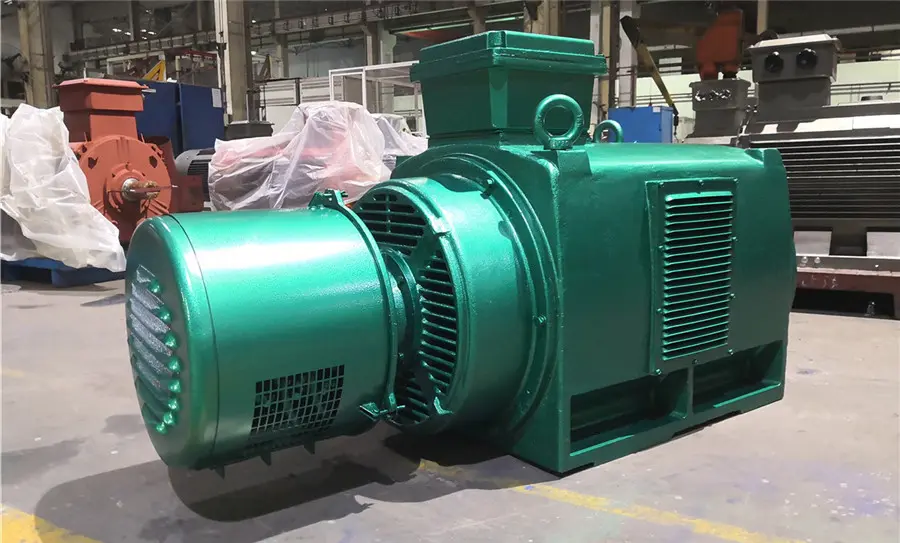
For installations requiring very large reciprocating compressors (typically 1,000 kW and above), synchronous motors (such as the T, TD, TK, and TDMK series) provide specific operational benefits. Beyond offering high efficiency, synchronous motors can operate at a leading power factor. This helps correct the lagging power factor of the plant's overall electrical system, improving voltage stability and reducing energy costs.
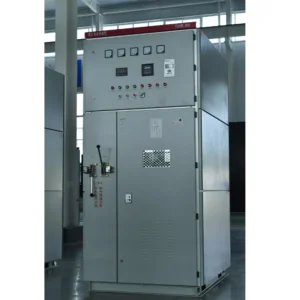
Synchronous motors also feature a large air gap relative to standard induction designs, making them less sensitive to minor shaft misalignments caused by the high structural vibrations of reciprocating compressors. Combined with specialized high-voltage soft-start cabinets, these synchronous systems minimize starting inrush currents on weak industrial grids.
SIMO electric motors are certified for deployment in critical and hazardous environments worldwide.
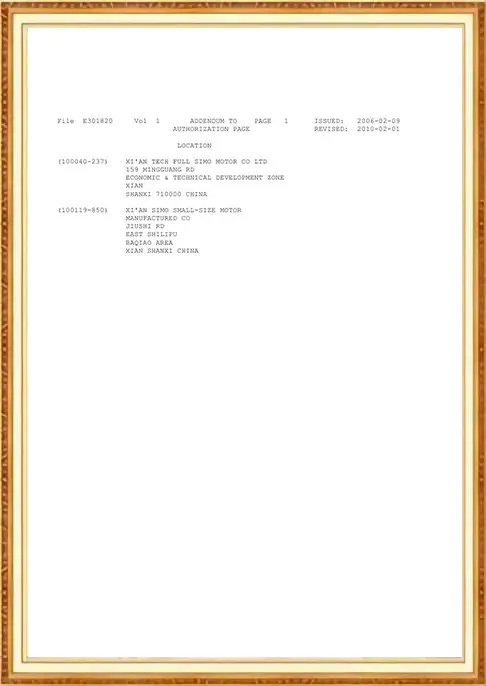
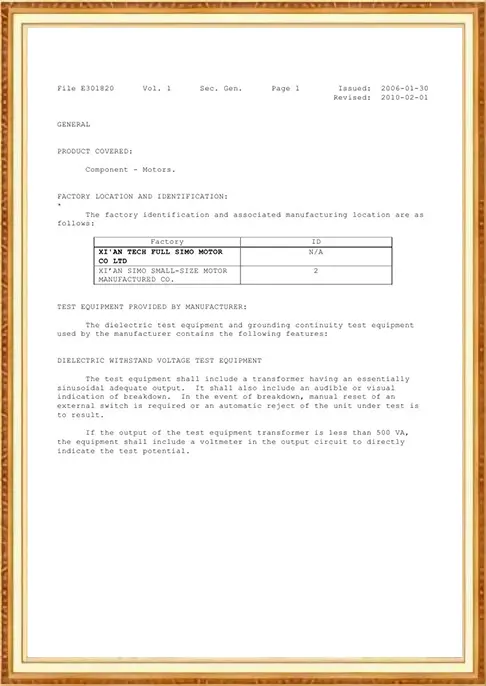
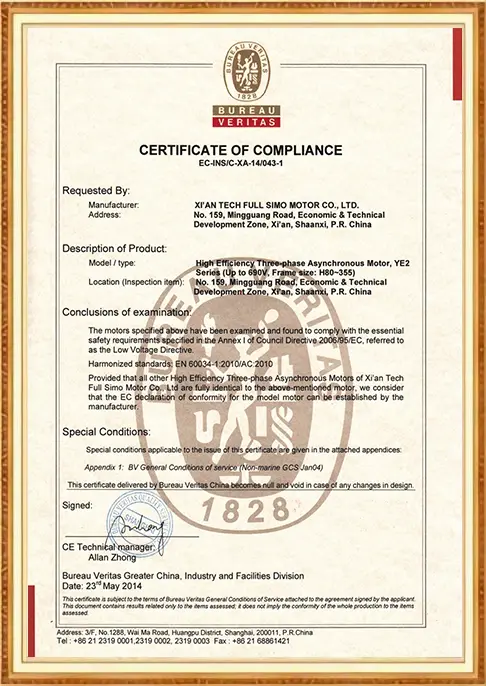
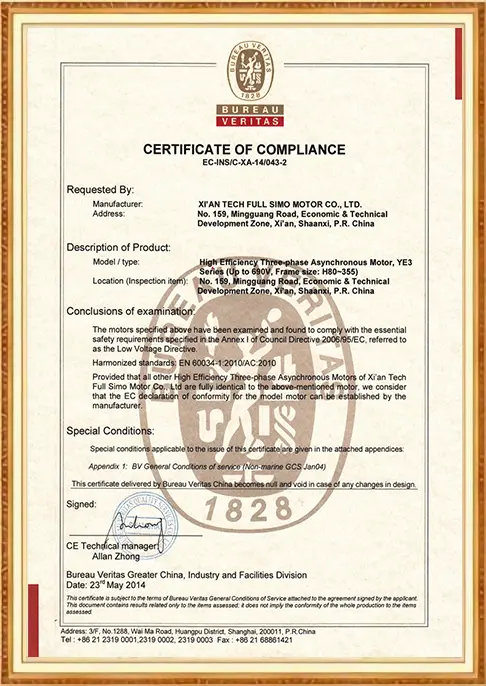
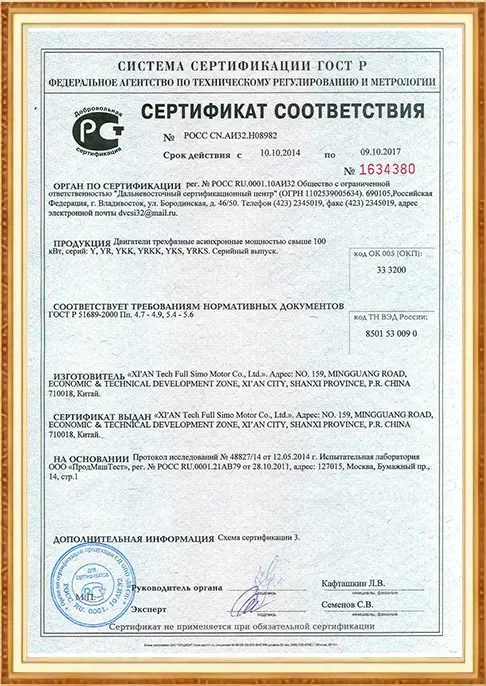
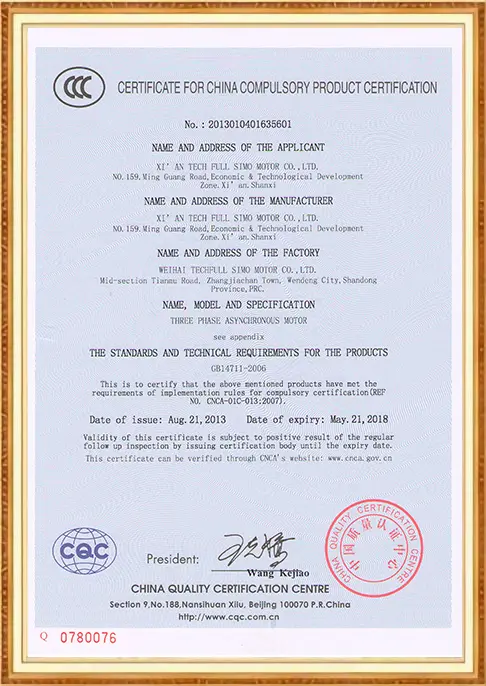
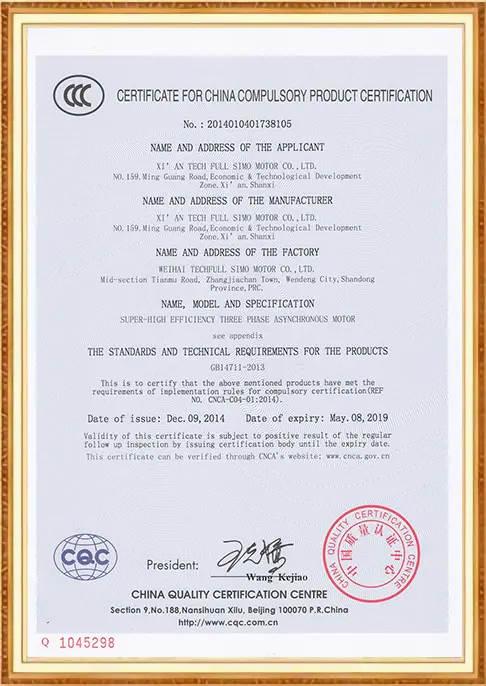
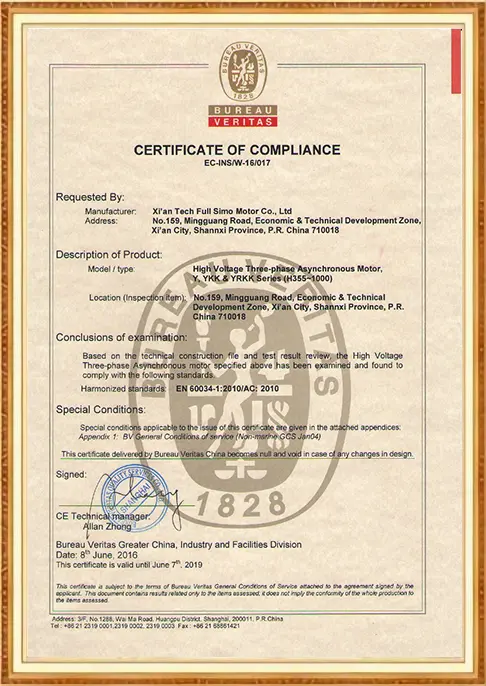
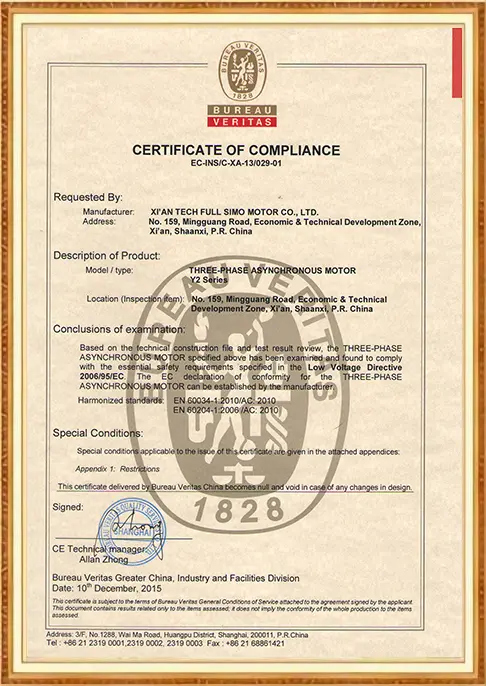
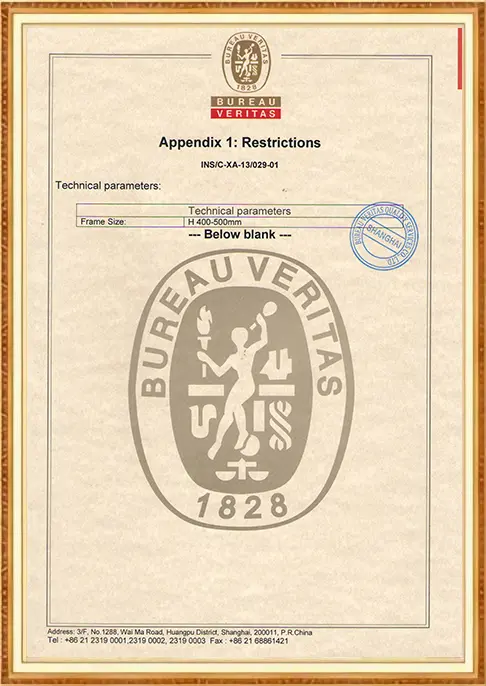
SIMO has passed the ISO9001 Quality System Certification, European Union CE, United States UL, and Russian GOST certifications. Our electric motors are widely applied in power generation, coal mining, petroleum refining, metallurgy, railways, chemical processing, agriculture, and water conservancy projects in China and international markets.
Critical engineering and procurement questions answered by SIMO's motor design experts.
Reciprocating compressors must start under pressure when cylinders retain process gas. This demands a high starting torque (locked rotor torque) to overcome mechanical stiction and cylinder head pressure. If the motor's starting torque curve is too low, the compressor may stall during startup, drawing excessive locked-rotor current and tripping safety relays. SIMO designs wound rotor (YR/YRKK) and synchronous (T/TK) series to handle these starting profiles.
In industrial procurement, "Discount" refers to direct-from-factory pricing structures enabled by vertical supply integration and large production scales. It does not indicate reduced build quality or inferior materials. Because SIMO performs raw material processing, stator winding, casting, machining, and testing in-house, we reduce intermediary markup costs. This allows us to pass savings to the buyer while meeting CE, UL, and GOST quality standards.
Cyclic torque pulsations can cause fatigue in rotor bars and winding end-turns. SIMO addresses this by reinforcing stator wind joints with specialized bracings and using heavy-duty copper-bar rotor constructions rather than aluminum castings for larger models. Additionally, we work with compressor OEMs to optimize the flywheel size (GD²), using the rotating mass to absorb energy peaks and protect the motor's core structure.
Reciprocating compressors often run at partial capacity. By utilizing variable frequency motors (YVFE/YJP series), operators can adjust speed to match real-time flow demands rather than venting excess gas. This variable control can lower energy consumption by 20% to 40% compared to bypass throttle systems. It also allows for soft-starting, reducing electrical and mechanical wear during startup cycles.
Gas compression facilities frequently contain volatile hydrocarbons, creating hazardous environments. Our flameproof (Ex d) motors feature robust cast-iron enclosures designed to contain any internal electrical spark or explosion. This construction prevents the ignition of explosive gases in the surrounding atmosphere. Our dust-proof (Ex t) series similarly prevent fine coal or grain dust from entering the motor casing and contacting hot surfaces or electrical terminals.
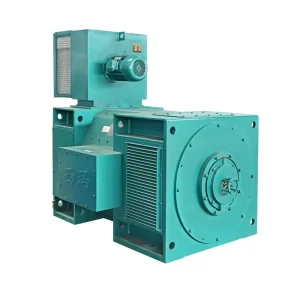
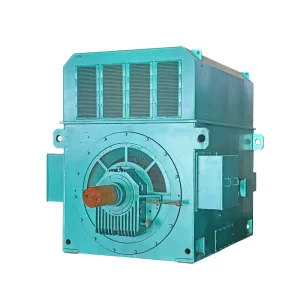
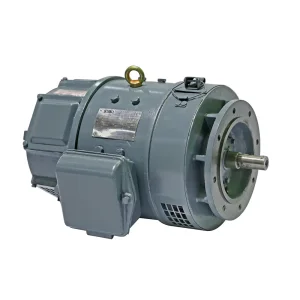
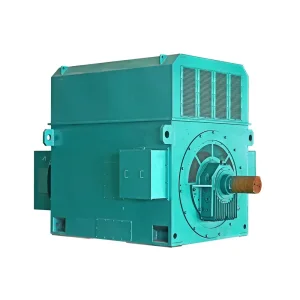
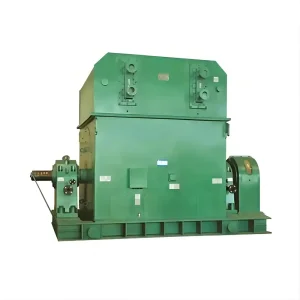
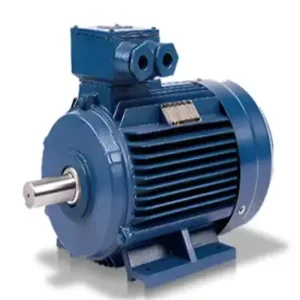
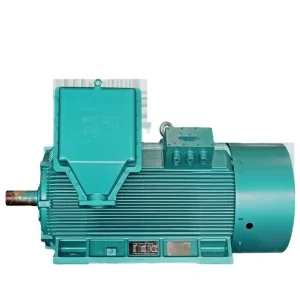
Advanced engineering solutions including heavy-duty DC drives, wound rotor induction, and high-voltage starter equipment.
 Lite Simo