 Lite Simo
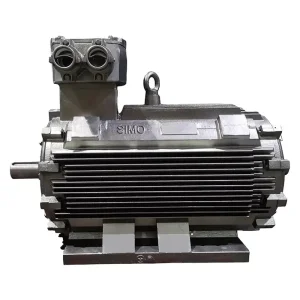
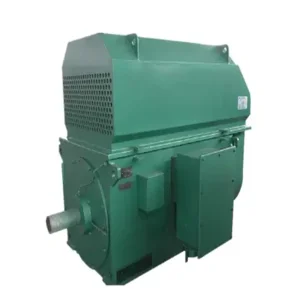
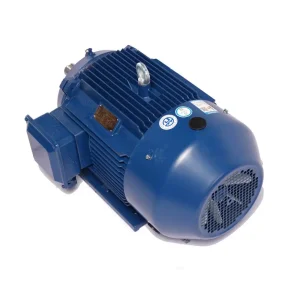
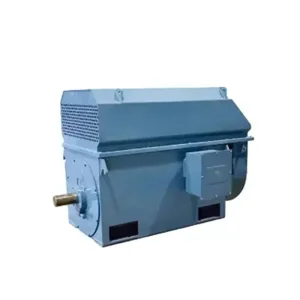
1. The Global Shift to Permanent Magnet AC (PMAC) Technology
In the contemporary industrial landscape, the demand for energy efficiency, thermal stability, and operational durability has driven a massive technological migration. Standard induction motors (asynchronous machines) have historically formed the backbone of global manufacturing. However, the rise of Permanent Magnet AC (PMAC) motors (often categorized under Permanent Magnet Synchronous Motors - PMSM) has revolutionized performance curves.
Unlike induction motors that rely on electromagnetic induction to generate rotor current—leading to inherent rotor copper losses (slip)—PMAC motors integrate rare-earth permanent magnets (typically Neodymium Iron Boron, NdFeB, or Samarium Cobalt) directly into or onto the rotor structure. This eliminates rotor winding losses completely, resulting in significantly higher efficiency bands, even under fractional load operations.
This efficiency advantage directly maps to global ecological regulations. The International Electrotechnical Commission (IEC) standard 60034-30-1 defines efficiency classes from IE1 (Standard) to IE5 (Ultra-Premium). While attaining IE4 or IE5 status with traditional induction motors requires massive frame sizes and raw material allocations, PMAC technology reaches IE5 specifications within significantly smaller, lighter frames.
2. Technical Architecture & Magnetics of Industrial PMAC Systems
To understand the industrial superiority of PMAC systems, one must examine their magnetic and electrical topologies. Industrial PMAC motors generally fall into two design categories based on rotor construction:
Surface-Mounted Permanent Magnet (SPMSM)
In SPMSM designs, the permanent magnets are bonded directly to the outer surface of the rotor laminations. Because the magnetic path relies on the non-magnetic properties of the bonding agents and the magnets themselves, the motor exhibits negligible saliency (d-axis and q-axis inductances are roughly equal). These motors are ideal for high-speed dynamic applications requiring precise position control, but require robust carbon-fiber or stainless-steel retention sleeves to prevent magnet detachment at high centrifugal velocities.
Interior Permanent Magnet (IPMSM)
In IPMSM designs, magnets are embedded inside the rotor core. This arrangement protects the magnets from physical damage and introduces a significant reluctance torque component due to the differences in d-axis and q-axis inductance. IPMSM configurations leverage both magnetic and reluctance torque, making them exceptionally suited for heavy-duty industrial applications requiring wide constant-power speed ranges (flux-weakening capability).
| Feature Parameter | Asynchronous Induction (IE3) | Interior PMAC (IE5 / PMSM) | Industrial Advantage |
|---|---|---|---|
| Rotor Loss Profile | Significant (I²R copper & slip losses) | Zero rotor winding losses | Reduced operating temperature, longer bearing life |
| Power Density | Moderate (1.0x baseline) | High (Up to 1.6x - 2.0x higher) | Smaller footprints, fits tight retrofits |
| Low Speed Torque | Poor without oversized ventilation | Outstanding (Full torque at zero speed) | Eliminates complex mechanical gearboxes |
| Power Factor (PF) | 0.75 - 0.85 (Varies with load) | 0.95 - 0.98 (Consistently high) | Lower line current, reduced cable & transformer size |
3. Macro Industry Solutions & Applications
Modern industrial plants consume enormous electrical loads, with motor-driven systems accounting for over 65% of all industrial electrical energy consumption. By integrating factory-discounted PMAC motors into heavy industrial infrastructure, facility engineers achieve substantial decarbonization and operational cost reductions.
Water & Wastewater Treatment
Pumping stations operate continuously under variable demand profiles. Traditional control systems rely on mechanical throttling or standard induction motors run by Variable Frequency Drives (VFDs). The integration of IE5 PMAC motors coupled with advanced field-oriented control (FOC) allows pumps to run at optimal efficiencies even during off-peak periods, lowering municipal energy bills by up to 30% annually.
Mining and Metallurgy
High-torque, low-speed applications such as ball mills, conveyor belts, and crushers traditionally require high-ratio gearboxes combined with high-pole induction motors. By utilizing multi-pole, direct-drive PMAC motors, plants can remove the gearboxes completely. This direct-drive model eliminates mechanical transmission loss, lubricant maintenance, and gear-related downtime.
Petrochemical & Hazardous Area Operations
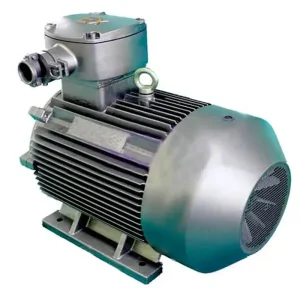
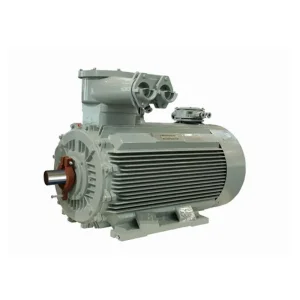
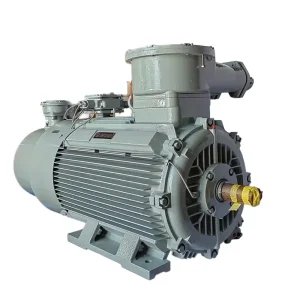
Explosion-proof environments mandate motors that operate at low surface temperatures to prevent gas or dust ignition. Because PMAC rotors do not generate current loop heat, their overall heat profile is much lower. When combined with flameproof enclosures—such as our YBX3 and YBBP explosion-proof lines—they offer unparalleled safety profiles in Class I Div 1 / Zone 1 environments.
4. Litesimo: Decades of Engineering Excellence

Xi’an Lite SIMO Motor Co., Ltd
We are a leading electric company and a primary enterprise specializing in the manufacturing of large/medium-sized, high/low voltage AC motors, DC motors, synchronous motors, and explosion-proof motors within the mechanical industry. SIMO is a comprehensive manufacturing and service supplier of motor design, manufacturing, mechanical processing, mold making, and precision assembly. The Company ranks at the top of the industrial sector in scale of production and has maintained a rapid development trajectory for consecutive decades.
Simo operates from three specialized manufacturing factories and one subsidiary factory, utilizing a robust registered capital of 21.5 million RMB. Our fixed assets are valued at 380 million RMB, housing more than 1,172 sets of state-of-the-art manufacturing and testing equipment. Our production capacity is backed by over 1,200 employees, including more than 260 technical engineers, 21 senior engineers, and 15 expert engineers who oversee the product development lifecycle.
Milestones of Growth & Adaptability
1955
SIMO Motor established and led by government initiative.
1957
Relocated to the newly constructed production plant in Xi'an City.
1966
Rebranded as Xi'an Motor Factory following strategic acquisitions and integration.
1999
Successfully reformed from a state-owned factory into a modern limited liability company.
2005
Established SIMO Motor Group, expanding operations with 14 subsidiaries.
2006
Moved to the high-tech, advanced new plant to scale up production automation.
2009
Transitioned brand identity to Tech Full Simo Motor to reflect technical modernization.
2019 - Present
Continuing to engineer global solutions as one of the world's premier industrial motor manufacturers.
5. Technical Product Showcase & Scope
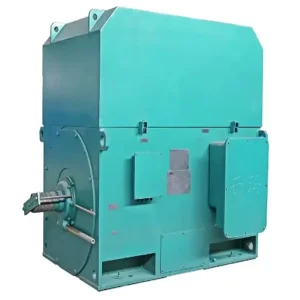
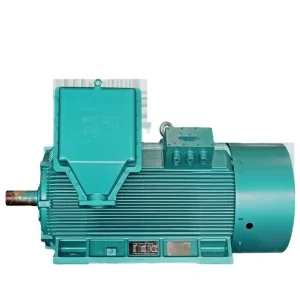
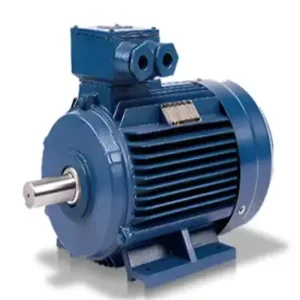
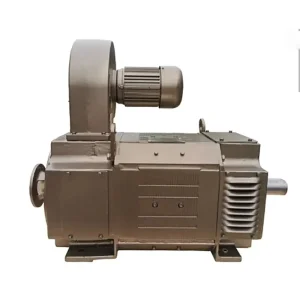
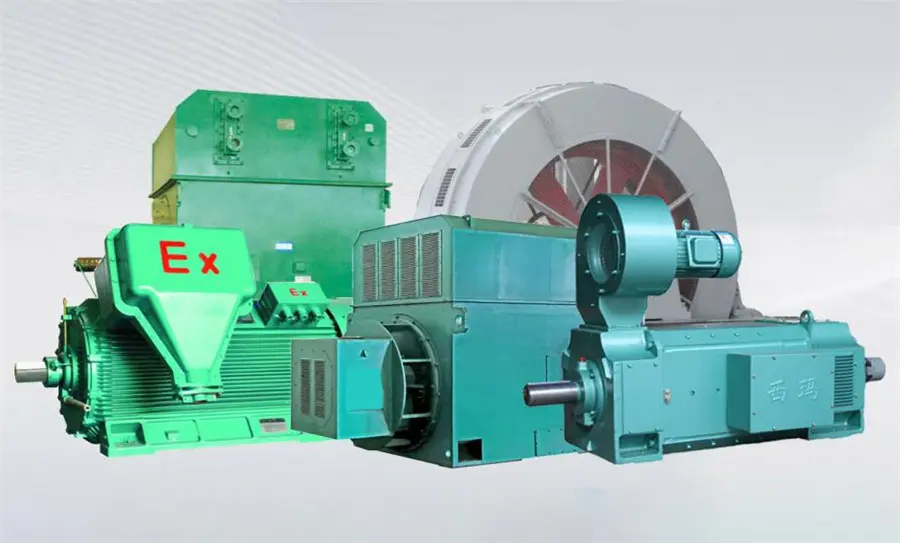
Our research and development division covers an extensive range of motors, encompassing 34 major series, over 1,800 varieties, and 19,500 distinct specifications. Power capacities span from 0.35 kW up to 25,000 kW. Our primary industrial motor catalog includes:
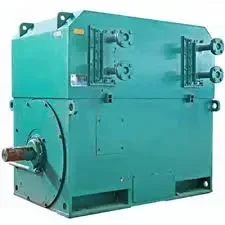
- YX, YXKK, YXKS Series: High-voltage, high-efficiency three-phase asynchronous motors designed for heavy utility operations.
- YR, YRKK, YRKS Series: Wound rotor high-voltage motors delivering high starting torque with low starting currents.
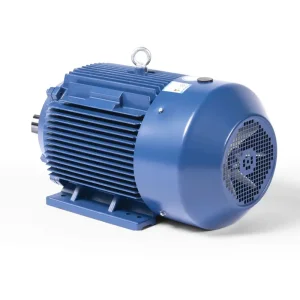
- YE3, YE4, YE5 Series: Super-premium and ultra-premium efficiency asynchronous motors conforming to European standards.
- YVFE3, YVFE4, YVFE5 Series: Variable frequency and variable speed motors designed to operate reliably across wide frequency spectrums.
- YBX3, YBX4, YBX5 Series: Low and high-voltage flameproof/explosion-proof three-phase motors certified for hazardous areas.
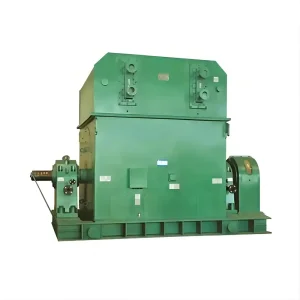
- T, TD, TK, TDMK Series: High-power synchronous motors tailored for heavy industrial mills and compressors.
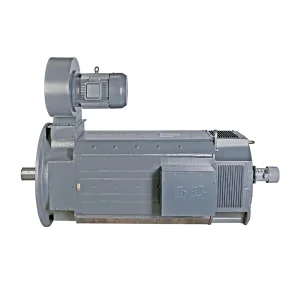
- Z2, Z4, and Z Series: Highly controllable industrial DC motors used in metal rolling, extrusion, and paper manufacturing.
Manufacturing Infrastructure & Quality Control
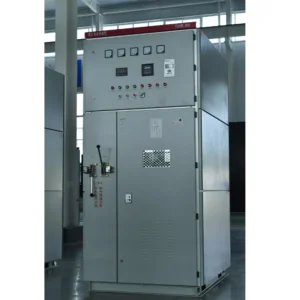
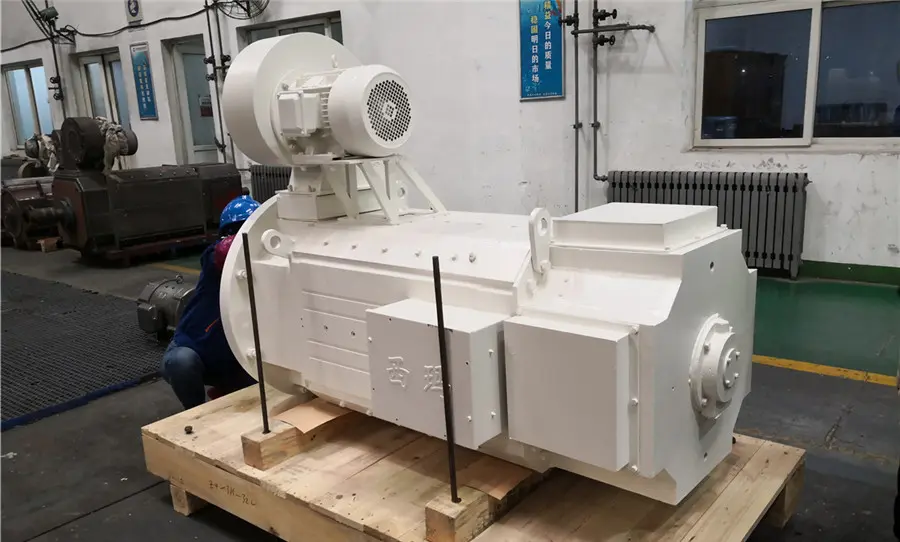
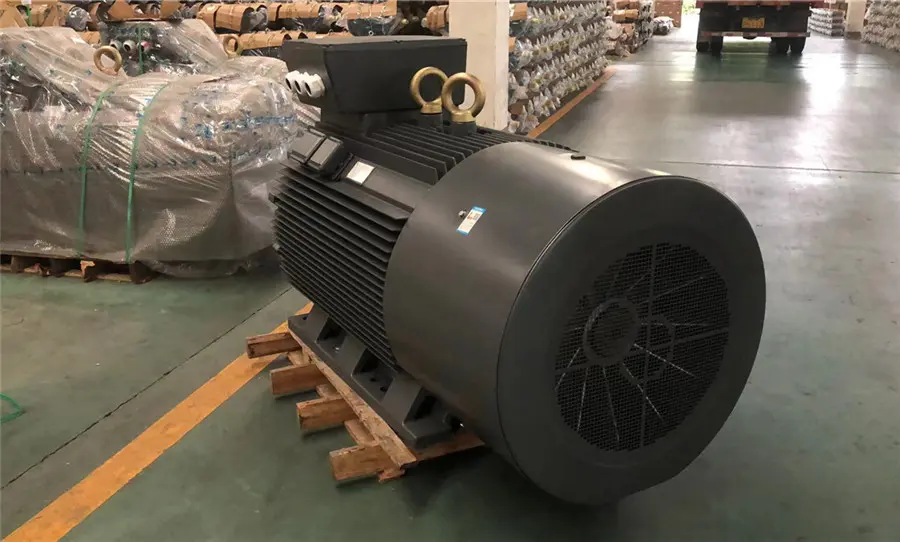
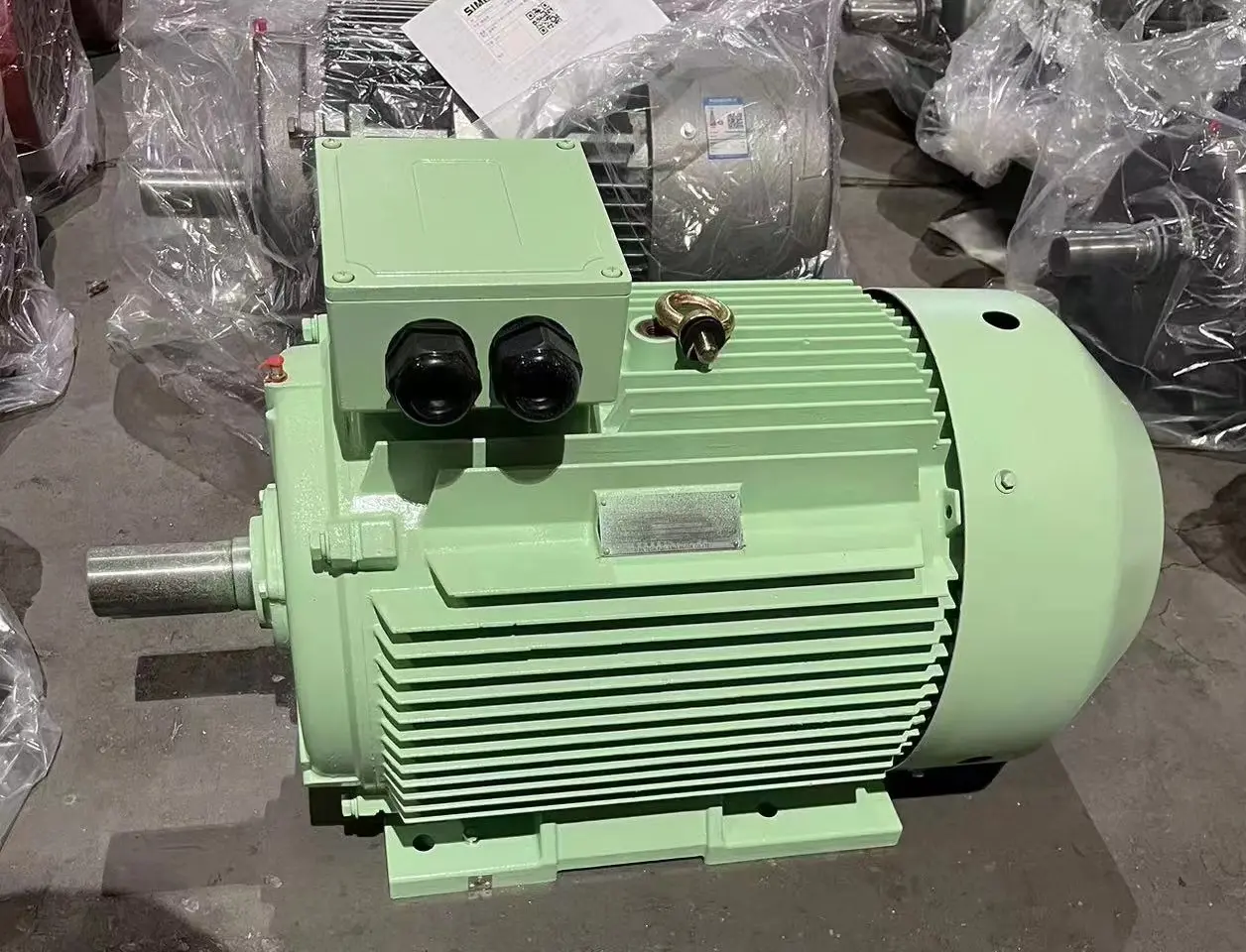
Below are actual images from our manufacturing facilities, assembly bays, and testing testing grounds. Each motor undergoes rigorous electrical, vibration, and thermal isolation testing before shipping.
6. Global Compliance, Certificates & QA Protocols
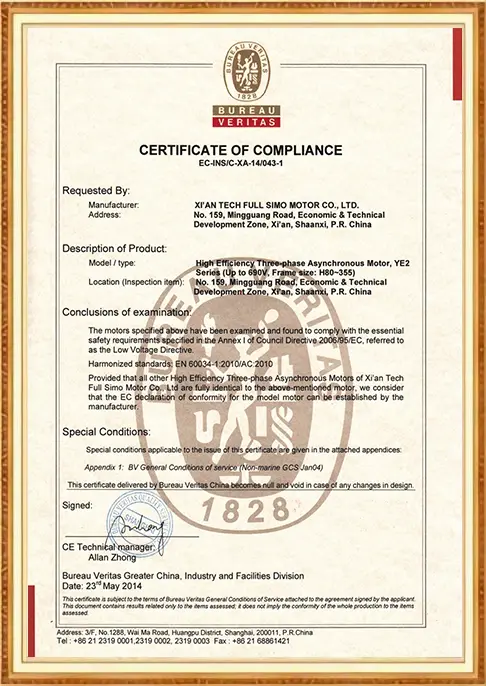
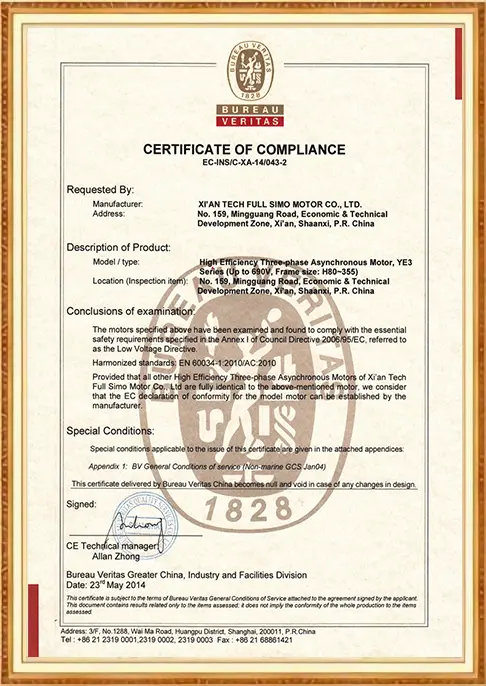
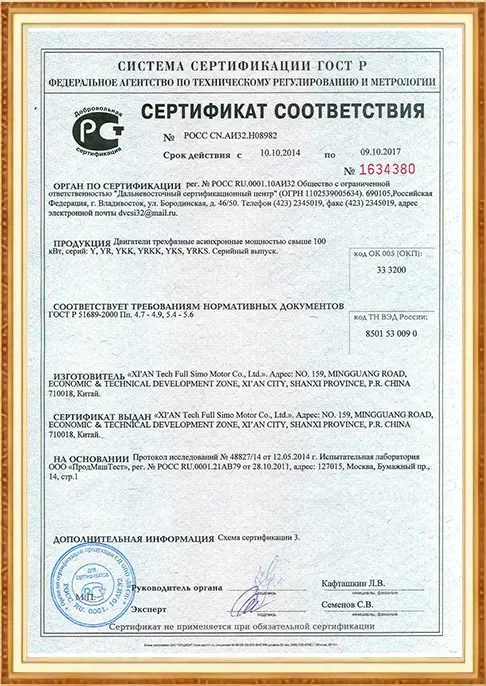
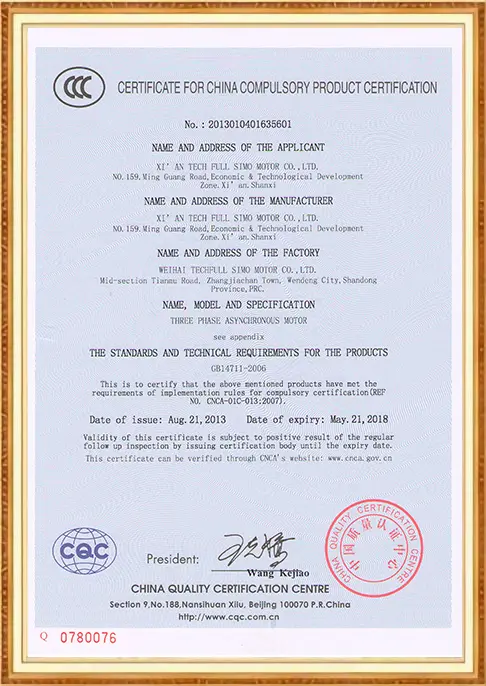
Operating in worldwide markets requires strict adherence to international safety and quality standards. SIMO has systematically passed the ISO9001 Quality System Certification, the European Union's CE Certification, the United States' UL Certification, and the Russian GOST Certification. This compliance matrix ensures that our products seamlessly integrate into global OEM machinery lines and municipal frameworks without regulatory hurdles.
Our quality assurance testing facilities include full-load dynamometers, stator core loss testers, automated winding resistance instruments, precision balancing rigs, and high-frequency insulation surge testers. These tools ensure that our PMAC and AC/DC motors operate at specified vibration velocities (typically ISO 10816 class A or B) and meet rigorous class F/H insulation temperature thresholds.


7. Technical Roadmap: Future Developments in PMAC Design
As the industrial sector trends toward IoT-connected factories and smart grid compatibility, the future of PMAC technology lies in advanced sensor integration and magnet sustainability:
Sensorless Vector Control (FOC) Optimization
Operating a PMAC motor requires real-time knowledge of rotor position. Standard systems use physical encoders or resolvers. However, harsh industrial environments (high dust, moisture, extreme temperatures) can damage physical sensors. Our future roadmap focuses on sensorless field-oriented control algorithms that calculate rotor position by measuring stator current harmonics, reducing system failure rates and physical components.
Dy-free (Dysprosium-free) Magnet Development
Heavy rare-earth metals like Dysprosium (Dy) and Terbium (Tb) are traditionally added to NdFeB magnets to improve high-temperature demagnetization resistance. Due to supply volatility, our R&D is focused on grain boundary diffusion (GBD) technologies, which apply localized heavy rare earths only where needed, reducing material dependence while maintaining thermal performance up to 180°C.