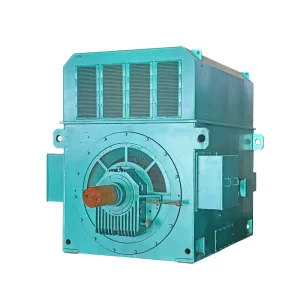
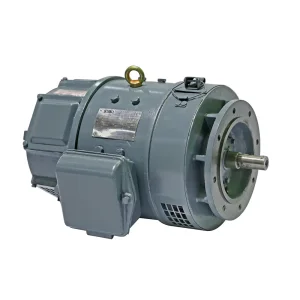
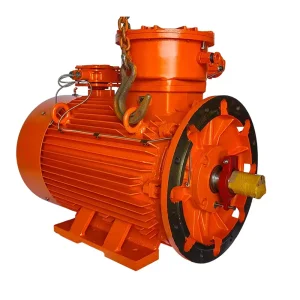
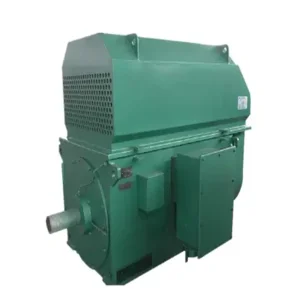
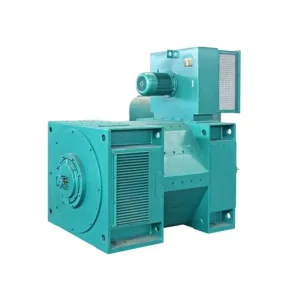
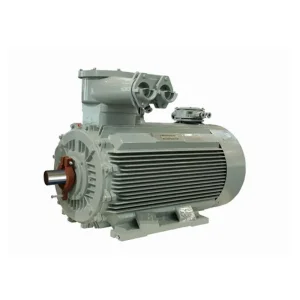
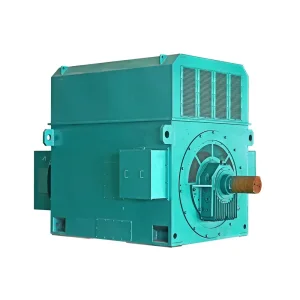
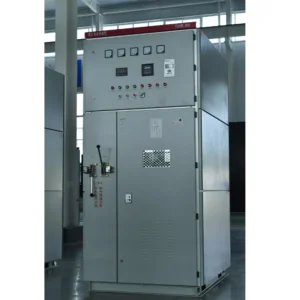
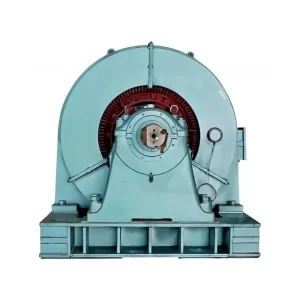
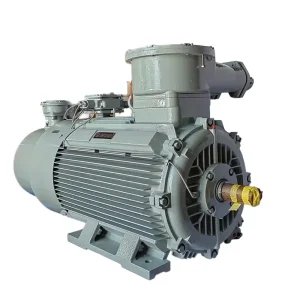
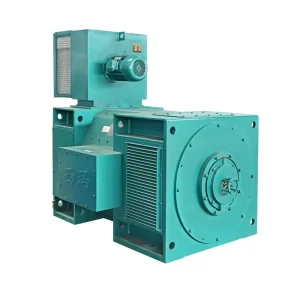
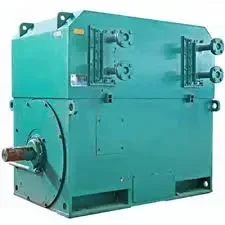
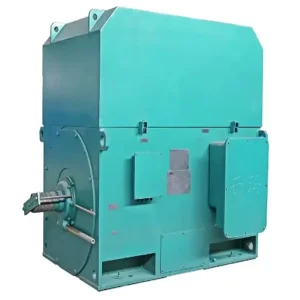
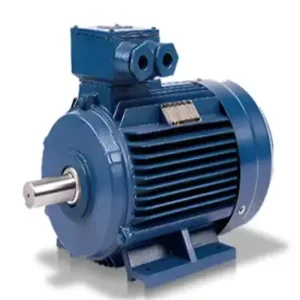
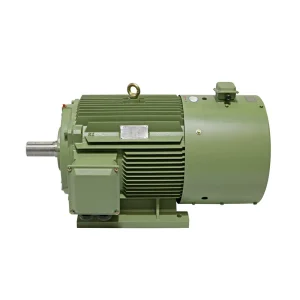
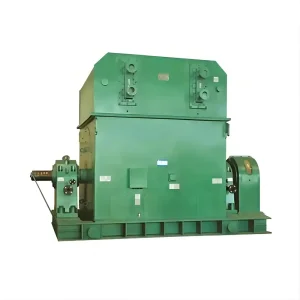
High-voltage, explosion-proof, and variable frequency electric motor options designed to operate in challenging environments with maximum service factors.
Underpinned by our founding in 1955, Xi'an Lite SIMO Motor Co., Ltd. has established itself as the leading motor manufacturer in China's mechanical industry.

As a cornerstone enterprise of China's heavy industrial manufacturing sector, SIMO Motor excels in design, thermal computation, precision mechanical processing, tooling, and systems assembly. We specialize in engineering large, medium, and high-voltage AC motors, synchronous generators, DC motors, and robust explosion-proof powertrains.
With a registered capital of 21.5 million RMB, LITESIMO's massive manufacturing operations feature three core factories and a dedicated subsidiary. Supported by 380 million RMB in fixed assets and 1,172 sets of high-precision testing and manufacturing equipment, our output capacity stands at the apex of China’s motor sector. Our workforce of over 1,200 employees includes more than 260 technical engineers, featuring 21 senior engineers and 15 state-level expert engineers driving R&D innovation.
Six decades of continuous technological adaptation, transitioning from a state-owned foundry to a global powerhouse in heavy electric motor systems.
Delivering robust, heavy-duty propulsion systems that power critical infrastructures worldwide.
Heavy dust, moisture, and extreme load fluctuations require high-torque starting characteristics. Our TDMK series synchronous motors and YRKK wound rotor motors are custom-configured for mine mills, crushers, conveyor lines, and blast furnace blowers, ensuring stable operation under continuous overload constraints.
Safety is paramount in volatile gaseous environments. LITESIMO's YBX3, YFB3, and YFB4 series dust explosion-proof motors provide reliable explosion containment and thermal management. These systems prevent internal sparks from triggering external combustion in high-risk zones.
Large-scale water pipelines, drainage pumps, and municipal sanitation plants depend on continuous performance. Our YKS & YKK high-voltage motors offer energy efficiency (matching IE4/IE5 profiles) and weather protection. They are designed to withstand continuous operation in extreme humidity.
Unlocking industrial efficiency requires understanding standard differences. Here is how NEMA and IEC standards govern modern motor architectures.
When evaluating electric motor sourcing, understanding standard differences is critical. The National Electrical Manufacturers Association (NEMA) standards are widely used in North America, focusing on robust structural designs, high service factors (typically 1.15), and standardized frame assignments. The International Electrotechnical Commission (IEC) framework, dominant in Europe and Asia, emphasizes compact geometry, lighter materials, and precise operating classification.
LITESIMO bridges these standard frameworks. We offer replacement options and original installations across both NEMA frames (from 143T up to 449T and custom high-voltage frames) and IEC equivalents (such as our YE3, YE4, and YE5 series asynchronous motors). By optimizing parameters like winding impedance, stator core length, and high-conductivity copper slot fill, our engineers deliver NEMA-dimensioned motors with high efficiency, robust starting torque, and reliable thermal characteristics.
Key differences between these standards include:
How our advanced manufacturing plants translate raw materials into certified high-voltage, high-performance powertrains.
At LITESIMO, quality is built into every step of the process. Our facilities use advanced CNC lathes, automated stator winding machines, and Vacuum Pressure Impregnation (VPI) equipment. VPI is key to our manufacturing process: applying high-grade Class H resins under vacuum and pressure eliminates air pockets, protecting our high-voltage stator coils against moisture, chemical corrosion, and thermal cycling.
Every motor undergoes rigorous testing in our modern test bays. Testing protocols include no-load and full-load current measurements, temperature rise validation, vibration spectrum analysis, and insulation resistance testing. This ensures each motor meets strict quality benchmarks before leaving our plant.
SIMO electric motors are certified for use across global markets. We comply with EU, US, Russian, and Asian industrial regulations.
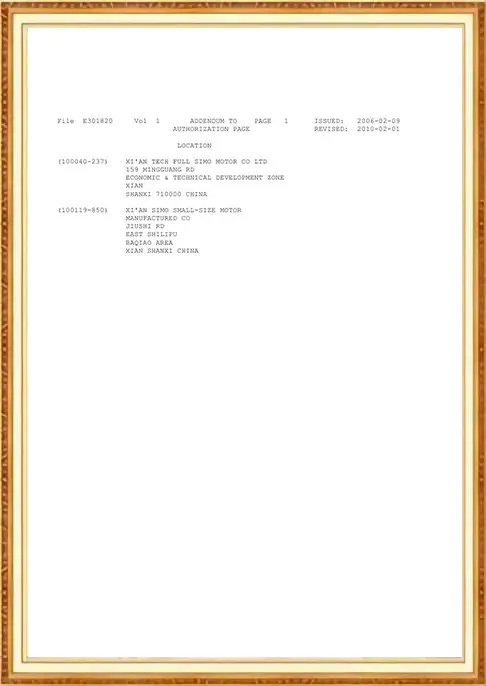
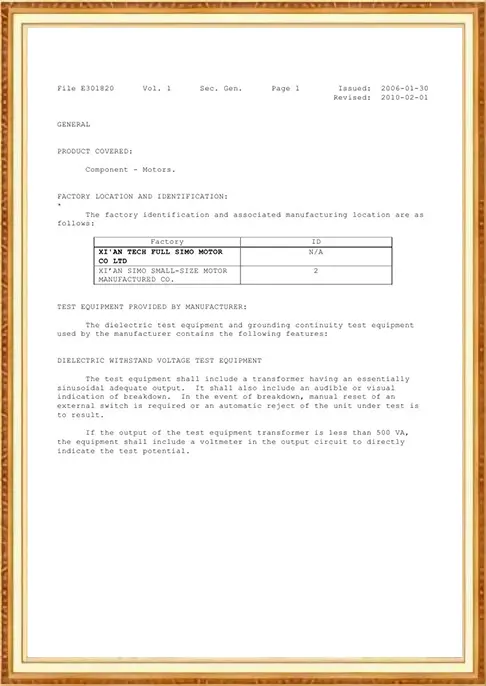
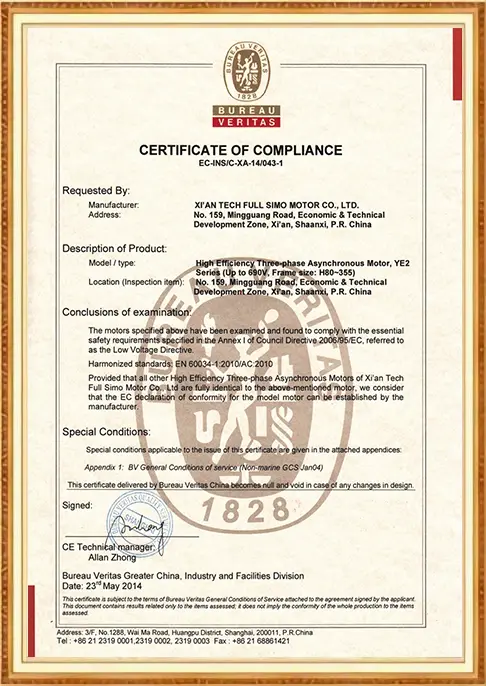
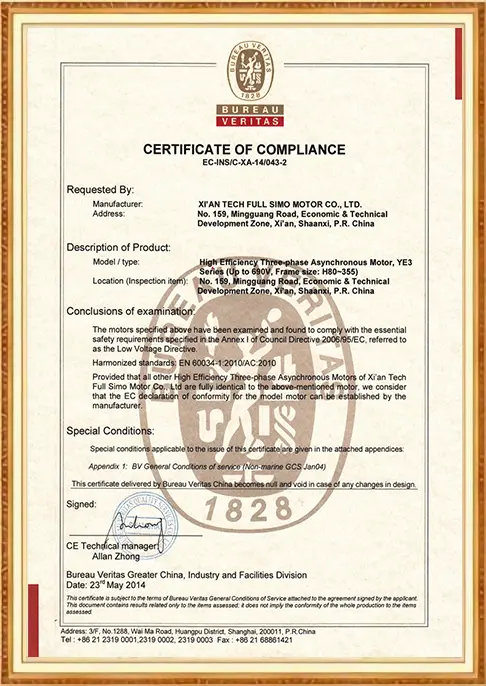
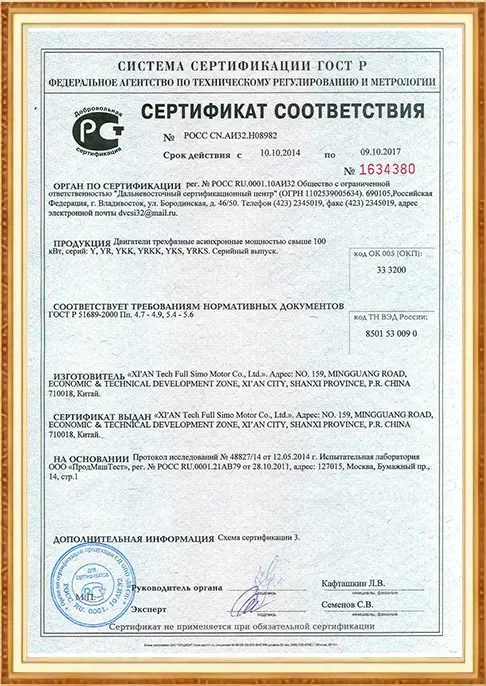
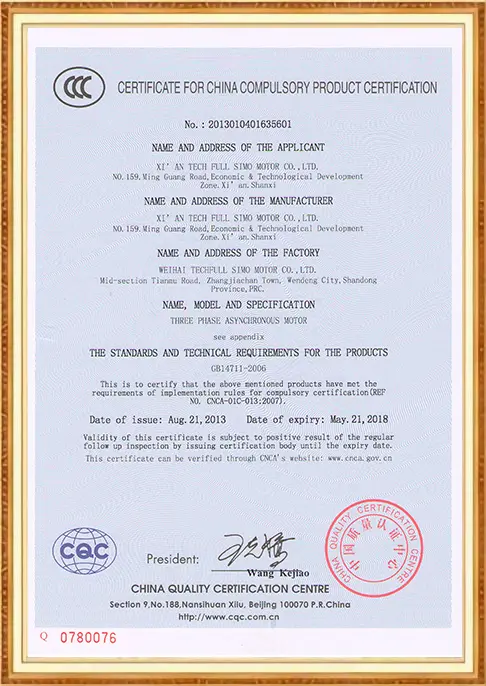
Our systems carry certifications including ISO9001 Quality System Certification, EU CE, US UL, Russian GOST, and national explosion-proof certifications. This ensures our motors integrate smoothly into heavy-duty operations worldwide, complying with local safety and environmental standards.
Developing next-generation motor systems optimized for energy efficiency, smart operations, and variable speed control.
As global regulations tighten around energy consumption, LITESIMO is investing in permanent magnet assisted synchronous reluctance motors (PMASynRM) and ultra-premium induction systems. These technologies reduce rotor copper losses, minimizing carbon footprint and overall operating costs.
Integrating vibration and thermal sensors directly into motor enclosures enables real-time diagnostic reporting. By analyzing shaft alignment, winding temperature, and bearing noise, our systems help industrial facilities prevent unexpected downtime.
Using variable frequency drives (VFD) with silicon carbide (SiC) semiconductors improves motor control. LITESIMO is optimizing insulation systems to handle rapid voltage rise times (dv/dt), protecting winding insulation from premature wear.
Technical answers to help plant managers and systems engineers optimize motor selection and performance.
A: Sourcing directly from LITESIMO eliminates intermediate distributor markup. It allows you to coordinate directly with our engineering team for customized shaft configurations, special voltages, and custom enclosure requirements. This ensures your technical specifications are met while optimizing costs.
A: VPI utilizes a vacuum to draw out air and moisture from the stator windings before applying high-grade polyester resin under pressure. This process fills all voids, creating a solid, moisture-resistant insulation system that improves thermal conductivity and helps protect the motor against high voltage stress.
A: For environments with combustible dust, you should use certified dust explosion-proof motors (such as LITESIMO's YFB3 and YFB4 series). These motors feature tightly sealed enclosures, low external surface temperatures, and robust terminal boxes designed to prevent dust from entering and contacting electrical arcs.
A: Synchronous motors maintain constant speed regardless of load variations and allow you to adjust the system power factor. This helps lower utility reactive power charges while delivering the high starting torque needed to launch heavy mills.
A: VFDs can induce high-frequency voltage on the motor shaft, leading to discharge through the bearings (causing pitting and fluting). LITESIMO addresses this by offering insulated non-drive end bearings, shaft grounding brushes, and ceramic bearing options to redirect currents safely.
Explore our full line of industrial and medium-voltage AC/DC motor solutions, designed to deliver high reliability in heavy industrial applications.
 Lite Simo