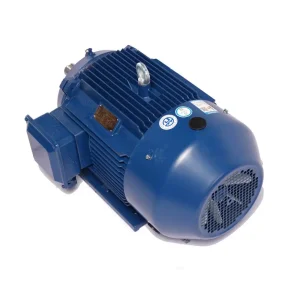
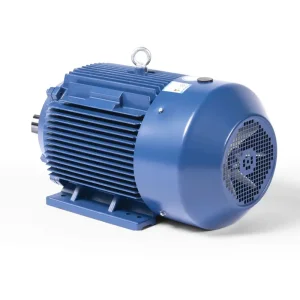
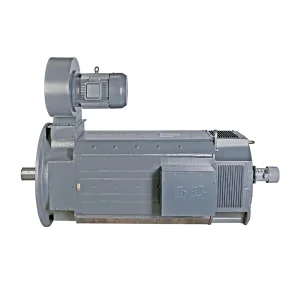
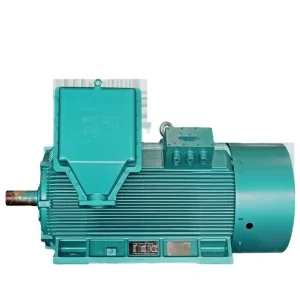
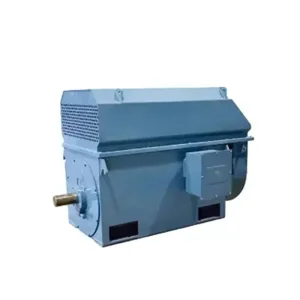
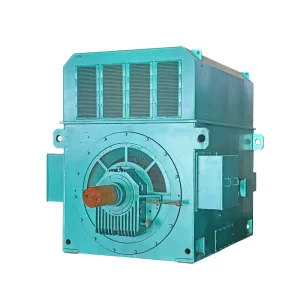
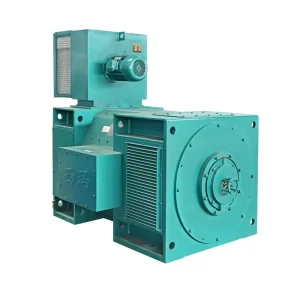
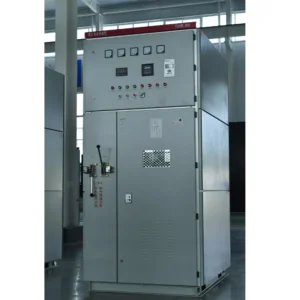
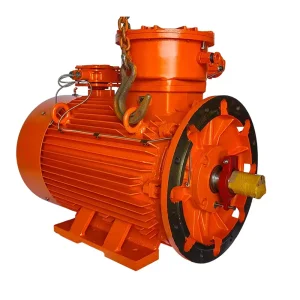
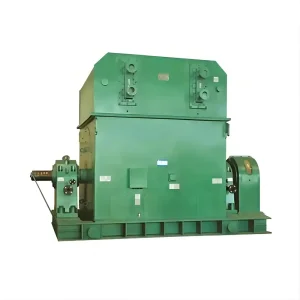
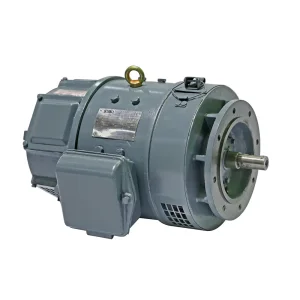
Engineered for low-speed efficiency and maximum torque density. Explore our core range of high/low voltage electric motors.
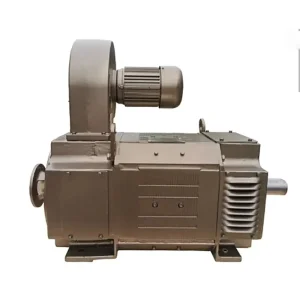
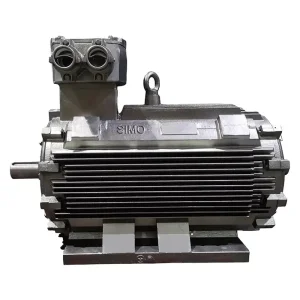
Navigating the transition from high-speed geared units to high-torque direct-drive setups.
Heavy manufacturing, extraction, and fluid handling industries are facing strict global policies concerning energy usage and grid loading. The demand for Low RPM (Revolutions Per Minute) electric motors has surged because these units can deliver high torque directly to the load, often removing the mechanical gearboxes. Removing gearboxes significantly cuts down on friction losses, maintenance requirements, and alignment vulnerabilities, which directly translates to a better bottom line for factories globally.
For global procurement offices, sourcing high-torque, low-speed motors from verified manufacturers who offer competitive pricing is critical. Sourcing "discount" motors does not mean sacrificing quality; it means utilizing economies of scale, regional raw material supply chains (such as silicon steel and refined copper), and advanced manufacturing setups. A proper low RPM motor design lowers the total cost of ownership by operating at peak efficiency across various loads, showing fewer thermal spikes, and reducing the stress on the shaft system.
| Evaluation Factor | Direct Drive Low RPM Motors | High Speed Motor + Mechanical Gearbox |
|---|---|---|
| Transmission Efficiency | Excellent (95% - 98%, no transmission loss) | Moderate to Low (80% - 90% due to gear friction) |
| Maintenance Overhead | Very Low (periodic bearing inspection only) | High (oil changes, gear wear, seal replacements) |
| System Footprint | Compact & Integrated (Direct inline installation) | Bulky (Requires coupling space and gearbox base) |
| Torsional Backlash | Zero Backlash (Ideal for precision control) | Inherent backlash (Wear occurs over time) |
| Operational Noise | Minimal decibel output (Lower acoustic vibration) | Significant noise output from gear meshing |
Over 60 years of manufacturing excellence in high/low voltage AC and DC electric motors.

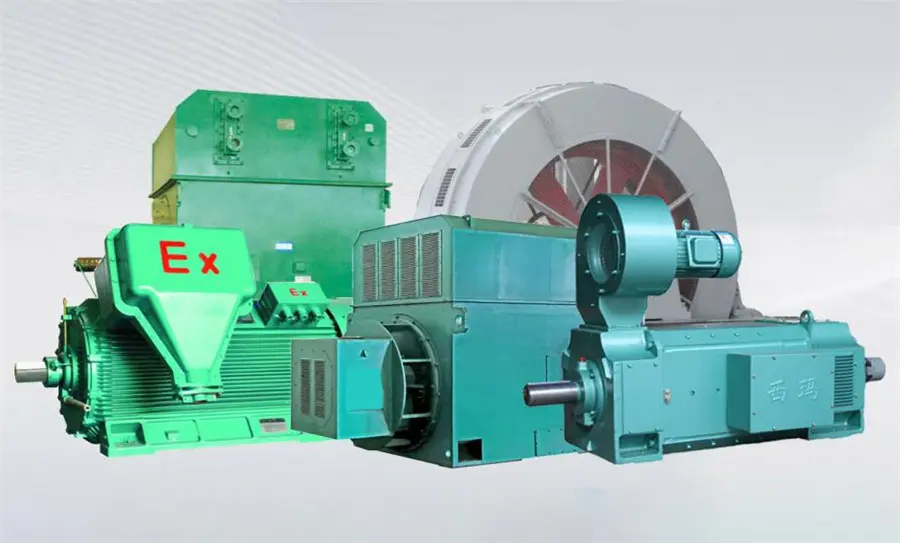
Xi’an Lite SIMO Motor Co., Ltd. is a prominent enterprise in the Chinese mechanical industry. We specialize in the manufacturing of large/medium-sized, high/low voltage AC motors, DC motors, synchronous motors, and explosion-proof motors. As a comprehensive manufacturing and service supplier, SIMO handles motor design, manufacturing, mechanical processing, mold making, and full assembly in-house.
The company ranks at the top of China’s motor industry for scale of production, maintains a fast-growing development trend, and supplies critical drive technologies to industries in more than 40 countries and regions worldwide.
Our journey from a state-owned factory to a modern global motor manufacturing group.
Designing low RPM solutions for extreme efficiency, reliability, and minimal footprint.
To achieve low shaft speeds (below 750 RPM) without sacrificing power density, SIMO engineers increase the number of magnetic poles (up to 12, 16, or 24 poles) within the stator winding. This decreases the synchronous speed according to the relation N = 120f/P, allowing high torque to be generated directly at the output shaft while maintaining a balanced current draw.
With our YBX3, YBX4, and YBX5 explosion-proof series, we implement flameproof designs suitable for gas-rich and hazardous coal-mining environments. Flamepaths, cast-iron frame construction, and customized terminal box compartments prevent internal electric arcs from triggering external atmospheric ignitions.
Our motors use high-grade, cold-rolled silicon steel laminations to lower core losses. Class F or Class H insulation systems, vacuum-pressure impregnated (VPI) with high-grade resins, protect the windings from moisture, chemical solvents, and high thermal spikes during continuous 24/7 industrial runs.
Configuring heavy-duty electric motor drive systems for major global industrial sectors.
In coal mines, iron ore processing, and deep-pit extraction, low RPM motors drive conveyor belts, ball mills, and crushing systems. The high startup torque enables heavy load startups, while slip-ring designs (such as the YR, YRKK, and YRKS series) allow for low inrush current under load.
Refineries require continuous operations in volatile environments. SIMO dust-proof and explosion-proof asynchronous motors provide the sealing (IP55/IP56) and thermal tolerances required to safely power heavy gas pumps, compressors, and pipeline agitators.
Large-scale water supply systems, urban drainage pumps, and power plant cooling towers need high-volume water displacement. This requires reliable, continuous performance. Low RPM motors are configured for vertical or horizontal shafts to match axial and centrifugal pumps.
All SIMO motors undergo rigorous factory testing to comply with international standards.
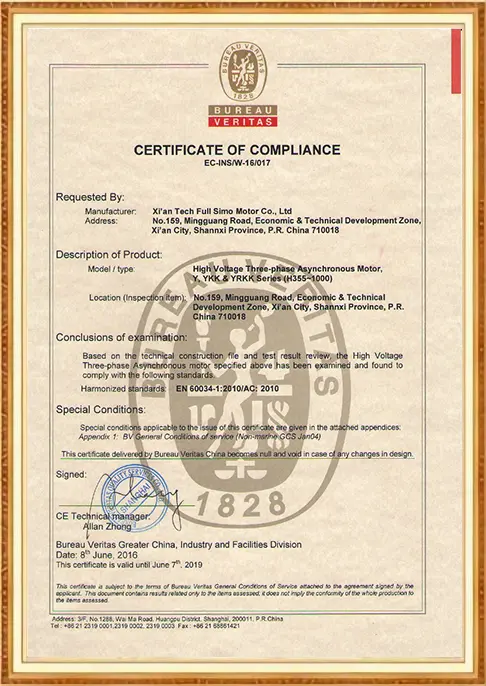
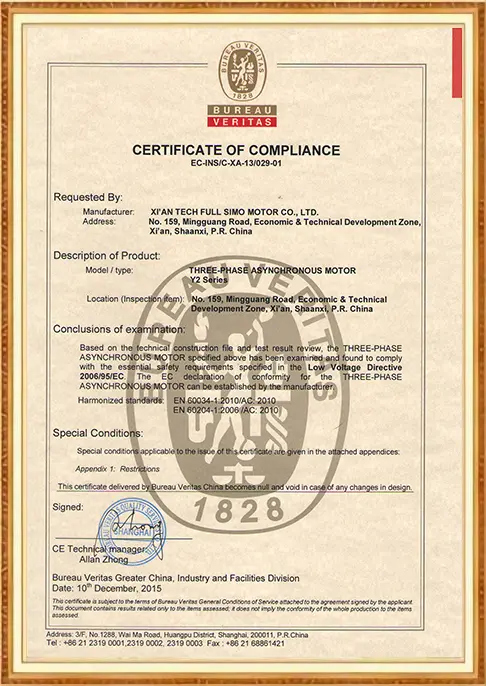
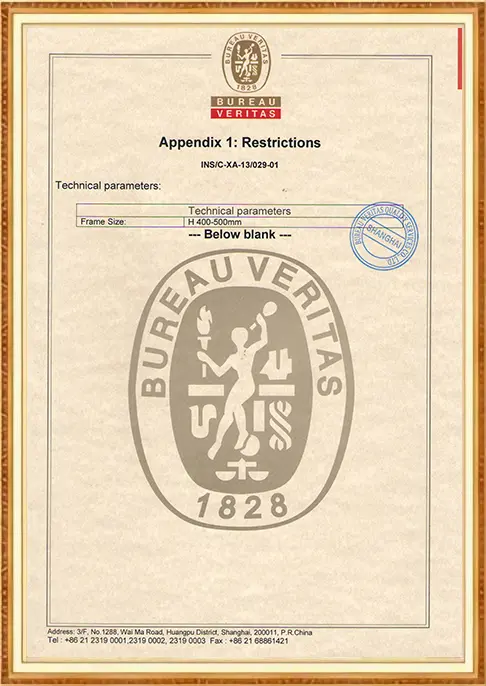
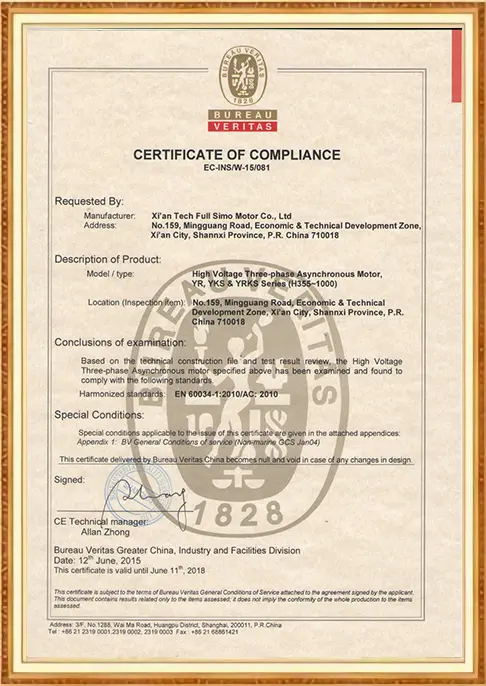
We operate in accordance with ISO9001 Quality System Certification, European Union CE, United States UL, and Russian GOST standards. Our testing facilities include advanced load testing beds, insulation diagnostic systems, dynamically balanced rotor testing stations, and acoustic sound rooms to guarantee motor performance prior to shipment.
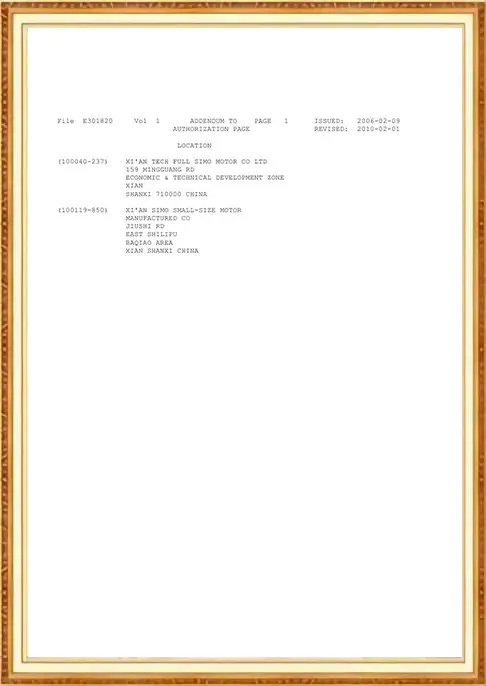
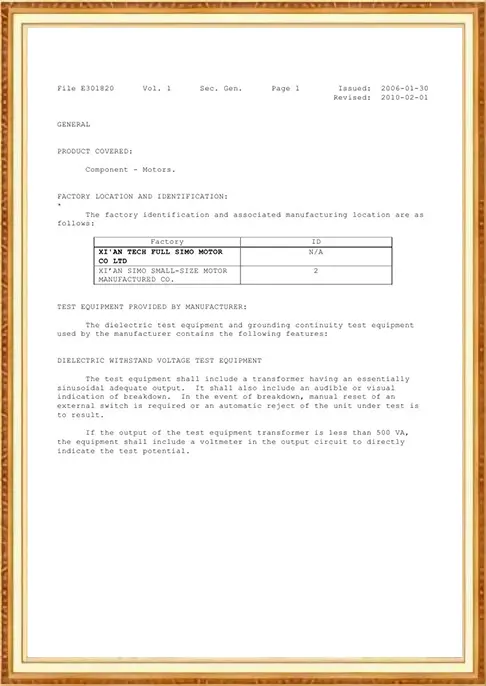
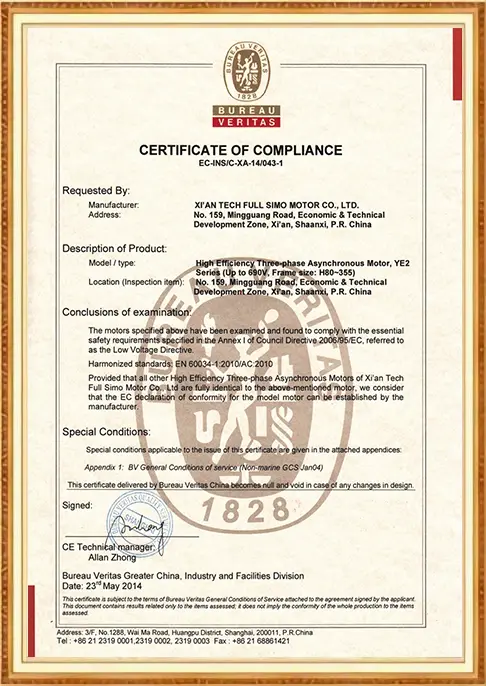
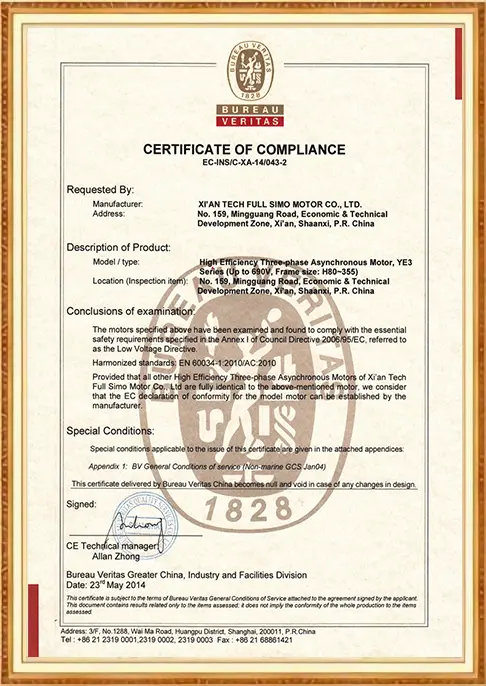
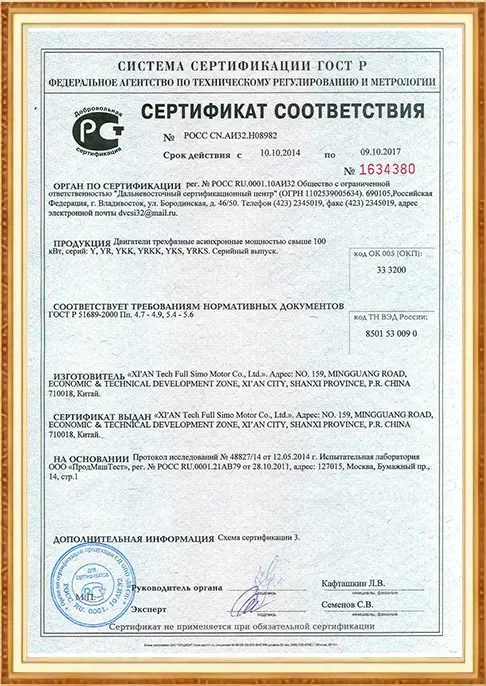
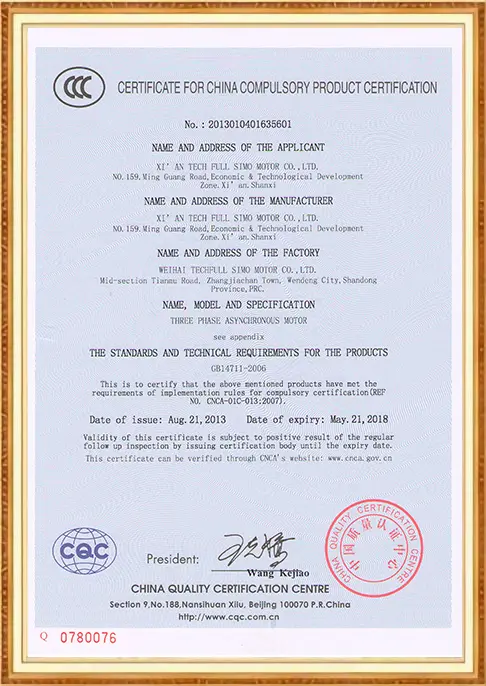
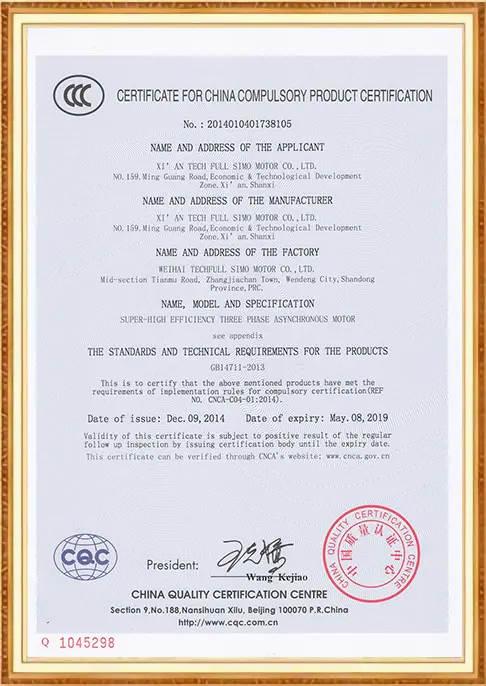
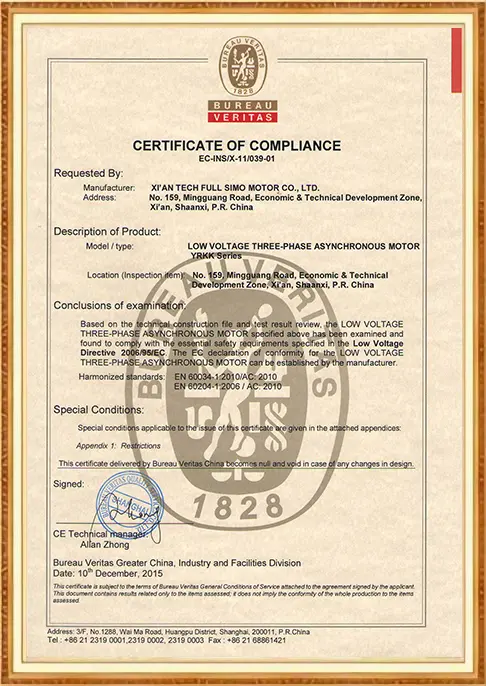

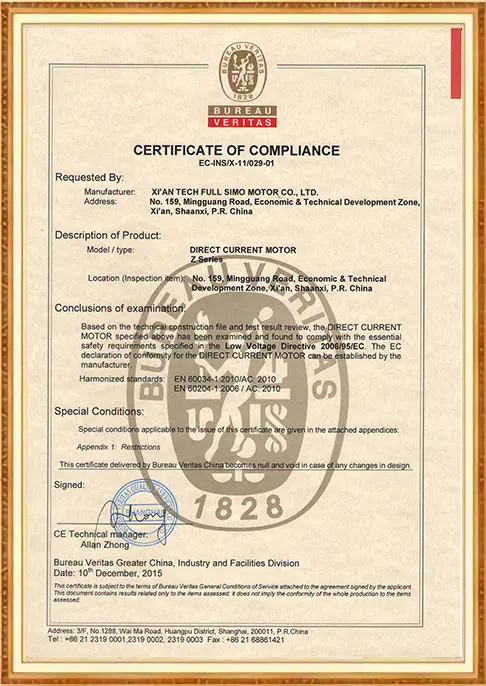
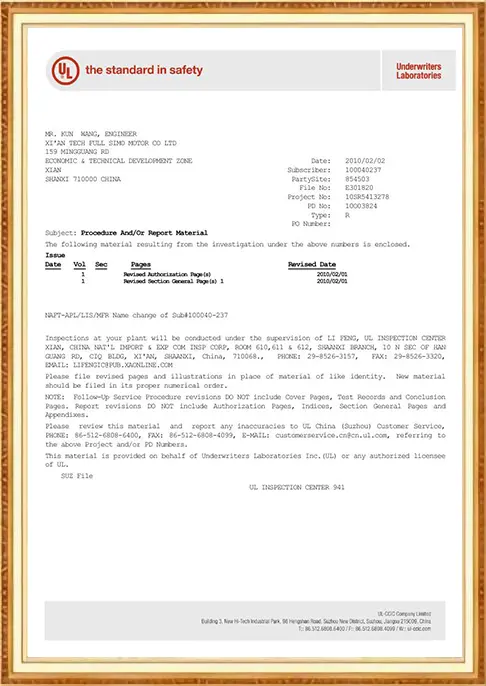
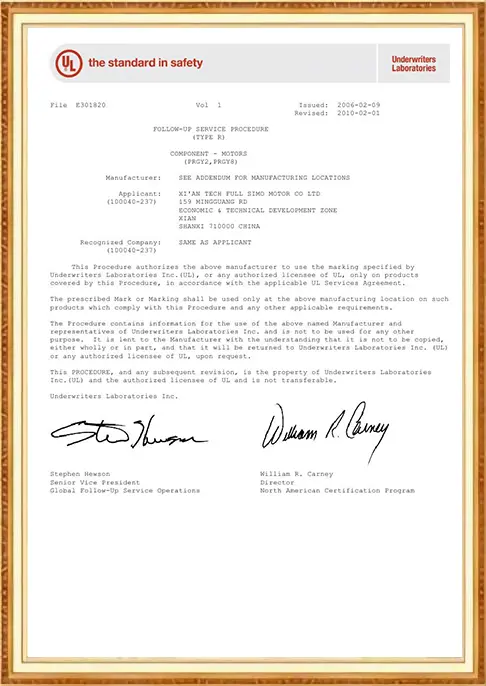
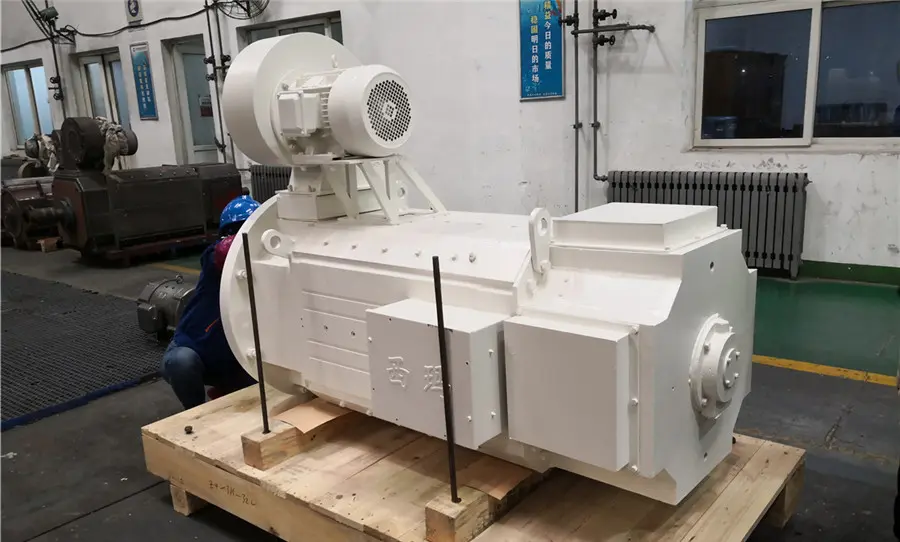
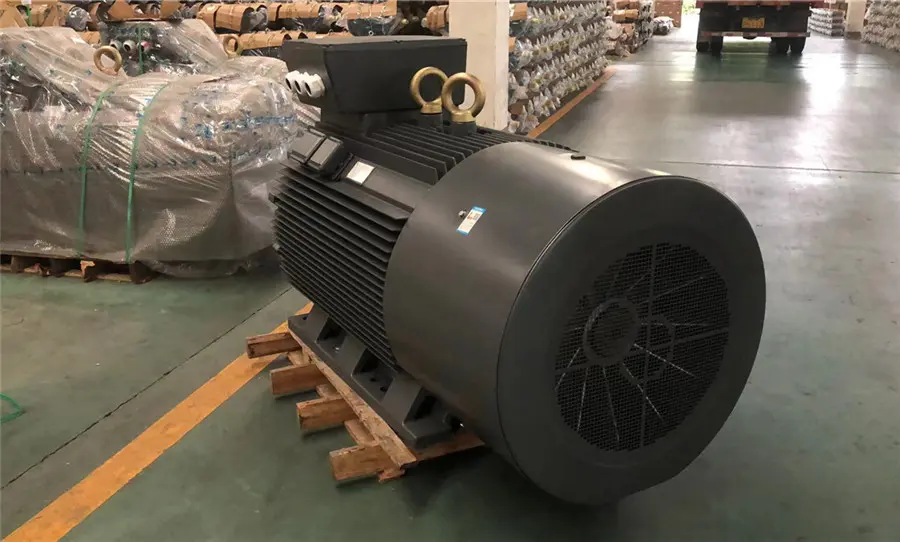
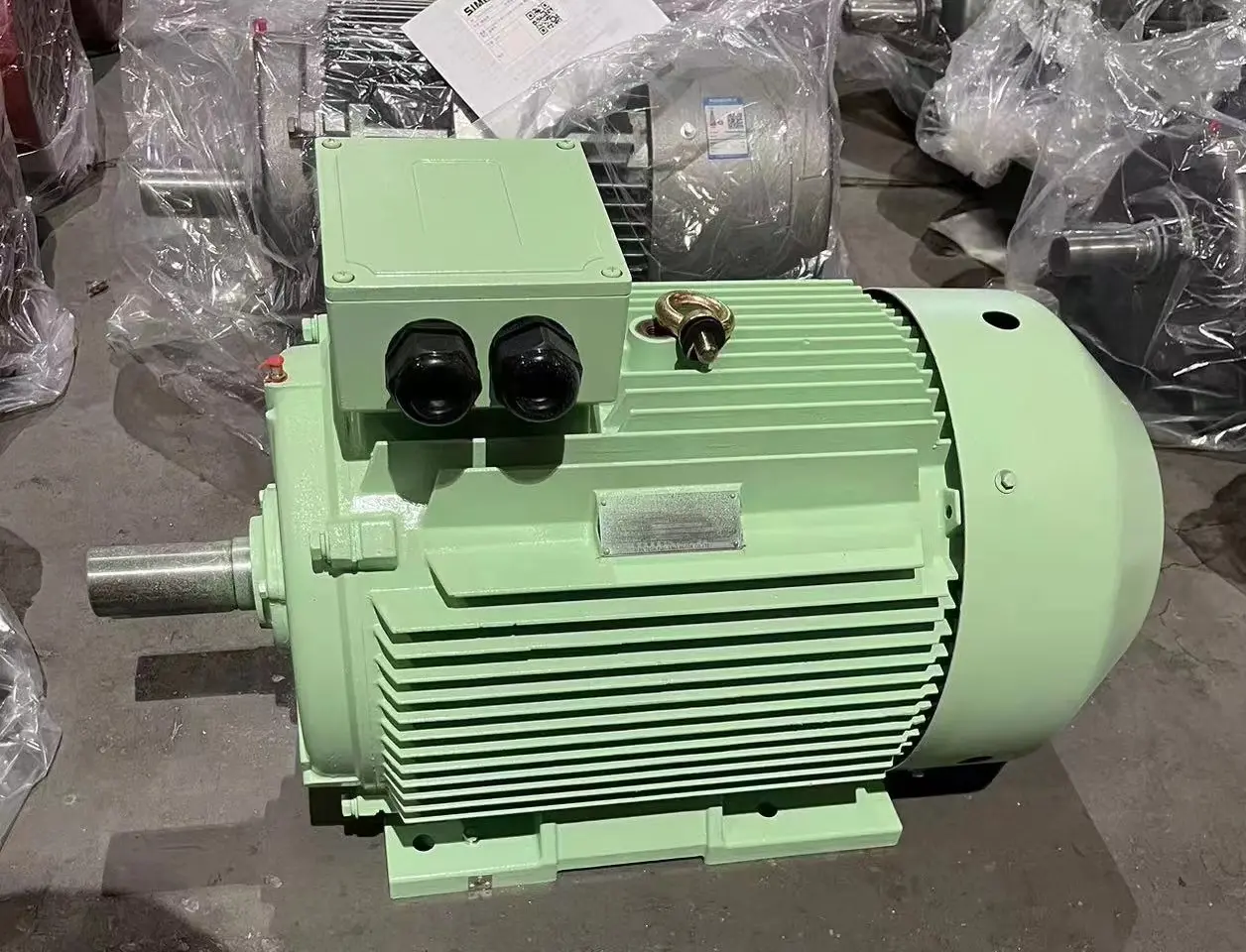
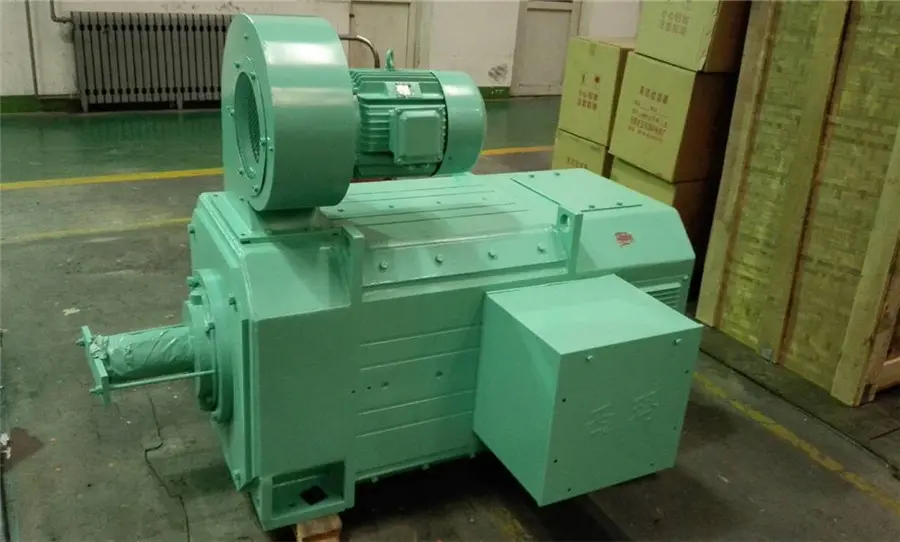
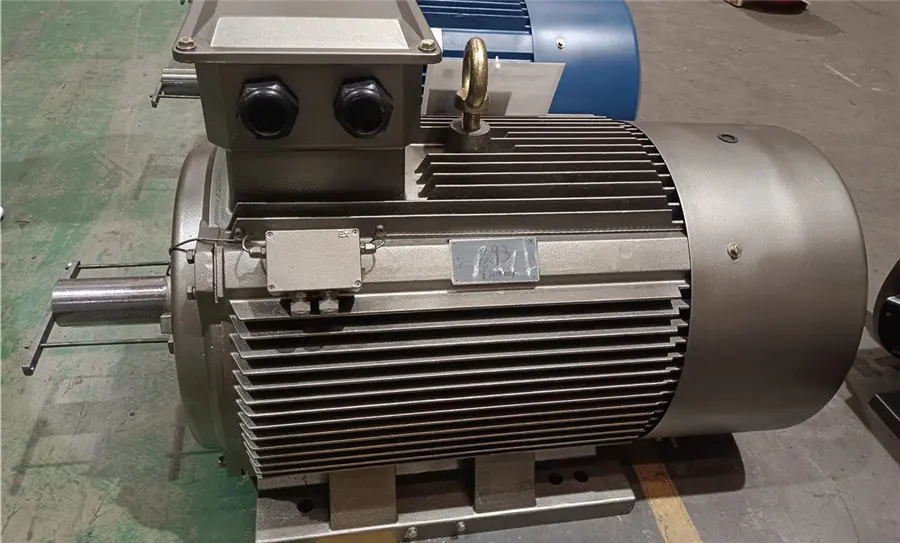
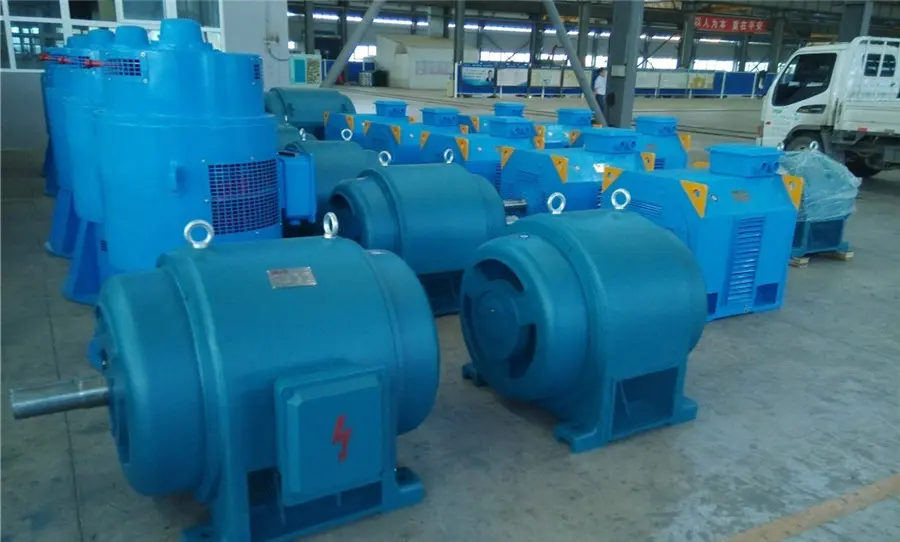
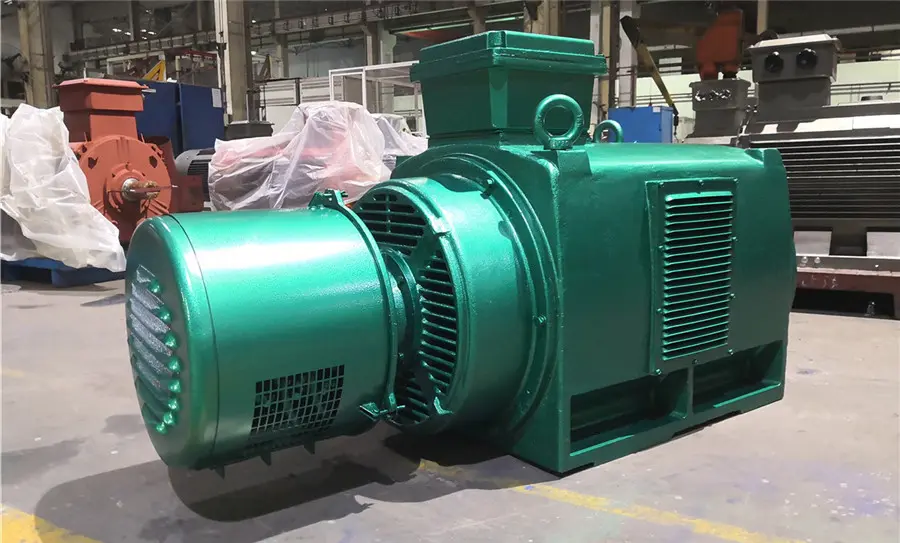
Sneak peek into our heavy machining and rotor assembly workshops in Xi'an.
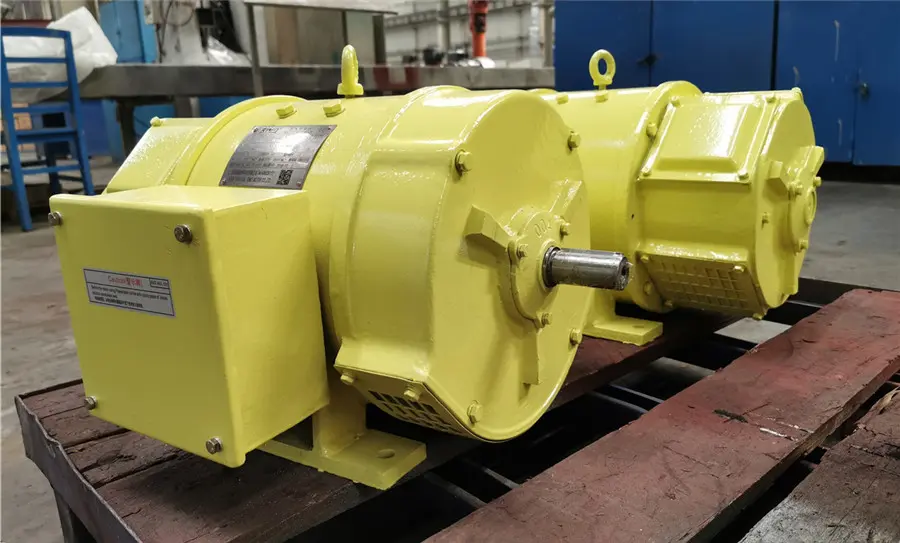
Expert answers to common engineering questions concerning Low RPM electric motors.
Choosing a low RPM motor allows you to drive the load directly. Direct-drive configurations remove the gearbox, reducing mechanical wear and mechanical energy transmission losses (which can range between 5% and 20% in gear systems). Removing the gearbox also eliminates the risk of oil leakage, gear tooth alignment failures, and routine seal maintenance, which reduces overall operating costs and down-time.
The theoretical speed of an AC motor is determined by the formula: Synchronous Speed (RPM) = (120 * Frequency) / Number of Poles. Under a standard grid frequency of 50Hz, a 2-pole motor runs at 3000 RPM, a 4-pole motor runs at 1500 RPM, and an 8-pole motor runs at 750 RPM. To design a direct low RPM motor, SIMO increases the pole count (e.g., 10-pole, 12-pole, or higher). This delivers high torque at lower shaft speeds while avoiding mechanical speed-reducing gears.
IE5 represents the Ultra-Premium Efficiency standard under IEC 60034-30-1, while IE4 represents Super-Premium Efficiency. An IE5 motor reduces internal losses by roughly 20% compared to an IE4 model. This reduction is achieved by optimizing stator winding layouts, using high-performance copper rotors, and utilizing thinner silicon steel sheets. In continuous industrial applications, the energy savings from upgrading to IE5 can offset the initial motor purchase cost within a few months of operation.
Purchasing teams should specify the rated power (kW), rated voltage (typically 3kV, 6kV, or 10kV for high-voltage systems), frequency (50Hz/60Hz), cooling method (IC411 for self-ventilation or IC611 for air-water heat exchangers), mounting configuration (IM B3/V1), IP ingress rating (IP54/IP55), explosion-proof classification if needed, and shaft coupling loads (thrust and radial limits).
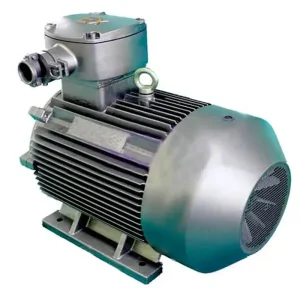
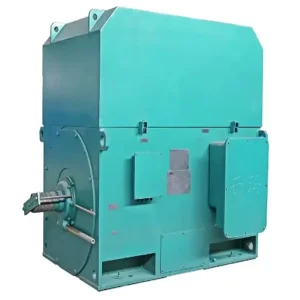
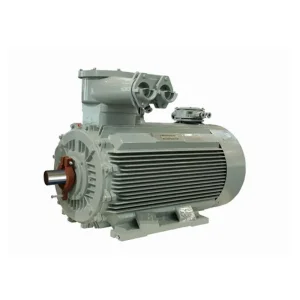
Explore additional high-performance industrial options, including synchronous motors, large DC machines, and flameproof mine-duty motors.
 Lite Simo