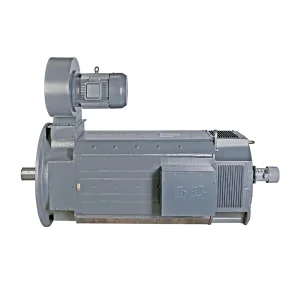
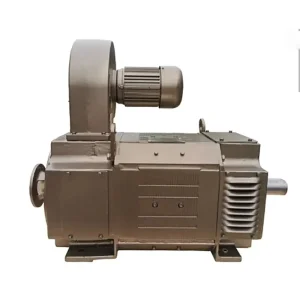
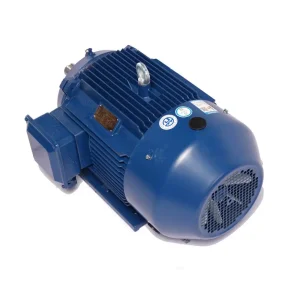
Modern industrial production relies heavily on mechanical power. The International Electrotechnical Commission (IEC) standardizes low and high-voltage AC three-phase asynchronous and synchronous motors. Today, industrial operators are forced to rethink their powertrain strategies. This shift is driven by global sustainability goals, volatile electricity prices, and the rise of smart factories. Operating cost considerations are no longer separate from capital expenditure budgets. Efficient drive systems are key to maintaining a competitive edge.
This white paper explores the engineering details, supply chain systems, and commercial considerations of purchasing discount IEC electric motor AC 3-phase systems. Choosing "discount" motors does not mean sacrificing quality. It is a strategic procurement decision that leverages specialized Chinese manufacturing, high-volume material sourcing, and Factory 4.0 automation. Xi'an Lite SIMO Motor Co., Ltd. provides global buyers with reliable, high-performance industrial drive systems that comply with global quality standards.
Evaluating three-phase AC motors requires a clear understanding of the mechanical and electrical variables defined by IEC standards. System performance depends on magnetic circuits, winding design, and thermal management.
The heart of any AC 3-phase asynchronous motor is the stator assembly. We use premium non-oriented cold-rolled silicon steel laminations (such as 50CS470 or better) to reduce hysteresis and eddy current losses. Modern winding techniques incorporate double-shielded, enameled copper wire. This wire offers a high slot-fill factor, reducing resistive heat loss ($I^2R$). The insulating varnish undergoes a Vacuum Pressure Impregnation (VPI) process. This process removes air pockets and improves heat transfer and dielectric strength. It allows the motor to withstand voltage spikes from Variable Frequency Drives (VFD).
Rotor design dictates starting characteristics and operating efficiency:
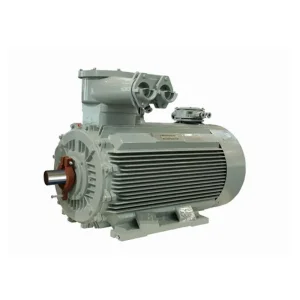
Complies with IEC 60034-30-1. Ultra-premium IE5 configurations significantly reduce energy loss and cut operating costs in continuous-use environments.
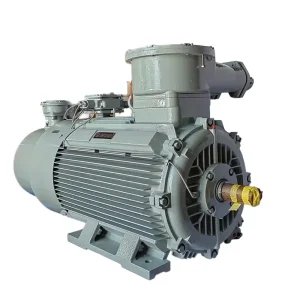
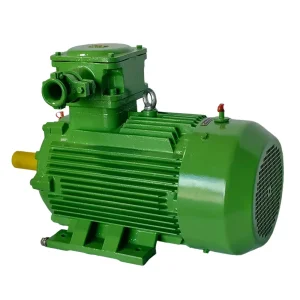
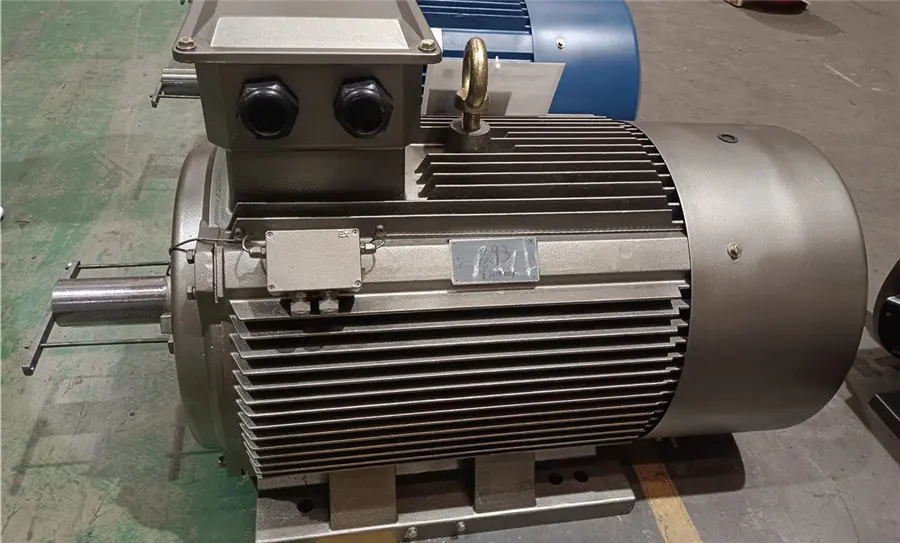
YBX3, YBX5, and YFB3 series are engineered for hazardous gas and dust environments. Certified under ATEX, IECEx, and China Ex standards.
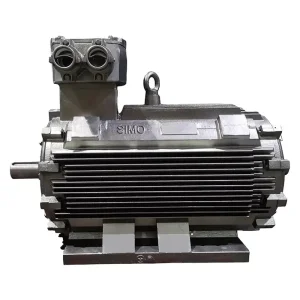
YVFE3 and YJP variable frequency drive motors feature insulated non-drive end bearings and forced cooling. This prevents bearing currents and thermal buildup at low speeds.
The industrial sector is undergoing a major shift driven by strict international environmental regulations. The European Union’s Ecodesign Regulation (EU) 2019/1781 and similar mandates in North America and Asia require the use of IE3 or IE4 efficiency motors for most applications. In this regulatory environment, older motor designs are being phased out.
At the same time, heavy industry is adopting digital technologies. Modern IEC three-phase AC motors are no longer isolated mechanical components. They are now integrated with temperature sensors (PT100, PTC thermistors) and vibration sensors. This integration allows them to feed real-time operational data into industrial IoT platforms. This connectivity enables predictive maintenance, which helps operators prevent costly unplanned downtime.
The term "discount" in industrial sourcing is often misunderstood. For Xi'an Lite SIMO Motor, cost efficiency is achieved through scale, supply chain integration, and automated manufacturing, rather than cutting corners on quality. China’s Factory 4.0 infrastructure provides significant structural advantages for global buyers.

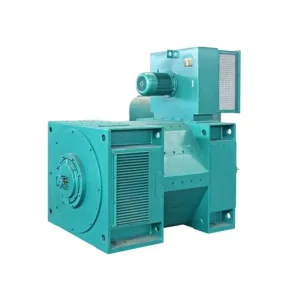
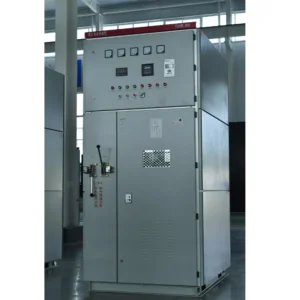
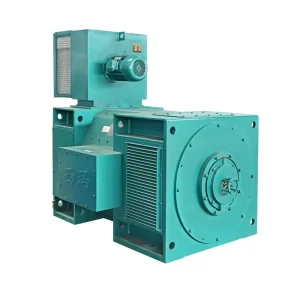
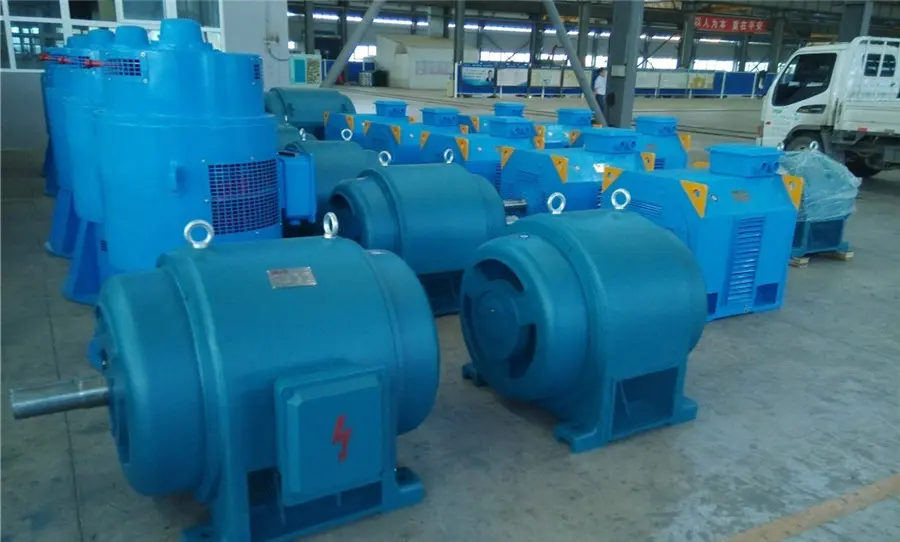
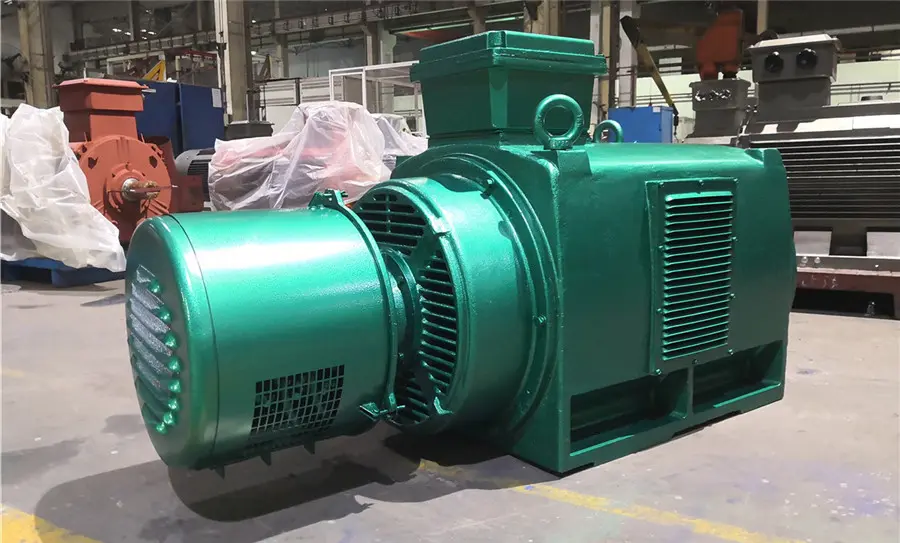
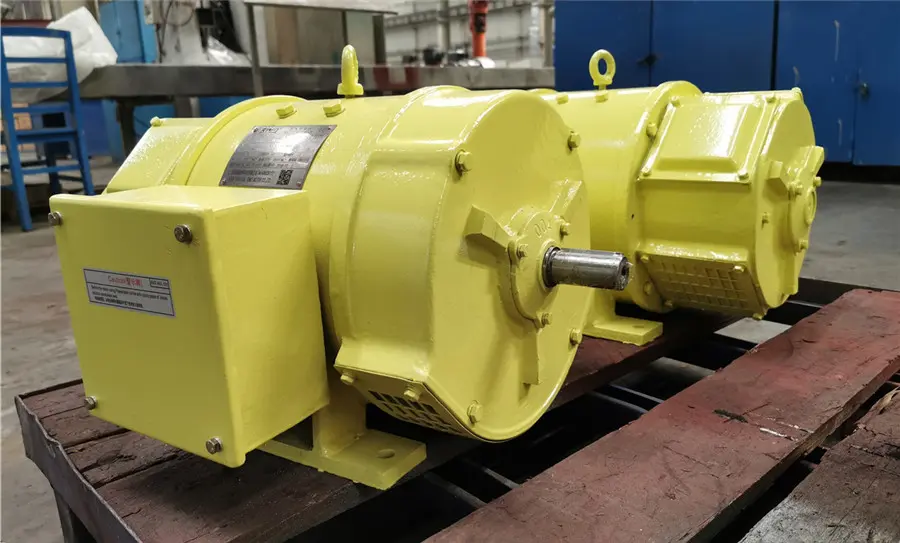
Xi’an Lite SIMO Motor Co., Ltd. is a leading manufacturer in the Chinese mechanical industry. We specialize in large, medium-sized, high-voltage, and low-voltage AC and DC motors, as well as synchronous and explosion-proof models. SIMO operates as a comprehensive industrial supplier. Our capabilities cover the entire lifecycle, including motor design, machining, mold making, assembly, and testing.
By integrating advanced CNC machining centers, automated coil winding machines, and computerized testing bays, we maintain consistent manufacturing tolerances. This high level of automation reduces labor costs, minimizes human error, and ensures stable quality. Additionally, our location in China's industrial heartland provides reliable access to critical raw materials like high-grade copper, silicon steel, and casting components, protecting our customers from global supply chain disruptions.
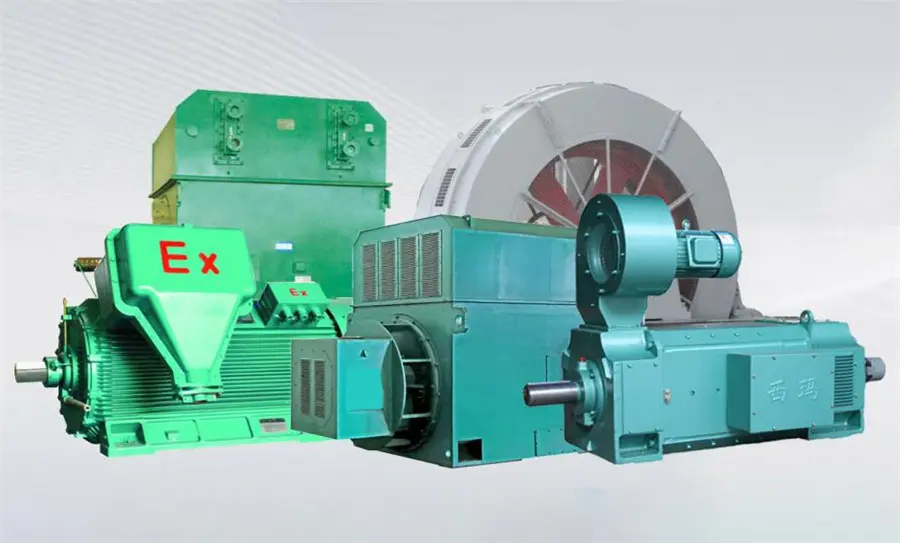
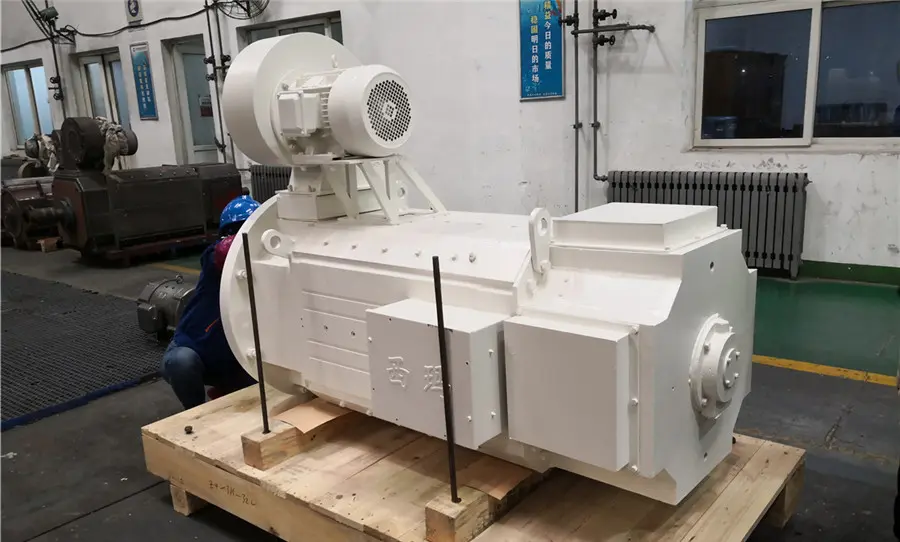
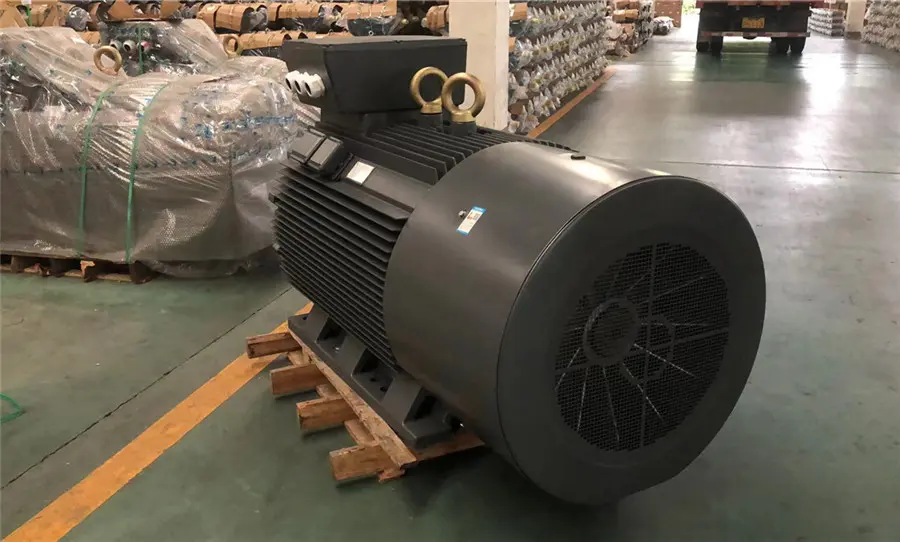
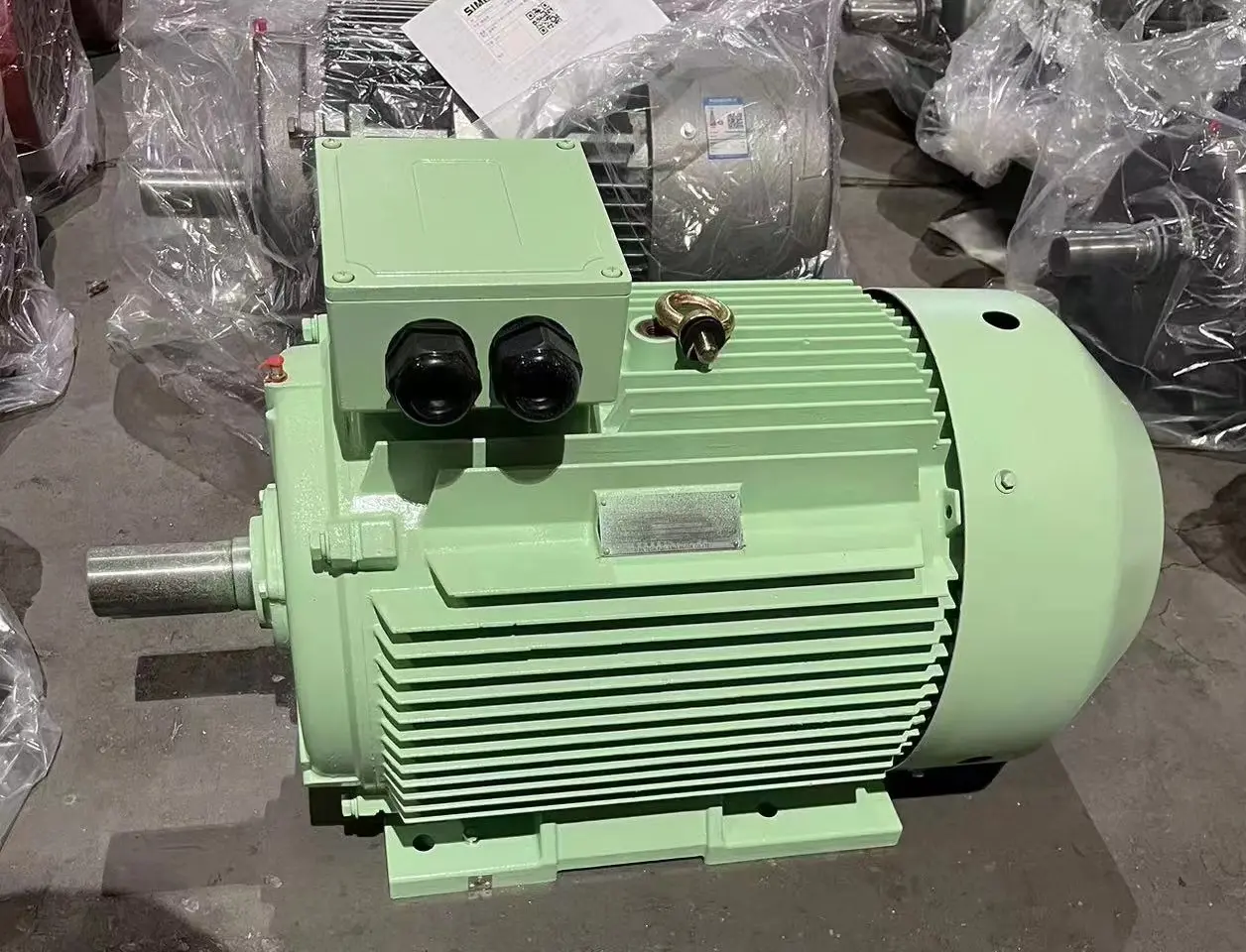
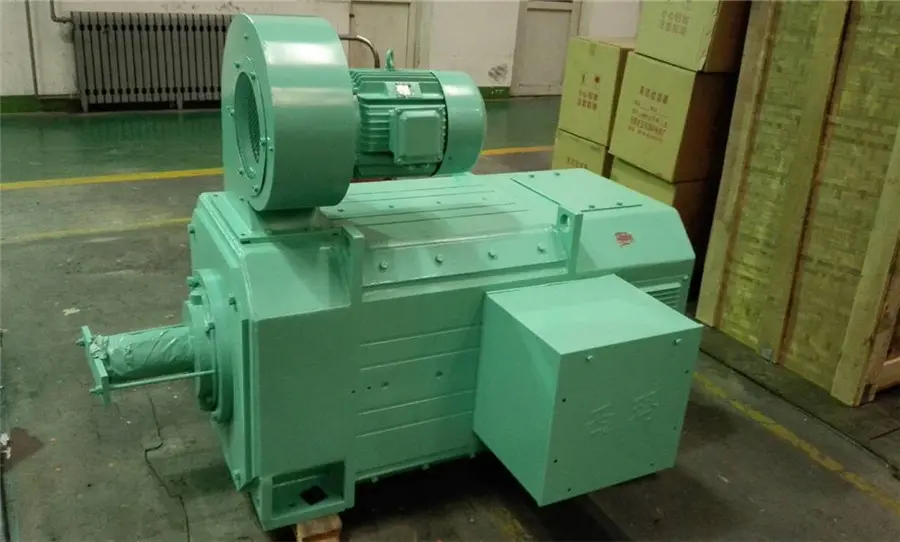
Corporate buyers need to know that their partners have long-term reliability. SIMO Motor’s history reflects the growth of China's heavy industrial machinery sector over several decades.
Today, SIMO has a registered capital of 21.5 million RMB and total fixed assets of 380 million RMB. Our production facilities house over 1,172 sets of specialized manufacturing and testing equipment. We employ more than 1,200 workers, including a dedicated engineering division of over 260 technical specialists, 21 senior engineers, and 15 senior expert engineers.
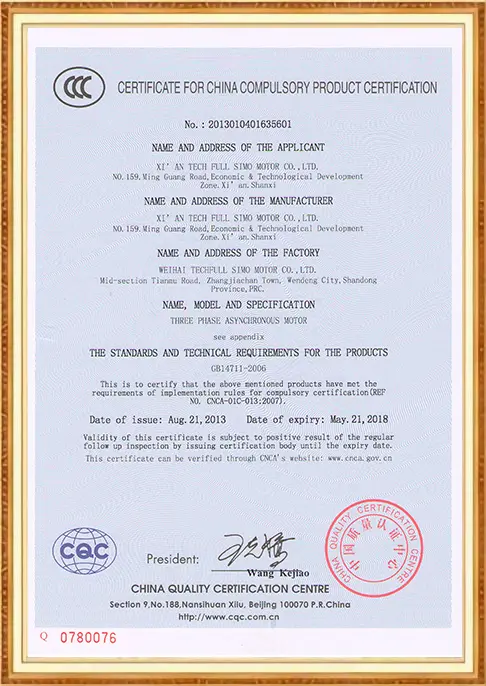
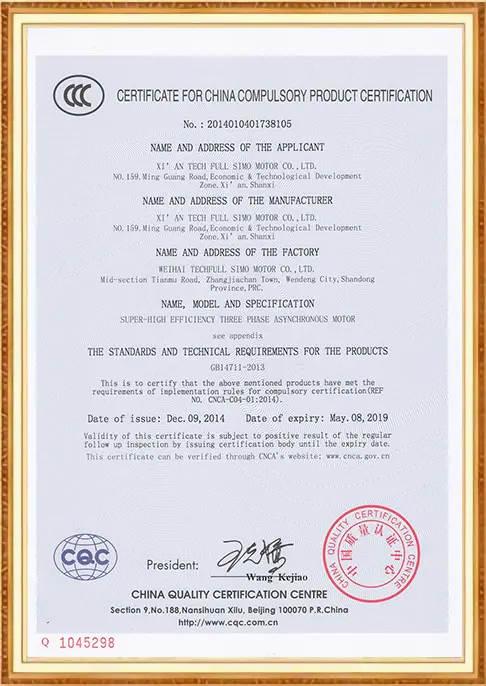
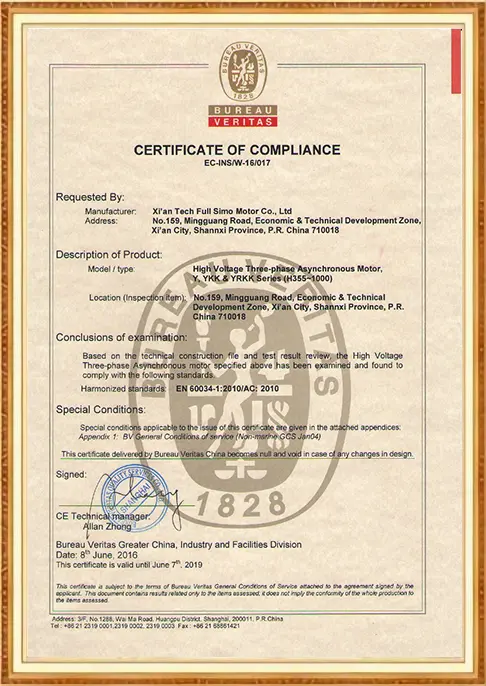
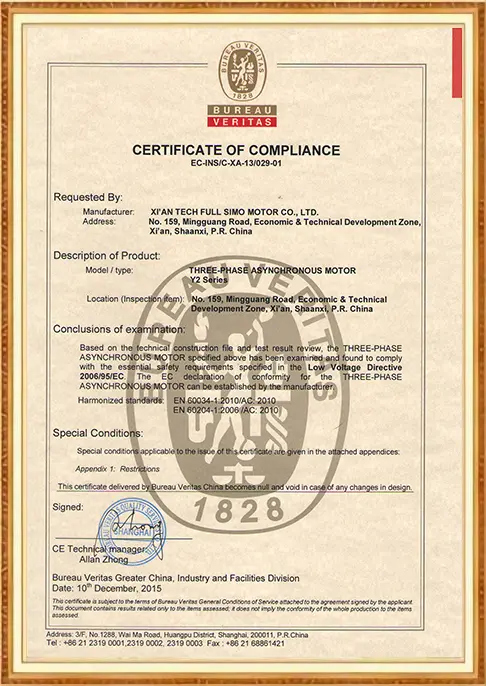
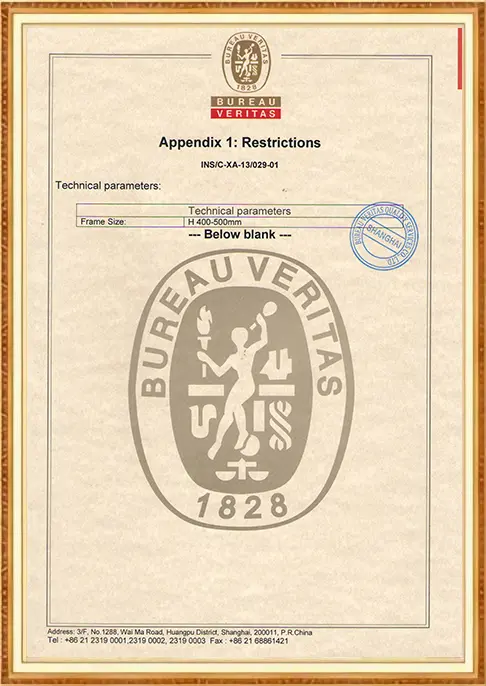
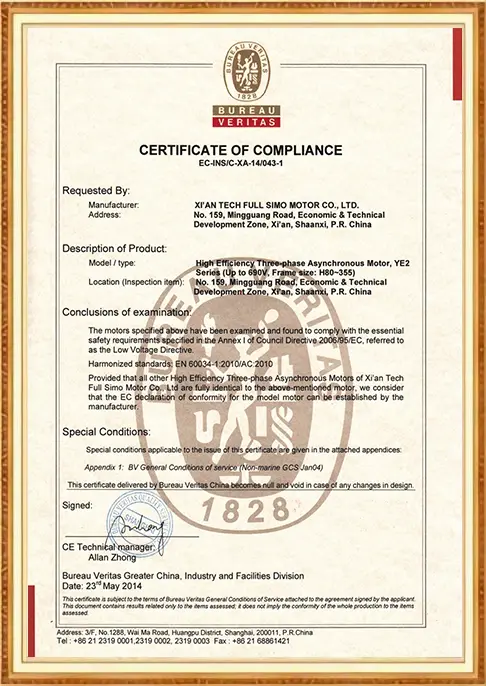
SIMO motors are certified to comply with major global safety and efficiency standards. Our products have passed ISO9001 Quality System Certification, European Union CE, United States UL, Russian GOST, and China Ex certifications.
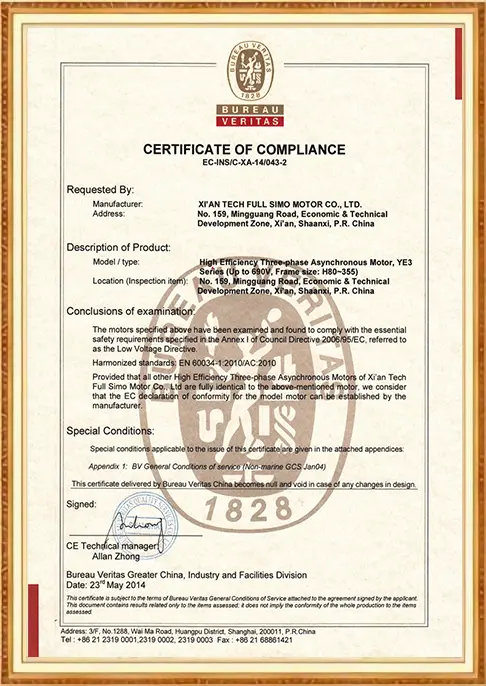
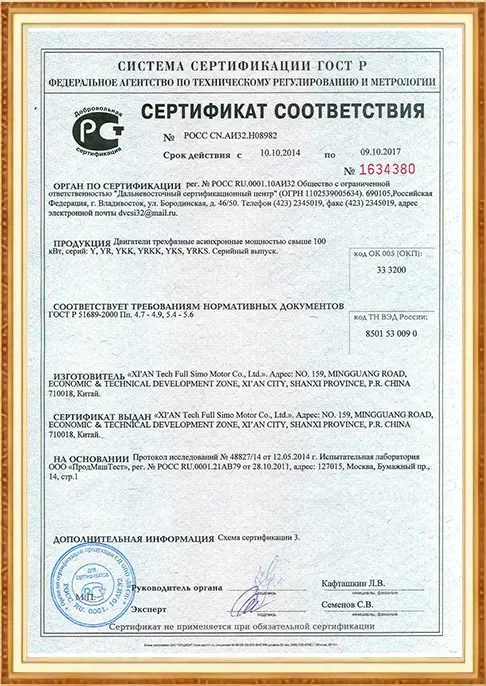
Three-phase industrial motors operate under different conditions depending on their environment. Designing a powertrain system requires analyzing the mechanical loads, start-up cycles, and ambient conditions of each application.
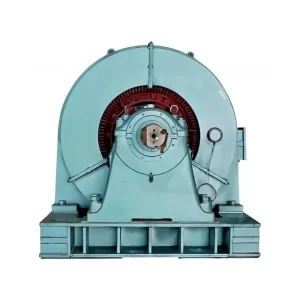
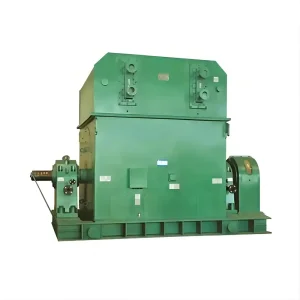
Mining operations require equipment that can handle high torque at low speeds. Ball mills and rod mills run continuously in dusty, high-vibration environments. The TDMK series AC three-phase synchronous motor is designed for these conditions. It uses a low-speed, multi-pole design that connects directly to the mill pinions. This direct drive setup eliminates the need for complex reduction gearboxes, reducing transmission energy losses and maintenance requirements.
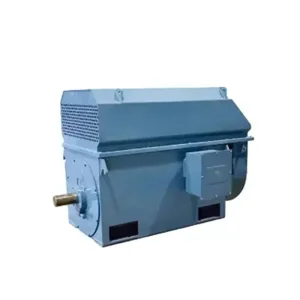
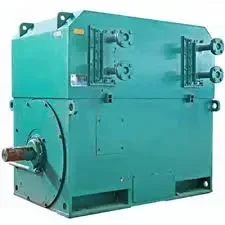
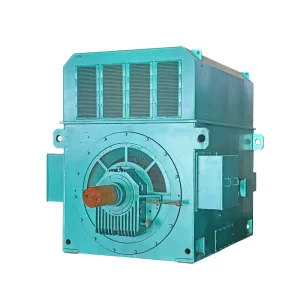
Water distribution and wastewater management systems require high continuous reliability. YKS and YXKS high-voltage three-phase asynchronous motors are widely used for driving large intake and distribution pumps. These motors feature air-to-water heat exchangers, which protect the electrical components from high ambient temperatures and moisture in pump houses. This thermal design ensures reliable, long-term operation.
Petrochemical facilities and refineries handle volatile gases and hydrocarbons. For these areas, the YBX3, YBX5, and YFB3 explosion-proof motors are engineered with heavy flameproof cast-iron enclosures (Ex d). The joint gaps and tolerances on the motor casing are designed to cool escaping combustion gases, preventing them from igniting explosive materials in the surrounding atmosphere.
Below are answers to common technical and logistical questions from industrial procurement departments when selecting three-phase AC motors.
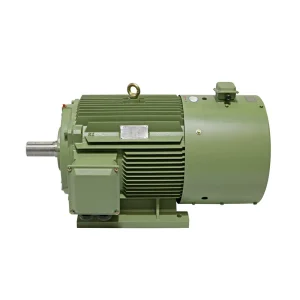
 Lite Simo