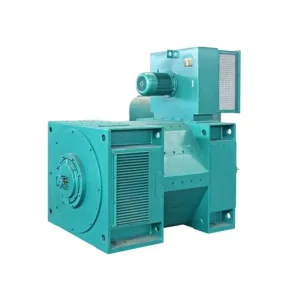
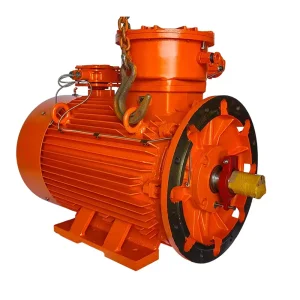
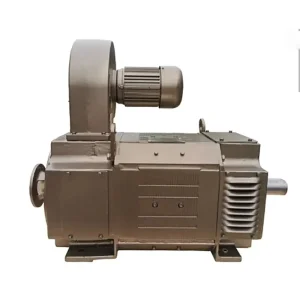
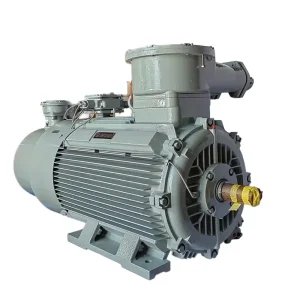
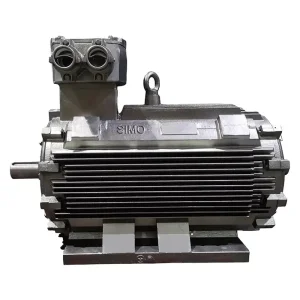
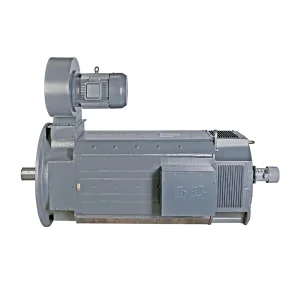
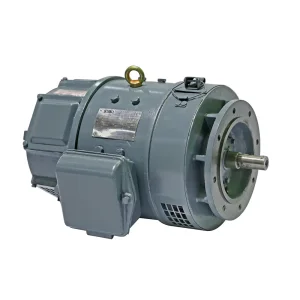
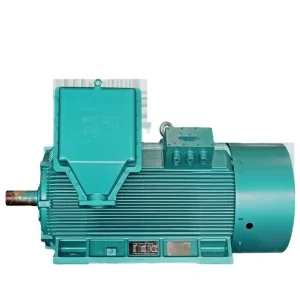
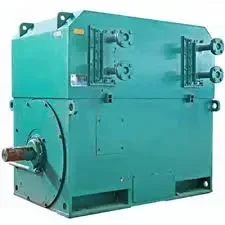
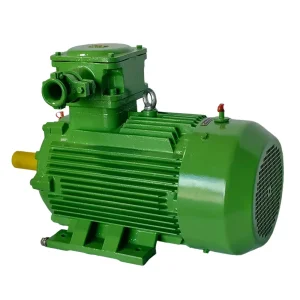
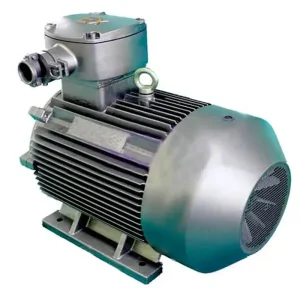
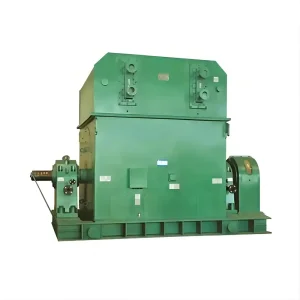
Explore our core engineering catalog featuring advanced AC, DC, and custom explosion-proof low voltage motor designs.
Within the global landscape of industrial automation, Low Voltage IEC Motors represent the core driver of modern process lines. Defined strictly under International Electrotechnical Commission (IEC) standards, specifically the IEC 60034 series, these mechanical units operate below 1000V. They provide the standardized template for power, efficiency classification, and mechanical interfaces across the European, Asian, and African industrial segments.
For decades, low-voltage power networks relied on simple asynchronous induction configurations. However, with the modern push toward decarbonization and strict regulations, the shift toward higher-efficiency standards (IE3, IE4, and the premium IE5) has altered how system designers approach engineering. By optimizing winding design, reducing rotor losses, and introducing specialized alloys to the stator assembly, specialized factories have significantly improved motor efficiency curves under partial load conditions. This transition is essential since modern factories no longer run on single-speed configurations; they operate with advanced Variable Frequency Drives (VFDs) that demand robust insulation, superior thermal management, and strict electrical safety profiles.

A leading large-scale industrial motor manufacturer serving global heavy industries for over six decades.
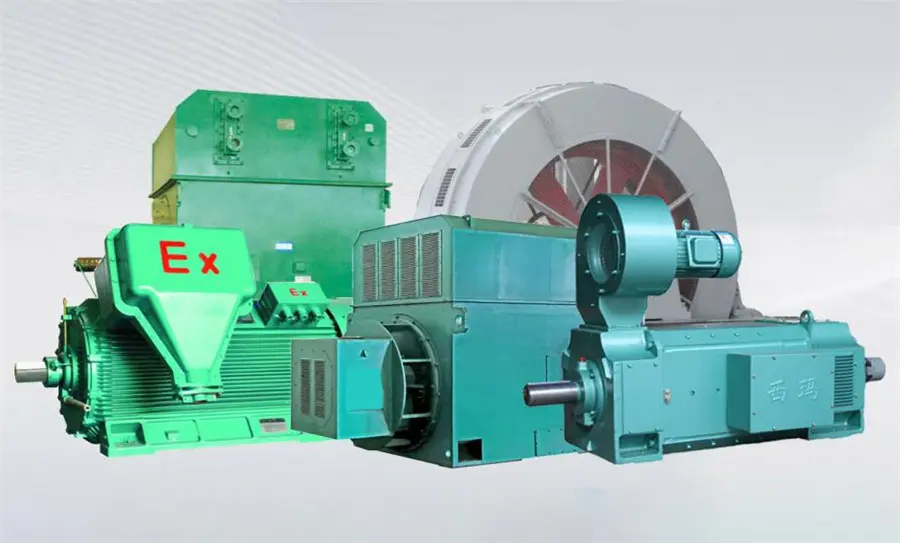
Xi’an Lite SIMO Motor Co., Ltd is an electric company and a key enterprise specializing in the manufacturing of large/medium-sized, high/low voltage AC motors, DC motors, synchronous motors, and explosion-proof motors within the mechanical industry. SIMO functions as a comprehensive manufacturing and service supplier of motor design, mechanical processing, mold making, and advanced assembly. Ranking at the top of the industrial motor manufacturing sector in terms of scale, the company maintains continuous and rapid growth through rigorous R&D investment and structural modernization.
SIMO Motor was established under state oversight to meet domestic industrial demands.
Relocated manufacturing facilities to a larger site in Xi'an City, expanding initial production capabilities.
Renamed Xi'an Motor Factory following a series of strategic acquisitions and industrial integration steps.
Reformed from a state-owned enterprise into a limited liability company, introducing modern market-driven governance.
SIMO Motor Group was established, expanding to include 14 specialized subsidiaries.
Moved operations to a modern high-tech industrial park with advanced production machinery.
Renamed Tech Full Simo Motor, aligning corporate branding with international supply standards.
Continuing to expand product lines and global market share as a major partner for customized low-voltage and high-voltage applications.
Analyzing global market demands, environmental regulations, and the technical requirements for customizable motors.
Standard IEC motors meet basic footprints, but global operations often encounter specific challenges. High moisture, corrosive chemicals, and space limitations demand tailored modifications. Custom mounting, unique shaft geometries, and special electrical insulation help prevent early failures on the line.
Electric motors consume over 60% of total industrial energy. Improving motor efficiency classes from standard IE3 to premium IE4 and IE5 reduces lifetime operational expenditures. High-grade lamination steel and refined magnetic patterns minimize core heat, translating to direct energy savings.
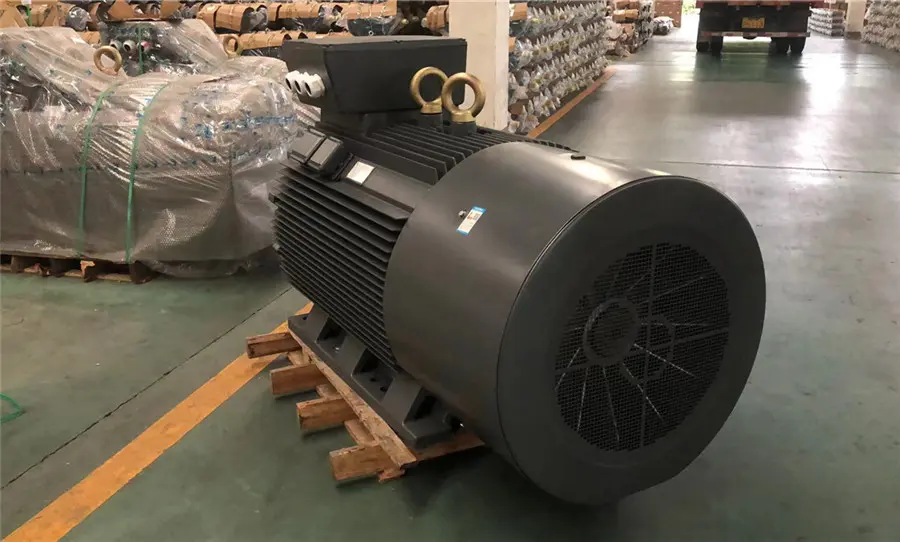
Our low voltage motors feature robust ingress protection (IP55, IP56, IP65) and specialty corrosion resistance (C3 to C5-M coatings). This ensures reliable operation in marine environments, offshore drill rigs, cement mills, and chemical processing facilities.
Built with embedded PT100 temperature sensors and vibration monitoring mounts, SIMO motors are fully compatible with modern industrial networks. They transmit health metrics to centralized DCS systems, helping prevent unexpected process line failures.
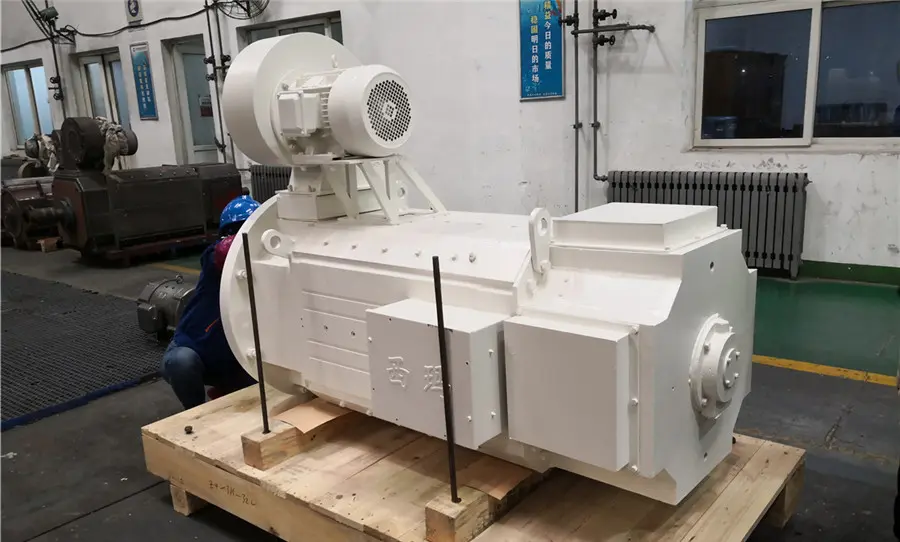
LITESIMO operates a manufacturing infrastructure supported by a capital of 21.5 million RMB and 380 million RMB in fixed assets. With three specialized manufacturing plants, a subsidiary factory, and over 1,172 sets of advanced testing and machining equipment, SIMO develops customizable electric motors ranging from 0.35 kW to 25,000 kW across 34 major series, 1,800 varieties, and over 19,500 distinct specifications.
Our R&D program covers several product groups, including:
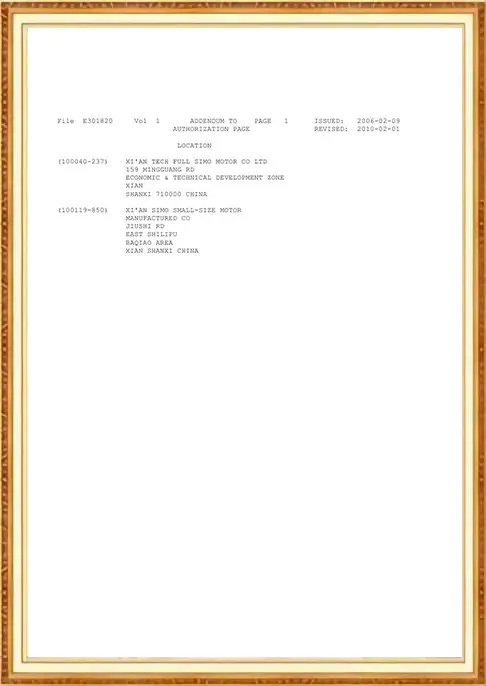
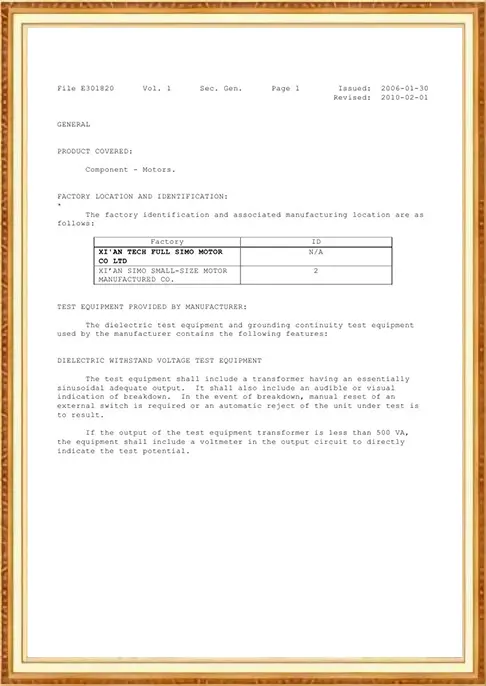
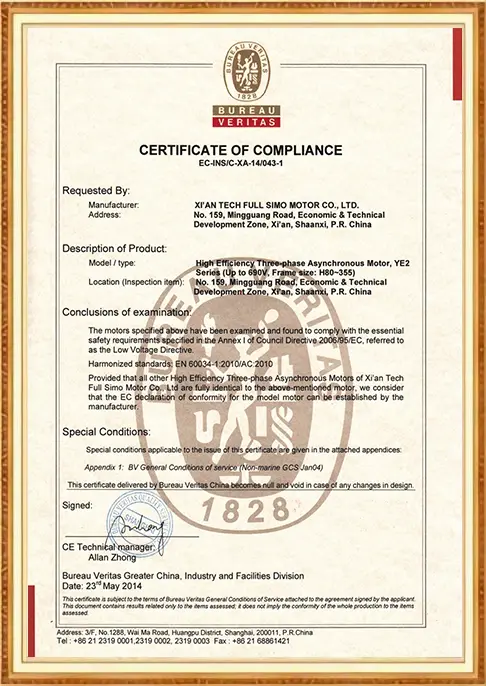
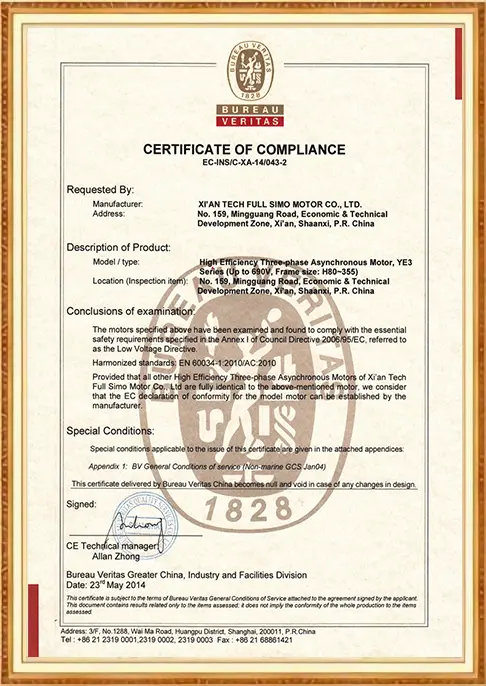
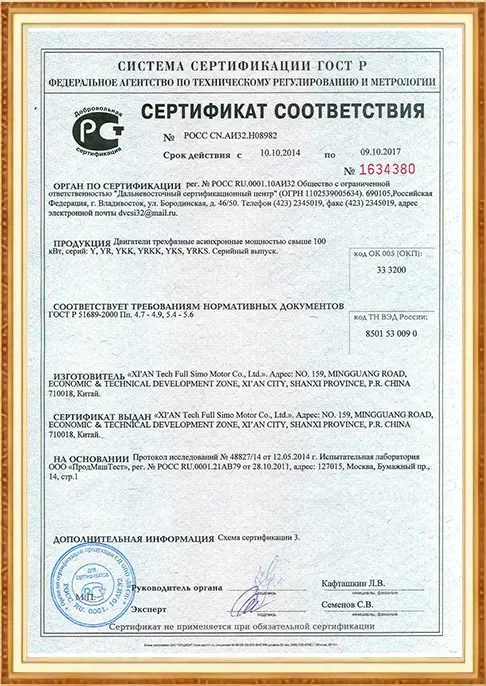
Navigating different markets requires adherence to international standards. SIMO maintains a robust certification portfolio to meet diverse quality, safety, and performance requirements across regional markets.
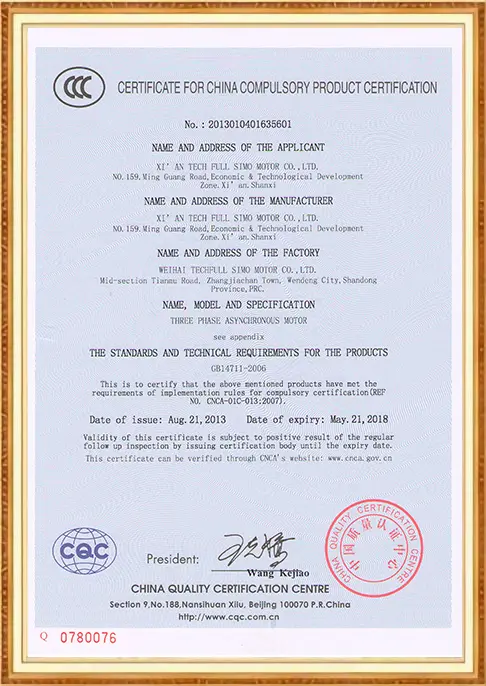
SIMO products have passed ISO9001 Quality System Certification, European Union CE, United States UL, Russian GOST, and related compliance standards. These certifications ensure that SIMO low-voltage and high-voltage motors can be integrated into industrial projects worldwide, meeting both regional environmental regulations and safety requirements.
This structural compliance enables SIMO motors to be utilized in demanding applications such as petrochemical refining, coal processing, heavy mining, metallurgical transport, agricultural irrigation, and municipal water management projects globally.
Strategic engineering developments designed to meet future challenges in industrial efficiency and smart automation.
To support global carbon reduction goals, SIMO is expanding the application of its IE5 motor series. By refining magnetic core materials and utilizing stator slot designs that minimize electrical resistance, these systems lower running costs and reduce heat generation during operation.
Modern industrial systems frequently use variable frequency drives. Our future motor designs incorporate magnetic core geometry optimized to minimize high-frequency harmonic losses and reduce common-mode current damage to bearings, extending overall service life in variable-speed systems.
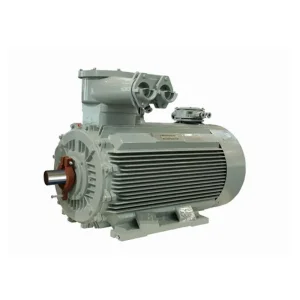
For chemical and underground mining environments, SIMO continues to refine flameproof designs. The YBX4 and YBX5 series utilize tight flamepath configurations, impact-resistant junction boxes, and double-shielded bearings to prevent spark propagation in hazardous atmospheres.
Technical guidance to assist with system specification, compliance checks, and integration protocols.
Modifying a motor's shaft dimensions, such as adding keyways, steps, or custom diameters, changes its natural torsional and bending frequencies. During development, our engineering team performs dynamic finite element analysis (FEA) to confirm that these natural frequencies do not coincide with the motor's operating speed or drive-frequency harmonics. This prevention of mechanical resonance helps protect the motor from high vibration, structural fatigue, and bearing failure.
Operating asynchronous motors via VFDs exposes them to voltage spikes, harmonic heating, and bearing currents. To address this, SIMO motors utilize Class H insulation system components with vacuum pressure impregnation (VPI) to withstand high voltage change rates (dV/dt). Where needed, we install insulated non-drive end bearings or shaft grounding rings to redirect common-mode currents away from the bearing raceways, preventing micro-pitting and extending lubrication life.
The flameproof YBX4 and YBX5 series are built to contain internal explosions without letting sparks escape to ignite the external atmosphere. They feature cast-iron frame designs, tight joints with defined flamepath lengths and gaps, and IP55-IP66 sealed terminal boxes. These designs are tested to meet ATEX and IECEx specifications for explosive atmospheres containing gases or combustible dusts.
For equipment operating continuously—such as pumps, draft fans, and process compressors—the purchase price of a motor represents a small percentage of its lifetime operating cost. The majority of that cost goes to electricity. Upgrading from IE3 to IE5 efficiency reduces internal energy losses by up to 30% depending on load. This lowers energy usage, reduces motor running temperatures, and extends the lifespan of the winding insulation.
Explore our specialized range of high voltage systems, dust explosion-proof units, and premium IE5 asynchronous motors.
 Lite Simo