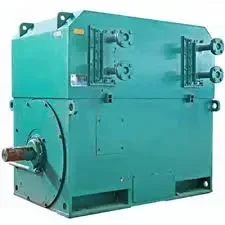
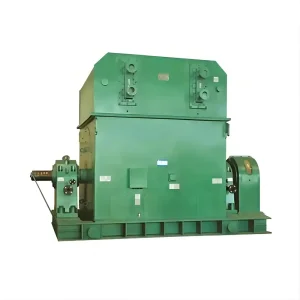
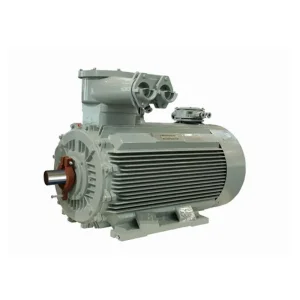
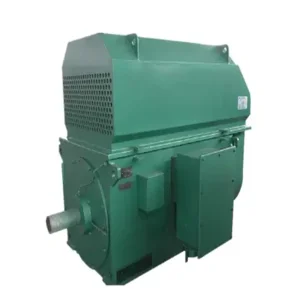
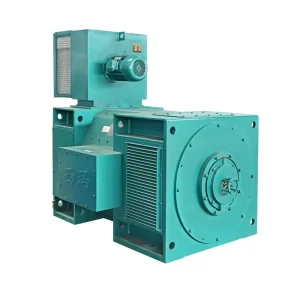
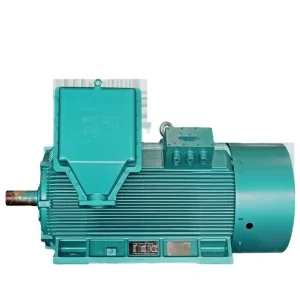
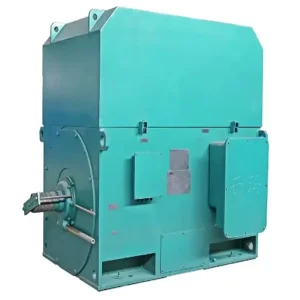
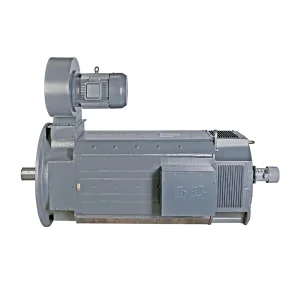
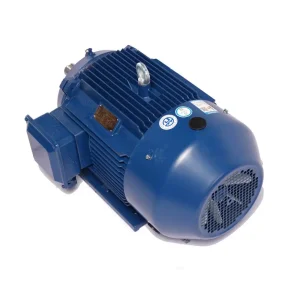
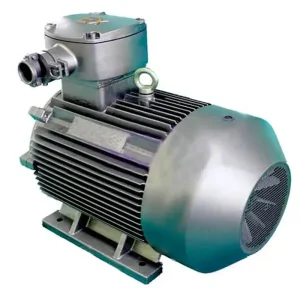
Engineered for maximum reliability and safety in hazardous environments, mines, and heavy-duty petrochemical facilities.
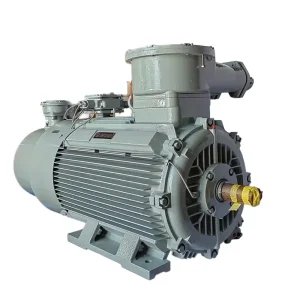
An in-depth analysis of regulatory standards, mechanical dynamics, and manufacturing capabilities in hazardous area motion control.
In the modern industrial processing landscape, mechanical screening, feeding, conveying, and compaction processes rely heavily on structural vibration forces. However, when these operations take place in environments laden with volatile gases, vapors, or combustible dust, the risk of catastrophic ignition increases exponentially. As a leading custom explosion-proof vibration motor manufacturer, Xi'an Lite SIMO Motor Co., Ltd designs and builds industrial-grade electric vibrators that isolate internal electrical and thermal spark potentials from hazardous external atmospheres. Our products ensure that key sectors, including chemical processing, underground mining, pharmaceuticals, and oil and gas refining, operate with zero mechanical downtime while remaining compliant with global hazard safety directives.
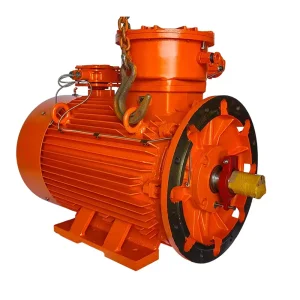
Explosion protection in vibration motor engineering goes beyond standard motor enclosures. Standard electric motors operate under uniform rotational loads. In contrast, vibration motors purposefully generate unbalanced centrifugal forces by rotating eccentric masses on both ends of the shaft. This continuous dynamic load subjects the motor shell, bearing housings, and winding insulation to severe mechanical stress. To achieve certification, flameproof housings must be constructed of high-tensile material, such as cast iron (Grade GG25 or GGG40), to withstand internal gas explosions without deforming or transferring flames to the external environment.
Furthermore, dust-ignition-proof motors (such as the YFB3 dust explosion-proof series) prevent combustible organic or metallic dusts from entering the enclosure. This is done by using precision labyrinth seals and high-temperature FKM gaskets, maintaining an IP65/IP66 ingress protection rating. In these configurations, heat dissipation is managed through surface area design and structural cooling fins, preventing surface temperature limits (from T4 up to T6) from igniting surrounding dust clouds.
The global industrial market is shifting toward unified validation systems. Europe depends heavily on the ATEX 2014/34/EU Directive, which classifies equipment into Category 1, 2, or 3 based on hazard risk (Zones 0, 1, 2 for gases, and Zones 20, 21, 22 for dust). The IECEx system provides an international certification pathway, while North American markets follow the NEC 500/505 guidelines, classifying hazardous settings into Class I/II, Divisions 1/2.
For custom electric motor manufacturers, these variations require flexible engineering paths. A vibration motor destined for a North American shale extraction project requires class-approved conduit connections (NPT threads) and specific thermal overload configurations. Conversely, European projects require metric-threaded (M20/M25) Ex d barrier cable glands and compliance with EN standards. SIMO Motor offers custom modifications, supplying certified power transmission systems across these diverse regulatory frameworks.
Xi’an Lite SIMO Motor Co., Ltd is one of China's most historic and comprehensive electric motor design and manufacturing enterprises.

We specialize in the manufacturing of large, medium-sized, high and low voltage AC motors, DC motors, synchronous motors, and explosion-proof motors. Ranking at the top of China's motor industry, SIMO has built an expansive scale of production and maintained a fast-growing development trend over decades of technical leadership.
Our manufacturing capabilities include rotor casting, coil insulation winding, CNC precision machining, mechanical stamping, mold making, and advanced testing. With a registered capital of 21.5 million RMB, SIMO operates 3 main manufacturing facilities and 1 subsidiary plant, with fixed assets valued at 380 million RMB. Our facilities house over 1,172 sets of advanced manufacturing and testing equipment.
SIMO Motor is established and led by the government, pioneering industrial motor engineering in China.
Operations move to a newly expanded, dedicated manufacturing plant in Xi'an City.
Name officially changed to Xi'an Motor Factory after a series of strategic state integrations.
Reformed from a state-owned factory into a limited liability company to accelerate technical agility.
SIMO Motor Group is established, expanding to include 14 specialized subsidiaries.
Relocated to a modern, high-tech plant designed for advanced manufacturing processes.
Rebranded as Tech Full Simo Motor to better reflect our emphasis on technological innovation.
Continuing our growth to remain a globally recognized manufacturer of industrial and explosion-proof motors.
How SIMO Motor pushes the boundaries of efficiency, thermal isolation, and structural integrity.
Vibration motors generate linear or orbital force vector fields. This subjects internal copper windings to constant friction and micro-movement. SIMO utilizes Class F and Class H insulation systems, treated with Vacuum Pressure Impregnation (VPI). VPI removes moisture and air pockets from the stator core, filling the voids with a high-bond epoxy resin. This locks the stator coils in place, preventing abrasion and ensuring structural integrity even under high-frequency operation.
Bearings are a critical point in vibration motor engineering. Standard deep-groove ball bearings can fail prematurely under high, continuous centrifugal force. SIMO uses heavy-duty, double-row spherical roller bearings or cylindrical roller bearings designed for high load capacities. These bearings are lubricated with high-temperature, synthetic grease that resists shear degradation. This extends service life and reduces heat generation, lowering the motor's operating temperature and supporting safety in explosive atmospheres.
Operating explosion-proof vibration motors with VFDs (such as the YBBP series) requires careful parameter control. VFDs introduce high-frequency voltage harmonics, which can cause micro-discharges across motor bearings (shaft currents) and increased stator heating. Our design integrates insulated non-drive end bearings and internal grounding rings to dissipate static charges safely. The winding layouts are specifically optimized for variable frequency drives, preventing insulation breakdown caused by high dV/dt voltage spikes from modern IGBT-based drives.
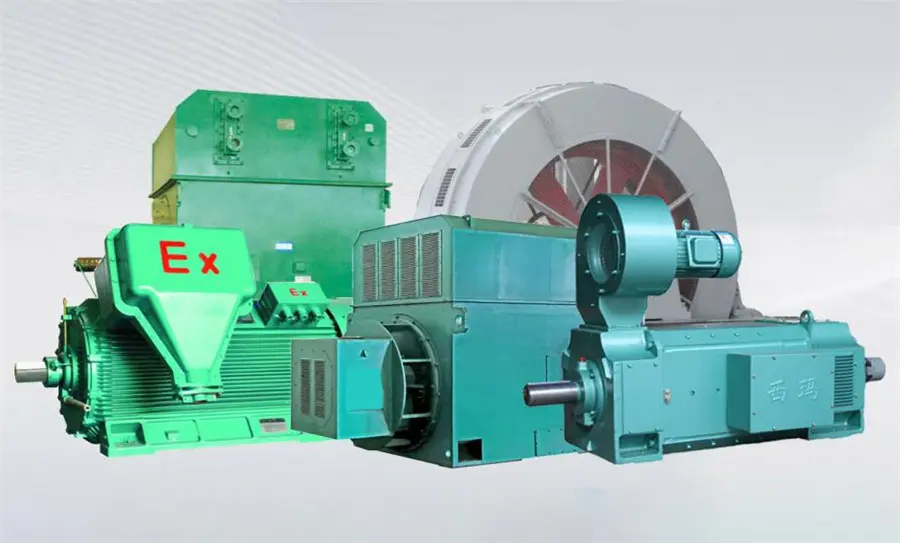
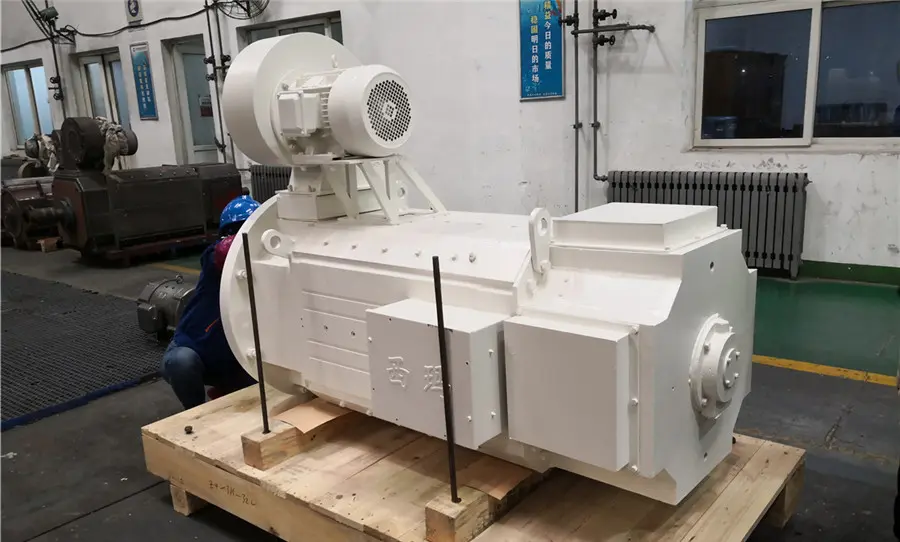
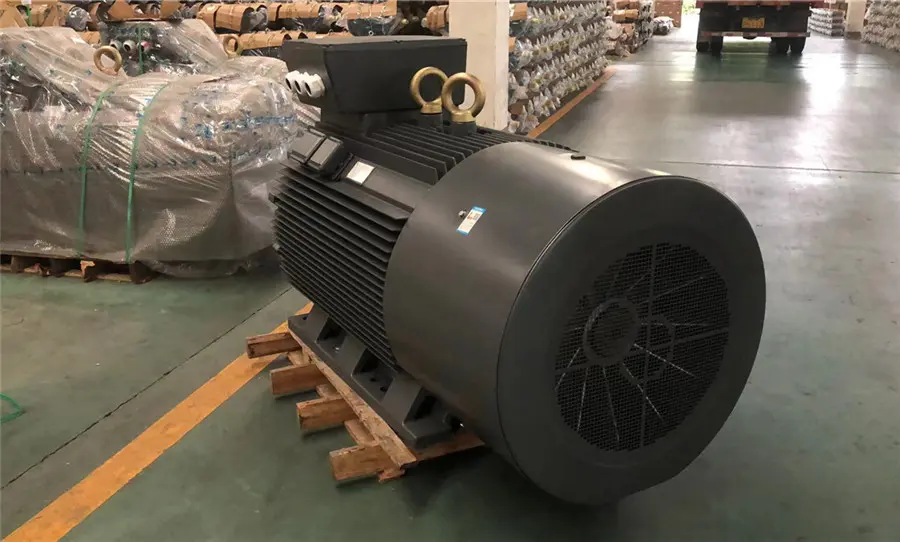
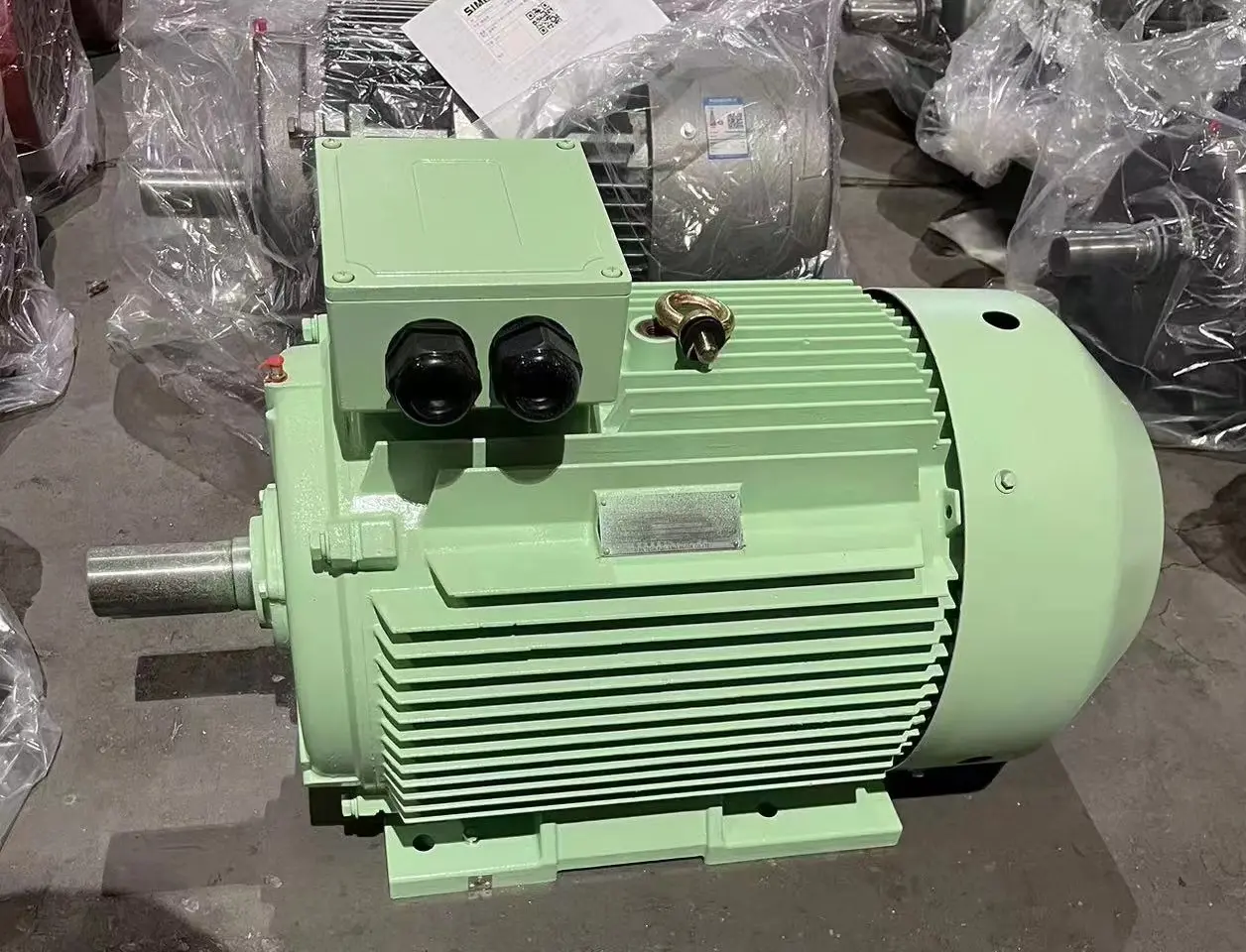
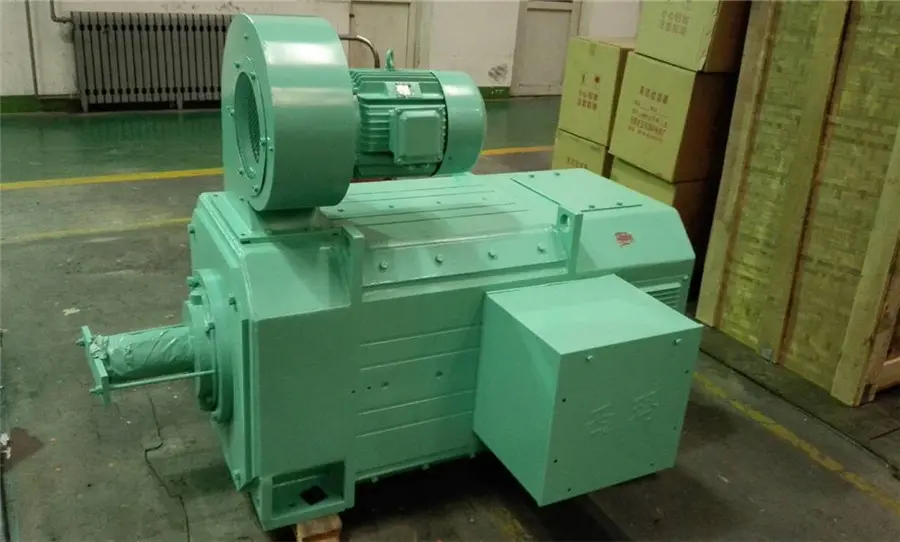
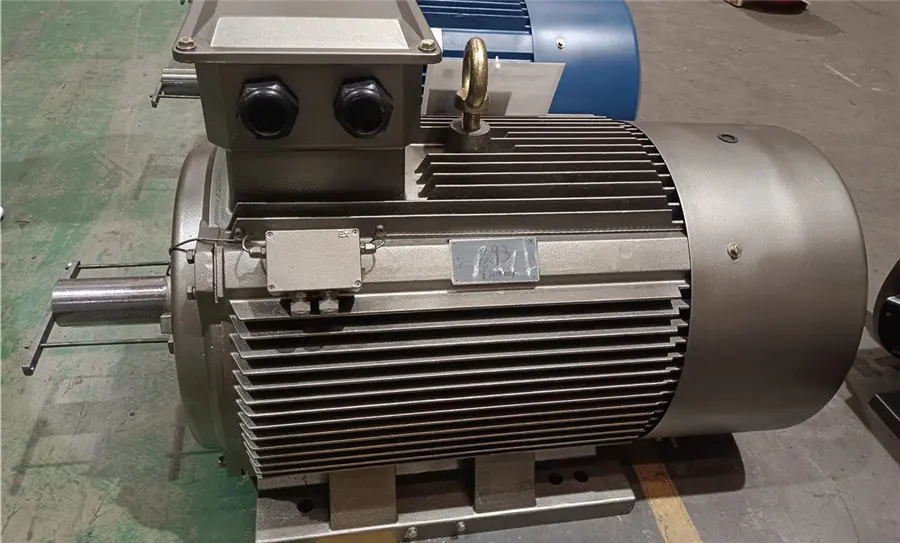
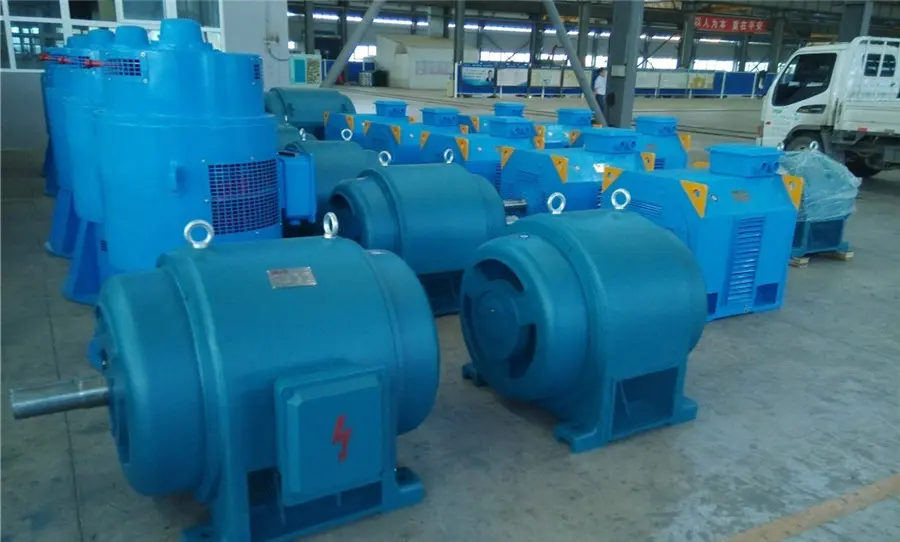
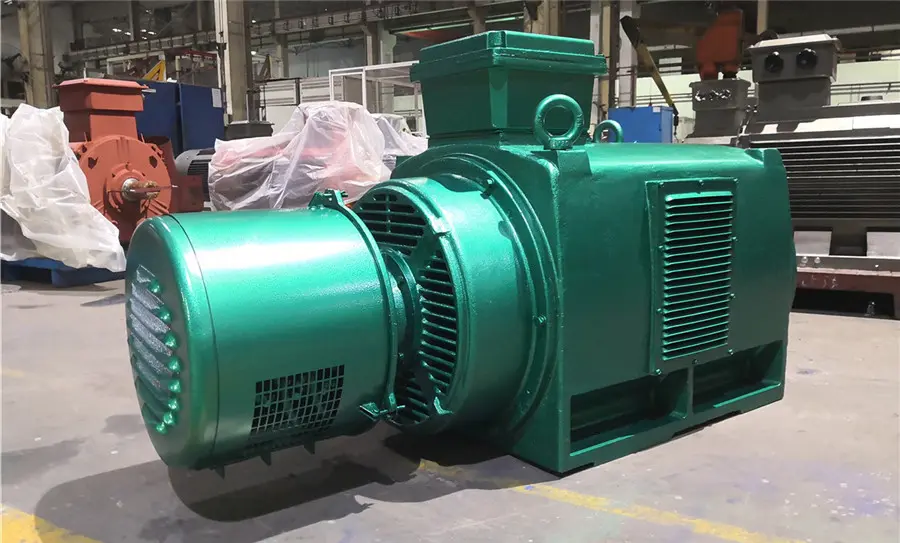
Developing energy-efficient, digitally-monitored driving systems for the next generation of industrial applications.
Global energy efficiency regulations are expanding to include hazardous area equipment. Transitioning to YE4 and YE5 ultra-premium efficiency lines helps facilities reduce energy costs and minimize thermal losses in high-load setups.
Integrating vibration and thermal sensors into flameproof junction boxes allows for real-time health monitoring. Early detection of bearing wear or winding temperature anomalies prevents costly unplanned shutdowns in critical areas.
Advanced dynamic systems require high-durability lubricants and advanced synthetic seals. SIMO utilizes synthetic fluorinated greases that resist degradation at temperatures above 150°C, ensuring reliable operation under high centrifugal forces.
Underground Mining Extraction: In deep coal extraction processes, the environment is vulnerable to methane accumulation. Equipment like the YBK3 series flameproof motors drives vibratory coal screens that handle heavy mineral loads safely. These units are built to resist dust ingress and mechanical shock from continuous rock impact.
Grain Storage & Bulk Handling: Bulk agricultural storage facilities produce high concentrations of organic dust. Standard electrical motors can pose an ignition risk if dust deposits block ventilation. Using the YFB3 dust explosion-proof series ensures safe operation on silos, conveyor discharge chutes, and sorting screens.
Petrochemical and Marine Processing: Offshore oil rigs and onshore refineries process volatile organic hydrocarbons. The YBX4 flameproof series provides reliable power for process separators, shale shakers, and industrial mixers, operating continuously in harsh marine environments.
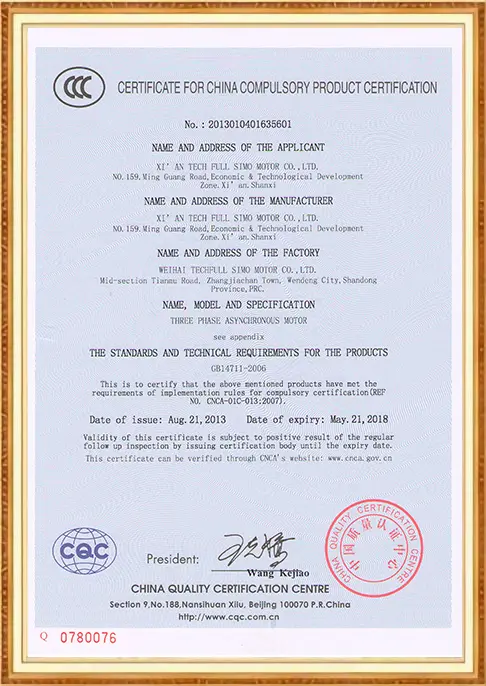
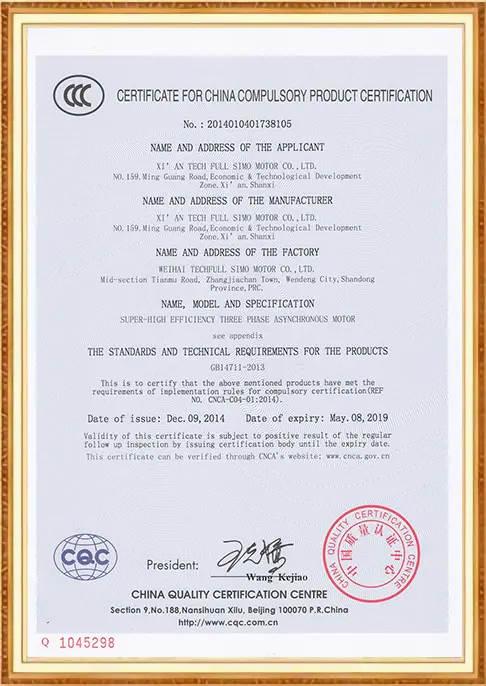
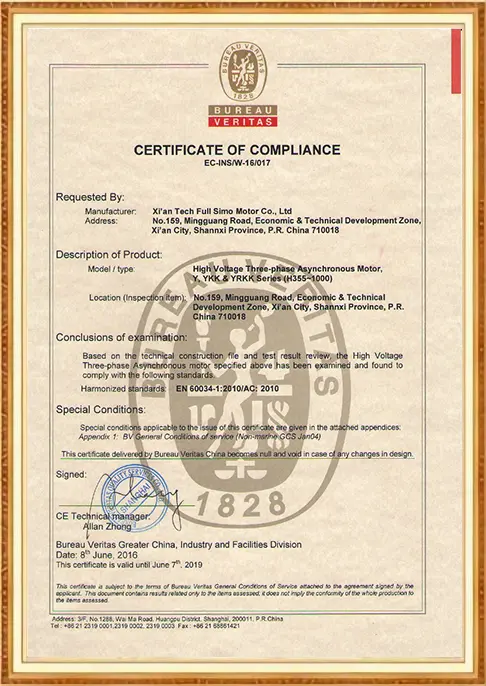
SIMO products conform to strict quality guidelines to ensure safe operation across global markets.
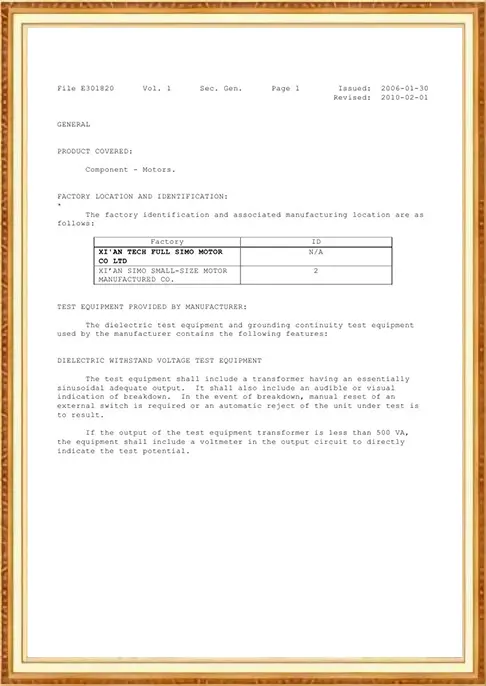
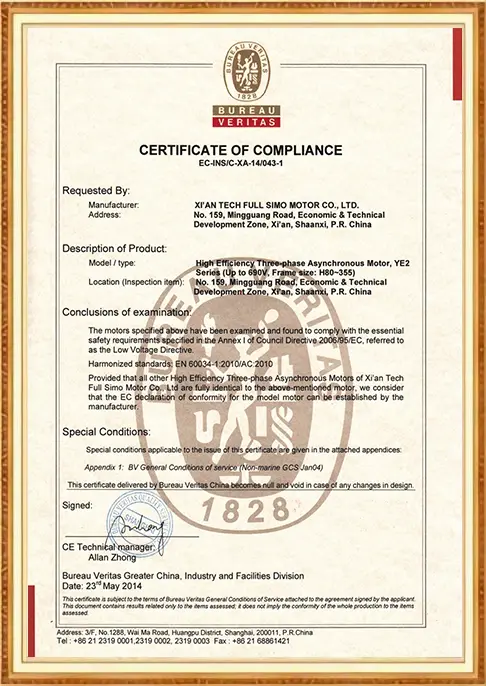
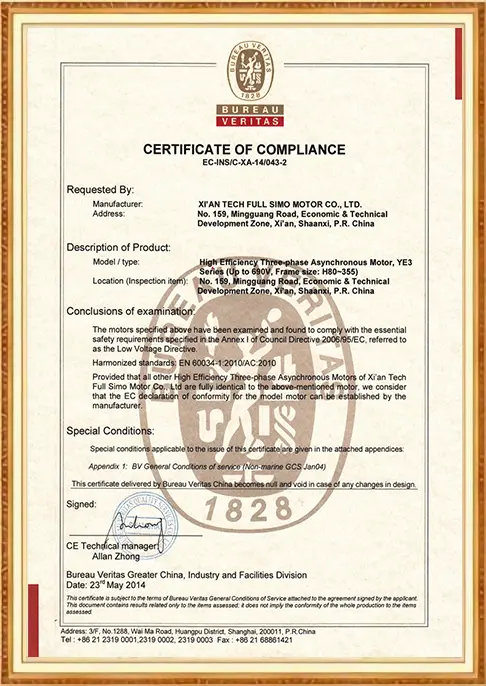
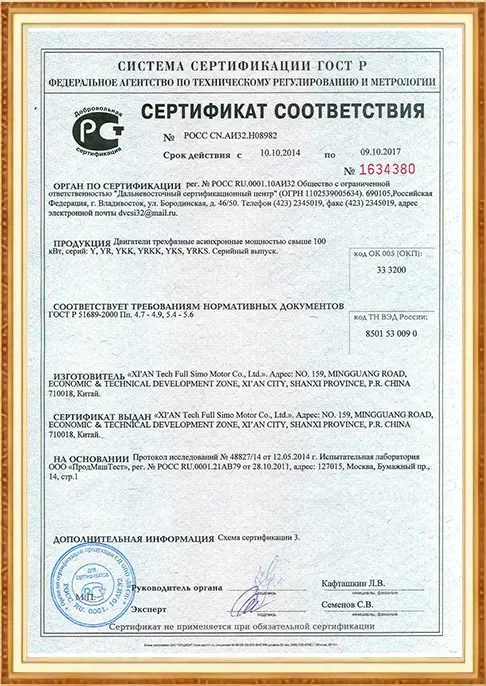
SIMO has passed the ISO9001 Quality System Certification, the European Union's "CE" directive, US "UL" specifications, and the Russian "GOST" standards. Our electric motors are utilized worldwide in power generation, coal mining, petrochemicals, metallurgy, heavy transportation, and municipal water management.
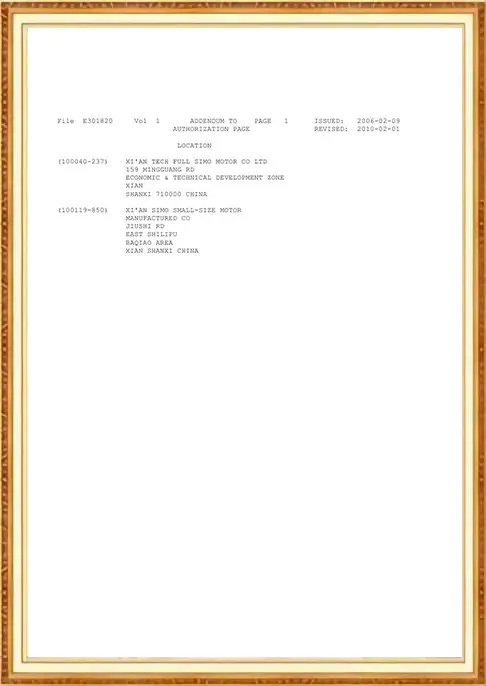
Expert insights on the design, installation, and operation of explosion-proof vibration systems in industrial environments.
Industrial electric driving systems designed for high-capacity material handling and mining applications.
 Lite Simo