The global heavy industrial sector is undergoing a profound transformation. Driven by stringent environmental policies, fluctuating energy costs, and the pressing demand for carbon neutrality, the purchase criteria for industrial electric motors have moved far beyond initial capital expenditure (CAPEX). Today's procurement strategies center heavily on Total Cost of Ownership (TCO), operational efficiency, and application-specific customization.
Industrial electric motor systems account for approximately 70% of total electrical energy consumption in heavy industries like mining, oil and gas, petrochemicals, and metal refining. Because of this massive footprint, purchasing decisions have a direct, significant impact on a corporate entity's bottom-line profitability and carbon accounting. As energy grids globally transition to renewable sources, heavy equipment operators require motors that maximize power factor efficiency while maintaining absolute reliability under extreme thermal and mechanical stresses.
Standardized, off-the-shelf motors often fall short in demanding configurations. For instance, in heavy-duty mining mills, chemical agitators, and high-altitude water supply networks, issues like load variation, severe starting torques, abrasive environments, and corrosive chemical vapors require custom-engineered electrical designs. Global manufacturers are now shifting away from generic production to highly integrated, custom engineering paths where the motor is tailored directly to the specific drive system and local environmental variables.
Energy costs represent over 95% of a heavy-duty motor’s life-cycle expenditure. Transitioning to custom-tailored IE4 or IE5 ultra-premium efficiency platforms minimizes operational energy drag and yields rapid capital amortization.
Custom insulation schemes (Class H under Class F temperature limits), specialized IP55/IP65/IP66 enclosure classifications, and robust anti-corrosive epoxy treatments protect motor assemblies against harsh elements.
Bespoke rotor laminations and custom winding profiles reduce starting current surges, prevent voltage drops, and align torque outputs perfectly with high-inertia system demands.
Xi’an Lite SIMO Motor Co., Ltd (popularly known as LITESIMO) is a core pillar in the Chinese mechanical and electrical machinery manufacturing industry. Specializing in the development and manufacturing of large/medium-sized, high/low voltage AC motors, heavy industrial DC motors, synchronous motor systems, and explosion-proof motors, SIMO offers comprehensive engineering services including electromagnetic design, precision manufacturing, metal machining, tooling, and systems assembly.
Operating with a registered capital of 21.5 million RMB, SIMO has established a robust physical infrastructure spanning 3 dedicated manufacturing plants and 1 specialized subsidiary. The company maintains fixed assets valued at 380 million RMB, featuring more than 1,172 sets of advanced industrial machinery. This advanced asset base enables SIMO to achieve extreme tolerances and reliable production output across all ranges of customized electrical machinery.
A key factor in SIMO's engineering authority is its technical human capital. With over 1,200 specialized employees, the enterprise retains a high-performance R&D department consisting of more than 260 technical engineers, including 21 senior engineers and 15 state-level expert engineers. This concentration of expertise allows SIMO to handle highly complex mechanical designs, structural analyses, and electromagnetic modeling for custom heavy industrial applications.

SIMO's R&D and manufacturing systems cover a wide range of motor designs. The product matrix comprises 34 major series, over 1,800 distinct product varieties, and more than 19,500 individual engineering specifications. Rated outputs range from 0.35 kW up to 25,000 kW. This catalog allows SIMO to supply equipment for virtually any industrial mechanical system, whether low-voltage, high-voltage, or variable-frequency regulated.
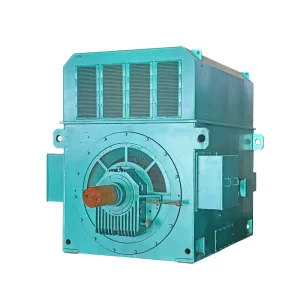
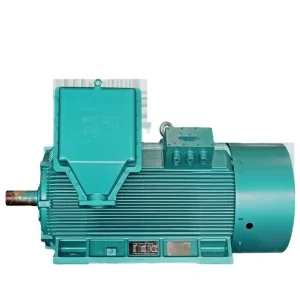
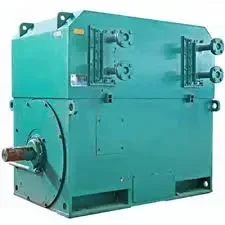
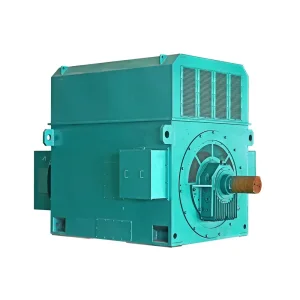
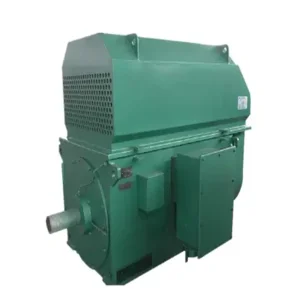
YX, YXKK, YXKS, YR, YRKK, YRKS: High-efficiency and wound rotor high-voltage motors (6KV, 10KV). Designed with specialized stator lamination compression technology and Vacuum Pressure Impregnation (VPI) for long-term insulation reliability under thermal expansion cycles.
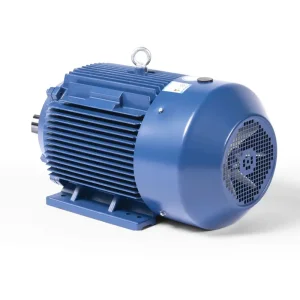
YE3, YE4, YE5 Series: Asynchronous low-voltage motors built to exceed Ultra-Premium efficiency standards. These designs feature optimized stator slot geometry and premium-grade electromagnetic silicon steel sheets to reduce copper and core losses.
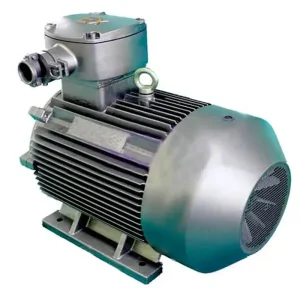
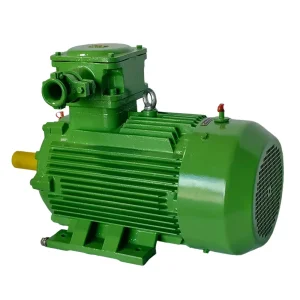
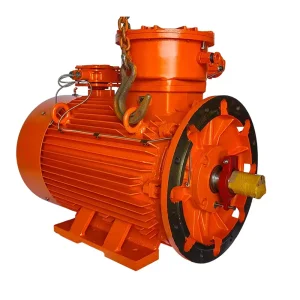
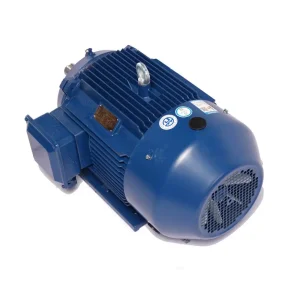
YBX3, YBX4, YBX5, YBK3: High and low voltage explosion-proof motors designed for hazardous atmospheres (coal mines, petrochemical plants). Built with flameproof enclosures capable of containing internal explosions without igniting the surrounding environment.
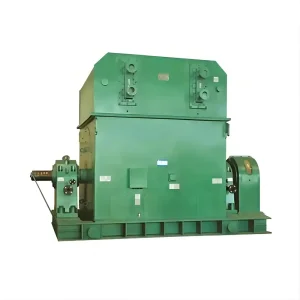
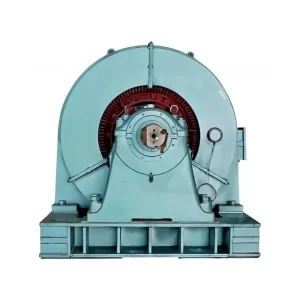
T, TD, TK, TDMK, TFW Series: Large synchronous motors and generators (up to 25,000 kW). Tailored for heavy ball mill drives and large reciprocating compressors, offering precise speed control and power factor correction.
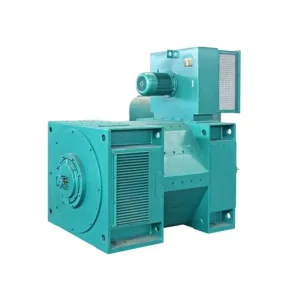
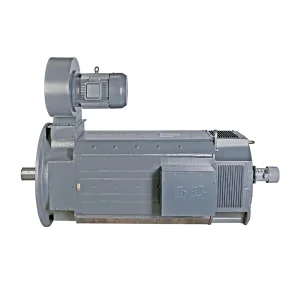
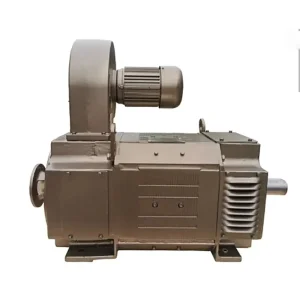
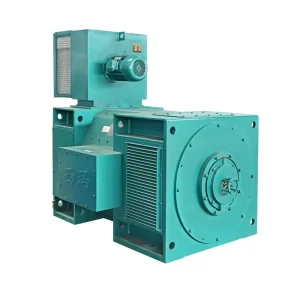
Z2, Z4, Z Series: Medium and large DC motors engineered for high overload capability, wide speed ranges, and quick dynamic responses. Ideal for steel rolling mills, mine hoists, and heavy extruders.
YVFE3, YVFE4, YVFE5, YJP Series: High and low voltage VFD-driven motors designed for variable speed applications. Optimized to prevent winding degradation from high dv/dt surges and equipped with insulated bearings to prevent electrical pitting.
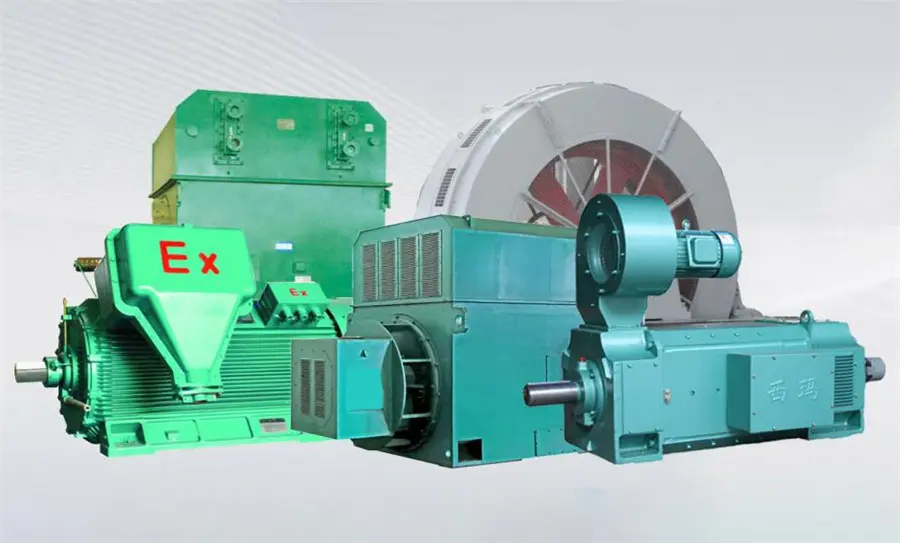
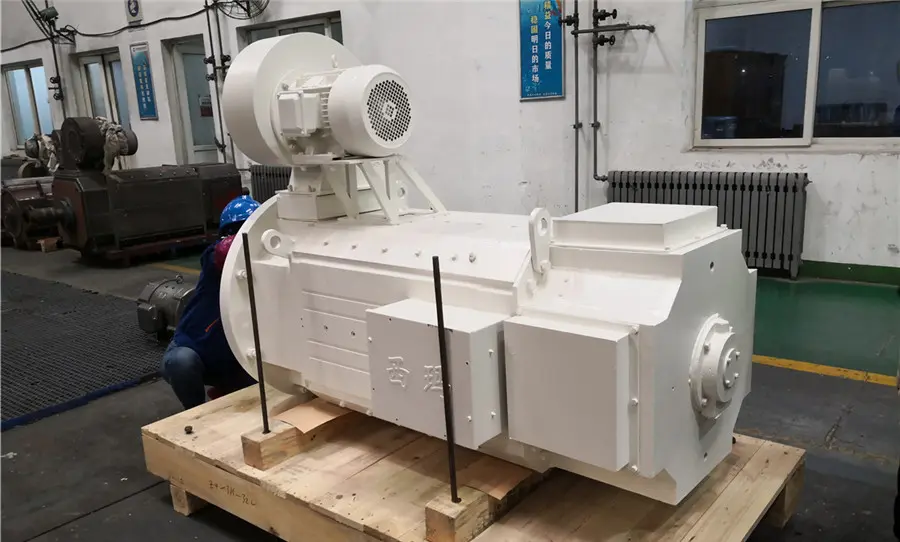
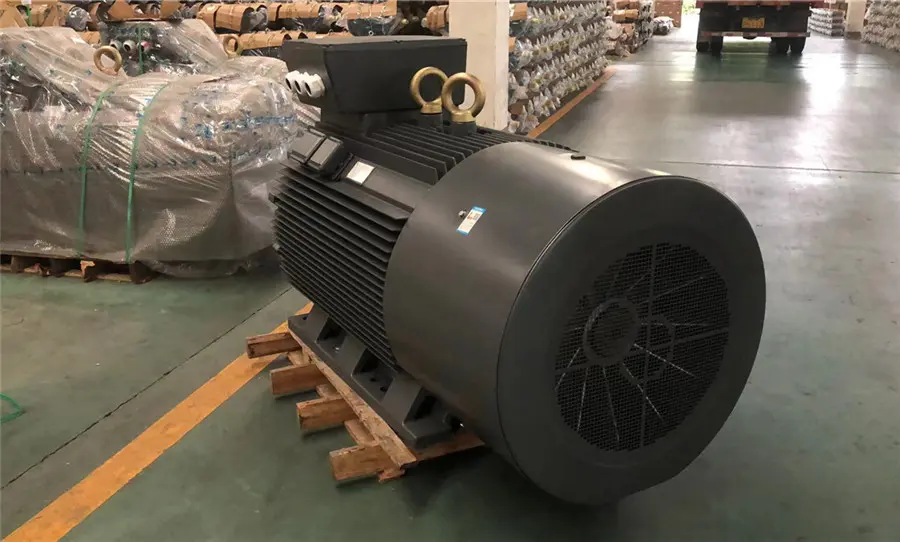
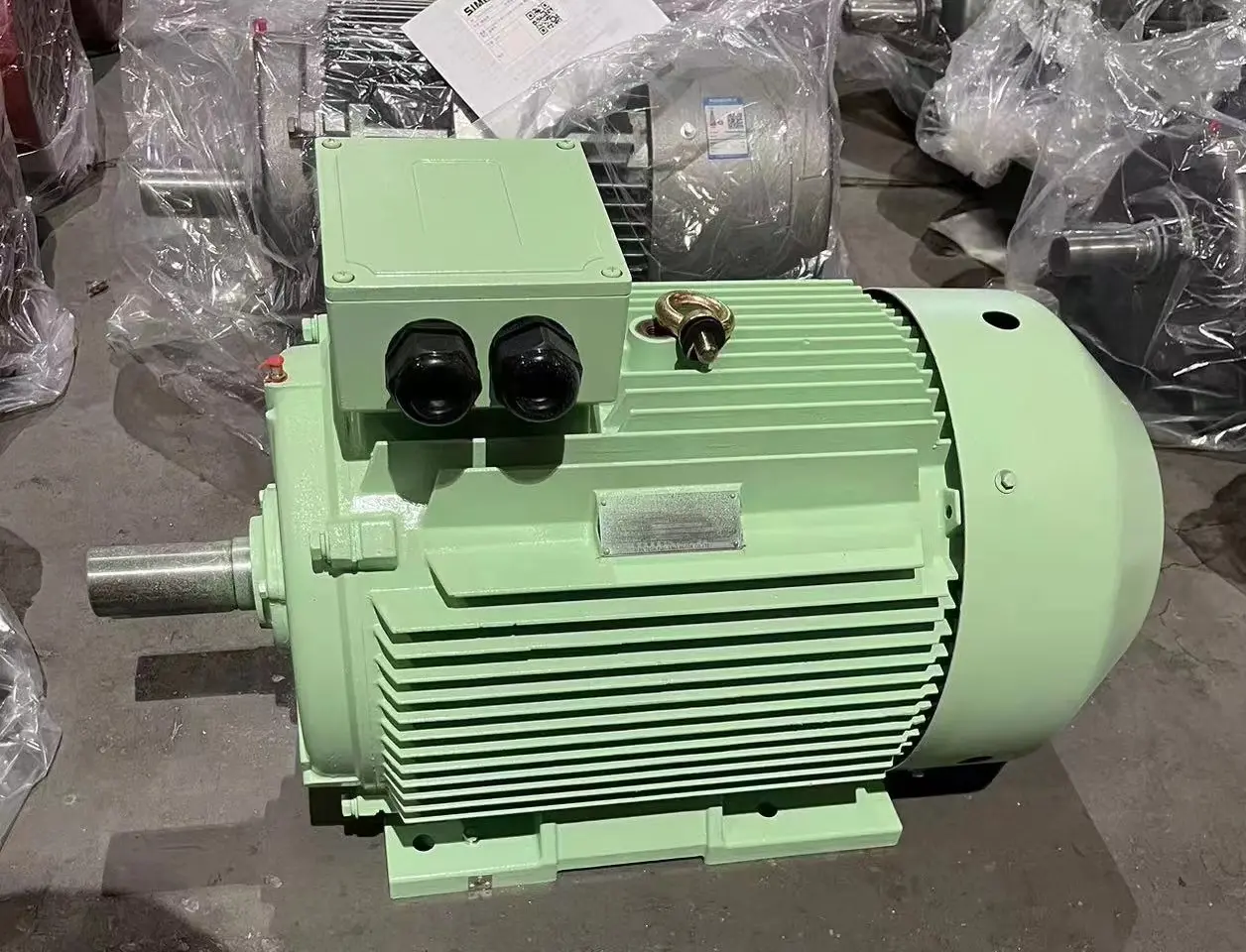
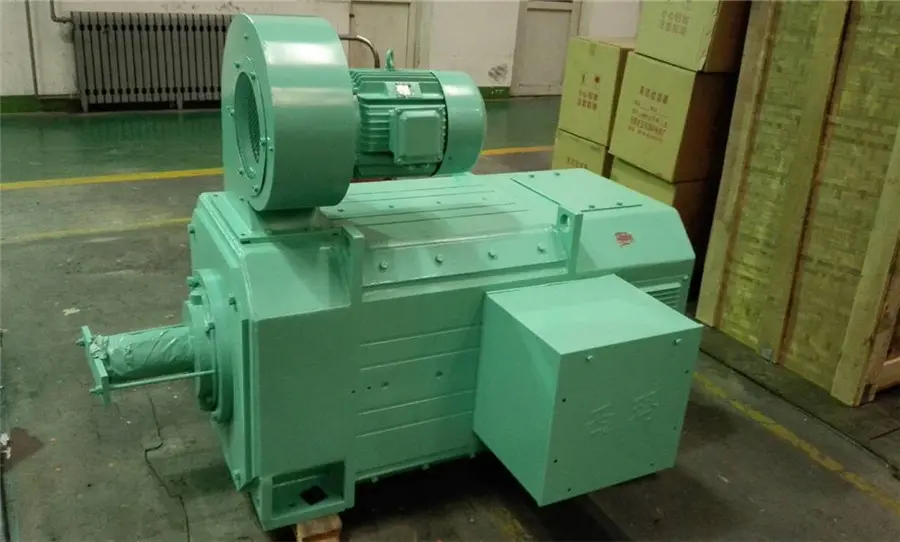
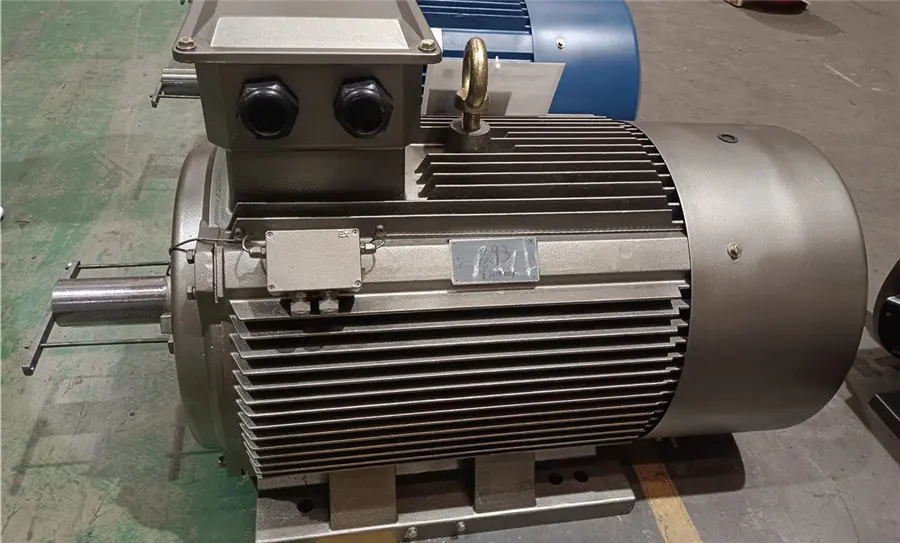
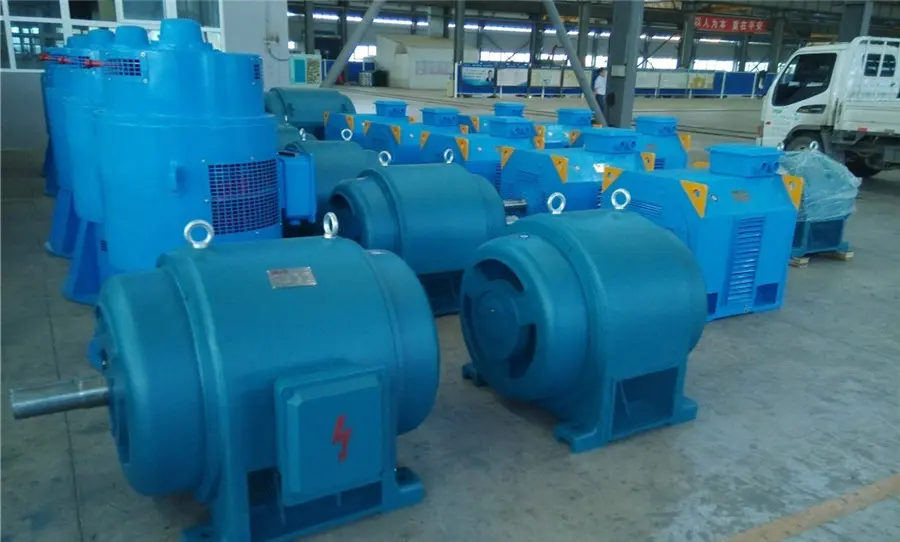
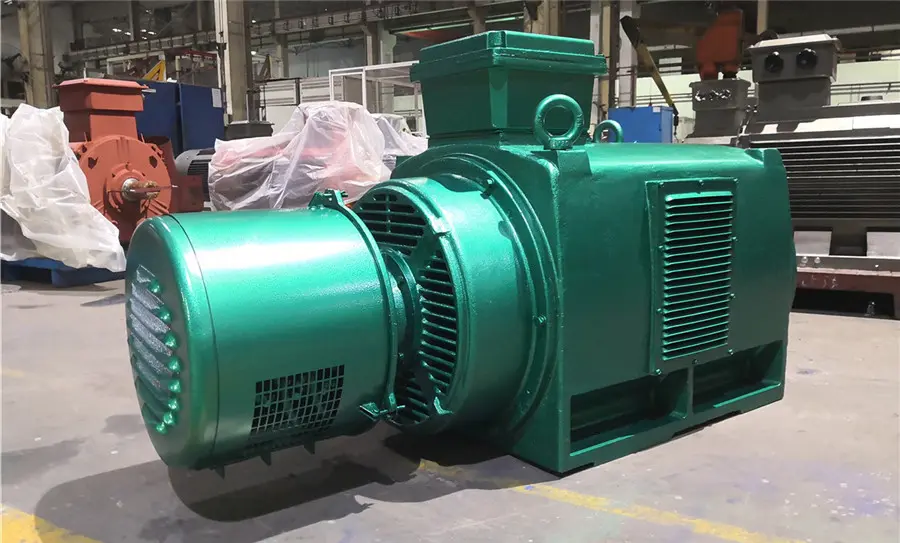
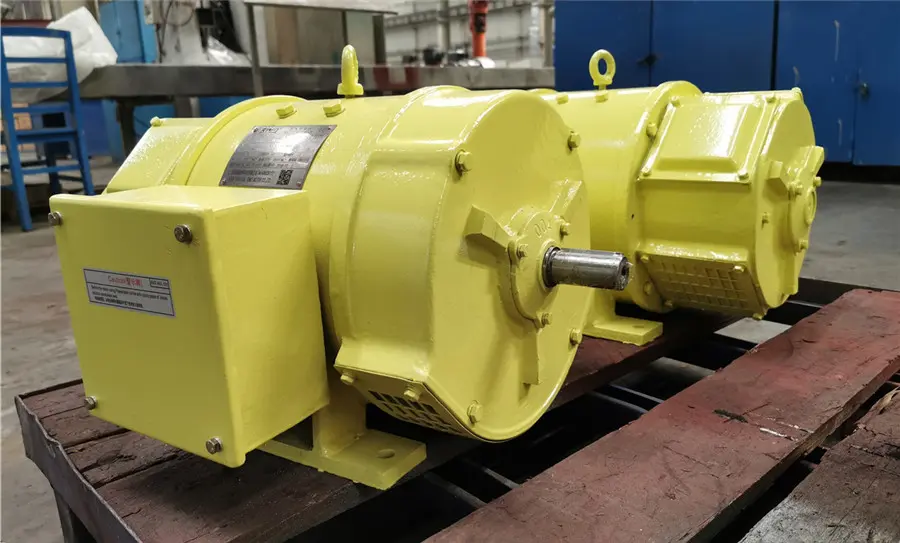
Heavy machinery operates under distinct electrical and mechanical load profiles. In engineering design, a single failure can lead to expensive downtime. SIMO's custom motors are optimized for specific industrial applications, ensuring reliable integration with core plant systems:
In mining operations, motors run in environments with high concentrations of abrasive airborne particulate matter, heavy mechanical vibrations, and varying supply voltages. Key applications include ball mills, sag mills, conveyor systems, and ventilation fans.
For these conditions, the TDMK series synchronous motors and YBK3 flameproof motors provide heavy-duty support. These designs include IP55-rated enclosures, dust-proof labyrinth seals, reinforced shaft ends to handle high torsional loads, and Class H insulation systems. The winding heads are braced to withstand frequent starting torque peaks without physical distortion.
In chemical and refining plants, the presence of flammable gases and vapors requires explosion-proof electrical machinery. Motors driving gas compressors, high-pressure pipeline pumps, and chemical agitators must meet strict safety certifications.
SIMO's YBX4 and YBX5 explosion-proof AC motors are engineered to comply with ATEX and IECEx standards. Built with high-strength cast-iron frames and flameproof joint faces, they contain any internal sparking within the enclosure. They also feature lower surface temperatures to prevent gas ignition, chemical-resistant paint coatings, and anti-condensation heating elements for humid operating climates.
Water reclamation, desalination, and agricultural irrigation plants require continuous pumping capacity. In these setups, high-voltage motors operate next to open reservoirs and under high-humidity conditions.
To address this, YKS and YRKS water-cooled high-voltage motors use an air-to-water heat exchanger (IC81W cooling system). This design keeps moisture, dust, and outdoor contaminants out of the active stator and rotor sections, while the water cooling jacket maintains stable operating temperatures to prevent insulation degradation.
Steel mills require high-torque motors capable of rapid speed reversal and constant thermal cycling. The motors driving rolling tables, metal scrap shears, and blast furnace blowers must withstand high ambient heat and high peak overloads.
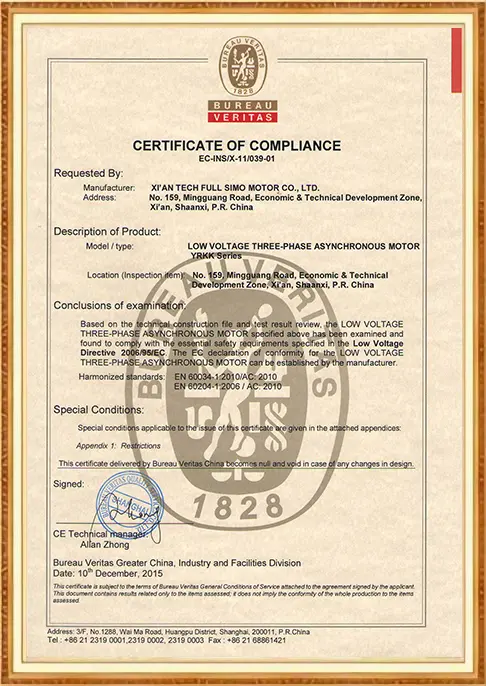
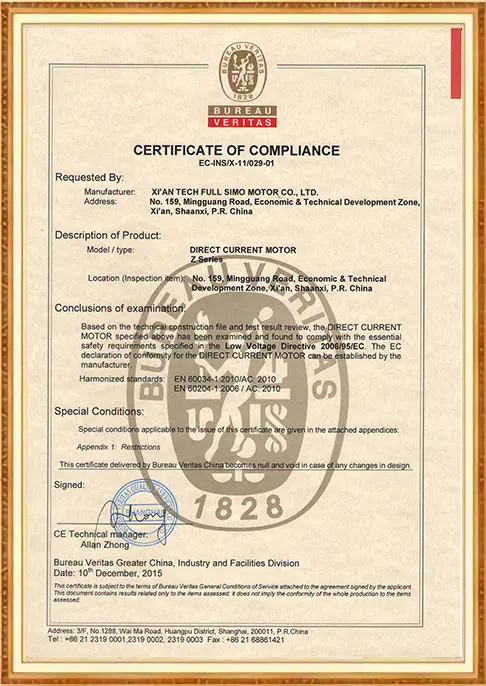
The Z series DC motors and YRKK slip ring AC motors are designed specifically for these conditions. Featuring heavy-duty copper armatures, high-grade graphite carbon brushes, and rugged cast frames, they deliver precise torque control and reliable operation under shock-load conditions.
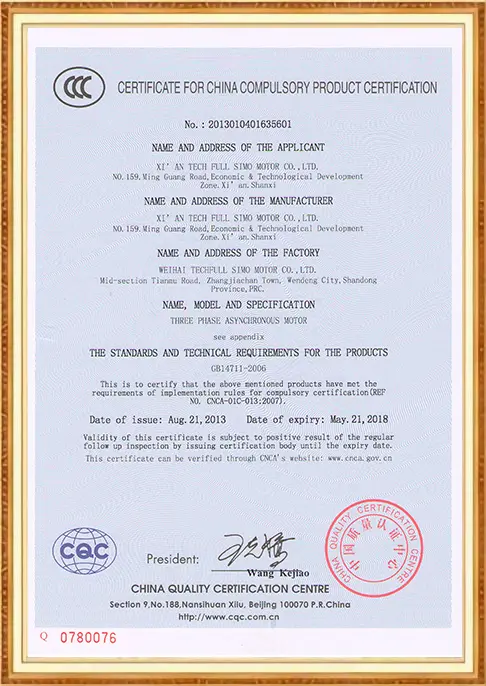
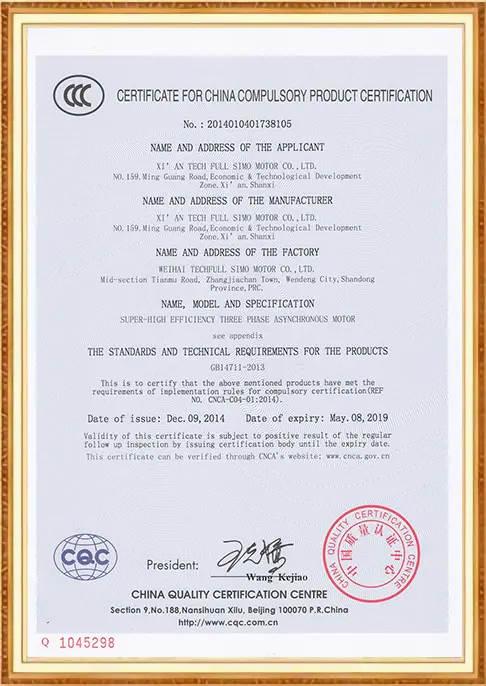
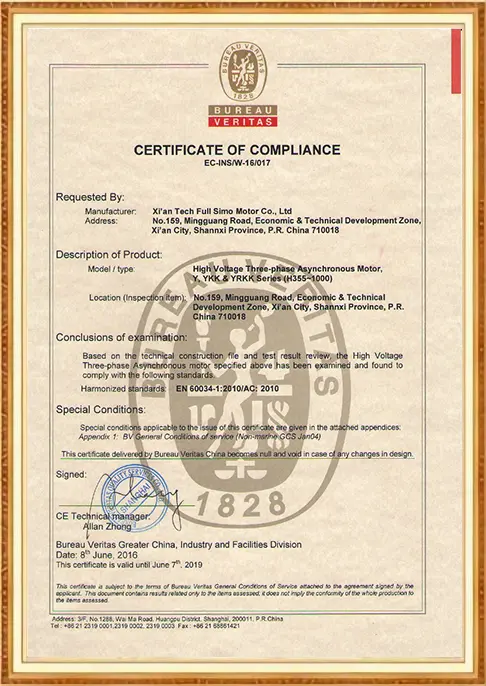
To meet international compliance requirements, SIMO has established a comprehensive quality management system. The company's manufacturing and engineering departments are certified under the ISO 9001 Quality System Certification, ensuring traceability and process control at every stage from raw materials inspection to final dynamometer testing.
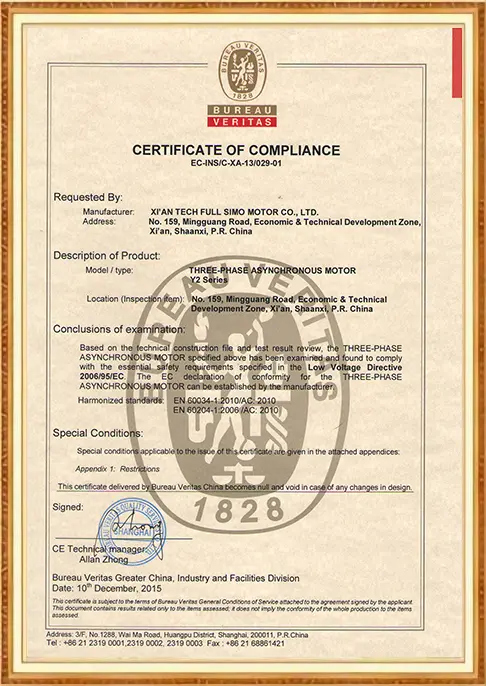
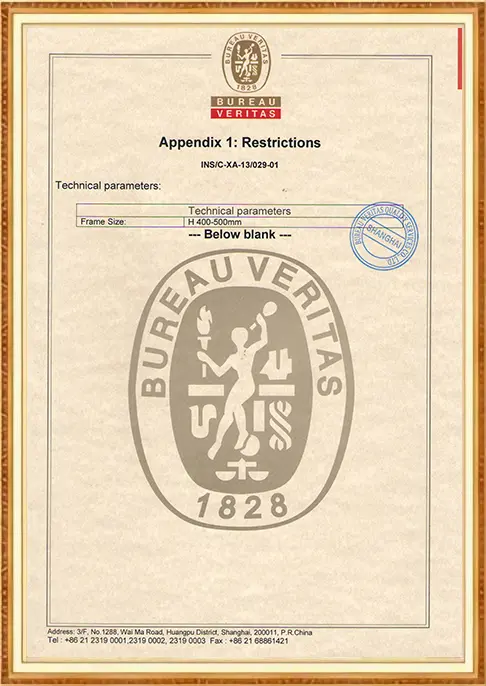
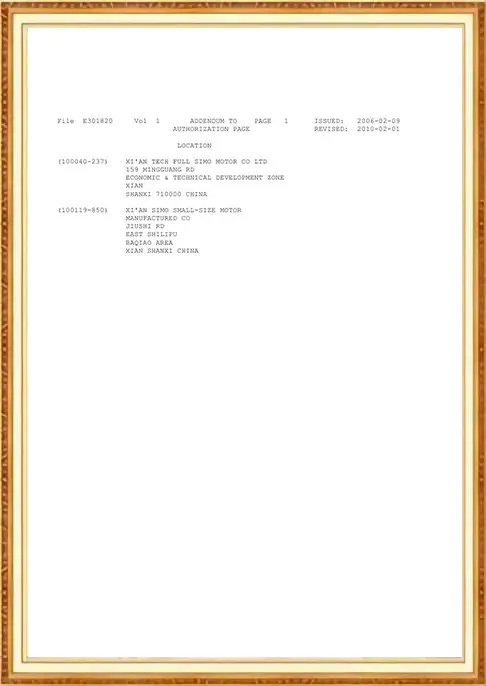
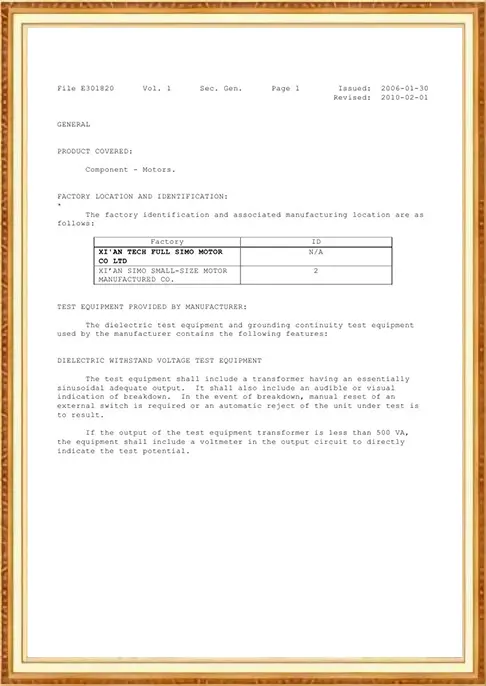
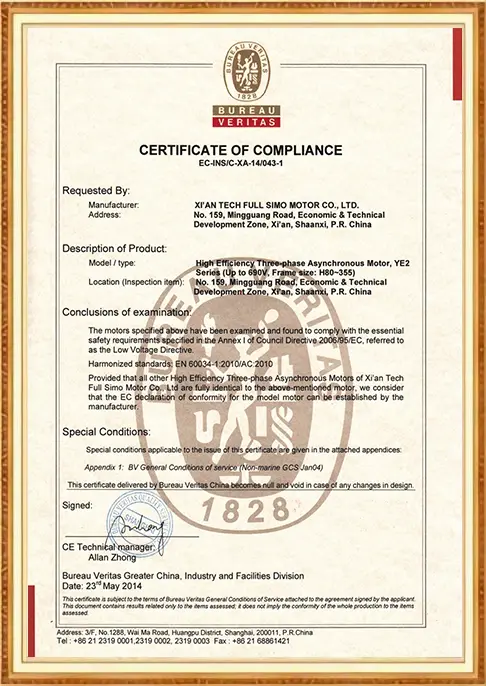
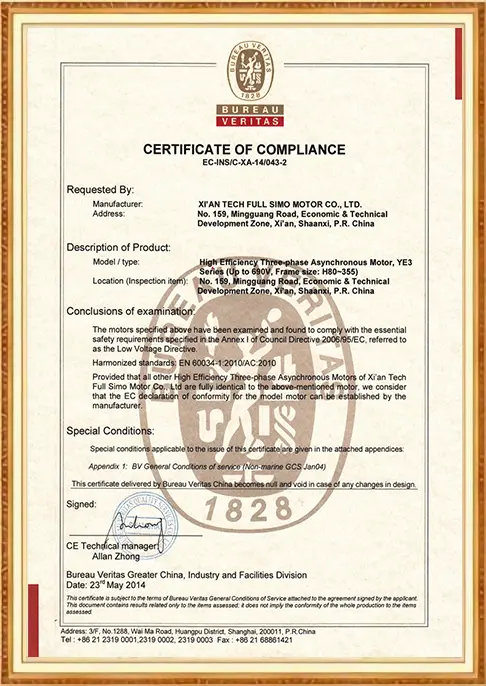
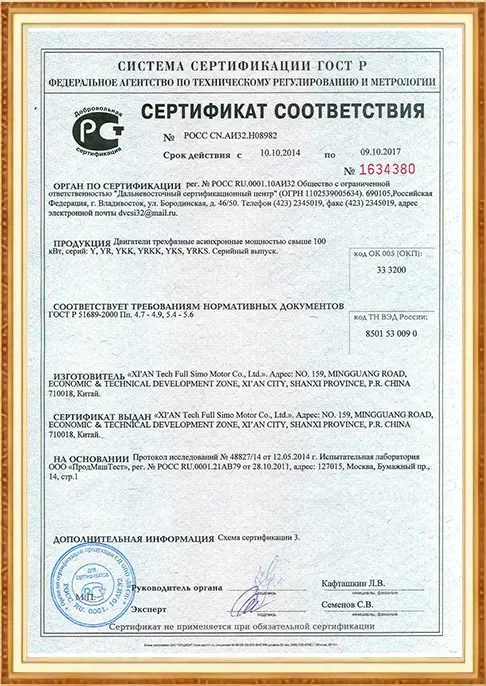
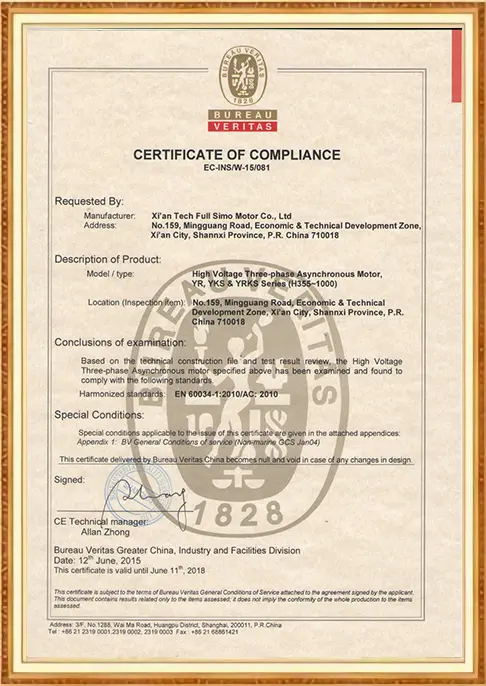
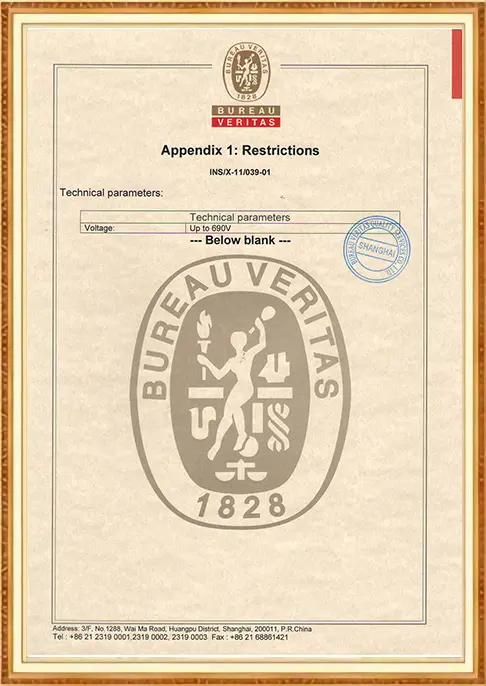
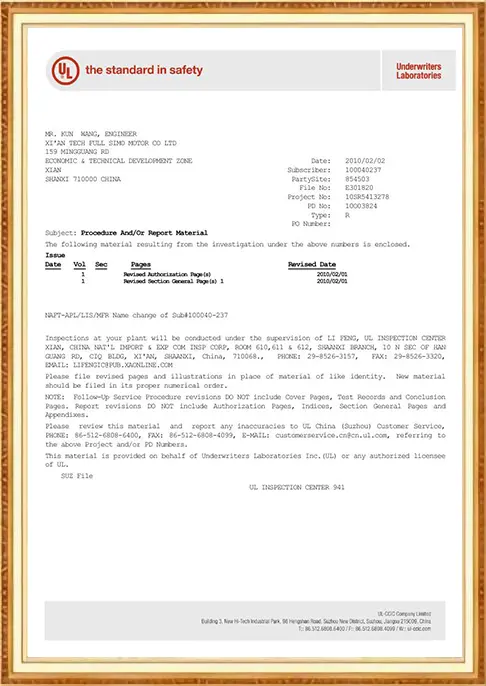
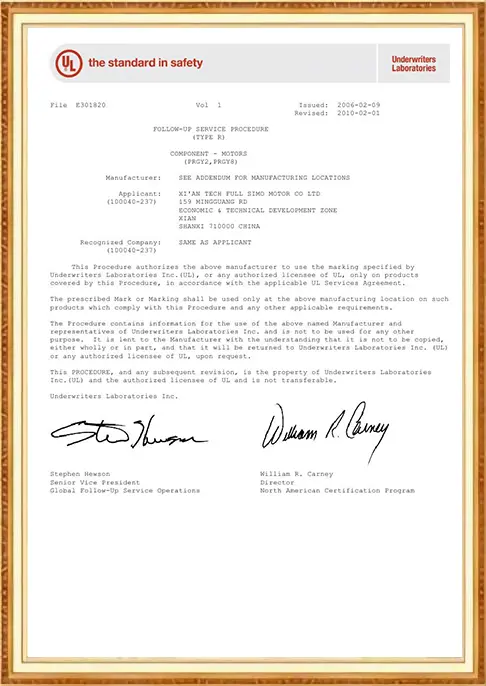
SIMO's industrial product lines are designed to comply with global regulatory frameworks, including European Union "CE", United States "UL", and Russian "GOST" certifications. This compliance allows SIMO's customized electric motors to integrate into global industrial projects, matching the mechanical and electrical standards required by engineers in Europe, the Americas, and Central Asia.
 Lite Simo