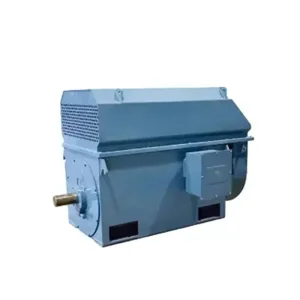
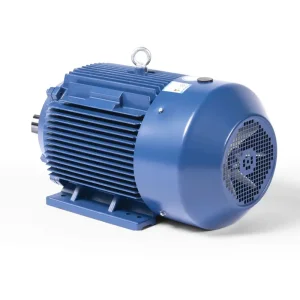
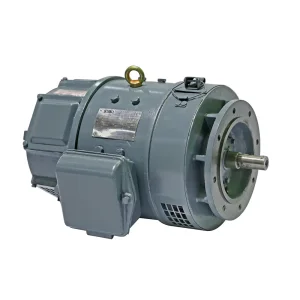
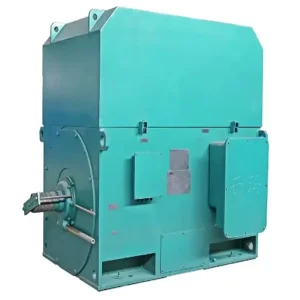
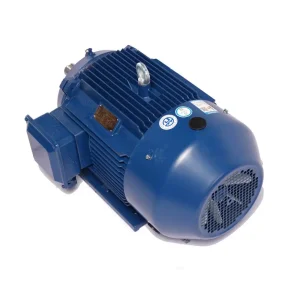
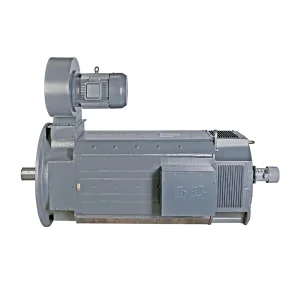
Explore our primary selection of heavy-duty induction machinery, high-voltage solutions, and variable speed motors engineered to meet stringent international efficiency and safety frameworks.
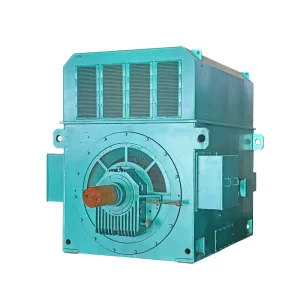
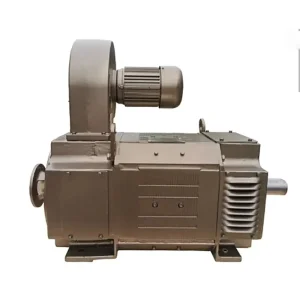
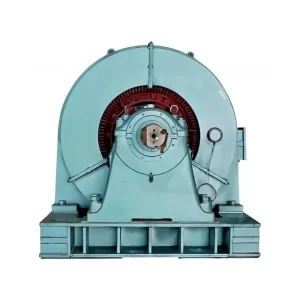
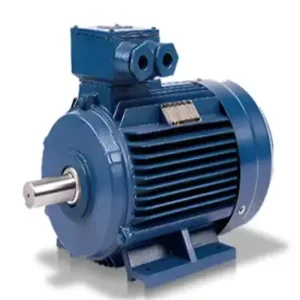
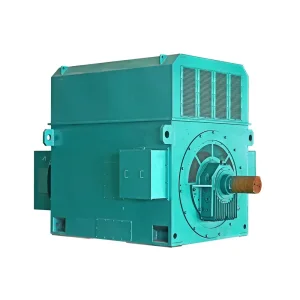
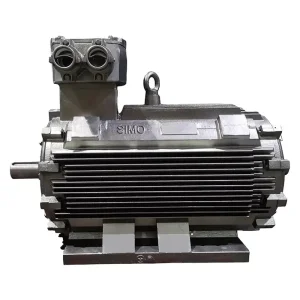
The three-phase squirrel cage electric motor represents the fundamental engine of modern industrial manufacturing. Operating on the physical laws of electromagnetic induction discovered by Michael Faraday, these motors rely on a rotor structured from conductive bars short-circuited at both ends by heavy end rings. This mechanical composition eliminates the need for sliding contacts, commutators, or slip rings, achieving a level of rugged reliability, minimum maintenance, and structural simplicity unmatched by any other electromechanical energy converter.
When a balanced three-phase AC voltage is applied to the stator windings, it establishes a rotating magnetic field (RMF) that revolves at a synchronous speed determined by the supply frequency and the number of stator magnetic poles. As this RMF sweeps across the rotor bars, it induces an electromotive force (EMF) in accordance with Lenz’s Law. Because the rotor circuit is continuously short-circuited, this induced voltage generates substantial current flowing through the bars. The interaction between this induced rotor current and the stator's rotating magnetic field creates a Lorentz force, yielding the necessary starting and running electromagnetic torque.
Modern heavy-industry demands deep slot or double squirrel-cage designs. Utilizing the "skin effect," the AC current concentrates on the outer edge of the rotor bars during startup when rotor frequency is high (equal to grid frequency). This effectively increases rotor resistance, improving startup torque while limiting the massive inrush current.
Operating under heavy mechanical loads yields internal thermal loads. Utilizing advanced Class F and Class H thermal insulation materials impregnated under vacuum pressure guarantees that the stator windings can withstand extreme temperatures, ensuring long operational lifetimes even under severe duty cycles.

SIMO Motor's advanced integrated electromechanical manufacturing facility in Xi'an.
Established in 1955, Xi’an Lite SIMO Motor Co., Ltd. (historically known as the Xi'an Motor Factory) has built over 60 years of technical expertise in mechanical design, rotor fabrication, stator winding, and electromagnetic simulation. As a comprehensive manufacturing and service supplier, SIMO specializes in high-voltage three-phase asynchronous motors, wound rotor systems, explosion-proof motors, and DC equipment for heavy machinery.
With fixed assets totaling 380 million RMB, 3 specialized manufacturing factories, and over 1,172 sets of high-precision machining, VPI, and testing equipment, SIMO stands as an industry leader in China’s motor sector. Our active workforce features more than 1,200 employees, including 260 technical engineers, 21 senior engineers, and 15 nationally recognized mechanical engineering experts.
SIMO Motor is established under state guidance, starting production of fundamental AC electric motors.
Production facilities are relocated to a newly built plant in Xi'an City, expanding industrial throughput.
Following key integrations of mechanical factories, the company is renamed the Xi'an Motor Factory.
The state-owned factory undergoes joint-stock reformation, transforming into a flexible limited company.
SIMO Motor Group is established, managing 14 specialized subsidiaries across the supply chain.
Manufacturing is relocated to a state-of-the-art facility in the High-Tech Industrial Zone.
The company re-brands to Tech Full Simo Motor, optimizing global OEM channels and service logistics.
SIMO maintains its trajectory as a premier electric motor manufacturer, driving research into IE4, IE5, and smart IoT-enabled motors.
The global industrial electric motor landscape is experiencing a paradigm shift. With international policies enforcing stricter limits on carbon emissions, purchasing managers and engineering directors are looking beyond low initial purchase prices. Modern procurement processes evaluate the total cost of ownership (TCO), motor system efficiency, grid compatibility, and operational safety. Key regulatory standards, including the EU Ecodesign Directive and regional minimum energy performance standards (MEPS), now require transitioning from standard IE3 motors to IE4 (YE4) and ultra-premium IE5 (YE5) efficiency ranges.
Transitioning to YE4 (IE4) and YE5 (IE5) asynchronous motor lines reduces energy consumption. Lower losses in the stator winding and rotor core reduce thermal wear, extending bearing life and minimizing maintenance intervals.
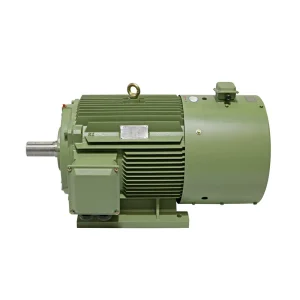
Combining asynchronous motors with variable frequency drives (VFD) yields significant energy savings on variable torque applications like water pumps, fans, and compressors. SIMO's YVFE3/YVFE4/YVFE5 series feature reinforced winding insulation to handle high dV/dt spikes.
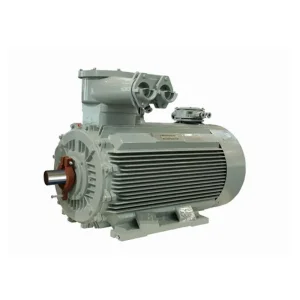
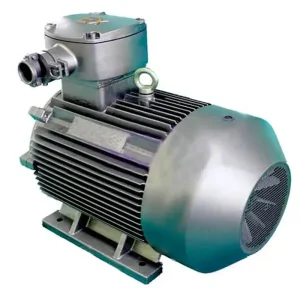
For industries operating with combustible gases or dusts, explosion-proof motors (such as the YBX3/YBX4 flameproof series and YFB3/YFB4 dust protection series) prevent catastrophic arc propagation, complying with ATEX, IECEx, and regional safety codes.
To support these applications, SIMO's engineering team provides detailed design files, customized shaft configurations, special voltage ratings (3.3kV, 6kV, 10kV), and IP55/IP56/IP65 environmental enclosures. Our design methods match thermal limits with required load dynamics, preventing mechanical stresses and voltage drop issues during direct-on-line (DOL) starting.
Our electrical motors operate across major global sectors. Each application presents specific mechanical, thermal, and chemical challenges:
Heavy ball mills, sag mills, conveyors, and crushers demand high breakaway torque and durability against abrasive dusts. SIMO’s TDMK series AC synchronous motors and soft-start control cabinets are designed to limit starting current spikes while providing steady operational torque.
Refinery pumps, compressors, and blowers operate in hazardous areas containing volatile chemical vapors. Our flameproof (YBX3, YBX4, YBX5) and dust explosion-proof (YFB3, YFB4) motors feature heavy cast iron enclosures, flame-path flame traps, and sealed terminal boxes to prevent internal ignition from escaping.
Large boiler feed pumps, cooling tower fans, and water intake pumps require continuous duty (S1) operation. High voltage options (such as the YKK and YXKK series, available in 6kV and 10kV configurations) optimize electrical distribution systems, reducing copper loss in power lines.
Steel processing plants operate under extreme ambient heat and cyclic loads. SIMO’s wound rotor motors (YR, YRKK, YRKS) allow connecting external resistance banks to the rotor circuit, enabling precise control of torque and speed profiles during heavy steel rolling operations.
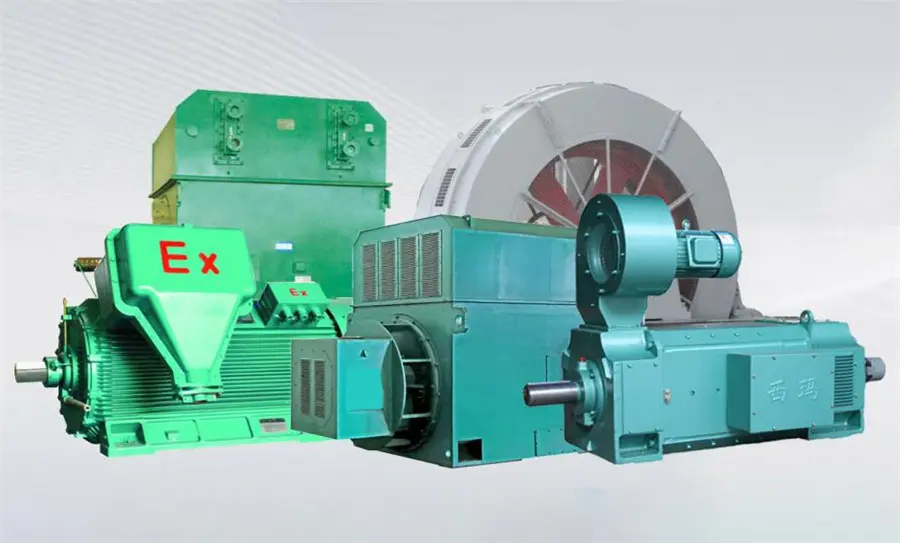


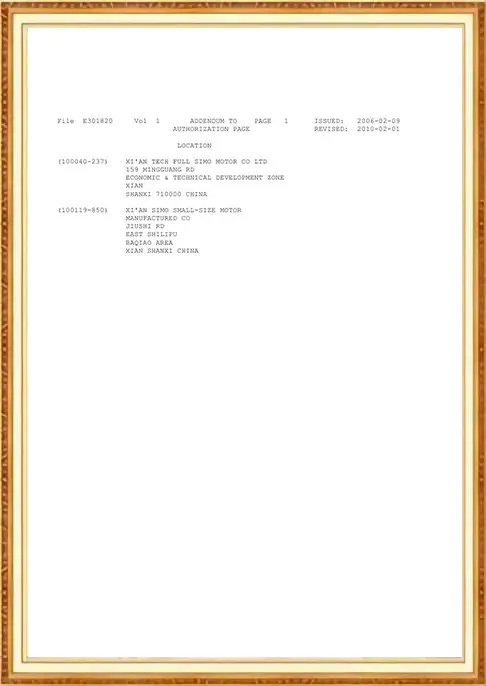
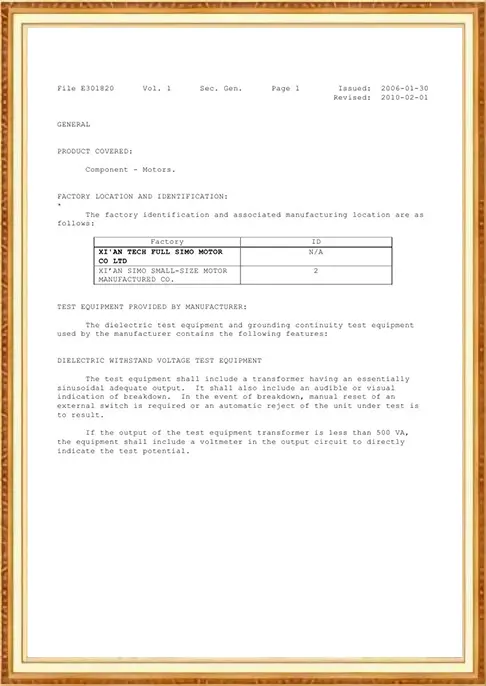
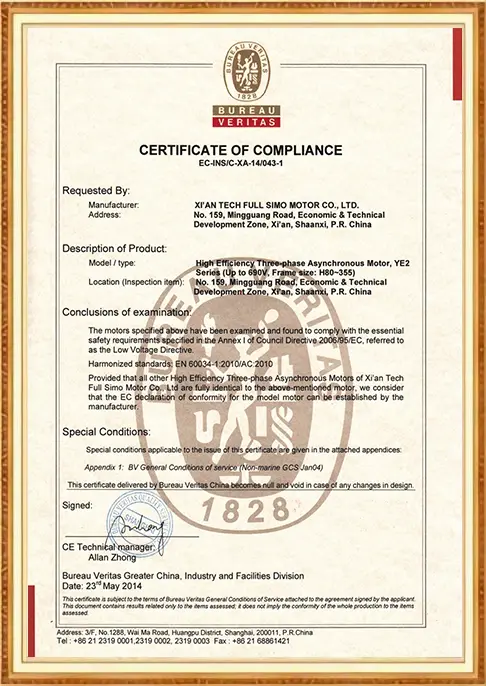
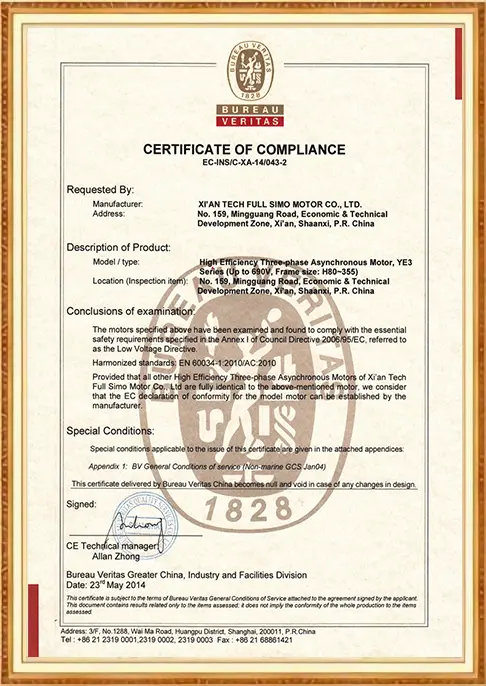
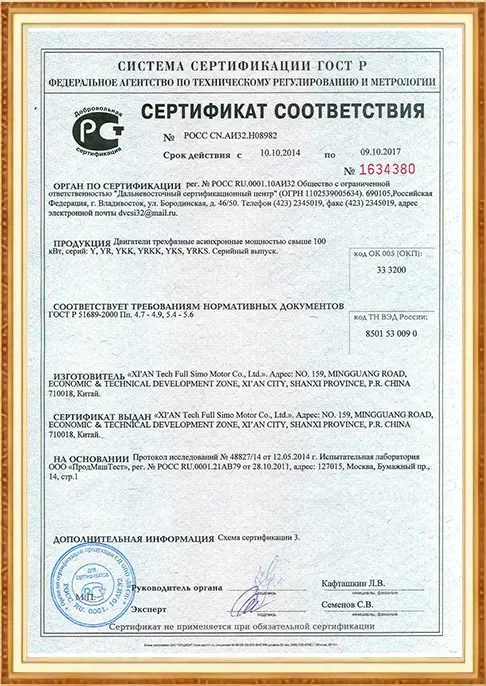
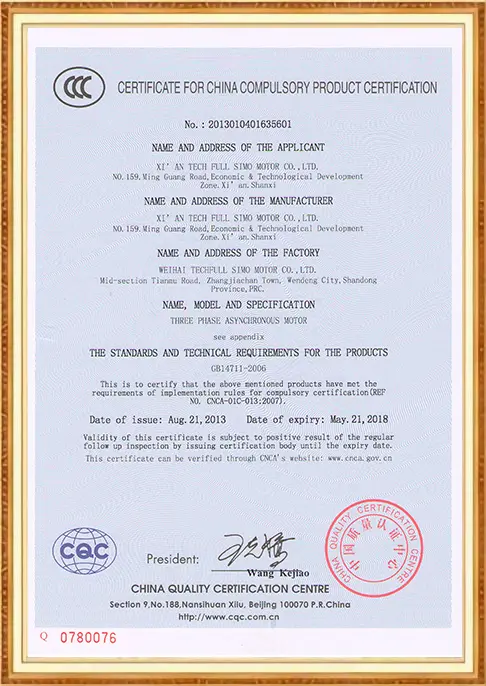
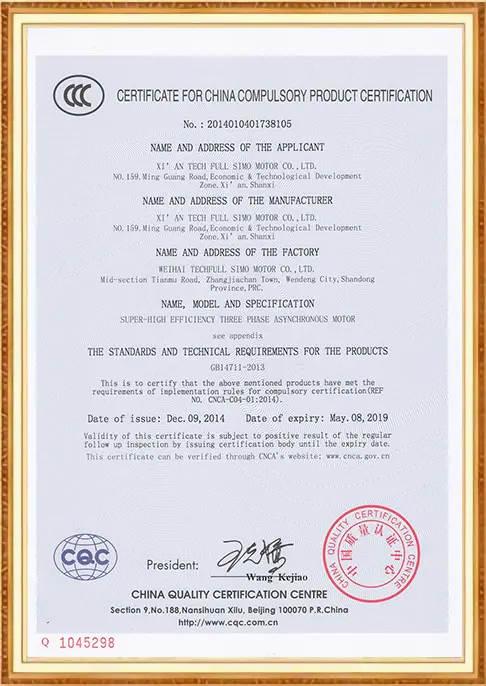
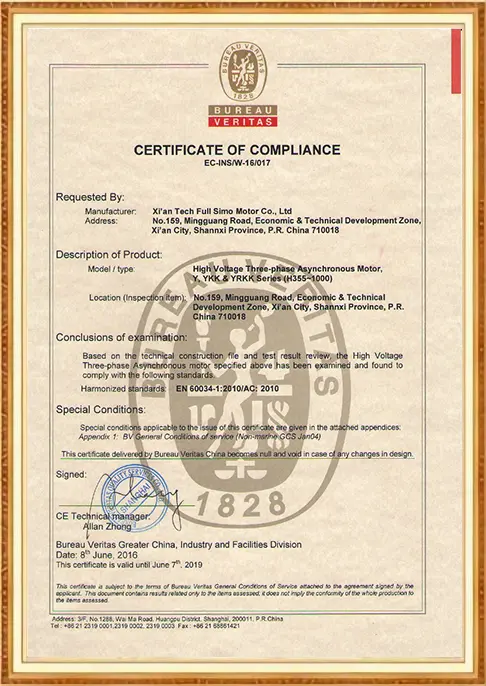
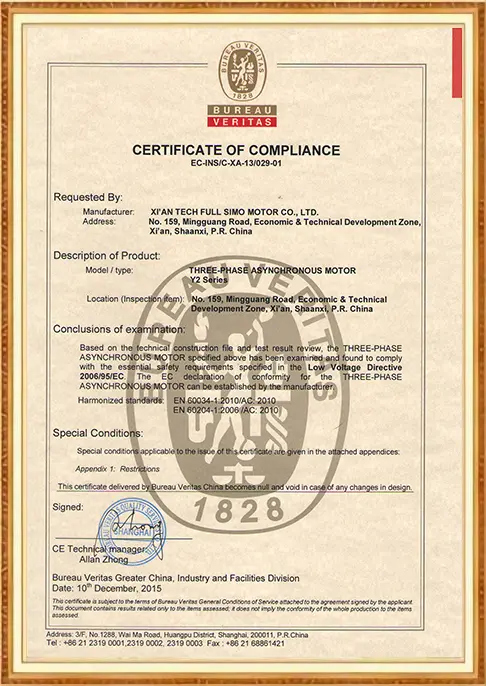
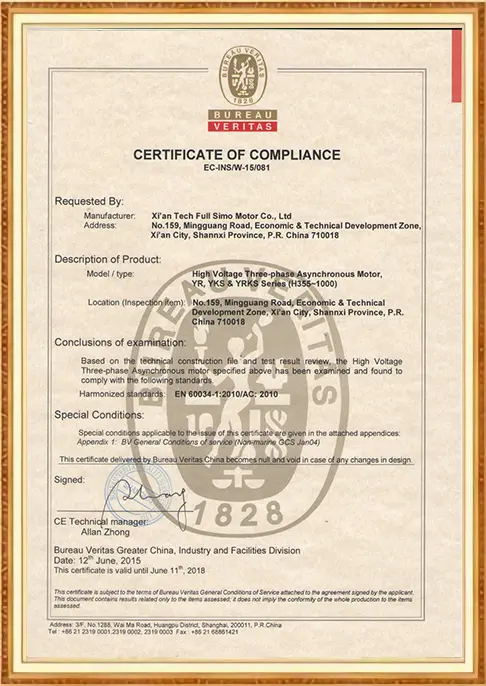
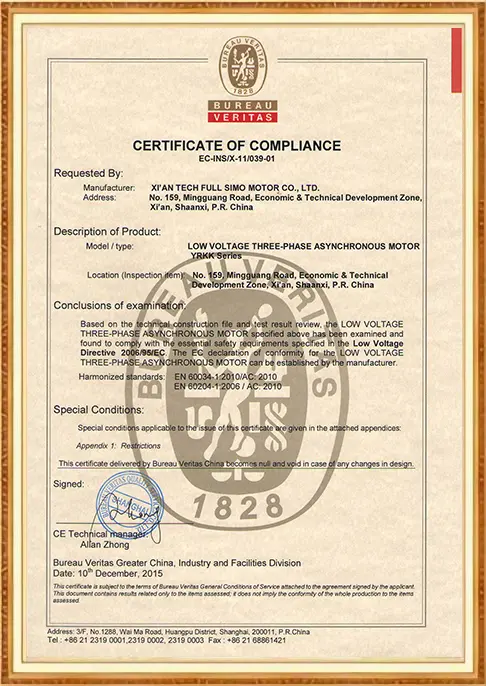
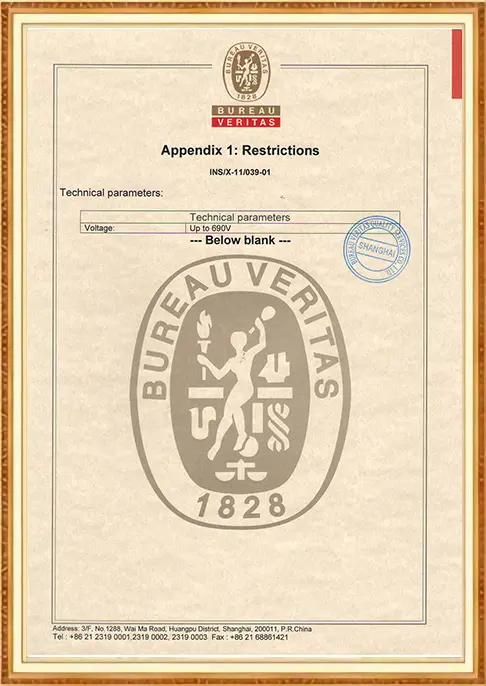
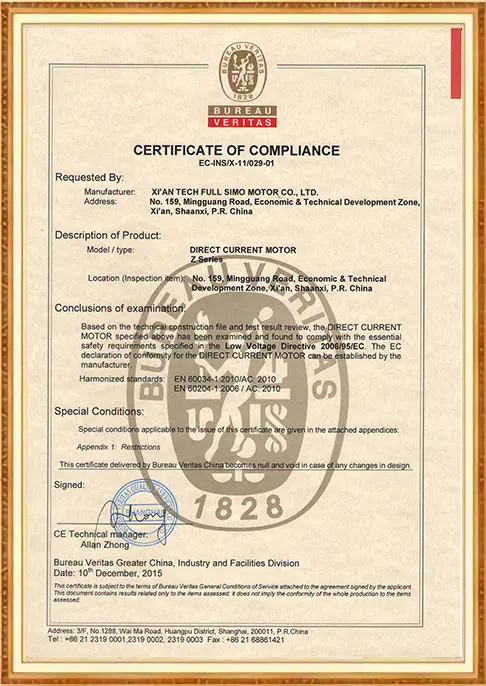
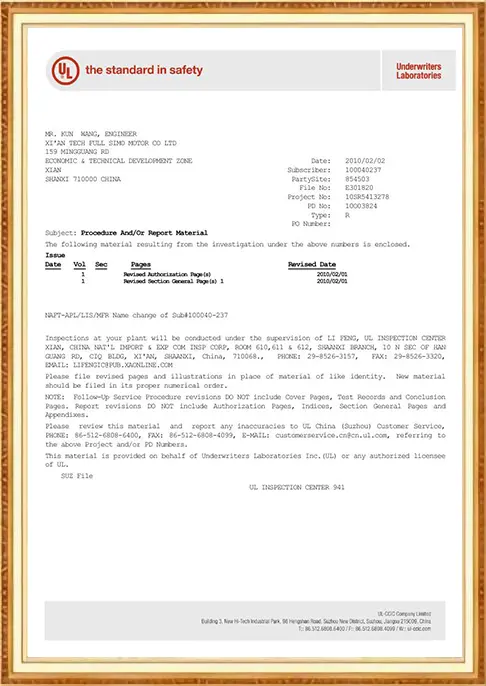
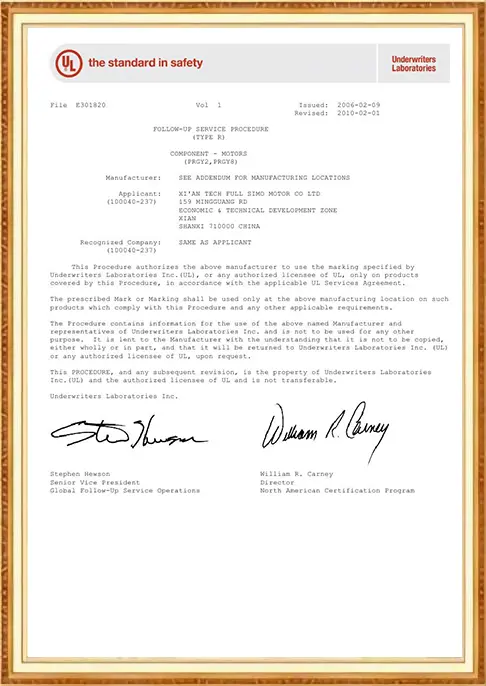
Global operations require adherence to strict quality control frameworks. SIMO Motor operates under the ISO9001 Quality System Certification, ensuring traceability from raw material testing (copper purity, silicon steel magnetic core loss) to final motor load testing. Our electric motor lines are certified to meet international standards including EU "CE", US "UL", and Russian "GOST" protocols.
Our quality system includes testing of motor housings, VPI resin penetration checks, thermal imaging, and vibration analyses. High-voltage insulation systems undergo dielectric testing to prevent corona discharge and winding failures, providing reliable service life across diverse environments.
As the industry advances toward digitalization and automation, SIMO is driving research and development to integrate IoT monitoring and improve efficiency across our electric motor portfolio:
Our research team is engineering stator cores utilizing amorphous alloy laminations. These materials feature low magnetic hysteresis, reducing core eddy-current losses and improving operational efficiency beyond standard IE5 levels.
Future motor series feature integrated triaxial vibration accelerometers and thermal sensors embedded within the stator slot windings. This enables real-time monitoring and predictive maintenance alerts before failure occurs.
We are transitioning to VOC-free, waterborne insulating varnishes. These new varnishes improve winding adhesion, protect against environmental humidity, and reduce chemical footprints during manufacturing.
A squirrel cage rotor consists of solid conductive bars short-circuited by end rings, creating a fixed, durable structure with no external electrical connections. Conversely, a slip-ring (wound rotor) motor features insulated windings connected via carbon brushes to external slip rings. This layout allows for connecting external resistor banks to adjust rotor circuit impedance, providing higher starting torque and controlled starting currents for heavy loads.
VFDs control motor speed by outputting high-frequency pulse-width modulated (PWM) voltage waves. These pulses cause high dV/dt voltage spikes that stress the stator insulation, potentially leading to partial discharge and premature failure. SIMO's variable frequency motors (YVFE3/YVFE4/YVFE5) utilize reinforced phase insulation, enamel-insulated wire, and vacuum pressure impregnation (VPI) with specialized resins to withstand high-frequency voltage spikes.
YKK and YXKK motors are engineered with air-to-air heat exchangers (IC611 cooling) and fully enclosed structures, protecting internal components from dust, humidity, and chemical contaminants. Operating at high voltages (6kV or 10kV) reduces operating current, allowing for smaller power cables and lower distribution line losses across large facilities.
Our YBX3, YBX4, and YBX5 explosion-proof motors feature heavy cast iron or steel plate weldments with tight-tolerance flame paths. If gas or vapor leaks inside the enclosure and ignites, the joint tolerances cool the escaping gases, preventing them from igniting combustible mixtures in the external environment. These models comply with ATEX and IECEx specifications for Zone 1 and Zone 2 applications.
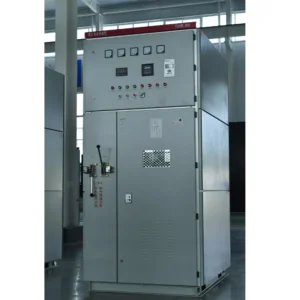
Direct-on-line (DOL) starting of a squirrel cage motor can draw an inrush current 5 to 8 times the rated operating current. On weak grids, this sudden current draw causes a transient voltage drop that can affect nearby electrical equipment. To mitigate this issue, SIMO provides custom soft-start control cabinets or coordinates rotor bar resistance modifications to limit the inrush current.
SIMO offers modifications to suit diverse operating conditions. This includes shaft dimension changes, anti-condensation space heaters, Pt100 RTDs for bearing and winding temperature tracking, sleeve bearings for large high-speed motors, epoxy paint options for corrosive marine atmospheres (C5-M), and IP56 or IP65 ingress protection enclosures.
Browse our range of flameproof motors, high-voltage induction machines, variable-speed drives, and soft-start cabinets designed for heavy industrial systems.
 Lite Simo