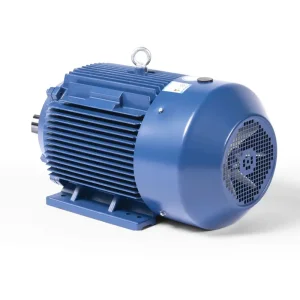
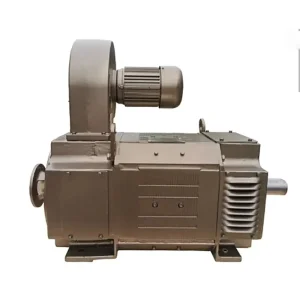
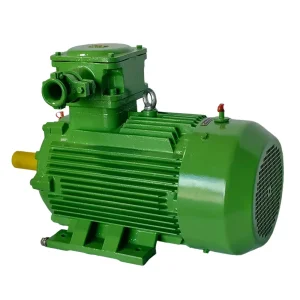
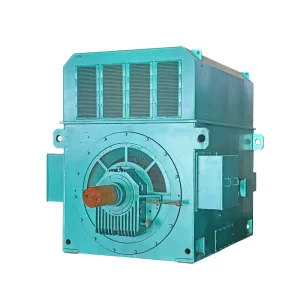
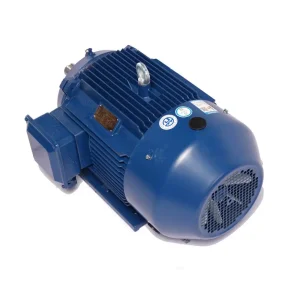
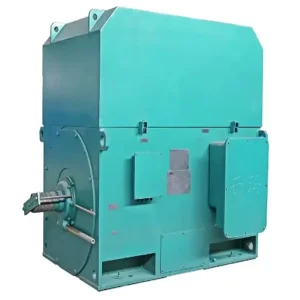
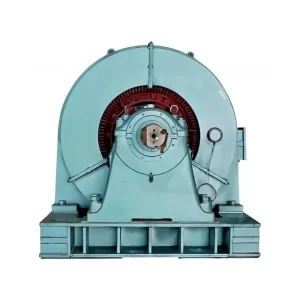
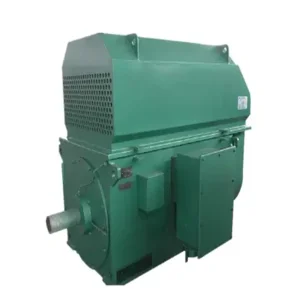
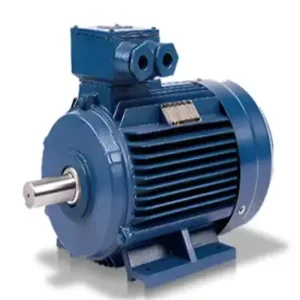
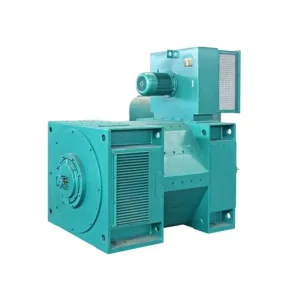
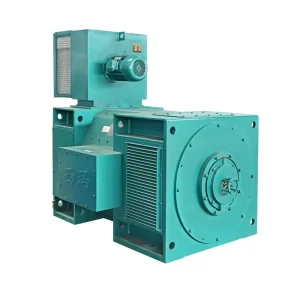
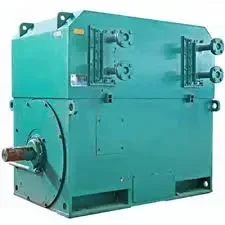
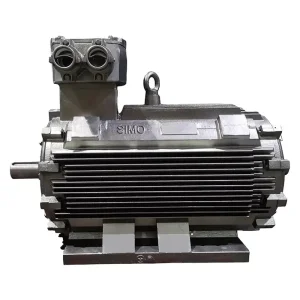
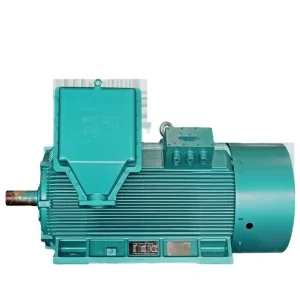
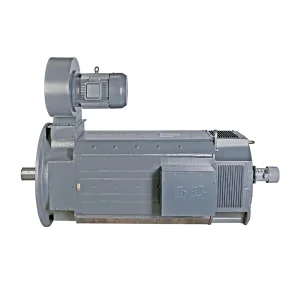
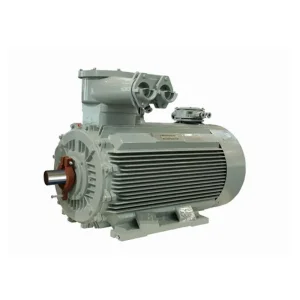
Explore our high-performance low voltage motor lineup, optimized for energy efficiency and custom configurations
In modern industrial operations, low voltage electric motors (typically defined as operating under 1000V) are the foundational engines driving primary applications, ranging from simple air circulation fans to complex, high-power slurry pumps and mine milling operations. Sourcing from professional OEM low voltage electric motor suppliers and factories is no longer just a transaction focused on pricing. Instead, it has shifted toward strategic collaboration based on lifetime reliability, structural customization, and compliance with modern energy mandates such as IE4 (Super Premium Efficiency) and IE5 (Ultra-Premium Efficiency) standards.
For procurement professionals, global supply chain directors, and lead system engineers, selecting the ideal motor partner requires understanding the manufacturer’s technical depth. An authentic OEM partner must offer total design-to-assembly capabilities. This includes custom electromagnetic calculations, specialized frame design, rotor dynamic balancing, and rigorous testing under true mechanical loads. Through these comprehensive workflows, modern factories ensure that motors operate reliably under demanding conditions, such as extreme dust in heavy mining sites or hazardous gas concentrations in petrochemical installations.

A leading heavy industrial force in Chinese mechanical motor manufacturing and global system designs
Xi’an Lite SIMO Motor Co., Ltd stands as one of the premier heavy industrial mechanical enterprises in China. The company specializes in the dynamic design, precision manufacturing, processing, and system maintenance of large and medium-sized high/low voltage AC motors, DC motors, synchronous units, and highly rated explosion-proof motors. Ranking consistently at the top of China's motor industry in production scale, technology integration, and export capability, SIMO is a comprehensive supplier that integrates research & development, structural engineering, tool machining, mold fabrication, assembly, and quality validation.
Analyzing the industrial supply chain and manufacturing superiority of Simo Motor in Shaanxi, China
From primary smelting of electrical silicon steel and stator stamping to copper wire drawing and dynamic rotor balancing, Chinese OEM factories control the complete supply chain. This minimizes lead times and shields buyers from international component shortages.
Our low voltage designs conform to global standards including IEC, NEMA, CE, UL, and GOST. Advanced testing beds verify efficiency curves under full operating loads, ensuring guaranteed nameplate compliance on every export order.
Need custom shafts, modified mounting flanges, unique voltages (220V/380V/440V/660V), or heavy-duty housing materials? Our team of 260+ engineers designs custom mechanical structures to fit existing infrastructure.
A summary of the extensive product varieties manufactured by SIMO Group
The manufacturing capabilities of SIMO Group cover a broad spectrum of electric machine designs. With over 34 major series, 1,800 varieties, and 19,500 distinct specifications, our technical portfolio addresses diverse engineering challenges. The active power output of our motors spans from 0.35 kW up to 25,000 kW, supporting applications from auxiliary fan control to high-power industrial mills.
Our core product lineup includes the following primary series:
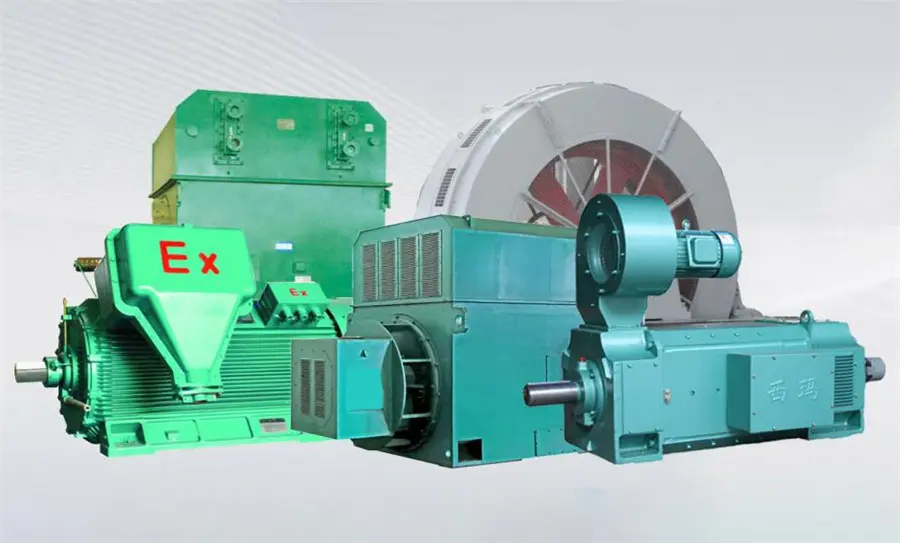
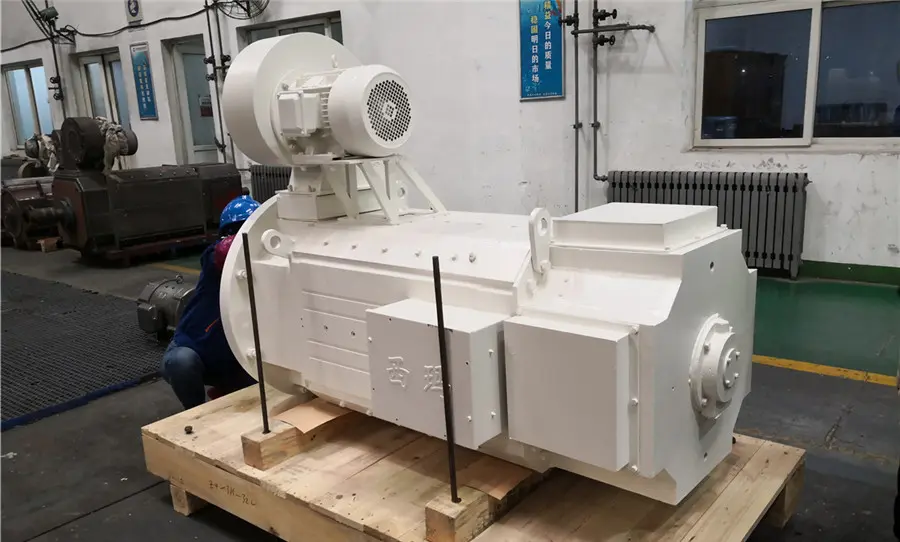
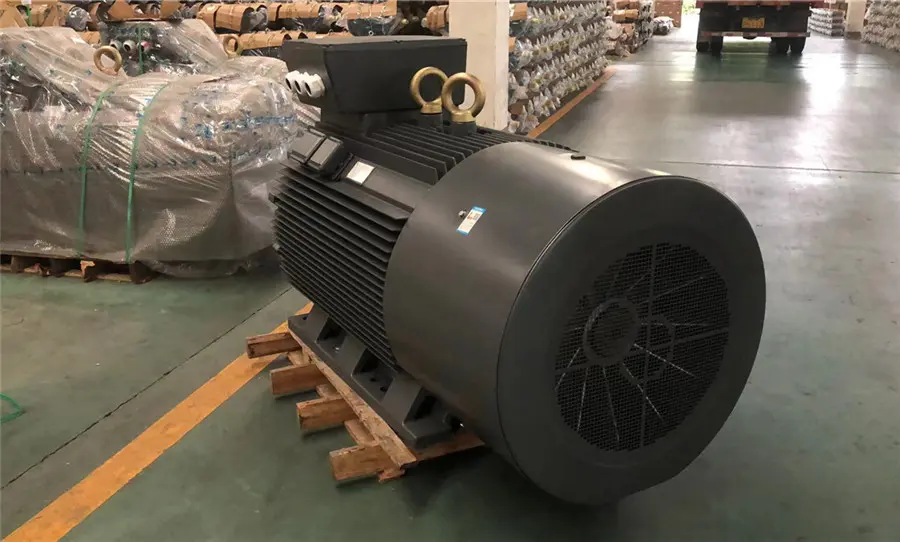
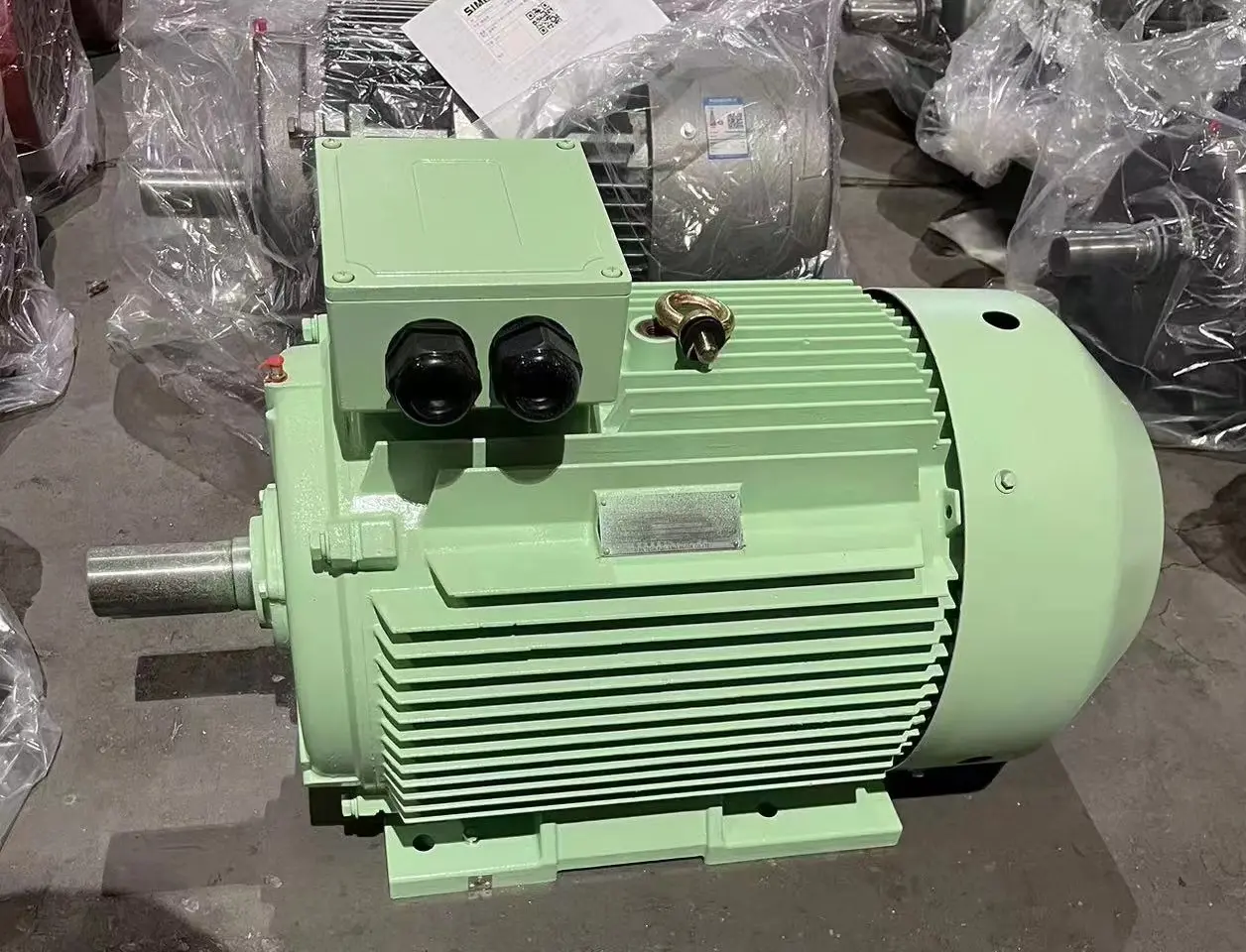
How low voltage motor solutions drive performance and safety in global industries
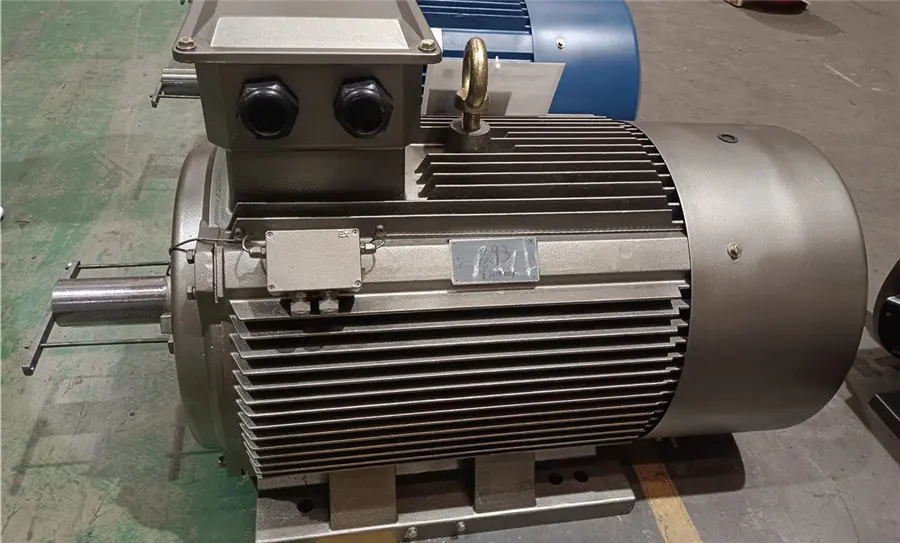
Our YBX3, YBX4, and YBX5 explosion-proof motors are engineered for hazardous gas (Zone 1, Zone 2) and combustible dust (Zone 21, Zone 22) environments. They feature flameproof enclosures (Ex d) and dust ignition protection (Ex t), ensuring spark-free operation in refining, processing, and gas transport installations.
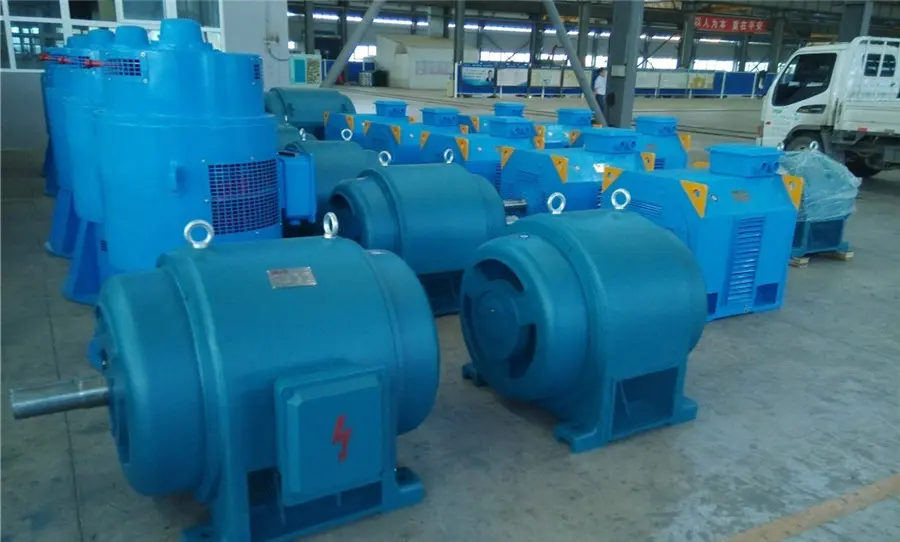
Mining operations require high starting torque and protection against heavy dust. Our wound rotor motors and TDMK synchronous motors are designed to power crushers, mills, and conveyor belts. Dynamic rotor balancing and reinforced cast iron frames prevent structural failures under heavy vibration.
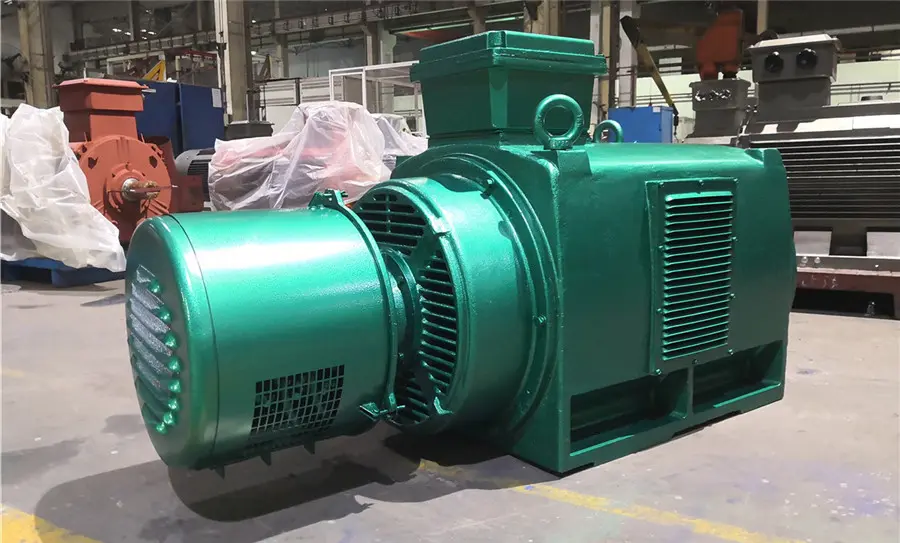
Water distribution and treatment require continuous operation and high system reliability. Our YJP variable frequency speed-regulating AC motors enable precise flow control, optimizing energy usage and preventing water hammer in municipal supply networks.
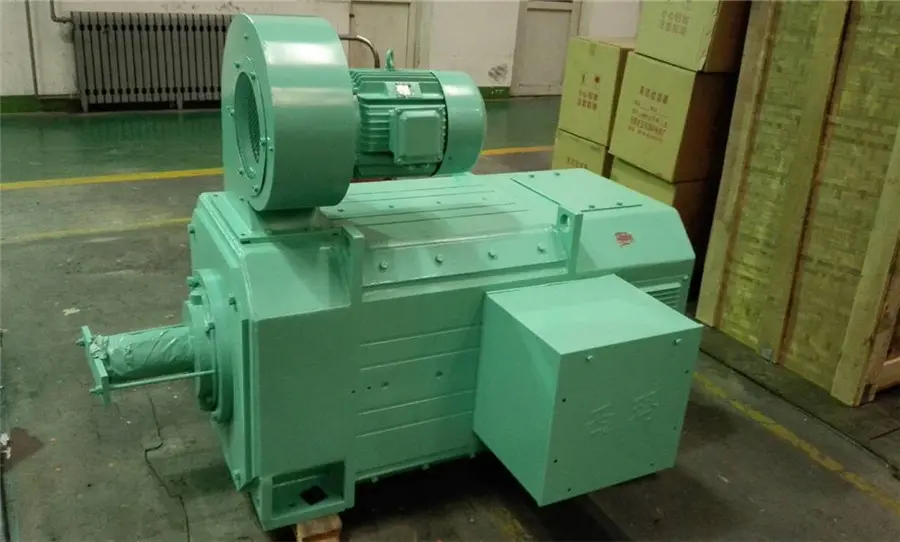
Our Z series DC motors provide high overload capacity and precise speed regulation for rolling mills, wire drawing plants, and shear drives. These motors are engineered to withstand ambient heat and transient mechanical shocks, maintaining stable production rates.
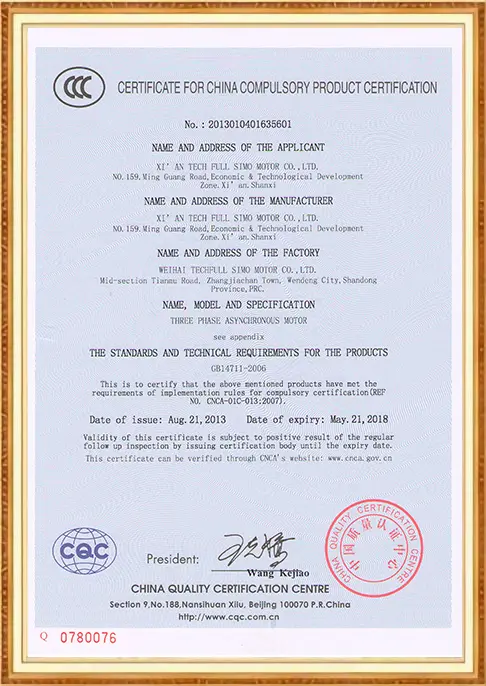
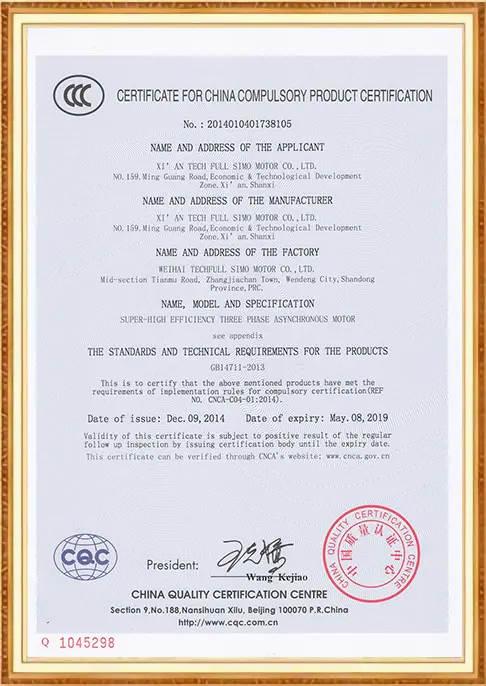
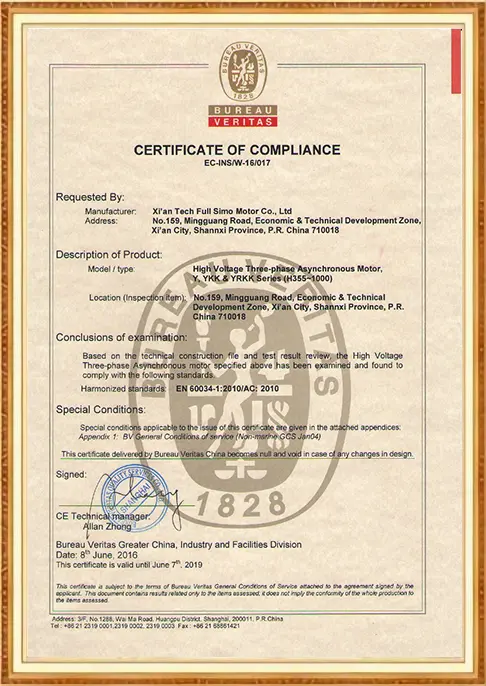
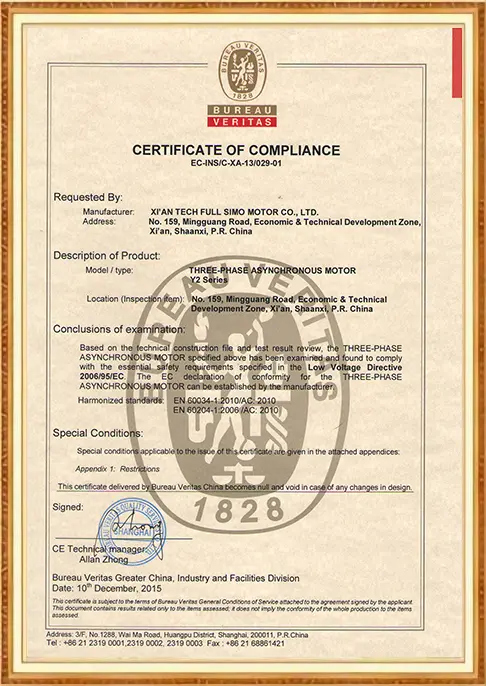
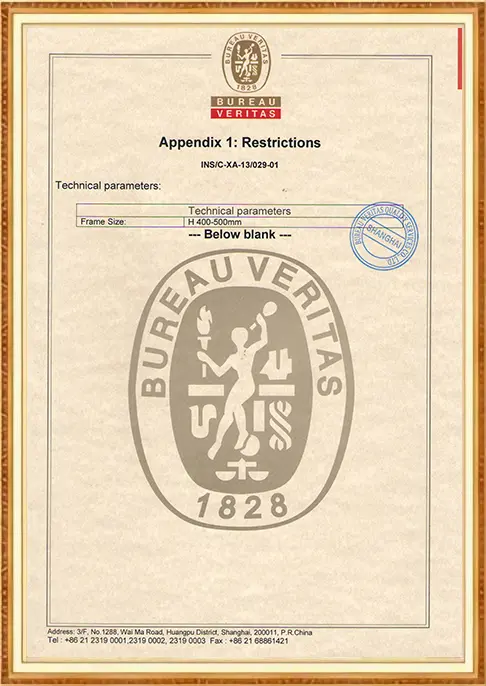
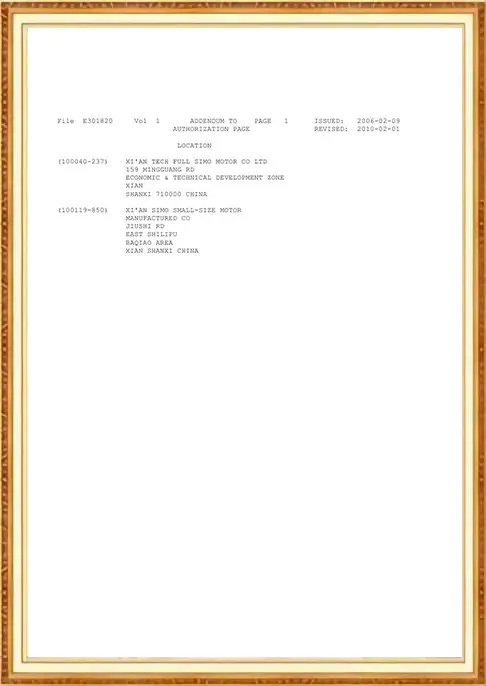
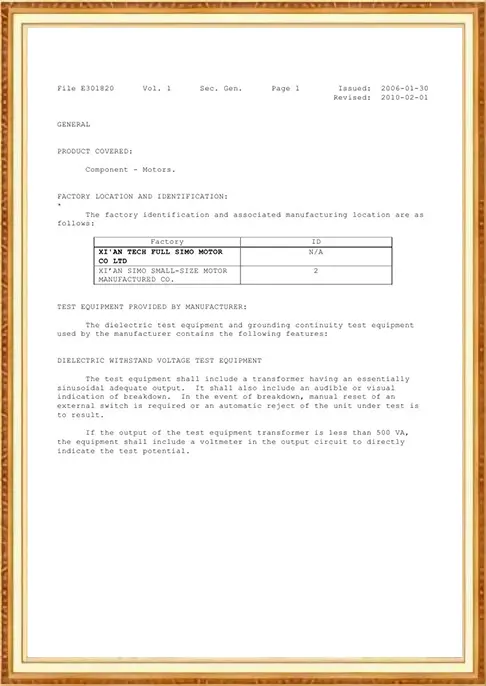
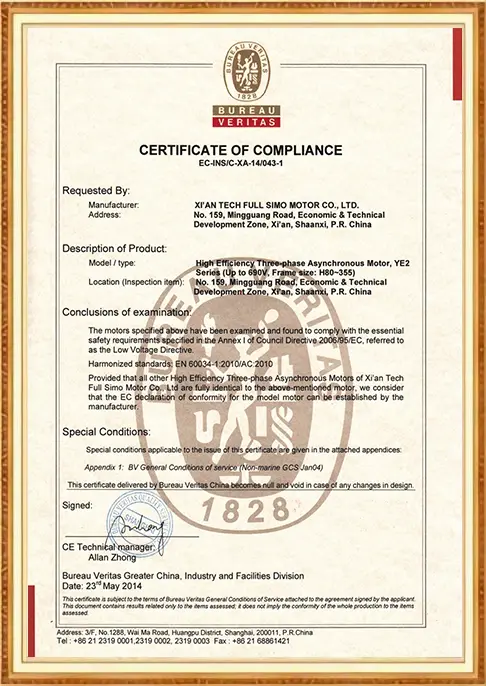
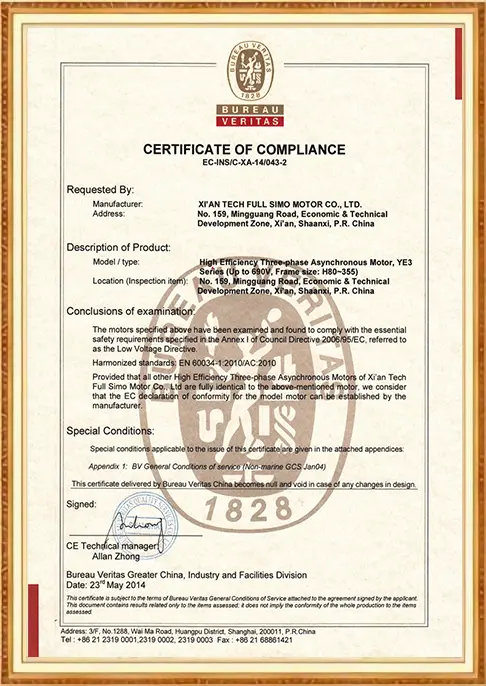
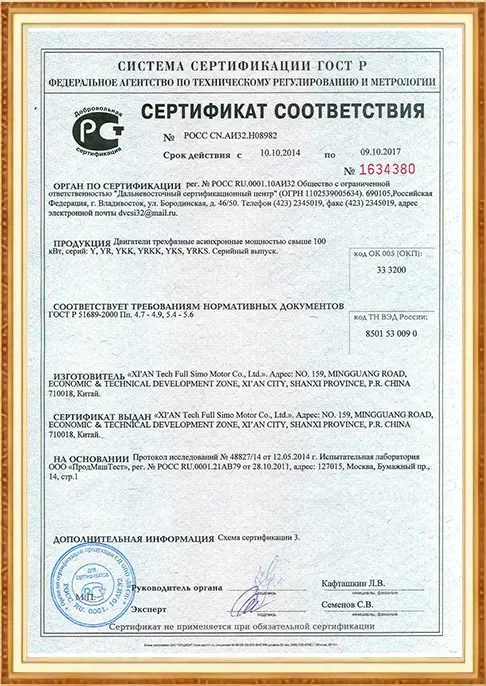
Every motor we produce is backed by international certifications, confirming high quality standards
At SIMO Motor, reliability is verified through external audits. We have achieved ISO9001 Quality System Certification, European Union CE Mark, US UL Standard Listing, and Russian GOST Certification. This compliance ensures that our low voltage and high voltage motors can be integrated directly into projects across Europe, North America, Central Asia, and beyond.
A technical guide to selecting and auditing OEM low voltage motor suppliers
When sourcing motors from OEM factories in China, engineers and procurement managers must evaluate several technical metrics. Reviewing these criteria ensures the selected motors will meet the reliability requirements of the application:
The winding insulation system is critical for motor longevity. The stator windings should undergo Vacuum Pressure Impregnation (VPI) with Class F or Class H resins. This process eliminates air pockets, protecting the windings against moisture, vibration, and thermal stress during starting.
Bearings are the most common point of mechanical failure in electric motors. Premium low voltage motors should utilize high-quality bearings from recognized brands (such as NSK, SKF, or FAG) and include re-greasing nipples to simplify scheduled maintenance. For motors driven by variable frequency drives (VFDs), insulated bearings are recommended on the non-drive end to prevent electrical erosion caused by shaft currents.
The operational environment dictates the required Ingress Protection (IP) rating and cooling method. For example, outdoor installations with heavy dust or moisture require IP55, IP56, or IP65 enclosures. The cooling system must also match the load profile, using Total Enclosed Fan Cooled (TEFC) configurations for general duty, or external forced ventilation for low-speed, high-torque VFD applications.
Key technological shifts driving the next generation of industrial powertrains
The industrial electric motor sector is undergoing significant change, driven by regulatory updates and the emergence of smart factory systems:
Answers to common technical and commercial questions from procurement managers and engineers
Because energy consumption represents over 95% of a motor's lifetime operating cost, upgrading to higher efficiency ratings can yield rapid returns. While an IE4 or IE5 motor has a higher initial purchase price compared to an IE3 unit, the energy savings typically recover this cost difference within 12 to 18 months of continuous operation. In addition, the reduced heat output of higher efficiency designs extends insulation and bearing life, lowering maintenance expenses over the life of the machine.
Variable Frequency Drives (VFDs) generate voltage spikes with fast rise times, which can place significant stress on winding insulation. For reliable VFD operation, motors should feature inverter-duty class F or H insulation, combined with double-shielded phase insulation. Applying a Vacuum Pressure Impregnation (VPI) process to the windings helps prevent corona discharge and thermal degradation, protecting the stator under the high-frequency voltage changes produced by the drive.
The primary difference among these explosion-proof series lies in their efficiency ratings. The YBX3 series is certified to meet IE3 efficiency standards, the YBX4 series conforms to IE4 standards, and the YBX5 series is designed to achieve IE5 standards. All three series share robust flameproof enclosures (Ex d) capable of containing internal explosions without igniting external gases or dust, but the higher efficiency of the YBX4 and YBX5 models reduces operating heat and energy usage.
Mine milling operations require high torque to start and rotate heavy mills. TDMK synchronous motors are well-suited for these applications because they can provide high starting torque, maintain constant operating speeds under changing loads, and offer power factor correction for the plant's electrical system. This power factor improvement reduces overall utility charges and enhances grid stability across the site.
OEM customization options include custom mounting arrangements (such as special flange dimensions or foot mounts), specialized shaft ends (including double-extended, tapered, or splined shafts), custom voltage and frequency ratings, and integrated temperature sensors (such as PT100 or PTC thermistors). Additionally, motors can be specified with space heaters to prevent condensation in damp environments, along with custom paint finishes to protect against chemical exposure.
Complete your sourcing requirements with our certified hazard-safe and heavy-duty DC motor lines
 Lite Simo