Engineered for volatile atmosphere containment, continuous duty cycles, and rugged process reliability in explosive dust or gas zones.
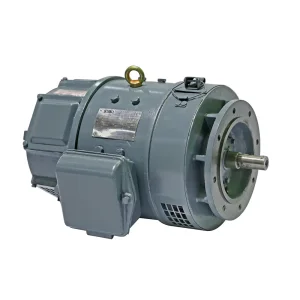
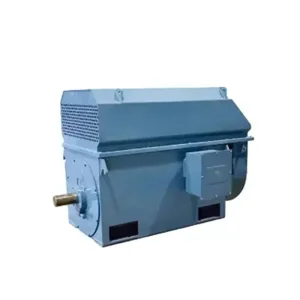
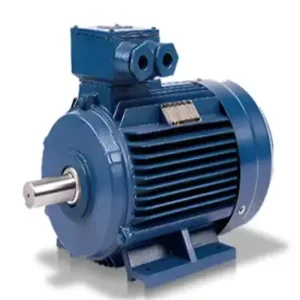
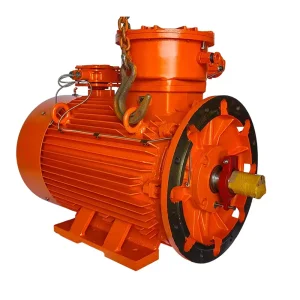
Analyzing critical safety benchmarks, thermal thresholds, and mechanical resilience requested by global EPC contractors.
In modern global heavy industries, operating spaces are increasingly subject to flammable gases, volatile vapors, and combustible dust. Systems engineered for these environments must comply with strict international regulatory structures such as the European Union's ATEX Directives, the international IECEx scheme, and North America's NFPA 70 (National Electrical Code - NEC 500/505). A single spark from a standard industrial electric motor can result in ignition with catastrophic losses. Consequently, the demand for specialized OEM hazardous environment motors is rising.
Procurement teams at international oil companies, offshore platforms, chemical plants, and underground mining operations face a complex matrix of choices. They require motors designed to restrict internal explosions, prevent spark migration (flameproof Ex d / Class I Div 1), or ensure dust exclusion through tight ingress structures (Ex t / Class II Div 1). SIMO Motor provides optimized designs that balance these engineering requirements with long-term energy efficiency (IE3, IE4, IE5 standards).

A closer look at structural joint geometry, stator insulation protocols, and ingress protection dynamics.
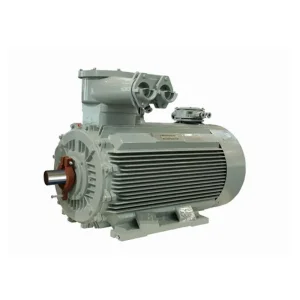
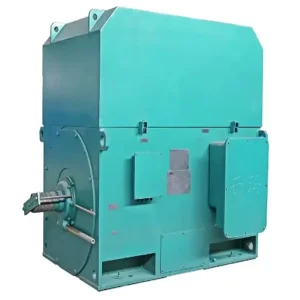
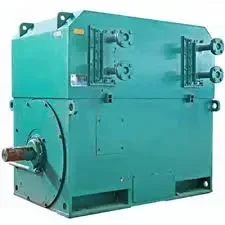
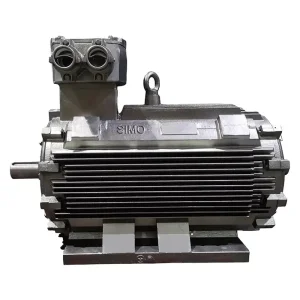
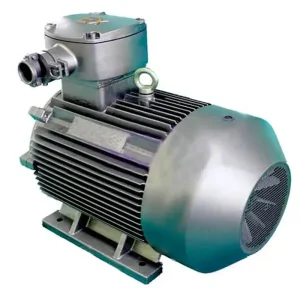
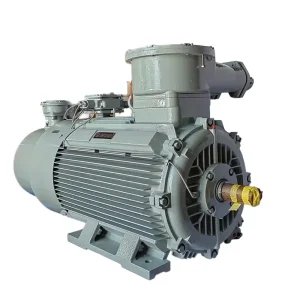
Engaged directly in the YBX3, YBX4, and YBX5 series, SIMO's flameproof design uses long spigot and threaded joints. These flame paths allow internal gases to expand and cool before escaping the casing, preventing ignition of external hazardous mixtures.
For dust-heavy areas (such as grain mills, coal handling, and textile plants), the YFB3 and YFB4 series feature tight seals (IP65/IP66). The design prevents fine combustible particulate entry and regulates maximum external surface temperatures to prevent thermal ignition.
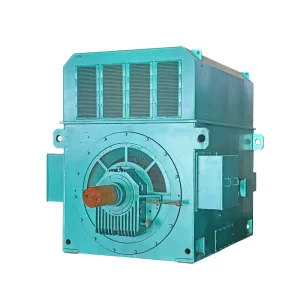
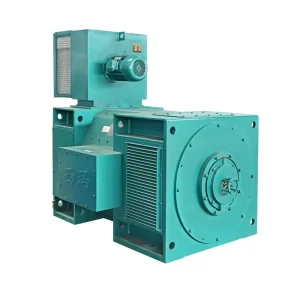
High voltage asynchronous and wound rotor systems (such as the YKK, YKS, and YRKK series) undergo Vacuum Pressure Impregnation (VPI) with Class F or H insulation materials. This process removes internal air pockets, reducing corona discharge risks in moist or chemical environments.
Standardized and custom motor applications developed to meet the operational demands of heavy industry.
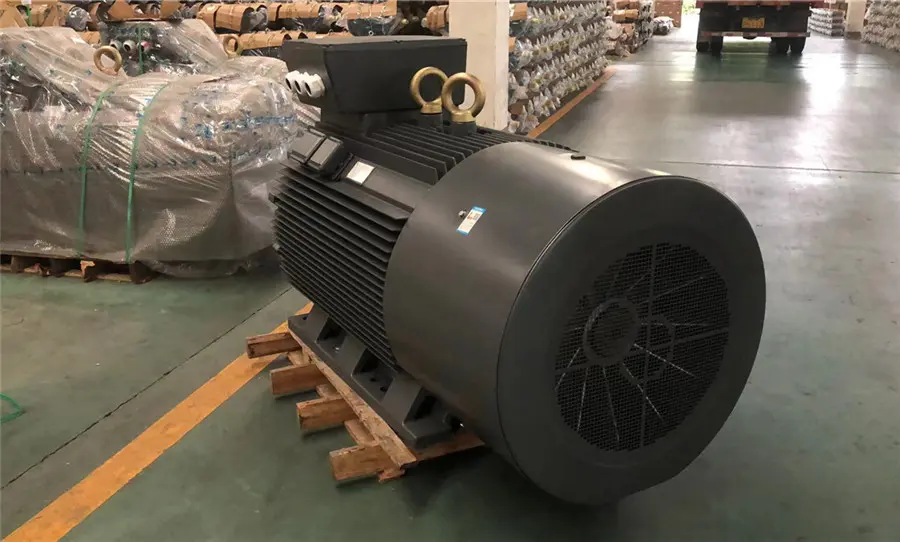
Industrial environments present unique challenges that standard off-the-shelf motors cannot support. In underground coal mining, equipment must manage methane gas concentrations and coal dust, as well as physical impacts. The YBK3 series flameproof three-phase induction motor is designed to meet these specific requirements, providing durable housings and explosion isolation.
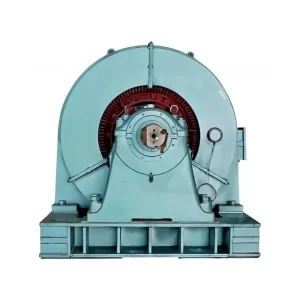
For heavy milling processes, such as ball mill operations in iron, gold, or copper mines, startup loads require high torque and power factor correction. The custom TDMK series AC three-phase synchronous motor is engineered for mine milling, helping operators optimize grid efficiency while meeting heavy startup demands.
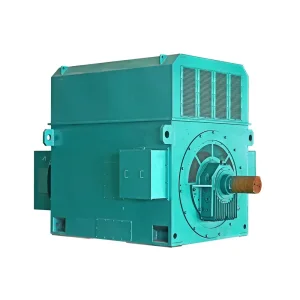
In large-scale water treatment, chemical refining, and steel manufacturing, high-voltage induction drives like the YKK and YKS series drive massive pumps, blowers, and air-moving fans. By matching cooling configurations (air-to-air cooling for YKK, water-to-air for YKS) to local ambient conditions, SIMO helps ensure long-term equipment life under continuous duty.
Bridging the gap between energy efficiency standards, variable frequency controls, and digital twin monitoring.
The motor industry is moving toward higher efficiency classes and integrated digital diagnostics. The roadmap for hazardous environment electric machinery focuses on three primary areas:
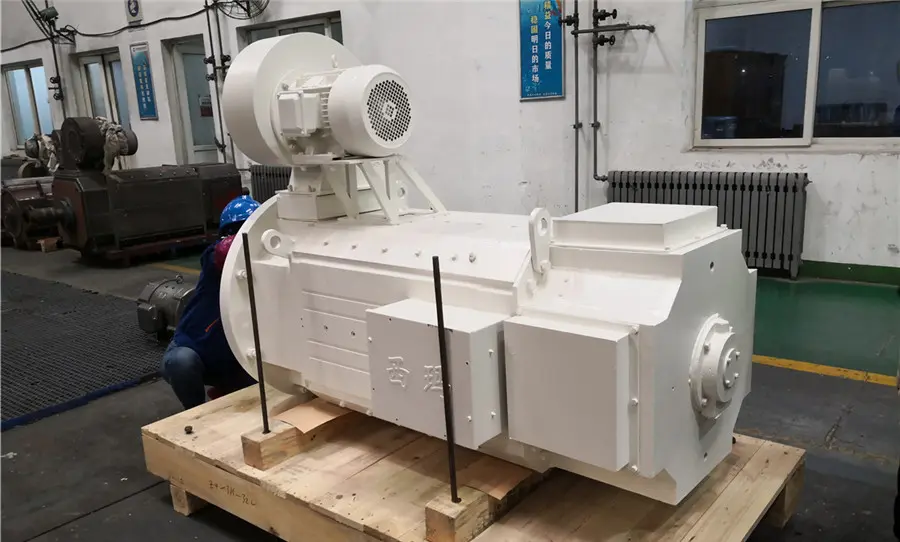
Meeting regional grid demands, high-ambient thermal challenges, and localized certification standards.
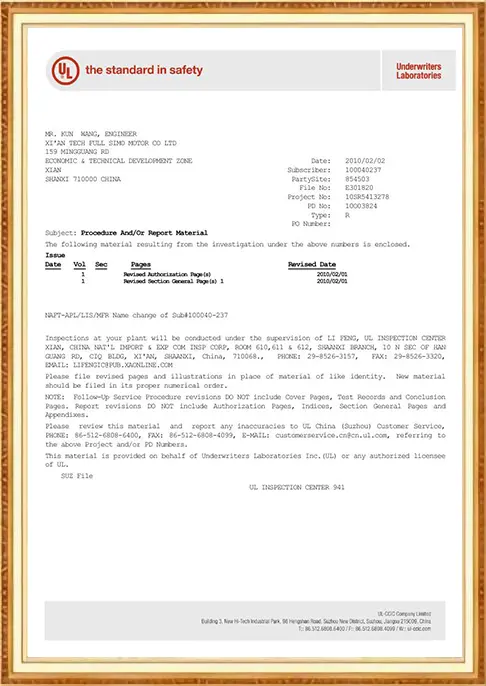
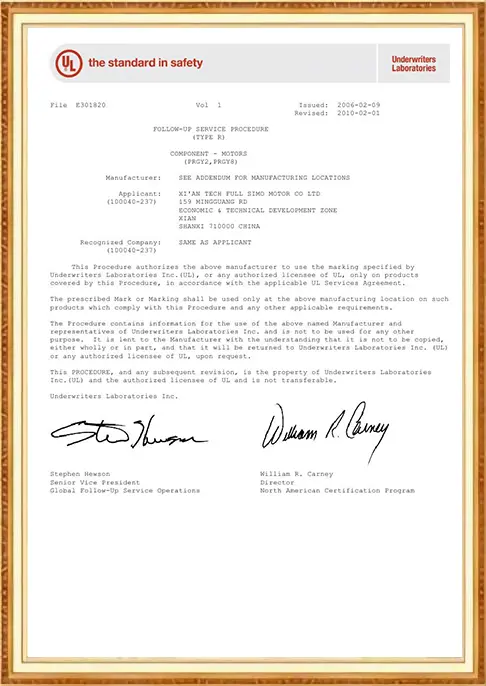
Supporting NEC 500/505 installation rules, Division and Zone classifications, and UL component recognition for integration into broader machinery packages.
Ensuring products comply with Directive 2014/34/EU and carry the CE mark, covering both Zone 1 (flammable gas) and Zone 21/22 (combustible dust) atmospheres.
Configuring motors to operate reliably in ambient temperatures up to 55°C, with specialized corrosion protection for desert and offshore environments.
Offering certified products that meet EAC requirements, ensuring reliable starting and running performance in extremely cold environments down to -60°C.
About Xi’an Lite SIMO Motor Co., Ltd: More than 60 years of electric motor engineering history.
Xi’an Lite SIMO Motor Co., Ltd (known as LITESIMO) is a key enterprise in the Chinese mechanical manufacturing industry, specializing in the production of large and medium-sized, high and low voltage AC/DC motors, synchronous motors, and explosion-proof motors. As a comprehensive manufacturing and service supplier, SIMO manages the complete lifecycle of its products, from design and tooling to precision machining, final assembly, and dynamic test validation.
Our workforce of over 1,200 employees includes 260 technical engineers, 21 senior engineers, and 15 expert designers. This technical foundation supports our product lines, which span 34 series, 1,800 varieties, and over 19,500 electrical/mechanical specifications, with output ratings from 0.35 kW up to 25,000 kW.
Manufacturing infrastructure designed to support continuous, high-volume production requirements.
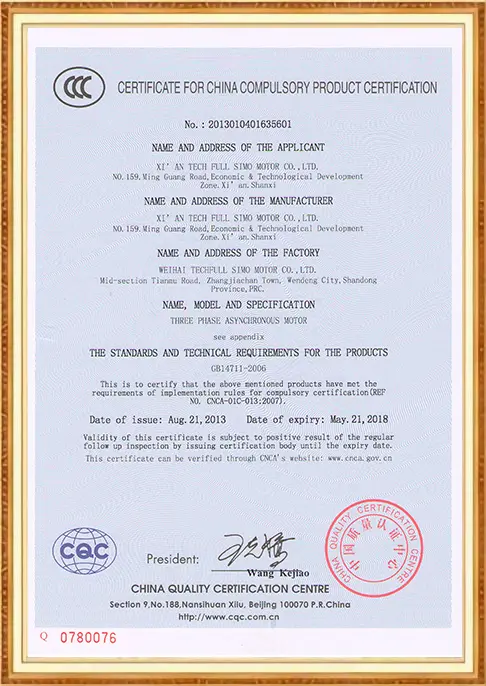
SIMO systems carry key global quality certifications, enabling installation in highly regulated industrial zones.
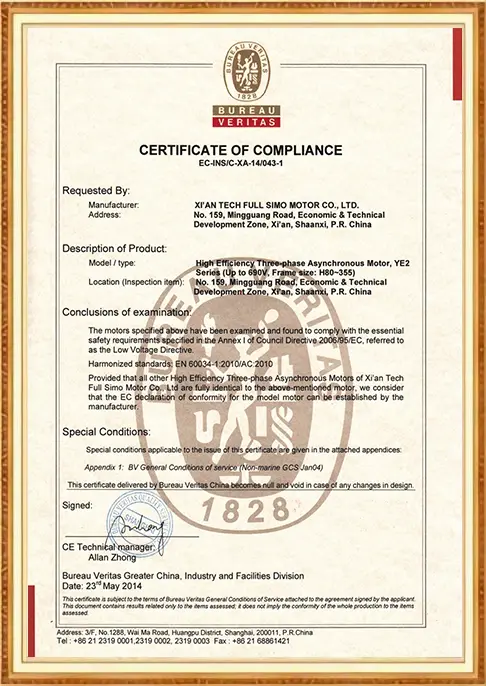
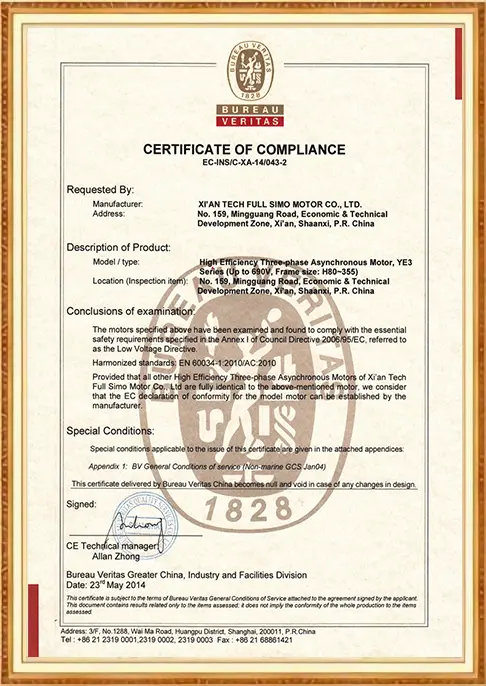
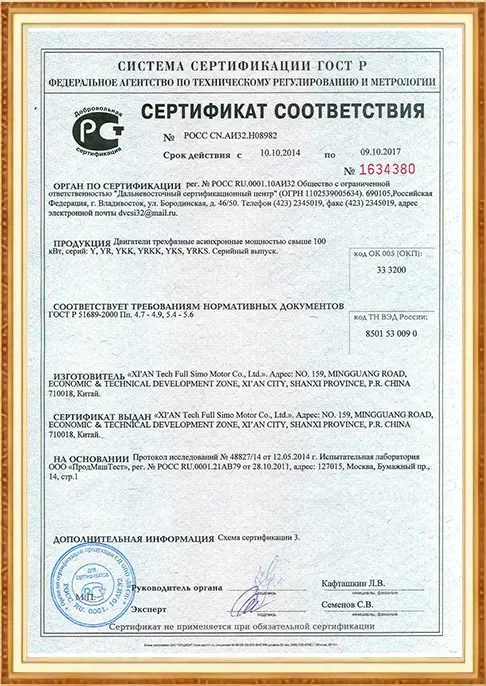
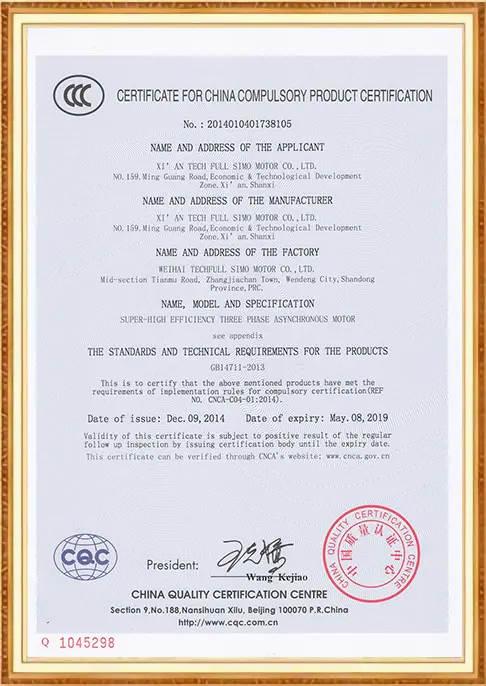
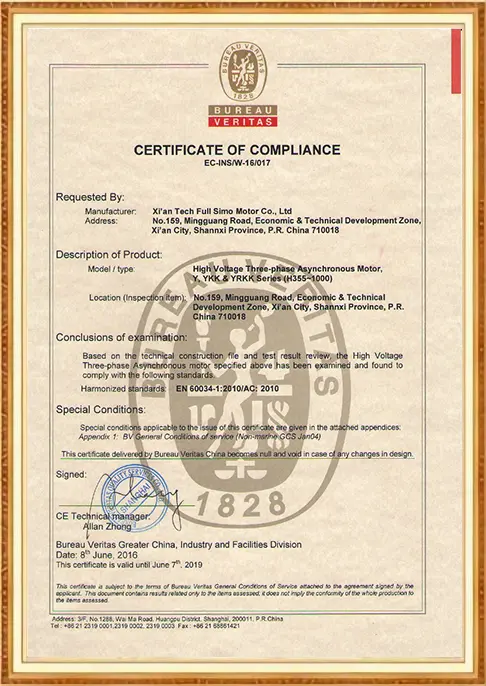
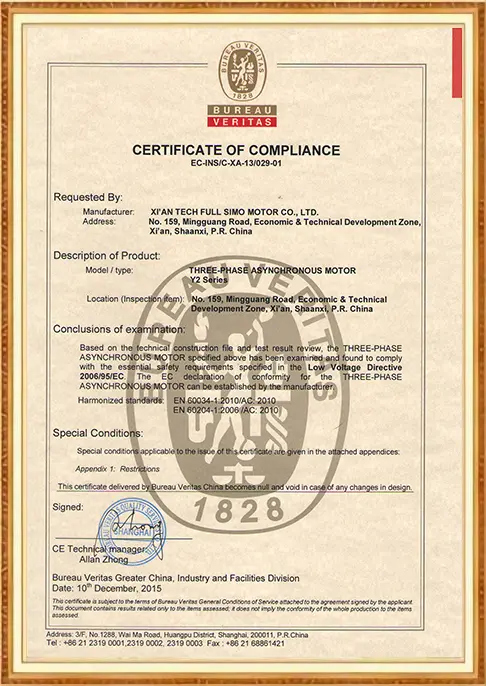
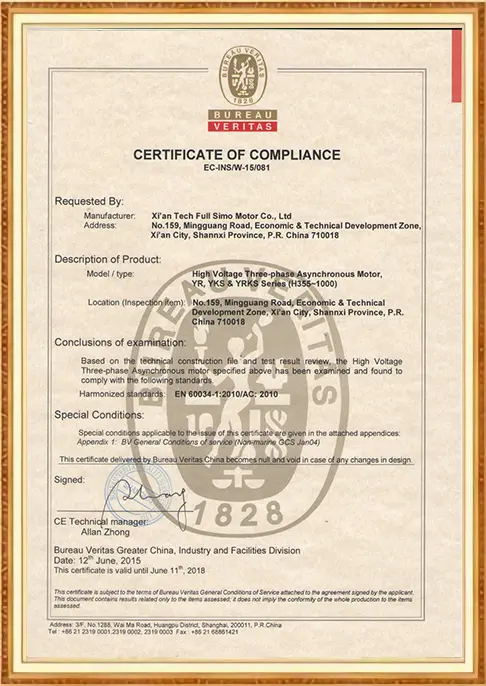
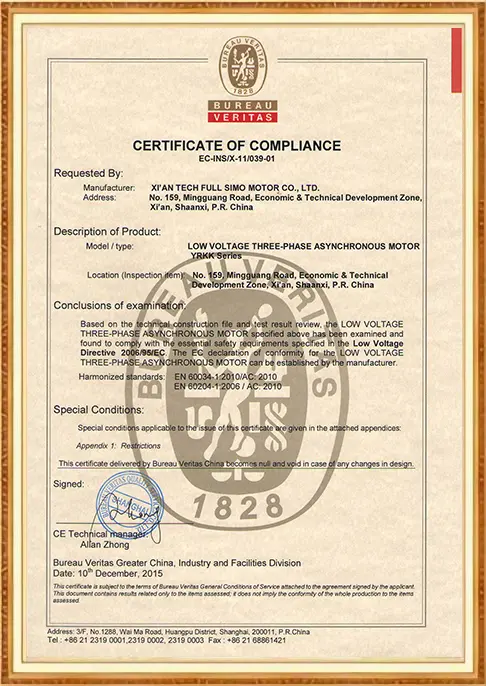
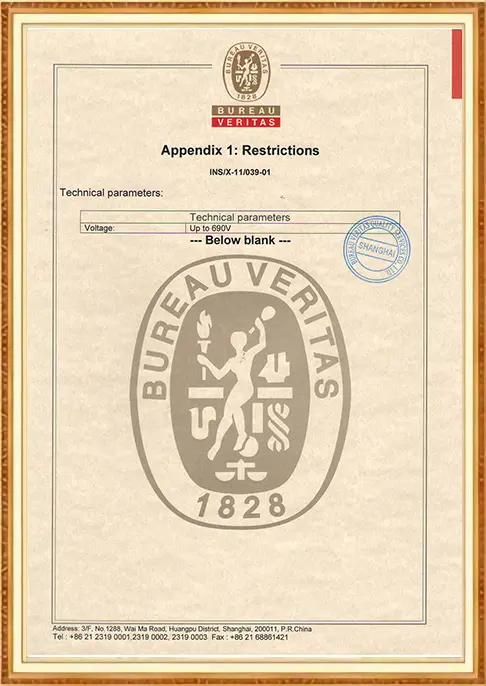
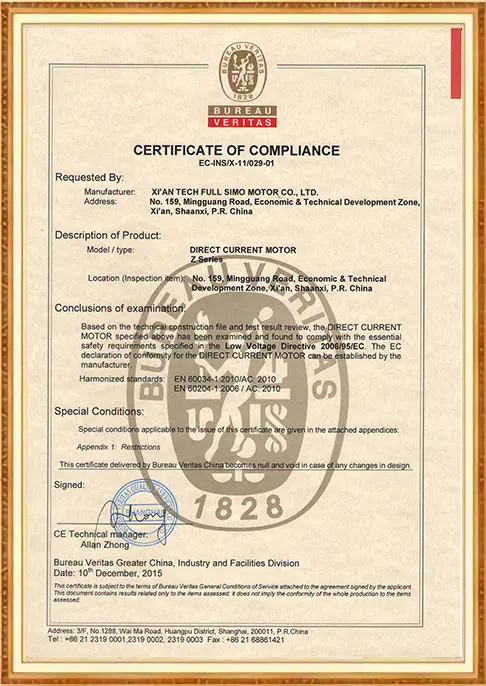
SIMO has completed ISO9001 Quality System Certification, European Union "CE" compliance, United States "UL" registration, and Russian "GOST" approvals. These products are used in power generation, coal processing, petrochemical production, mining, metallurgy, rail systems, transportation, chemicals, agricultural systems, water management, and marine engineering.
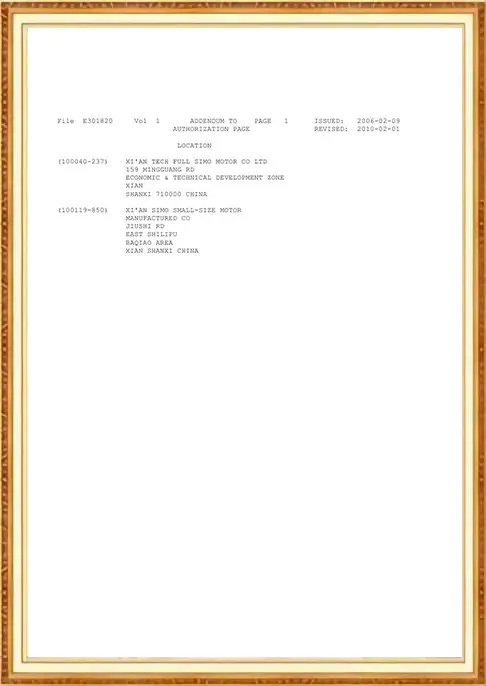
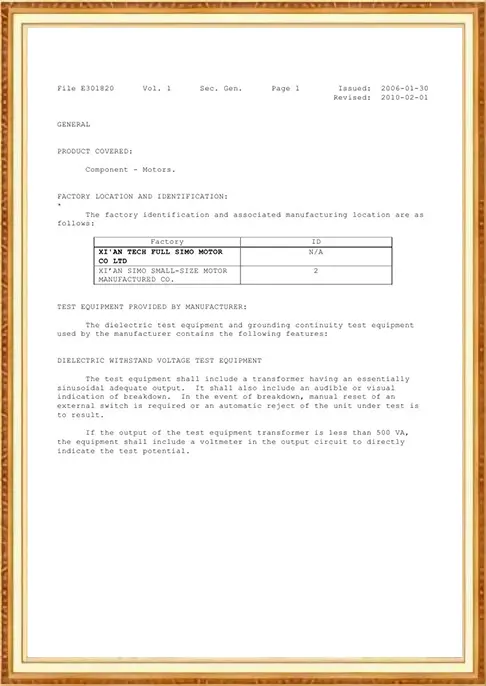
Answering common engineering questions regarding explosion proof, flameproof, and dust-ignition protection classifications.
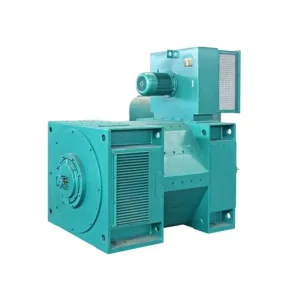
Heavy duty high-voltage induction, synchronous, and wound-field DC motors engineered for industrial processes.
 Lite Simo