Explore our high-voltage and low-voltage heavy-duty three-phase induction motor series designed for robust torque generation, high dynamic response, and extreme environment durability.
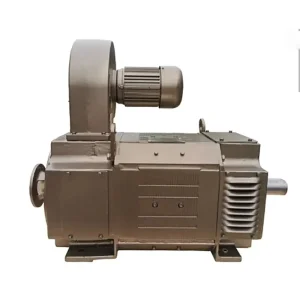
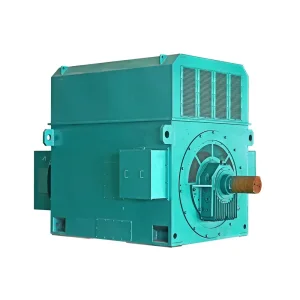
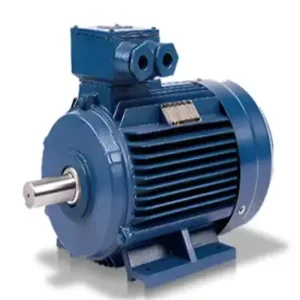
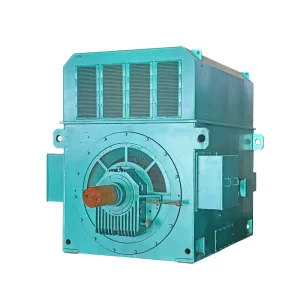
In modern industrial facilities, electric motor-driven systems account for over 60% of global industrial electricity consumption. The continuous operation of pumps, compressors, fans, mill grinders, and conveyancers forms the backbone of extraction, processing, and municipal infrastructures. Consequently, industrial decision-makers are shifting focus from initial capital costs to Total Cost of Ownership (TCO) and operational efficiency.
The International Electrotechnical Commission (IEC) and NEMA enforce stringent standards (IE3, IE4, and the upcoming IE5) to regulate three-phase induction motor designs. High-quality three-phase induction motors (specifically designated as asynchronous machines utilizing three phase AC input) are replacing outdated systems globally. These modern motors rely on advanced magnetic flux distributions, lower copper losses in the stator, optimized squirrel-cage or wound rotors, and thermal management systems to sustain peak efficiencies under varying loads.
Three-phase induction motors operate on the physical principle of electromagnetic induction discovered by Michael Faraday and mathematically formulated for multiphase systems by Nikola Tesla. These machines consist of two critical assemblies: the stationary outer structure (Stator) and the rotating inner core (Rotor).
The stator houses three spatially distributed windings displaced by 120 electrical degrees. When connected to a three-phase AC power source, balanced sinusoidal currents pass through these coils, establishing a Rotating Magnetic Field (RMF). This field rotates at a synchronous speed (\(N_s\)) calculated by:
Where f represents the supply frequency (Hz) and P represents the number of magnetic poles. The stator cores of Simo Motors are made from low-loss, high-permeability cold-rolled silicon steel laminations. This process minimizes eddy current and hysteresis losses, ensuring high efficiency under heavy loads.
The RMF cuts across the conductors in the rotor (either copper bars in a squirrel-cage configuration or wound coils in a slip-ring configuration). According to Faraday's law, this induces electromotive force (EMF) and a corresponding current in the short-circuited rotor. Under Lenz's Law, the resulting rotor current generates its own magnetic field, interacting with the stator RMF to produce torque in the direction of the rotating field.
To sustain torque, the rotor speed (\(N_r\)) must remain slightly below the synchronous speed. This difference is defined as Slip (s):
If the rotor reached synchronous speed, the relative motion would drop to zero, halting EMF induction and torque generation. Simo Motors balances slip characteristics to optimize power factor and torque performance across various speeds.
Rugged, maintenance-free rotor configurations utilizing die-cast aluminum or solid copper bars inserted into slots and short-circuited by end rings. Offers high reliability in harsh operating environments.
Incorporates high-grade slip rings allowing external resistance connections. Designed for high starting torque under load while maintaining manageable starting currents.
Vacuum Pressure Impregnation (VPI) with solventless epoxy resin seals the stator winding structure against moisture, chemical dust, vibration, and thermal stress.
As industrial buying groups look to diversify risk and optimize procurement costs, the geographical advantages of Chinese motor manufacturers become clear. Xi'an Lite SIMO Motor Co., Ltd. is located in the central industrial hub of Shaanxi, China. This region offers a complete supply chain from raw ore extraction to high-precision engineering assemblies.
This localized cluster provides distinct manufacturing and supply chain advantages:
Direct access to large domestic silicon steel manufacturers (like WISCO and Baosteel) ensures a consistent supply of cold-rolled steel laminations with low loss parameters, avoiding global pricing spikes.
Our production lines feature 1,172 sets of advanced equipment, including CNC heavy machining centers, automated coil winding machines, robotic VPI systems, and fully digital performance testing stations.
With 260+ technical engineers, 21 senior engineers, and 15 expert engineers on-site, we offer fast Turnaround on custom engineering drawings (CAD/SolidWorks) for direct drop-in retrofits.
Located along the Silk Road land routes and connected to major deepwater ports (Qingdao, Tianjin, Shanghai) via high-speed rail freight, we ensure reliable international delivery timelines.
Additionally, having multiple manufacturing facilities under one corporate structure (3 production factories and 1 subsidiary) allows us to dynamically shift production capacity. This ensures continuous delivery even during regional power grid optimizations or raw material disruptions, providing high reliability for large-scale engineering projects.
Xi'an Lite SIMO Motor Co., Ltd. was established during the mid-20th century industrialization push. Over nearly seven decades, the company has transitioned from a local state enterprise to a modernized, globally integrated motor group. This deep history highlights our engineering expertise and manufacturing experience.
From custom molds to heavy assembly, we handle all stages of motor fabrication. This vertical integration allows us to enforce strict quality control at every phase of production.
SIMO Motor was established under state management to produce standard electric machines for China's expanding industrial base.
Operations moved to a new facility in Xi'an, positioning the company in the region's emerging mechanical industry cluster.
Renamed Xi'an Motor Factory following strategic mergers, integrating regional engineering and research capabilities.
Successfully transitioned from a state-owned factory into a limited liability company, introducing modern management practices.
Established as a group company with 14 specialized subsidiaries, broadening our industrial motor and components portfolio.
Moved to a state-of-the-art facility in the Xi'an High-Tech Zone, adding computerized manufacturing and VPI systems.
Rebranded to reflect our focus on R&D, energy-efficient designs, and expanding international exports.
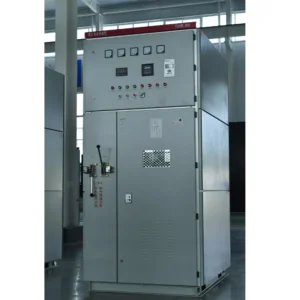
Expanding global market presence with high-voltage asynchronous motors, soft starters, and smart, VFD-integrated systems.
Our product lineup covers 34 major series, over 1,800 varieties, and 19,500 distinct specifications. We design and manufacture motors ranging from 0.35 kW up to 25,000 kW to meet the requirements of both light commercial installations and heavy industrial processes.
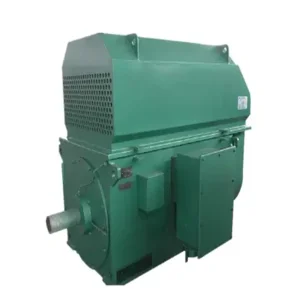
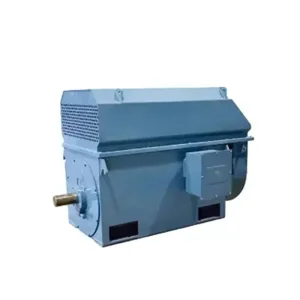
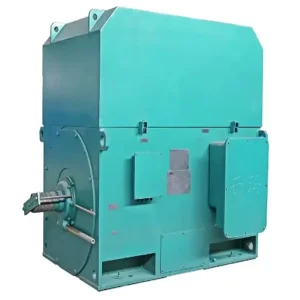
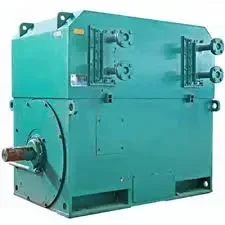
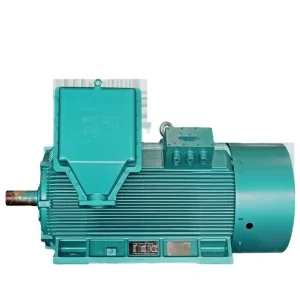
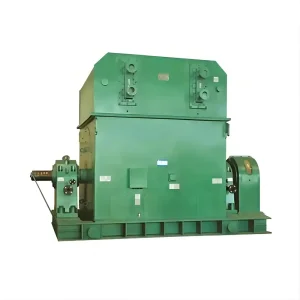
Our flagship YX, YXKK, and YXKS high-efficiency high-voltage three-phase asynchronous motors provide robust torque in a compact frame. When paired with the YR, YRKK, and YRKS wound rotor series, they deliver reliable power to heavy crushing, conveyor, and grinding systems that require high starting torque.
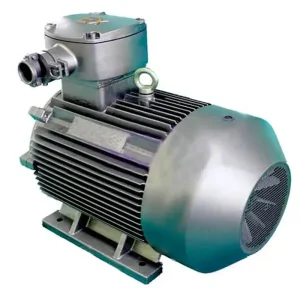
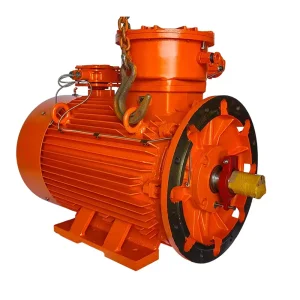
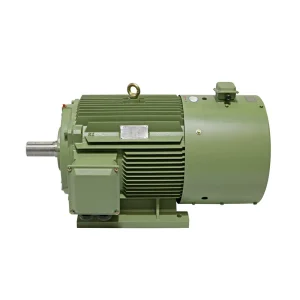
The YVFE3, YVFE4, and YVFE5 variable frequency speed-regulating series provide precise control when paired with variable frequency drives (VFDs). For hazardous environments, the YBX3, YBX4, and YBX5 explosion-proof three-phase induction motors offer certified protection in coal mines, oil refineries, and chemical processing plants.
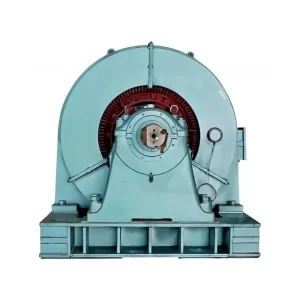
Our capability also extends to synchronous motor designs, including the T, TD, TK, and TDMK series for mine milling applications, large TFW synchronous generators, and Z2, Z4, and Z series industrial DC motors for applications like metal rolling mills and plastic extruders.
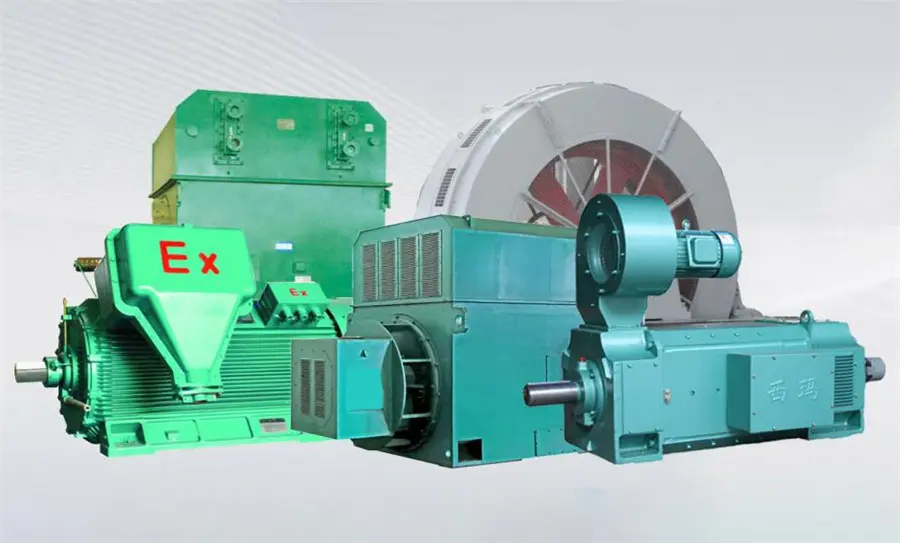
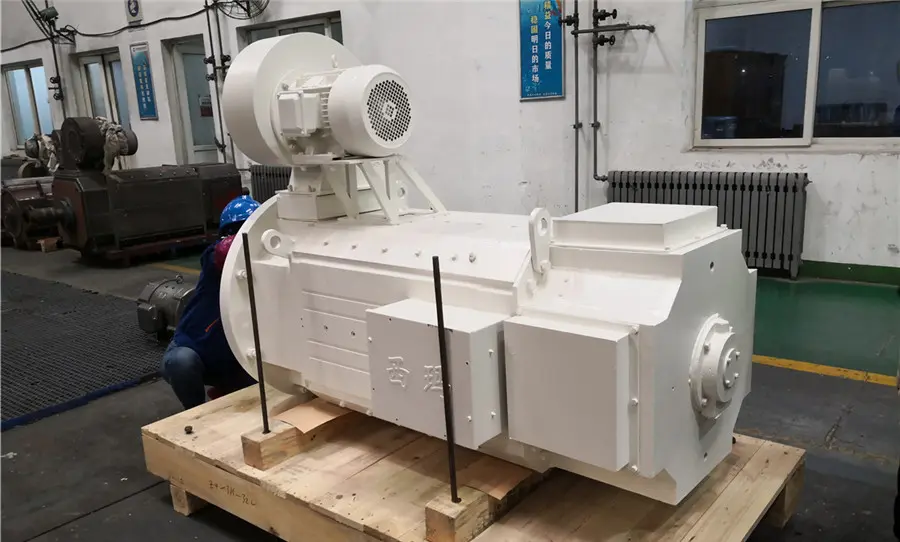
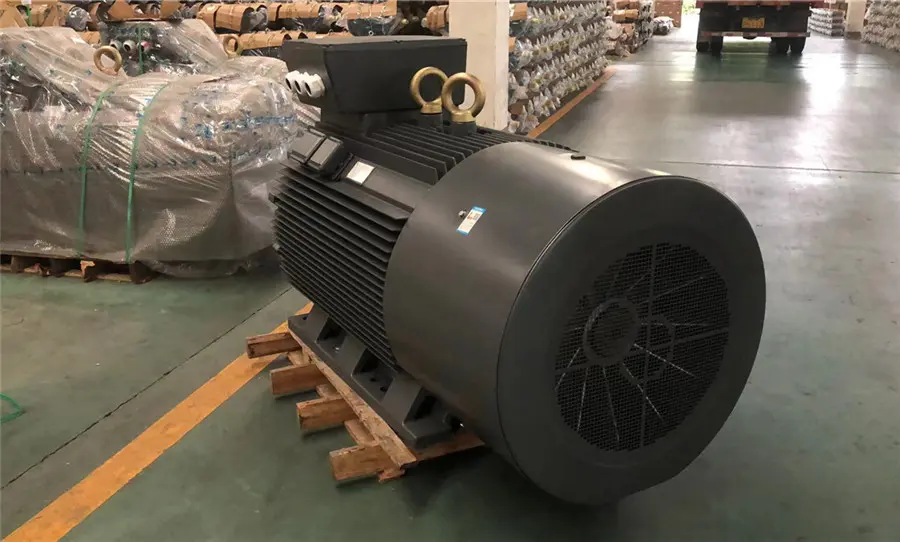
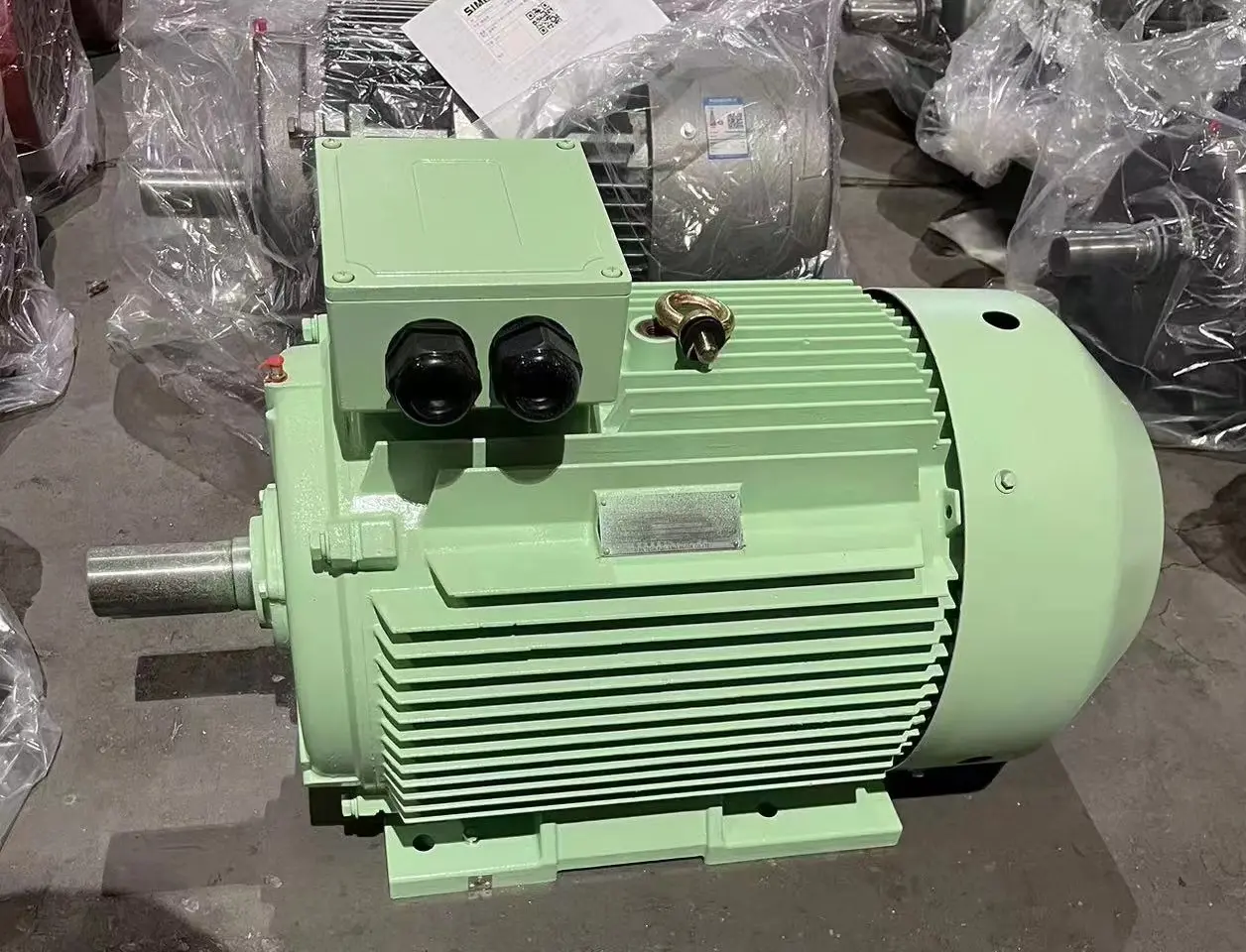
Three-phase induction motors from Simo are configured to meet localized environmental conditions, operational habits, and regional grid variations across global markets.
Simo TDMK synchronous motors drive primary jaw crushers and SAG mills in western US and Canadian mining operations. Engineered for high starting torque, these motors handle frequent overload conditions and cold starts common in northern climates.
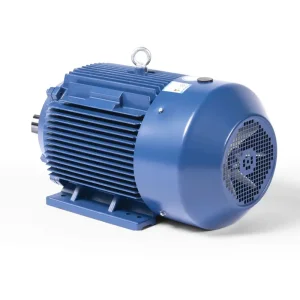
In the UK and Germany, YE4/YE5 ultra-efficiency low-voltage motors run municipal drainage and water supply pumps. Operating continuously, these motors help utilities meet strict European carbon and energy efficiency regulations.
YBX4/YBX5 flameproof high-voltage motors operate refinery pumping systems. They feature specialized IP56 protection, solar radiation shields, and heat-resistant seals to handle harsh desert sandstorms and extreme temperatures.
Industrial motors are evolving rapidly, driven by efficiency regulations and the growth of Industrial Internet of Things (IIoT) technologies. Our engineering department is focusing on several key developmental paths:
Transitioning from induction motors to Permanent Magnet Synchronous Motors (PMSMs) and Synchronous Reluctance Motors (SynRMs). This technology minimizes rotor losses, achieving high efficiency levels even during partial-load operations.
Integrating vibration sensors, bearing thermal monitoring, and acoustic analysis directly into the motor frame. These tools feed data to centralized control platforms to predict and prevent failures before they occur.
Revising insulation chemistry to replace ozone-depleting varnishes, and optimizing stator structures to reduce the weight of raw steel and copper required per kilowatt of output.
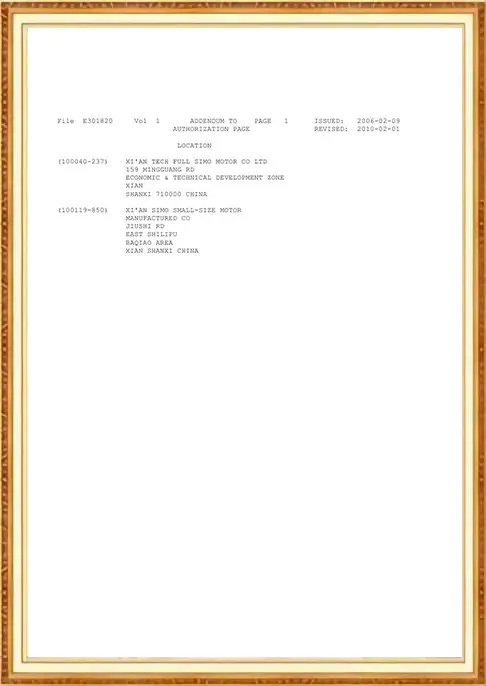
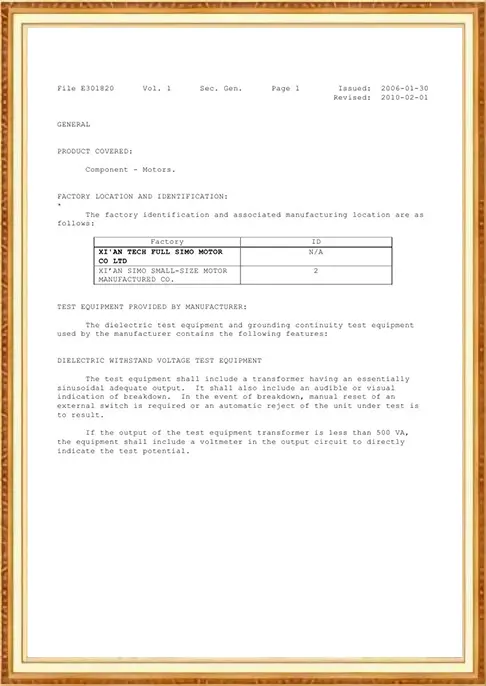
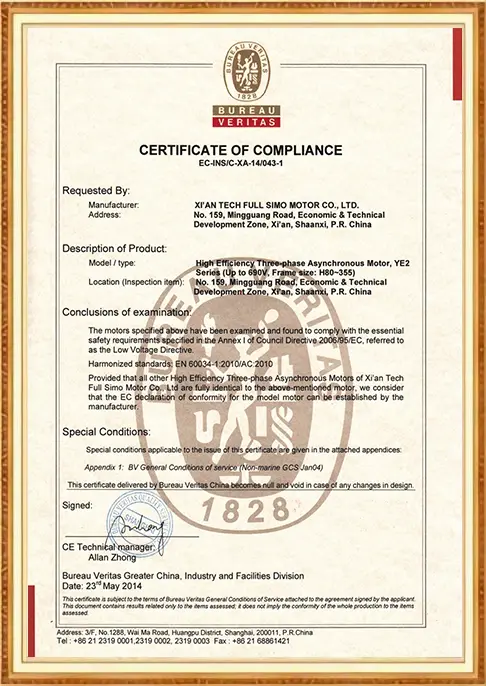
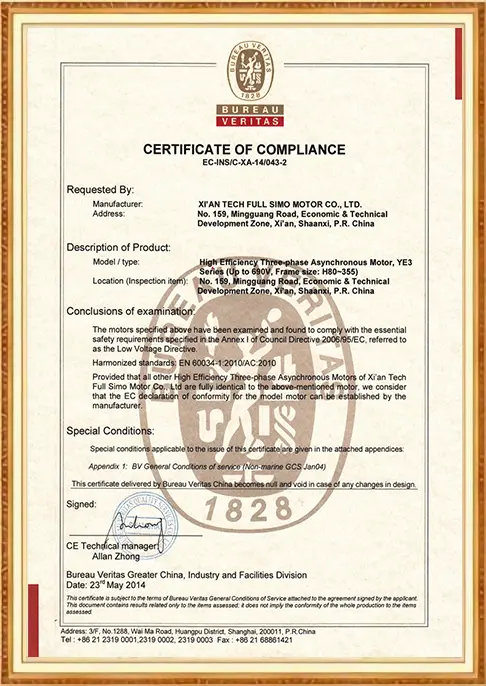
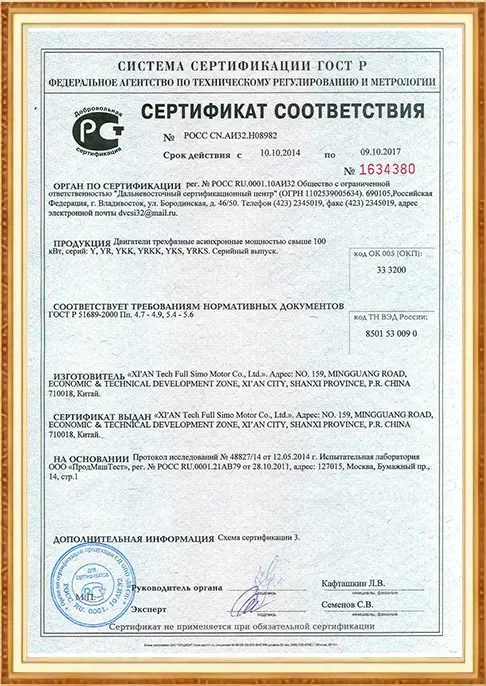
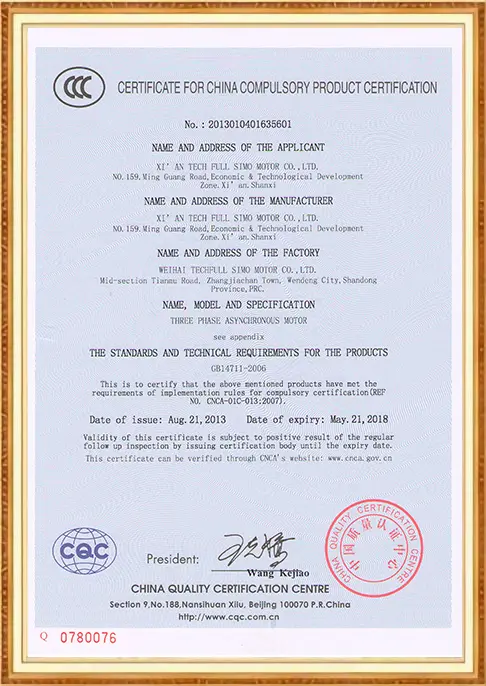
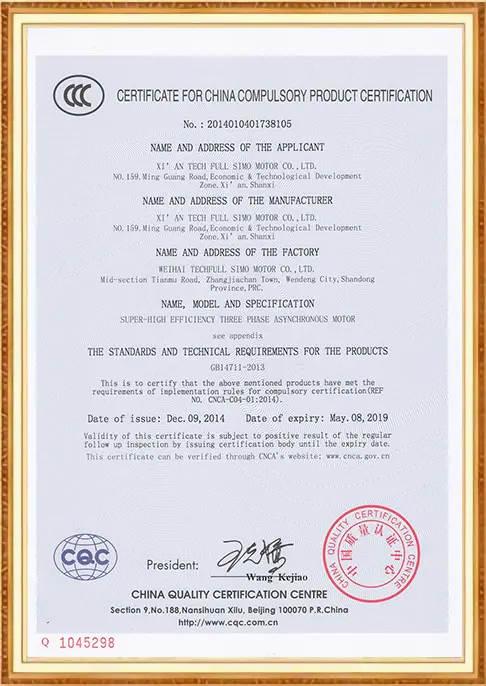
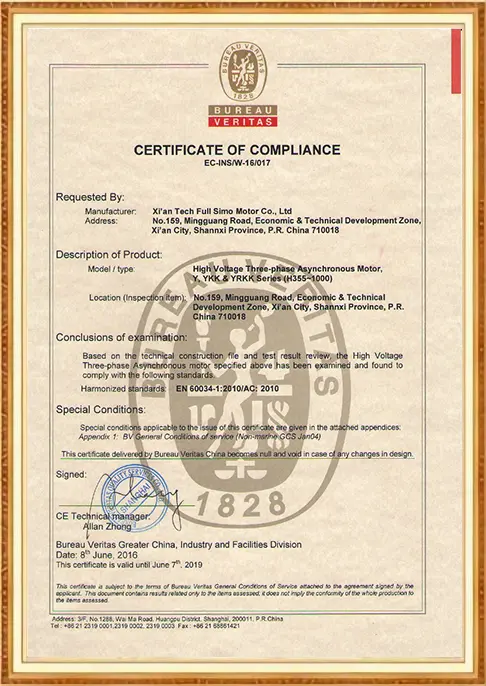
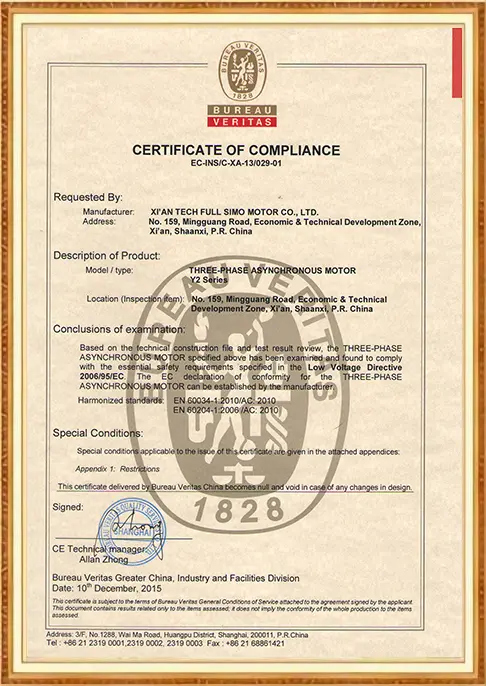
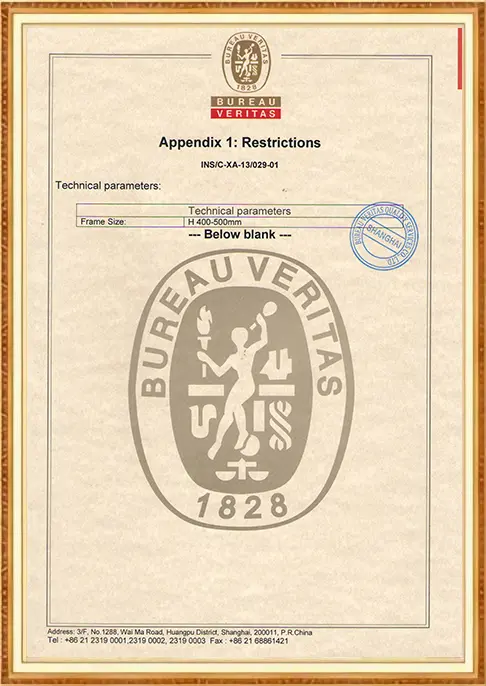
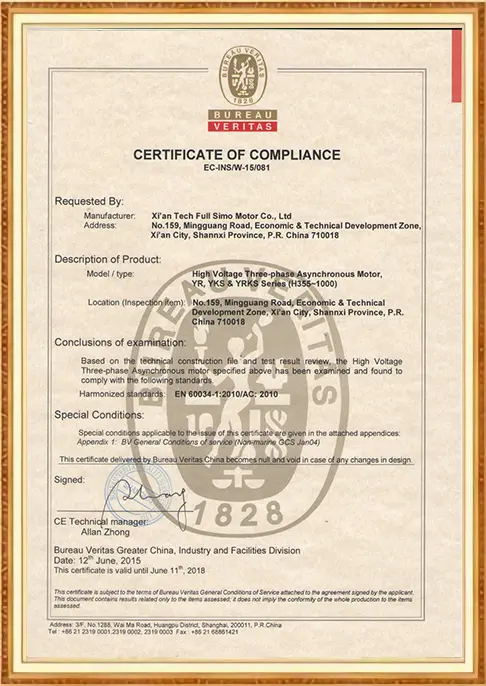
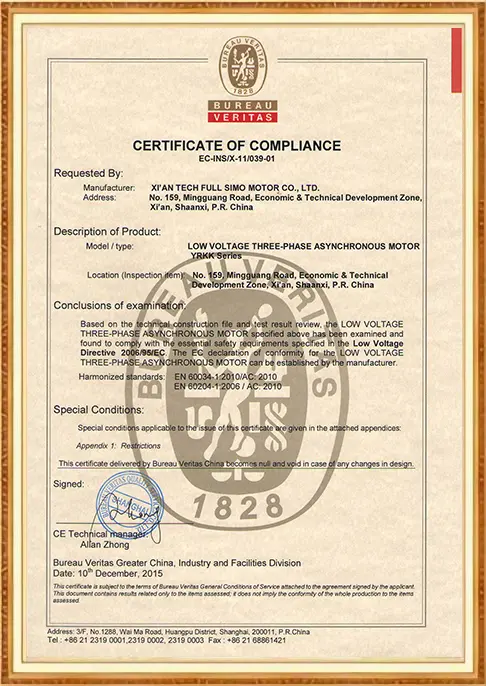
To support operations in global markets, Simo products meet international safety, environmental, and performance standards. Our manufacturing processes and motor designs are certified by major regulatory bodies:
Through partnerships with engineering agents and distributors in Europe, the Americas, and Southeast Asia, Simo provides localized support, testing, replacement parts, and engineering consultation. We assist clients from initial selection through final commissioning to ensure system performance.
Find answers to common questions about three-phase induction motor selection, installation, and engineering design.
Browse additional high-efficiency motors, mining-duty synchronous units, and flameproof options engineered to meet international safety and performance standards.
 Lite Simo