Explore our top range of industrial-grade low voltage, high efficiency, and variable frequency electric motors.
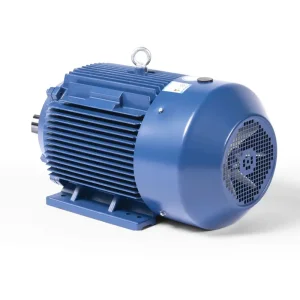
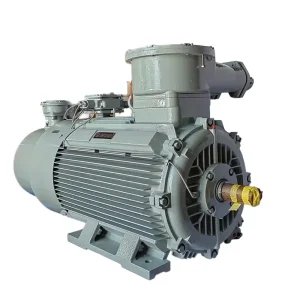
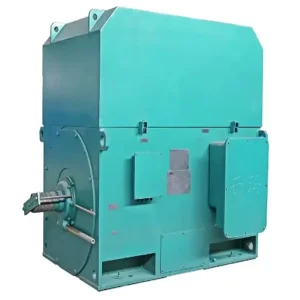
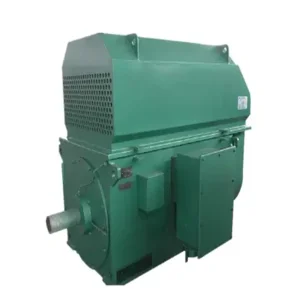
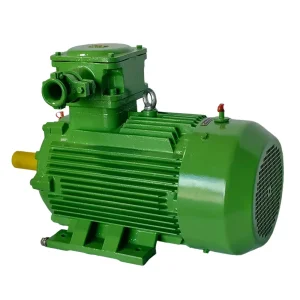
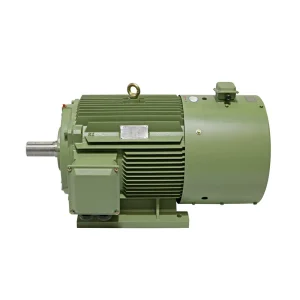
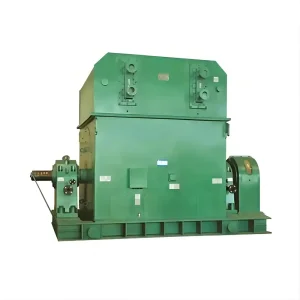
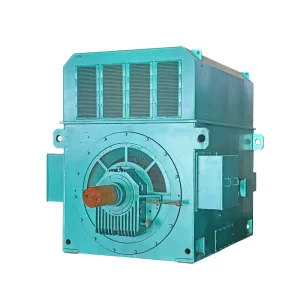
In modern industrial systems, electric motors are frequently subjected to unpredictable operational demands, fluctuating voltages, and brief thermal overloads. The Service Factor (SF) is a critical engineering multiplier designated by NEMA (National Electrical Manufacturers Association) and international standards that indicates a motor's capacity to operate beyond its nameplate horsepower rating.
A Service Factor 1.15 motor is engineered to continuously carry a load that is 15% greater than its rated horsepower without suffering insulation failure or thermal breakdown. For example, a 100 HP motor with a 1.15 SF can sustain a load of 115 HP under standard operating conditions, providing a crucial safety margin against system variations.
Operating a motor within this 1.15 overload margin requires advanced structural designs. This includes Class F or Class H insulation systems, low-temperature rise profiles, dynamically balanced rotors, and high-purity copper windings. These engineering refinements ensure that the heat generated during overload runs is dissipated efficiently, safeguarding the service life of internal components.
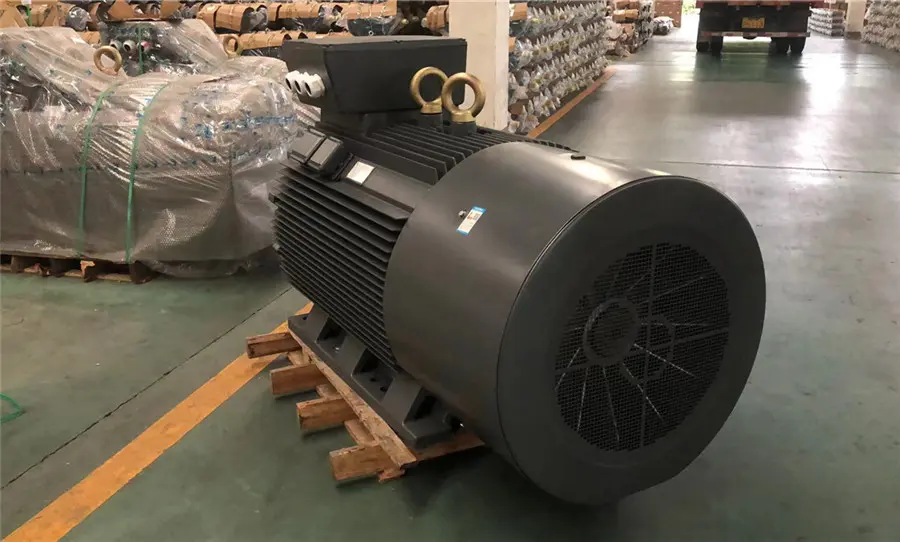
Built with premium Class F/H insulation and optimized cooling slots, ensuring thermal safety even during prolonged 1.15 SF workloads.
Mitigates risk of unexpected motor failures under variable load conditions or temporary system spikes in conveyor and compressor lines.
By operating below peak thermal ratings during normal run states, bearings and windings run cooler, doubling the MTBF.

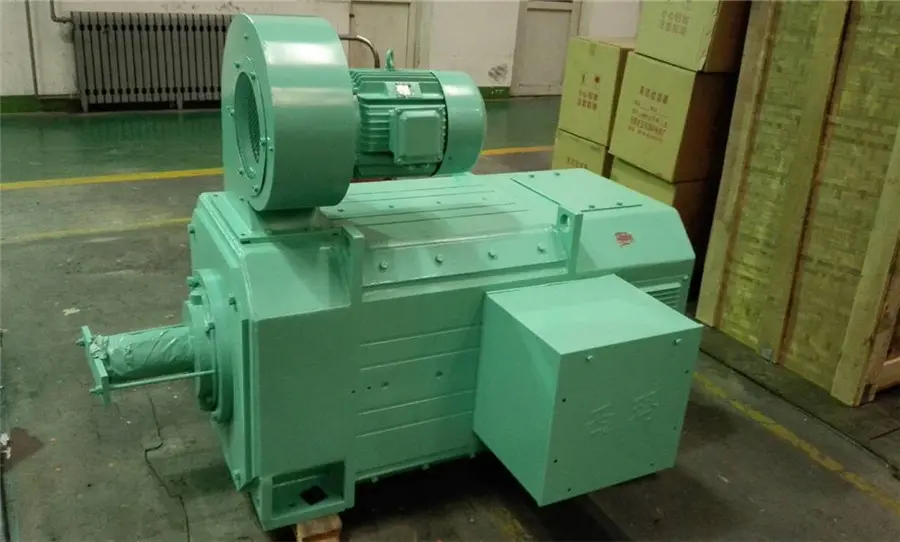
Xi’an Lite SIMO Motor Co., Ltd is an electric company, main enterprise specializing in the manufacturing of large/medium-sized, high/low voltage AC motors, DC motors, synchronous motor, and explosion-proof motor in the Chinese mechanical industry.
SIMO is a comprehensive manufacturing and service supplier of motor design, manufacturing, mechanical processing, mold making, assembling. The Company ranks TOP in China’s motor industry as to its scale of production, and has maintained fast-growing development trend for consecutive years.
By focusing on custom mechanical requirements, heavy engineering demands, and strict quality matrices, SIMO guarantees that every industrial motor shipped is fully optimized to withstand the harshest operations, including those requiring robust 1.15 Service Factor performance margins.
The Company was founded in 1955 originally and now has more than 60 years history of motor manufacturing and selling. The registered capital is 21.5 million RMB. SIMO has 3 manufacturing factories, one subsidiary factory, with fixed assets 380 million RMB and more than 1172 sets of advanced equipment.
Our state-of-the-art facilities rely on 1,172 sets of advanced equipment to perform precise core stampings, vacuum pressure impregnation (VPI), and strict dynamometer load testing.
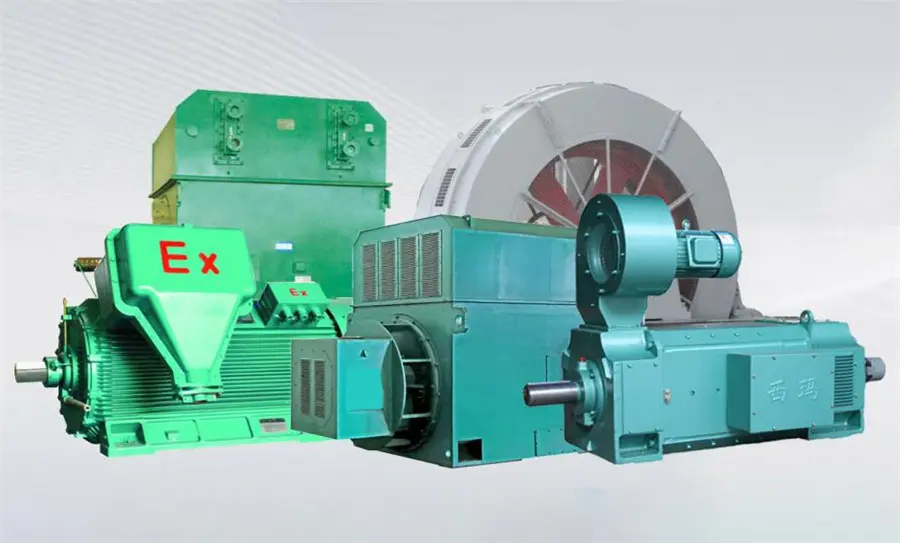
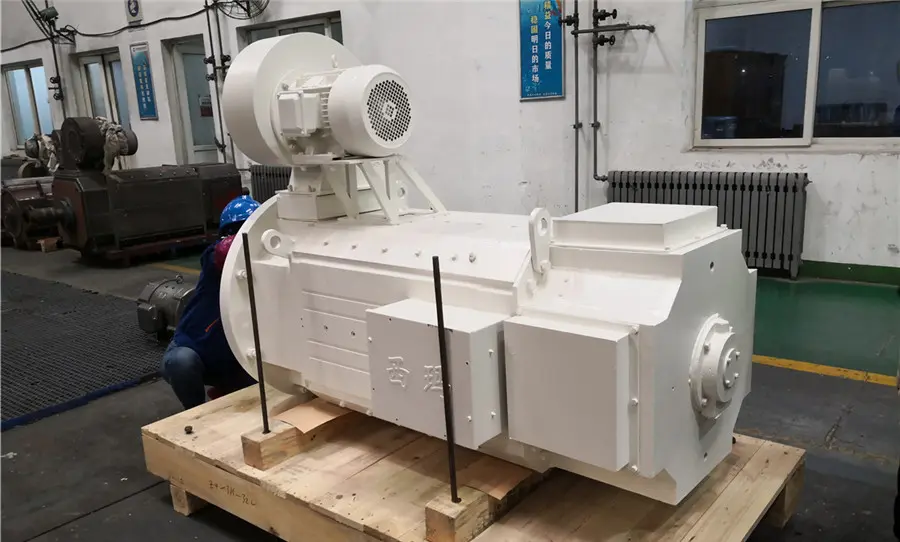
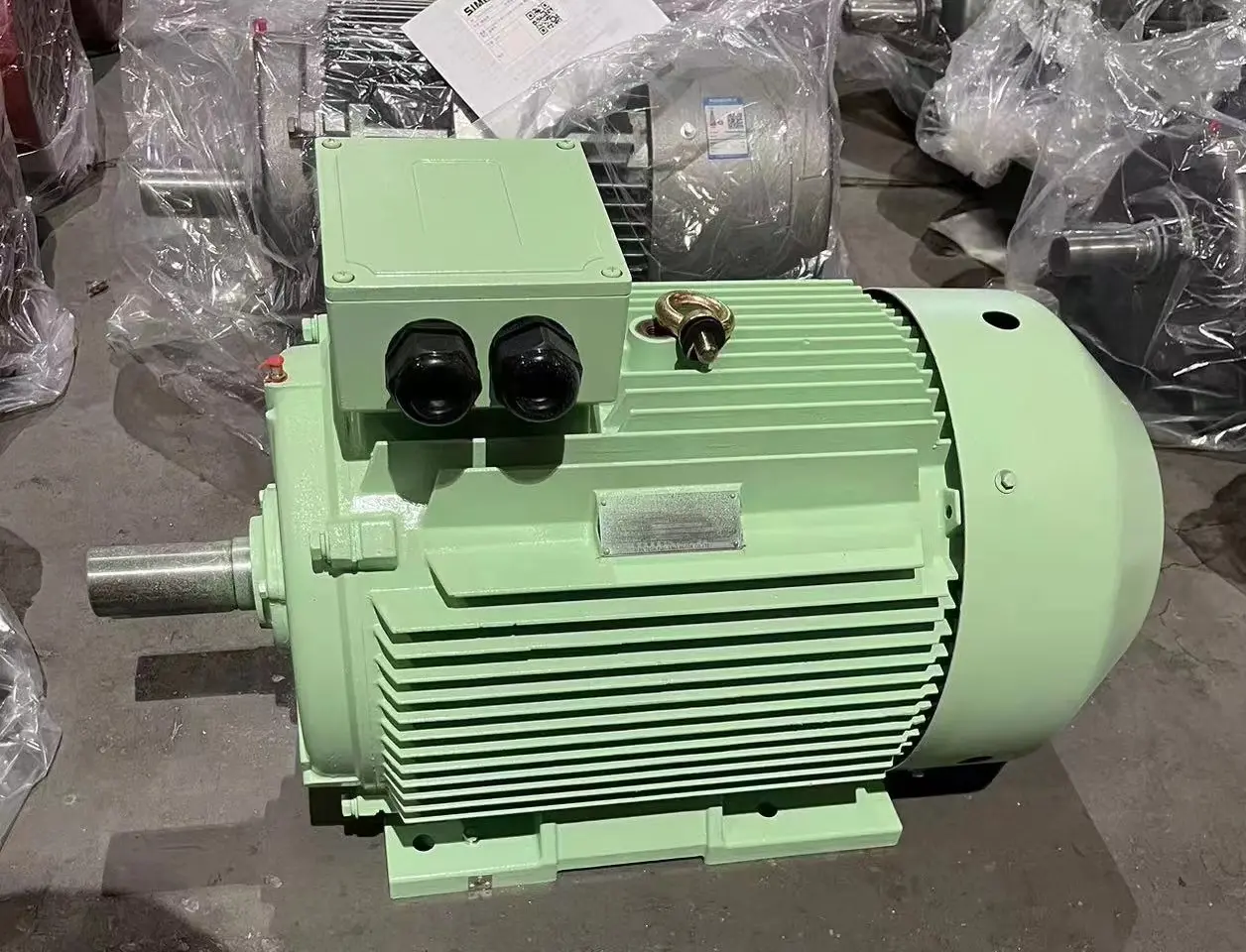
Meeting rigorous engineering criteria worldwide ensures safety, compatibility, and reliable deployment across diverse markets.
Entering international markets requires strict compliance with local safety standards and quality mandates. For Service Factor 1.15 electric motors, engineering tolerances are audited closely to ensure they perform reliably under continuous stress.
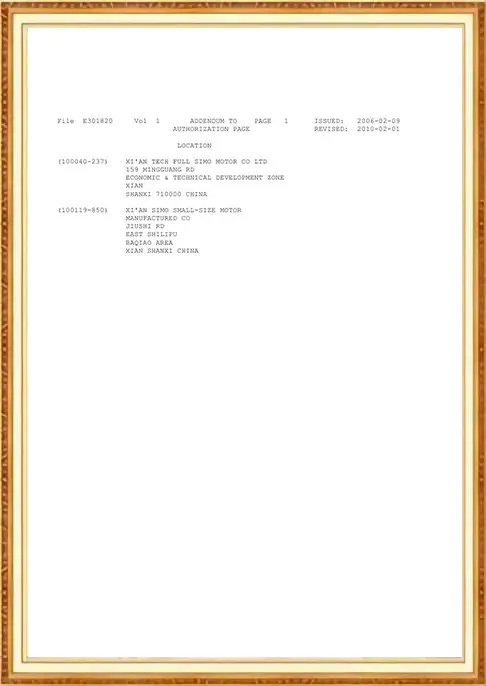
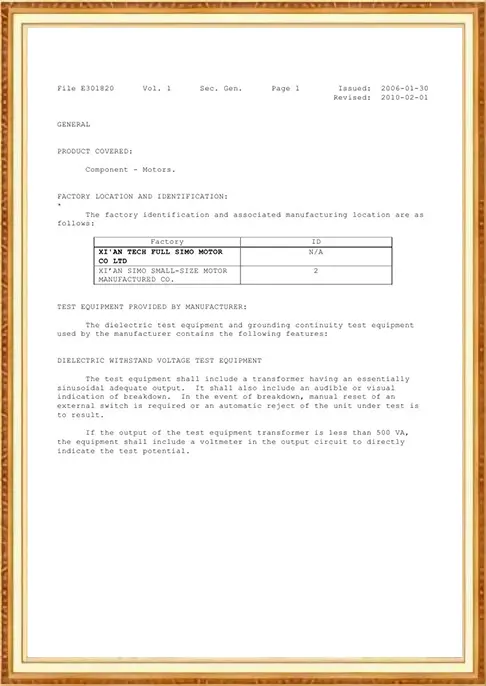
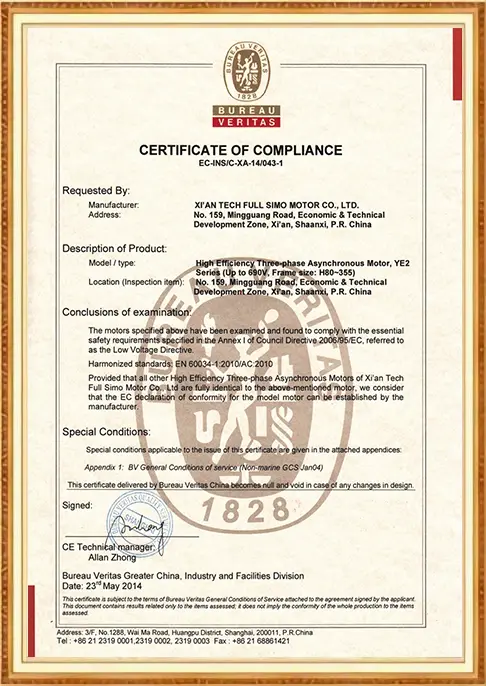
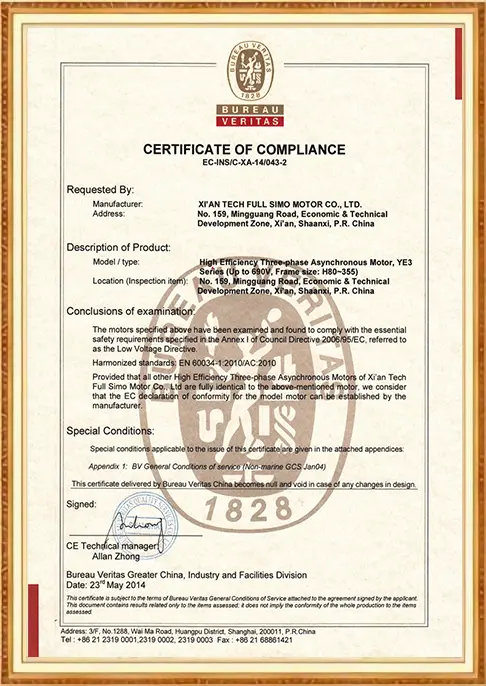
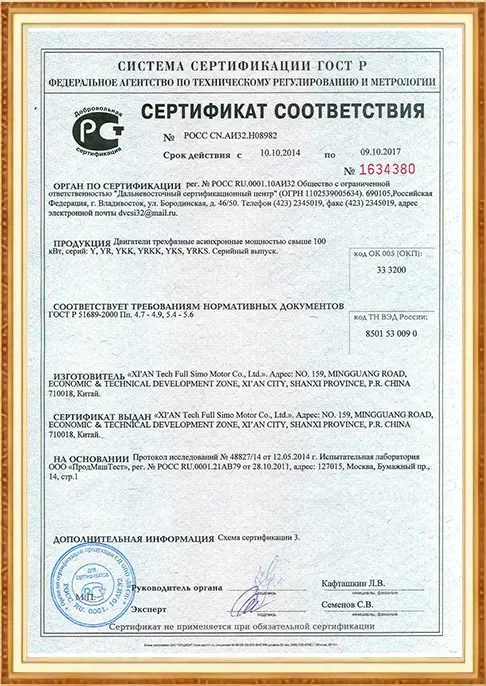
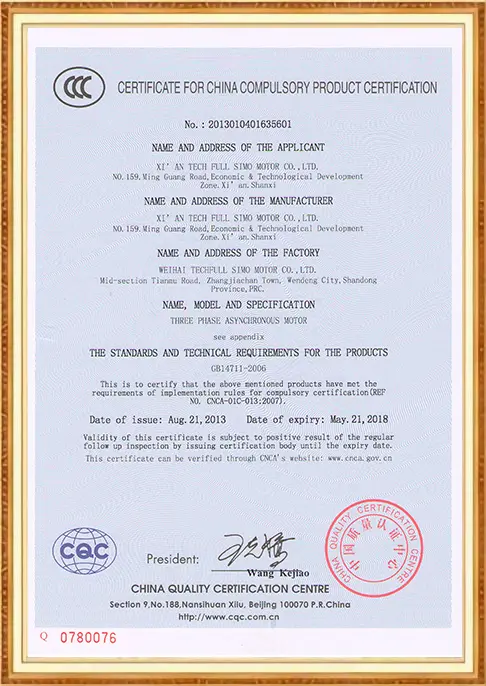
SIMO has systematically passed ISO9001 Quality System Certification, EU "CE", US "UL", Russian "GOST", and other global certifications. In hazardous zones, our specialized explosion-proof line (YBX3, YBX4, YBX5) meets national and regional Ex standards, protecting personnel and facilities from hazardous dusts and explosive gases.
For US markets, our motors conform strictly to NEMA MG 1 specifications, ensuring standard mounting dimensions, terminal markings, and torque curves align with American process infrastructure. For European and international projects, our IE3, IE4, and IE5 rated designs comply with IEC/EN 60034 standards, promoting energy optimization and environmental compliance.
How localization of raw materials, optimized manufacturing, and logistical integrations yield unmatched value for global procurement.
Immediate access to local premium electrical steel mills, state-controlled copper refineries, and specialized casting foundries reduces raw material lead times significantly.
By producing over 34 major series and 1,800 varieties, SIMO optimizes tooling and assembly costs, passing these direct savings to international EPC contractors.
Xi'an acts as a central hub of the Belt and Road Initiative, streamlining land-based rail freight to Central Asia/Europe and marine shipping via major eastern ports.
The manufacturing ecosystem in China allows companies like SIMO to source custom components—such as specialized VPI resins, silicon-steel laminations, and advanced RTDs (Resistance Temperature Detectors)—with highly shortened turnarounds. Because we manufacture everything under one roof, including tooling, machining, and final load testing, we eliminate third-party delays. This centralized supply chain is what enables SIMO to support massive international infrastructure projects with shortened production timelines.
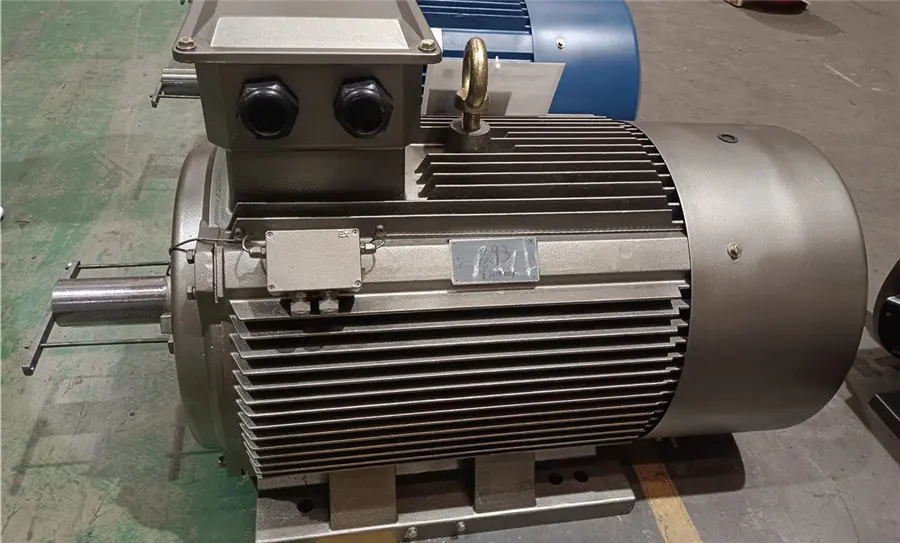
SIMO's R&D and manufacturing covers all types of motors, with products across 34 major series, more than 1,800 varieties, and more than 19,500 specifications. Our power coverage ranges from 0.35kW to 25,000 kW, supporting projects from light-duty automation to heavy industrial processing.
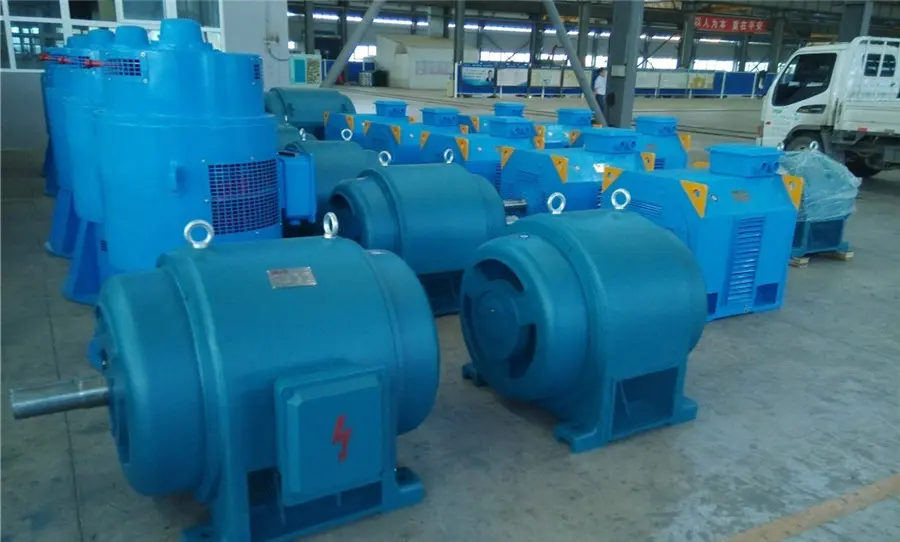
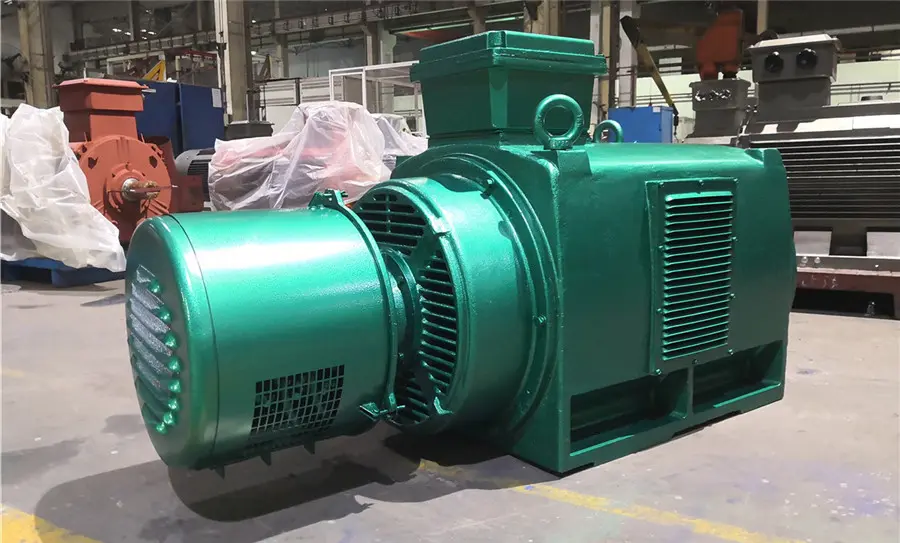
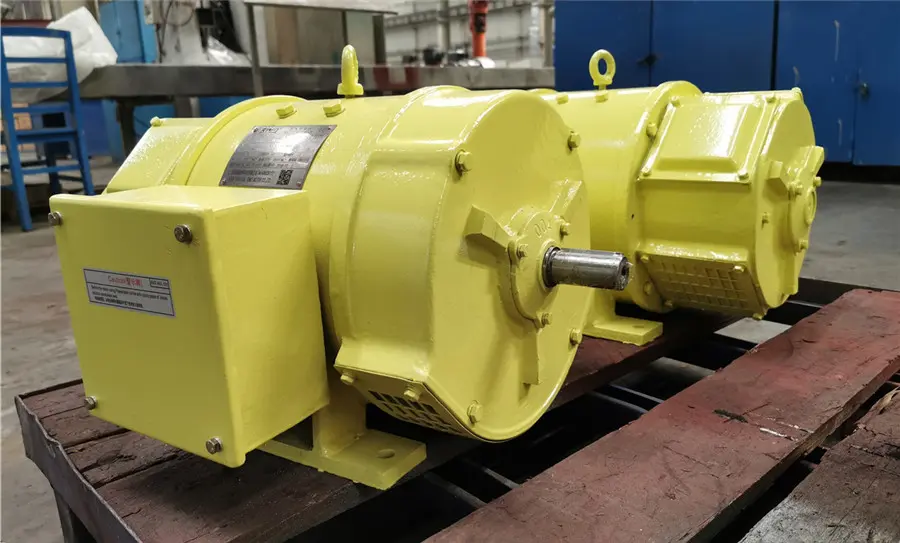
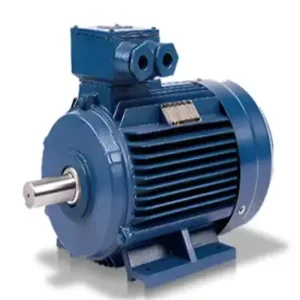
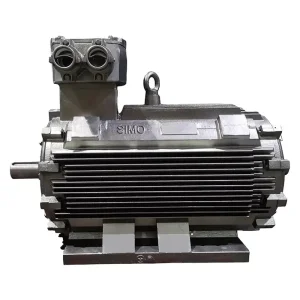
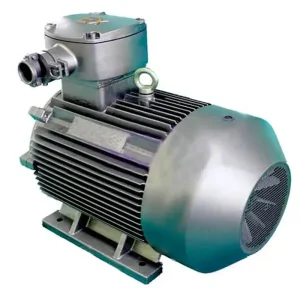
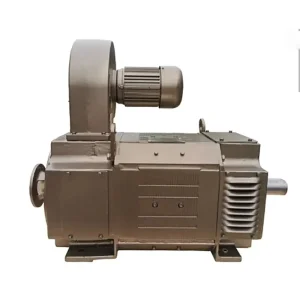
Our main motor series include:
How changing demands in efficiency, IoT integration, and reliability shape modern motor procurement.
Industrial procurement departments prioritize reducing the total cost of ownership (TCO). While the purchase price is a factor, energy consumption constitutes over 95% of a motor's life-cycle cost. Consequently, procuring IE4 and IE5 rated motors has become standard practice for multinational enterprises.
Furthermore, reliability in harsh operational environments is non-negotiable. Service Factor 1.15 ratings serve as an insurance policy. In oil refineries, offshore drilling, mining mills, and municipal water stations, motors operate continuously. Having that extra 15% thermal headroom prevents costly, unscheduled plant shutdowns.
The electric motor industry is undergoing a digital and green transition:
Real-world operational settings where the 1.15 service factor margin is critical.
Operating gas compressors and centrifugal pumps in hazardous areas. The YBX5 explosion-proof series, coupled with SF 1.15, ensures motor integrity during pressure surges.
Powering cooling fans and roller tables. Massive ambient temperature fluctuations require motors that can operate within higher thermal boundaries without degradation.
Submersible pump lines handling fluids of varying densities. Continuous duty requires robust windings to prevent insulation breakdown under varying mechanical load profiles.
Important answers to common engineering questions regarding the application and utilization of Service Factor ratings.
Yes, under NEMA standards, a motor rated with a 1.15 Service Factor is designed to operate continuously at 115% of its rated horsepower, provided it runs under nominal voltage and frequency conditions. However, continuous operation within the service factor margin will lead to higher operating temperatures, which can shorten bearing and insulation life-cycles compared to running strictly at nameplate capacity.
Generally, electric motors reach peak operating efficiency between 75% and 100% of their rated load. Operating within the 1.15 service factor zone can cause a slight drop in overall efficiency and power factor, while increasing the motor's operating temperature. For applications requiring consistent high-output performance, upgrading to a higher horsepower IE4/IE5 motor is often recommended to optimize energy usage.
Yes, it does. When a motor runs on a VFD, the motor's service factor rating is typically reduced to 1.0. This adjustment is due to the harmonic heating generated by the drive's output waveform, as well as reduced cooling capacity when operating at lower speeds. Specifying variable frequency motors (like the YVFE3 series) is necessary to ensure reliable performance across variable speeds.
This design choice provides a significant safety margin. Class F insulation is rated to withstand temperatures up to 155°C. Designing the motor to operate with a Class B temperature rise (maximum 80°C rise over a 40°C ambient) leaves a 35°C safety margin. This buffer accommodates voltage imbalances, temporary overloads, and high ambient temperatures without damaging the winding insulation.
Discover our comprehensive range of specialized explosion-proof, variable frequency, synchronous, and DC motors.
 Lite Simo