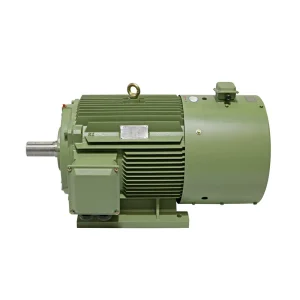
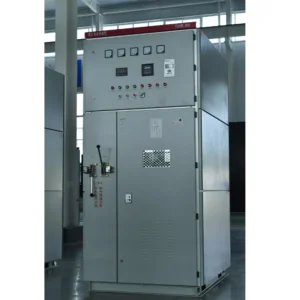
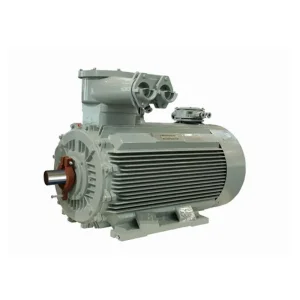
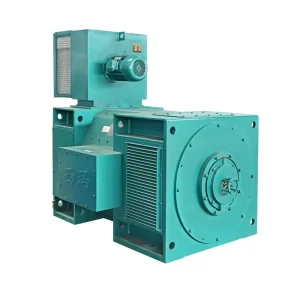
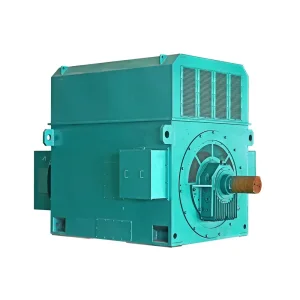
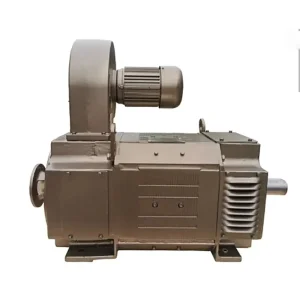
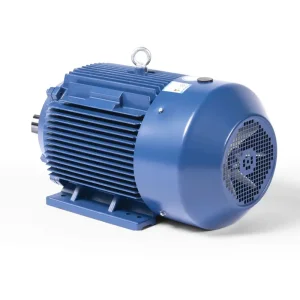
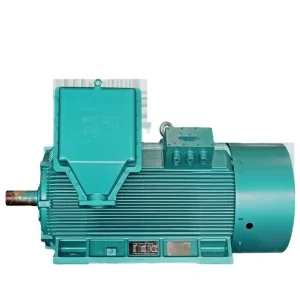
Explore our premium-grade industrial electric motors, designed for variable loads, extreme conditions, and heavy-duty applications worldwide.
In the global industrial sector, managing the inrush current of massive alternating current (AC) induction motors is one of the most critical challenges facing electrical engineers. A 3 Phase Star Delta (Y-Δ) starter serves as an optimal, cost-efficient electromechanical mitigation method that significantly minimizes initial current draws. During direct-on-line (DOL) startup, a three-phase motor can pull an inrush current up to 5 to 8 times its normal full-load current rating. This severe current spike induces thermal stress on winding insulations, causes transient voltage drops in local utility grids, and subjects mechanical linkages to disruptive starting torques.
The operational mechanics of a Star Delta starting system function by temporarily altering the winding configuration. In the initial "Star" connection stage, the voltage across each motor winding is reduced to approximately 57.7% of the line-to-line supply voltage ($1/\sqrt{3}$). Consequently, the starting current and torque are reduced to 1/3 (33.3%) of their corresponding values when connected in the standard "Delta" layout. Once the rotor accelerates to roughly 80% to 90% of its rated synchronous speed, the starter switches the configuration to "Delta," applying full line voltage across each winding and enabling the motor to operate at full power output. This dual-phase approach prolongs the structural integrity of the copper windings, the rotor assembly, and the connected mechanical components.
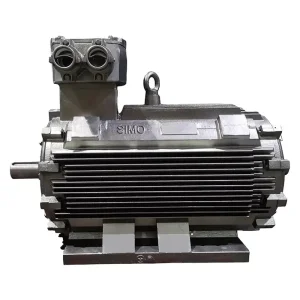
However, designing such systems requires rigorous calculation of transition timers and transient switching surges. If the transition from Star to Delta occurs too quickly, the transient current spike may equal or even exceed the direct-on-line start current, defeating the purpose of the starter. Alternatively, if the transition is delayed excessively, the motor may stall or decelerate under high mechanical loads. As a leading manufacturer with over six decades of electric motor engineering expertise, SIMO Motor designs high-voltage and low-voltage three-phase asynchronous motors optimized for seamless integration with modern Star-Delta cabinets and electronic control systems.
How different global industries leverage Star-Delta configurations in various high-demand applications.
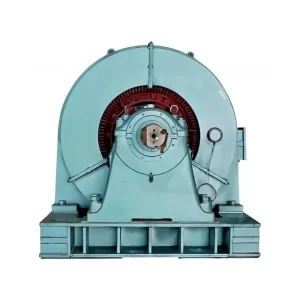
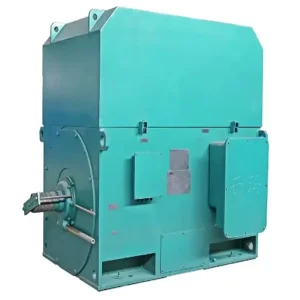
In massive milling operations, synchronous and asynchronous systems like the TDMK series require calculated starting procedures. A Star-Delta starting method prevents severe grid fluctuations at remote mine sites, allowing high-inertia mills to spool up without triggering protective relays.
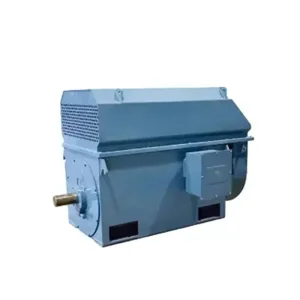
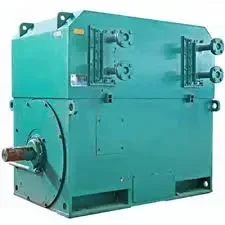
For municipal water grids using high-voltage pumps (such as our YXKS/YKS series), sudden start-up torque causes hydraulic shock waves (water hammer). Applying Star-Delta or soft-start systems smooths out the acceleration curve, saving pipes and check-valves from mechanical failure.
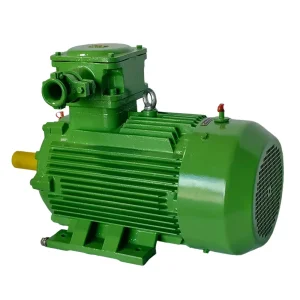
Refineries and gas processing facilities require motors (like our YBX3/YBX4/YBX5 series) that restrict internal heating. Limiting starting currents with localized Star-Delta starter architectures reduces heating in winding coils, helping maintain ATEX and IECEx temp ratings.
Xi’an Lite SIMO Motor Co., Ltd is an electric company, main enterprise specializing in the manufacturing of large/medium-sized, high/low voltage AC motors, DC motors, synchronous motor, and explosion-proof motor in the Chinese mechanical industry. SIMO is a comprehensive manufacturing and service supplier of motor design, manufacturing, mechanical processing, mold making, assembling. The Company ranks TOP in China’s motor industry as to its scale of production, and has maintained fast-growing development trend for consecutive years.

Our manufacturing capacities span the entire spectrum of industrial motor applications.
Registered Capital: 21.5 Million RMB
Fixed Assets: 380 Million RMB
Total Employees: 1200+ Personnel
Technical Engineers: 260+ Specialists
Senior/Expert Engineers: 36 Experts
Major Product Series: 34 Series
Available Varieties: 1,800+ Types
Specifications: 19,500+ Layouts
Power Range: 0.35kW to 25,000 kW
Primary Configurations: Low Voltage, High Voltage, AC, DC, Synchronous
Sectors: Mining, Metallurgy, Petrochemical, Utilities
High-Performance Lines: YX, YXKK, YXKS High Efficiency series
Explosion Proof: YBX3, YBX4, YBX5 (ATEX & IECEx Certifiable)
Variable Speed: YVFE3, YVFE4, YVFE5 Variable Frequency series
Operating from Xi'an, the historic industrial heartland of China's mechanical sector, SIMO Motor reaps the structural benefits of a comprehensive local industrial ecosystem. Our supply chain resilience lies in raw material access and localized vertical integration. From high-grade electrical steel laminations to specialized copper winding wires, all key inputs are processed within regional zones. This geographic cluster significantly curtails transportation overheads and insulates our manufacturing timelines from international logistics bottlenecks.
Our factory processes include sheet metal stamping, rotor dynamic balancing, high-vacuum pressure impregnation (VPI) of stators, and computerized test beds capable of handling multi-megawatt motor loads. This centralized engineering approach guarantees control over dimensional tolerances and structural standards. By maintaining direct ownership over critical processes, we bypass the delays of outsourced production models, ensuring predictable lead times and reliable quality.
The technology roadmap for high-power electric motors focuses on efficiency, smart diagnostics, and material optimization. In alignment with global environmental standards like the EU's Ecodesign requirements, SIMO Motor is developing high-efficiency IE4 and IE5 asynchronous motor series. High-efficiency motors consume less energy and generate less internal heat, extending insulation life and reducing thermal degradation under cyclic starting stress.
We are also integrating smart, IoT-enabled diagnostic systems directly into our motor housings. Vibration sensors, thermal couples, and winding resistance telemetry can stream real-time operational data to predictive maintenance platforms. When coupled with automated Star-Delta control panels or soft-starters, this telemetry helps recognize anomalies (such as unbalanced phase voltages, winding degradation, or mechanical overload) before they lead to catastrophic equipment failures.
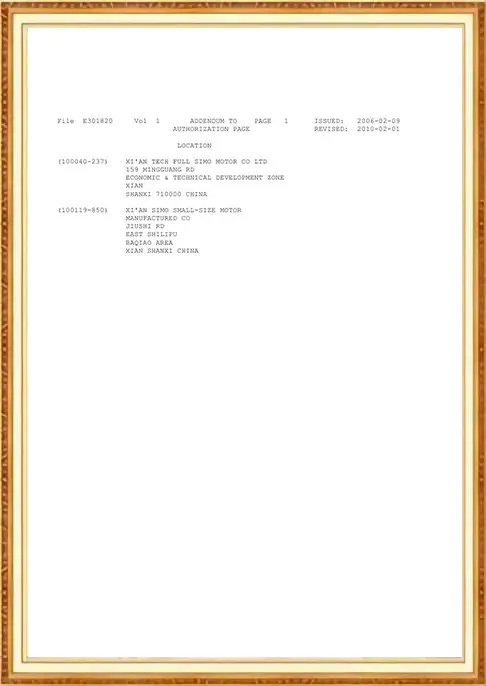
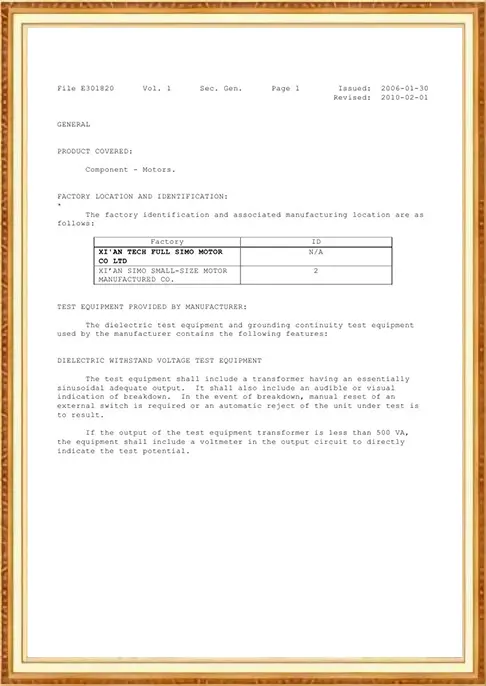
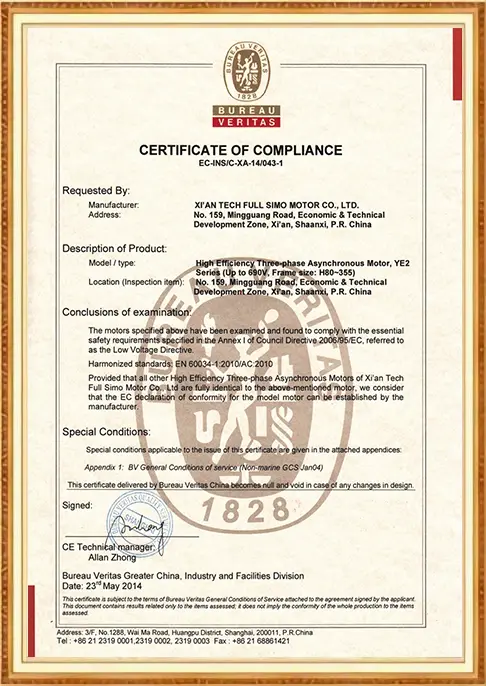
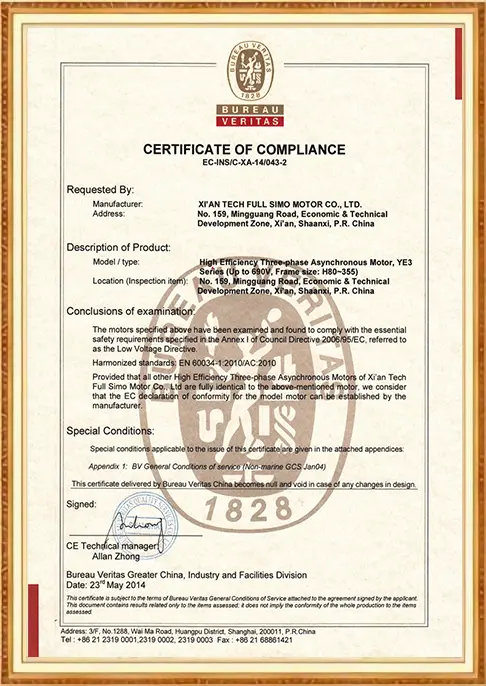
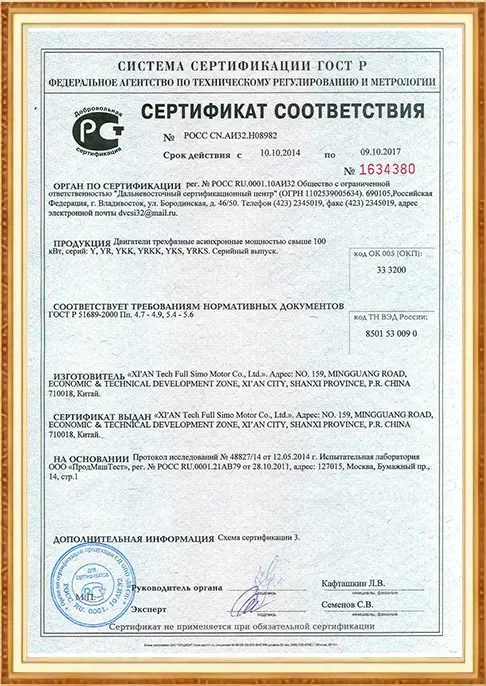
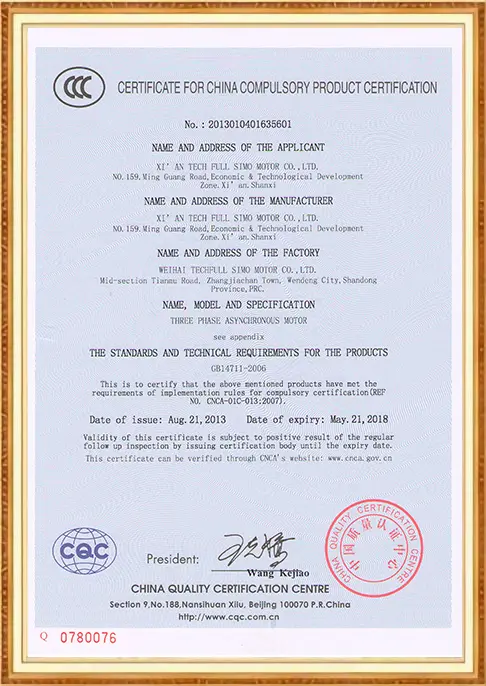
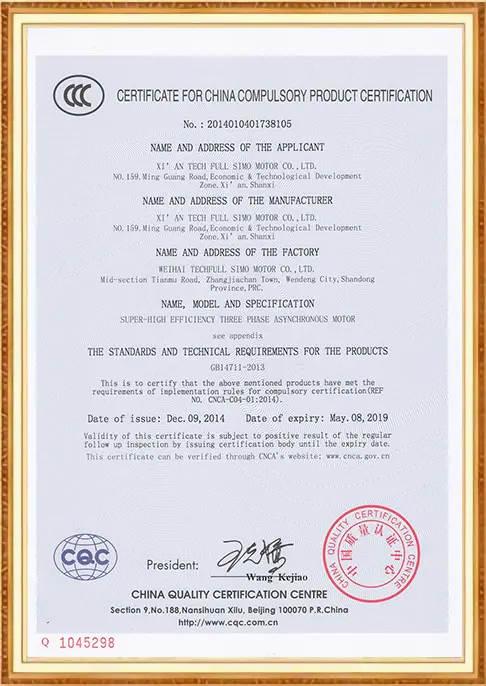
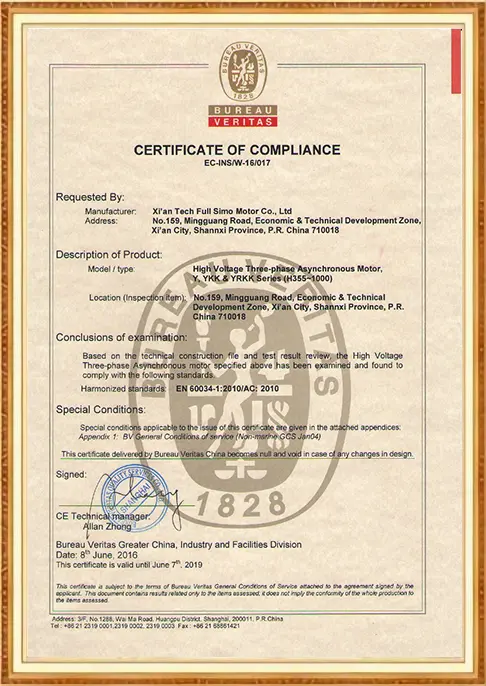
Our manufacturing plants strictly adhere to global quality control systems.
Expert technical answers regarding 3-Phase Star-Delta motors and startup topologies.
At startup, the rotor is static. The relative motion between the stator magnetic field and the rotor conductors is at its maximum, inducing high EMF and rotor currents. As the rotor accelerates, this relative velocity drops, reducing current draw down to nominal operating levels.
No. The motor must be designed with both ends of all three stator windings brought out to external terminal blocks. For Star-Delta operation, the motor's normal operating connection must be Delta, and the stator winding insulation rating must handle the delta-connection voltage levels.
The transition delay is typically set to switch once the rotor reaches approximately 80% to 90% of its rated operating speed, which usually takes between 5 to 15 seconds depending on load inertia. Adjusting this timing optimizes transition torque and minimizes switching currents.
Star-Delta starting reduces current draw to 33.3%, which significantly lowers the electromagnetic forces between winding coils and reduces local resistive heating ($I^2R$), protecting insulation layers from thermal degradation.
Closed-transition starters use auxiliary resistors to keep the motor windings energized during the Star-to-Delta transition phase. This minimizes the transient current spike that occurs when switching configurations, reducing mechanical shocks.
Our complete line of synchronous, asynchronous, and high-voltage three-phase motor systems.
 Lite Simo