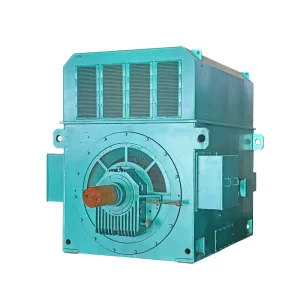
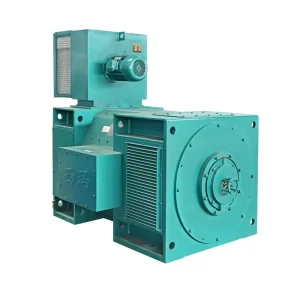
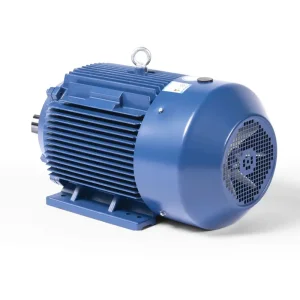
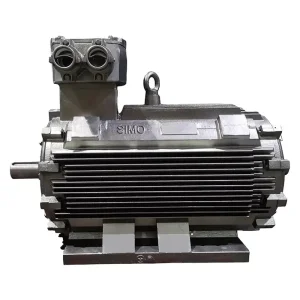
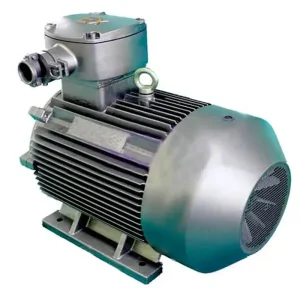
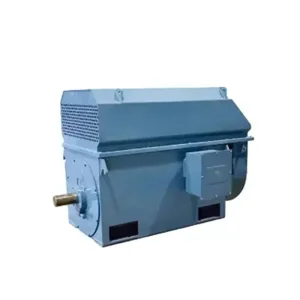
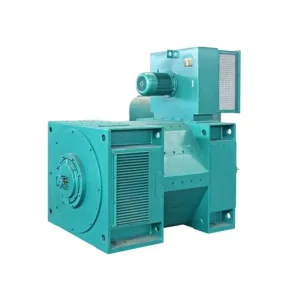
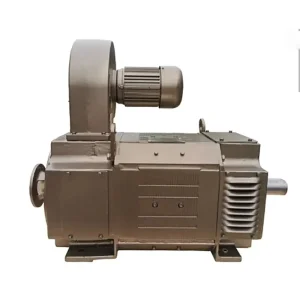
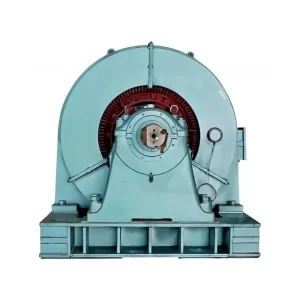
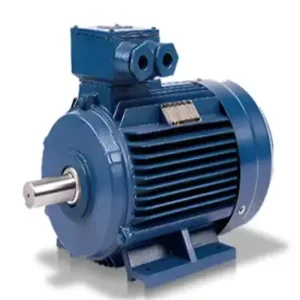
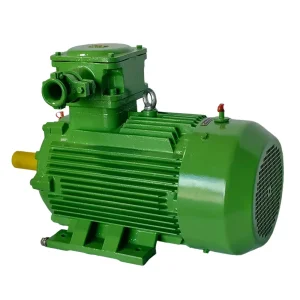
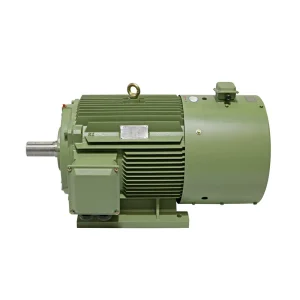
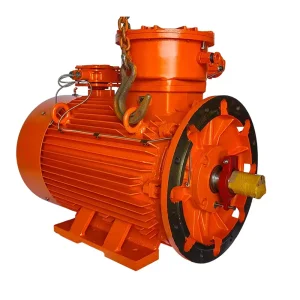
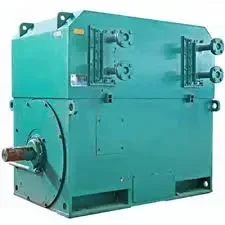
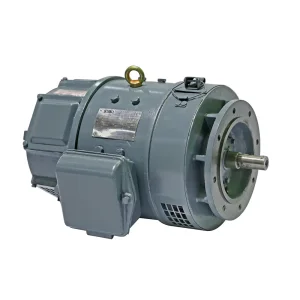
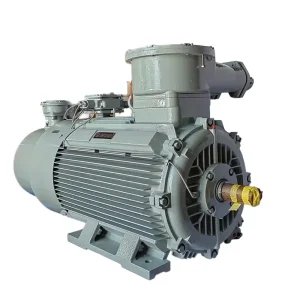
High-efficiency, custom-configured induction, synchronous, and DC drive motors engineered for extreme industrial duty and continuous cooling applications.
An authoritative analysis of thermal management drives across power generation, petrochemicals, mining, and heavy manufacturing sectors.
Across the globe, industrial process systems generate enormous thermal loads that must be dissipated to maintain chemical balance, ensure mechanical integrity, and prevent catastrophic failures. Whether in massive petrochemical refineries, multi-gigawatt power plants, or deep underground mining operations, air-cooled heat exchangers (ACHEs) and wet cooling towers serve as the unsung lungs of heavy industry. The absolute reliability of these systems is fundamentally dependent on the performance of the electric motors that drive their massive fan blades.
A failure in a cooling tower motor does not merely constitute a single component outage; it frequently triggers automatic process shutdowns, leading to downstream production bottlenecks, safety relief valve activations, and tens of thousands of dollars in lost revenue per hour. As global temperatures fluctuate and industrial efficiency targets tighten, procurement departments face the complex challenge of sourcing industrial cooler motors that offer a delicate balance of extreme environmental durability, high energy efficiency, and low total cost of ownership (TCO).
The global regulatory landscape is aggressively shifting away from standard efficiency motors. In regions like the European Union and North America, minimum energy performance standards (MEPS) have progressed to IE3 and IE4 efficiency levels, with forward-looking organizations already preparing for IE5 standards. High-efficiency motors, such as the YE4 and YE5 series induction motors, utilize superior electrical steel laminations, optimized copper slot-fill ratios, and advanced rotor designs to significantly reduce copper and core losses.
Integrating Variable Frequency Drives (VFD) via motors like the YVFE3 and YJP series allows speed adjustment based on ambient temperatures, yielding up to 40% energy savings annually.
For hazardous, volatile locations, motors like the YBX3, YBX4, and YBX5 are designed with explosion-proof enclosures to prevent ignition of external flammable gases.
Industrial cooler motors operating in corrosive environments feature IP55/IP56 protection, anti-corrosive coatings, Class F/H insulation, and specialized moisture drains.
Additionally, modern systems are moving away from traditional mechanical belt-drive configurations. Direct-drive configurations powered by low-speed, high-torque permanent magnet synchronous motors (PMSM) or specialized low-voltage synchronous motors (such as the TDMK series) eliminate gearbox energy losses, minimize belt wear maintenance, and significantly lower vibration profiles. This mechanical simplification translates directly to extended mean time between failures (MTBF), ensuring uninterrupted plant operation.
Over 60 years of engineering legacy, specialized production facilities, and class-leading motor design.

Xi’an Lite SIMO Motor Co., Ltd (LITESIMO) is a premier enterprise specializing in the manufacturing of large, medium, and small-sized high/low voltage AC motors, DC motors, synchronous motors, and explosion-proof motors within the Chinese mechanical industry. Operating as a comprehensive manufacturing and service supplier, SIMO integrates motor design, advanced mechanical processing, high-precision mold making, automated assembly, and comprehensive load-testing.
Ranked at the top of China's motor manufacturing industry in terms of scale and technical capabilities, SIMO maintains a fast-growing development trend. Leveraging more than 1,172 sets of advanced manufacturing and testing equipment, SIMO caters to critical cooling, pumping, and mechanical drive requirements globally.
With more than six decades of dedicated motor development, the company has evolved through key structural upgrades to become a global leader in high-performance drive systems.
SIMO Motor was established under government initiative, laying the groundwork for heavy mechanical component production in Xi'an.
Relocated to a newly constructed manufacturing plant in Xi'an city, scaling up production of medium-duty industrial motors.
Following a series of targeted strategic acquisitions and integrations, the company changed its name to Xi'an Motor Factory.
Reformed from a state-owned enterprise into a modern, agile limited liability company to better align with international market requirements.
The SIMO Motor Group was formed, expanding its corporate structure to encompass 14 specialized subsidiaries.
The group moved its core operations to a state-of-the-art, high-tech advanced plant, installing automated manufacturing lines.
Renamed to Tech Full Simo Motor, aligning corporate branding with premium technological exports and global operations.
Reaffirmed its position on the global stage as a tier-1 industrial motor manufacturer, servicing customers across five continents.
Fulfilling the most stringent regulatory environments to ensure seamless deployment and compliance on site.
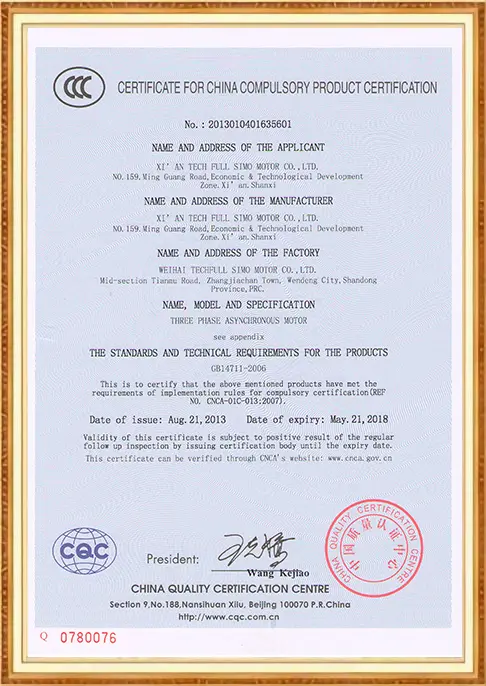
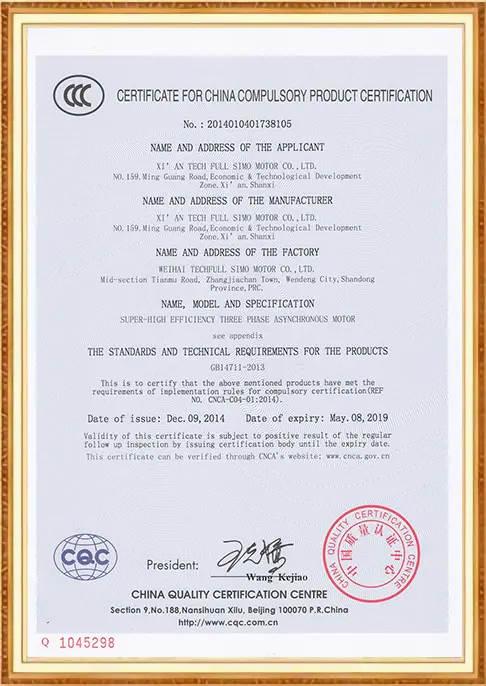
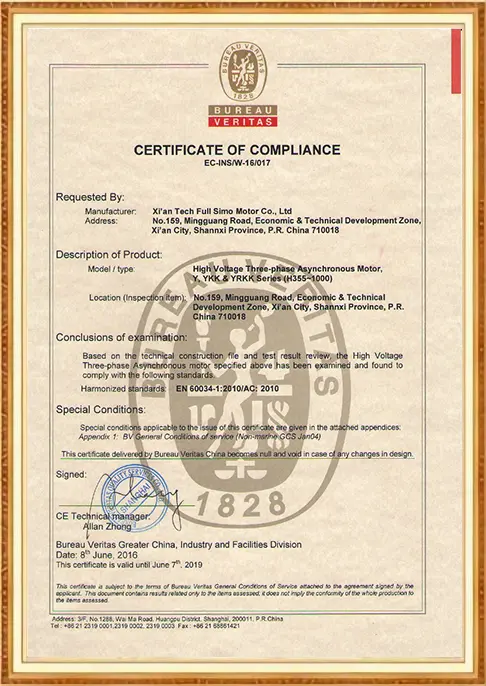
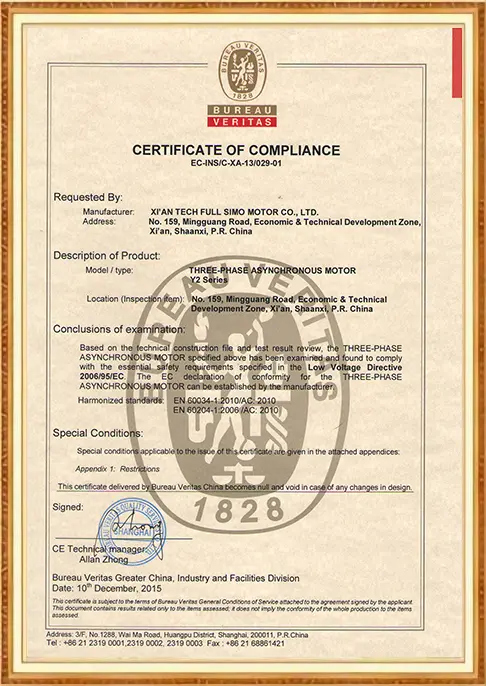
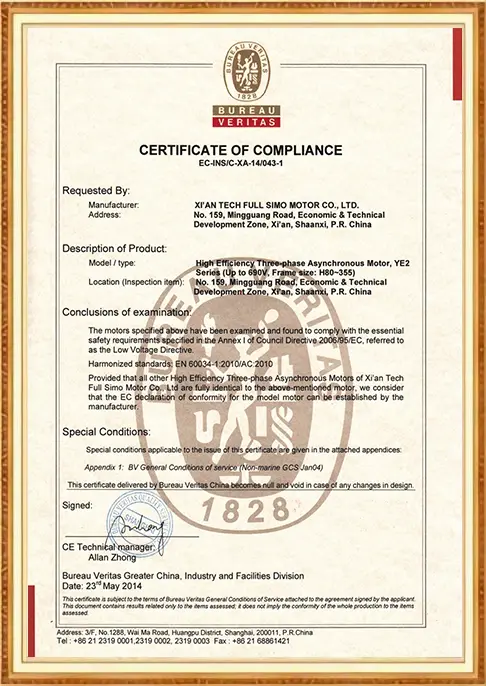
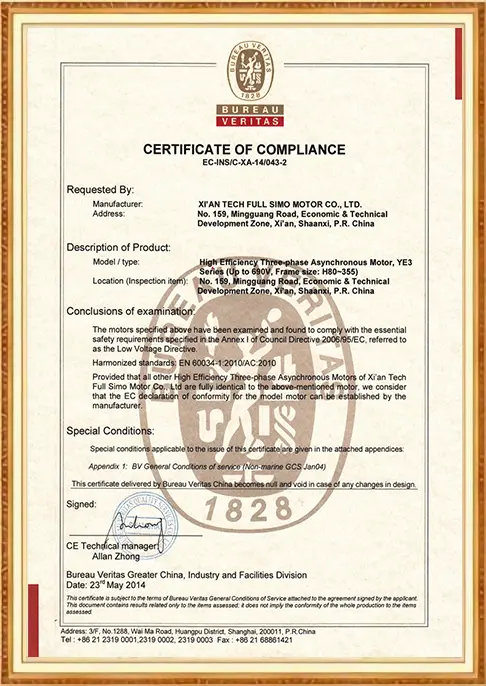
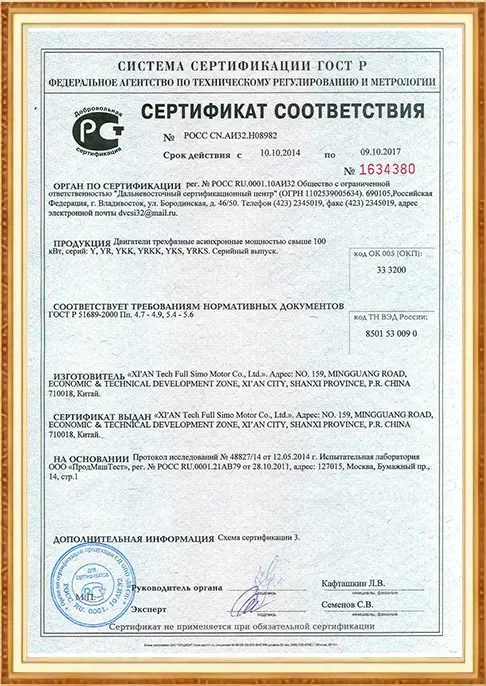
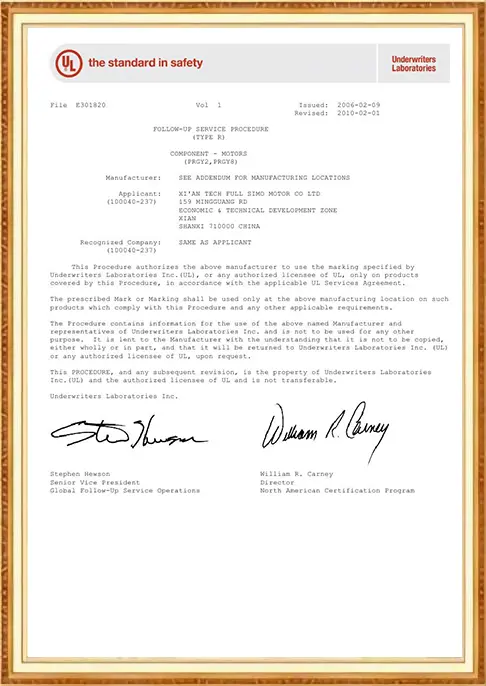
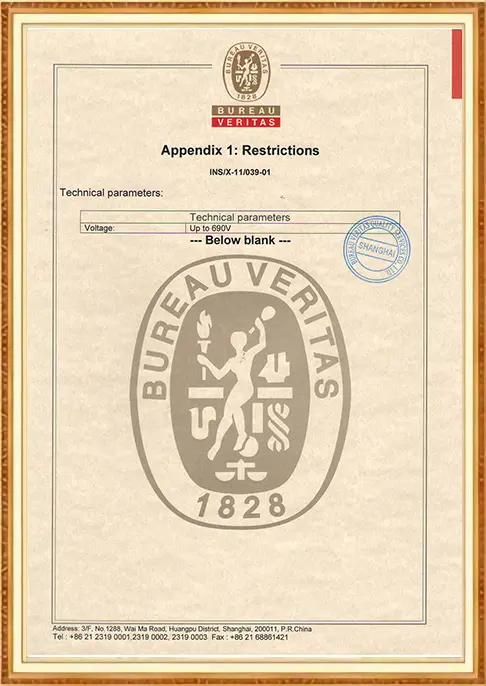
Sourcing motors for critical infrastructure requires strict adherence to international electrical, mechanical, and safety standards. Discrepancies in certifications can delay project commissioning and lead to safety violations. Xi'an Lite SIMO Motor maintains an extensive certification framework, ensuring that all equipment meets the localized requirements of global project destinations.
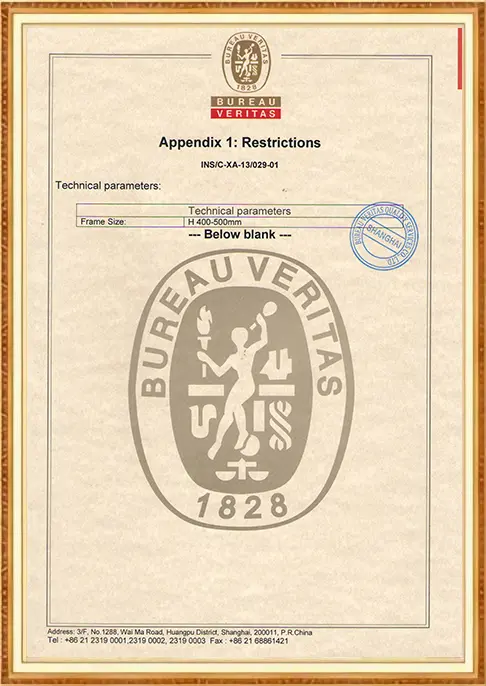
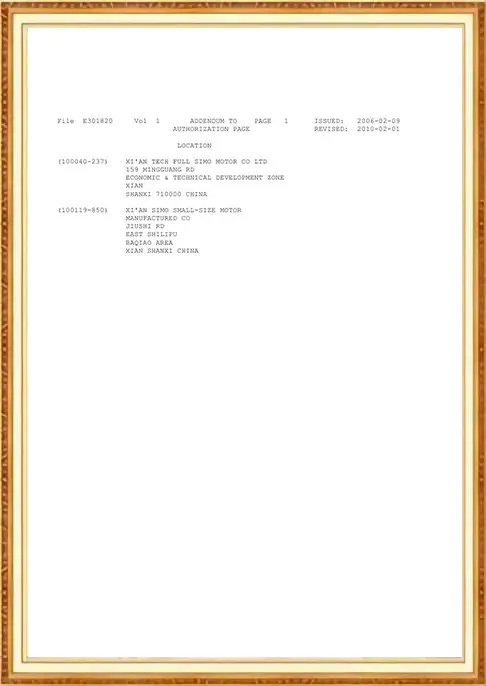
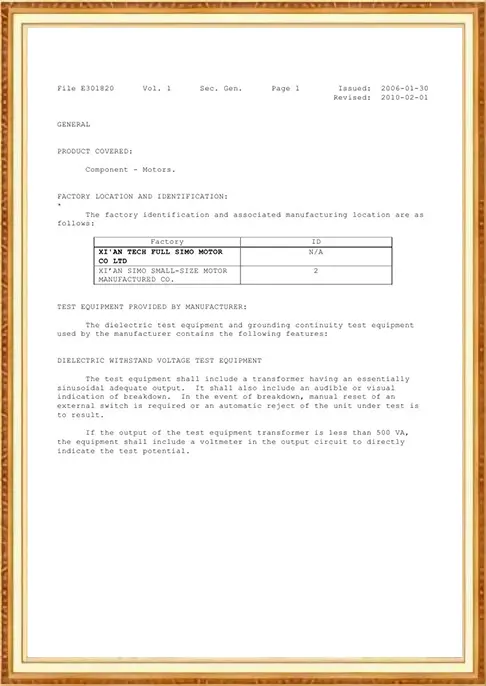
Our product lines comply with the quality management protocols of ISO9001:2015. For electrical safety and explosion protection, SIMO motors are fully certified under European Union CE directives, United States UL standards, and Russian Federation GOST protocols. This comprehensive compliance enables our motors to be deployed directly in highly regulated environments, including offshore marine vessels, Siberian petrochemical plants, and Middle Eastern desert refineries.
SIMO's vast R&D portfolio covers 34 major series, containing over 1,800 varieties and 19,500 distinct specifications. Output ratings span from 0.35kW to 25,000 kW, ensuring a suitable motor match for any application scale:
Answers to critical design and sourcing questions from engineering procurement managers and facility operators.
High-efficiency, specialized synchronous, variable-frequency, and hazard-rated motors for heavy industry plants.
 Lite Simo