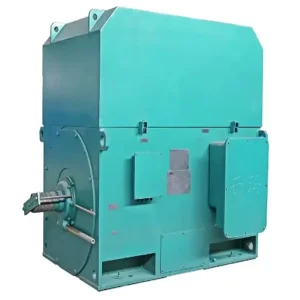
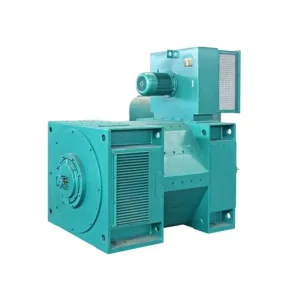
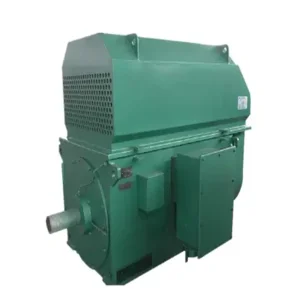
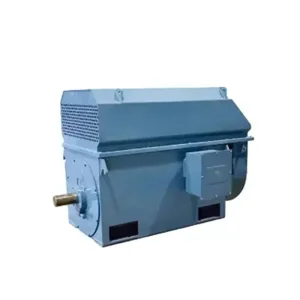
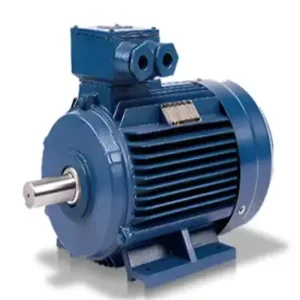
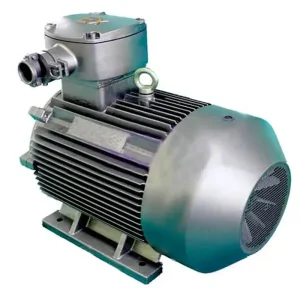
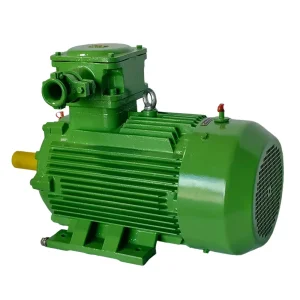
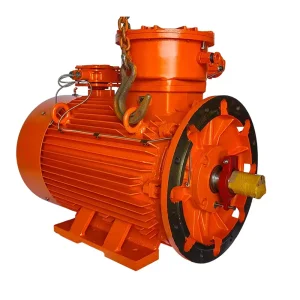
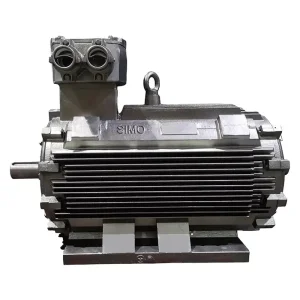
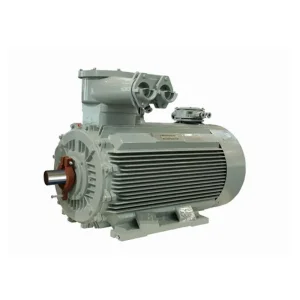
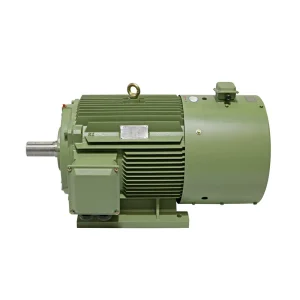
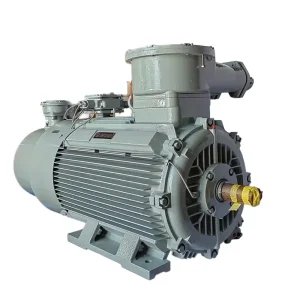
High-Quality Induction Fan Motor Company & Companies

Global Engineering Guide: Advanced Industrial Ventilation, Explosion-Proof Technologies, and Energy-Efficient System Integrations

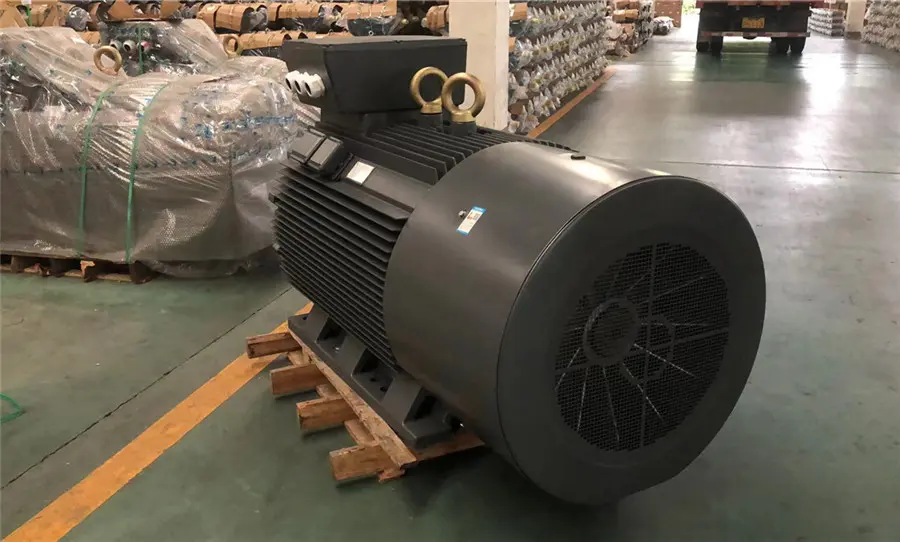
SIMO Factory manufacturing facility

LITESIMO Company: Pioneering Electric Machinery

Xi’an Lite SIMO Motor Co., Ltd. stands as a cornerstone enterprise in China’s mechanical engineering industry, specializing in the precision design, manufacture, and deployment of large, medium-sized, high and low-voltage AC/DC electric motors, synchronous generators, and flameproof/explosion-proof drive technologies. We represent a comprehensive manufacturing matrix integrating advanced R&D, mechanical processing, mold fabrication, assembly line optimization, and global service frameworks.

Recognized among the top tier of China’s motor production enterprises, SIMO has achieved sustained, fast-growing development trends through strategic infrastructure investment and strict adherence to global engineering standardizations. By optimizing the stator-rotor electromagnetic configurations and minimizing iron/copper losses, we provide high-efficiency induction solutions that significantly boost industrial process efficiency.

Top 10
Chinese Motor Scale
1200+
Active Employees
1955
Founded Year
260+
Technical Engineers
380M
Fixed Assets (RMB)
19,500+
Specs Customization

The Global Industrial Context of Induction Fan Motors

Induction fan motors are the thermodynamic workhorses of global heavy industries. Responsible for driving centrifugal blowers, axial flow fans, forced/induced draft systems, and exhaust loops, these machines consume approximately 30% of the total industrial electrical budget globally. In high-output manufacturing sectors—such as coal-fired and natural gas power plants, steel smelting, petrochemical refining, chemical engineering, and mineral mining—motor reliability translates directly to operational continuity.

Severe Energy Mandates

Under international targets like the EU Ecodesign Directive (IEC 60034-30-1 standard) and US DOE regulations, standard efficiency motors are being deprecated in favor of IE4 Super-Premium and IE5 Ultra-Premium standards to cut global carbon footprints.

Explosion-Proof Safeties

Industrial processing environments regularly present highly flammable atmospheres filled with dust, gas, or explosive mixtures. Flameproof (Ex d) and Dust-Explosion-Proof (Ex tb) motors are mandatory safety vectors to protect human capital and expensive plant infrastructure.

High Voltage Transitions

Scaling up power outputs to drive massive utility fans requires high-voltage lines (6kV, 10kV, or custom voltages). Elevating operational voltage drastically reduces copper cable sizing, thermal losses, and line-drop degradation over long plant runs.

Technological Evolution & Design Roadmap

Historically, induction motors operated at fixed line frequencies with significant throttling losses across duct dampers. Modern systems integrate Variable Frequency Drives (VFDs / VFD system setups) to dynamically adjust the stator feed frequency according to realtime flow sensor feedback. This shift has redefined key components of motor architecture:

  • Insulation Protection Systems: VFD operations subject motor windings to high voltage rises (dv/dt), causing corona discharges and premature dielectric breakdown. High-quality induction fan manufacturers use class F or H insulation, combined with vacuum pressure impregnation (VPI) resins, to isolate and strengthen the copper winding assembly against electrical fatigue.
  • Shaft Current Countermeasures: High-frequency switching within IGBT inverters induces electrostatic voltages on the motor shaft, resulting in electric discharge machining (EDM) through the bearings. Incorporating insulated ceramic bearings or shaft grounding brushes resolves this failure mechanism.
  • Aerodynamic Optimization & Enclosures: The selection of cooling methodologies (such as IC411 - self-fan surface cooled, vs. IC611 - air-to-air heat exchanger cooled, or IC81W - water-cooled) is optimized according to ambient temperatures and particulate concentrations.

Expert Engineering Focus: Quadratic Fan Load Torque Curve

Centrifugal fans operate on a quadratic load torque profile where the load torque is proportional to the square of the speed ($T \propto n^2$), and the power required scales with the cube of the speed ($P \propto n^3$). This means that a minor reduction in rotational speed using a variable-frequency induction motor can result in massive energy savings. Designing specialized motors optimized for this specific mechanical load is a key technological differentiator for SIMO.

Technical Materials: Rotor Construction & Material Science

To withstand the centrifugal stresses of high-speed draft fans, modern induction rotors utilize optimized geometries and copper-rotor bar topologies. Substituting aluminum rotor bars with oxygen-free copper bars significantly decreases rotor electrical resistance, decreasing heat load, raising rotor-stator torque conversion parameters, and advancing the system to certified IE4 / IE5 premium efficiencies.

Xi'an SIMO Motor: Decades of Engineering Legacy

Tracing our history from a state-owned industrial plant to one of the world's most trusted manufacturers of heavy-duty electric motors.

1955
SIMO Motor is established under national government direction to rebuild post-war mechanical power infrastructures.
1957
The facility relocates to a newly built, large-scale plant in the industrial district of Xi'an City, expanding initial production capacity.
1966
Following strategic state-led acquisitions and integrations, the enterprise is renamed to the state-owned Xi'an Motor Factory.
1999
Transitioning to modern corporate governance, the state-owned factory reorganizes into a joint-stock limited company.
2005
SIMO Motor Group is founded, uniting 14 specialized subsidiaries to form a massive electric machine design and manufacturing group.
2006
The group moves to a state-of-the-art, high-tech manufacturing base equipped with advanced machining center systems.
2009
The enterprise optimizes its corporate identity, changing its name to Tech Full Simo Motor to better align with international trade markets.
2019+
SIMO expands global supply networks, exporting heavy-duty asynchronous, synchronous, and Ex-motors to over 80 countries.

Manufacturing Infrastructure & Technical Assets

Equipped with 1,172 sets of high-precision machinery, SIMO guarantees the physical structural integrity of every manufactured motor.
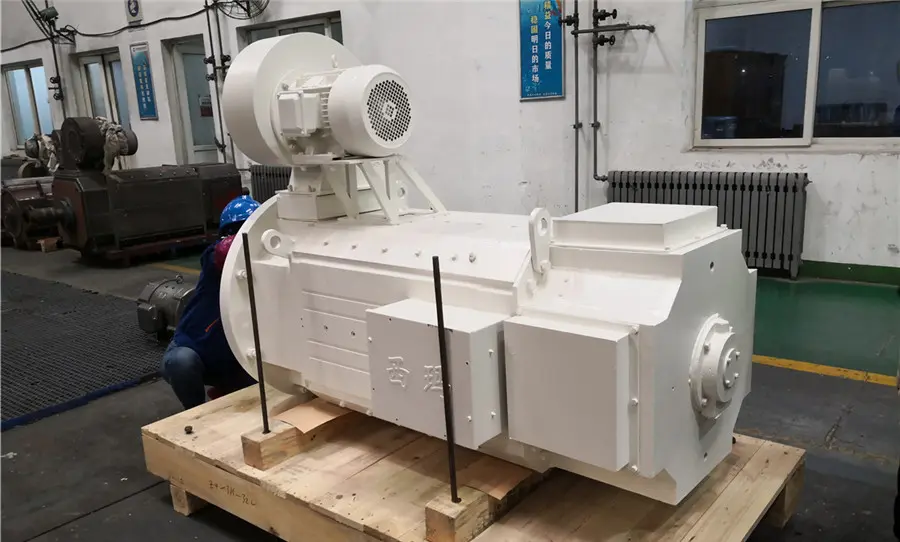
SIMO Manufacturing Facility Processing
SIMO Advanced Stator Winding Lines
Heavy Motor Testing Station
High Voltage Motor Vacuum Pressure Impregnation
Large Rotor Dynamic Balance Balancing
Industrial CNC Lathe Machining
Flameproof Housing Hydrostatic pressure test
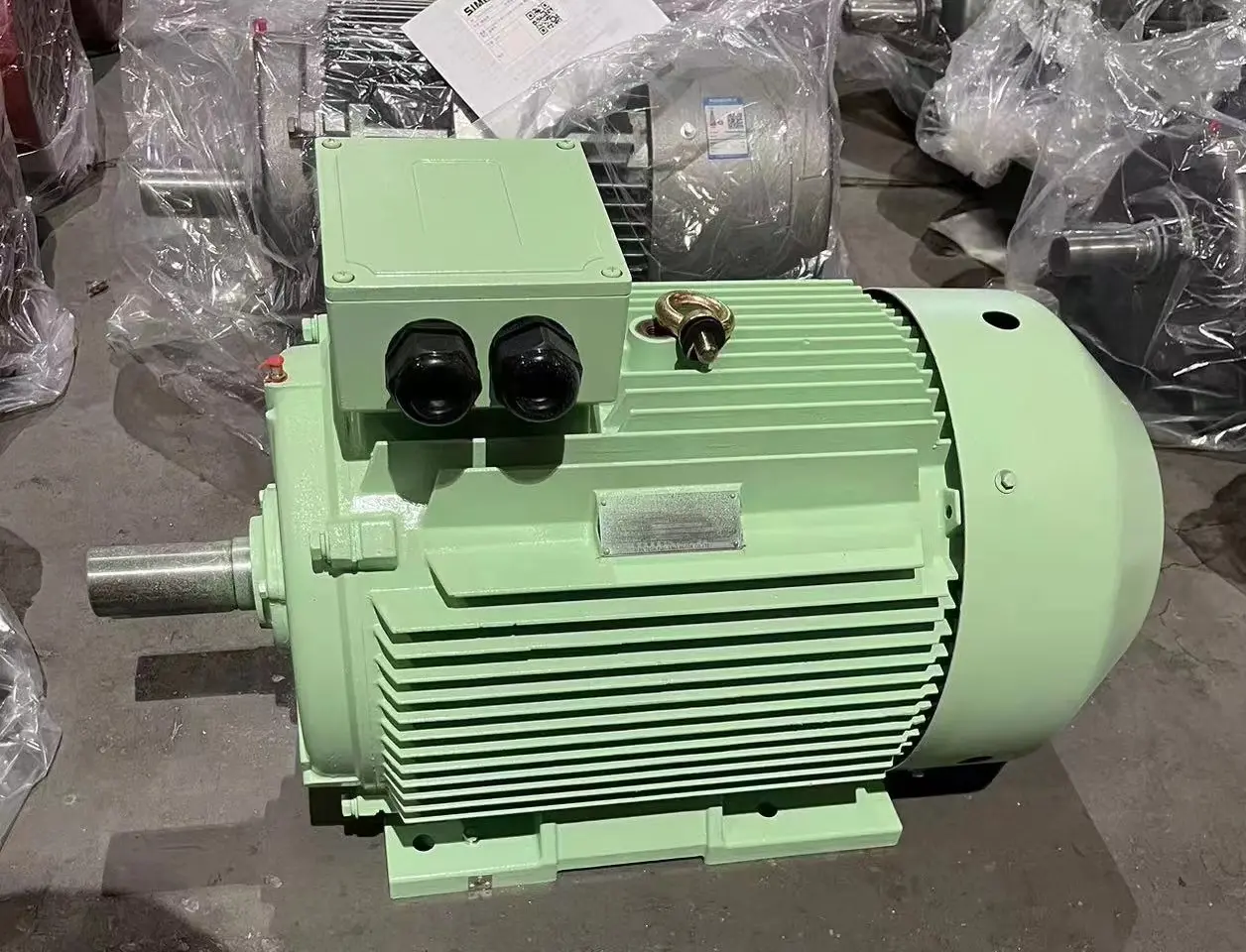
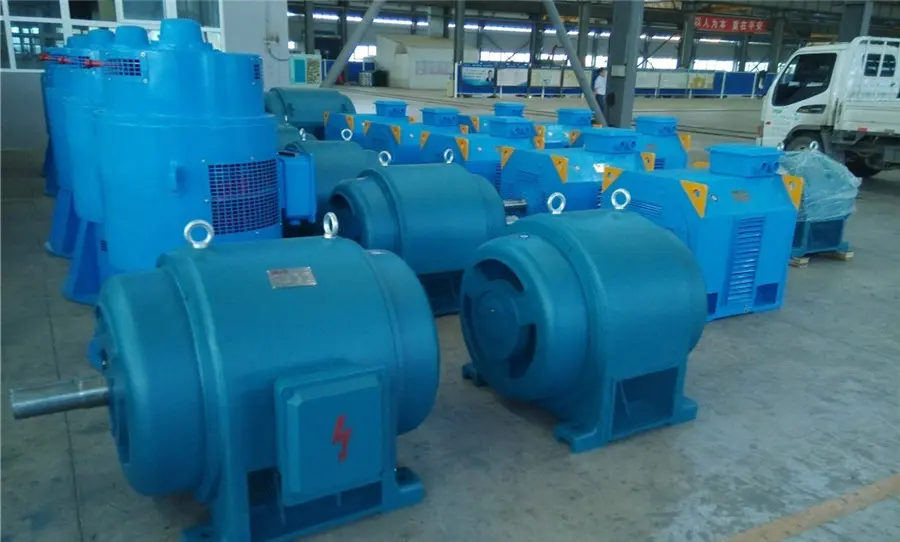
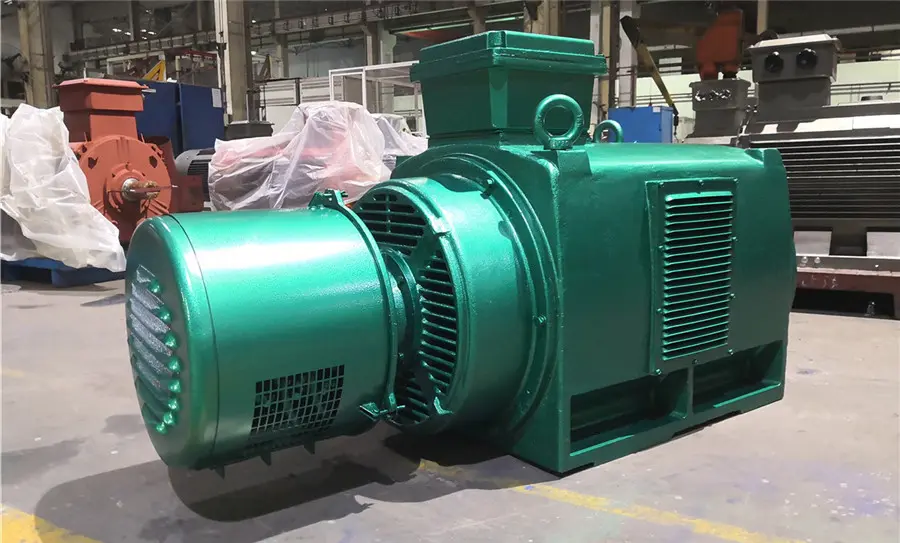
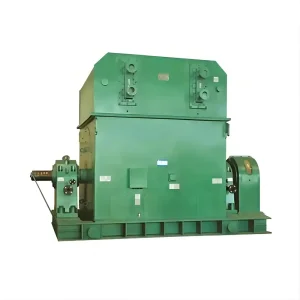
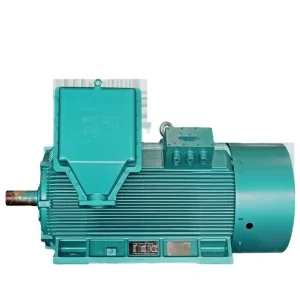
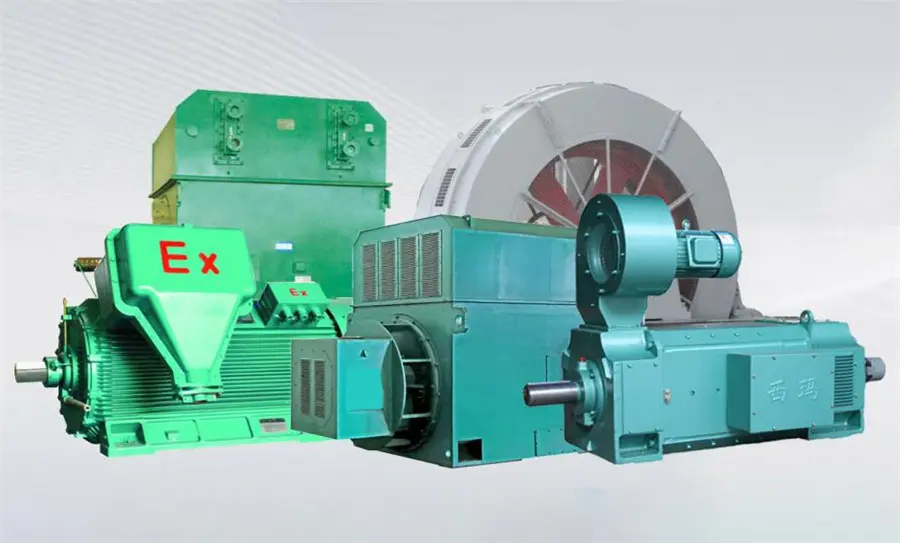
Completed SIMO High Voltage Motors

Custom Solutions & Local Application Scenarios

Industrial operations differ by environment. Fan motors must be engineered to withstand specific atmospheric, mechanical, and power quality challenges. Our tailored macro industry solutions address these distinct conditions:

1. Power Generation (Thermal & Gas Plant Boilers)

Modern coal-fired plants rely on continuous combustion air feed and toxic flue gas extraction. The forced draft (FD) and induced draft (ID) fans require multi-megawatt high-voltage motors (typically YKK/YKS series). These motors operate under heavy heat and particulate load. Our solutions include air-to-water heat exchangers (IC81W) to maintain optimal stator core temperatures and extend winding insulation life under 24/7 runtimes.

2. Underground Coal & Mineral Mining

Mines require high-volume air supply to clear toxic and combustible methane gases. The main ventilation fans must run uninterrupted to ensure worker safety. In underground environments, equipment is exposed to falling debris, high humidity, and explosive gas mixtures. Our YBK3 and YBX4/5 series flameproof motors are ATEX/IECEx certified, featuring heavy-duty cast-iron enclosures (IP55/IP65) and explosion-proof terminal boxes designed to contain any internal ignition.

3. Petrochemical and Refining Pipelines

Hydrocarbon processing creates hazardous areas (Zone 1, Zone 2, Zone 21, and Zone 22). Air-cooled heat exchangers (fin-fan coolers) require robust, variable-speed electric motors to regulate fluid temperatures. The YBBP explosion-proof variable frequency three-phase motors allow smooth speed control under varying ambient weather conditions, reducing thermal shock and preventing energy waste.

4. Metallurgy, Blast Furnaces, and Cement Kilns

Blast furnaces require massive quantities of air, driven by large centrifugal blower systems. In cement production, process fans handle abrasive clinker dust and high exhaust temperatures. We supply large-scale T series synchronous motors and YR series slip-ring induction motors. These provide high starting torque with low starting current, allowing smooth starting of high-inertia fan loads without causing voltage dips on the local power grid.

Our Comprehensive Product Range

With an extensive R&D catalog covering 34 major series, more than 1,800 varieties, and 19,500 individual specifications, SIMO spans a power envelope from 0.35kW to 25,000kW. The portfolio includes:

  • YX, YXKK, YXKS Series: High-voltage, high-efficiency three-phase asynchronous motors.
  • YR, YRKK, YRKS Series: Wound rotor (slip-ring) high-voltage motors for controlled start-up.
  • YE3, YE4, YE5 Series: High-efficiency low-voltage three-phase asynchronous motors.
  • VFD Series (YVFE3, YVFE4, YVFE5): Variable-frequency speed-regulating motors.
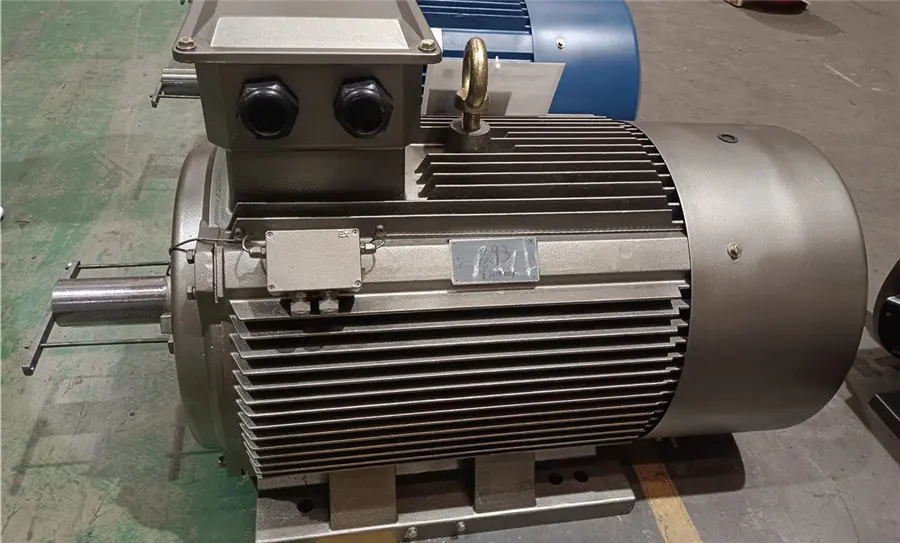
  • Explosion-Proof Series (YBX3, YBX4, YBX5): Flameproof low and high-voltage motors.
  • Synchronous Series (T, TD, TK, TDMK): Large-scale synchronous motors and generators (TFW series, 350-5000kW).
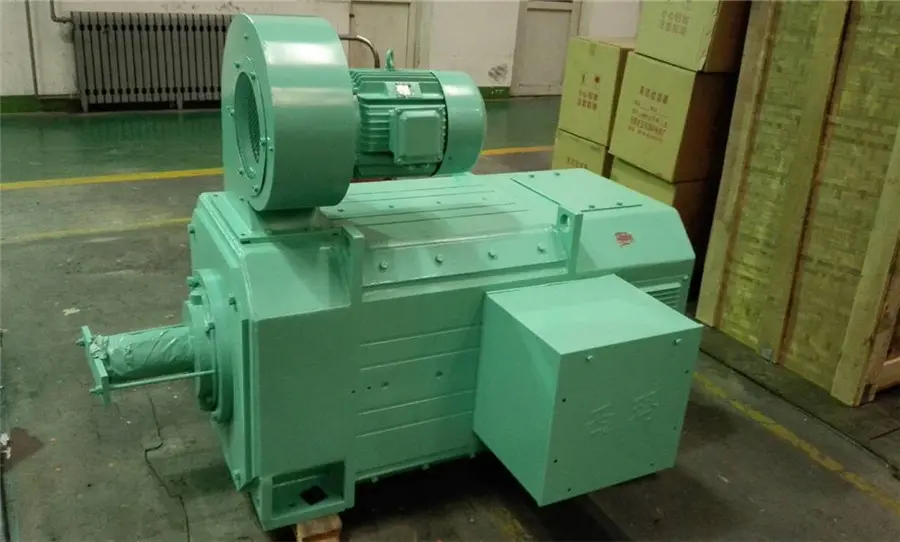
  • DC Series (Z2, Z4, Z): Traditional heavy-duty DC motors for precise speed regulation.

Certified Safety & Quality Management Systems

SIMO's manufacturing processes meet leading international standards, ensuring safe operation in critical industrial applications.
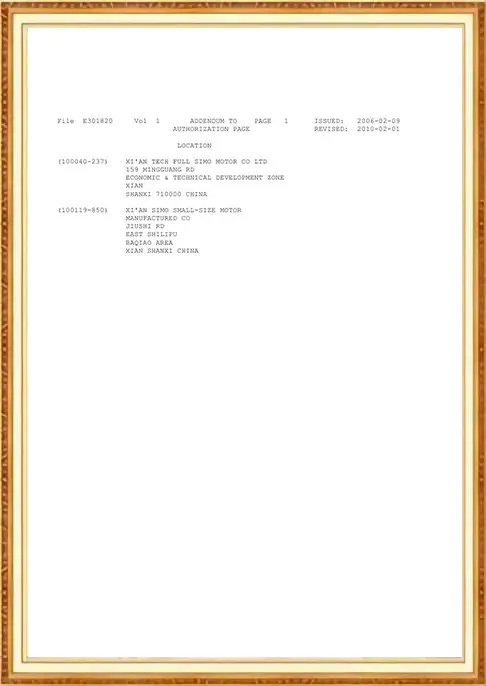
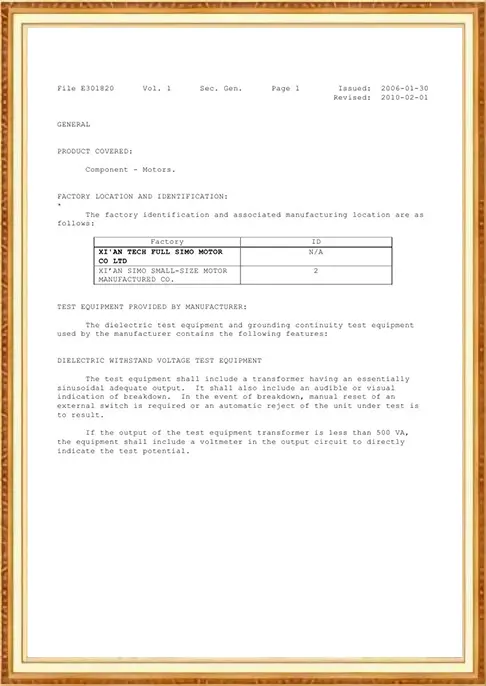
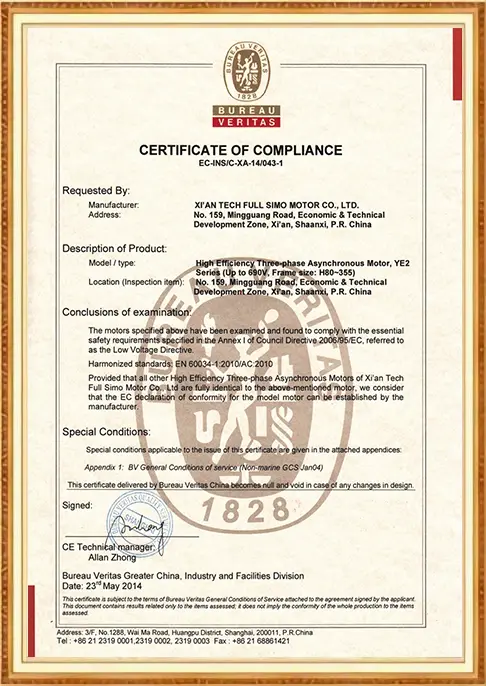
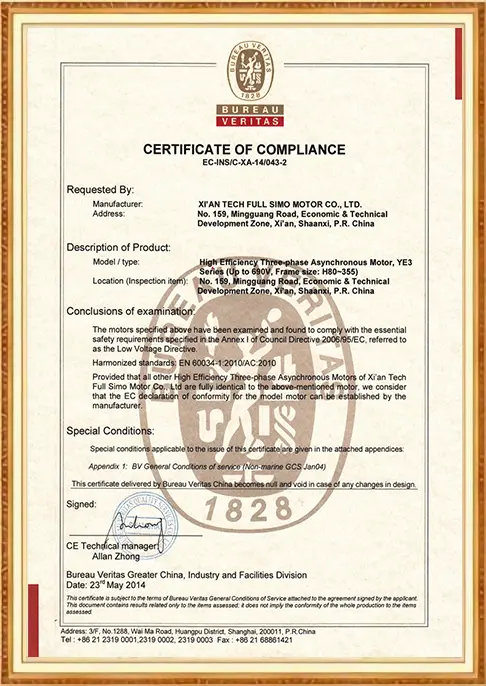
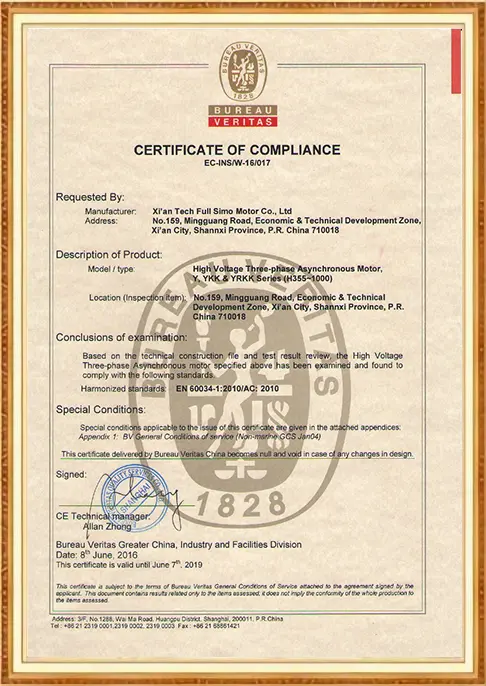
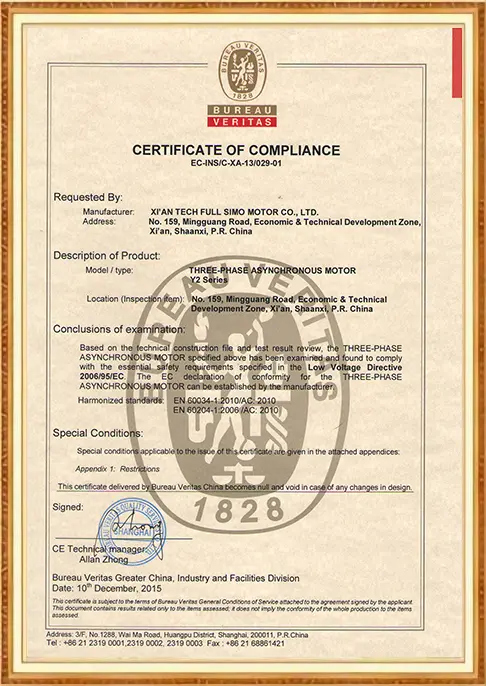
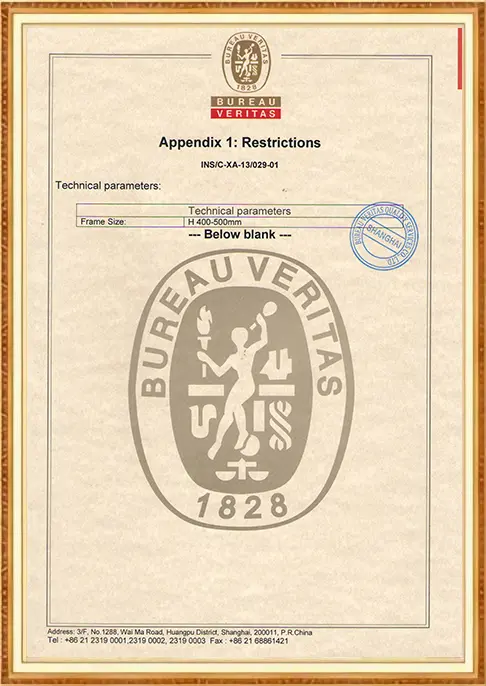
Quality Certificate CE
Quality Certificate ISO9001
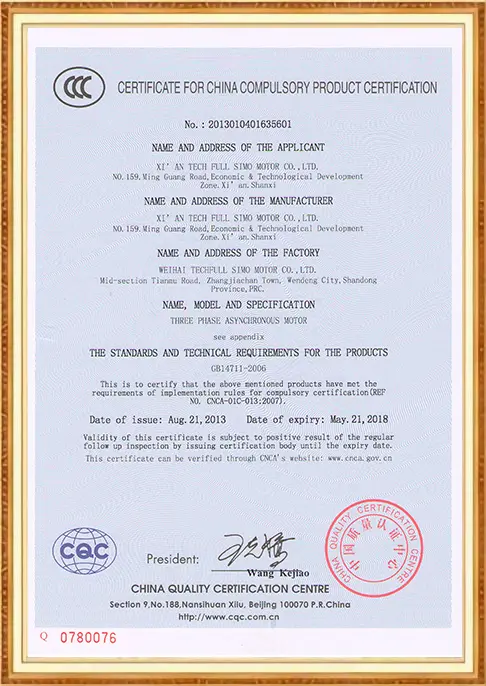
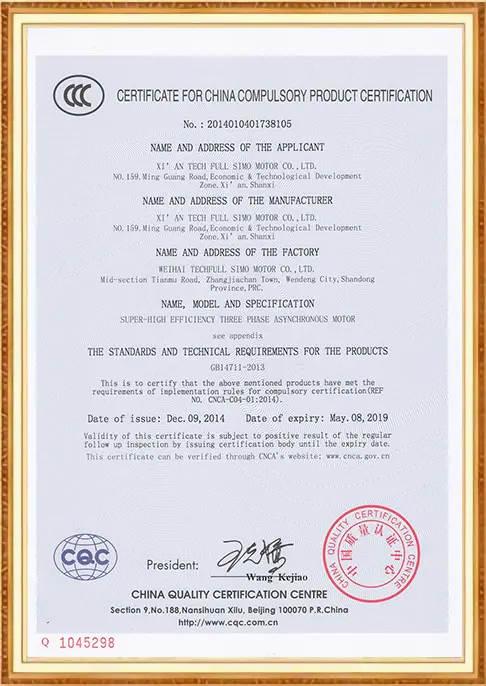
Quality Certificate CCC
Quality Certificate CQC
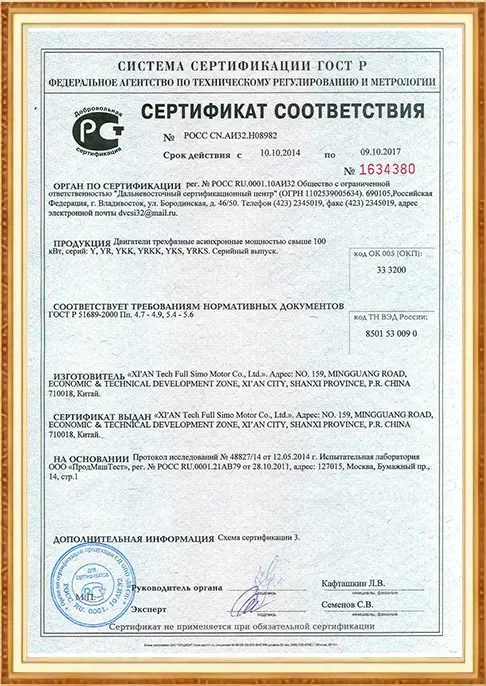
Quality Certificate GOST
Factory Certificate 1
Factory Certificate 2
Factory Certificate 3
Factory Certificate 4
Factory Certificate 5

Our electrical motors hold certifications including ISO9001 Quality System Certification, EU "CE", US "UL", and Russian "GOST". These systems are widely deployed in mining, oil and gas, heavy chemical processing, railway traction, and water conservancy across major international markets.

Industrial Q&A: Choosing the Right Induction Fan Motor

Common questions from field engineers regarding induction fan motors, high-voltage setups, and explosion-proof designs.

Q1. How does YKK compare to YKS cooling systems for high-voltage motors?
The primary difference lies in the cooling medium and design. YKK series motors use air-to-air cooling (IC611), featuring an external tubular heat exchanger that circulates internal air through tubes cooled by ambient air. This makes them highly suitable for outdoor installations or dusty environments. In contrast, YKS series motors feature air-to-water cooling (IC81W), using water heat exchangers. YKS motors have smaller footprints and run quieter, but they require a steady supply of treated cooling water, making them ideal for indoor installations with access to cooling loops.
Q2. What is the advantage of choosing a 10kV motor over a 6kV motor?
For high-capacity fans (typically above 1,000kW), upgrading to a 10kV line voltage reduces the operating current ($I = P / (\sqrt{3} \cdot V \cdot \cos\phi \cdot \eta)$). Lower current allows for smaller conductor cross-sections, simpler switchgear, and reduced copper losses ($I^2R$). However, 10kV motors require thicker insulation systems, slightly increasing the overall size of the stator core. The decision depends on the plant's existing substation setup and cabling distances.
Q3. How do flameproof (Ex d) and dust-explosion-proof (Ex t) motors prevent ignition?
A flameproof (Ex d / Ex d e) motor is designed to contain any internal gas explosion within its casing. The mating joints (flamepaths) are machined to precise tolerances to cool escaping combustion gases, preventing them from igniting the surrounding hazardous atmosphere. A dust-explosion-proof (Ex tb / Ex tc) motor, however, relies on tight sealing (IP65 or IP66 enclosures) and thermal limits to prevent explosive coal, grain, or metal dust from entering the housing or contacting hot internal components.
Q4. Can standard induction motors be operated on VFDs without modification?
Standard motors should not be operated on VFDs without precaution. VFD switching frequencies generate high voltage rises (dv/dt) that can degrade typical stator insulation. Prolonged low-speed operation also reduces the effectiveness of shaft-mounted cooling fans, risking thermal overload. A VFD-rated motor, such as our YVFE3 / YBBP series, features Class F or H insulation, corona-resistant magnet wire, independent cooling blower units (IC416), and insulated bearings to protect against shaft currents.
Q5. Why are synchronous motors (T series) chosen for large industrial fan applications?
For high-capacity fans requiring multi-megawatt power, T series large synchronous motors offer significant benefits. Unlike asynchronous motors, they can operate at a leading power factor ($\cos\phi$), providing reactive power compensation to the local grid. This improves voltage stability and reduces grid losses, helping facilities avoid low-power-factor penalties.