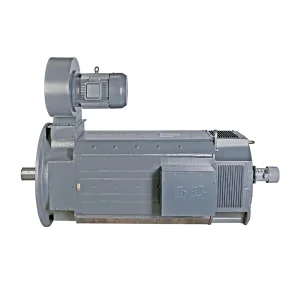
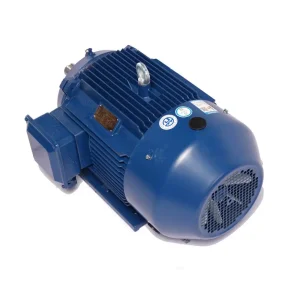
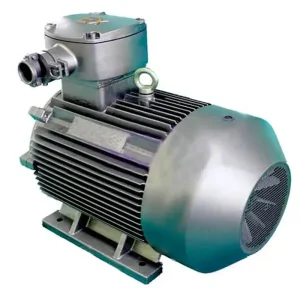
High-efficiency, heavy-duty electrical machinery engineering designed to deliver maximum operational reliability.
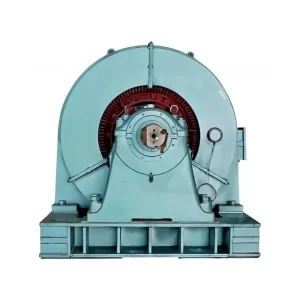
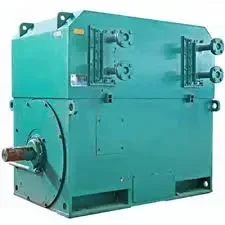
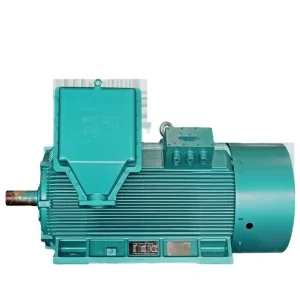
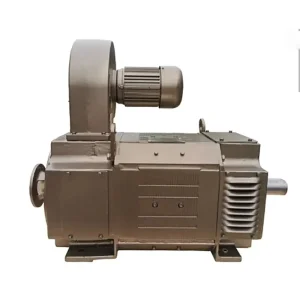
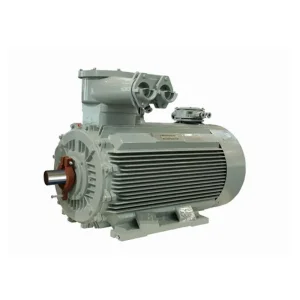
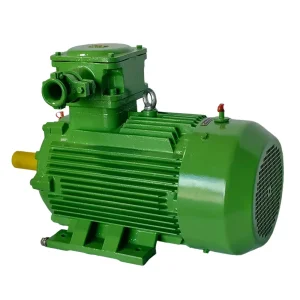
Executive Abstract: Slip induction motors, commonly referred to as wound rotor induction motors (WRIMs), represent a foundational pillar of heavy-duty industrial drive applications. Unlike their squirrel-cage counterparts, slip induction motors feature a rotor structure wound with insulated copper coils that terminate at external slip rings. This unique geometry allows for the introduction of adjustable external resistance, providing an exceptional torque-speed footprint, characterized by a minimized starting current and an extremely high starting torque. This whitepaper systematically evaluates the thermodynamic, electromagnetic, and structural parameters of slip induction motors, offering an analytical perspective on the design, optimization, and global deployment of these systems by industry-leading manufacturer Xi'an Lite SIMO Motor Co., Ltd.
Electromagnetic Mechanics, Torque Vector Control, and Slip Optimization Dynamics
By connecting an external resistor bank to the rotor winding circuit via carbon brushes, slip induction motors can shift the point of maximum breakdown torque. Consequently, maximum torque is available right at zero speed ($s = 1$), mitigating severe structural impacts on mechanical drive lines during heavy equipment start-ups.
Direct-on-line (DOL) starts in standard cage motors typically yield currents up to 600-800% of full-load values. With slip-ring resistance insertion, current spikes are restricted to around 150-250%, saving local grid networks from voltage sags and thermal overload.
Slip ($s$) represents the differential between the synchronous magnetic field and actual physical rotor velocity. Continuous operational slip adjustment allows these motors to operate under heavy shock load systems such as ore mills and metal shredders without tripping.
In a traditional squirrel cage motor, the impedance of the rotor cage is fixed, heavily limiting starting and running optimization to pre-cast geometry. Slip-ring designs break this physical boundary by externalizing rotor terminals. The total rotor loop impedance becomes:
Where R2 is the internal rotor winding resistance, Rext is the adjustable resistance inserted via the slip-ring assembly, and s • X2 represents the frequency-dependent rotor reactance. By shifting Rext from maximum to zero during startup, the motor moves along a continuous path of optimized torque curves, minimizing structural and electrical wear.
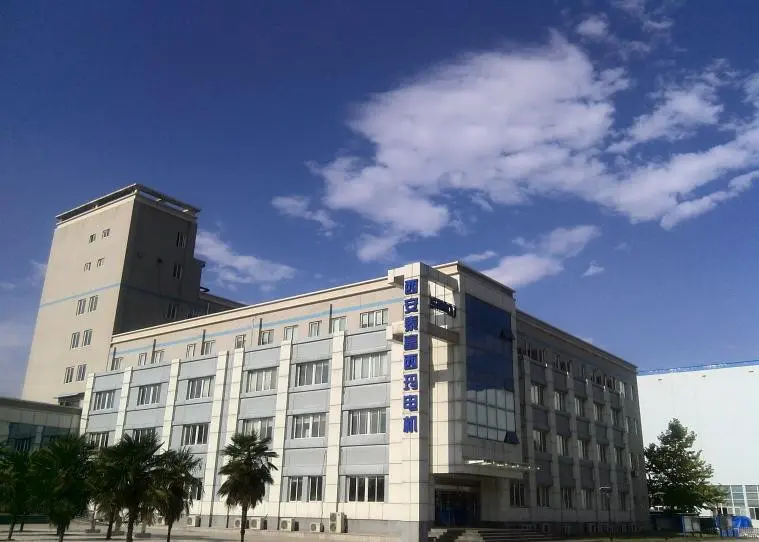
Xi’an Lite SIMO Motor Co., Ltd is an electric company, main enterprise specializing in the manufacturing of large/medium-sized, high/low voltage AC motors, DC motors, synchronous motor, and explosion-proof motor in the Chinese mechanical industry. SIMO is a comprehensive manufacturing and service supplier of motor design, manufacturing, mechanical processing, mold making, assembling. The Company ranks TOP in China’s motor industry as to its scale of production, and has maintained fast-growing development trend for consecutive years.
Founded originally in 1955, SIMO has amassed over six decades of expertise in heavy rotational engineering. With 3 production bases, 1 dedicated subsidiary, 380 million RMB in fixed assets, and over 1172 sets of high-precision manufacturing equipment, SIMO serves as an international benchmark for motor manufacturing.
Next-Generation Engineering Paradigms for Wound Rotor Machinery
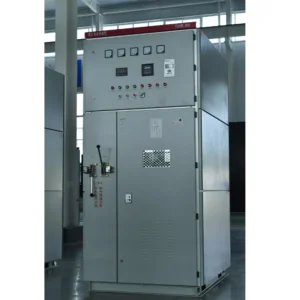
By pairing slip induction motors with digital LRS systems, the transition of resistance during startup becomes continuous and linear. Modern digital sensors track electrolyte temperature, adjustment speeds, and conductivity to ensure zero step-shocks on high-voltage grids.
To reduce brush-wear maintenance, new material formulations combine synthetic copper-graphite matrices with micro-lubricants. Sealed slip-ring compartments prevent dust ingress and carbon accumulation, increasing mean time between maintenance (MTBM) by over 200%.
For applications where torque control is only necessary during startup, automatic brush-lifting mechanisms short-circuit the slip rings internally once the motor reaches normal operational speeds, completely lifting the carbon brushes to eliminate frictional wear during runtime.
Understanding which motor system to deploy is critical for engineering planners. The following table showcases how slip-ring motors contrast with standard squirrel-cage induction systems:
| Performance Parameter | Slip Induction Motor (Wound Rotor) | Squirrel-Cage Induction Motor |
|---|---|---|
| Starting Torque capability | Adjustable, up to 250-300% of rated torque at 0 speed. | Fixed, typically 100-150% depending on rotor bar geometry. |
| Inrush Starting Current | 1.5 to 2.5 times nominal current (highly controllable). | 6 to 8 times nominal current (requires VFD or large soft starter). |
| Speed Control Flexibility | High adjustment range through external rotor resistor control. | Extremely limited without dedicated high-power VFD units. |
| Thermal Load Distribution | Frictional heat from starting is dissipated in external resistor banks. | All heat is dissipated within the internal rotor structure. |
| Capital Investment (Capex) | Higher initial mechanical cost; lower system electrical startup cost. | Lower mechanical cost; high electrical cost for soft starter / VFD. |
Why Industrial Enterprises Choose Xi'an SIMO for Heavy Electrical Systems
At our Xi'an industrial complex, raw copper wire drawing, lamination stamping of cold-rolled silicon steel sheets, shell casting, rotor winding, VPI insulation treatment, and load testing are executed under one unified quality management protocol. This reduces supply bottlenecks and guarantees part compatibility.
SIMO houses 3 massive factories, with raw engineering power driving a product portfolio spanning 34 series, over 1,800 varieties, and 19,500 distinct frame size specifications. Output ranges from 0.35 kW to 25,000 kW, supporting power configurations of 380V up to 13.8kV.
Each custom wound rotor motor undergoes rigorous testing in our ISO-accredited testing lab, covering rotor balance calibration, insulation withstand testing, heat-run temperature assessments, and harmonic waveform diagnostics to ensure trouble-free installation onsite.
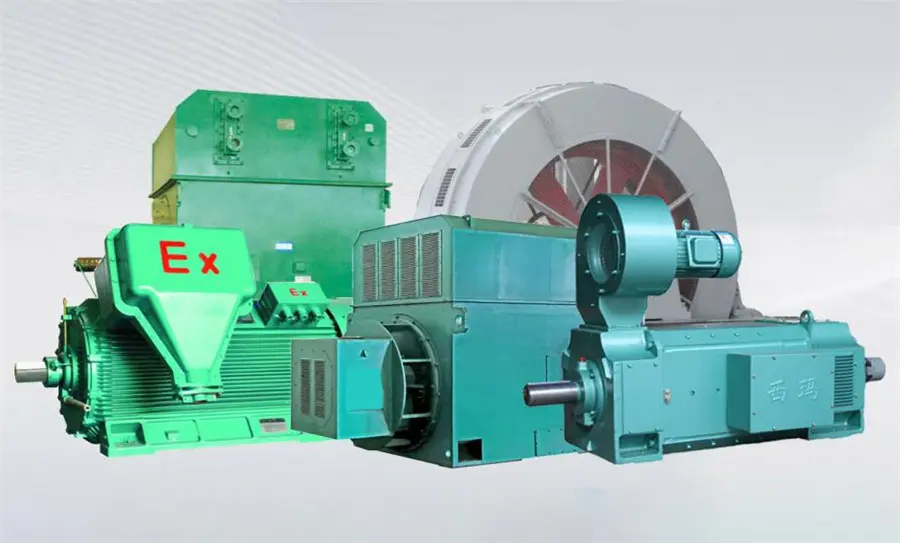
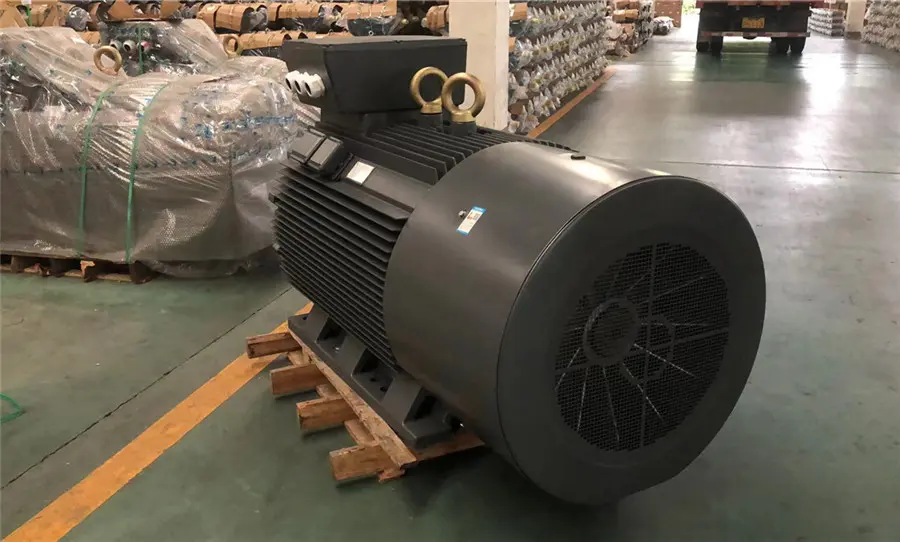
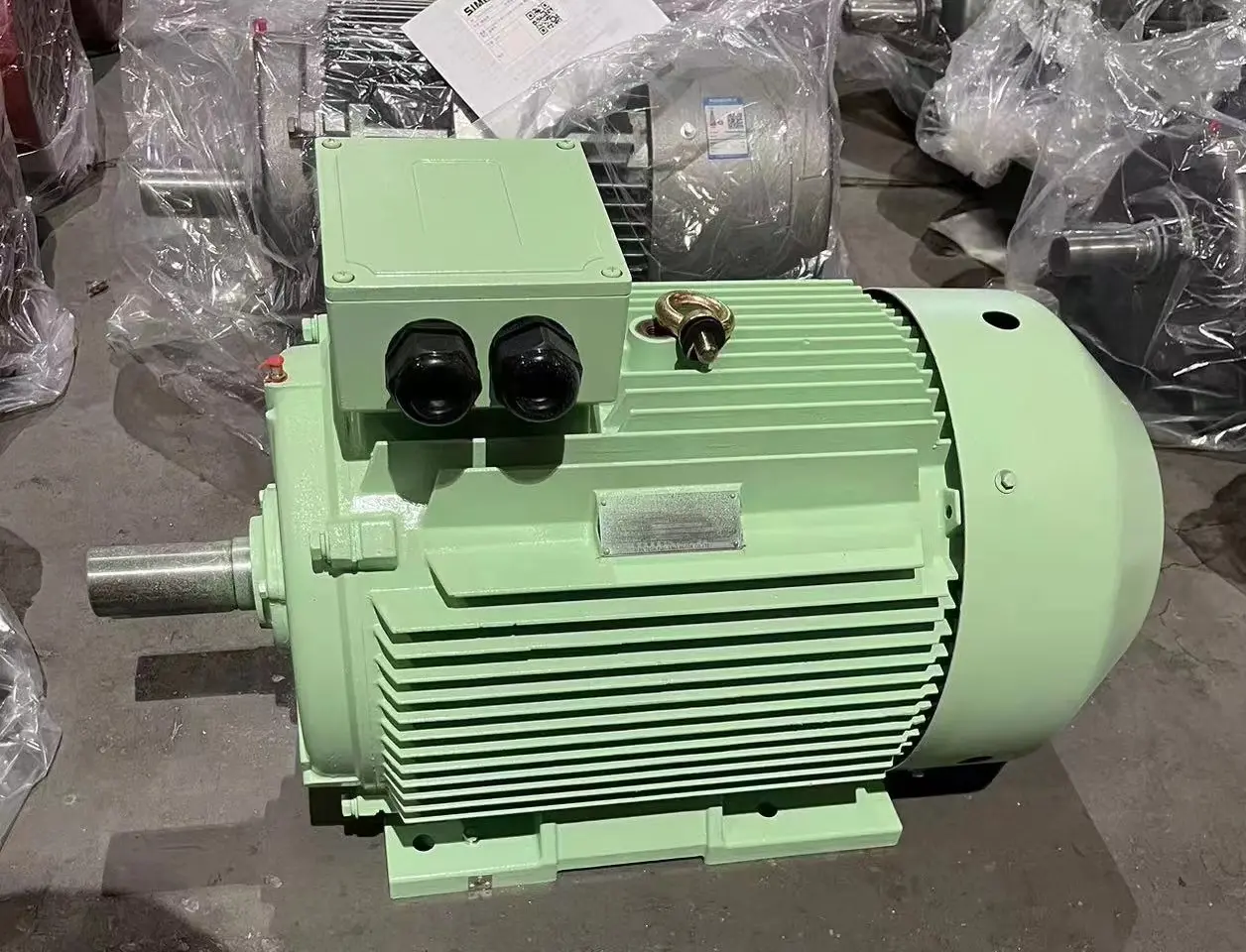
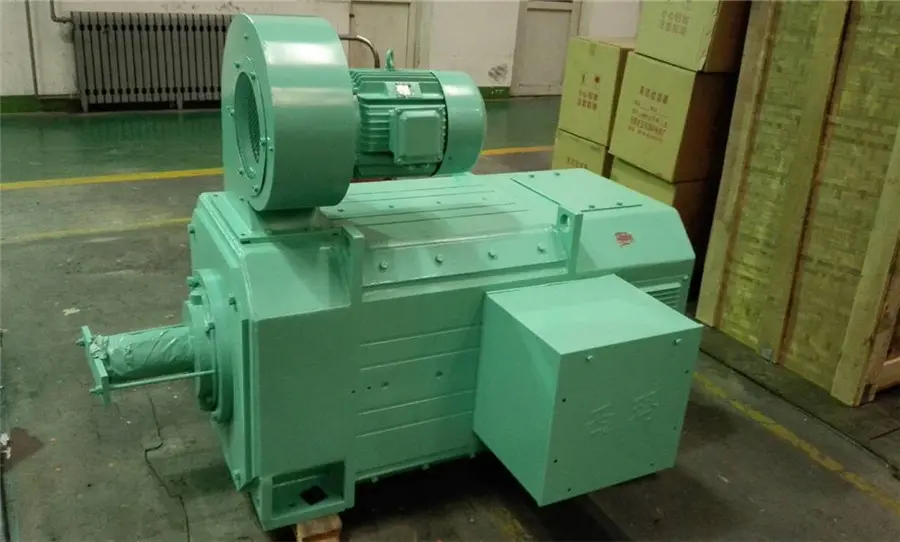
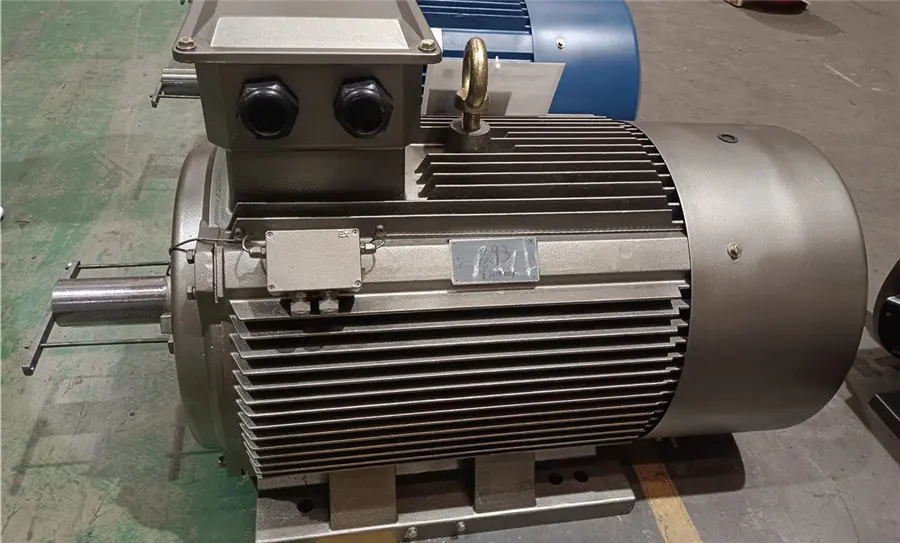
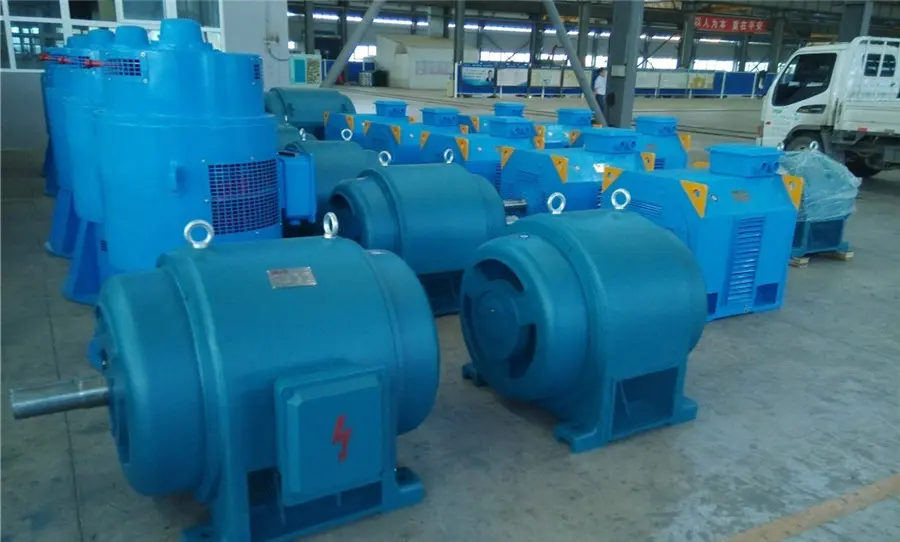
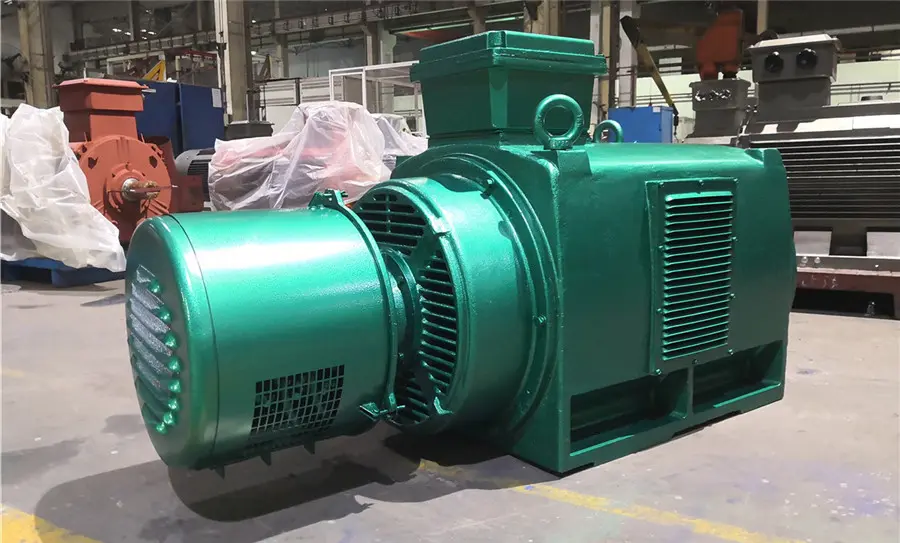
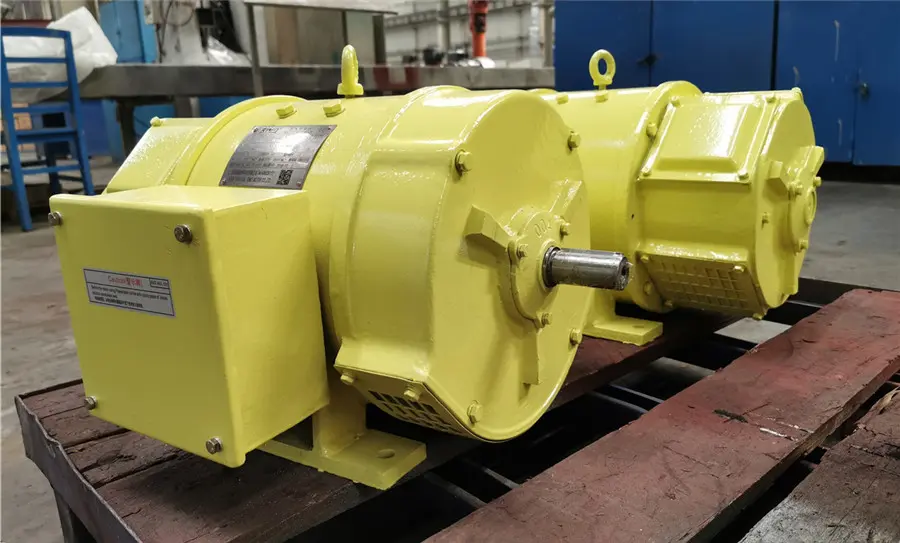
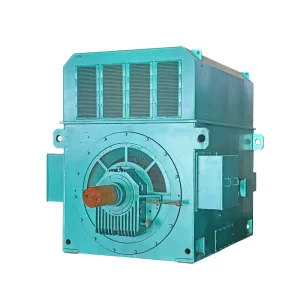
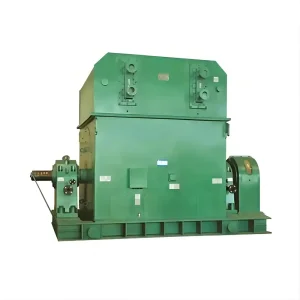
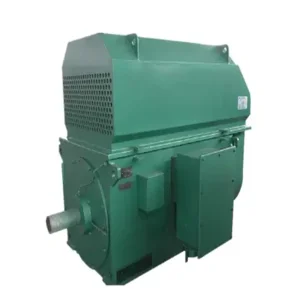
Our research and development cover all types of motors. Main motor products include: YX, YXKK, YXKS series high voltage high efficiency three phase asynchronous motor, YR, YRKK, YRKS series wound rotor high voltage motor, YE3, YE4, YE5 high efficiency series asynchronous motor, YVFE3, YVFE4, YVFE5 series variable frequency and variable speed high/low voltage motor, YBX3, YBX4, YBX5 series explosion-proof series high/low voltage three phase asynchronous motor; T, TD, TK, TDMK series synchronous motor, TFW350-5000KW series large size synchronous generator and Z2, Z4 and Z series DC motor.
Optimized Drive Technologies for Primary Global Sector Operations
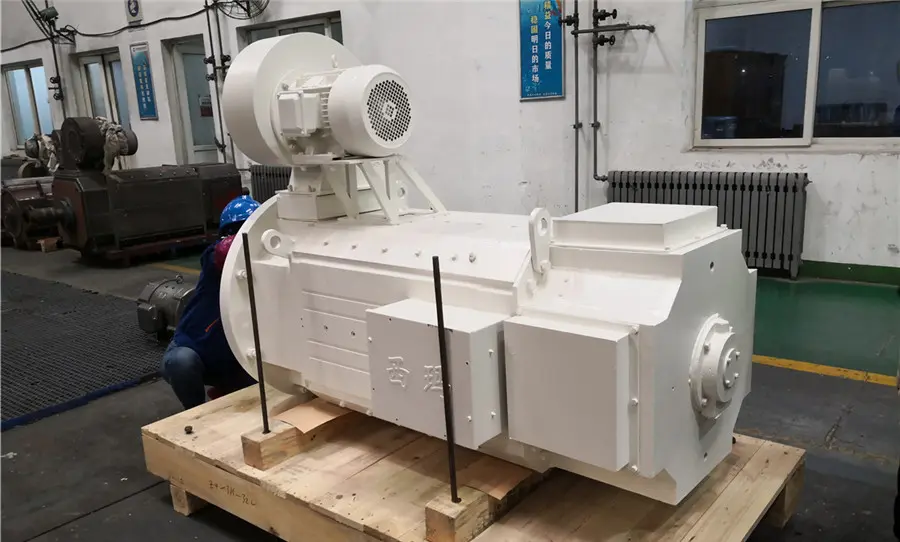
Ball mills and SAG mills require substantial breakaway torque due to compacted grinding media. SIMO slip motors allow mill start-ups under full load without overloading the electric substation, gradually bringing the rotating shell to operating speed.
Shaft winders and winches demand continuous, bidirectional start-stop cycles under heavy dynamic payloads. Slip ring speed control lets operators smoothly position elevator cages and ore buckets, providing maximum torque safety margins at low speed ranges.
For large-scale centrifugal and axial pumps running intake and outfall operations, wound rotor motors permit soft acceleration. This mitigates water hammer pressure transients in output lines, preventing line ruptures and system downtime.
Verified Compliance for Global Markets and High-Risk Operating Environments
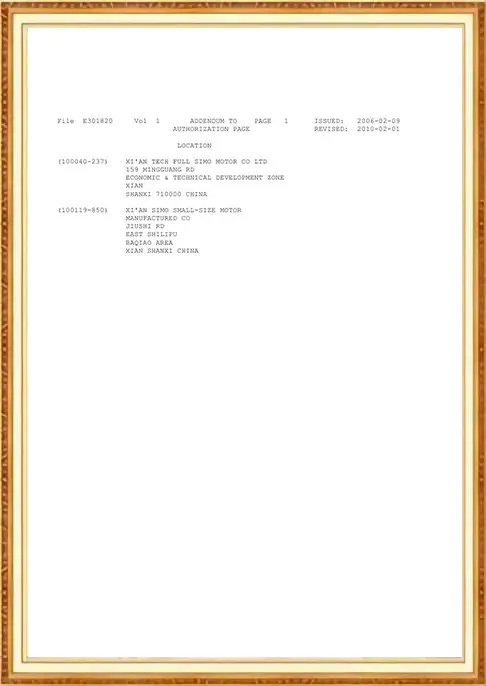
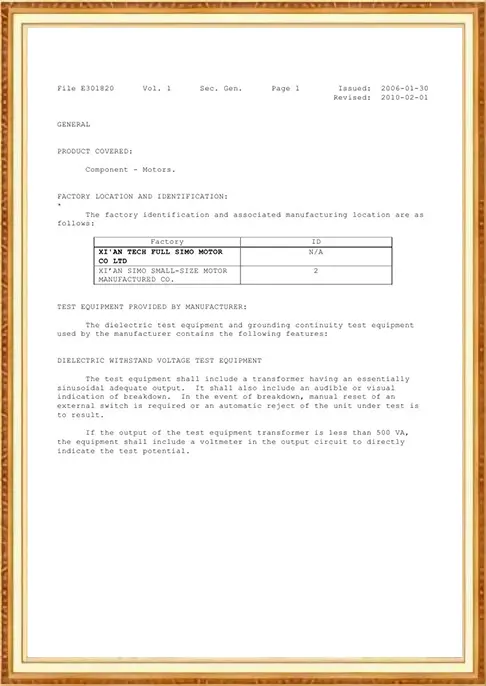
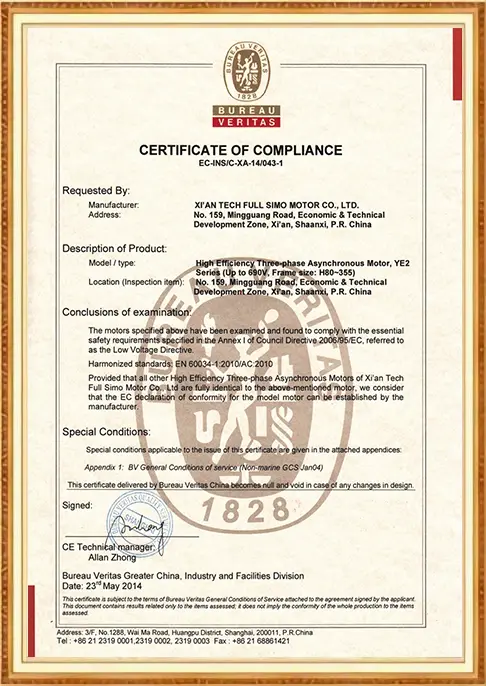
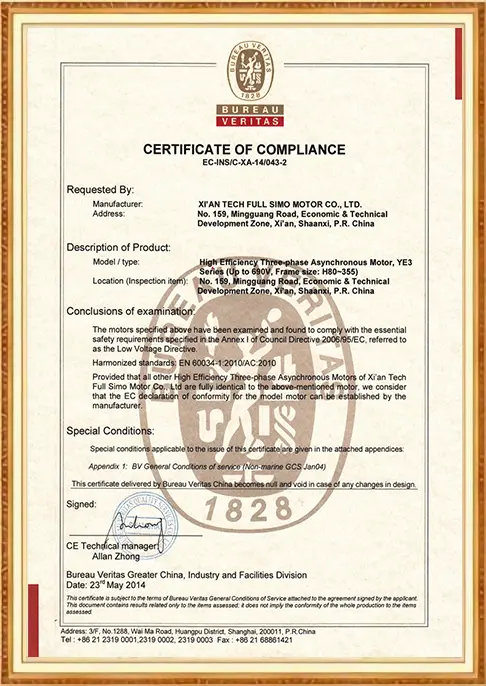
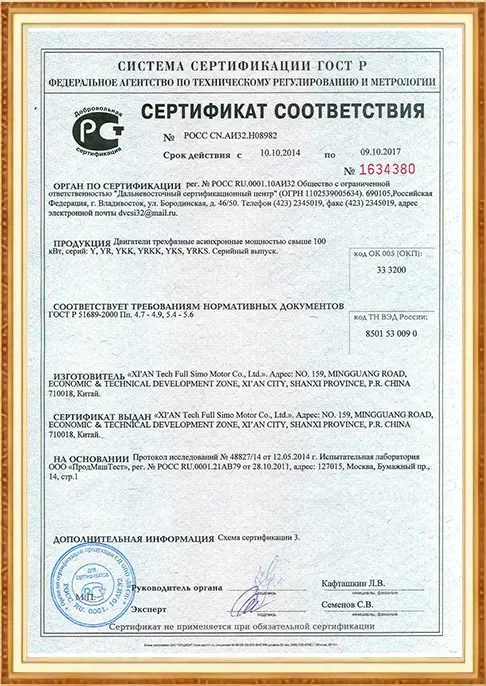
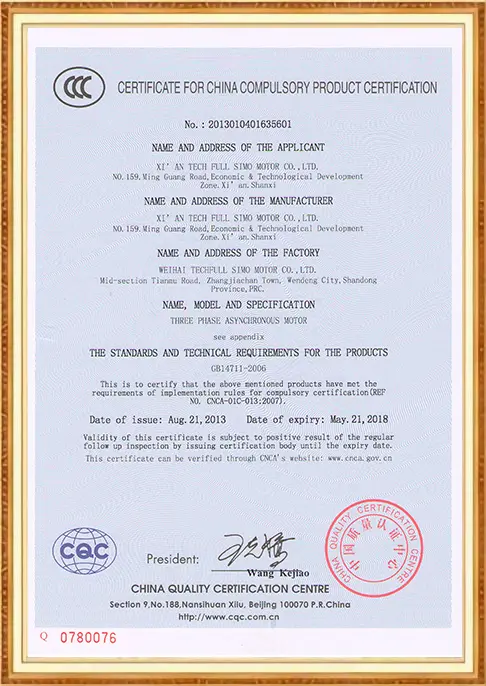
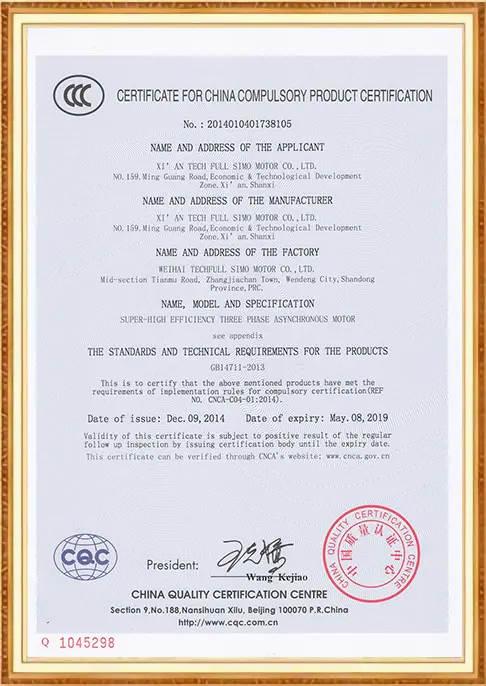
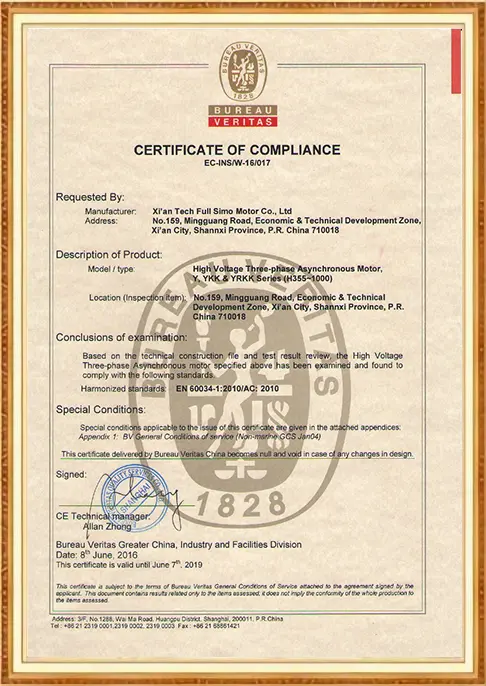
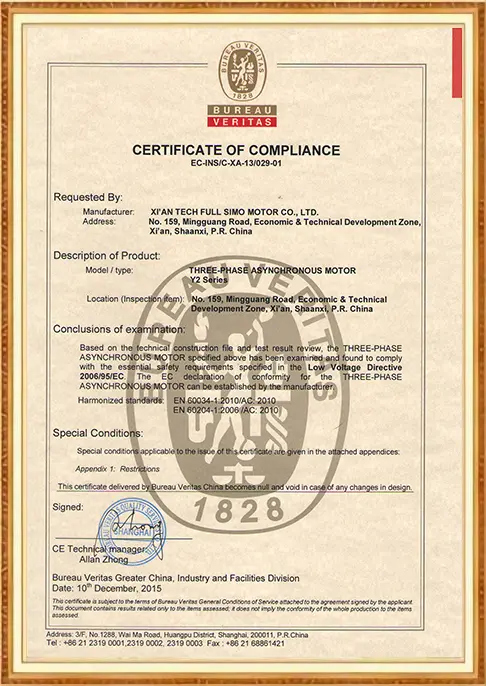
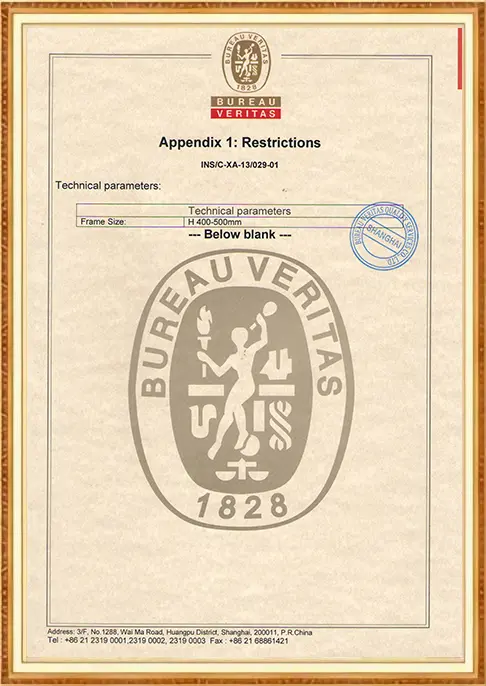
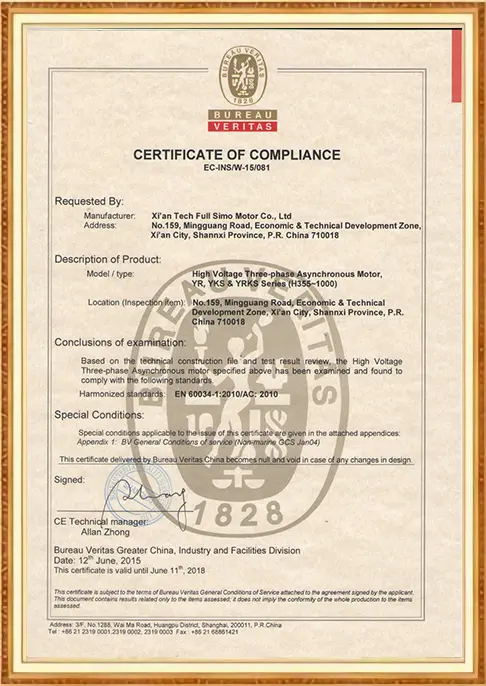
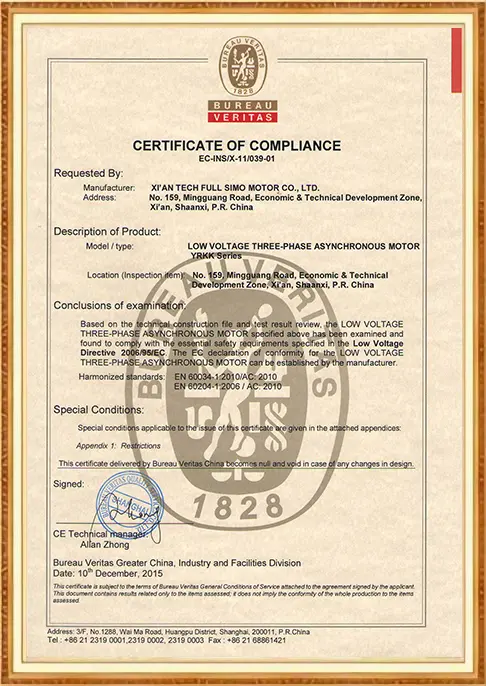
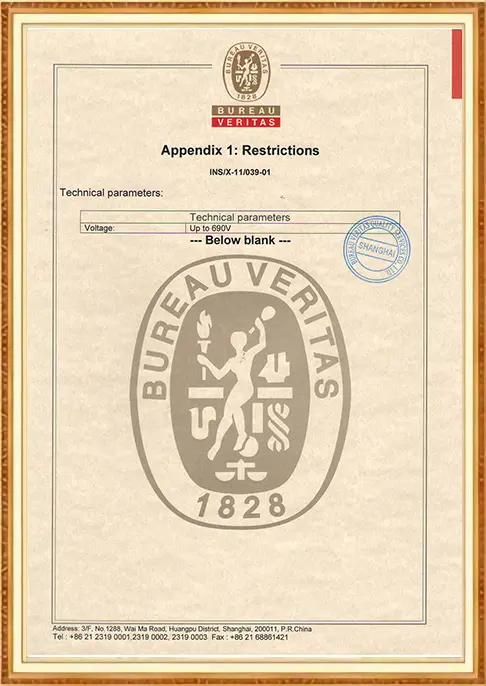
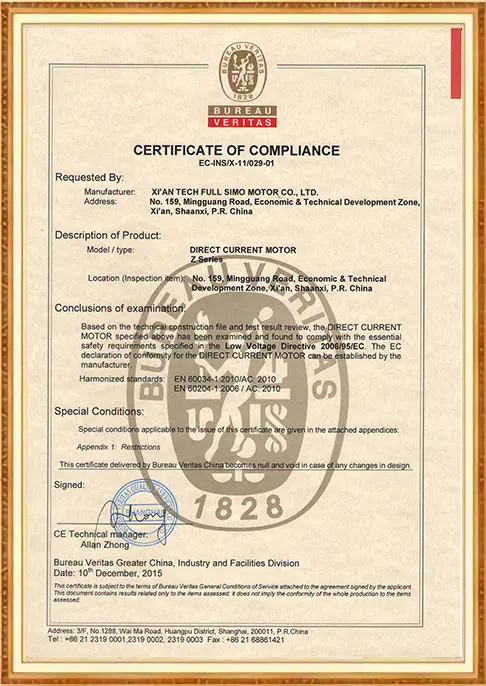
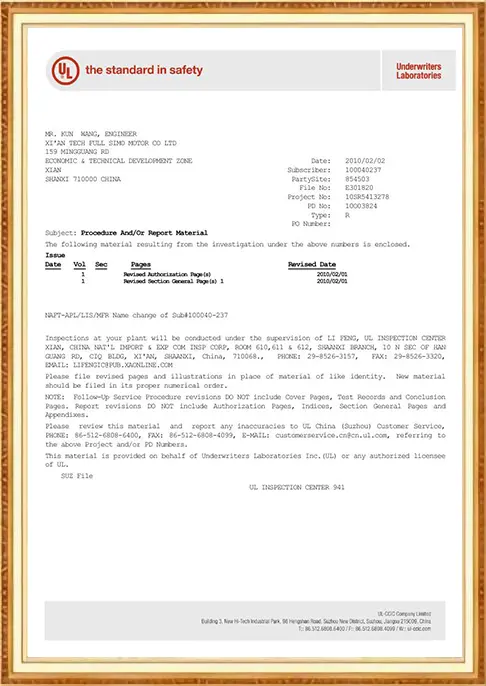
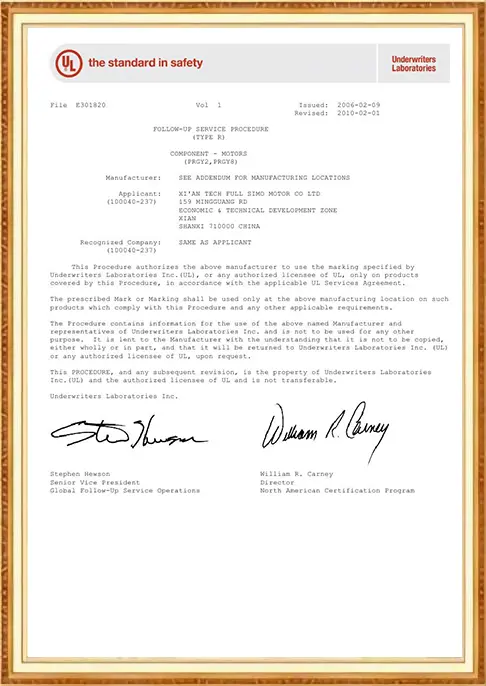
SIMO has passed ISO9001 Quality System Certification, European Union “CE”, United States “UL”, and Russian “GOST” quality and safety standards. Our manufacturing tolerances align with IEC and NEMA guidelines. Our electric motors are widely applied in electricity, coal, petroleum, mining, metallurgy, railway, transportation, chemical industry, agriculture, water economy, aviation, navigation, and high technologies and other areas in China and abroad.
Expert Engineering Guidance on Selection, Configuration, and Integration of Slip-Ring Motors
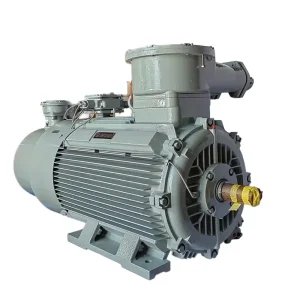
Engineered for hazardous duty environments, chemical processing, and mining industries.
 Lite Simo