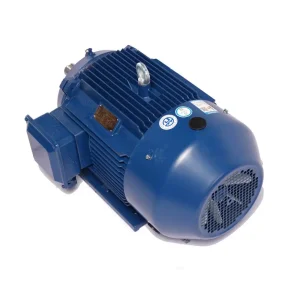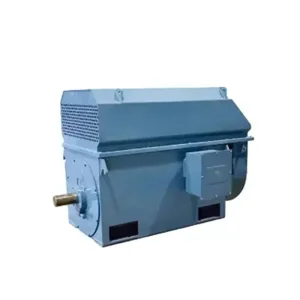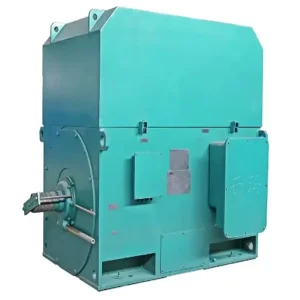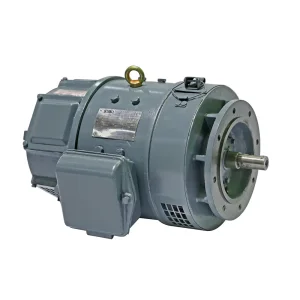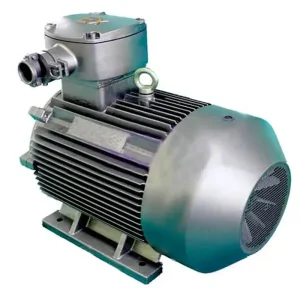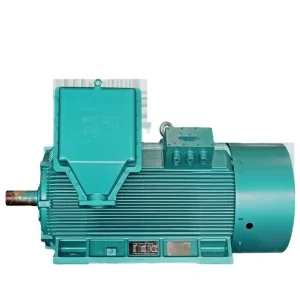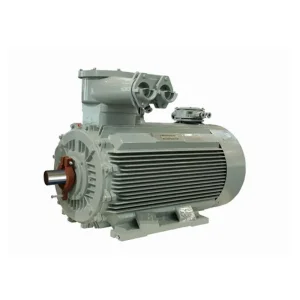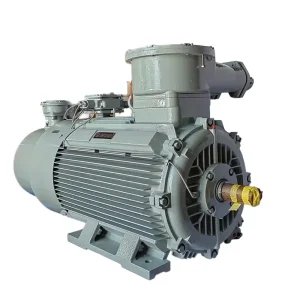
Xi’an Lite SIMO Motor Co., Ltd stands as a towering pillar of industrial excellence in the Chinese mechanical engineering sector. Established in 1955, SIMO Motor has evolved over more than six decades into a premier comprehensive manufacturing and service supplier. The organization encompasses every facet of electric motor technology, including cutting-edge design, precise manufacturing, specialized mechanical processing, high-fidelity mold making, and advanced system assembly.
SIMO Motor persistently ranks at the absolute forefront of China’s motor industry regarding the scale of production, technological depth, and service reach. Operating under a philosophy of continuous innovation and strict quality control, SIMO has maintained a stellar, fast-growing development trend for consecutive years, delivering unmatched value to global heavy industries, infrastructure systems, and customized industrial machinery networks.
For over 60 years, SIMO has adapted to the shifting dynamics of industrial production, transitioning from a state-owned factory to a global leader in high-performance electric motors.
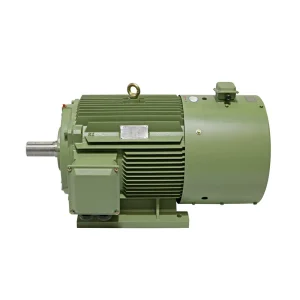
SIMO's sophisticated R&D and advanced manufacturing architecture cover all categories of industrial electric motor technologies. Our product matrix spans 34 major series, over 1,800 distinct varieties, and more than 19,500 individual specifications. Our power profiles range from a compact 0.35 kW up to an ultra-powerful 25,000 kW, supporting low, medium, and high voltage configurations.
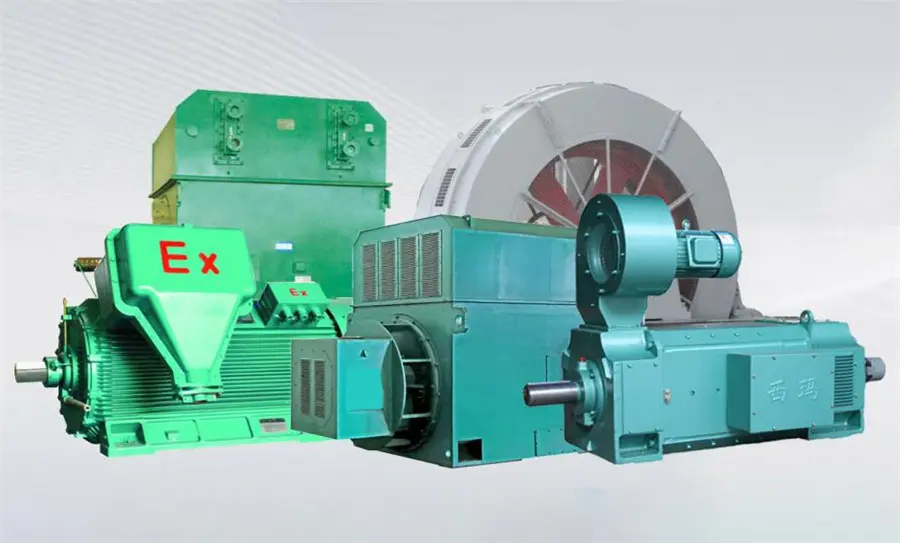
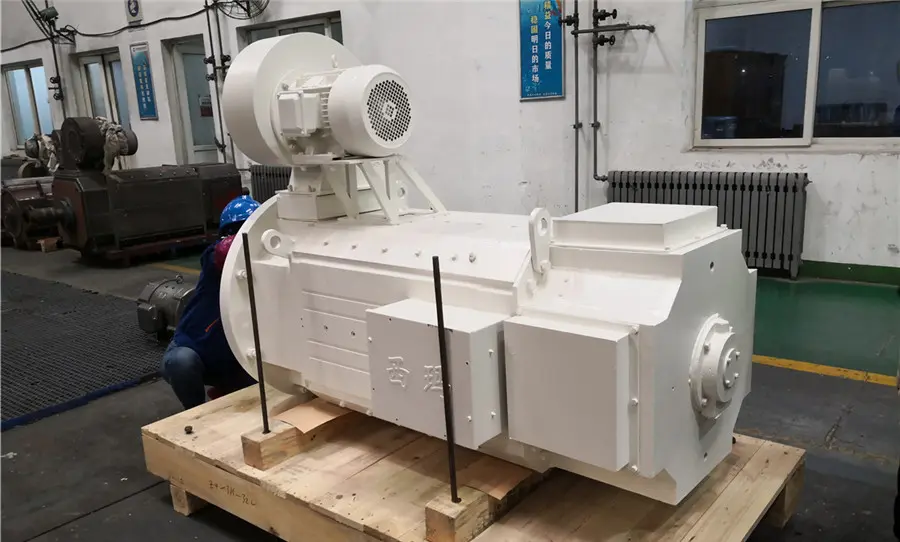
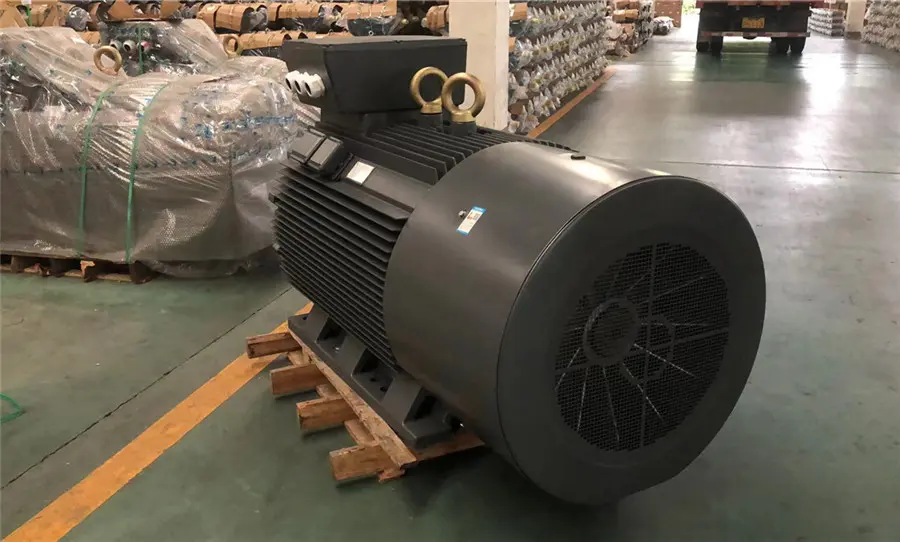
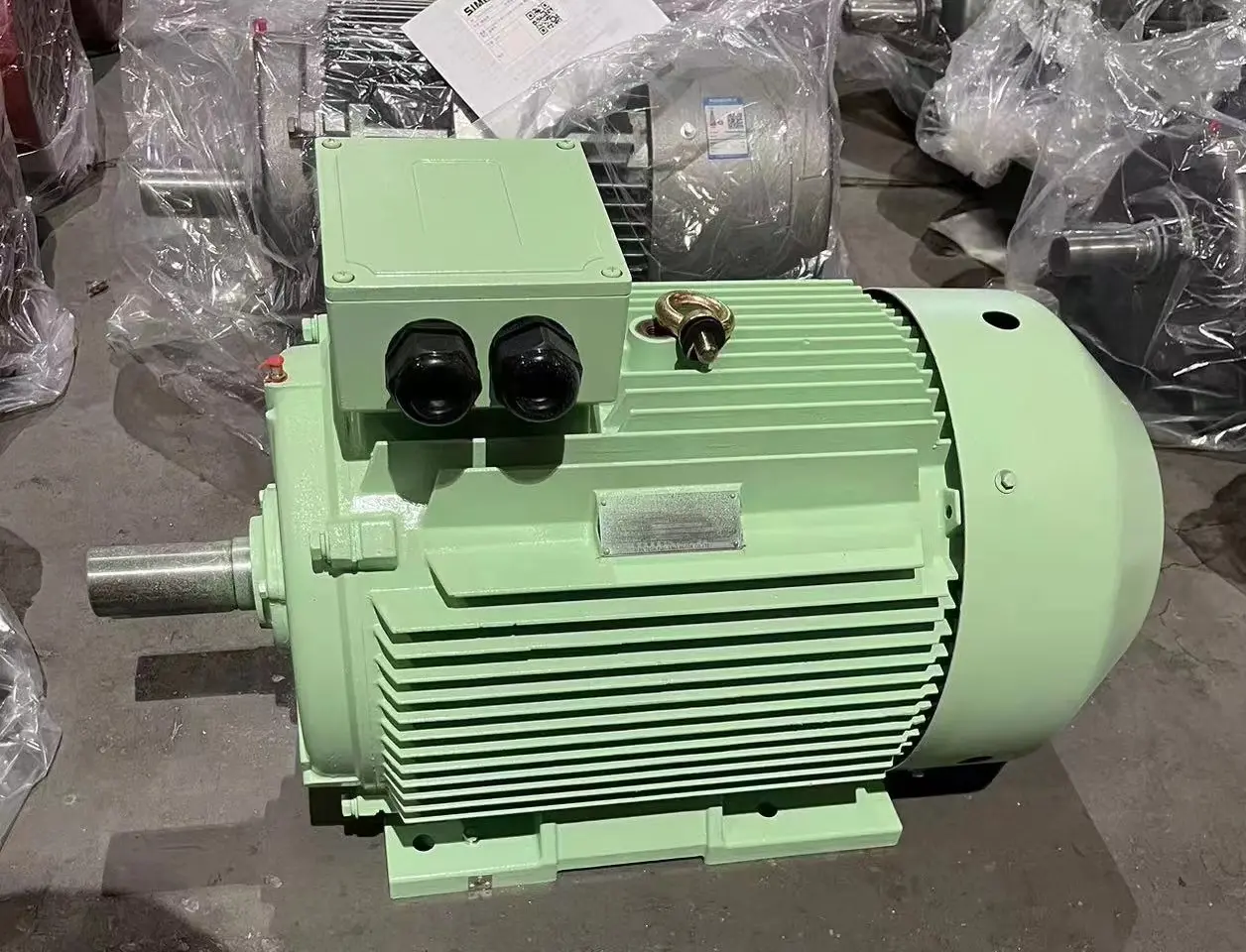
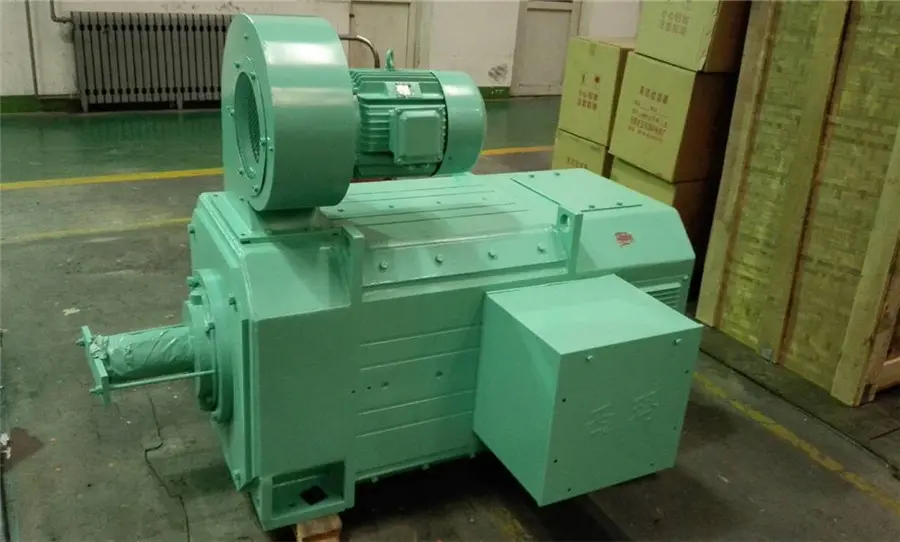
Industrial mixing and blending processes represent some of the most mechanically demanding tasks in modern manufacturing. Whether mixing high-viscosity chemical polymers, raw mining slurries, dry powders, or food compounds, the mixer machine motor acts as the heart of the system. Designing and selecting the optimal electric motor for a mixer requires an intimate understanding of torque curves, starting inertia, thermal dissipation, and explosive atmosphere safety standards.
Mixers present unique mechanical challenges because their load behavior is directly linked to the fluid dynamics of the materials being blended. In Newtonian fluids, the torque demand remains proportional to the rotational speed. However, in non-Newtonian fluids (such as polymers, adhesives, and thick slurries), the viscosity changes dynamically based on the shear rate. The motor must handle extreme, non-linear torque demands without entering a stalled state, which could lead to winding failures and immediate production downtime.
Chinese manufacturers benefit from a fully integrated industrial ecosystem. From raw electrical steel casting and copper wire extrusion to high-precision CNC machining and computerized testing bays, every component is manufactured within a tight geographical hub. This limits transportation delays and stabilizes production costs.
With massive engineering pools, Chinese factories excel at bespoke modifications. Whether adjusting shaft lengths, changing mounting flanges (horizontal vs. vertical), or integrating specialized thermal sensors (PT100) and space heaters, the turnaround time for custom motor designs is unmatched.
Top Chinese motor factories utilize full-scale motor load testing stations, simulating extreme working environments, load dynamics, insulation resistance testing, and rotor dynamic balancing. This guarantees that every large-scale AC or DC motor meets global quality expectations prior to container loading.
Industrial electric motors must be matched to their macro-environmental and operational applications. SIMO motors are applied globally across a diverse range of critical sectors, optimized for specific localized environmental challenges.
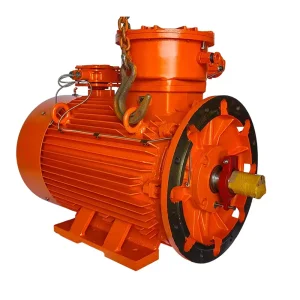
Underground coal mines and mineral processing operations require robust, dust-resistant, and high-starting-torque configurations. Motors like the YBK3 flameproof motor and the YKS series water-cooled asynchronous motors are engineered to resist corrosive dust and function reliably in warm, humid deep-shaft environments.
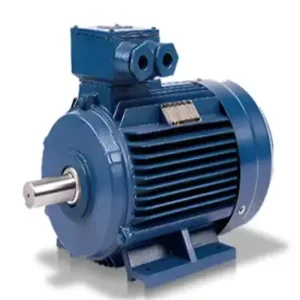
Fluid agitation, gas blending, and chemical mixing require absolute explosion safety. The integration of YFB3/YFB4 dust explosion-proof and YBBP variable frequency low-voltage explosion-proof motors prevents mechanical or electrical sparks from contacting flammable ambient gases, guaranteeing site safety in oil refineries and fertilizer facilities.
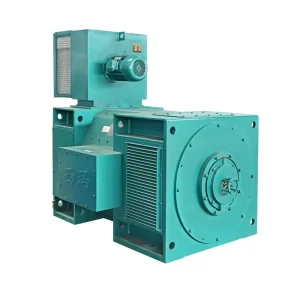
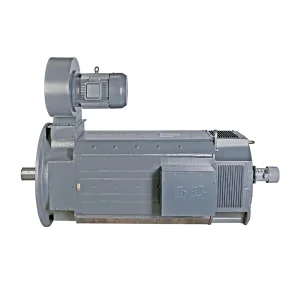
High-voltage DC motors like the Z2, Z4, and Z series are deployed in steel rolling mills, industrial extruders, and massive agitators. Their ability to deliver consistent torque at low speeds and withstand rapid start-stop/reversal cycles ensures precision metal forming and uniform alloy mixing.
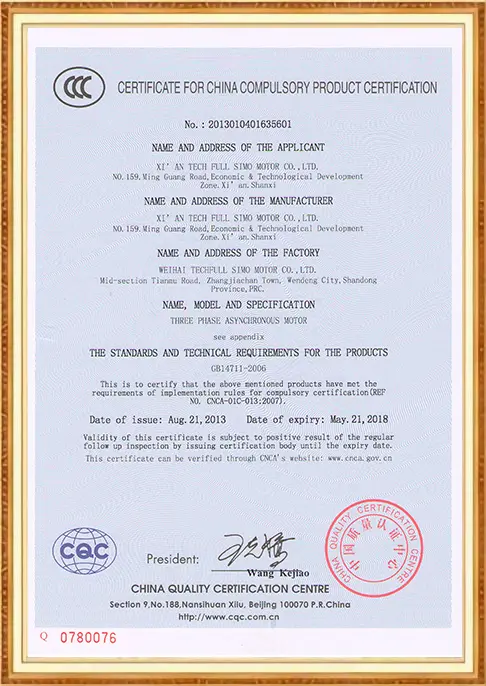
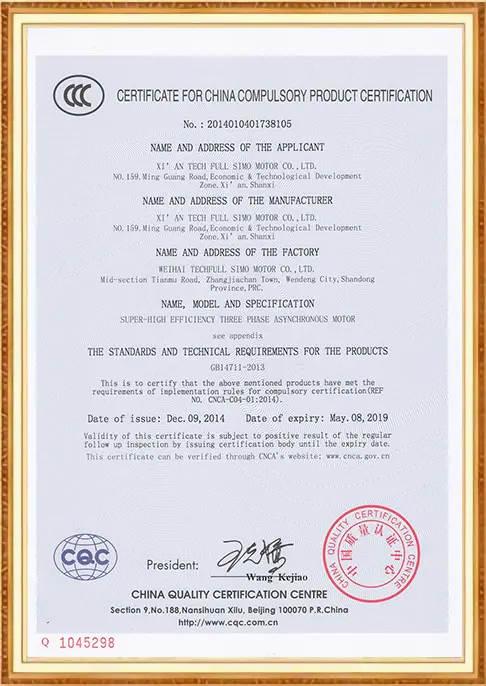
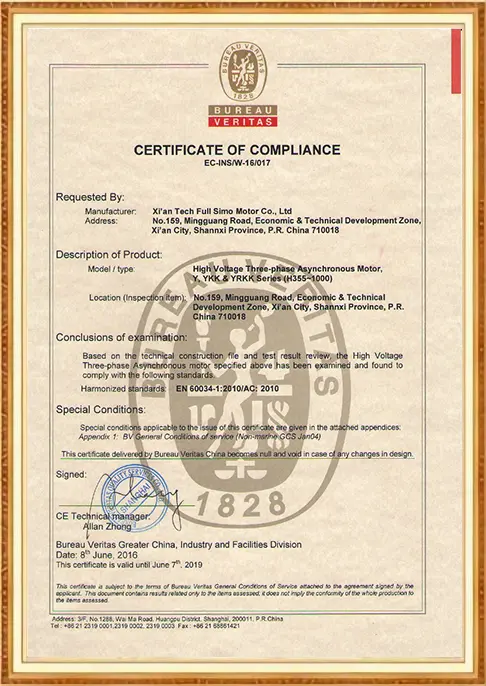
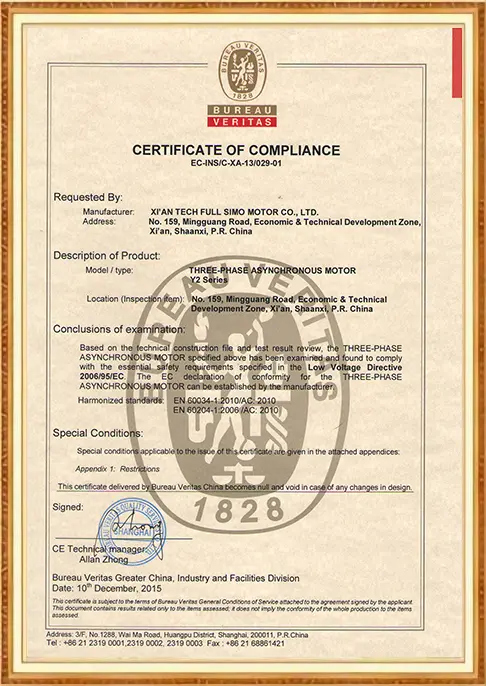
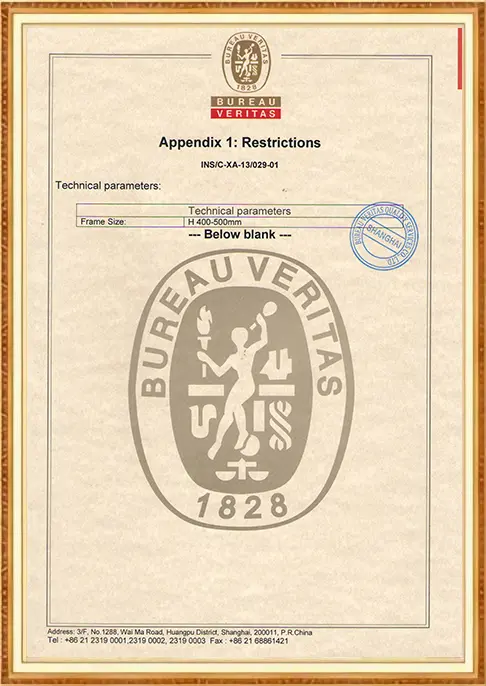
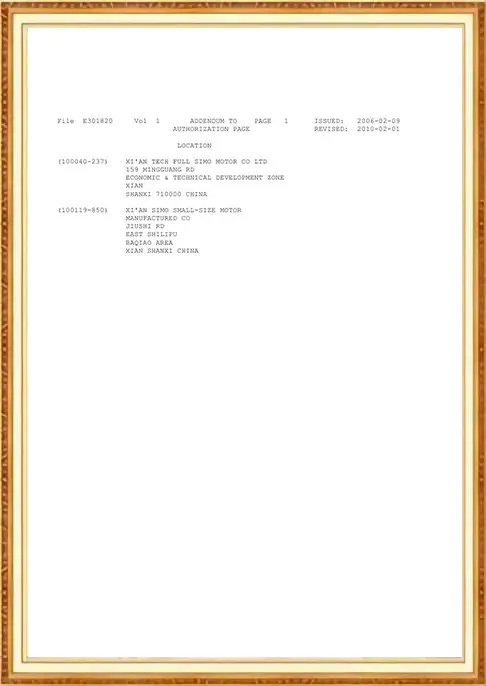
To serve our global procurement networks, SIMO has achieved rigorous international certifications. Our manufacturing system is certified under ISO9001 Quality System Guidelines, and our motor products conform to standard safety and efficiency regulations across multiple jurisdictions.
The industrial landscape is undergoing a swift transformation driven by carbon neutrality mandates and digital integration. Looking forward, the mixer motor industry is being shaped by three critical developments:
Industrial motors account for over 60% of total electrical consumption in standard manufacturing plants. Transitioning from standard efficiency designs to Ultra-Premium Efficiency IE5 motors (like the YE5 series) drastically reduces factory-wide operating expenditures. Furthermore, lower energy consumption translates to reduced scope-2 carbon emissions, helping global firms hit environmental compliance targets.
Mixers running key continuous chemical or industrial processes cannot tolerate unplanned outages. Modern motor configurations are increasingly outfitted with smart wireless vibration and temperature sensors. By monitoring stator winding temperature deviations and rotor bearing vibrations in real-time, maintenance engineers can predict bearing fatigue and insulation degradation weeks before failure, preventing catastrophic damage.
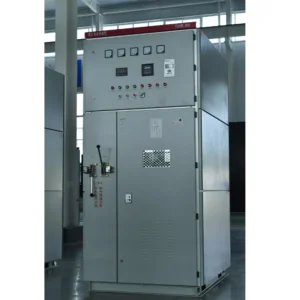
Direct-on-line (DOL) motor starting draws up to seven times the rated operational current, placing severe electrical stress on factory grids and mechanical shock on mixer drive belts, gearboxes, and shafts. Utilizing high-voltage soft-start state cabinets allows for smooth acceleration curves. This reduces dynamic peak loads and extends the operational lifespan of the entire mechanical mixing assembly.
Procuring heavy-duty electric motors requires close alignment between technical, operational, and supply-chain stakeholders. To ensure a seamless integration, procurement professionals should systematically evaluate five critical variables:
Verify line voltage (380V, 6kV, 10kV) and frequency (50Hz vs 60Hz). Motor performance, winding resistance, and core loss characteristics shift depending on supply configuration.
Specify the motor's duty cycle class (e.g., S1 continuous duty vs. S3/S4 intermittent duty for batch mixers). Motors chosen for mixers typically require continuous duty S1 classification.
Select the correct IP rating (IP54, IP55, IP56, IP65) and cooling method (IC411 self-fan cooled, IC511/IC611 air-to-air heat exchangers, or IC81W water-to-air cooling) for the operating site environment.
 Lite Simo