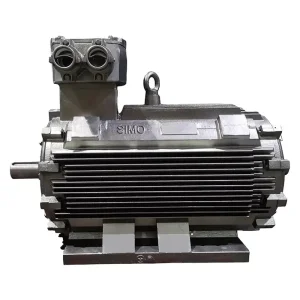
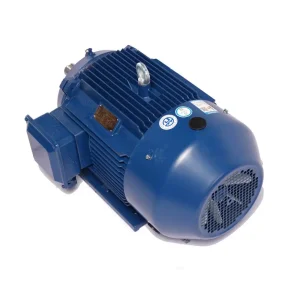
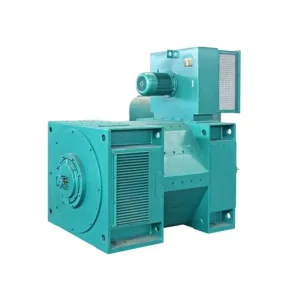
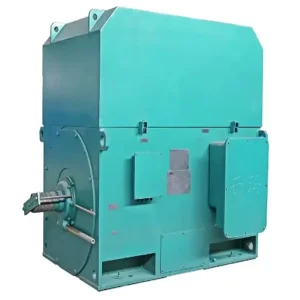
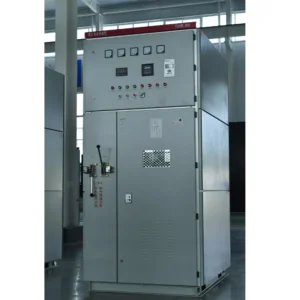
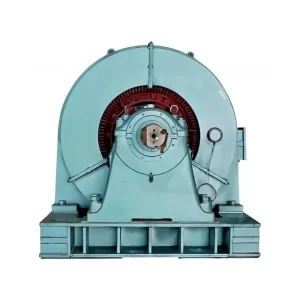
Explore our highly-engineered industrial motors, optimized for energy efficiency, extreme durability, and heavy load profiles.
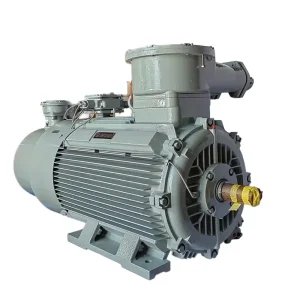
A technical white paper on the engineering, procurement parameters, and efficiency dynamics of low voltage three-phase induction machinery.
In modern industrial applications, the search for a discount low voltage 3 phase motor manufacturer is frequently misunderstood as a compromise in reliability or construction standards. True optimization, however, relies on structural economies of scale, lean industrial processes, and localization efficiency. A premium electric motor must offer structural integrity, high electromagnetic flux density, and minimized winding losses while remaining commercially viable.
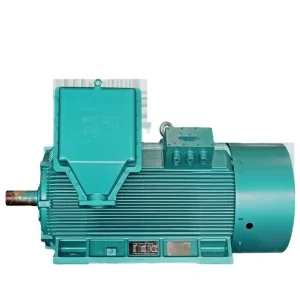
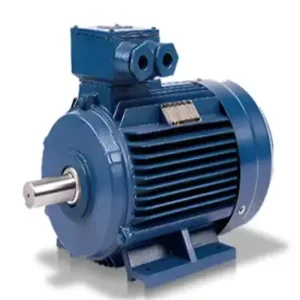
Our low voltage 3-phase induction motors utilize high-grade non-oriented silicon steel sheets and 100% electrolytic copper windings. Through precision dynamic balancing and automated stator winding processes, we eliminate mechanical losses and heat generation, resulting in motors that comply with IEC standards while offering substantial initial cost reductions (CapEx) and operational savings (OpEx).

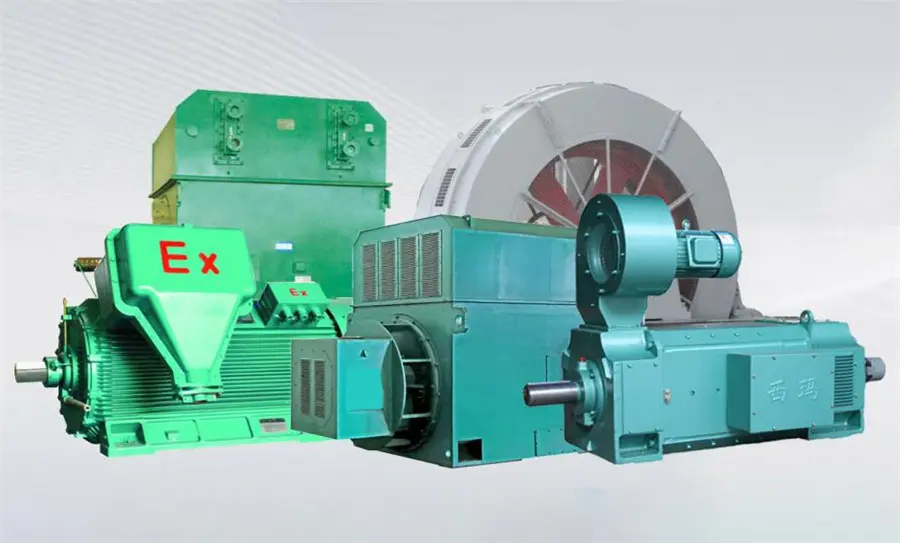
Xi’an Lite SIMO Motor Co., Ltd stands as a key manufacturing enterprise in the Chinese mechanical industry, specializing in large, medium, and small-sized high/low voltage AC motors, DC motors, synchronous motors, and explosion-proof motors. As a comprehensive drive solution provider, SIMO integrates motor design, machining, mold fabrication, precision assembly, and systemic quality testing.
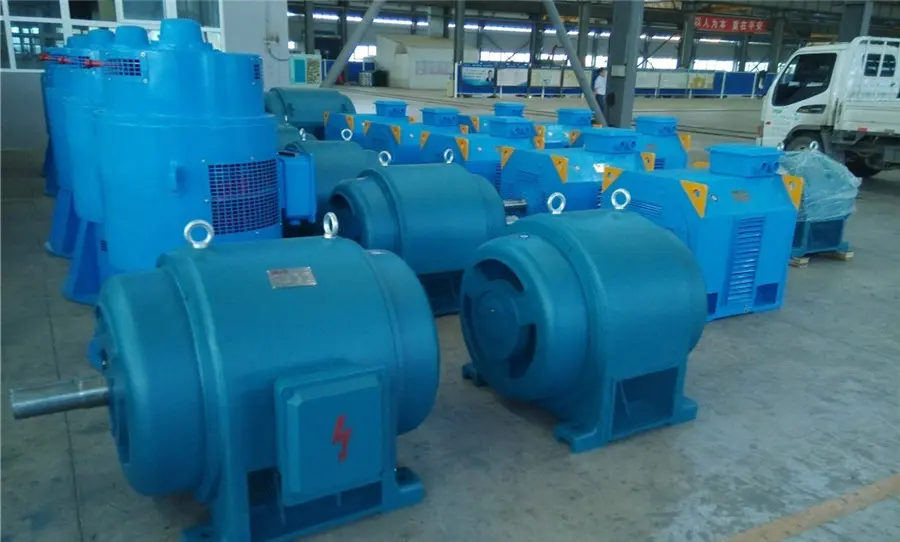
SIMO continuously ranks at the top of China's electrical machinery sector in production scale and technological capability. Our industrial footprint covers over 156,000 square meters of manufacturing space, driven by rigorous engineering principles and a commitment to global mechanical standards.
Tracing our lineage from a state-owned industrial plant to an international leader in advanced rotating electric machines.
SIMO Motor was established under state administration, starting its journey as a pioneer in domestic industrial motor production.
Relocated to a dedicated production plant in Xi'an City, expanding manufacturing capacity for heavy industrial drives.
Officially renamed Xi'an Motor Factory after a series of state-led integrations of mechanical research facilities.
Successfully restructured from a state-owned factory into a highly flexible and market-responsive limited liability company.
SIMO Motor Group was formed, integrating 14 specialized subsidiaries across the component, wire, casting, and assembly industries.
Relocated to a modernized, high-tech industrial park with advanced VPI varnishing, CNC machining centers, and automated testing bays.
Rebranded to Tech Full Simo Motor, reinforcing our commitment to smart motor technologies and overseas industrial exports.
Expanding the global supply chain footprint, delivering ultra-high efficiency IE4/IE5 motors and explosion-proof solutions worldwide.
SIMO's design and manufacturing systems support 34 main product series, over 1,800 varieties, and 19,500 individual specifications.
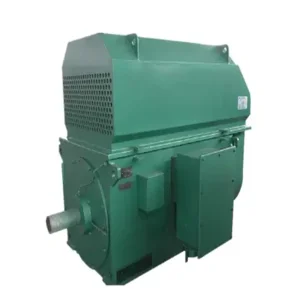
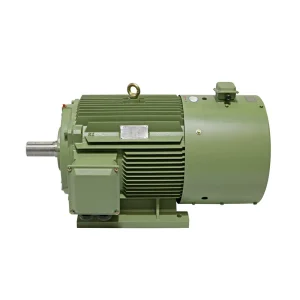
Includes YX, YXKK, and YXKS series high-efficiency high-voltage induction motors, along with YE3, YE4, and YE5 ultra-premium efficiency series low-voltage motors. Engineered for high starting torque and thermal robustness.
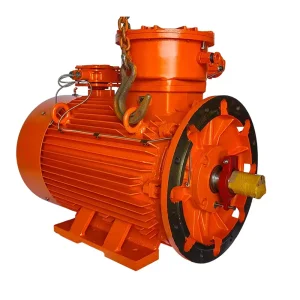
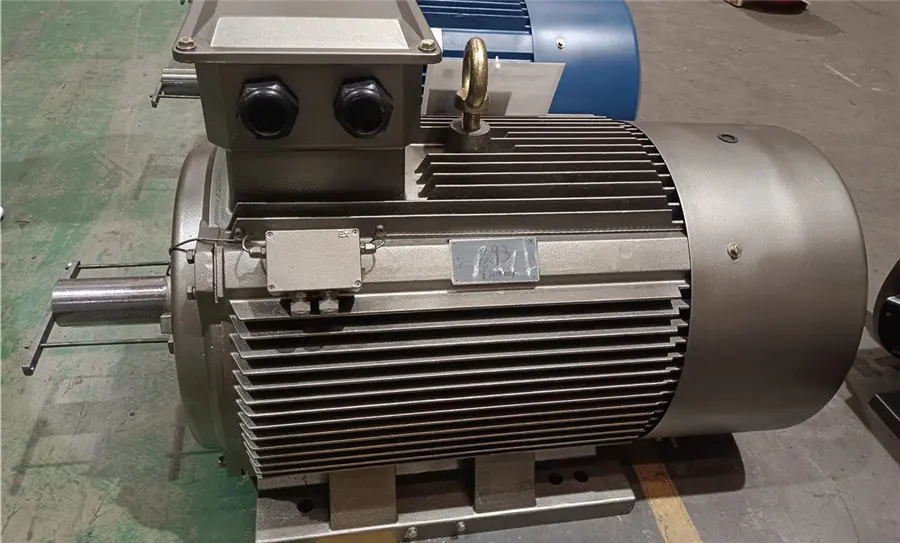
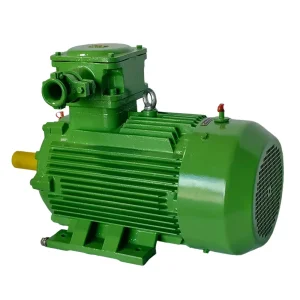
Designed for hazardous zones, our YBX3, YBX4, and YBX5 explosion-proof motors, along with YBBP variable frequency explosion-proof systems, provide reliable ignition-containment profiles for petrochemical and underground mining installations.
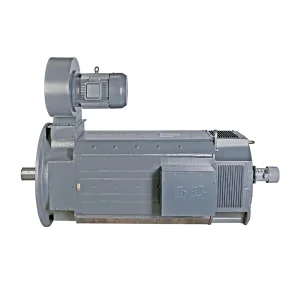
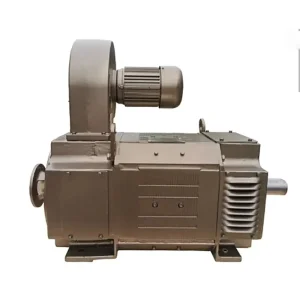
Covering T, TD, TK, and TDMK large AC synchronous motors for heavy milling, alongside classic Z2, Z4, and Z series heavy DC motor lines. Engineered for precise speed control, grid factor optimization, and variable-torque capability.
| Motor Series | Voltage Ranges | Power Output (kW) | Efficiency Standard | Primary Applications |
|---|---|---|---|---|
| YE3 / YE4 / YE5 Series | 380V, 400V, 415V, 660V, 690V | 0.55 kW - 1000 kW | IEC Class IE3, IE4, IE5 | General pumps, fans, compressors, packaging |
| YBX3 / YBX4 / YBX5 Series | 380V, 660V, 1140V | 0.55 kW - 800 kW | Explosion-Proof (Ex d IIC T4 Gb) | Petroleum refineries, chemical processors, gaseous mines |
| YBBP Series | 380V, 400V, 660V | 1.5 kW - 630 kW | Variable Frequency Ex-Motor | Variable torque pumps, automated heavy chemical conveyors |
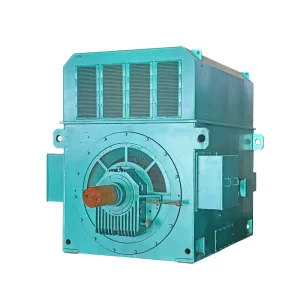
| YXKK / YXKS Series | 6kV, 10kV | 220 kW - 25,000 kW | High-Voltage High-Efficiency | Water conservancy, thermal power plants, steel mills |
| TDMK Series | 380V, 6kV, 10kV | 250 kW - 5000 kW | Synchronous Motor | Ore milling, ball mills, heavy mining crushers |
| Z4 Series | 160V, 400V, 440V | 1.5 kW - 600 kW | DC Motor Class | Extruders, printing presses, metal rolling mills |
Our commitment to R&D drives the transition toward sustainable, smart, and ultra-high-efficiency industrial powertrains.
The industrial electric motor industry is undergoing a significant transition driven by global decarbonization directives and the digital transformation of factory floors. At SIMO, our technical roadmap focuses on three main developments:
Integrating neodymium iron boron (NdFeB) magnets into the rotor layout to virtually eliminate rotor resistive losses, achieving efficiency levels that exceed IE5 standards.
Implementing ISO 1940 Grade G1.0 balancing on all high-speed rotors to reduce bearing load, lower acoustic noise below 75 dB(A), and extend component service life.
Utilizing solventless polyester resins under vacuum and high-pressure cycles to ensure bubble-free stator winding insulation that resists moisture, salt spray, and chemicals.
SIMO electric motors are designed to operate reliably under demanding conditions in major global heavy industries.
In environments containing volatile gases and dusts, electrical spark prevention is critical. Our YBX3 and YBBP explosion-proof motor series feature flameproof enclosures that prevent internal ignitions from reaching the surrounding atmosphere, complying with ATEX, IECEx, and China GB standards.
Heavy loads, continuous shock, and dust require robust motor construction. SIMO's YBK3 series for coal mines and TDMK large-scale synchronous motors for grinding mills offer the structural integrity and torque capacity needed to maintain uptime in mineral extraction plants.
For municipal water distribution, industrial cooling, and agricultural irrigation, power consumption is a key factor. Using our YE4 and YE5 ultra-premium efficiency series helps reduce carbon emissions and operational costs for water plants.
Our factory in Xi'an implements digital production controls to ensure quality and supply chain consistency. We utilize automated production lines for key manufacturing stages:
We maintain direct supply partnerships for key materials, including silicon steel and copper, allowing us to manage lead times and offset market fluctuations for global buyers.
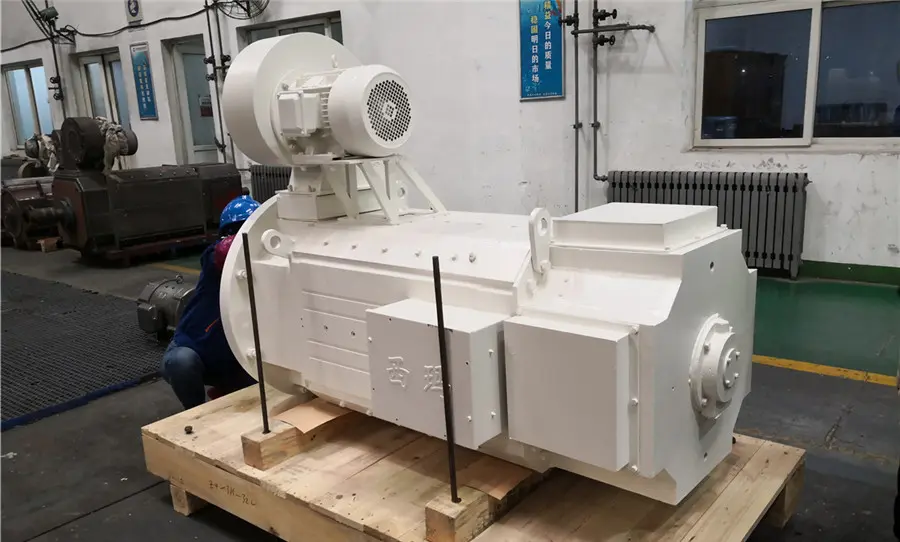
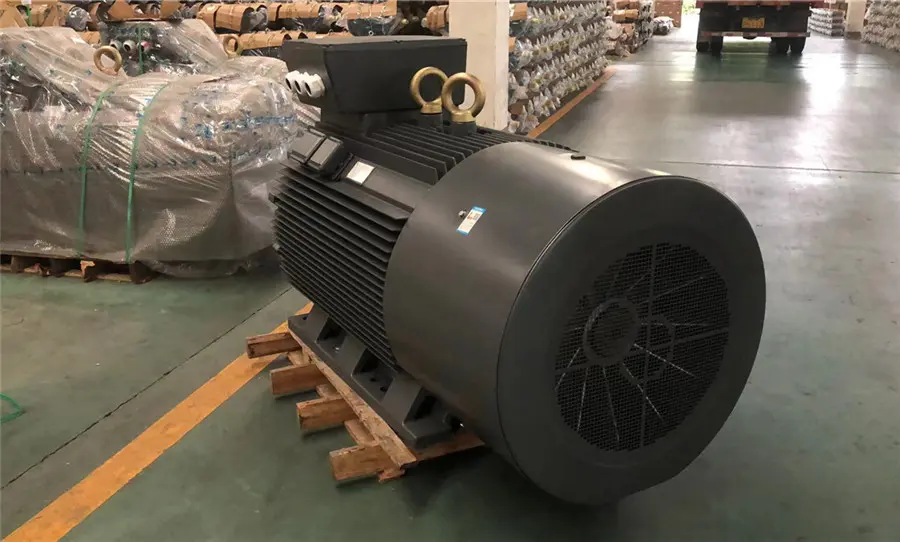
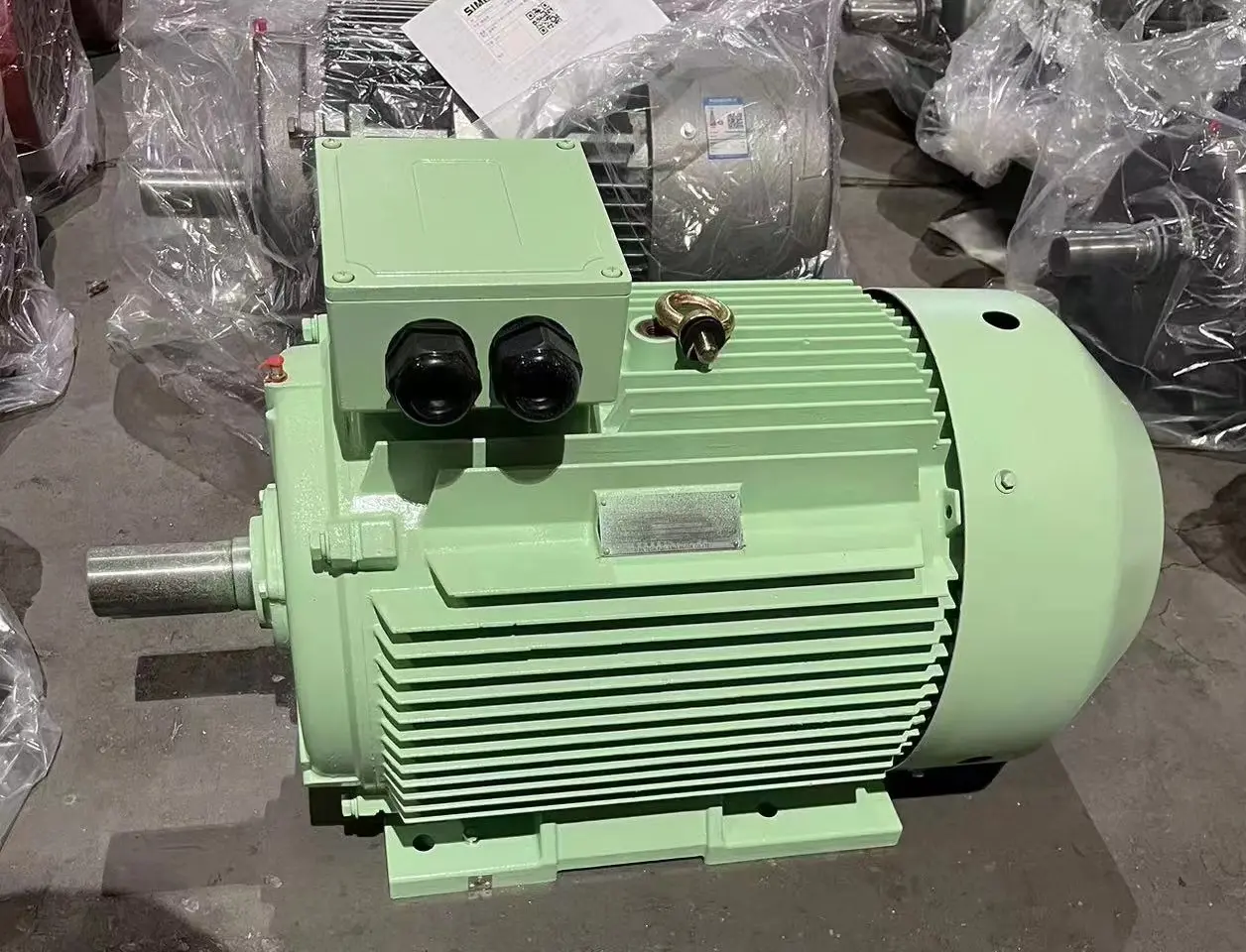
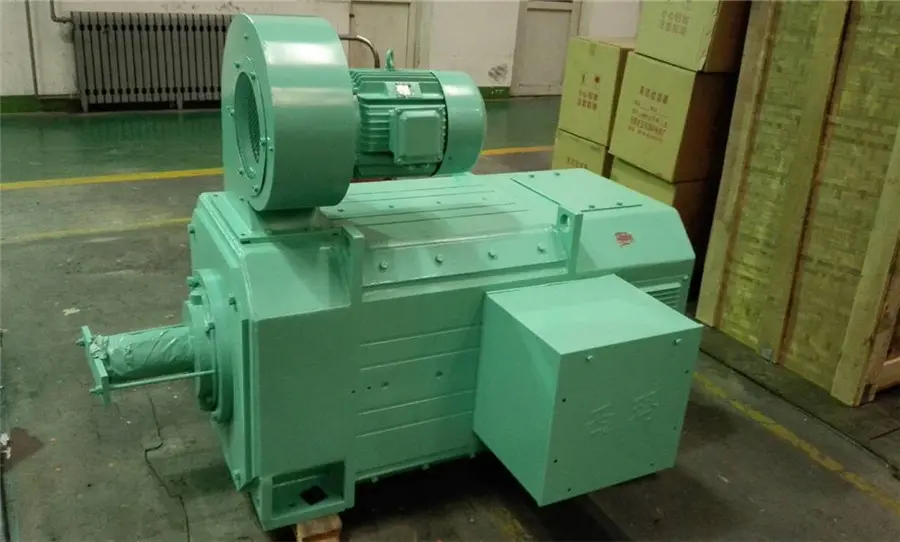
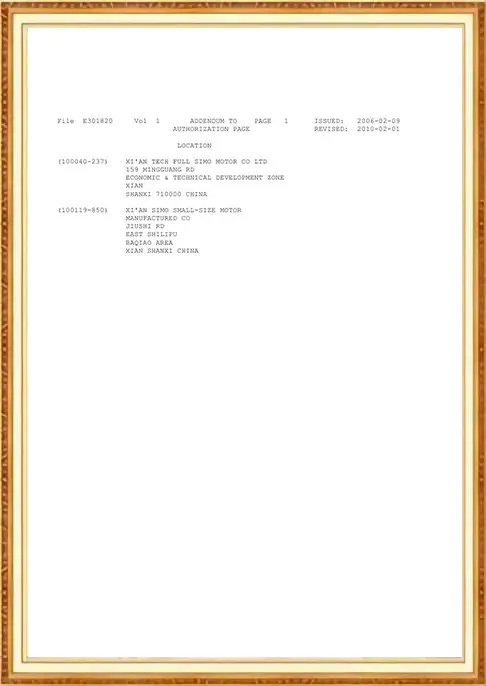
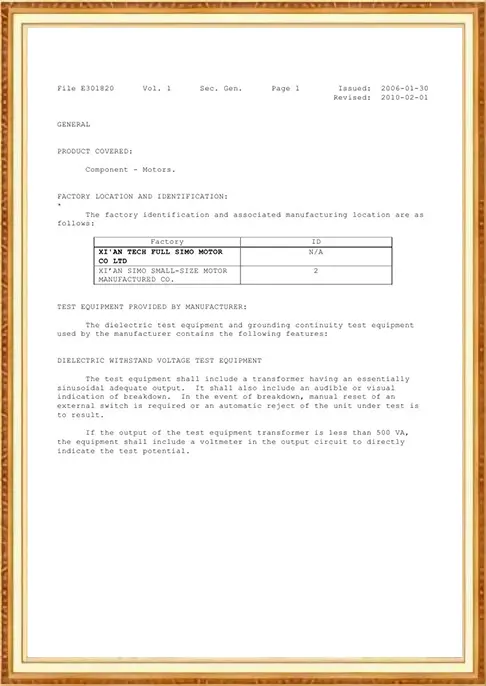
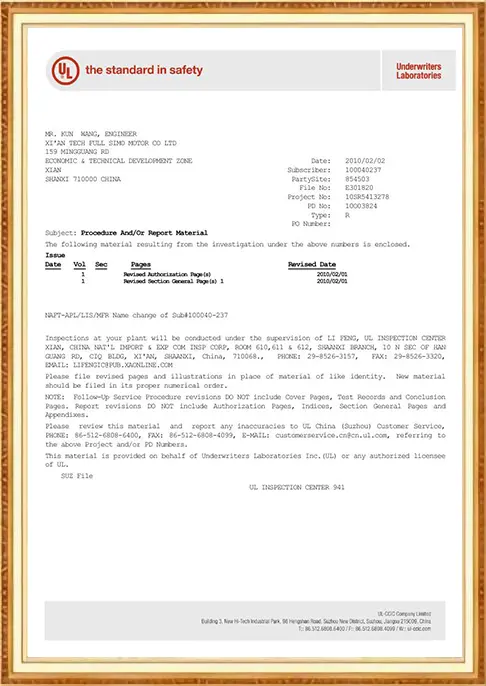
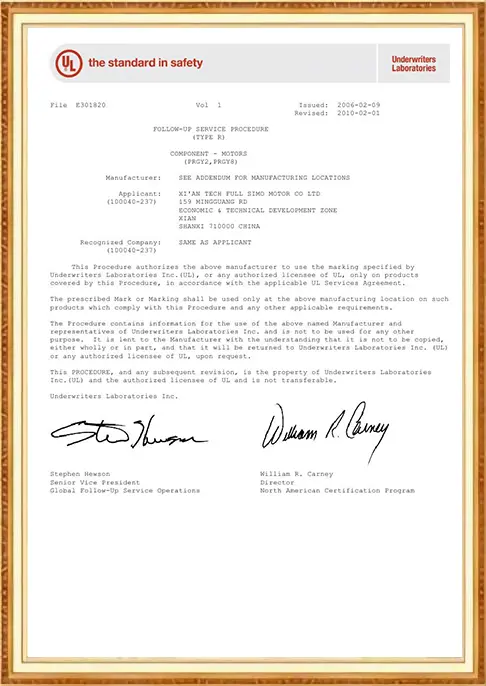
SIMO operates a verified quality management system, obtaining certifications to meet the requirements of regional regulatory bodies.
To support integration into international industrial projects, SIMO maintains compliance with primary electrical standards. We have obtained certifications for various regional markets, including:
We provide localized engineering support to adapt motor mounting dimensions, shaft extensions, terminal box positions, and custom winding configurations for existing industrial operations.
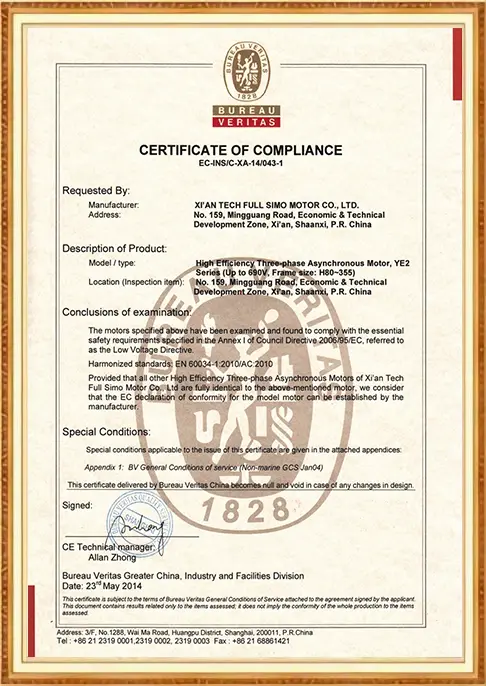
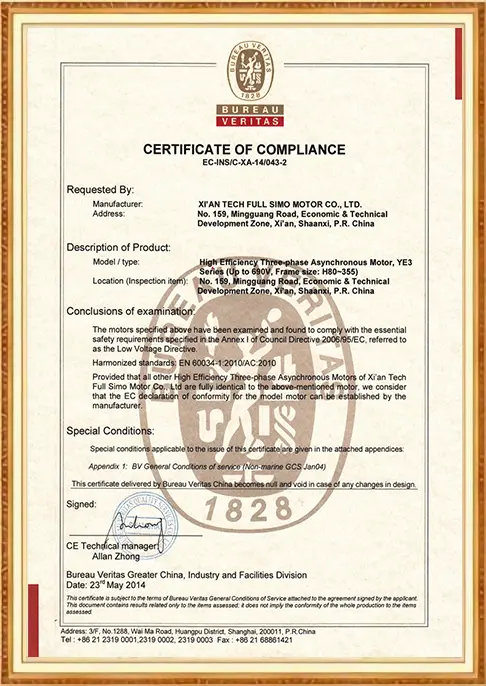
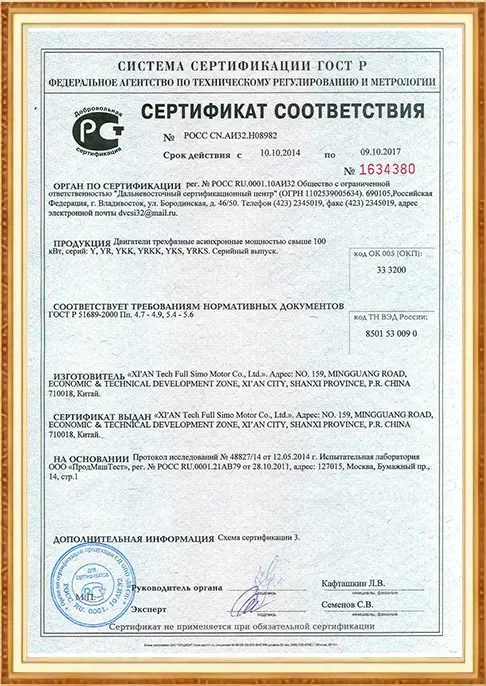
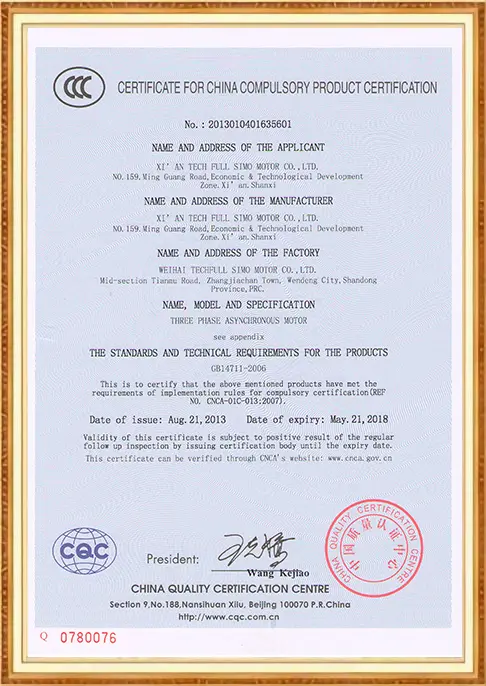
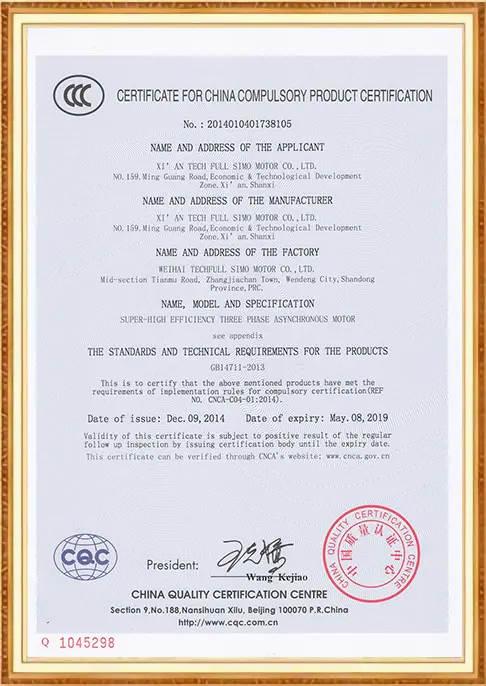
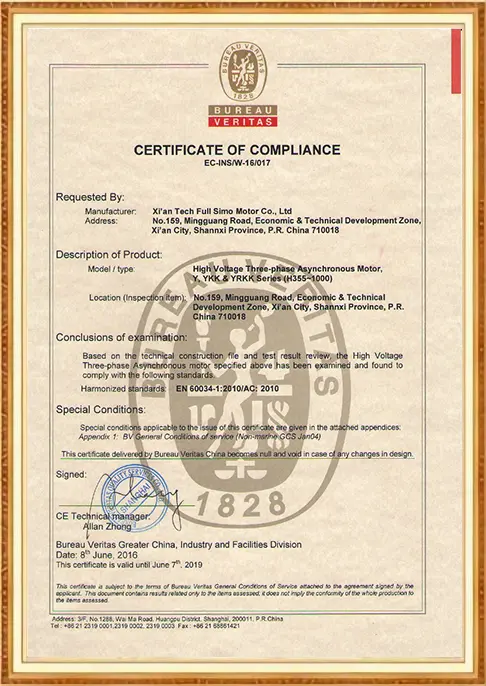
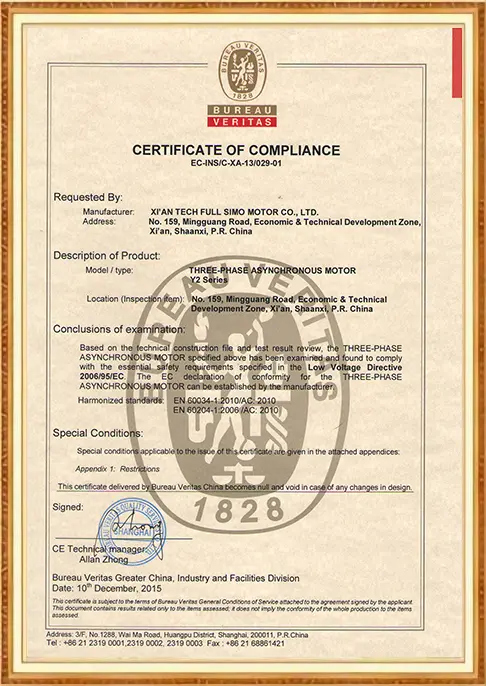
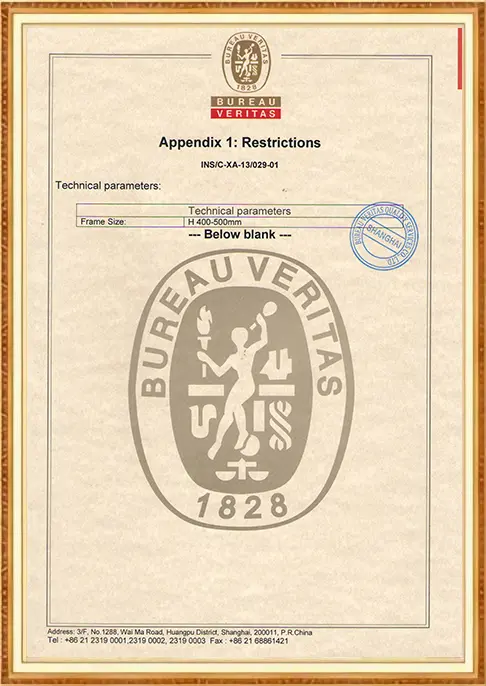
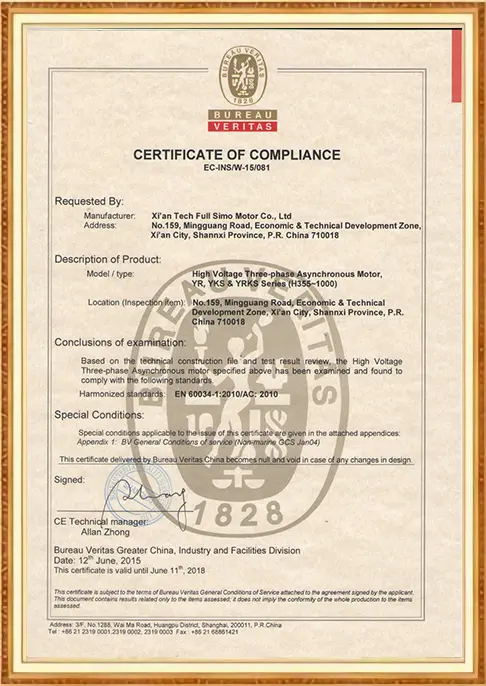
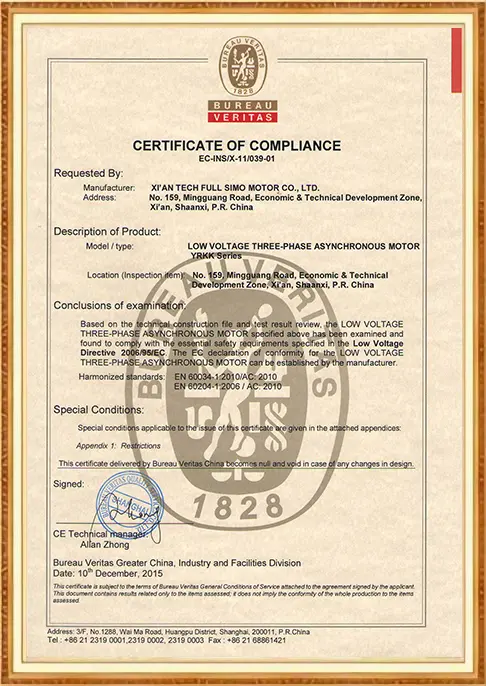
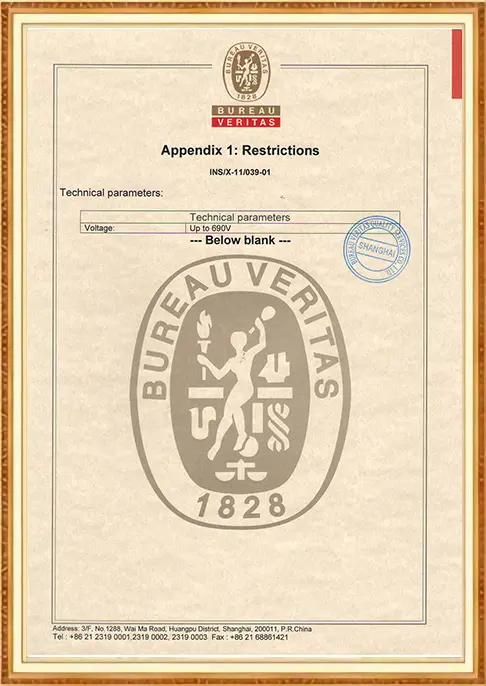
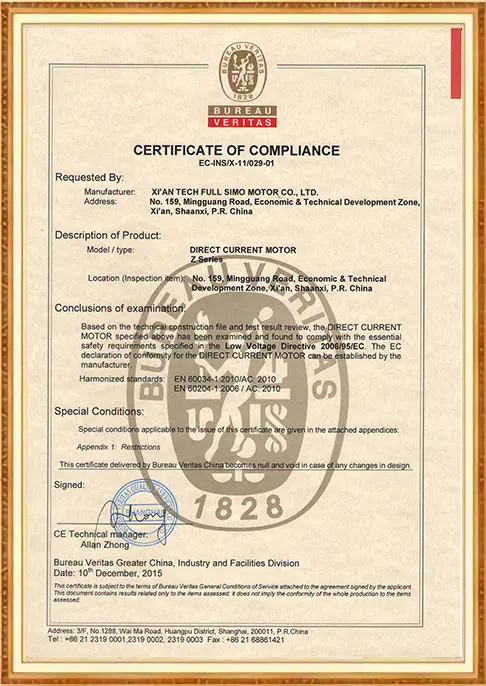
A structured approach for engineering and supply chain managers evaluating industrial motor suppliers.
Addressing key engineering and procurement inquiries regarding low voltage three-phase induction drives.
The International Electrotechnical Commission (IEC) defines these classes under standard IEC 60034-30-1. IE3 represents Premium Efficiency, IE4 represents Super Premium, and IE5 is Ultra-Premium. Transitioning from IE3 to IE4 typically reduces internal power losses by approximately 15%, while transitioning from IE4 to IE5 reduces losses by an additional 20%. This efficiency improvement is achieved through stator slot optimization, high-purity copper windings, and advanced steel sheet designs.
Low voltage motors operate below 1000V AC, with standard three-phase configurations including 220V, 380V, 400V, 415V, 440V, 660V, and 690V. High voltage motors (typically 3kV, 6kV, or 10kV) are used for heavy municipal pumps and large compressors, while low voltage designs are suited for general industrial machinery, conveyors, ventilation systems, and processing equipment.
In areas containing flammable gases, vapours, or combustible dusts, a standard motor can generate sparks or surface heat capable of causing ignition. Explosion-proof motors (such as the SIMO YBX3 and YBX5 series) use flameproof enclosures designed to contain any internal explosion, preventing it from escaping into the surrounding environment.
SIMO maintains competitive pricing through manufacturing scale, automated production lines, and integration with local component suppliers. These factors help manage material costs and production times while meeting international performance and safety standards.
Standard motors running on VFDs are subject to voltage spikes (high dV/dt) from pulse-width modulation (PWM) waveforms, which can degrade winding insulation over time. To prevent this, SIMO's YBBP and variable frequency series use insulation materials designed to withstand these voltage stresses, along with optional insulated bearings to prevent electrical pitting.
TDMK synchronous motors are designed for heavy milling operations that require constant operating speeds under changing loads. They also allow for power factor correction, which improves overall plant electrical efficiency and reduces utility charges.
Regular maintenance includes bearing lubrication, insulation resistance checks, and monitoring for temperature and vibration changes. Ensuring correct mechanical alignment and clean ventilation paths helps prolong the motor's operating life.
Yes. Our engineering department can customize shaft dimensions, mounting flanges, terminal box positions, and paint coatings to meet specific application requirements or replace existing machinery.
Complete motor solutions covering explosion-proof designs, variable frequency drives, and heavy DC machinery.
 Lite Simo