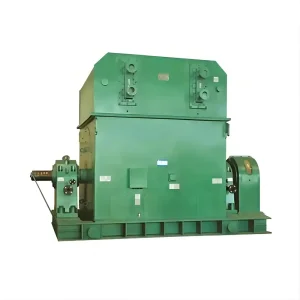
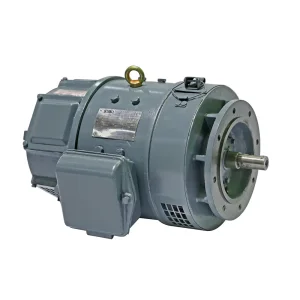
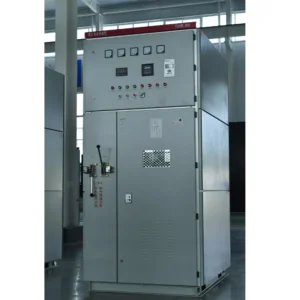
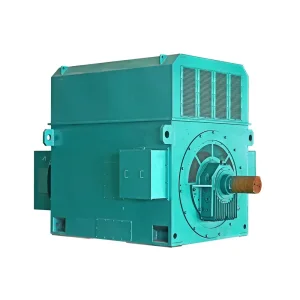
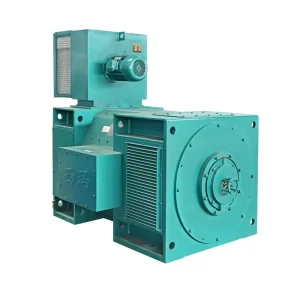
Explore our heavy-duty industrial electric motors, built for high-performance extraction, processing, and ventilation setups globally.
Established Base Year
Manufacturing Heritage
Registered Capital (RMB)
Active Staff & Engineers
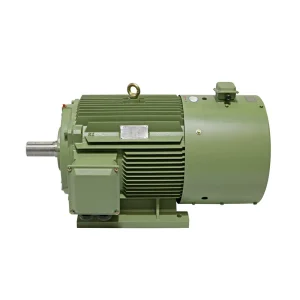
A comprehensive analytical overview of High-Voltage (HV) electric motors, detailing mechanical integration, thermal engineering, and structural layout standards for optimal powertrain applications.
In modern industrial manufacturing, high-voltage (HV) electric motors serve as the foundational driver behind heavy mechanical operations. These powerful machines convert electrical energy into mechanical power across demanding processes like mining, mineral processing, gas compression, water distribution, and chemical refining. As global companies work to balance energy optimization with operational reliability, choosing the right medium and high-voltage motors has become a critical engineering decision.
Industrial operations require components that can withstand extreme mechanical stress, voltage fluctuations, and harsh environments. By deploying custom synchronous and asynchronous motor architectures—such as the TDMK, YXKK, YRKK, and YBX5 series—plant operators can improve system efficiency, lower thermodynamic losses, and reduce long-term operational costs.
Modern HV motors run on advanced electromagnetic layouts designed to reduce copper losses, eddy current disruptions, and stator windage resistances. High efficiency directly lowers greenhouse gas emissions and operational expenses over the motor's lifecycle.
Proper heat management is vital for the insulation life of high-voltage windings. Utilizing advanced cooling methods like IC411 (totally enclosed fan-cooled) and IC611 (air-to-air heat exchangers) keeps operating temperatures stable even under heavy continuous loads.
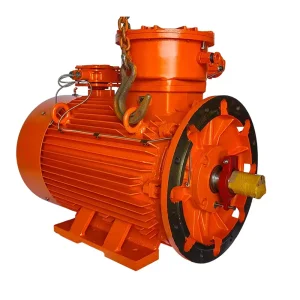
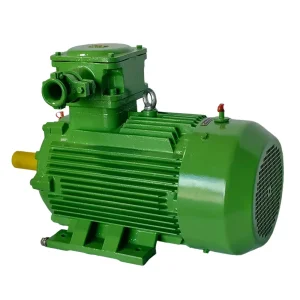
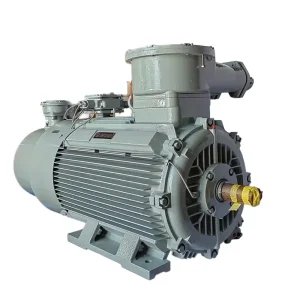
In petrochemical and mining environments, safety is paramount. Explosion-proof designs (such as the YBX series) enclose electrical parts to prevent internal sparks or heat from igniting external volatile gases or dust particles.
Choosing between high-voltage synchronous motors (e.g., T, TDMK series) and three-phase asynchronous induction motors (e.g., YKK, YRKK series) depends on the specific demands of your industrial application.
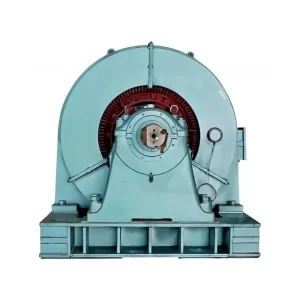
Synchronous Motors (TDMK, T Series): These motors operate at a constant speed that aligns precisely with the supply line frequency, regardless of load shifts. They are highly efficient, feature adjustable power factors, and are ideal for slow-running, high-torque applications like ball mills, rod mills, and large reciprocating compressors. By running with a leading power factor, synchronous motors can also help correct the electrical power factor across an entire industrial facility.
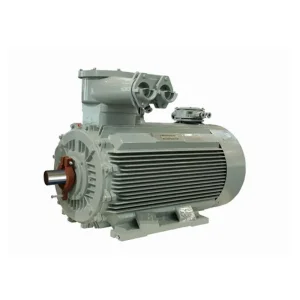
Asynchronous Induction Motors (YKK, YXKK, YRKK Series): Known for their simple construction and reliable performance, induction motors are the standard choice for most industrial operations. Wound-rotor types (like the YRKK series) allow you to add external resistance to the rotor circuit, offering controlled starting currents and high starting torque—ideal for driving heavy conveyors, crushers, and large fans.
| Motor Series | Type Designation | Cooling Design | Typical Power Range | Primary Heavy Duty Application |
|---|---|---|---|---|
| TDMK Series | AC Synchronous Motor | IC01 / IC37 / Water-Cooled | 500 kW – 12,000 kW | Mine Milling, Ball Mills, Rod Mills |
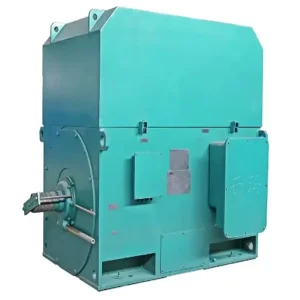
| YKK / YXKK | Asynchronous Cage Motor | IC611 (Air-to-Air Heat Exchanger) | 220 kW – 25,000 kW | Centrifugal Pumps, Industrial Fans, Blowers |
| YRKK Series | Wound Rotor Induction Motor | IC611 Heat Exchange Layout | 185 kW – 10,000 kW | High Starting Torque Conveyors, Crushers |
| YBX5 / YBX4 | Explosion-Proof Induction | IC411 Totally Enclosed Fan Cooled | 0.55 kW – 3,000 kW | Chemical Refining, Offshore Drilling, Gas Pipes |
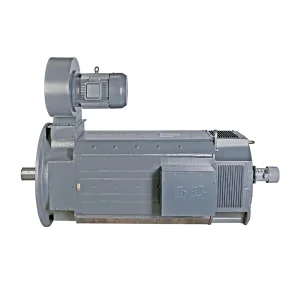
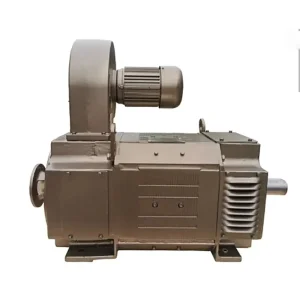
| Z4 / Z Series | Direct Current (DC) Motor | IC06 / IC17 / IC37 / IC86W | 0.55 kW – 5,000 kW | Metal Rolling Mills, Paper Plants, Extruders |
A look at our history of design innovation, manufacturing quality, and heavy-duty motor production in China.

Founded in 1955, Xi’an Lite SIMO Motor Co., Ltd has grown into a leading manufacturer of large, medium, and high-voltage AC and DC motors in the Chinese mechanical industry. SIMO is a comprehensive supplier offering motor design, mechanical processing, mold manufacturing, precision assembly, and lifecycle testing services.
The company maintains a leading position in China's motor industry by scale of production, driven by a dedicated focus on R&D and engineering reliability. With registered capital of 21.5 million RMB and fixed assets of 380 million RMB, SIMO operates 3 dedicated manufacturing plants and 1 specialized subsidiary, supported by over 1,172 sets of advanced production equipment.
Our workforce features more than 1,200 employees, including a technical engineering group of 260+ experts, 21 senior specialists, and 15 state-level engineers. This strong engineering foundation allows SIMO to continuously innovate and deliver reliable high-voltage equipment to partners around the world.
SIMO's manufacturing processes meet strict international quality guidelines, ensuring reliable performance in demanding operating conditions.
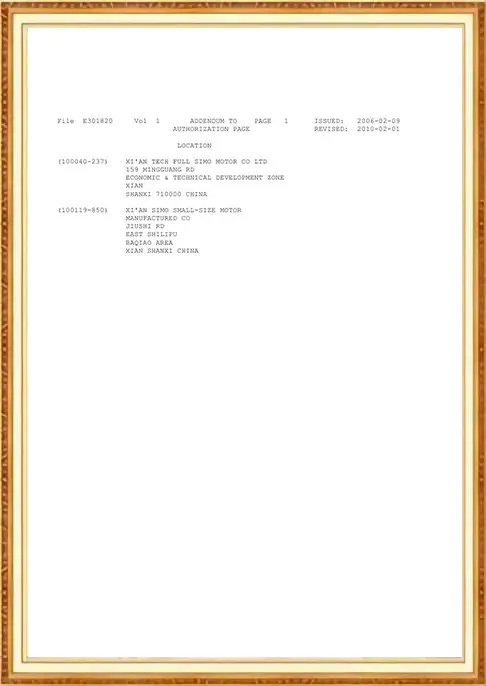
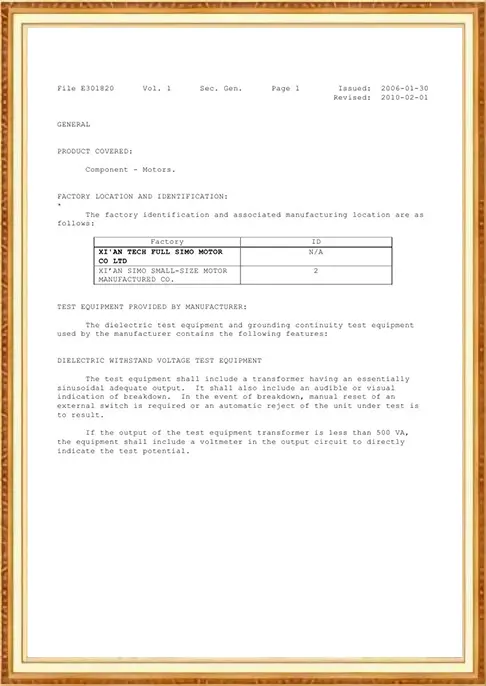
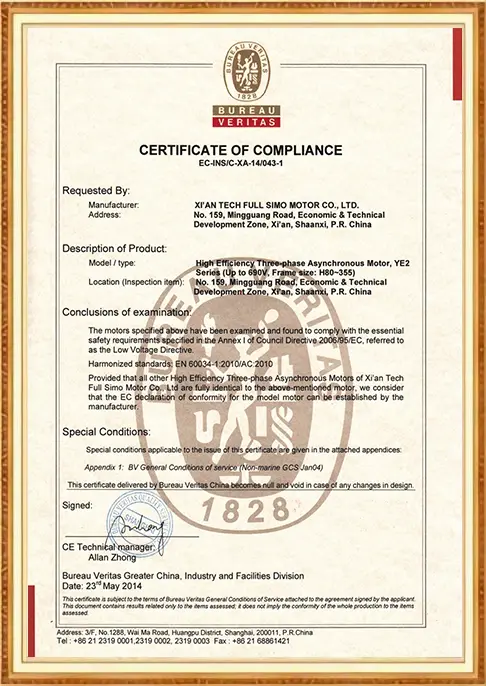
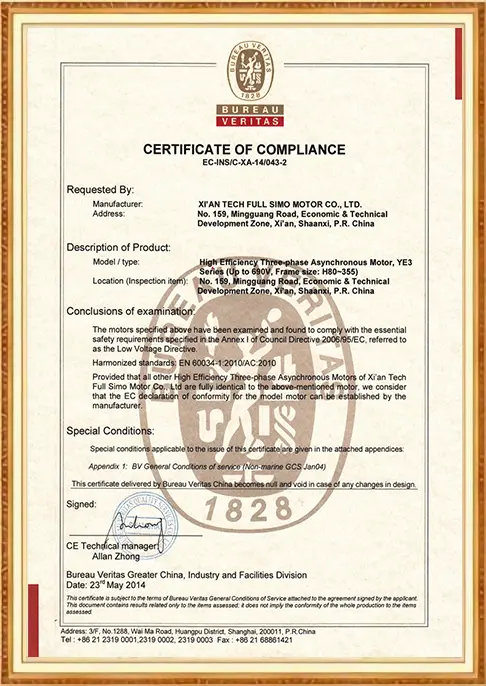
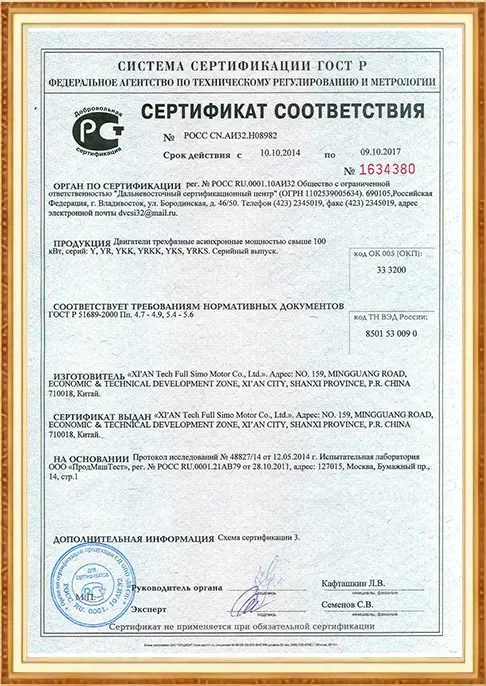
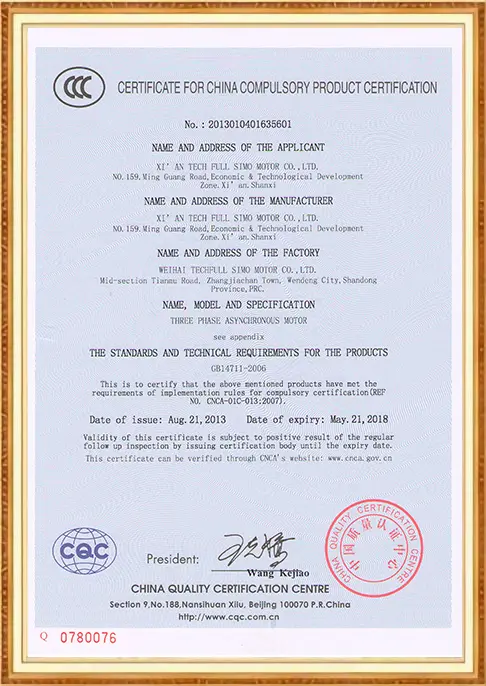
We maintain strict quality control throughout our manufacturing process. SIMO has earned ISO9001 Quality System Certification, the European Union's CE mark, United States UL certification, and the Russian Federation's GOST standard. These certifications ensure our products comply with the technical regulations and safety standards of diverse international markets.
Our electric motors are deployed globally across key industries, including power generation, coal mining, oil and gas, mineral extraction, metallurgy, rail systems, chemical processing, water conservation, and aerospace engineering.
SIMO’s R&D team designs and manufactures a wide range of motor systems, covering 34 major series, 1,800 varieties, and more than 19,500 individual specifications. Our power capacities span from 0.35 kW up to 25,000 kW, providing solutions for both light auxiliary equipment and massive industrial drivetrains.
How Chinese manufacturing combines cost-efficiency, deep supply chains, and specialized engineering to deliver reliable, high-performance motors.
China's industrial hubs bring raw material processing, copper casting, electromagnetic core fabrication, and precision machining into close geographic proximity. This highly integrated supply chain shortens lead times, simplifies shipping logistics, and reduces overall production costs.
By optimizing production layouts and scaling manufacturing volumes, Chinese factories can offer highly competitive pricing. "Discount" pricing in this sector is driven by supply chain efficiency and high volume—not by compromising on materials, tolerances, or safety certifications.
Chinese manufacturers are highly flexible, easily adapting standard motor designs to meet custom project specifications. Whether you need custom shaft extensions, specific bearing arrangements (SKF/FAG), or unique terminal box orientations, SIMO can tailor motors to your exact setup.
When purchasing medium and high-voltage motors for overseas installations, engineering and procurement teams should focus on several critical factors to ensure long-term reliability and compatibility:
Browse the remainder of our specialized motor catalog, engineered for heavy-duty pumps, fans, compressors, and custom drive systems.
Clear answers to common questions about selecting, maintaining, and sourcing high-voltage electric motors.
Typically, motors running on voltages of 3 kV (3,000V), 6 kV, 10 kV, or higher are classified as high-voltage (HV) or medium-voltage motors. Low-voltage (LV) motors generally operate below 1,000V. You should transition to high-voltage motors when your power requirement exceeds 200 kW to 350 kW. Using higher voltage levels reduces current draw, allowing for smaller cable cross-sections, lower thermal losses, and more efficient overall power distribution.
Vacuum Pressure Impregnation (VPI) is a process where a fully wound motor stator is placed in a vacuum chamber. Resin is introduced under vacuum and then pressurized, ensuring it penetrates every gap in the insulation system. VPI eliminates air pockets, improves heat dissipation, protects the windings from moisture and contaminants, and strengthens the mechanical structure to withstand high electrical forces.
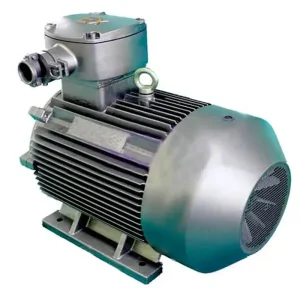
SIMO's explosion-proof motors (such as the YBX3, YBX4, and YBX5 series) are built with heavy flameproof enclosures. These housings are designed to contain any internal spark or explosion and prevent it from igniting hazardous gases or dust in the surrounding area. Our explosion-proof lines are tested and certified to meet both Chinese Ex and international Ex safety standards, making them suitable for refineries, chemical plants, and underground mines.
These codes define the motor's cooling method under standard IEC guidelines:
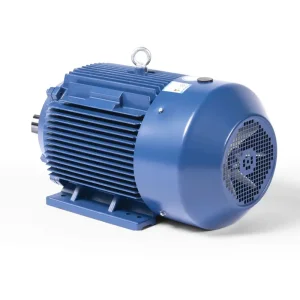
IC411: Totally Enclosed Fan Cooled (TEFC). An external fan on the shaft blows air over the ribbed outer frame.
IC611: The motor features an air-to-air heat exchanger. Internal air is circulated through tubes that are cooled by external air.
IC81W: The motor uses an air-to-water heat exchanger, providing quiet, high-capacity cooling that is ideal for hot environments.
We offer wide-ranging customization options, including custom shaft dimensions, specialized bearing setups (such as insulated or sleeve bearings), RTD temperature sensors for winding and bearing protection, space heaters to prevent condensation, and custom terminal box locations to match your site's physical constraints.
Synchronous motors (like the TDMK series) run at a constant speed independent of load changes, which is beneficial for heavy grinding operations. They operate at high efficiency and allow you to adjust the power factor to leading, helping correct the overall electrical power factor of the plant and reduce utility costs.
SIMO Motor's design and manufacturing systems are certified to meet ISO9001 quality guidelines. In addition, our product lines carry CE (Europe), UL (United States), and GOST (Russia) certifications, ensuring they comply with local safety and performance regulations across different global markets.
To request a quote, please contact our sales engineering department through our website. Providing key system details—such as rated power (kW), voltage (kV), rated speed (RPM), cooling method (e.g., IC611), mounting configuration (IM B3, etc.), enclosure rating (IP54/IP55), and any environmental challenges—will help us deliver a fast and accurate proposal.
 Lite Simo