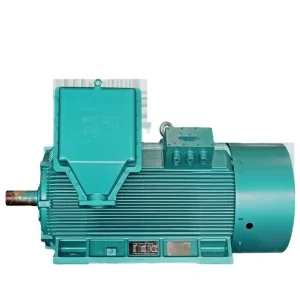
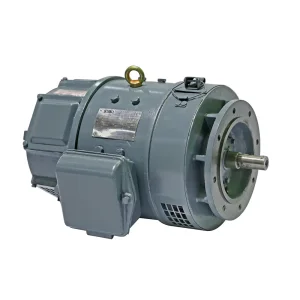
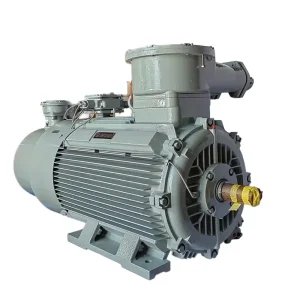
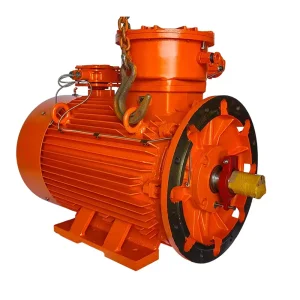
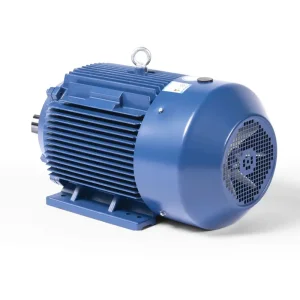
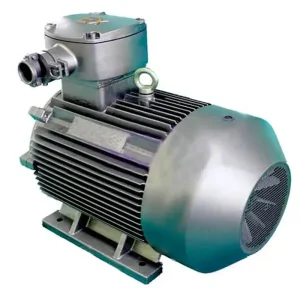
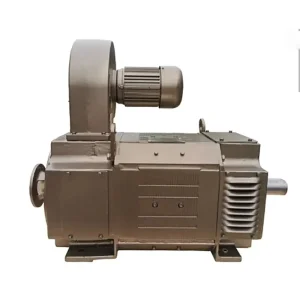
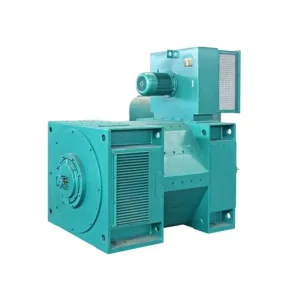
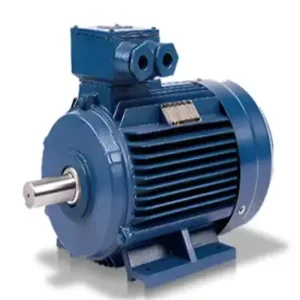
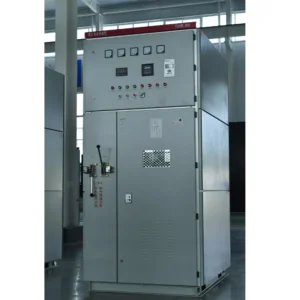
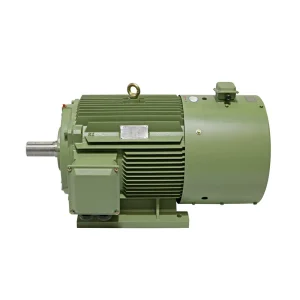
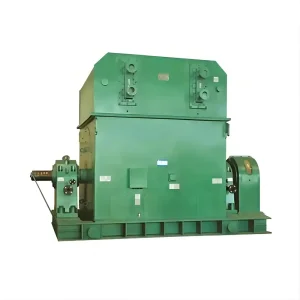
Explore our leading industrial motor configurations, optimized for extreme environments, heavy start-up torques, and variable speed control.
Modern industrial plants operate in highly complex structural ecosystems where energy efficiency, mechanical uptime, and structural durability determine the bottom line. As heavy industry pivots toward complete automation and deep carbon footprint reduction, high-power motors have graduated from simple rotational mechanical components to highly customized, grid-interactive, and dynamically controlled energy converters.
Finding a reliable Discount High Power Motor Supplier & Factory entails assessing thermal safety design limits, rotor structural integrity, variable frequency compatibility, and total cost of ownership (TCO). This comprehensive document examines how advanced motor topology, structural optimization, and local logistics alignment drive long-term plant viability.
Executive Insight: The true cost of a high-power industrial motor goes beyond the purchase price. Power consumption represents over 95% of an electric motor's total life-cycle costs. Thus, acquiring highly efficient motors (IE4 or IE5 standards) from a vertically integrated factory yields compounding returns by reducing operational expenses (OPEX) and unplanned thermal outages.
Xi’an Lite SIMO Motor Co., Ltd. (LITESIMO Company) - Decades of Advanced Electrical Engineering Leadership
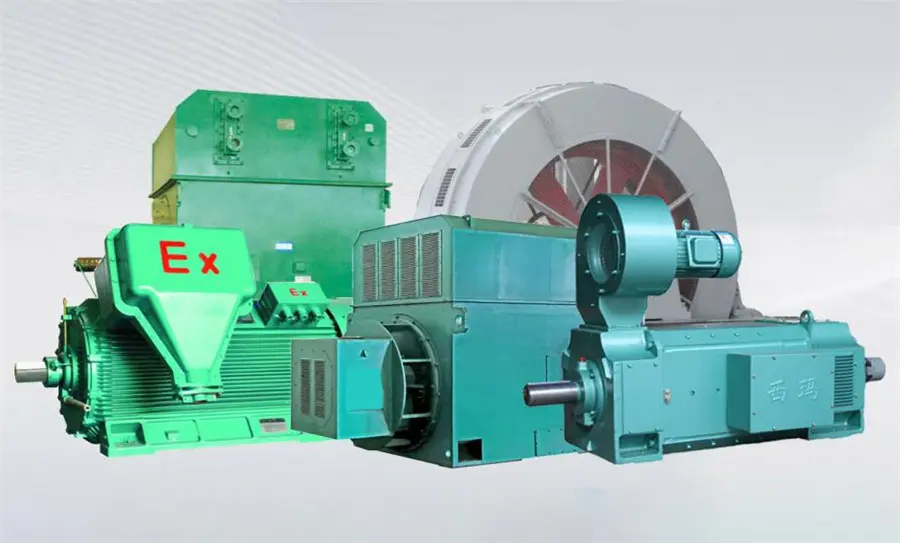
Xi’an Lite SIMO Motor Co., Ltd. is a leading electrical manufacturing enterprise specializing in the production of large/medium-sized, high/low voltage AC motors, DC motors, synchronous motors, and explosion-proof motors within the Chinese mechanical industry. SIMO stands as a comprehensive manufacturing and service supplier, integrating motor design, manufacturing, precision mechanical processing, mold development, and complete unit assembly. The company ranks at the top of China’s motor manufacturing industry regarding production scale and has maintained a rapid developmental trajectory for consecutive years.
The company was founded in 1955, accumulating over 60 years of history in motor engineering, production, and global trade. The registered capital is 21.5 million RMB. SIMO currently operates three manufacturing facilities and one subsidiary factory, with fixed assets totaling 380 million RMB. The production lines feature more than 1,172 sets of advanced manufacturing and inspection equipment, backed by an expert workforce of over 1,200 employees, including more than 260 technical engineers, 21 senior engineers, and 15 expert engineers.

Procuring heavy-duty electric motors from a qualified Chinese factory provides significant advantages that extend beyond competitive pricing. By utilizing China's well-integrated industrial clusters, global procurement teams can improve their project timelines and operational resilience.
Direct proximity to major Chinese steel mills guarantees access to high-grade, cold-rolled non-oriented silicon steel sheets, which are critical for reducing core hysteresis losses in high-voltage motors. Integrated raw material supply chains protect production schedules from fluctuations in the international market.
Based in the high-tech development zone of Xi'an, SIMO utilizes local mechanical research networks, specialized cast-iron casting partners, and automated coil winding operations to reduce lead times for custom orders.
By producing thousands of motor specifications ranging from 0.35 kW to 25,000 kW, the facility achieves low per-unit production costs. This efficiency allows for cost savings on raw materials while maintaining the capability to produce custom shaft shapes, custom mounting frames, and variable voltage windings.
Simo Motor’s R&D capabilities cover 34 major series, including over 1,800 varieties and 19,500 distinct specifications. Below is an engineering overview of the primary motor classes engineered at our factories:
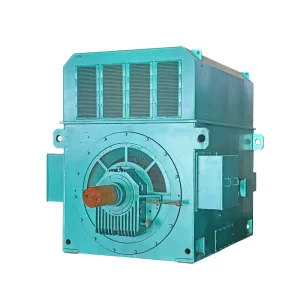
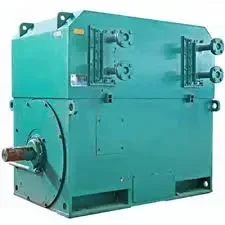
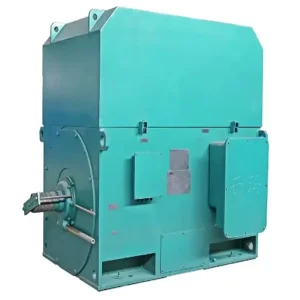
High-voltage asynchronous motors serve as the primary drivers in large-scale industrial operations. Designed for voltages ranging from 3kV to 11kV, these motors employ Class F insulation (VPI vacuum pressure impregnated with solventless epoxy resin) and are available in various cooling designs (IP23, IP44, IP54, IP55) and ventilation topologies:
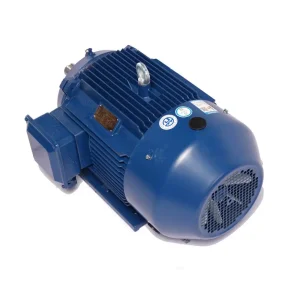
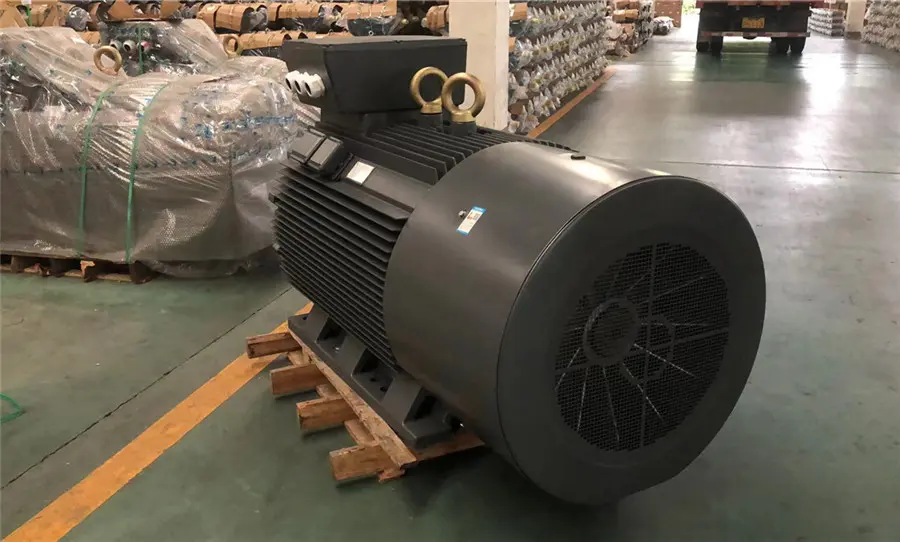
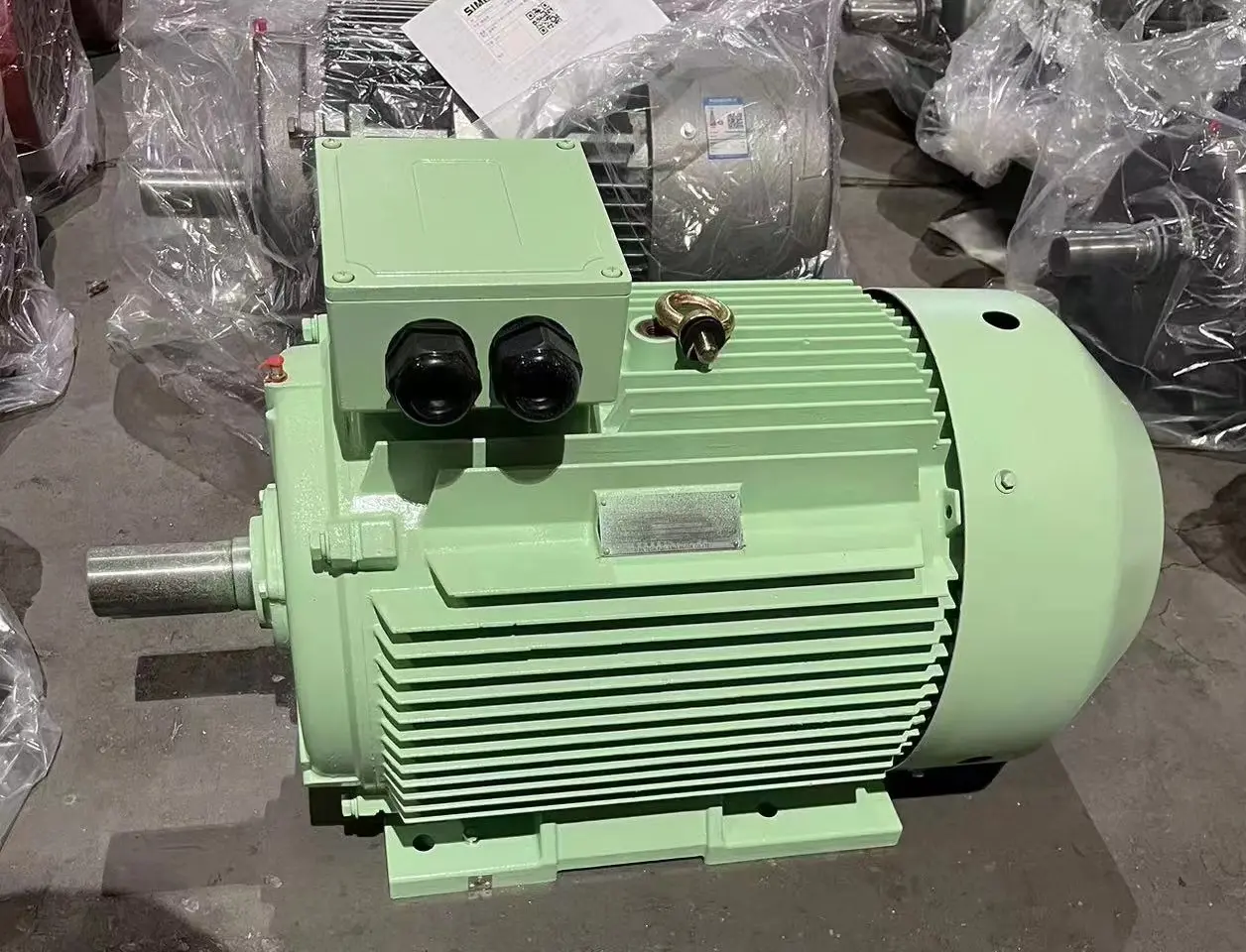
As international regulations shift toward energy-efficient designs, our YE4 (IE4) and YE5 (IE5) three-phase low-voltage motors help reduce plant energy consumption. By optimizing copper slot fill factors, using thin laminations, and reducing windage losses, these motors achieve energy savings of up to 4% compared to standard IE2/IE3 designs.
Designed for coal mines, petrochemical refineries, and dust-heavy chemical facilities, these flameproof motors are engineered to contain internal explosions without igniting gas mixtures in the surrounding environment:
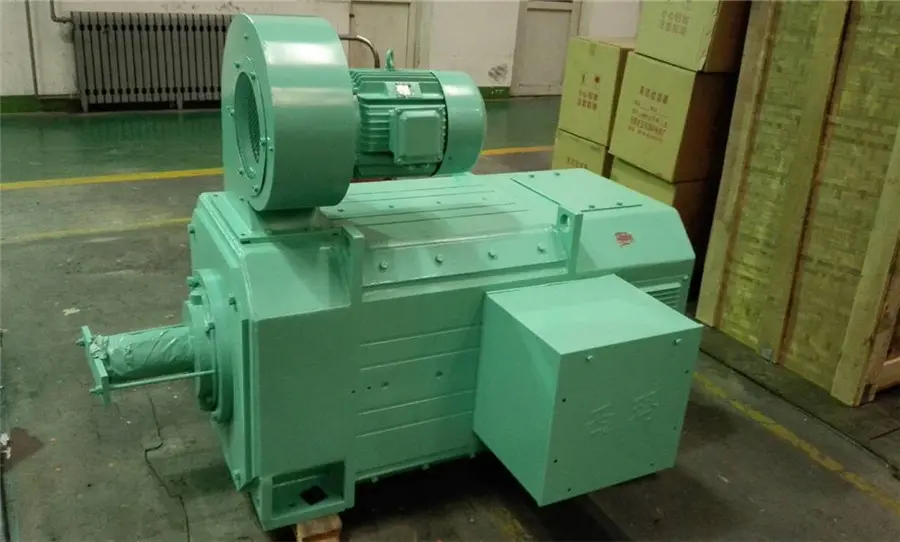
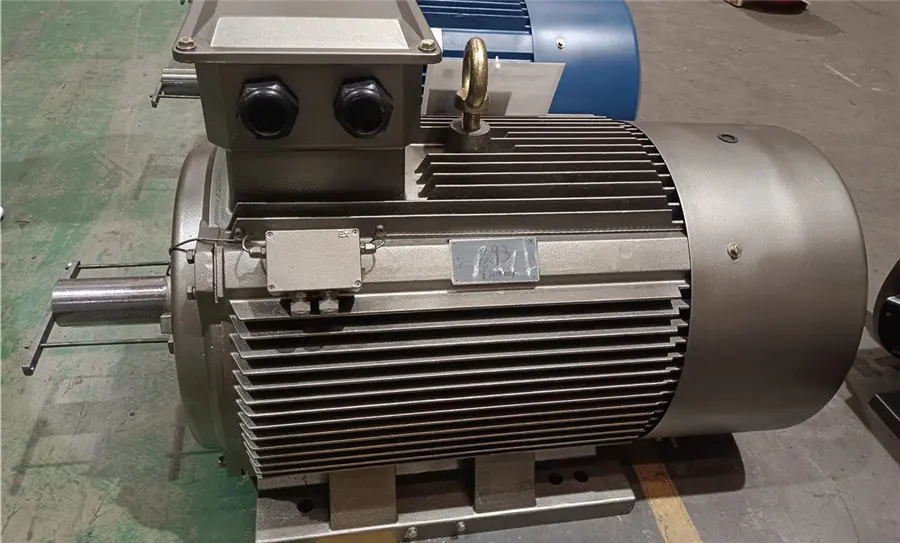
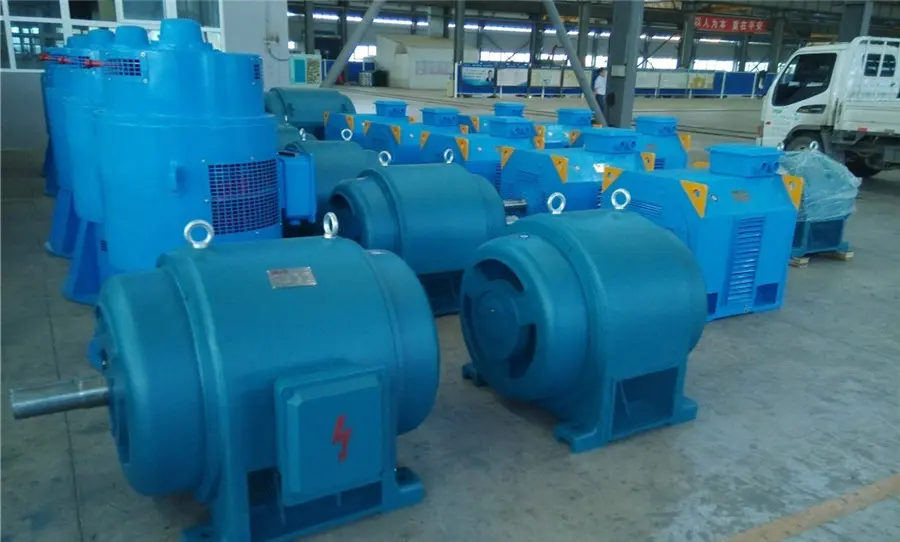
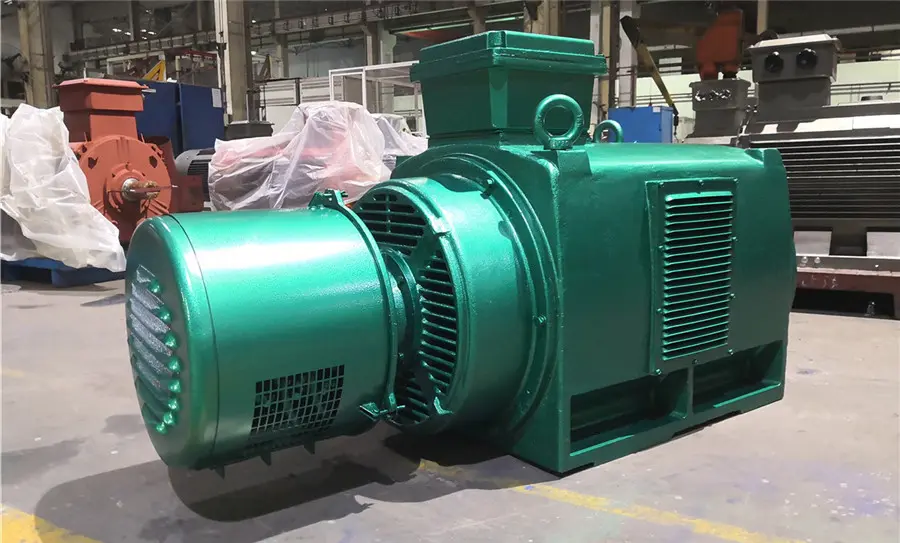
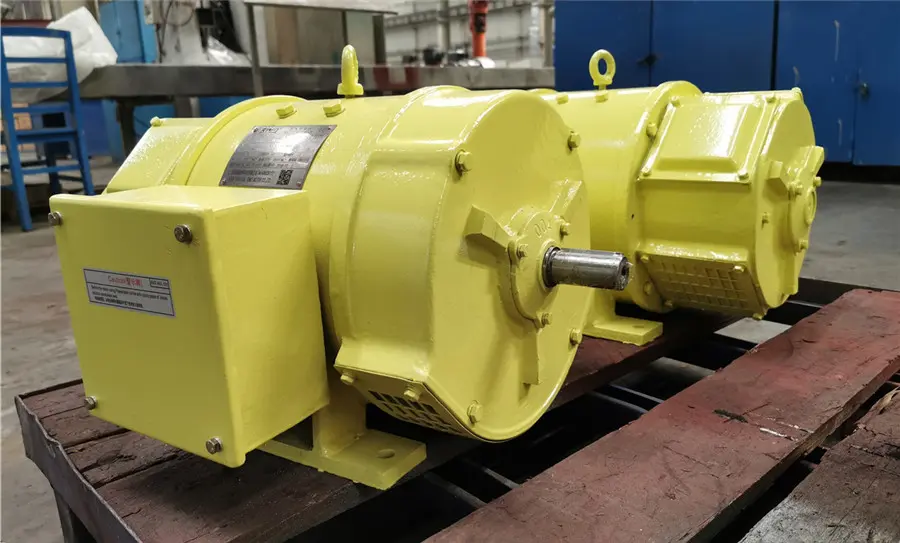
Procuring a high-power motor requires careful engineering planning to ensure compatibility with existing factory infrastructure. The sections below outline key engineering factors to consider when deploying motors in heavy-duty applications:
High-voltage motors are designed to operate within narrow voltage and frequency tolerances. When powered by Variable Frequency Drives (VFDs), harmonic currents can cause increased rotor heating and insulation degradation. Our YVFE3 and YBBP series motors utilize reinforced winding insulation and insulated non-drive end bearings to protect against shaft voltage build-up and electrical discharge machining (EDM) wear.
Starting large three-phase motors across-the-line (Direct-On-Line) can draw inrush currents up to 6–8 times the rated current, which may cause line voltage drops and stress winding end turns. Implementing our custom high-voltage soft start cabinets or variable frequency controllers reduces startup current, minimizes grid disturbance, and extends the mechanical life of gearboxes and shafts.
Selecting the appropriate cooling method depends on the installation environment. Under IEC standards, motors are classified by cooling method (IC code):
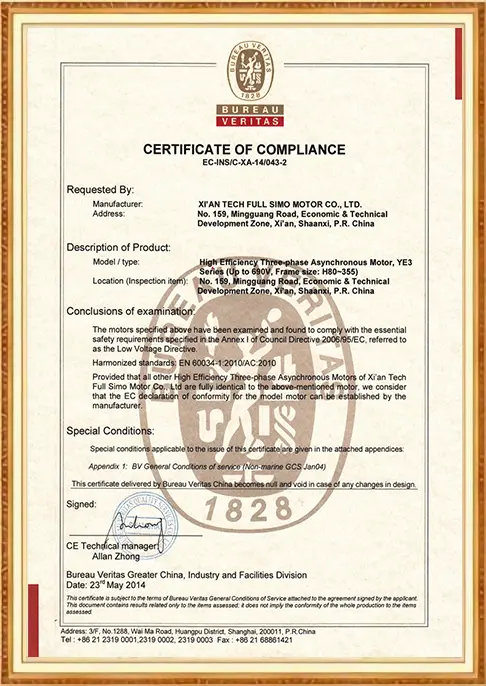
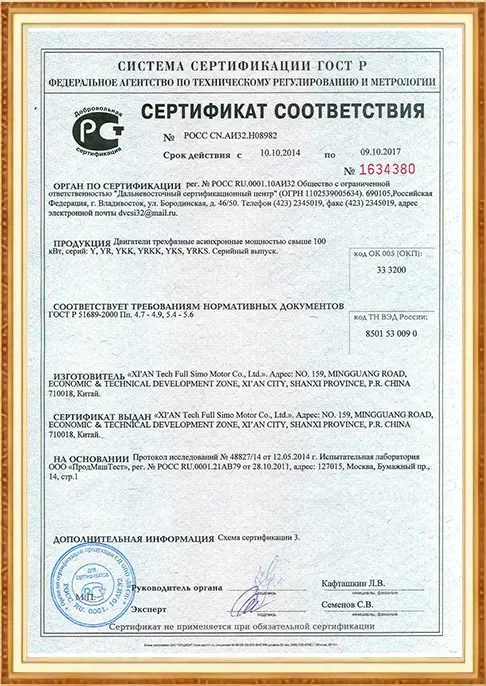
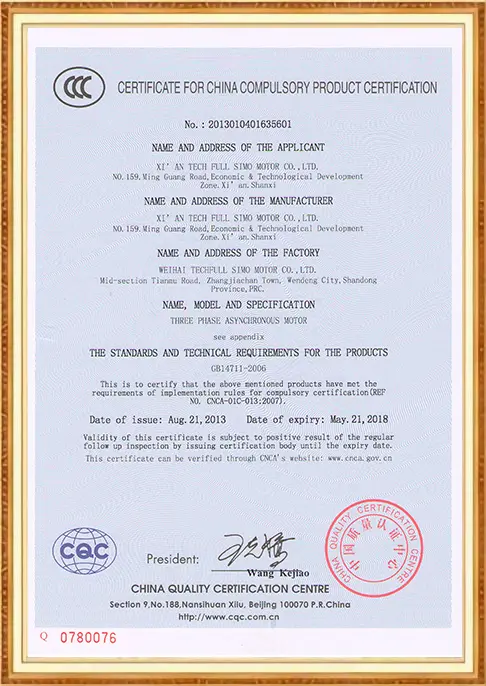
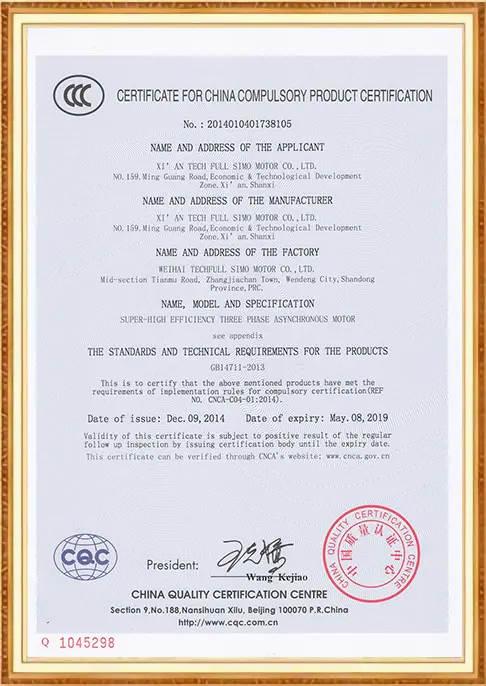
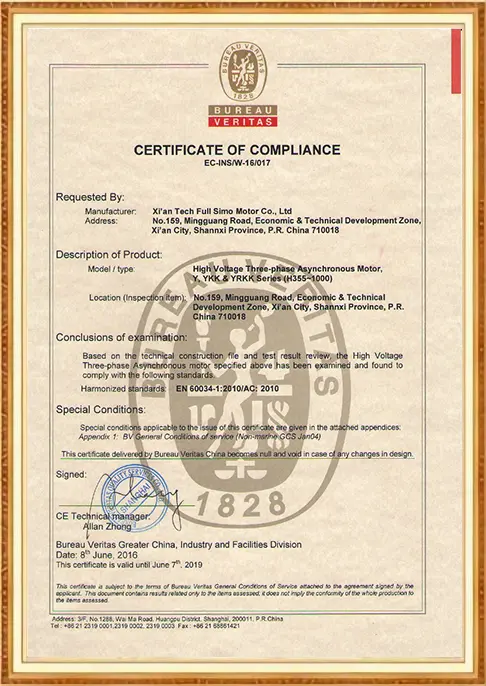
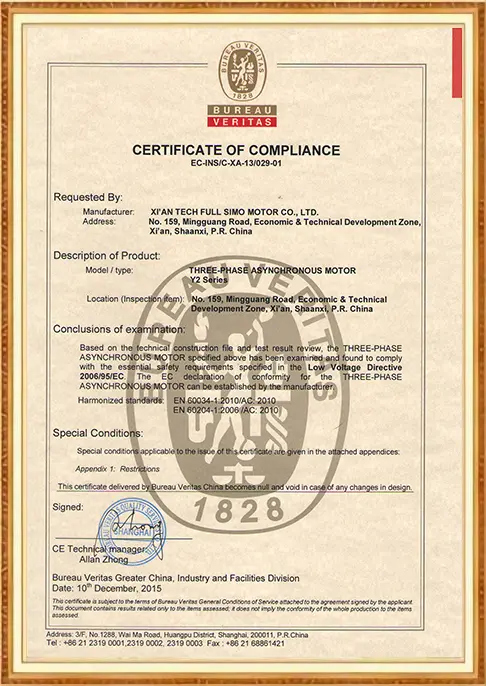
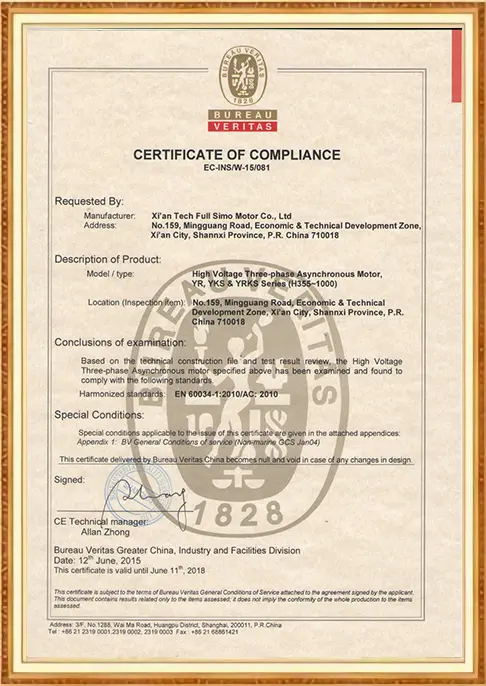
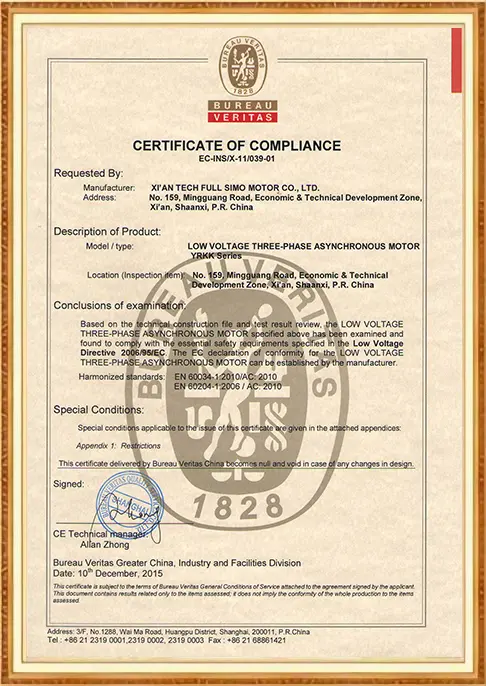
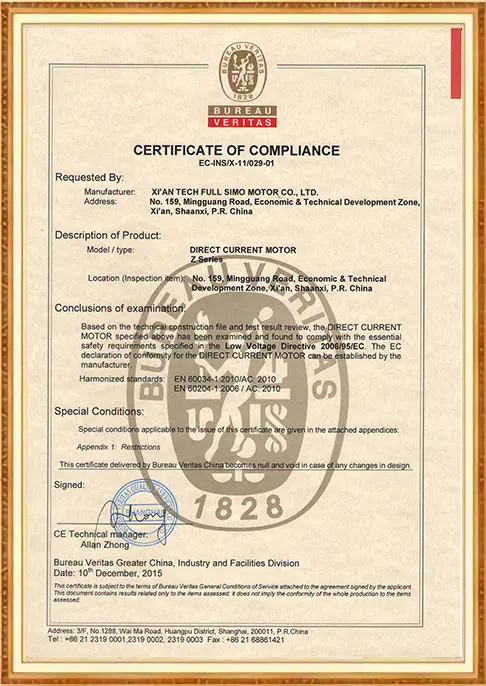
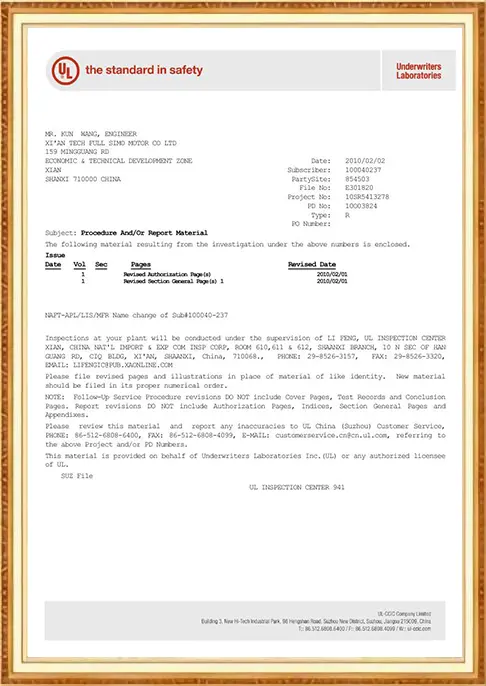
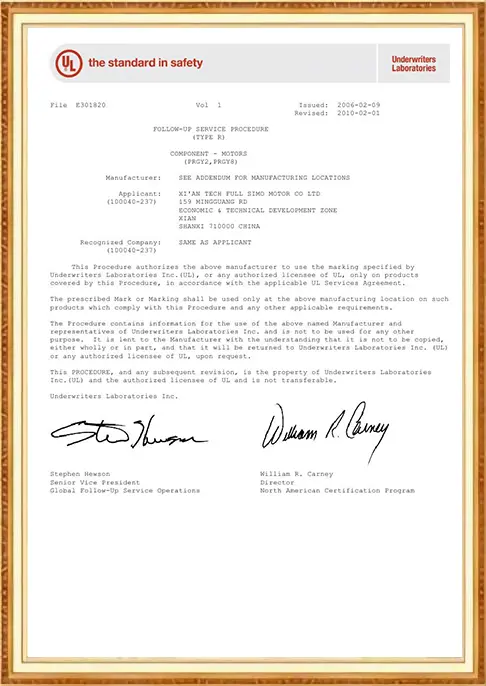
Simo Motor has obtained ISO9001 Quality System Certification, EU "CE", US "UL", Russian "GOST", and other international approvals. Our electric motors are utilized across various industries, including power generation, coal mining, petroleum refining, mining, metallurgy, railways, chemical processing, water conservation, aviation, and marine engineering, in both domestic and international markets.
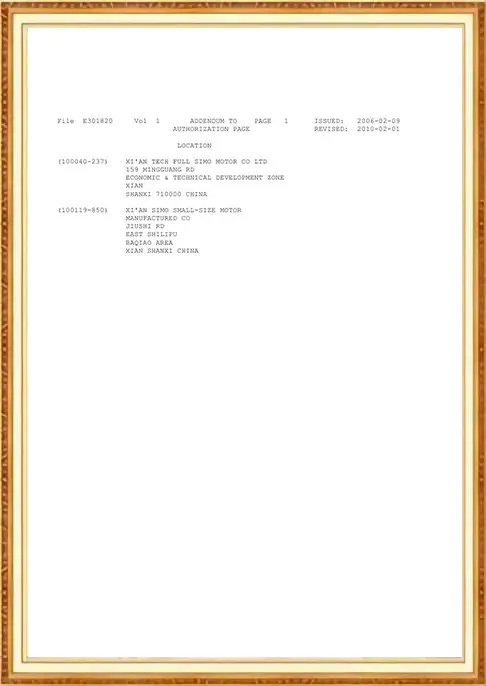
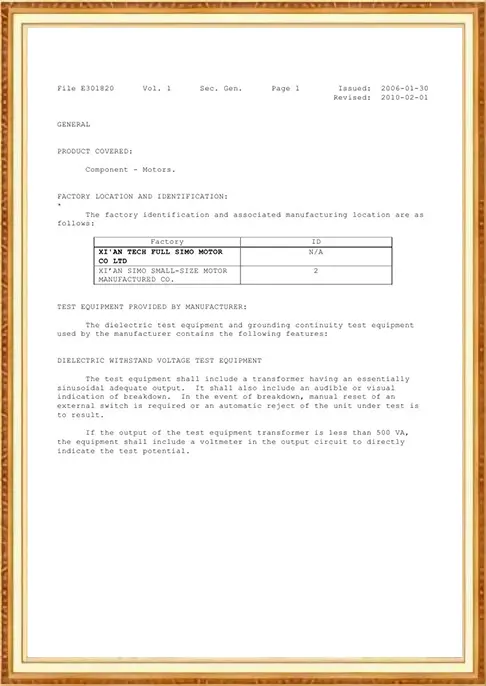
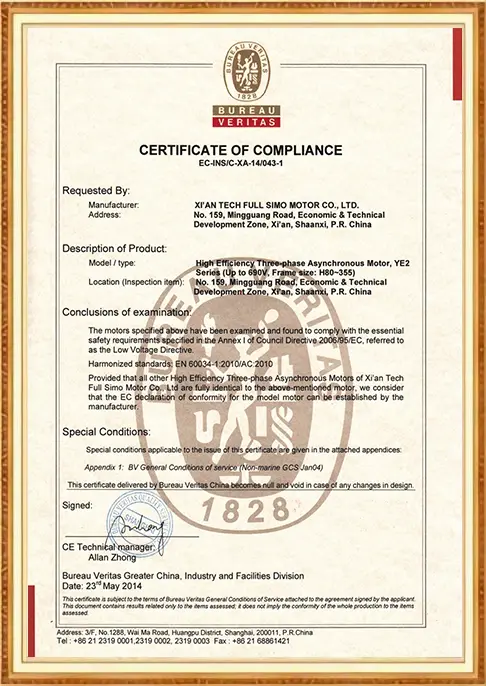
High-power electric motors are applied in demanding settings across several primary industries:
For conveyors and ventilation systems, the YBK3 series flameproof motors operate reliably in high-humidity, methane-rich atmospheres. These motors are constructed with robust cast-iron frames and thick end shields to withstand falling rock impacts.
Large gas compressors and high-pressure fluid transfer pumps rely on the YBX4 and YBBP series variable-frequency motors. These units are configured with specialized shaft sealing to prevent flammable hydrocarbon vapors from contacting internal electrical components.
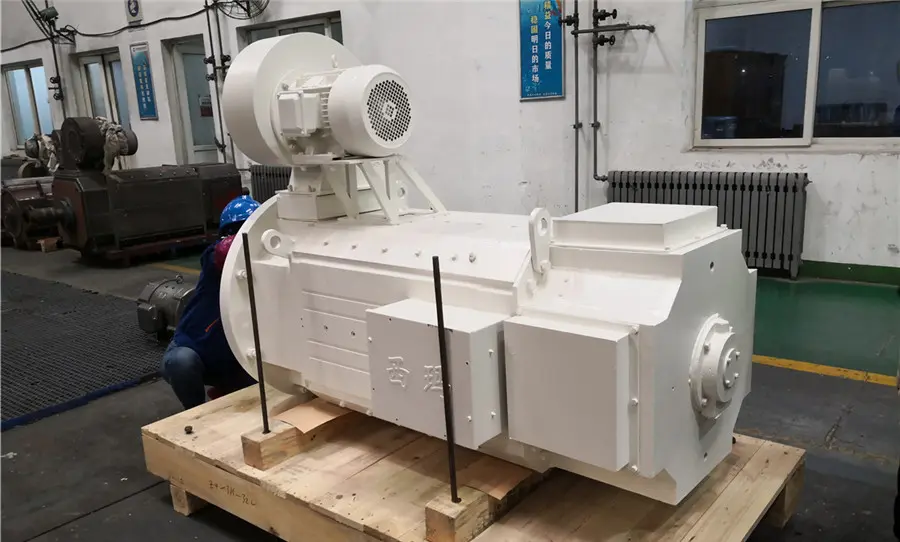
Reversing rolling mills require robust torque delivery and high overload capacity at low speeds. Custom Z-series DC motors and T-series synchronous motors provide the necessary torque response to handle steel slab feed operations.
Detailed answers to critical technical questions regarding the selection, installation, and operation of high-power industrial motors.
Explore our specialized high-voltage asynchronous models, synchronous generators, and soft starting cabinet solutions.
 Lite Simo