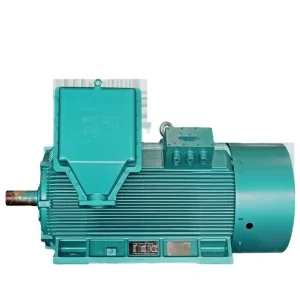
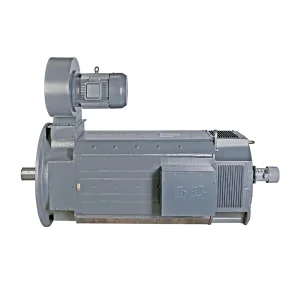
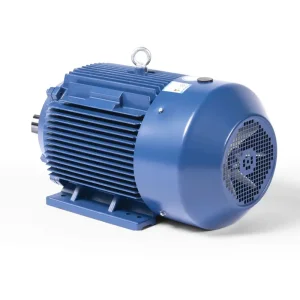
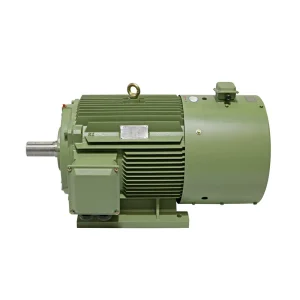
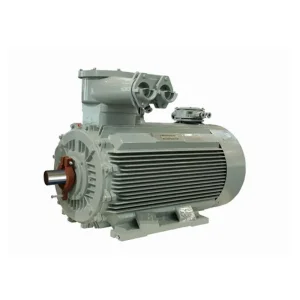
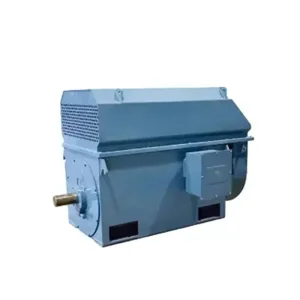
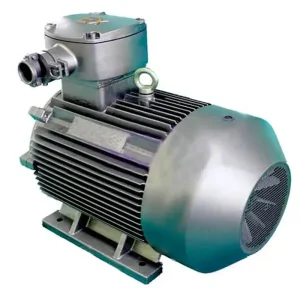
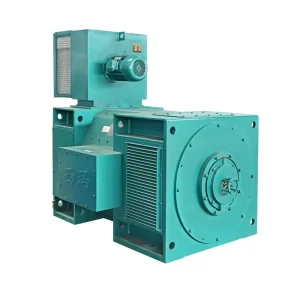
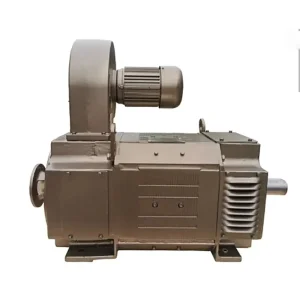
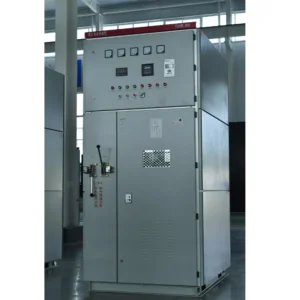
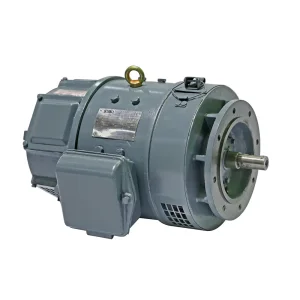
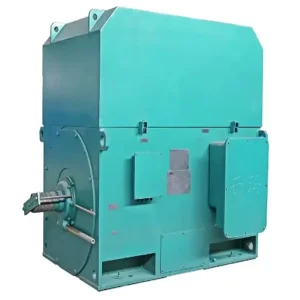
Select high-voltage induction and direct current configurations designed for extreme operational environments.
Understanding the engineering balance between closed-loop thermal transfer and high-voltage electrical performance.
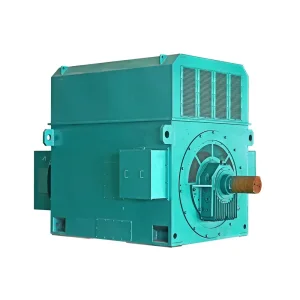
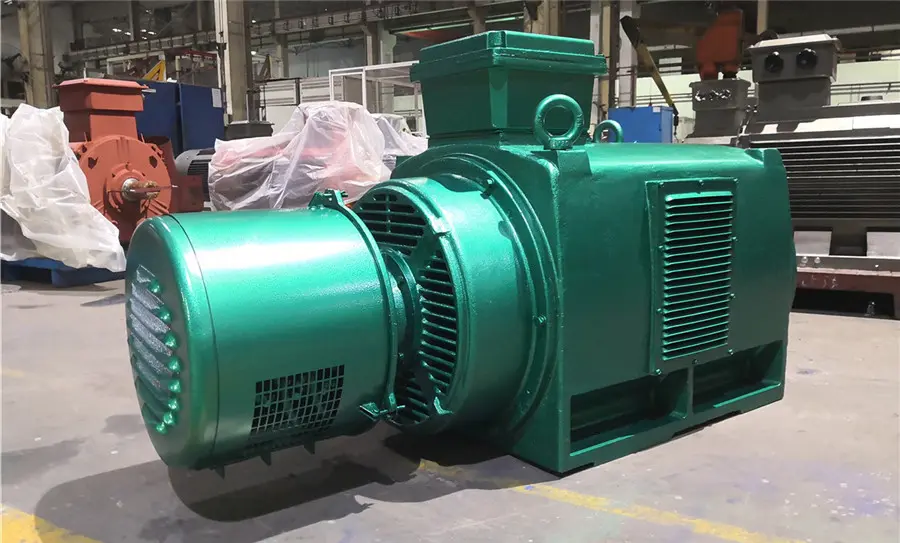
In heavy industrial applications where environment conditions are harsh, the selection of an electric motor's cooling system is as critical as its electromagnetic design. The Totally Enclosed Water-to-Air Cooled (TEWAC) topology represents the pinnacle of thermodynamic design for large-scale, high-voltage squirrel-cage induction motors. Unlike standard air-cooled systems, TEWAC motors isolate the stator and rotor components from external atmospheric contaminants, utilizing an air-to-water heat exchanger typically mounted on top of the machine frame.
TEWAC systems achieve superior cooling efficiency by leveraging the high specific heat capacity of water. Internal air is circulated through the active components (stator windings, core laminations, and rotor bars) by internal fans, picking up heat, and then passing through the water-cooled exchanger tubes where the heat is transferred out of the system. This allows the motor to operate at high power densities while maintaining temperature rises within strict thermal class limits, ensuring a prolonged operational lifecycle.
Engineering metrics and standard dimensions for medium to high-voltage industrial squirrel-cage induction systems.
| Performance / Design Parameter | Standard Configurations | Customized / Extreme Industrial Range |
|---|---|---|
| Rated Power Range | 160 kW to 5,000 kW | Up to 25,000 kW (Custom Megawatt Class) |
| Voltage Level | 3 kV, 6 kV, 10 kV | 380V to 13.8 kV (Highly Custom Stator Windings) |
| Protection Rating | IP54 / IP55 | IP56 / IP65 (Enhanced Sealing for Offshore/Marine) |
| Cooling Classification | IC81W (IEC Standards) | IC86W (For specific redundancy and high-heat environments) |
| Rotor Type | Cast Aluminum Cage | Fabricated Copper/Copper Alloy Bar (Custom Dynamics) |
| Insulation Grade | Class F (VPI Impregnated) | Class H (Nanoparticle Epoxy for Corona Suppression) |
| Compliance Standards | IEC, GB, DIN | API 541 (Petrochemical), API 547, NEMA MG1, IEEE |
How regional energy costs, decarbonization initiatives, and localized industries dictate procurement strategies.
With energy costs soaring globally, industrial operators in Europe, North America, and parts of Asia are focusing on total cost of ownership (TCO). Transitioning to high-efficiency TEWAC motors (IE3, IE4, and custom IE5 designs) yields major long-term electrical savings.
The petrochemical sector requires reliable explosion-proof structures. By utilizing TEWAC enclosures with internal gas purging and leakage sensors, manufacturers meet Ex d, Ex e, and Ex nA certifications, supporting safe operation in hazardous environments.
Global buyers seek reliable partners capable of handling custom shaft alignments, multiple voltage frequencies (50Hz/60Hz), and local site parameters. Heavy process industries demand comprehensive FAT (Factory Acceptance Testing) records prior to delivery.
Leveraging massive supply chain integration, advanced mechanical tooling, and decades of state-backed engineering legacy.
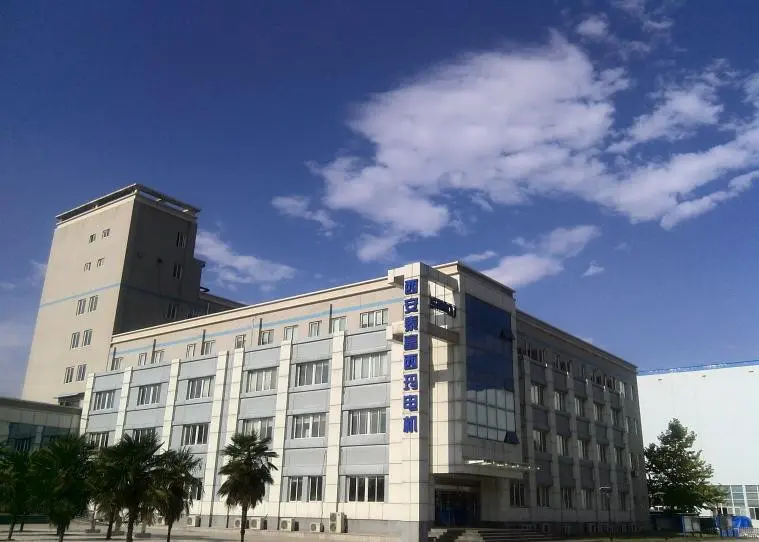
China’s electrical manufacturing sector has evolved from a regional assembly base into a global leader in high-precision, heavy-duty electrical machines. Companies like Xi’an Lite SIMO Motor Co., Ltd. (LITESIMO) lead this space. Founded in 1955 and boasting over 60 years of technical expertise, LITESIMO utilizes vertically integrated supply chains to source high-grade cold-rolled silicon steel sheet, low-loss electromagnetic wire, and high-purity copper casting materials directly.
This complete supply chain allows LITESIMO to maintain a production capacity that ranks among the top in China. Backed by 3 manufacturing plants, a subsidiary factory, and 380 million RMB in fixed assets, LITESIMO operates 1172 sets of advanced equipment. This infrastructure ensures tight tolerance control on CNC machining centers, high-accuracy dynamic balancing machines, and fully automated vacuum pressure impregnation systems.
Real-world operational settings demanding TEWAC engineering to protect internal electric arrays.
Driving gas compressors and refinery fans under hazardous ATEX/IECEx zones. The TEWAC frame stops corrosive fumes from contacting internal copper coils, while utilizing non-sparking water-to-air cooling modules.
Used on grinding mills, SAG mills, and heavy conveyors. TEWAC cooling maintains thermal stability in high-altitude mills where thin air reduces the heat-dissipating capacity of typical air-cooled systems.
Driving high-pressure boiler feed pumps and circulating water pumps. Continuous, uninterrupted performance is critical to prevent power plant shutdowns, requiring robust cooling redundancy.
The convergence of Internet of Things (IoT) monitoring and advanced variable speed topologies.
Modern TEWAC squirrel-cage motors are increasingly integrated with variable frequency drives (VFDs) like LITESIMO's YVFE3, YVFE4, and YVFE5 series. Traditional motors operating on VFDs at low speeds risk overheating due to reduced fan flow. By utilizing custom water-to-air cooling structures, cooling efficiency is decoupled from rotor speed, maintaining optimal heat transfer even at minimal operating frequencies.
Furthermore, smart flow control valves regulate water intake based on real-time winding temperature measurements, optimizing water consumption and improving plant-wide energy efficiency.
Integrated sensors are now standard in high-power industrial installations. RTDs (Resistance Temperature Detectors) embedded inside the stator slots and bearings provide real-time thermal profiles. Coupled with accelerometer arrays measuring vibration peaks and leak-detection circuits in the TEWAC heat exchanger, operations teams can identify potential faults before they lead to downtime.
Key verification points for engineering procurement departments during vendor validation.
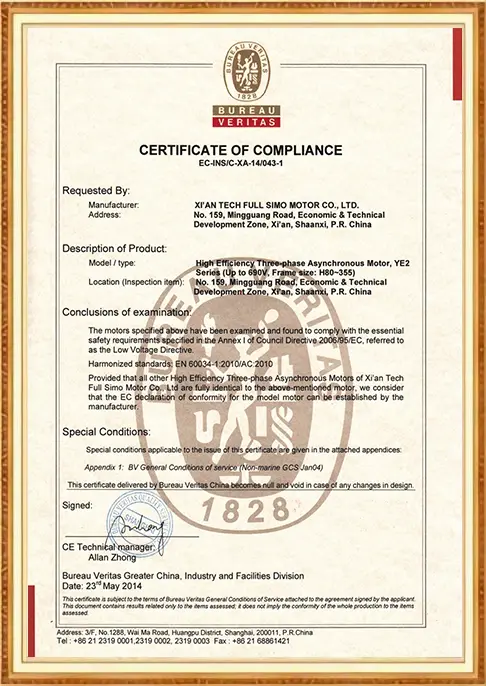
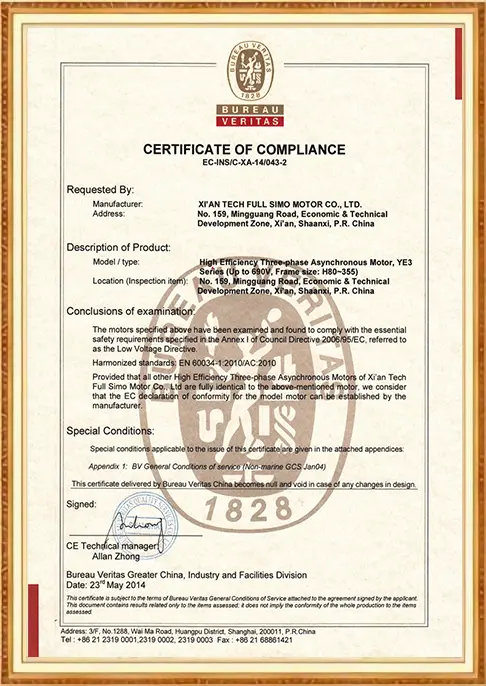
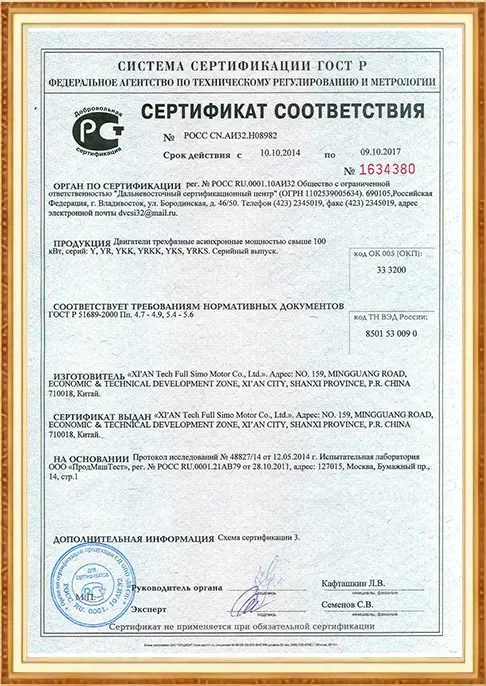
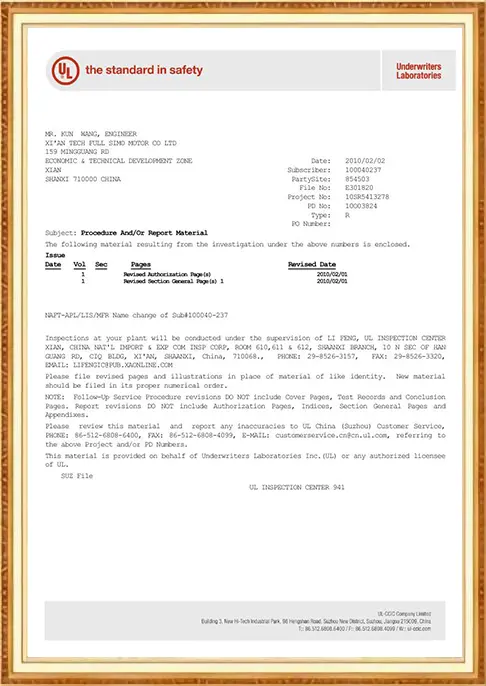
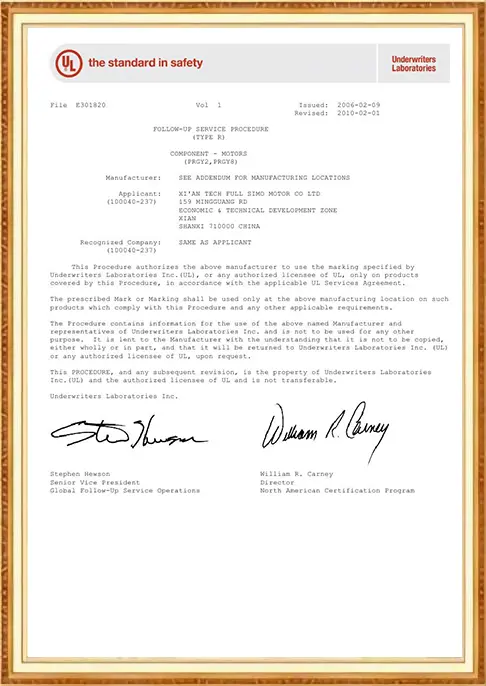
Ensure the manufacturer is audited to local regulations: ISO9001 (Quality Systems), European CE, US Underwriters Laboratories (UL), and Russian GOST. Check the validity of hazardous area approvals (ATEX, IECEx, CNEx).
Request testing profiles for copper rotor bars. Ask for details on the brazing process for the end-ring connections, which must withstand thermal stress and cyclic radial loading without deformation.
Specify the exchanger tube materials based on source water quality. Copper-nickel (CuNi10Fe1Mn) or titanium tubes are required for corrosive seawater, while standard copper suffices for closed-loop industrial water.
Over 60 years of continuous growth, engineering milestones, and industrial production upgrades.
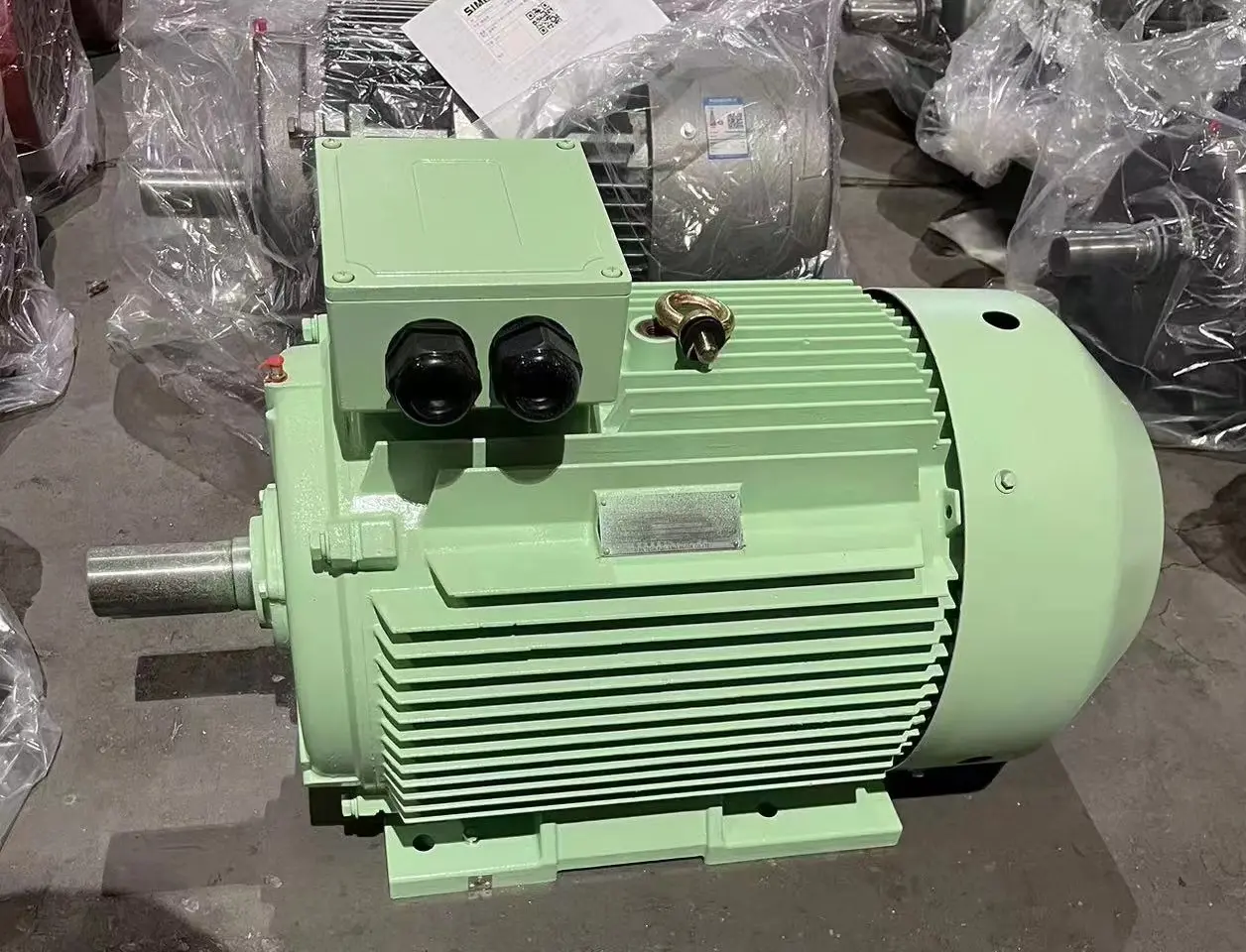
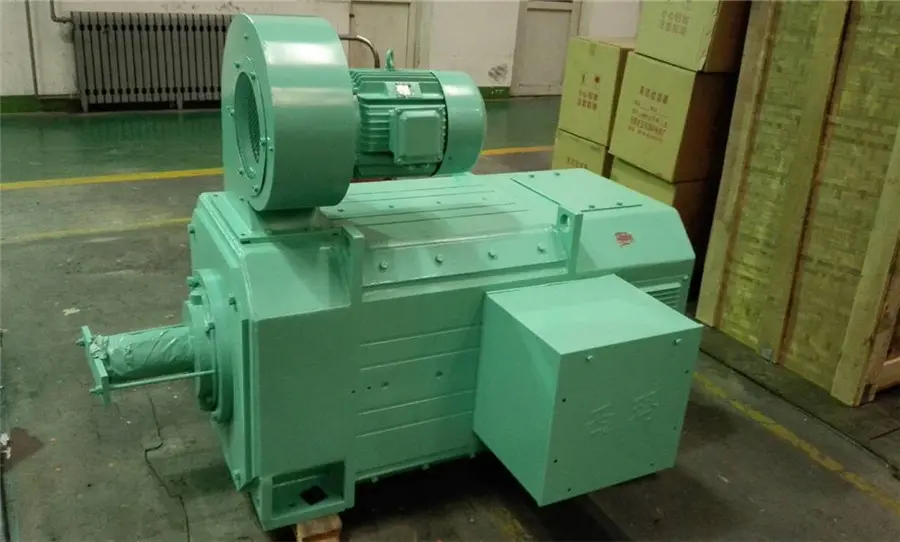
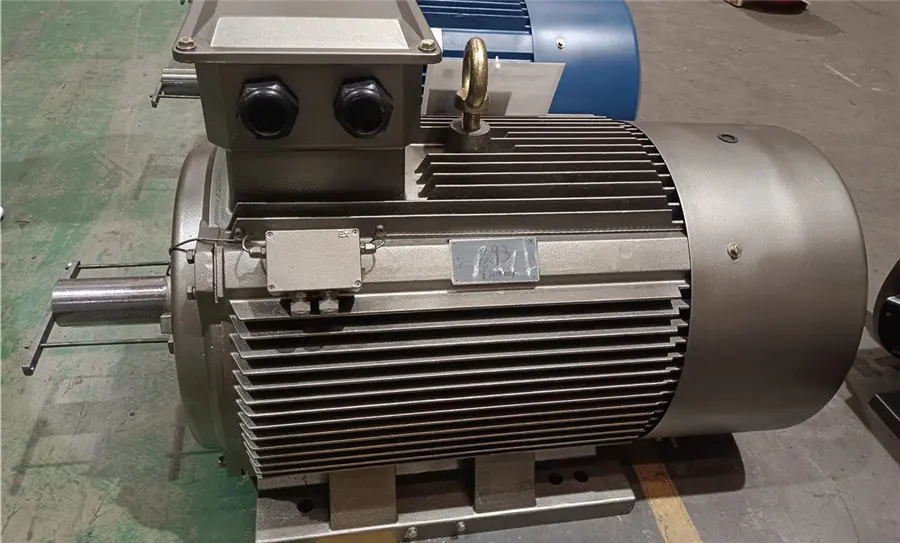
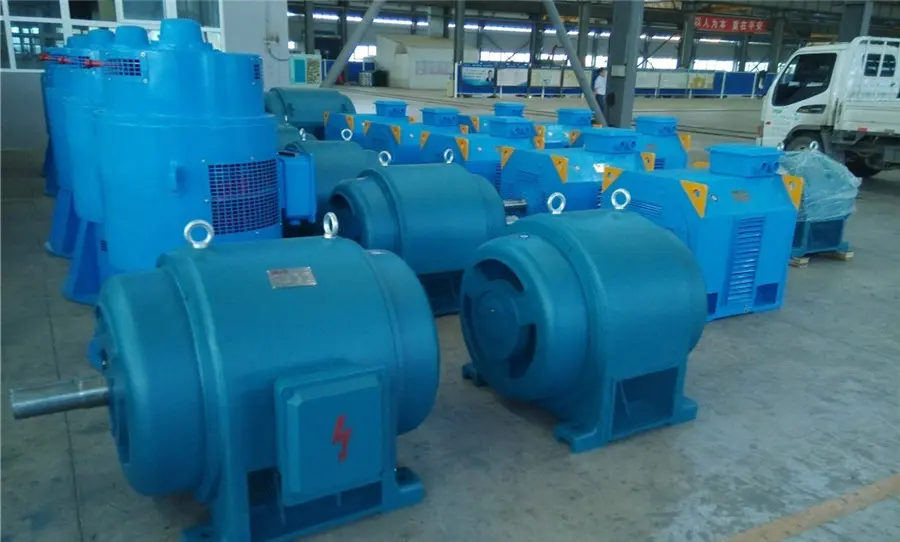
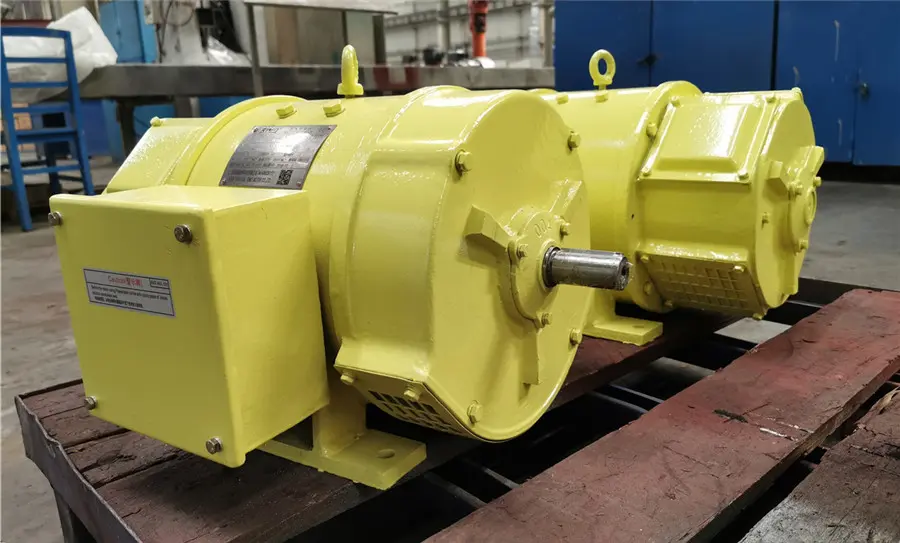
Originally founded in 1955 under state oversight, Xi’an Lite SIMO Motor Co., Ltd. (LITESIMO) has grown into a comprehensive manufacturing supplier of motor design, mechanical processing, mold making, and advanced assembly. The registered capital stands at 21.5 million RMB. LITESIMO operates dynamic design departments that build robust motor variants with a power range spanning from 0.35kW to 25,000kW, covering 34 major series, 1800 varieties, and over 19,500 distinct specifications.
Whether for low-voltage, highly standard application ranges or high-voltage, custom TEWAC configurations, the engineering division handles electromagnetic modeling and thermal analysis to optimize active material utilization.
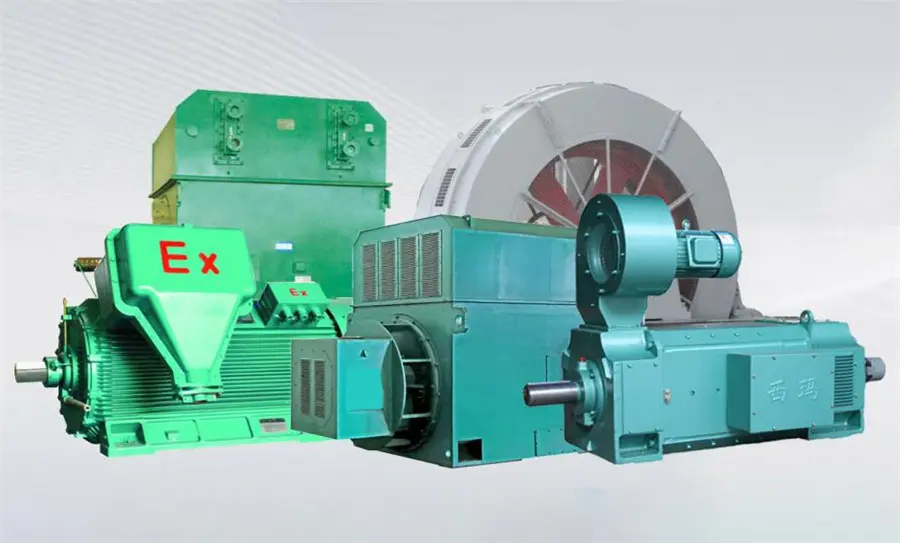
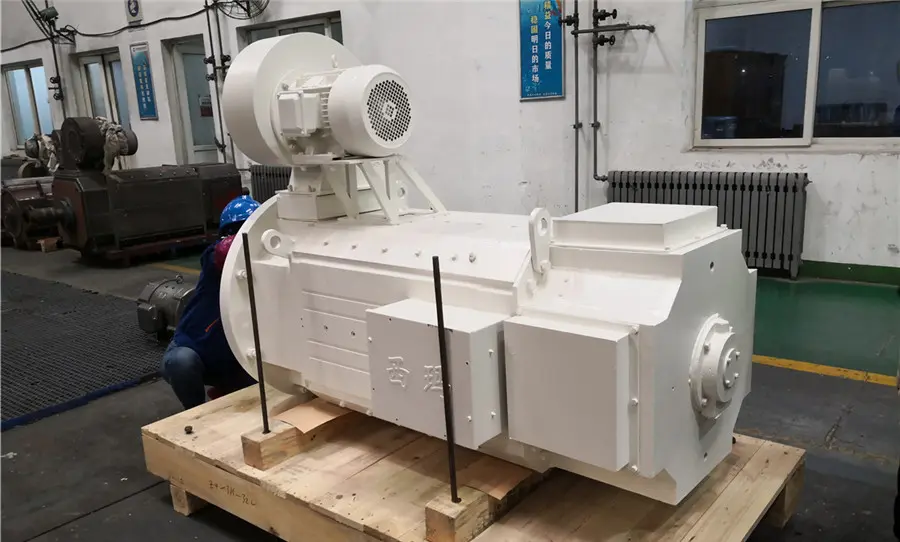
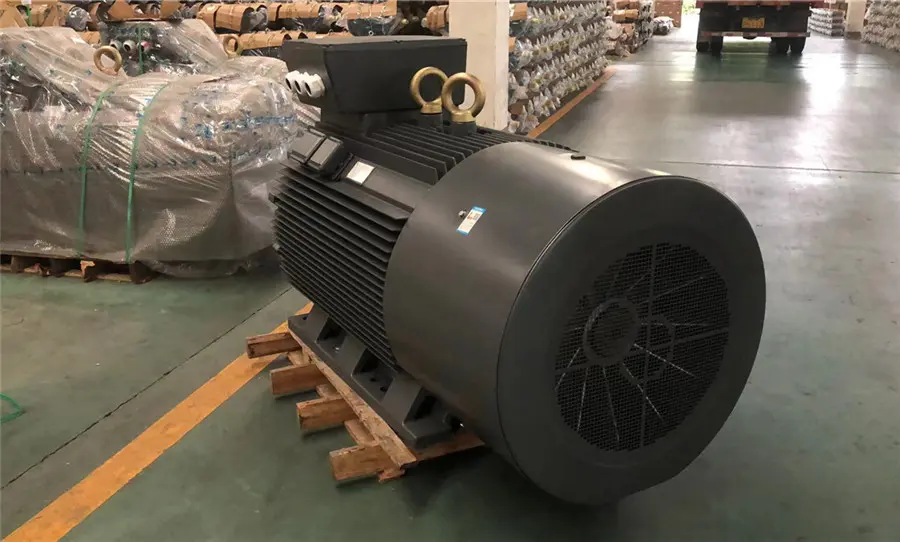
Validated safety frameworks conforming to strict international distribution guidelines.
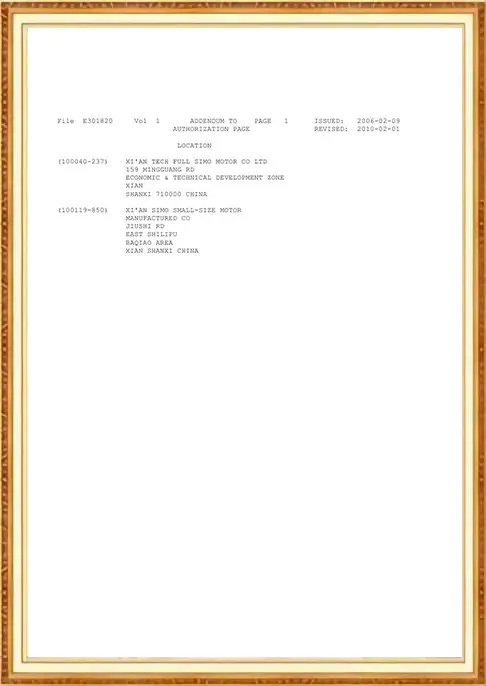
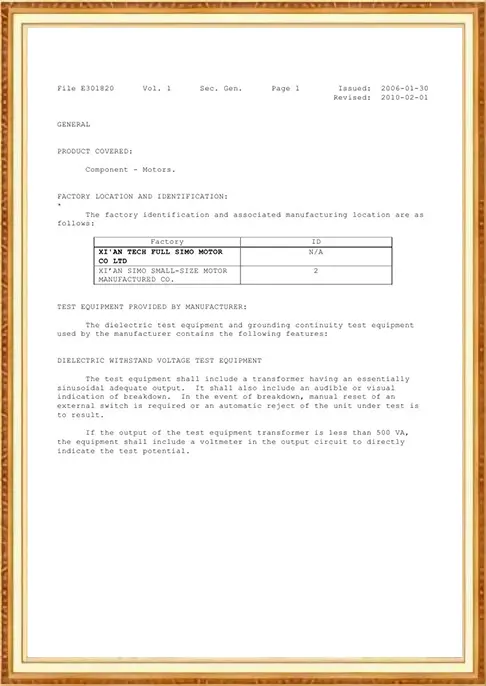
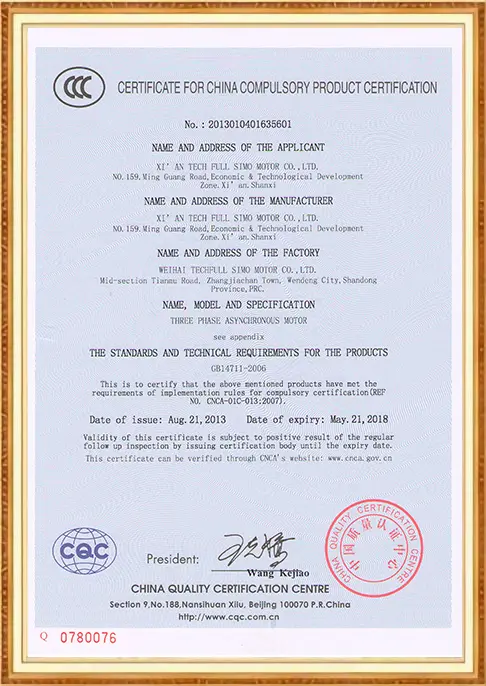
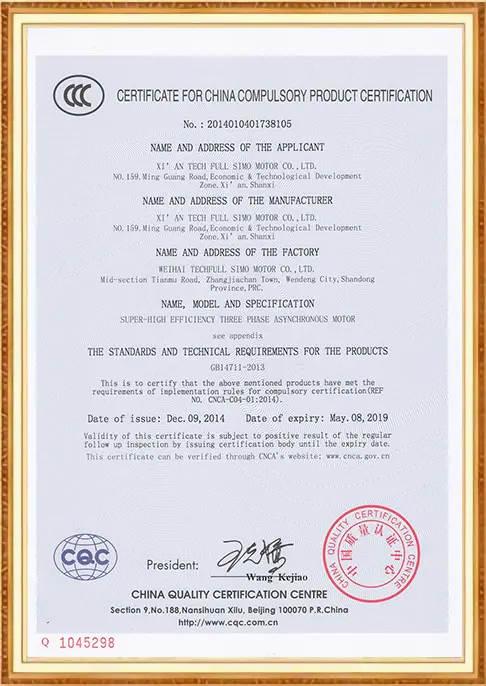
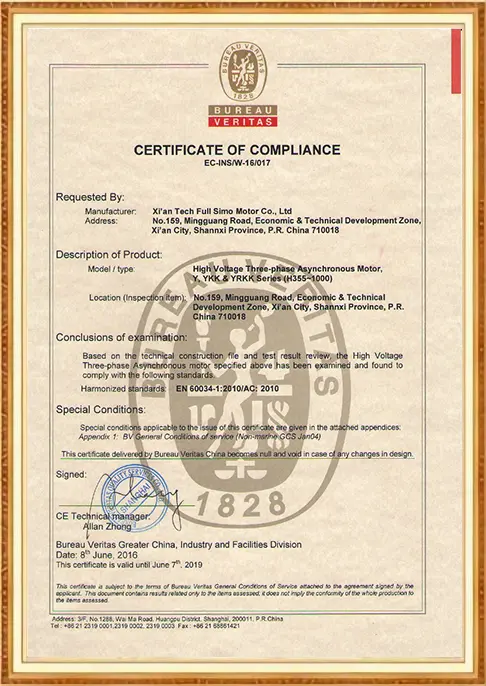
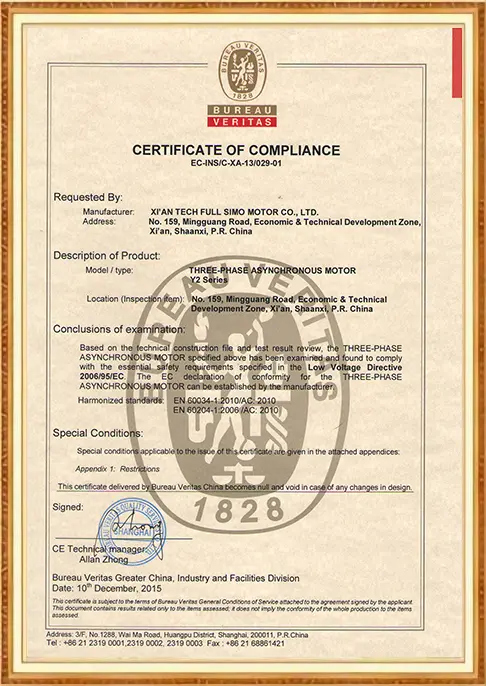
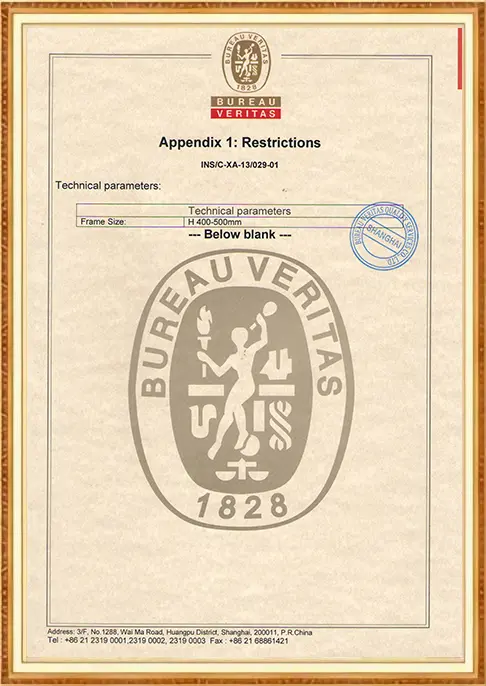
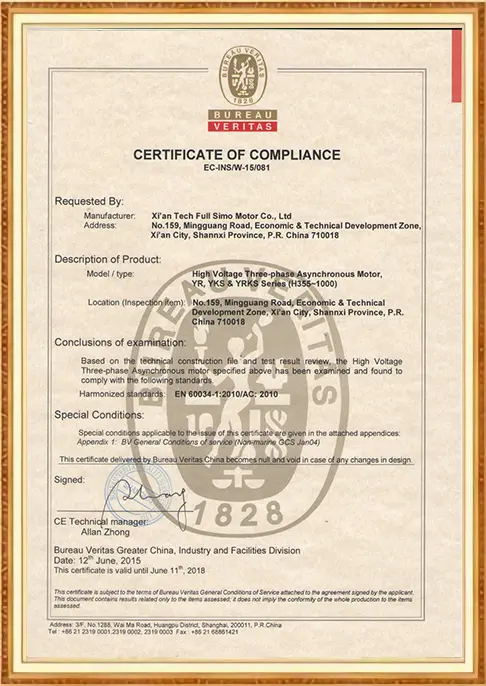
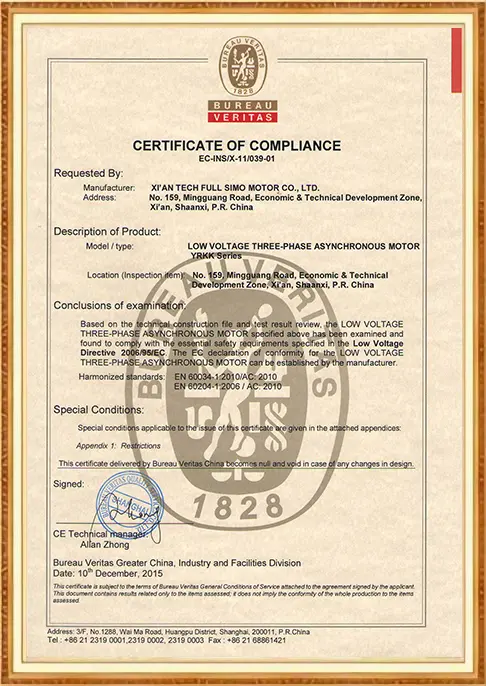
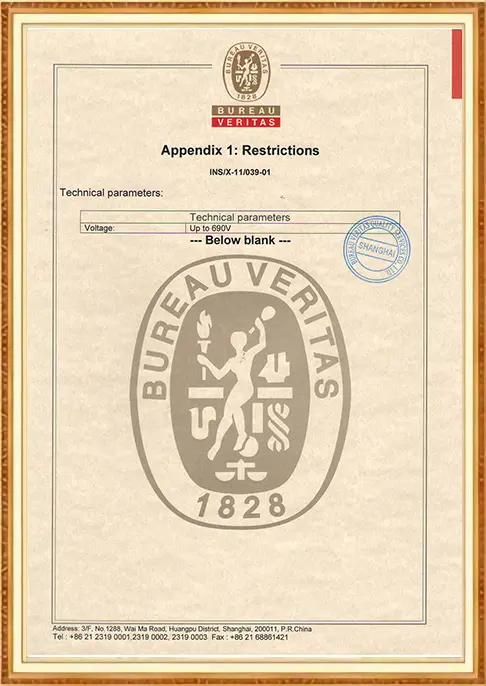
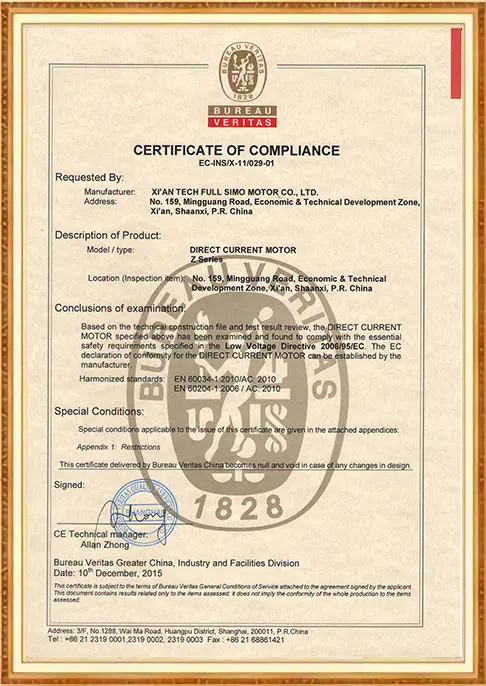
SIMO electric motors are certified to standard global performance frameworks, including ISO9001 Quality System Certification, the European Union "CE" mark, the United States "UL" standards, and the Russian "GOST" regulatory guidelines. These certifications ensure our high-voltage motors can be integrated into demanding environments such as electrical generation, coal processing, oil extraction, mining, chemical handling, and defense facilities worldwide.
Detailed solutions to common challenges faced by industrial designers and purchasing departments.
Customized high-voltage wound rotor and synchronous machine configurations designed for extreme starting torque requirements.
 Lite Simo