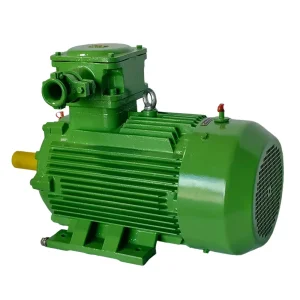
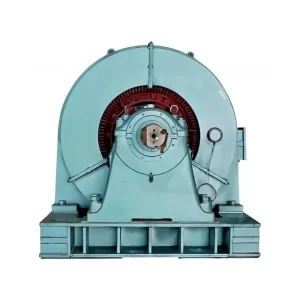
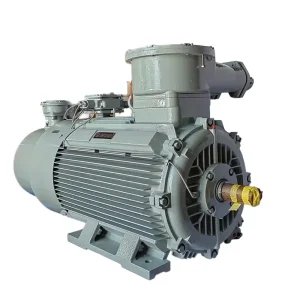
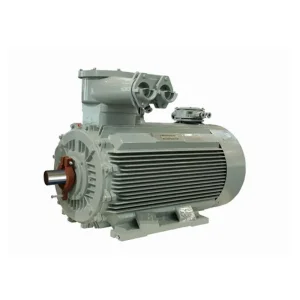
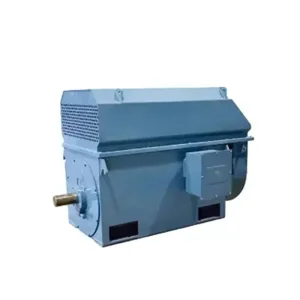
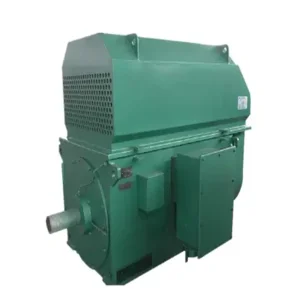
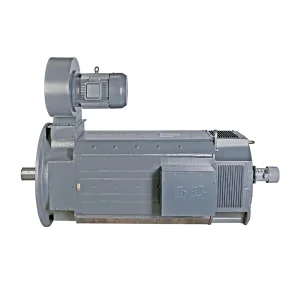
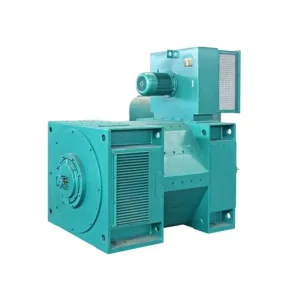
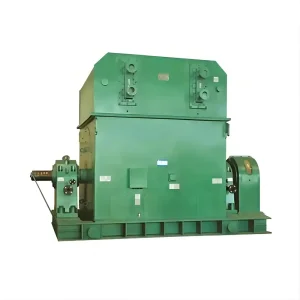
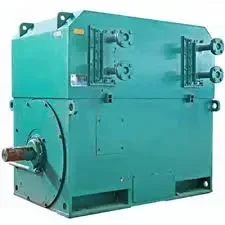
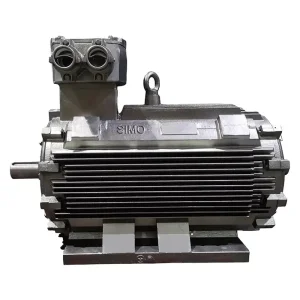
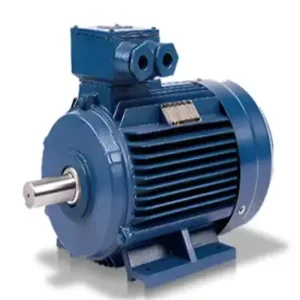
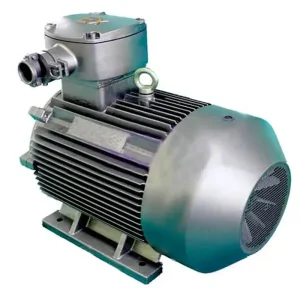
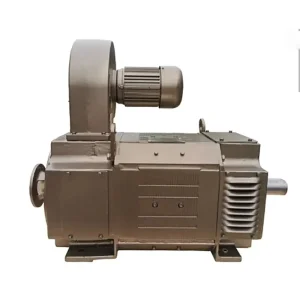
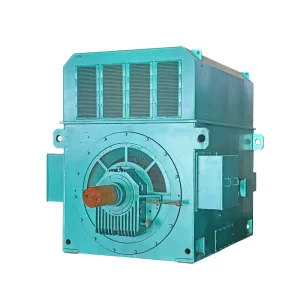
Explore our premium range of highly efficient, hazardous-area certified, and customized asynchronous motor systems built to international IEC and NEMA frames.

Founded originally in 1955, Xi’an Lite SIMO Motor Co., Ltd has stood at the absolute forefront of the electrical motor manufacturing sector for over 60 years. As a paramount enterprise within the global mechanical industry, SIMO specializes in the comprehensive research, design, production, and lifetime servicing of large/medium-sized high and low voltage AC motors, DC motors, synchronous machines, and specialized explosion-proof motors.
We operate as an integrated production powerhouse encompassing raw motor design, custom precision metalworking, mold fabrication, sophisticated winding insulation, mechanical assembly, and advanced dyno-testing. Our industrial scale and continuous technological upgrades position us at the absolute top tier of the machinery matrix, delivering unmatched structural reliability to key global infrastructure projects.
With a robust registered capital of 21.5 million RMB and fixed assets totaling over 380 million RMB, our modern manufacturing facilities house more than 1,172 sets of advanced diagnostic and processing machinery, supporting our dedicated workforce of over 1,200 employees, including 260+ technical engineers and 36 senior/expert engineers.
A timeline tracing the expansion of our technological capability, organizational reform, and global market reach.
SIMO Motor established as a government-led state-owned electrical machinery manufacture pioneer.
Relocated to a dedicated heavy industrial factory zone in Xi'an City to expand heavy winding lines.
Acquired adjacent facilities and integrated operations, officially renamed as the Xi'an Motor Factory.
Transformed from a state-owned enterprise into a modern, agile joint-stock limited liability corporation.
SIMO Motor Group established, consolidating 14 distinct specialized manufacturing subsidiaries.
Moved operation lines to our state-of-the-art, high-tech development zone industrial park.
Transitioned brand identity to Tech Full Simo Motor to signify international technical integration.
Continually upgrading production lines toward Industry 4.0 automation, delivering elite custom motor solutions globally.
An in-depth analysis of global procurement trends, system integration, mechanical customizability, and green regulatory compliance in low-voltage rotary machines.
Low voltage induction motors are the foundational workhorses of modern industry, converting electrical energy into mechanical power across billions of nodes globally. Across modern processing environments, procurement demands are shifting away from off-the-shelf catalog motors toward highly customized configurations. This shift is driven by space restrictions in retrofitted facilities, complex dynamic load profiles, variable frequency drive (VFD) compatibility requirements, and severe operating environments. Modern procurement engineers prioritize total cost of ownership (TCO), focusing on energy efficiency ratings (IE3, IE4, and the emerging IE5) over initial capital expenditure.
Customization extends beyond basic electrical ratings. Advanced industrial procurement requires tailored shaft dimensions, specialized mounting arrangements (IEC IM B3, B5, V1, NEMA variants), double-shaft extensions, custom terminal box positions (top, left, or right-hand mount), and dedicated sensor instrumentation. Our custom manufacturing capabilities address these criteria, ensuring seamless mechanical compatibility and minimized field installation costs.
Different industrial sectors impose distinct performance demands on electrical machines. The table below outlines how custom low voltage motors are optimized for specific industrial operations:
Requires high starting torque ratios, IP66 enclosure ratings, and dust explosion-proof (ATEX/IECEx) certifications. Winding topologies must withstand high cyclic overloads and continuous vibrational stresses from jaw crushers and ball mills.
Demands explosion-proof construction (Ex d, Ex e, Ex t) to prevent internal ignition sources from triggering atmospheric explosions. Features include corrosion-resistant coatings, chemical-grade epoxy paints, and custom non-sparking cooling fans.
Requires premium moisture-resistant insulation, internal condensation heaters, heavy-duty double-shielded bearings, and stainless-steel hardware. This ensures durability in damp, wash-down environments and wastewater processing operations.
The electrical machine industry is undergoing a transition driven by materials science, electromagnetic design software, and digital integration. Key trends include:
To ensure reliability, our motors undergo strict testing protocols in our testing centers. Winding testing includes surge comparison tests, high-pot tests, and phase resistance measurements to detect insulation micro-defects. Rotors are dynamically balanced to balance grades (G1.0 or G2.5) to minimize structural vibration and bearing wear. No-load and full-load dyno testing measure efficiency, power factor, torque characteristics, and sound pressure levels under real-world conditions.
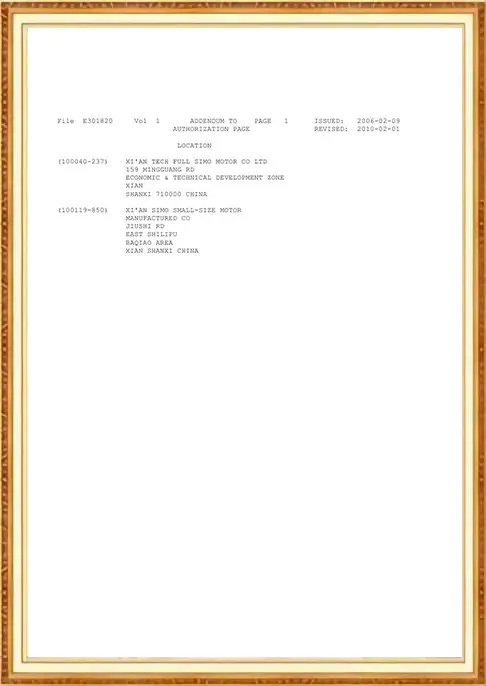
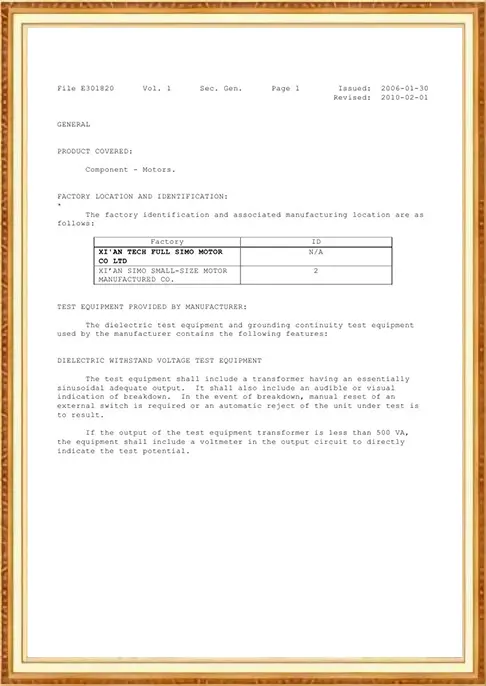
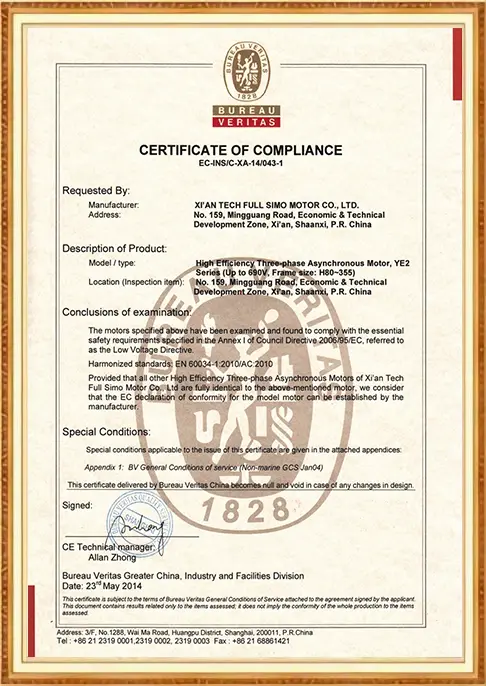
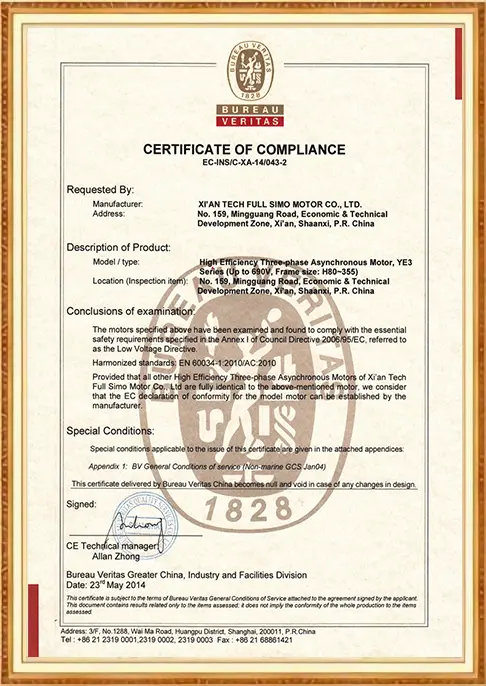
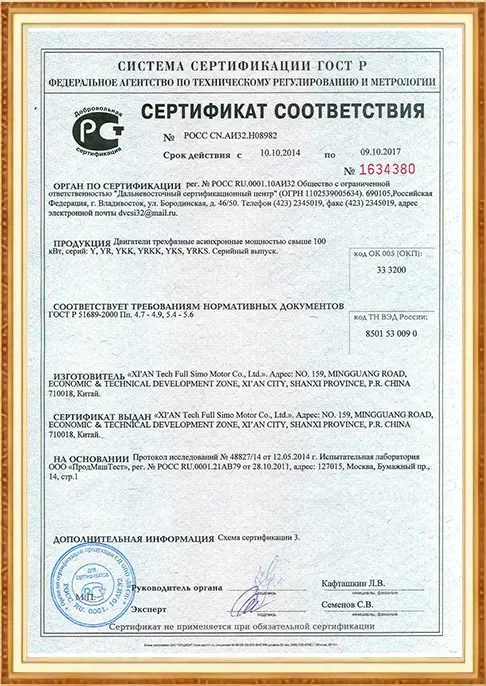
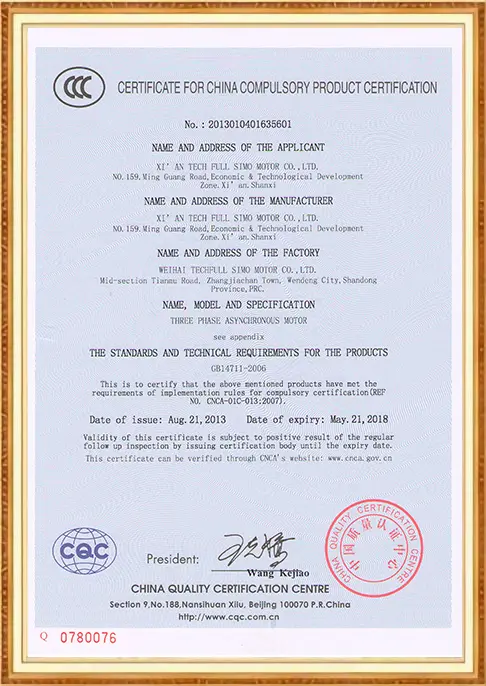
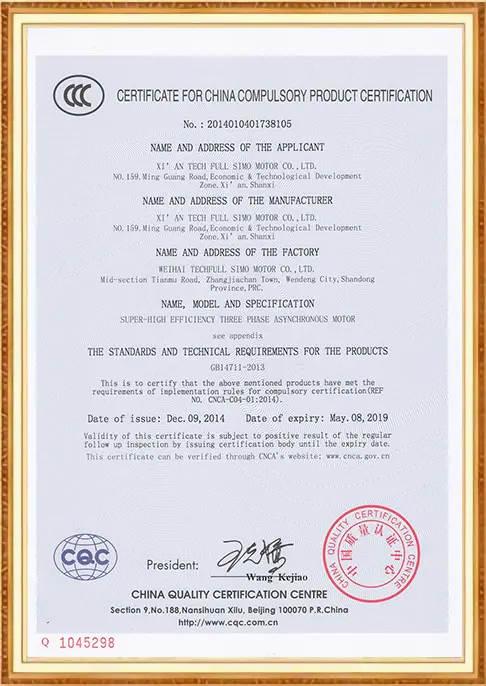
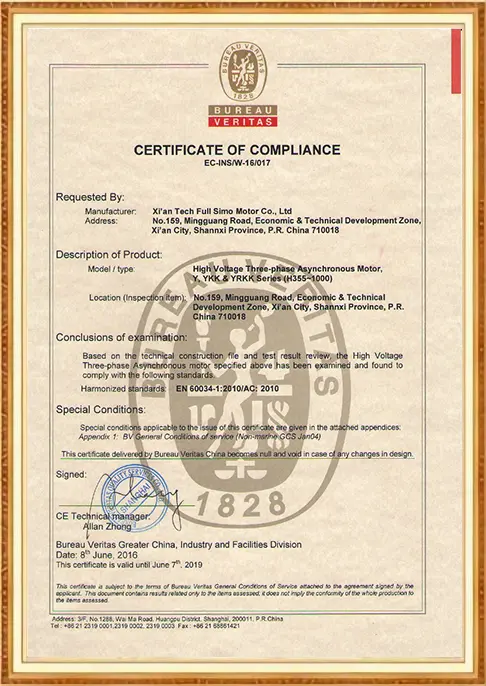
Our commitment to international standards is validated by strict certifications. SIMO motors are approved for major global markets.
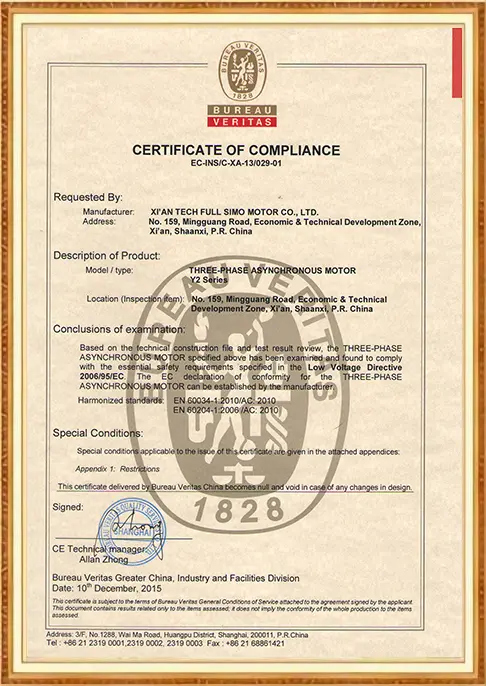
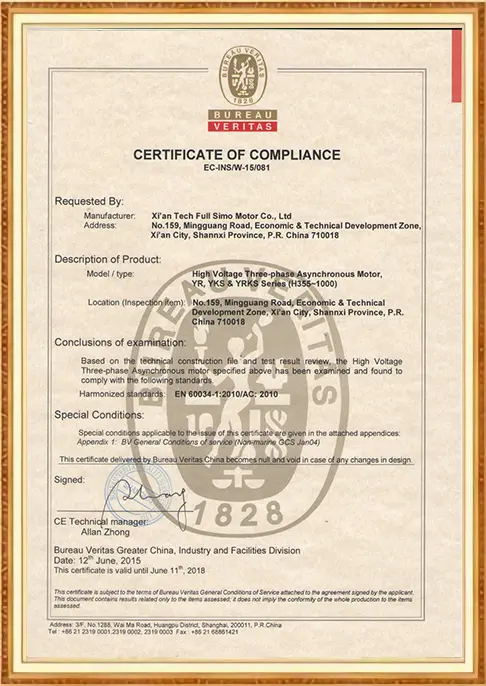
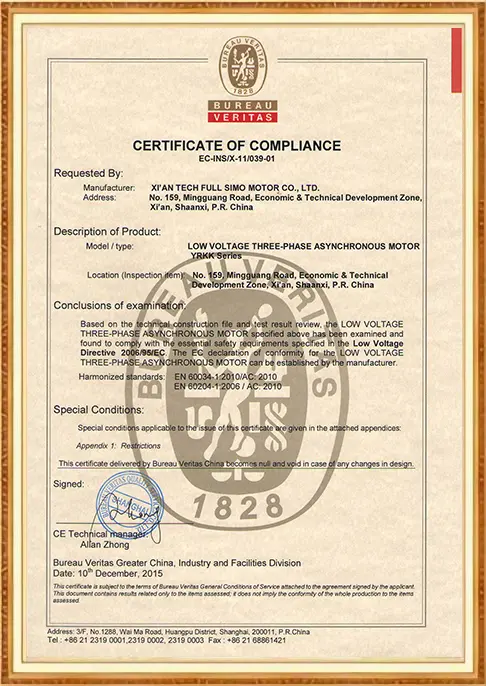
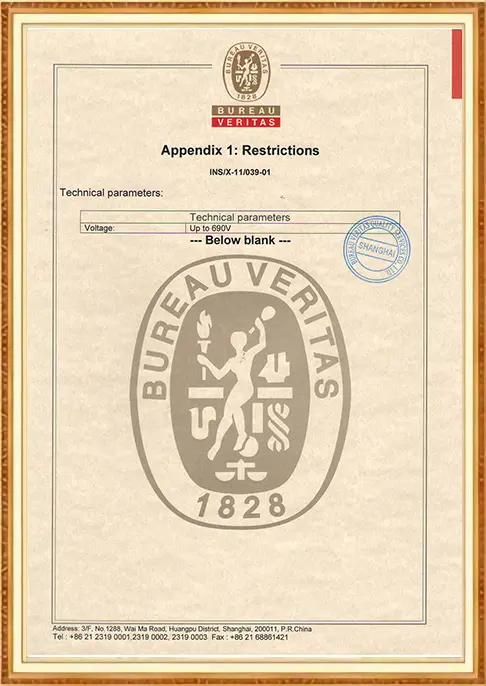
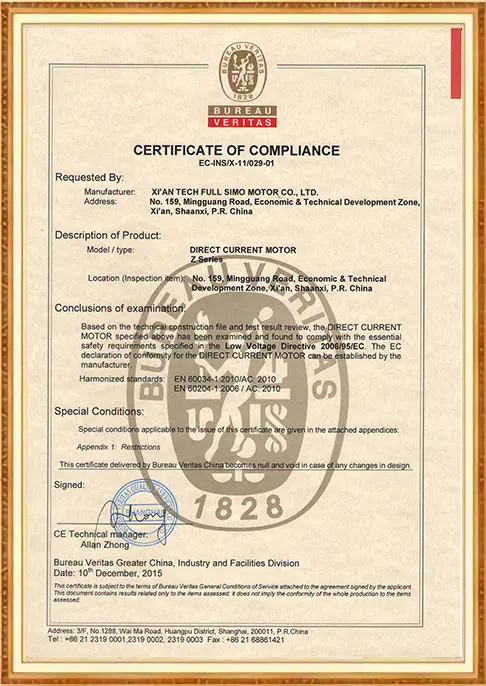
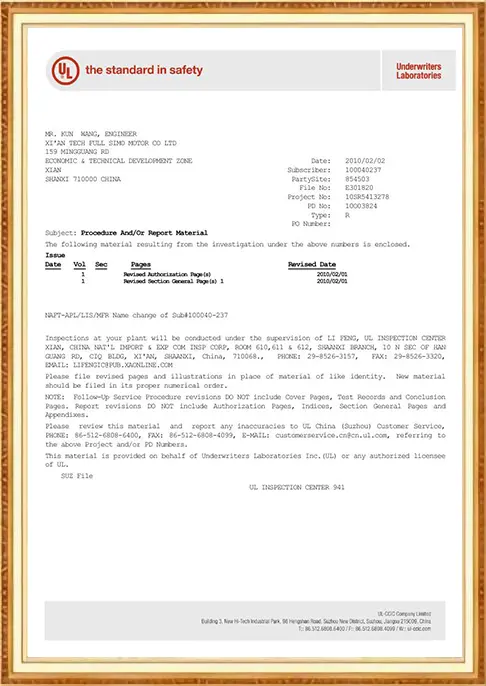
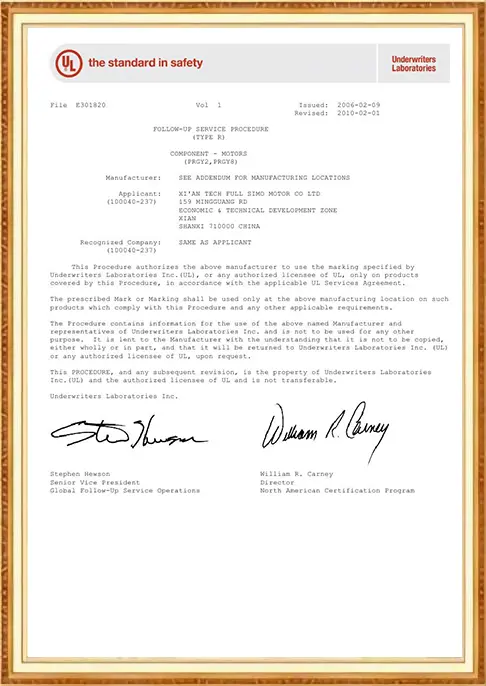
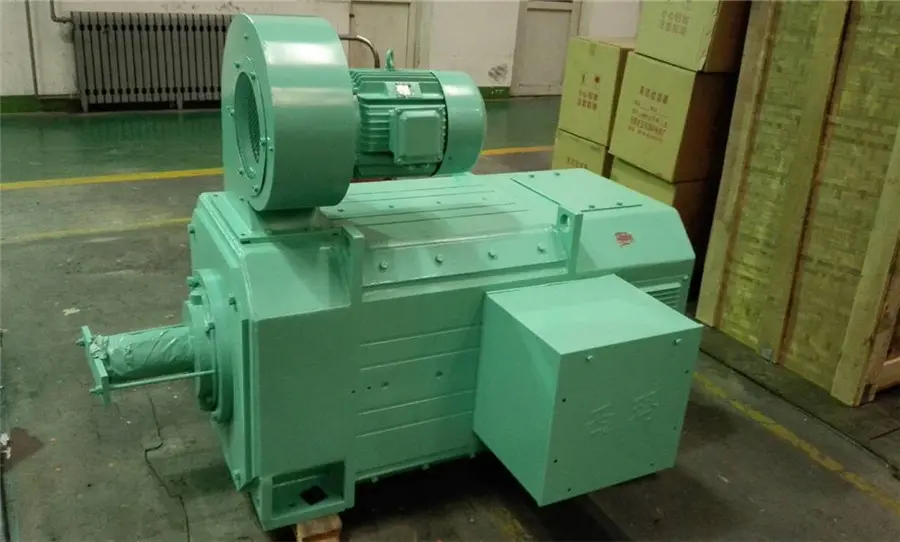
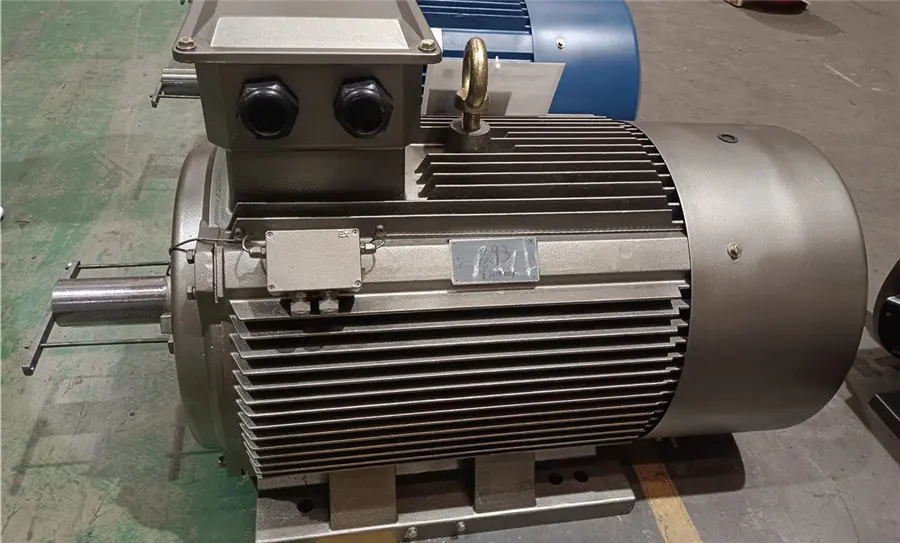
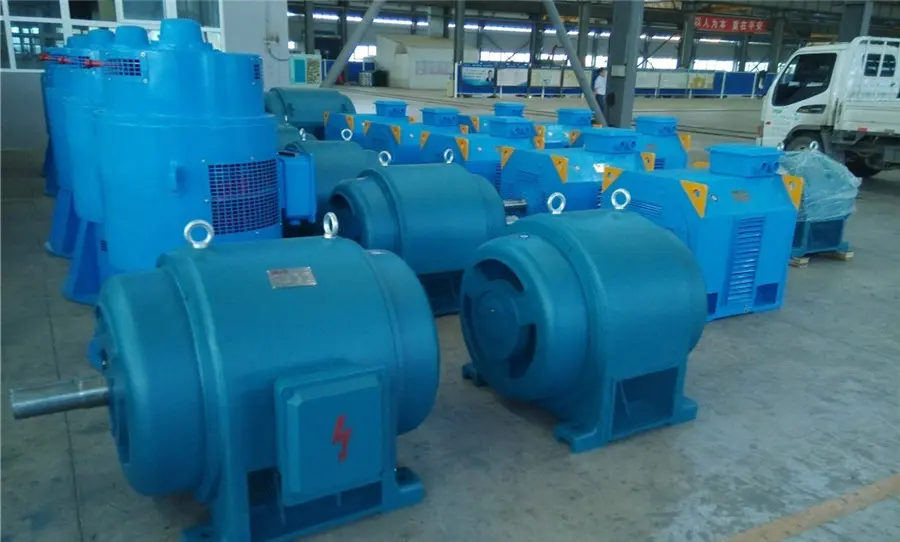
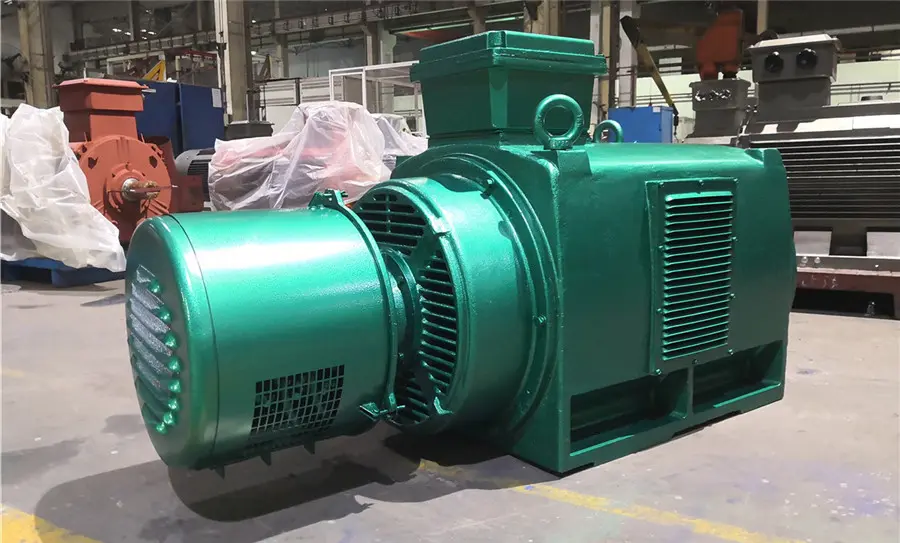
A closer look at our precision equipment, assembly lines, and high-capacity motor solutions.
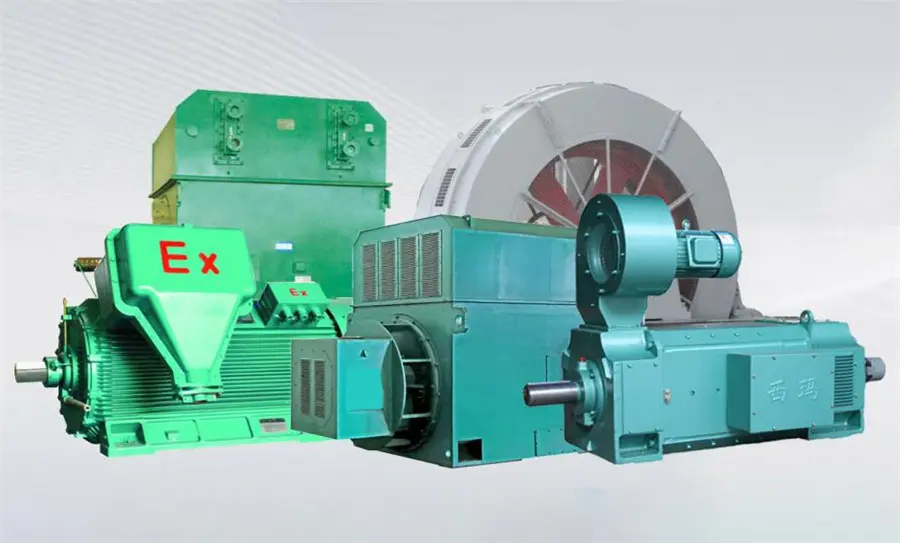
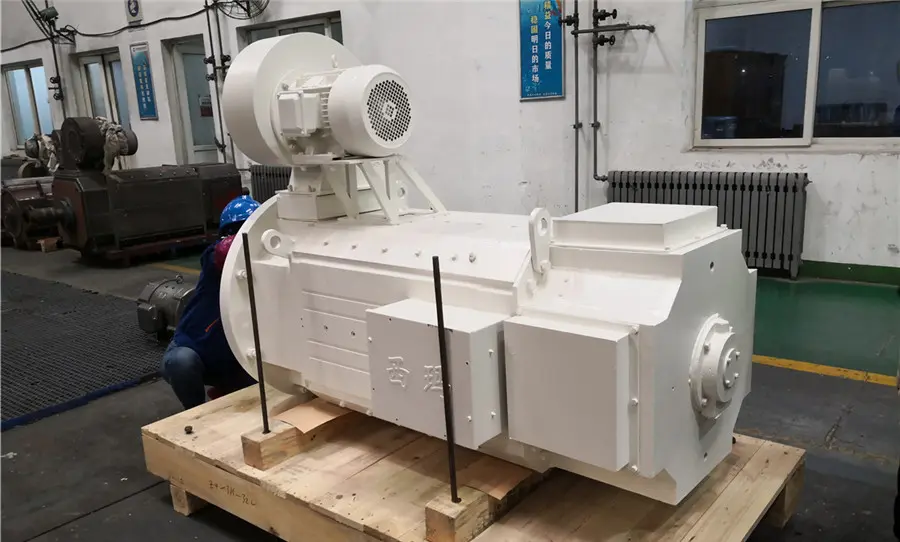
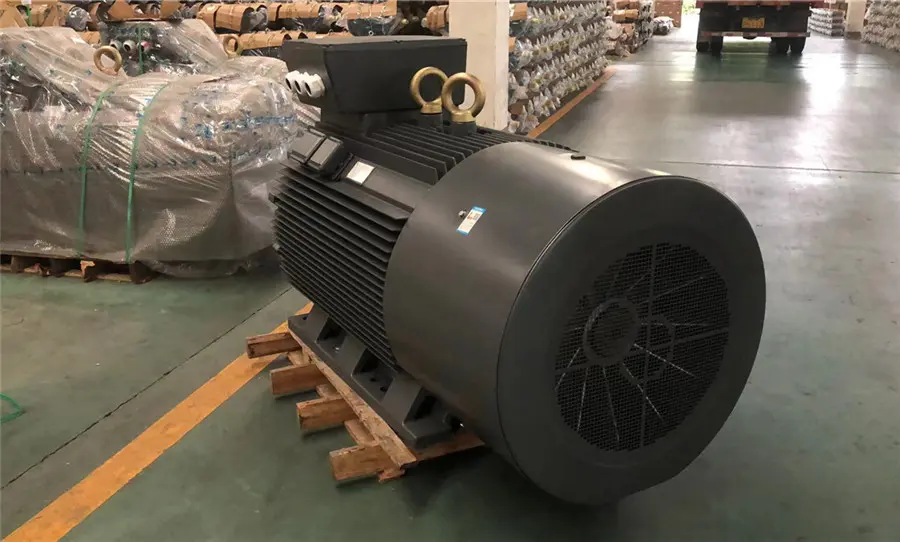
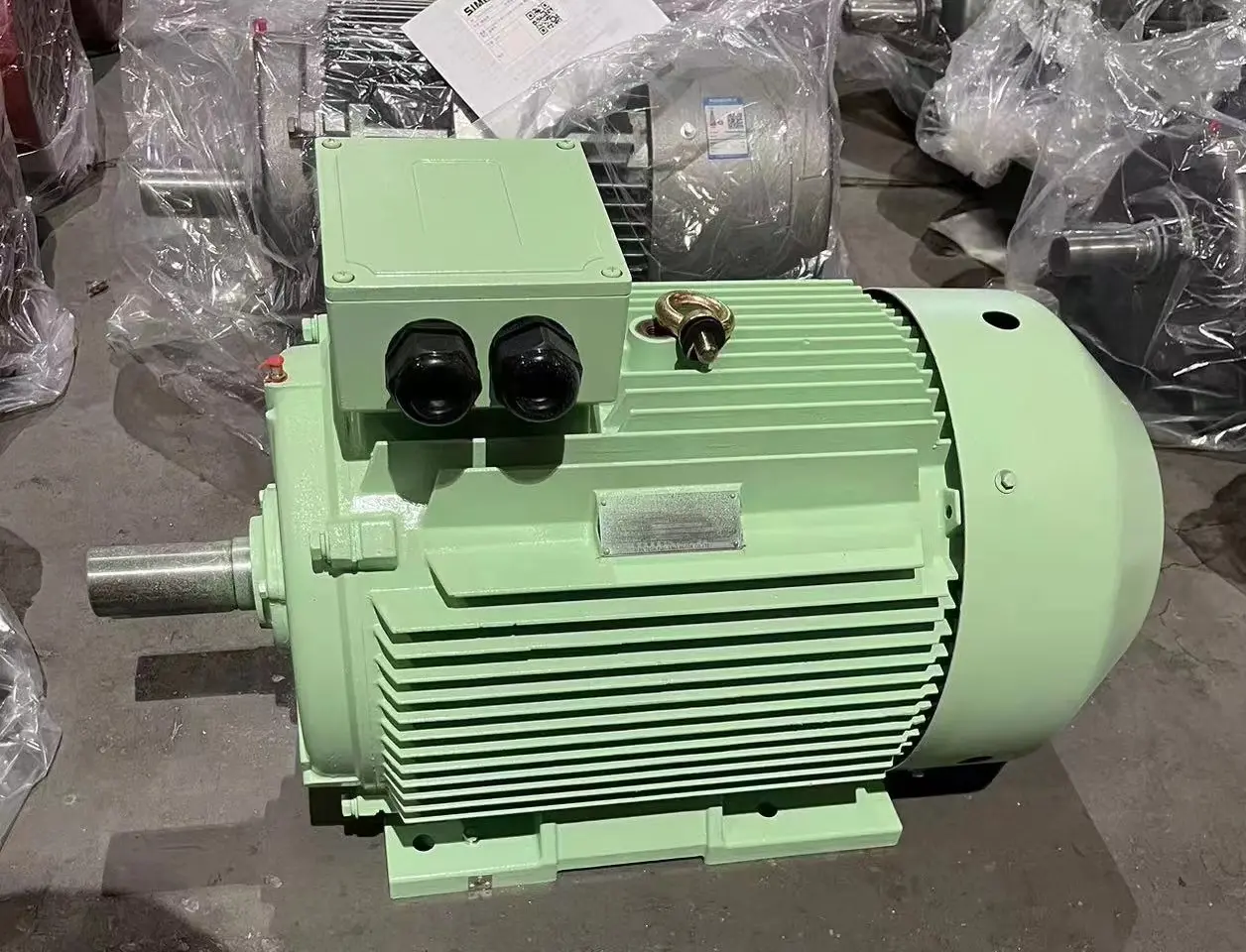
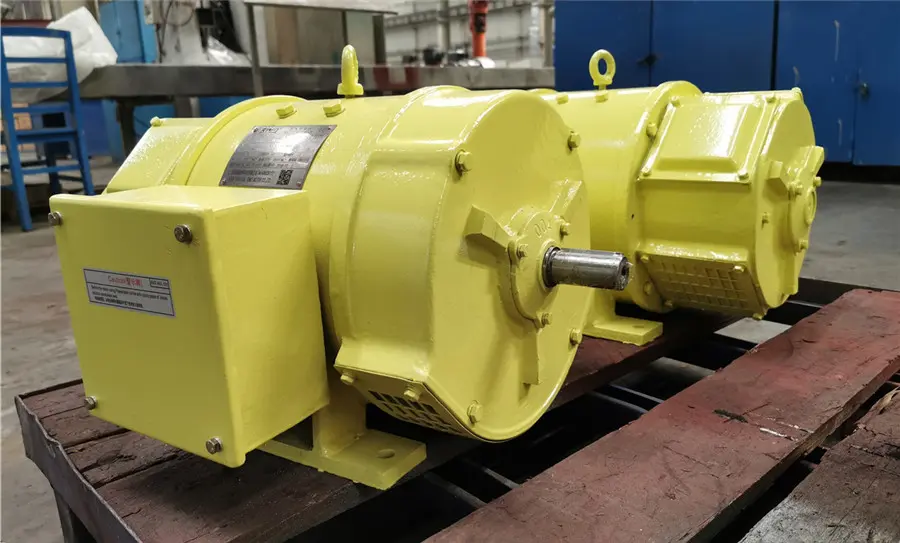
For custom engineering, our design office works directly with clients' technical specifications to adjust core parameters. Standard options include:
Delivering heavy equipment requires reliable logistics, detailed import documentation, and localized support. SIMO manages global trade barriers through localized agent networks and partners across Europe, North America, Central Asia, and Southeast Asia. We ensure compliance with GOST (Eurasian Economic Union), UL (North America), CE (European Union), and ATEX/IECEx certifications, minimizing project risks for EPC contractors and OEM plant integrators.
Clear answers to the most common engineering and procurement questions regarding our custom induction motors.
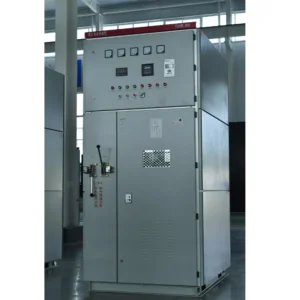
Review the rest of our specialized industrial motor portfolio, including synchronous machines, wound rotor motors, and starter systems.
 Lite Simo