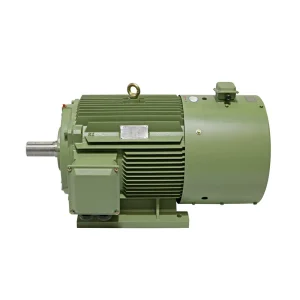
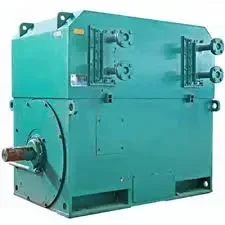
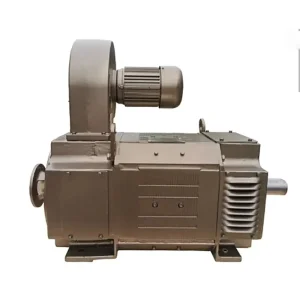
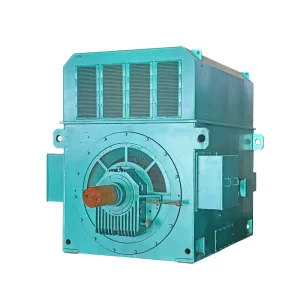
Engineered for extreme reliability, maximum efficiency, and demanding industrial applications globally.
In modern heavy industries, mechanical prime movers form the cornerstone of operational continuity. The procurement and application of custom large industrial electric motors demand highly specialized engineering approaches, stringent quality compliance, and application-specific designs.
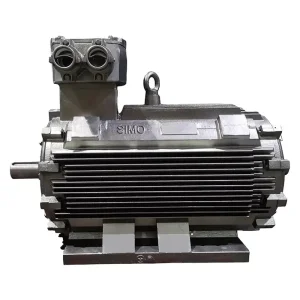
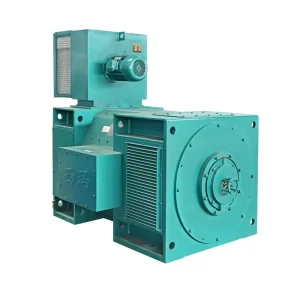
Xi'an Lite SIMO Motor Co., Ltd. (branded globally as Tech Full SIMO Motor) represents one of the most prominent manufacturing scales in the Chinese mechanical sector. Specializing in high-voltage, low-voltage, AC, DC, synchronous, and certified explosion-proof motors, SIMO integrates advanced design algorithms with high-capacity production lines to meet specialized specifications ranging from 0.35 kW up to 25,000 kW.
For global procurement departments, deciding on custom large industrial electric motors transcends basic catalog selection. It requires examining the thermodynamic envelope, rotor dynamics, structural vibration profiles, and electromagnetic optimization parameters of the motor under exact field conditions.
Decentralized supply chains, energy performance regulations, and the demand for bespoke motor integration.
With carbon neutrality regulations sweeping across Europe (MEPS standards) and North America, systems must operate at peak efficiency. Products like the Discount YE5 IE5 series minimize active electrical loss and lower thermal stress within the motor core.
The initial acquisition expense of a high-voltage industrial motor accounts for less than 5% of its total operational cost over its lifespan. Minimizing copper losses, optimizing windage dynamics, and utilizing premium silicon steel sheet cores yield immense ROI over 20-30 years.
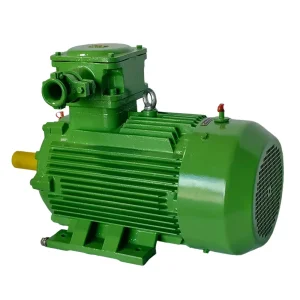
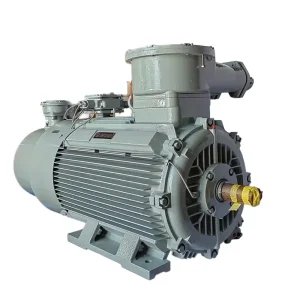
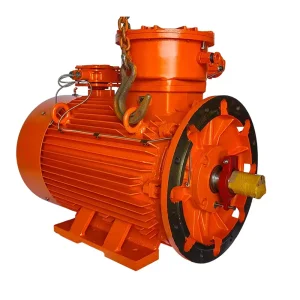
Refineries, underground mines, and chemical processing plants require explosion-proof systems certified by rigorous regulatory agencies. The YBX3, YBX4, and YBX5 explosion-proof motors provide containment strategies to prevent internal sparks from igniting ambient atmospheres.
Standard motors suffer from eddy current heating and insulation breakdown when connected to VFDs. Specialized designs like the YVFE3 and YJP series feature insulated bearings and reinforced phase insulation to handle high dV/dt voltage spikes.
Mapping specific motor typologies to complex industrial applications worldwide.
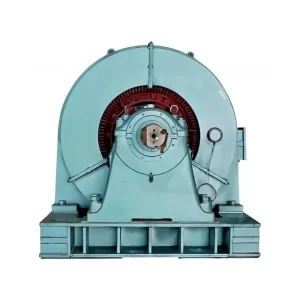
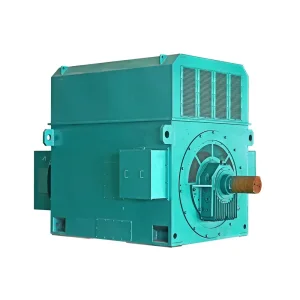
Large-scale ball mills, sag mills, and high-capacity slurry pumps require massive starting torque under heavy loads. The TDMK series AC three-phase synchronous motor provides power factor correction benefits and high pull-in torque. Slip-ring (wound rotor) options like the YR, YRKK, and YRKS allow external resistance control for smooth, high-inertia starts, reducing mechanical stress on gears.
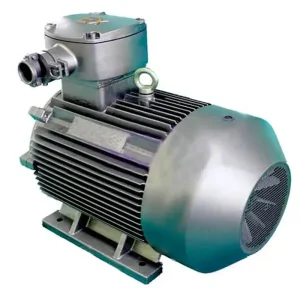
Explosion-proof integrity is paramount where flammable gases, vapors, or coal dust are present. The YBX3, YBX4, and YBX5 explosion-proof motors, along with the YBK3 flameproof series for underground coal mines, conform to GB3836 and IEC 60079 series standards, delivering high-voltage execution alongside explosive containment features.
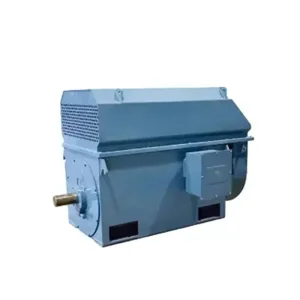
For municipal municipal pumps and continuous blast furnaces, water-cooled enclosures (YKS, YRKS) offer distinct advantages. Water cooling isolates the stator frame from the environment, enabling high-performance output in dusty, high-temperature zones while keeping acoustic emissions substantially lower than air-to-air cooling designs (YKK, YRKK).
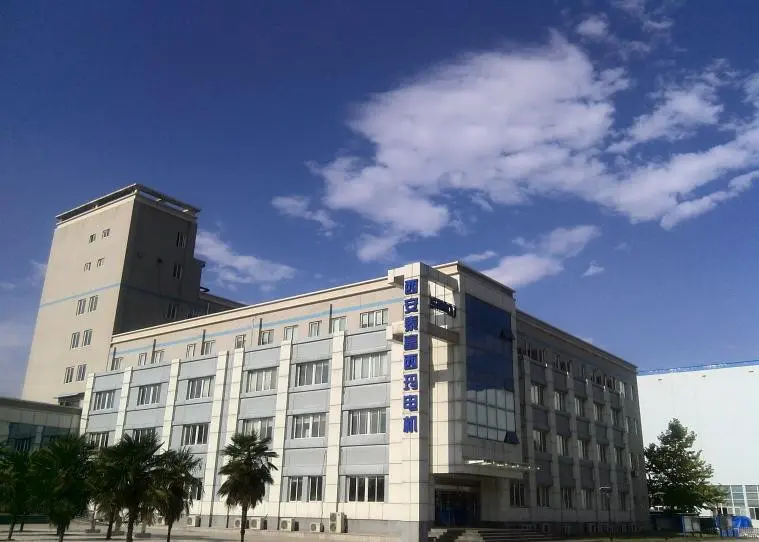
Founded in 1955, Xi’an Lite SIMO Motor Co., Ltd has established deep expertise over six decades of electric motor design, manufacture, precision mechanical processing, and advanced assembly operations.
The company features fixed assets totaling 380 million RMB and utilizes 1,172 sets of advanced equipment. Backed by a workforce of over 1,200 employees, the R&D center is led by 260+ technical engineers, including 21 senior engineers and 15 expert engineers. Their custom motor solutions span 34 series, 1,800 varieties, and 19,500 individual specifications.
Exploring insulation engineering, cooling topography, and electromagnetic safety.
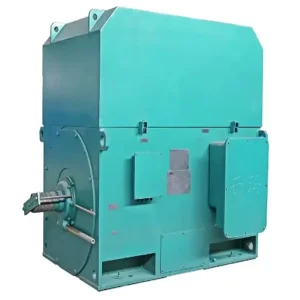
For high-voltage systems (6kV, 10kV) such as the YKK and YRKK series, insulation integrity determines lifespan. SIMO uses Class F insulation systems (rated up to 155°C) treated with Vacuum Pressure Impregnation (VPI). VPI removes moisture and air pockets from the stator slots, replacing them with high-grade epoxy resin to prevent partial discharge, corona erosion, and mechanical coil movement during startup spikes.
Large industrial motors generate high thermal energy within the stator cores. SIMO implements cooling topographies that align with standard IEC specifications: IC411 (self-ventilation), IC611 (air-to-air heat exchangers), and IC81W (air-to-water cooling). Water-cooled models (YKS, YRKS) ensure optimal heat rejection, maintaining structural dimensions and bearing temperatures even in hot, enclosed areas.
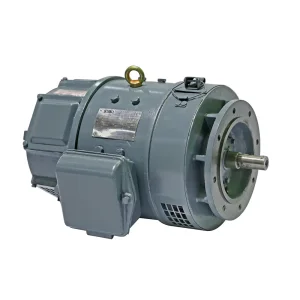
Despite the growth of AC motors, heavy-duty DC machines like the Z2, Z4, and Z series remain essential for specific applications. They are widely used in metal rolling mills, paper manufacturing machinery, and mine elevators where precise torque control down to zero speed and quick dynamic reversal are required. SIMO's laminated stator frames allow DC motors to handle high current rates (di/dt) under VFD DC drives.
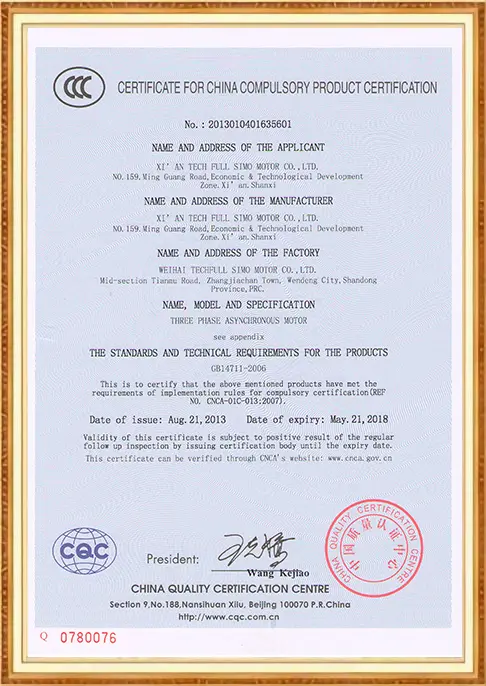
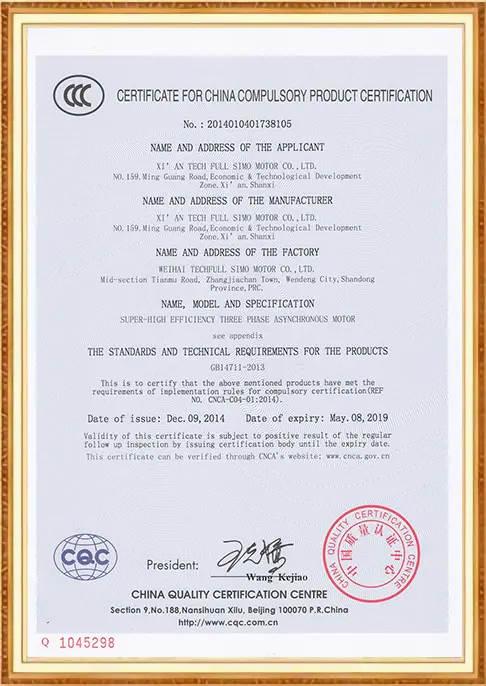
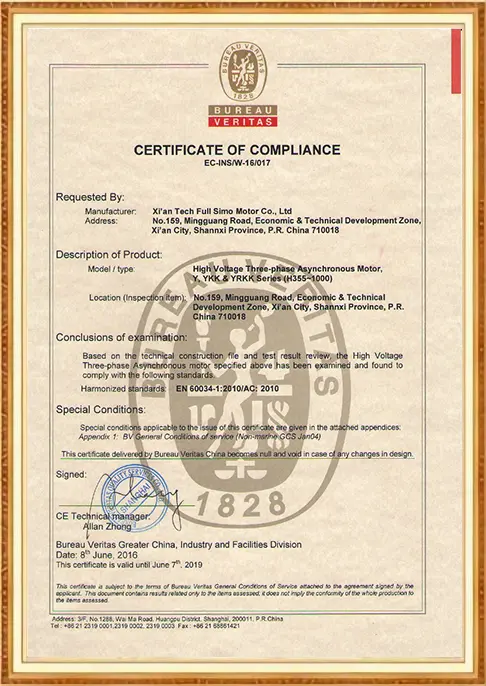
To guarantee reliability in harsh applications (mining, railways, oil platforms, high-vibration systems), Tech Full SIMO Motor has obtained key global quality system certifications.
Every motor undergoes rigorous factory and type testing before shipment, including dynamic balance testing, high-potential dielectric testing, load testing, and vibration spectrum validation. Product design adheres to national and international standards: ISO9001, CE (European Union), UL (United States), and GOST (Russia).
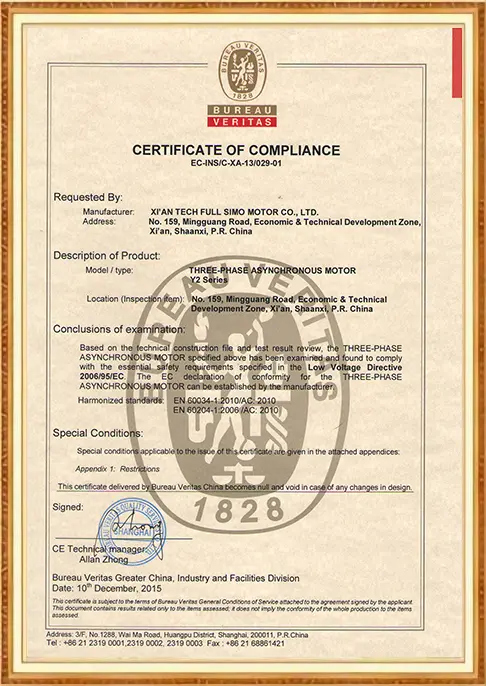
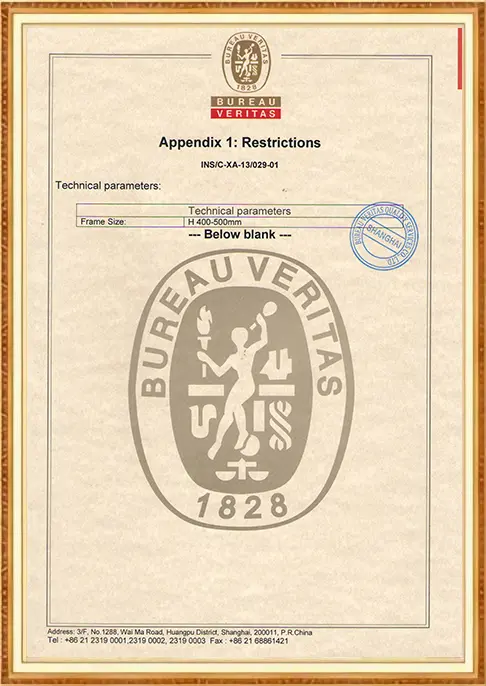
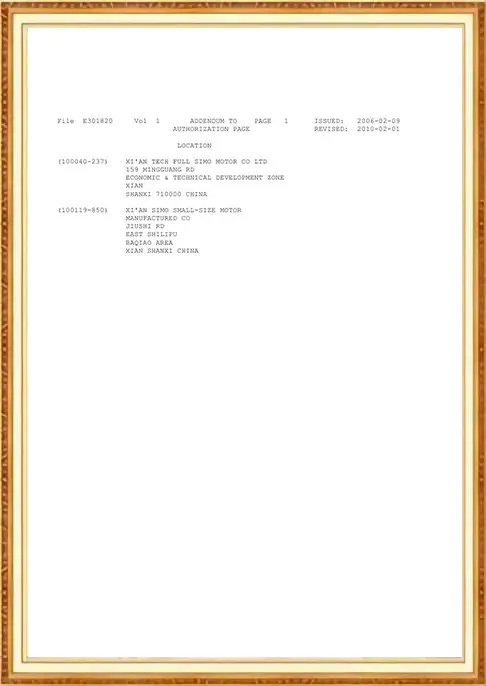
How SIMO is evolving to address digitalization, condition monitoring, and smart grid operation.
Modern industrial facilities cannot afford unplanned downtime. SIMO is developing integrated vibration, temperature, and magnetic flux sensors that communicate with plant control rooms. This real-time telemetry allows operators to schedule predictive maintenance before bearing failure or winding breakdown occur, saving up to 60% in repair costs.
To transition from IE4 to IE5 ultra-premium efficiency, research teams focus on grain-oriented silicon steels and high-density copper windings. Using thinner laminations minimizes hysteresis and eddy-current losses within the rotor, significantly reducing thermal loads under variable-speed operations.
Expert engineering perspectives addressing common integration, specification, and maintenance questions.
Highly customized configurations built to withstand extreme mechanical, chemical, and environmental stress.
 Lite Simo