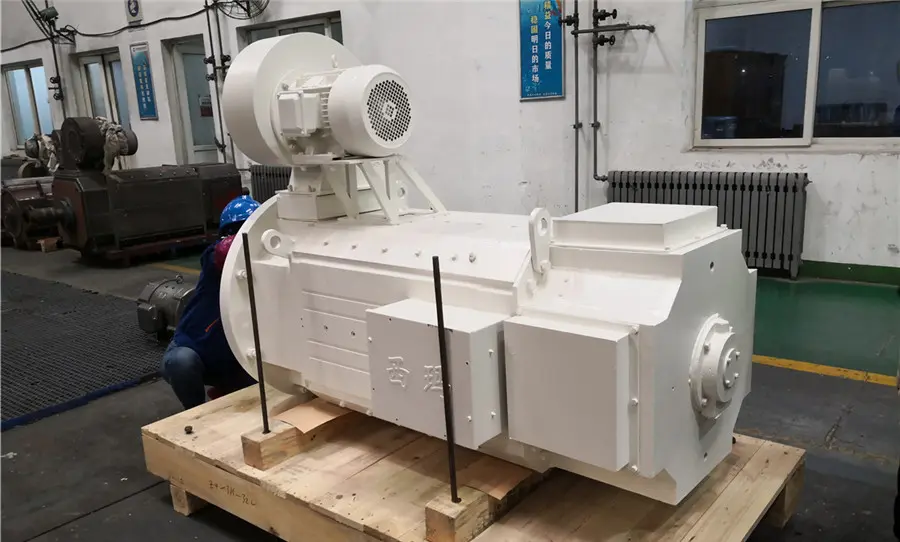
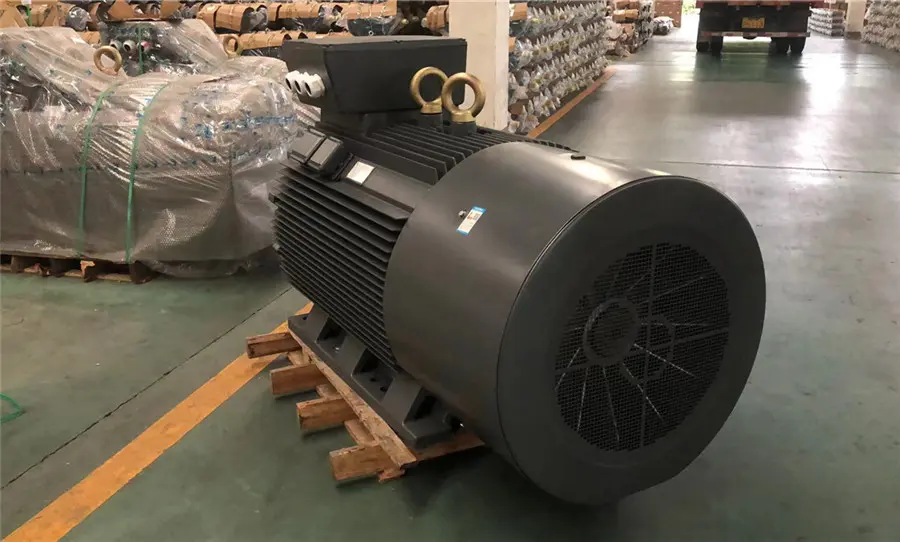
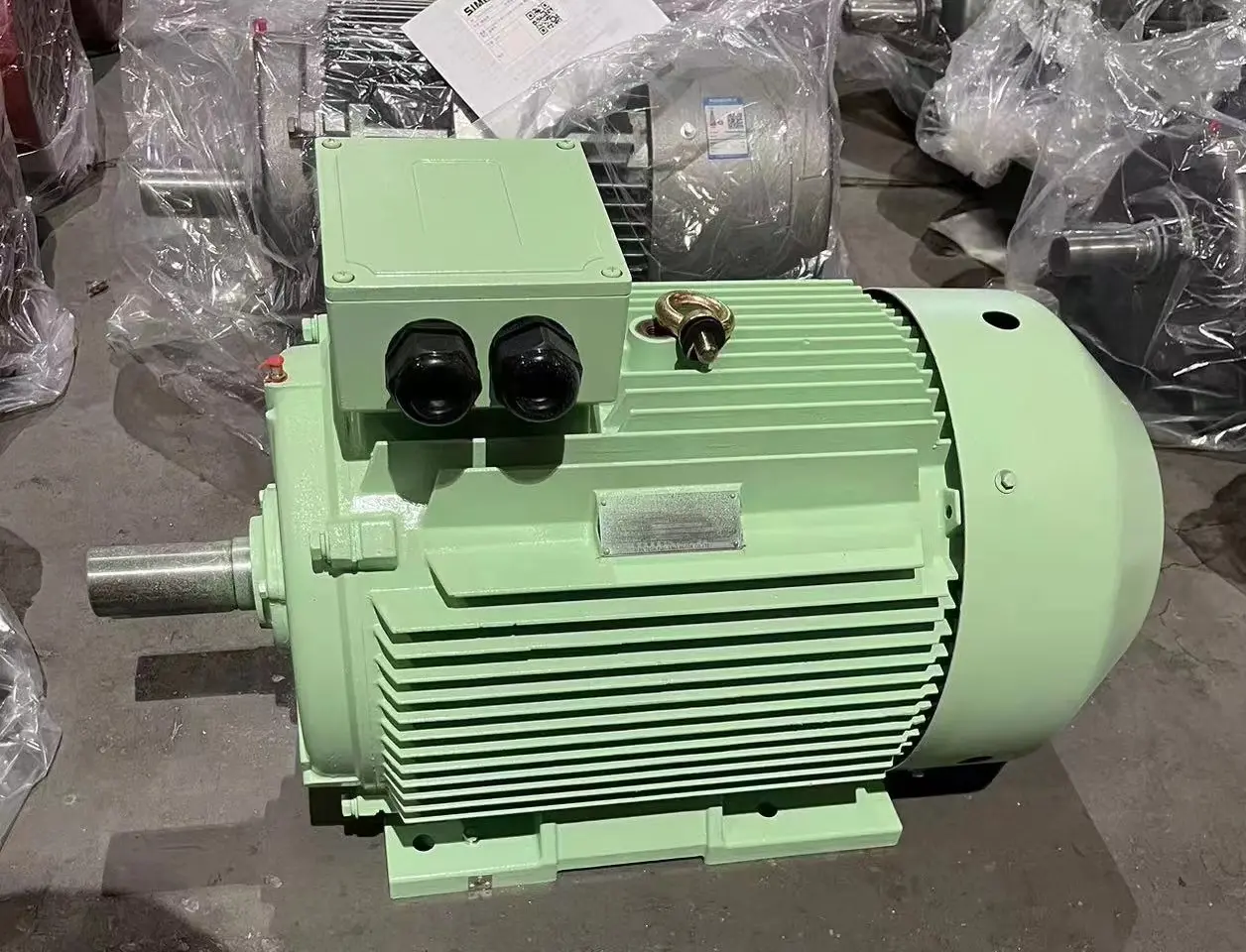
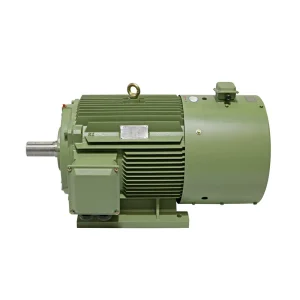
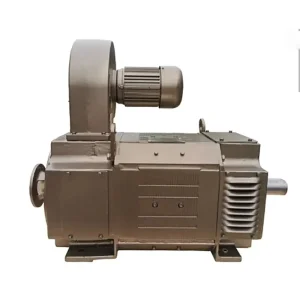
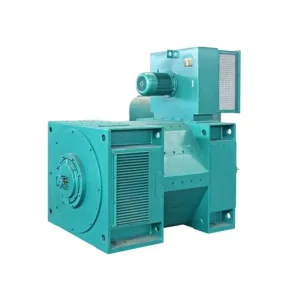
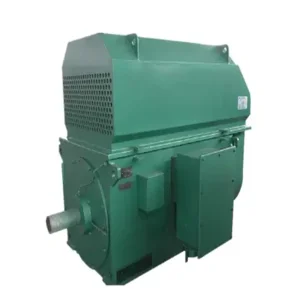
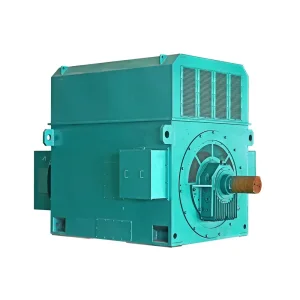
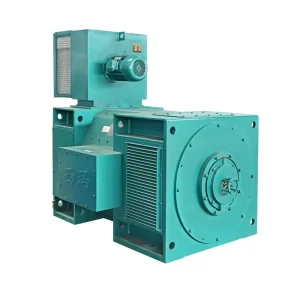
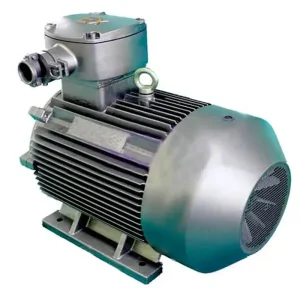
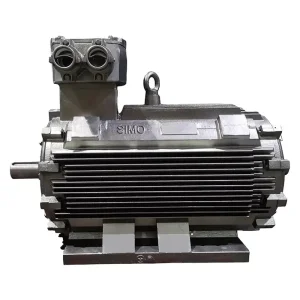
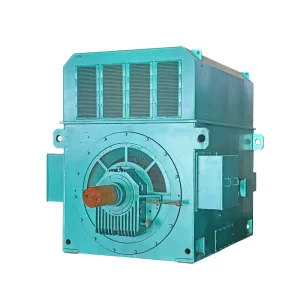
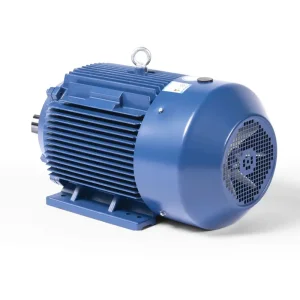
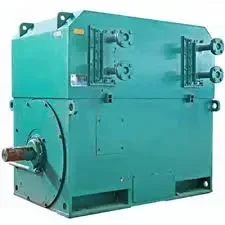
China Motor For Gas Explosive Environment Manufacturers & Electric Systems

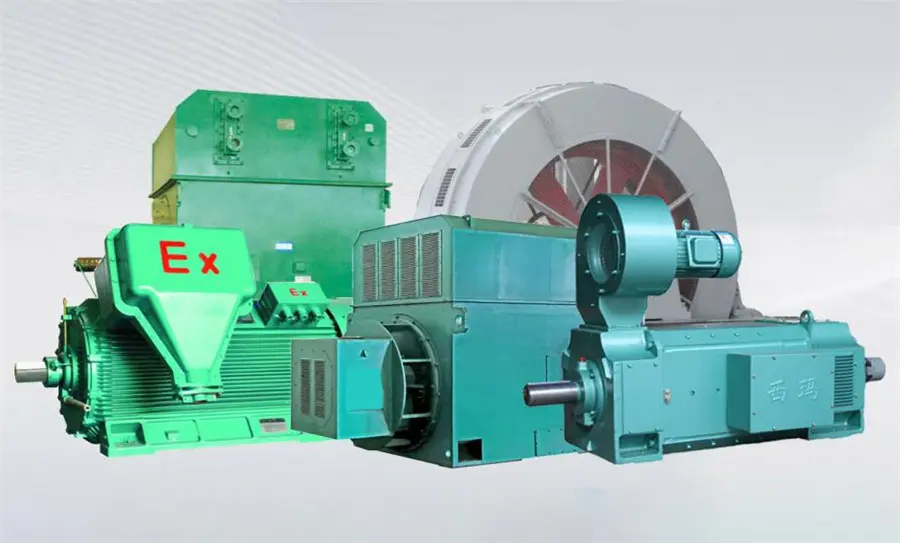
Providing high-efficiency, flameproof, and customized explosion-proof AC/DC motor solutions matching IECEx, ATEX, and UL safety standards worldwide.

Industrial Demands in Gas Explosive Environments

Modern industrial plants operating in oil refineries, petrochemical processing, chemical production plants, and underground mines are constantly exposed to dangerous atmospheres containing flammable gases, vapors, or mists. Operating electrical equipment like induction motors in these conditions carries a critical risk: an electrical spark, electrostatic discharge, or high surface temperature could ignite the surrounding explosive atmosphere, resulting in catastrophic loss of life and capital assets.

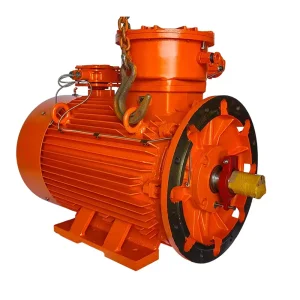
Explosion-Proof Motor Definition: An electric motor engineered with robust containment casings (typically Flameproof "Ex d" or "Ex de") designed to withstand internal explosions of flammable mixtures without transmitting the explosion to the external hazardous environment.

As standard-setting agencies such as IEC (International Electrotechnical Commission) and CENELEC continuously upgrade hazardous area parameters, design specifications have evolved significantly. Choosing a supplier requires deep scrutiny of their design engineering, raw material testing, manufacturing precision, and safety certifications.

Key Safety Standards & Classifications

For operations utilizing electrical drivetrains in gas explosive environments, the regulatory requirements depend heavily on geographical destination and specific gases present:

  • Zone 1 & Zone 2: Under the IECEx and ATEX framework, Zone 1 requires equipment with high levels of protection (typically flameproof Ex d, encapsulated Ex m, or pressurized Ex p). Zone 2 accepts increased safety (Ex e) or non-sparking (Ex nA) configurations.
  • Gas Groups (IIA, IIB, IIC): Group IIA represents methane/propane equivalent hazards, Group IIB represents ethylene, and Group IIC represents highly volatile gases like hydrogen and acetylene. Motors rated for Group IIC feature tighter flamepath tolerances and are highly specialized.
  • Temperature Classes (T1 to T6): Determines the maximum exterior surface temperature of the motor frame. A T4 rating limits surface temperatures below 135°C, ensuring that even under stall or overload conditions, hot surface ignition is prevented.

About Xi'an Lite SIMO Motor Co., Ltd.

Xi’an Lite SIMO Motor Co., Ltd. is a leading enterprise specializing in the manufacturing of large and medium-sized, high and low voltage AC/DC motors, synchronous motors, and explosion-proof motors within the Chinese mechanical industry. As a comprehensive manufacturing and service supplier, SIMO integrates motor design, machining, mold fabrication, assembly, and automated testing under one roof.

The company maintains a top-tier position in China's motor manufacturing sector due to its advanced engineering capacity, scaled production floor, and strict quality assurance protocols. For decades, SIMO motors have served critical roles in power generation, coal mining, petroleum extraction, steel metallurgy, railway transport, and the chemical industry across the globe.

Xi'an Lite SIMO Motor Production Facility

Our Development Milestone

Founded originally in 1955, SIMO possesses over 60 years of motor engineering experience. Operating with a registered capital of 21.5 million RMB and fixed assets totaling 380 million RMB, SIMO leverages three manufacturing plants, one auxiliary facility, and over 1,172 sets of advanced manufacturing machinery.

Our workforce features more than 1,200 specialized workers, including 260 technical engineers, 21 senior engineers, and 15 nation-level motor expert engineers driving our technical evolution.

1955
SIMO Motor established and led by the state government.
1966
Reorganized as Xi'an Motor Factory after strategic integrations.
1999
Reformed from a state-owned factory into a limited liability company.
2006
Relocated to a modern high-tech plant with advanced testing centers.

Global Industry Trends & Engineering Advancements

As carbon neutrality guidelines shift international markets towards energy efficiency, the market for explosion-proof motors is experiencing massive structural shifts. Modern procurement managers no longer look simply at explosion safety; they require high efficiency, predictive maintenance integration, and structural longevity under extreme operating conditions.

Transition to IE4 & IE5 Efficiency levels

Energy costs represent over 95% of a motor's lifetime operating expenses. Implementing YBX4 (IE4) and YBX5 (IE5) explosion-proof premium efficiency motors significantly reduces plant carbon footprints and operational expenditures.

Variable Frequency Drive Integration

Integrating Variable Frequency Drives (VFD) via motors like the YVFE3 and YJP series allows variable speed control. This matches flow rates with pump/fan demand, avoiding mechanical throttle energy losses.

IIc Hydrogen-Ready Enclosures

With the rise of the green hydrogen economy, explosion-proof motors must resist hydrogen embrittlement and flame propagation. Specialized path spacing guarantees safety in Group IIC environments.

Global Procurement Optimization: TCO and Reliability

Procuring motors for hazardous gas environments demands strict validation of technical specifications to minimize Total Cost of Ownership (TCO) and mitigate legal liabilities. Critical points include:

  • Structural Integrity of the Flameproof Path: The width and clearance gap of the joints (flange, shaft, and cable entries) must be precision-machined. Our CNC machinery keeps these gaps below micro-level tolerances.
  • Advanced Thermal Calculations: Flameproof frames restrict natural convection heat dissipation. Optimized internal airflow paths, robust external cooling ribs, and class H insulation (run at Class F temperature limits) guarantee long-lasting insulation life.
  • Bearing System Protection: Insulated bearings or grounding brushes prevent common-mode voltage damage from VFD high-frequency currents, extending bearing re-lubrication intervals.

SIMO Manufacturing & Capacity Statistics

60+
Years Industry Experience
1,200+
Dedicated Employees
34+
Product Series
25k kW
Maximum Output Power

Macro Industry Solutions

LITESIMO designs holistic motor systems to solve tough engineering problems in harsh hazardous zones across major worldwide sectors:

Petrochemical Refineries & Natural Gas Processing

Pumping raw oil, compressing methane, or driving distillation columns requires continuous power. High humidity and corrosive chemical mists degrade standard motors. SIMO YBX3, YBX4, and YBX5 low-voltage and high-voltage flameproof motors feature corrosion-resistant epoxy coatings, IP55/IP56 enclosure protection, and chemical-grade double-lip shaft seals to keep processing streams online. Our YVFE series allows fine-tuned variable-speed pumping to optimize pipelines and downstream flow loops.

Underground Coal Mining Safety (Methane Gas & Coal Dust)

Underground mining operations face double hazards: flammable methane gas pocket leaks and airborne coal dust explosions. Motors used on belt conveyors, shearers, and ventilation fans must withstand high mechanical shocks, dirty installation spaces, and wet mine run-off. The SIMO YBK3 flameproof motor is specifically engineered for underground mining. Reinforced cast-iron frames and optimized explosion protection pathways ensure safety under extreme mechanical stress.

High Voltage & Heavy Duty Plant Auxiliaries

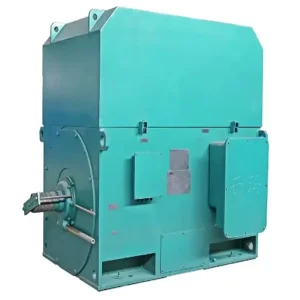
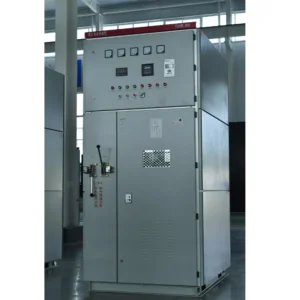
Large cooling fans, water injection pumps, and high-pressure compressors require massive electric drive systems. SIMO’s YKS and YKK high-voltage three-phase induction motors (ranging from 6kV to 10kV) provide reliable utility-scale performance. Coupled with custom high-voltage soft start state cabinets, they prevent inrush current spikes, protecting localized grid infrastructure and surrounding process machinery.

Global Certificates & Quality Management

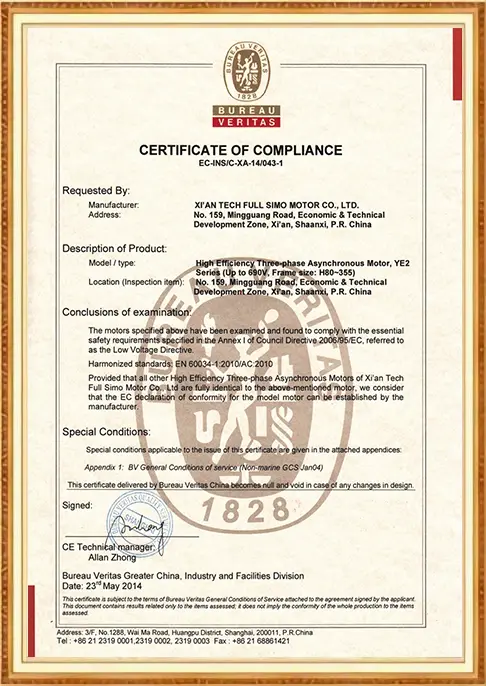
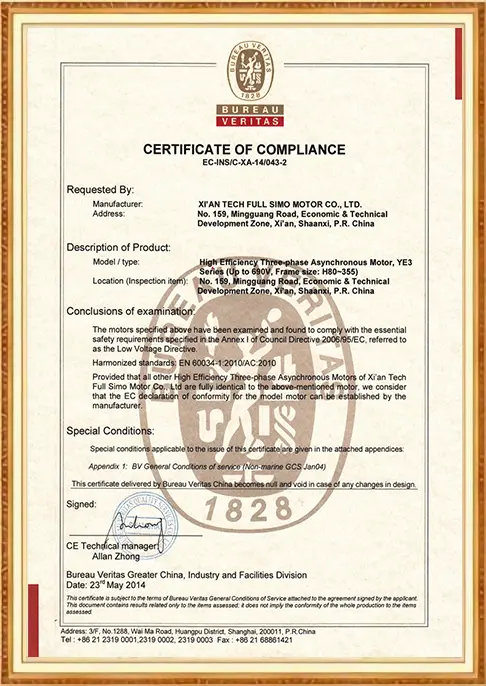
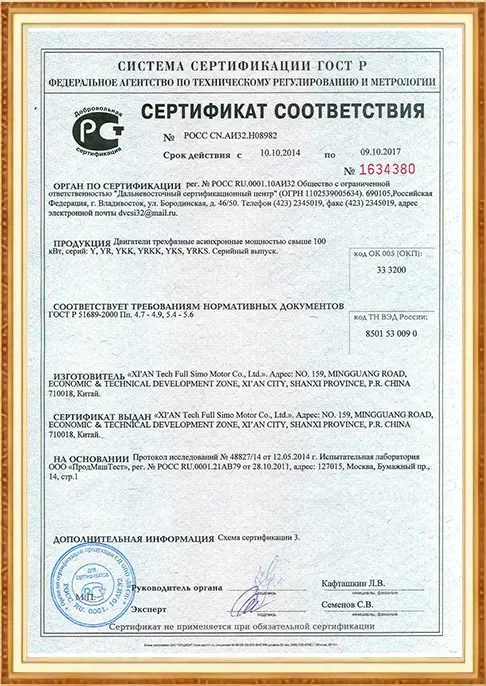
SIMO is ISO9001 quality system certified. Our explosion-proof and industrial motors hold certificates for key global markets: European Union (CE), United States (UL), Russia (GOST-R/EAC), and China national safety certifications.
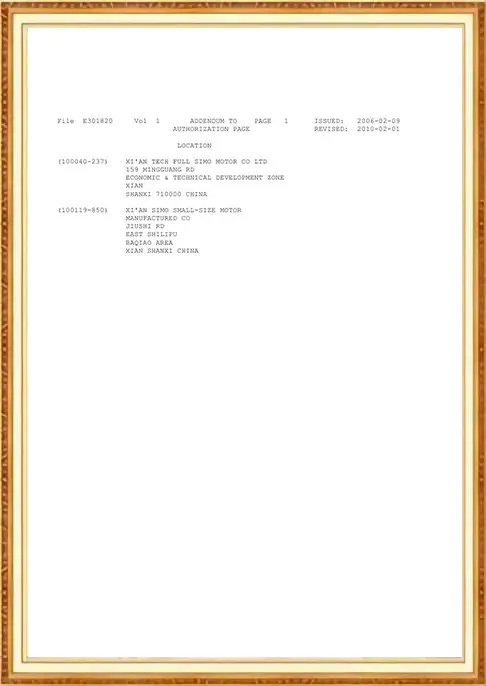
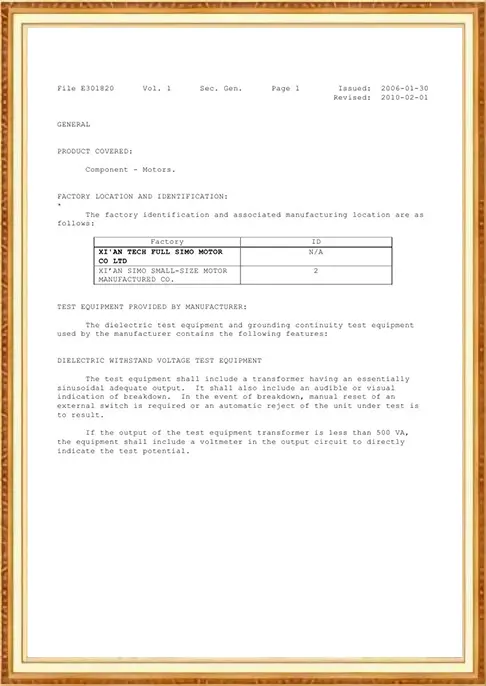
ISO Certification Certificate
CE Mark Certificate
GOST Certificate
Explosion Proof Safety Certificate
Quality Standard Award

Technical Facility and Machining Gallery

SIMO Machining workshop
CNC Precision Turning Line
Heavy Motor Testing Bay
SIMO Rotor Balancing Machine

Technical Roadmap & Future Outlook

Looking ahead to 2030, SIMO is driving technical development along three primary axes:

  1. Digital Twin and IoT Integration: Integrating smart temperature, vibration, and magnetic flux sensors directly inside flameproof enclosures. This allows monitoring from control rooms via MODBUS or wireless channels, enabling predictive maintenance without requiring operators to manually inspect active explosive zones.
  2. Hydrogen Economy Upgrades: Testing materials to handle Hydrogen and Synthesized Hydrocarbon mixtures (Group IIC + H2) under high pressures.
  3. Eco-efficient Production: Transitioning our factories to low-carbon operations, utilizing recycled copper, high-grade silicon steel laminations, and eco-friendly varnishing methods to minimize lifetime lifecycle emissions.

Gas Explosive Environment Motors FAQ

What is the difference between Ex d, Ex e, and Ex nA motors?
Ex d (Flameproof): Designed to contain an internal explosion and prevent it from igniting external gases. Ex e (Increased Safety): Incorporates measures to prevent sparks, arcs, or dangerous hot spots from forming under normal or overload conditions. Ex nA (Non-sparking): Suitable only for Zone 2, designed so it cannot ignite a surrounding explosive atmosphere under normal operations.
How does variable frequency driving (VFD) affect explosion-proof ratings?
VFDs can cause increased motor heat due to harmonic distortion and reduced fan cooling speeds at low frequencies. Therefore, VFD-driven Ex motors must either be certified alongside the drive (as a matched pair) or be equipped with internal thermistors (PT100/PTC) to trip the controller before the surface temperature limits of the motor frame are exceeded.
Why are IIC explosion-proof motors more expensive than IIB motors?
Group IIC gases (such as hydrogen) have small flame gaps and low ignition energy thresholds. IIC motors require narrower machining tolerances on flameproof paths, thicker joint flanges, and more complex cable entries. This increases manufacturing complexity and material costs compared to Group IIB motors.
What is the standard design life of SIMO explosion-proof motors?
With regular maintenance, clean electrical feeds, and proper bearing lubrication intervals, SIMO explosion-proof motors are designed to operate for 15 to 20 years. Class H insulation materials operated at Class F temperature limits provide an extra safety margin, preventing premature thermal aging of the windings.