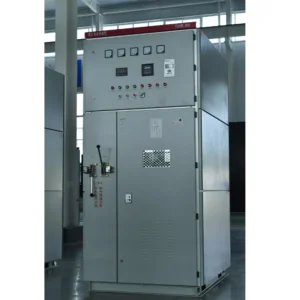
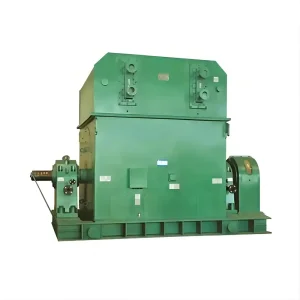
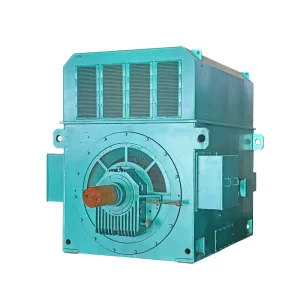
High-voltage induction, explosion-proof, and variable frequency drive (VFD) technologies engineered for extreme industrial duty cycles.
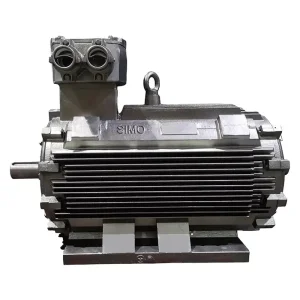
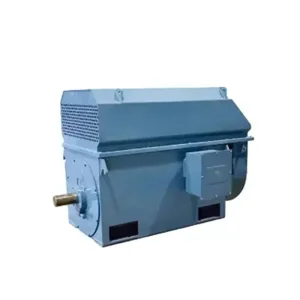
Understanding the engineering demands of high-differential pressure systems, heavy-duty suction, and continuous air handling.
In modern industrial facilities, the term industrial vacuum motor defines more than a simple electric motor; it represents the mechanical heart of large-scale pneumatic conveying systems, central dust extraction plants, metallurgical recovery units, and heavy chemical process extraction. The physical demands placed upon these machines are distinct from typical pump or fan motors. Because vacuum extraction relies on generating significant pressure differentials across closed systems, these motors must consistently withstand high starting currents, operate at high thermal margins, and deliver massive torque over wide frequency ranges under variable aerodynamic loading.
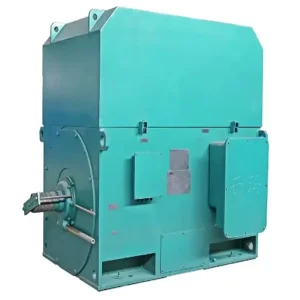
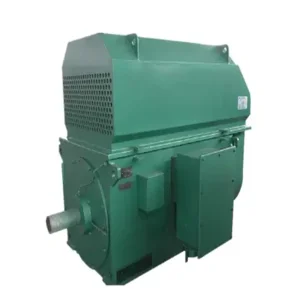
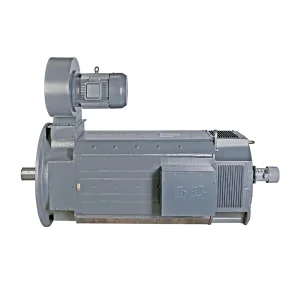
To optimize air displacement and maintain systemic static pressure, large vacuum systems employ multistage centrifugal blowers or positive displacement roots blowers. The selection of the primary drive motor involves evaluating detailed parameter curves, specifically the torque-speed curve against the load curve of the compressor. China's top industrial motor companies—most notably Xi'an Lite SIMO Motor Co., Ltd.—have pioneered the engineering behind these specialized drives. With high-voltage induction frames (6kV to 10kV) and specialized variable-frequency mechanisms (such as the YVFE3 and YJP series), they satisfy the most rigorous industrial requirements globally.

Xi’an Lite SIMO Motor Co., Ltd. is a premier electrical engineering enterprise, specializing in the design, manufacturing, mechanical processing, mold fabrication, assembly, and service of large/medium-sized, high/low voltage AC motors, DC motors, synchronous motors, and explosion-proof motors. Representing a critical pillar of the Chinese mechanical manufacturing industry, SIMO consistently ranks at the top of China's motor sector in terms of production capacity, technological capability, and export volume.
Established as a core state project in the mid-20th century, the company has grown into a globally trusted technical partner. SIMO provides reliable, high-performance propulsion and extraction systems across the Americas, Europe, Central Asia, and Africa. Their motors power critical infrastructure in coal mining, heavy metallurgy, petroleum processing, municipal water conservation, power generation, and military aerospace applications.
From a state-owned foundry to a global powerhouse in heavy-duty electric motors.
How SIMO integrates robotic precision, deep vertical integration, and structural logistics to guarantee global uptime.
Automated precision winding, VPI (Vacuum Pressure Impregnation) insulation systems, and dynamic balance machinery eliminate manual errors, ensuring insulation stability and operational longevity in heavy vacuum operations.
Direct integration with premium domestic silicon steel refineries and copper rod casting hubs protects production cycles from global market price spikes, maintaining competitive unit economics for international clients.
Every motor undergoes comprehensive testing in the SIMO state-certified lab, verifying parameters such as full-load efficiency, torque ripples, vibration levels, and surge resilience prior to shipping.
Operating a capital-intensive plant requires reliable equipment. SIMO supports the global manufacturing sector by implementing rigid quality management frameworks. By utilizing over 1,172 sets of high-precision testing machinery, CNC lathes, and heavy metal-cutting presses, SIMO mitigates mechanical faults. This allows high-power vacuum installations, ventilation networks, and hydraulic projects to run uninterrupted, reducing costly downtime.
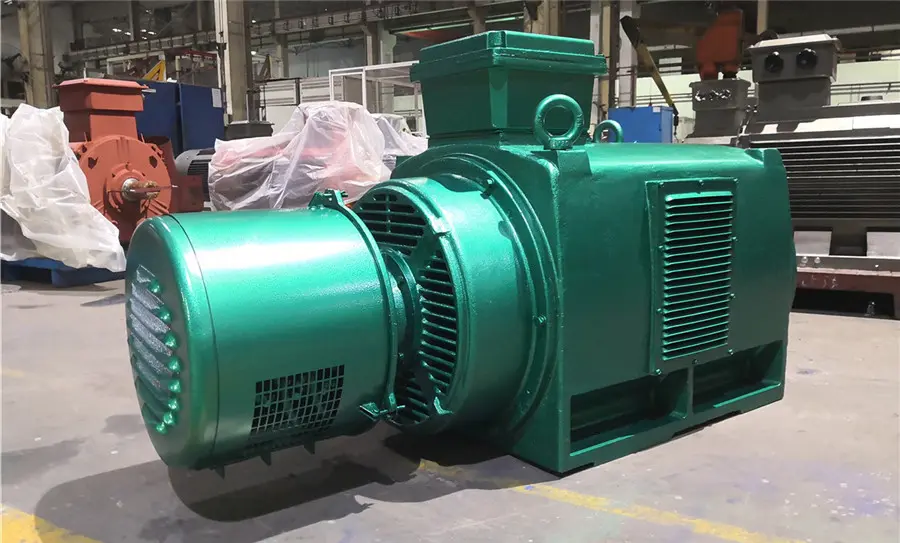
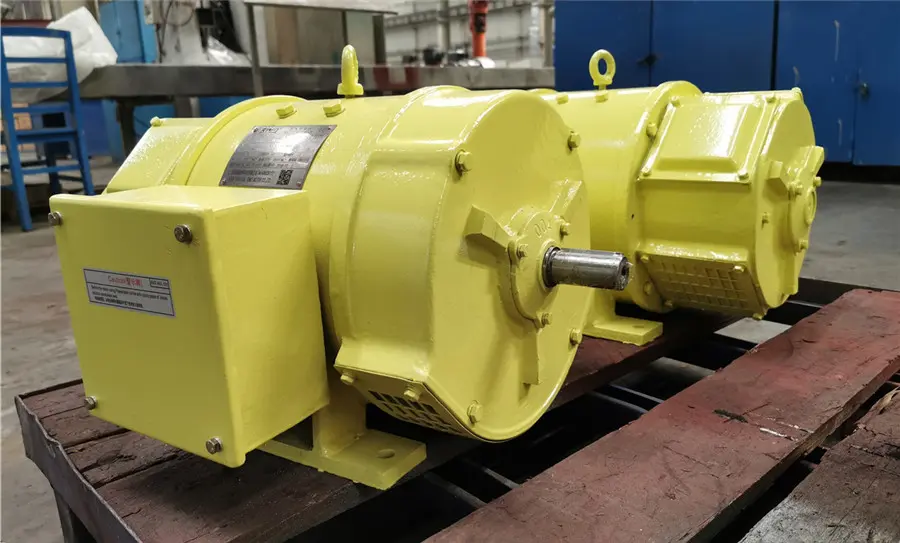
Engineering specifications and capabilities spanning standard low voltage, high-voltage induction, and specialized DC drives.
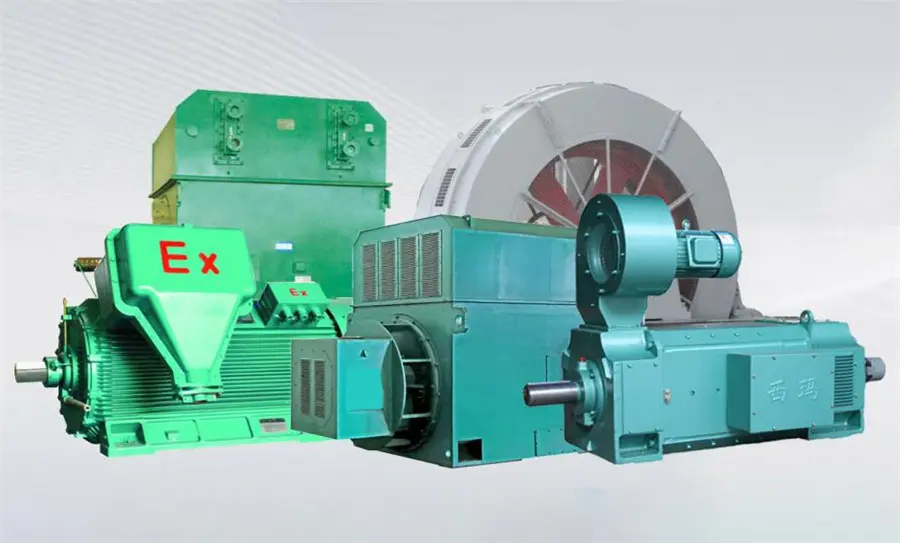
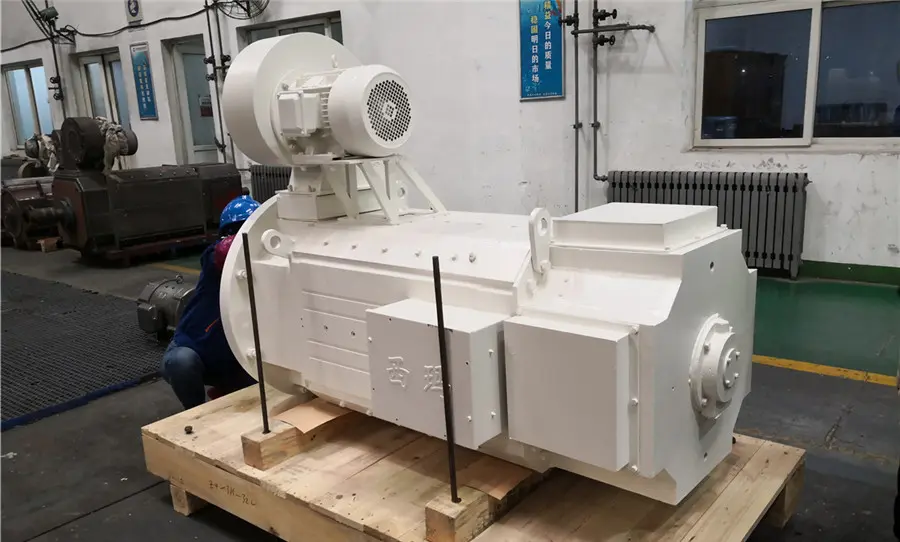
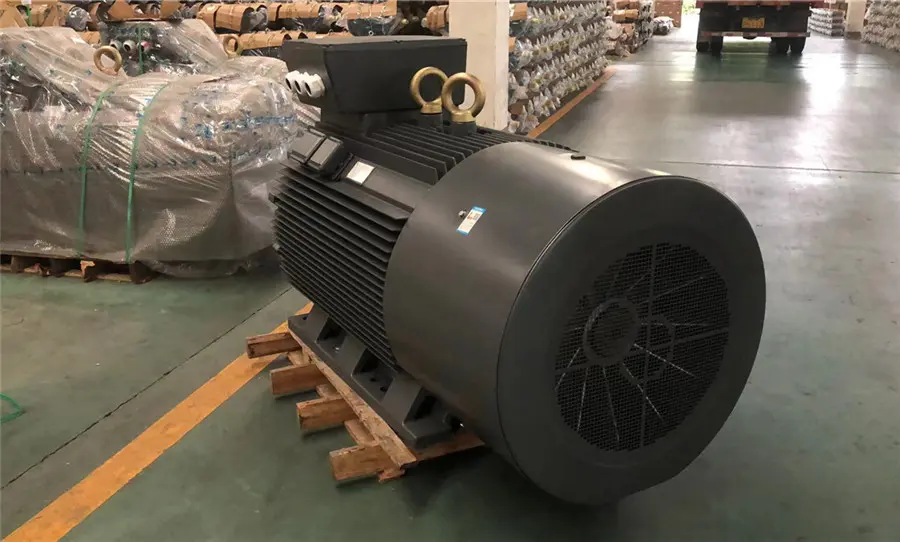
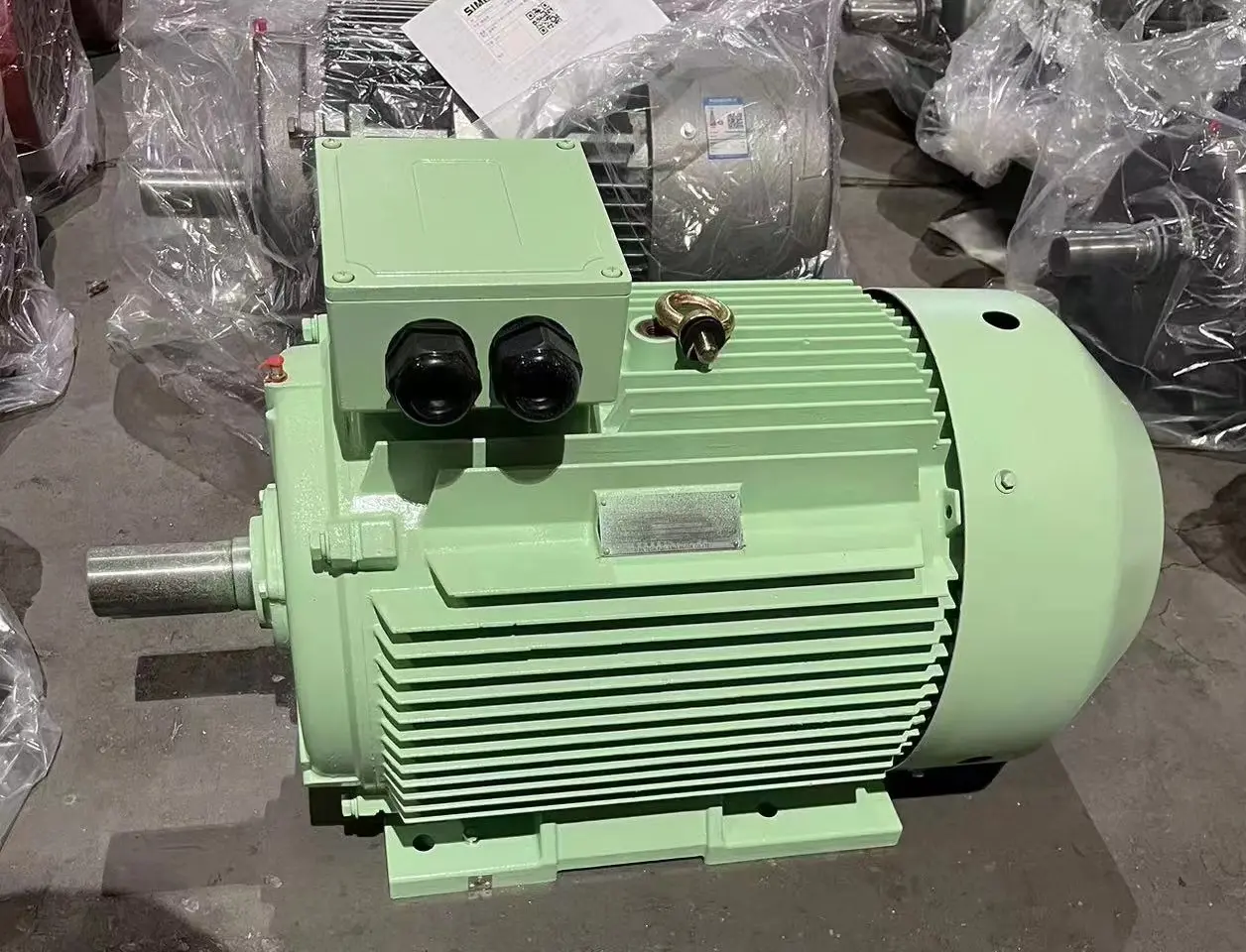
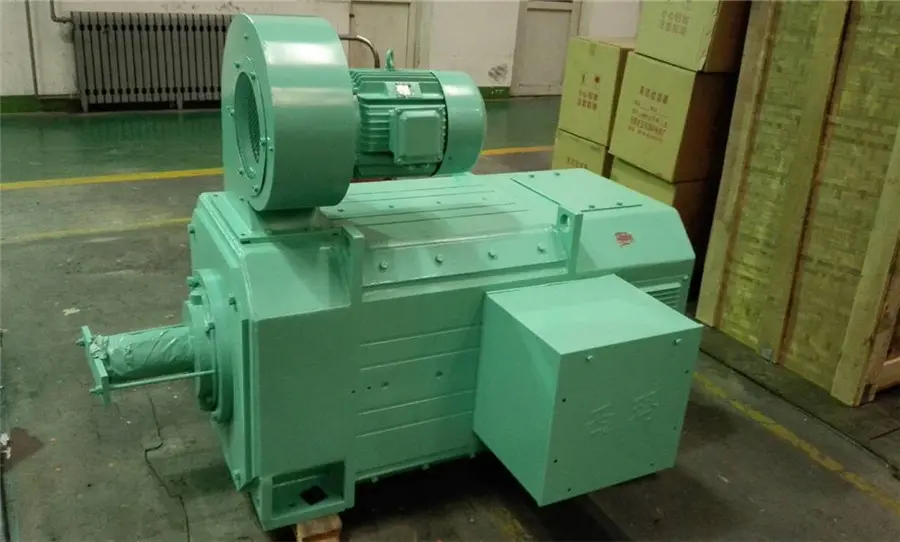
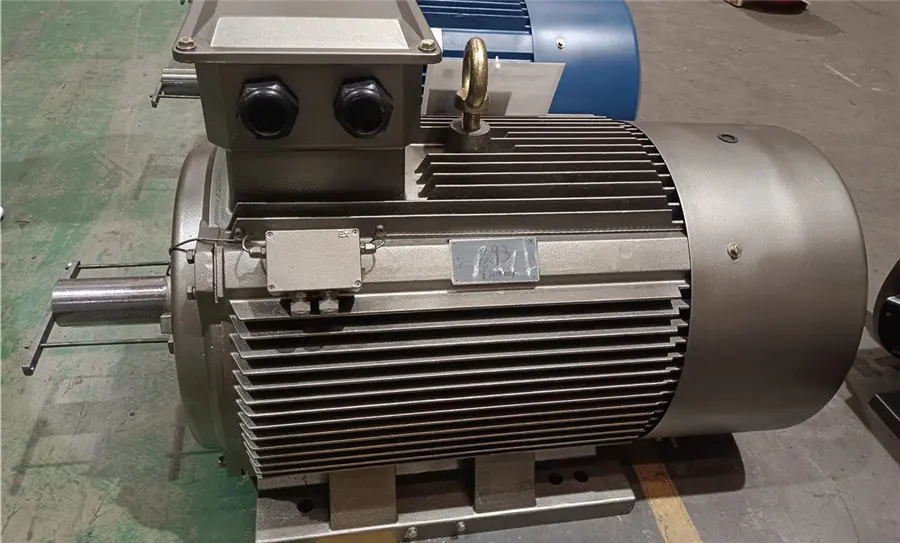
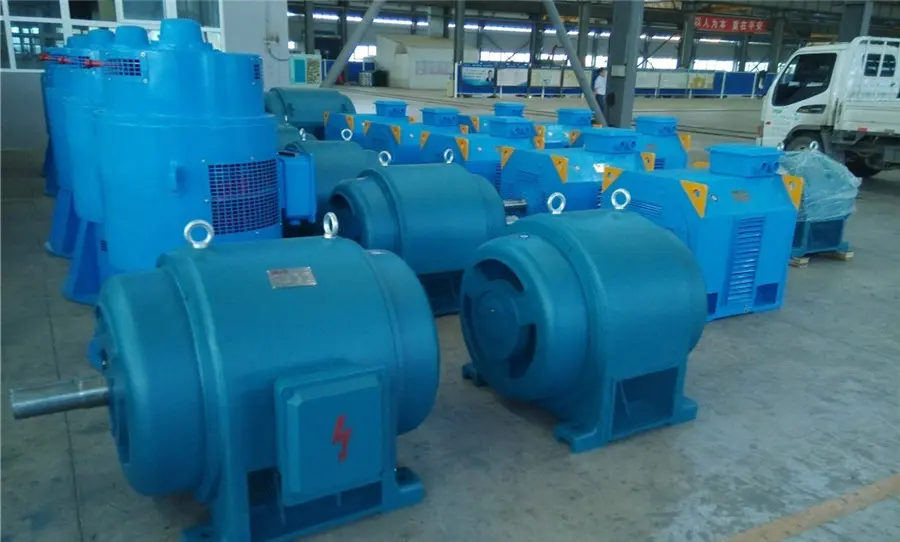
Ensuring alignment with global electrical, mechanical, and safety regulations.
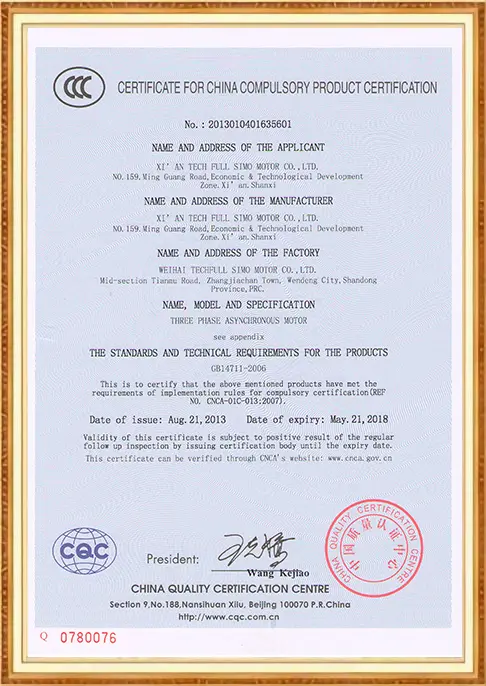
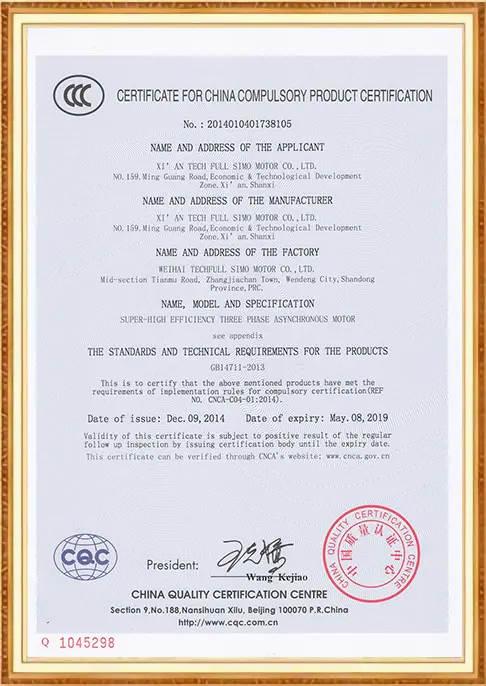
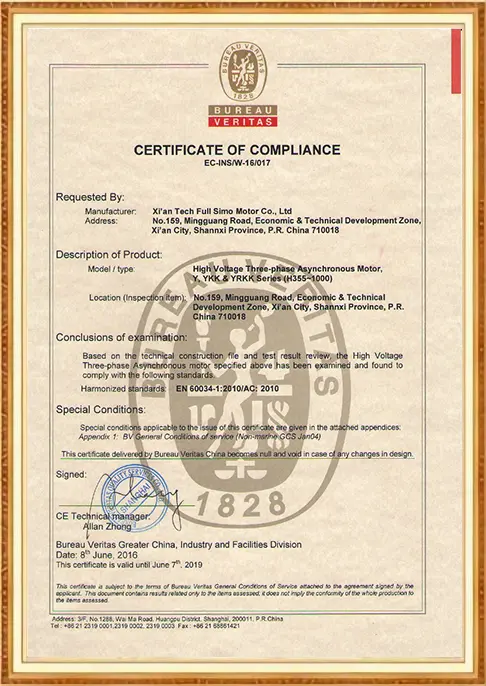
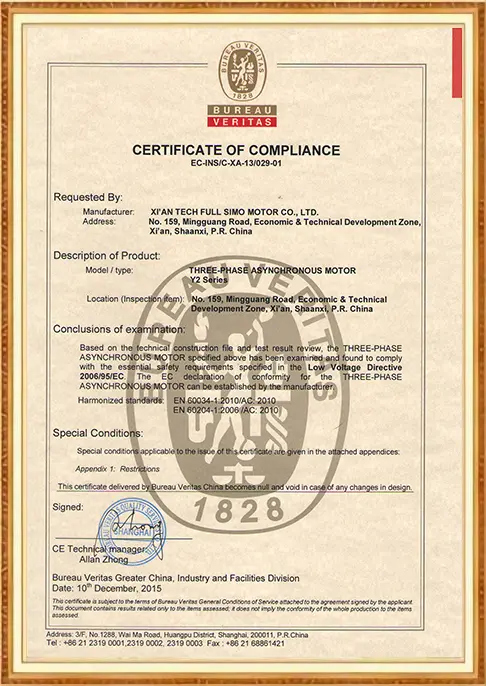
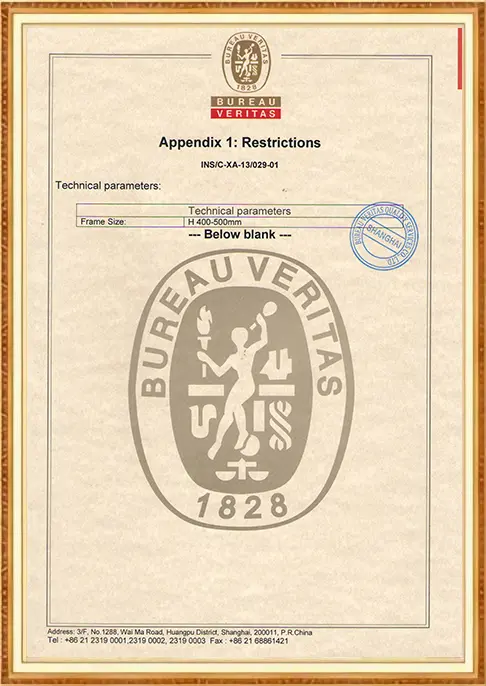
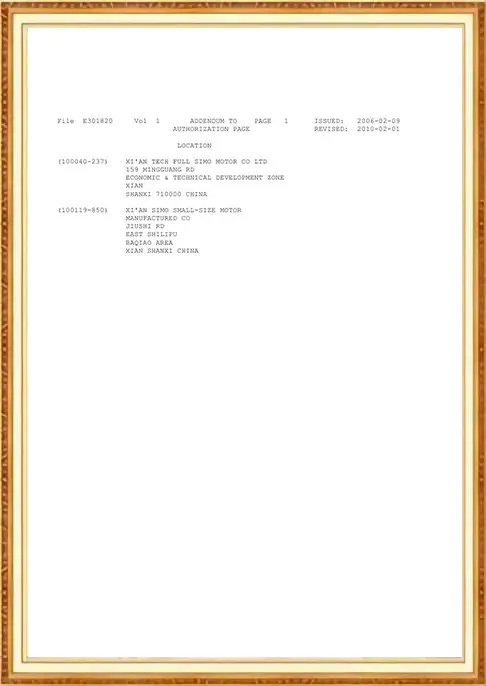
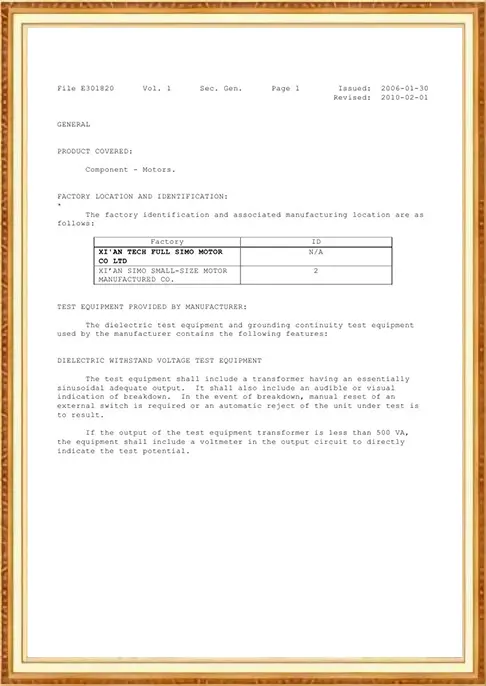
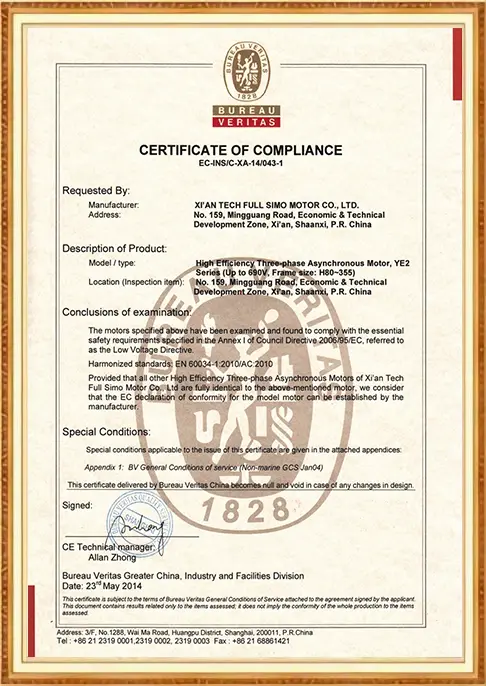
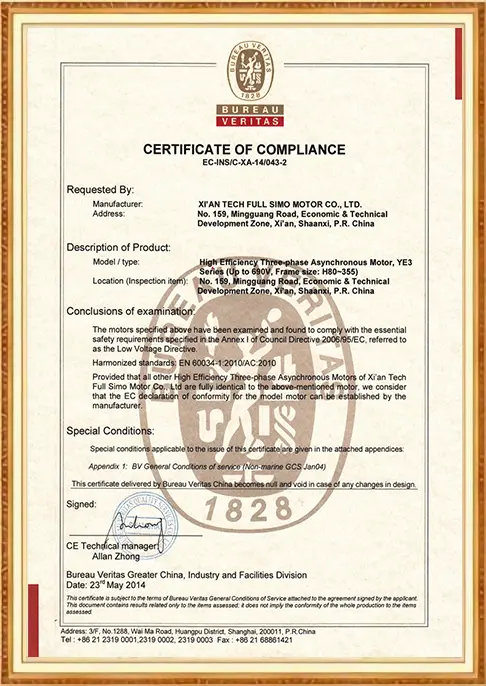
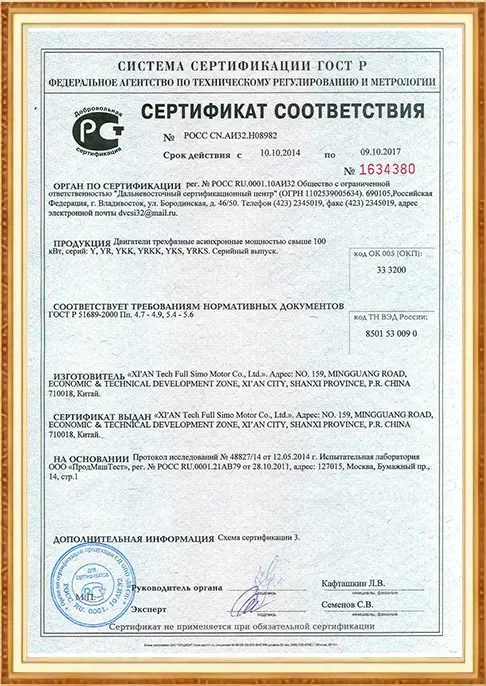
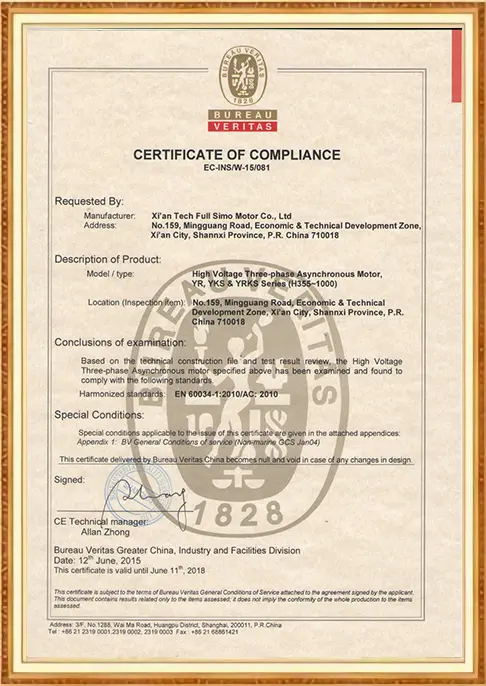
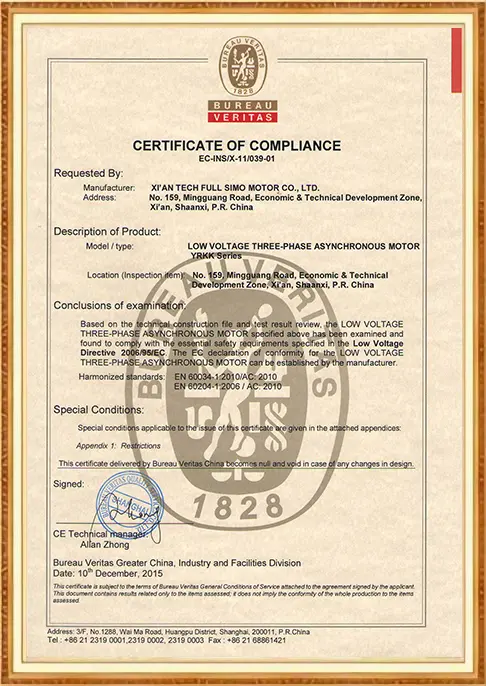
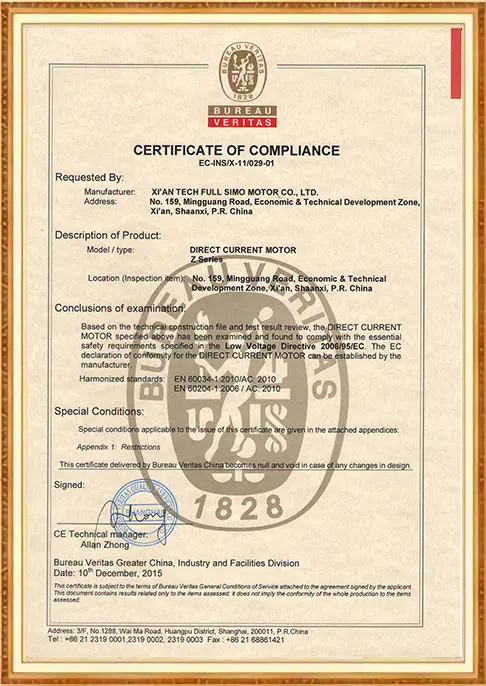
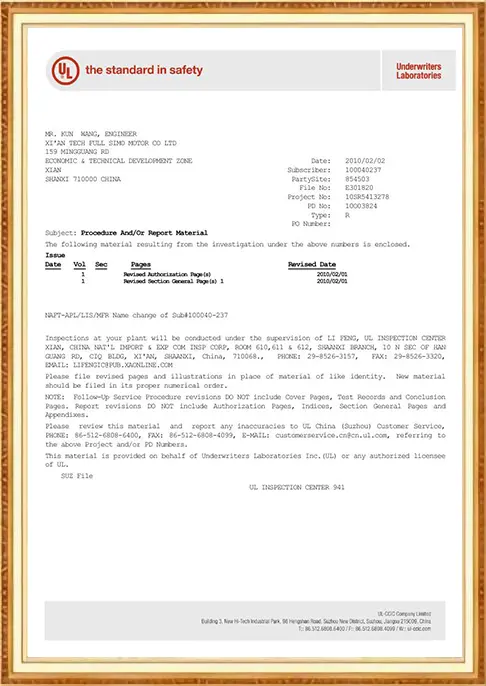
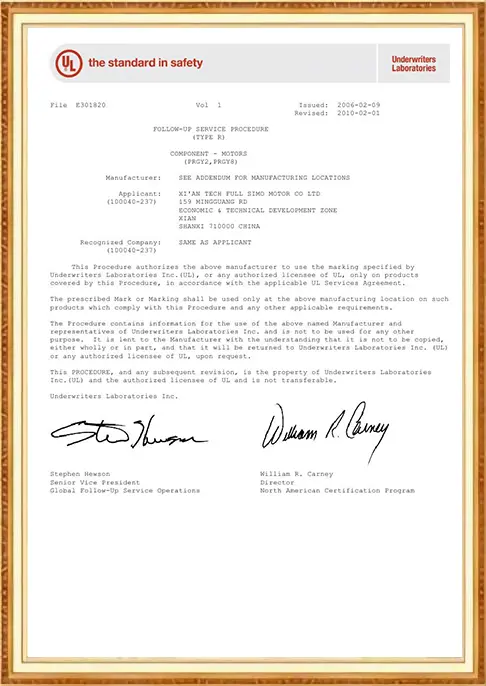
In heavy industry, compliance is essential for operational safety and regulatory alignment. SIMO's manufacturing processes meet strict global certification criteria, ensuring consistent quality across various international markets.
SIMO has achieved ISO9001 Quality System Certification, European Union CE marking, United States UL approval, and Russian GOST certification. This compliance framework allows engineers and procurement officers in the Americas, Europe, Central Asia, and the Middle East to integrate SIMO products into hazardous environments, public utilities, and critical industrial plants.
Integrating smart technologies and safety engineering across critical industry sectors.
A key trend in global vacuum motor development is the adoption of IoT-enabled remote monitoring diagnostics. Incorporating vibration sensors, stator temperature detectors, and bearing monitors helps plant managers forecast failures, reducing unscheduled down-time in large industrial systems.
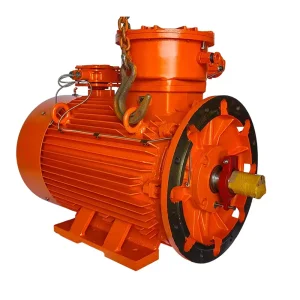
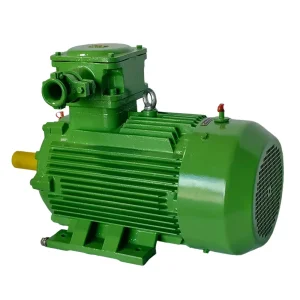
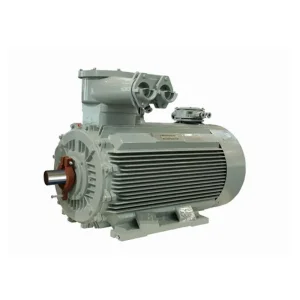
In underground mining, standard vacuum and draft fans are subject to dust accumulation and combustible gas concentrations. The use of specialized motors, such as the YBK3 Flameproof Series and YFB3 Dust Explosion-Proof Series, is essential. These motors are constructed with thick-walled cast iron enclosures designed to contain internal sparks and prevent explosion propagation in dust-heavy environments.
Petrochemical refining and gas recovery require high safety and efficiency standards. Industrial vacuum motors used in these settings must resist chemical corrosion and gas leaks. Specifying high-voltage asynchronous motors (like the YKK or YRKK series) allows chemical facilities to run continuous, high-volume extraction while maintaining compliance with international ATEX and IECEx standards.
Large municipal water treatment and aeration systems rely on high-capacity synchronous motors (such as the T or TK series). These systems require high torque and stable speeds under fluctuating hydraulic loads, which synchronous motors provide while optimizing electrical power factors in public utility grids.
Key design considerations, structural safety, and motor application protocols.
Consumer vacuum motors typically utilize high-speed universal brush systems with shorter lifespans and lower power ratings. In contrast, heavy-duty industrial vacuum motors utilize three-phase induction or synchronous designs. These are engineered for continuous S1 duty cycles, feature cast iron frames (IP55/IP65 ingress protection), Class F insulation, and are built to handle high starting inertia and variable dynamic loads.
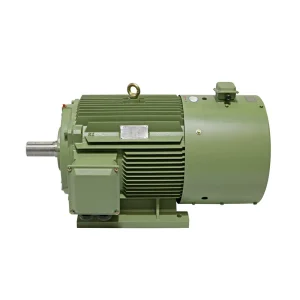
VFD-equipped motors (such as the YVFE3 or YJP series) adjust motor speed dynamically in response to varying system vacuum pressure and airflow demands. This prevents motor overheating, reduces energy consumption, and prevents aerodynamic surges in centrifugal blowers, leading to energy savings in large-scale plants.
Explosion-proof motors (such as the YBX3 or YFB3 series) feature reinforced cast-iron frames designed to contain any internal electrical spark or flame. They are built with tight joint tolerances to prevent internal combustion from igniting external ambient coal dust, petrochemical vapors, or combustible gases.
Key parameters include the full load torque rating, voltage compatibility (e.g., 6kV vs 10kV for high voltage), starting current limitations, frame size conformity (IEC or NEMA standard), insulation class, and the shaft radial/axial load ratings, which must match the blower's coupling design.
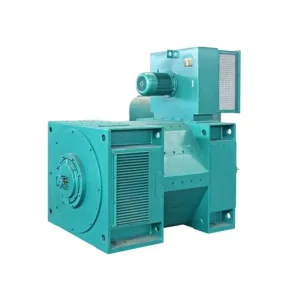
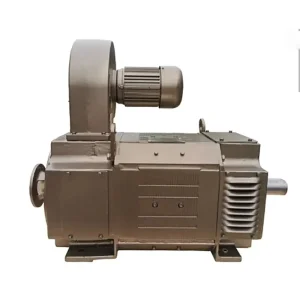
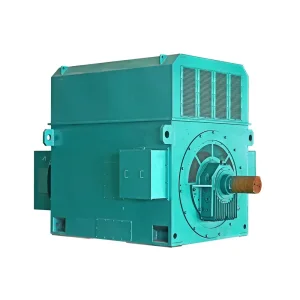
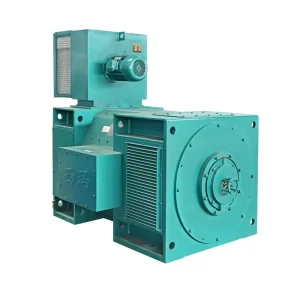
High-efficiency variable frequency, heavy DC drives, and high-voltage asynchronous motors for heavy industry.
 Lite Simo