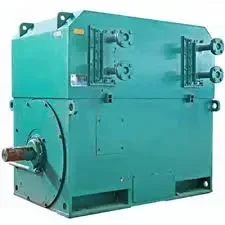
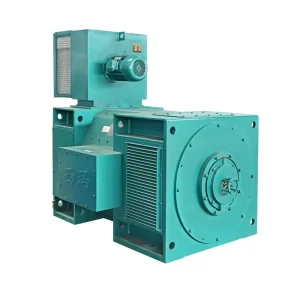
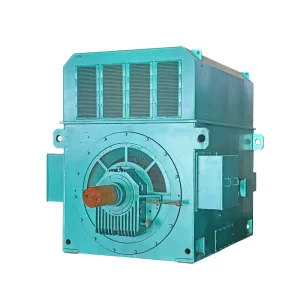
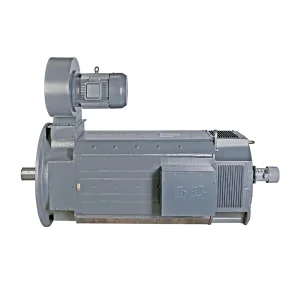
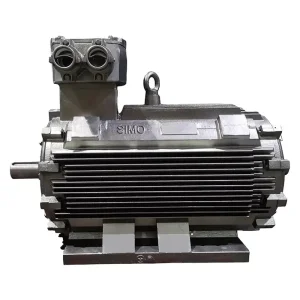
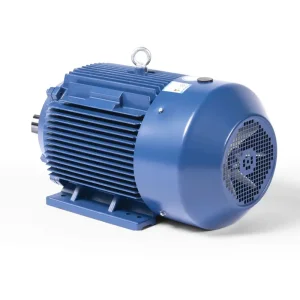
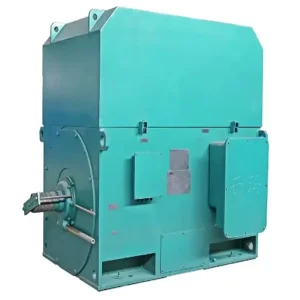
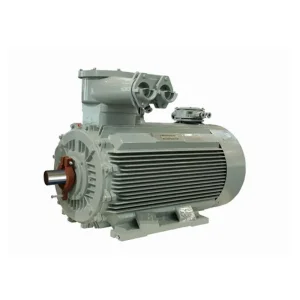
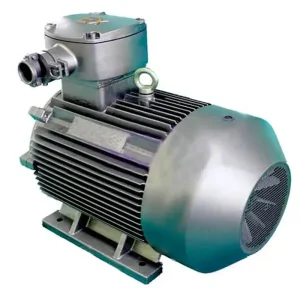
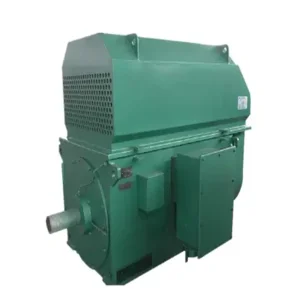
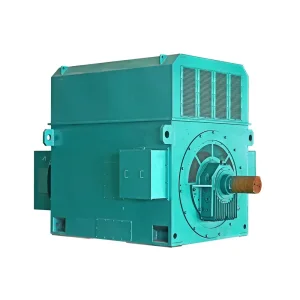
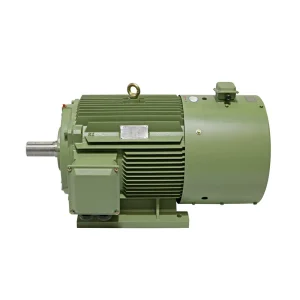
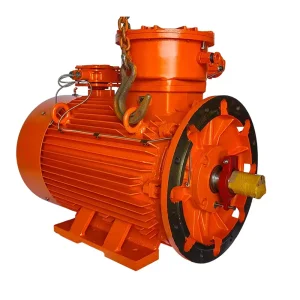
In industrial processes where combustible gases, vapors, or dust represent constant ignition risks, electrical machines must function without initiating an explosion. The Ex D protection mechanism (Flameproof enclosure) stands as the most robust defense in hazardous locations. Classified under IEC/EN 60079-1, Ex D engineering does not mean gas cannot enter the motor. Instead, it assumes an internal explosion *will* happen. The enclosure is built to contain that blast pressure without structural failure and prevent any interior fire or flame path from reaching the external, potentially explosive atmosphere.
Critical flamepaths (the gaps between joint surfaces, such as the shaft clearance and endshield flanges) are specifically designed to cool escaping combustion gases to temperatures far below the ignition threshold of the surrounding gases (e.g., hydrogen, ethylene, or methane).

Fig 1: Advanced Explosion-Proof Stator Assembly and Thermal Dissipation Inspection at Xi'an SIMO Plant.
Analyzing the evolution of explosion-proof technology, efficiency optimization, and digital control integration.
| Feature Category | Legacy Technology (Standard Ex) | Modern Technical Roadmap (Simo Ex D) | Future Outlook (Next-Gen IoT Ready) |
|---|---|---|---|
| Efficiency Class | IE1 to IE2 (High losses, elevated thermal profiles) | IE3 & IE4 (Optimized stator, decreased coil resistance) | IE5 Ultra-Premium (Permanent Magnet Ex D configurations) |
| Thermal Control | Passive standard cooling fins, manual checks | Advanced aerodynamic housing with PT100 sensors | AI-driven smart thermal mapping and automated VFD adjustments |
| Enclosure Engineering | Heavy cast iron frames with thick wall structures | High-ductility cast iron, finite element analysis (FEA) designs | Hybrid ultra-light heat-dissipating alloys with high tensile limits |
| Smart Diagnostics | Periodic mechanical tests & physical inspections | Modbus/CAN-bus digital sensors for temperature monitoring | Cloud-connected, real-time wireless diagnostics for Zone 1 and 2 |
How flameproof electric motors power global heavy industries safely and productively.
Explosion-proof motors act as critical components in industrial process chains where safety is paramount. SIMO motors are deployed across multiple demanding sectors:
Pairing an Ex D motor with a Variable Frequency Drive requires close engineering coordination to prevent stator winding stress and bearing currents.
Simo provides advanced VFD configurations with matched voltage spikes resistance, reinforced phase-to-phase insulation, and dedicated Ex-certified encoder feedbacks for closed-loop speed control in hazardous zones.
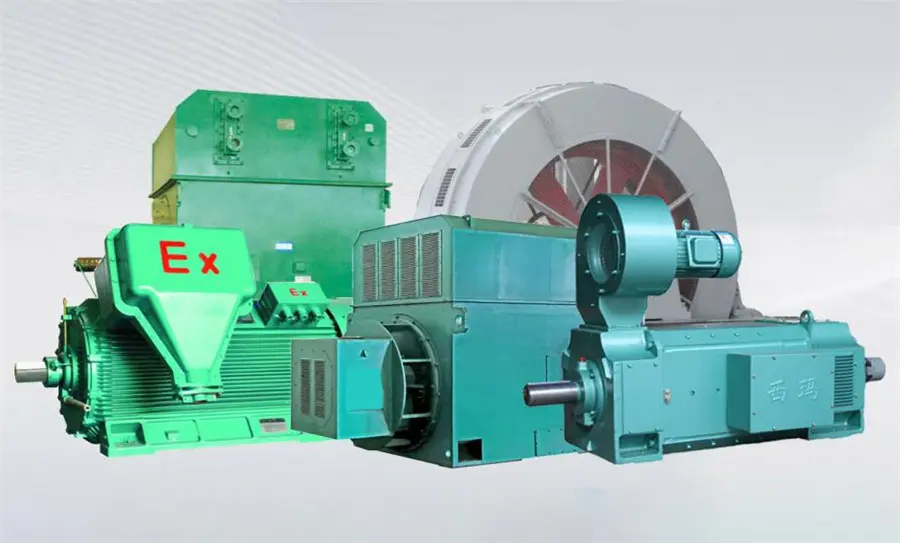
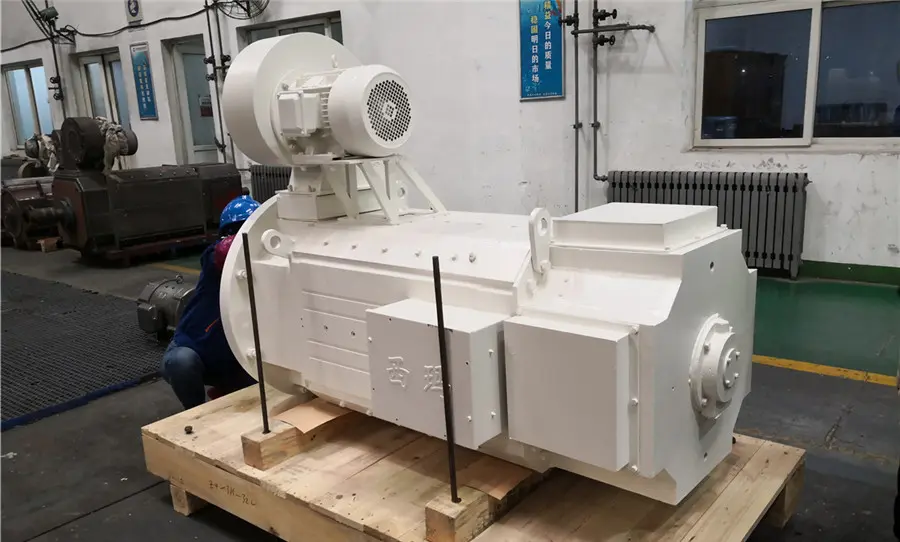
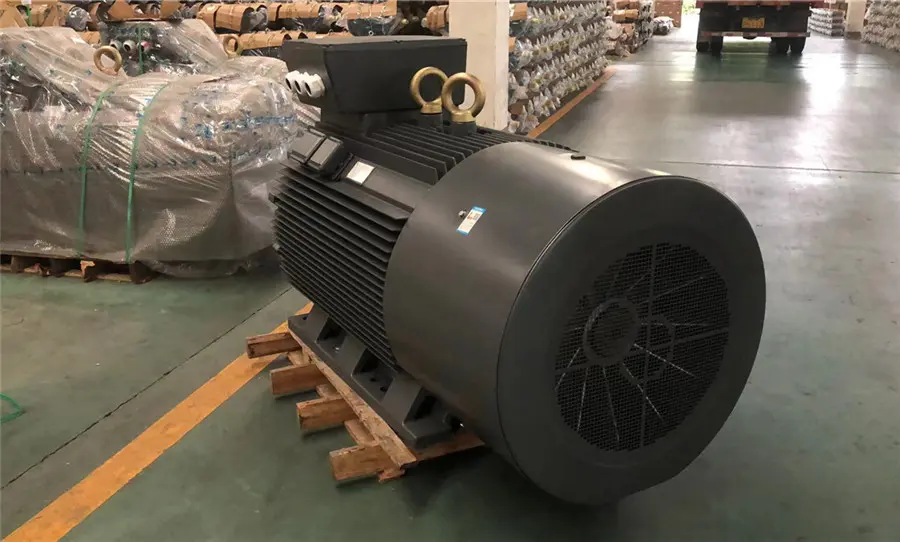
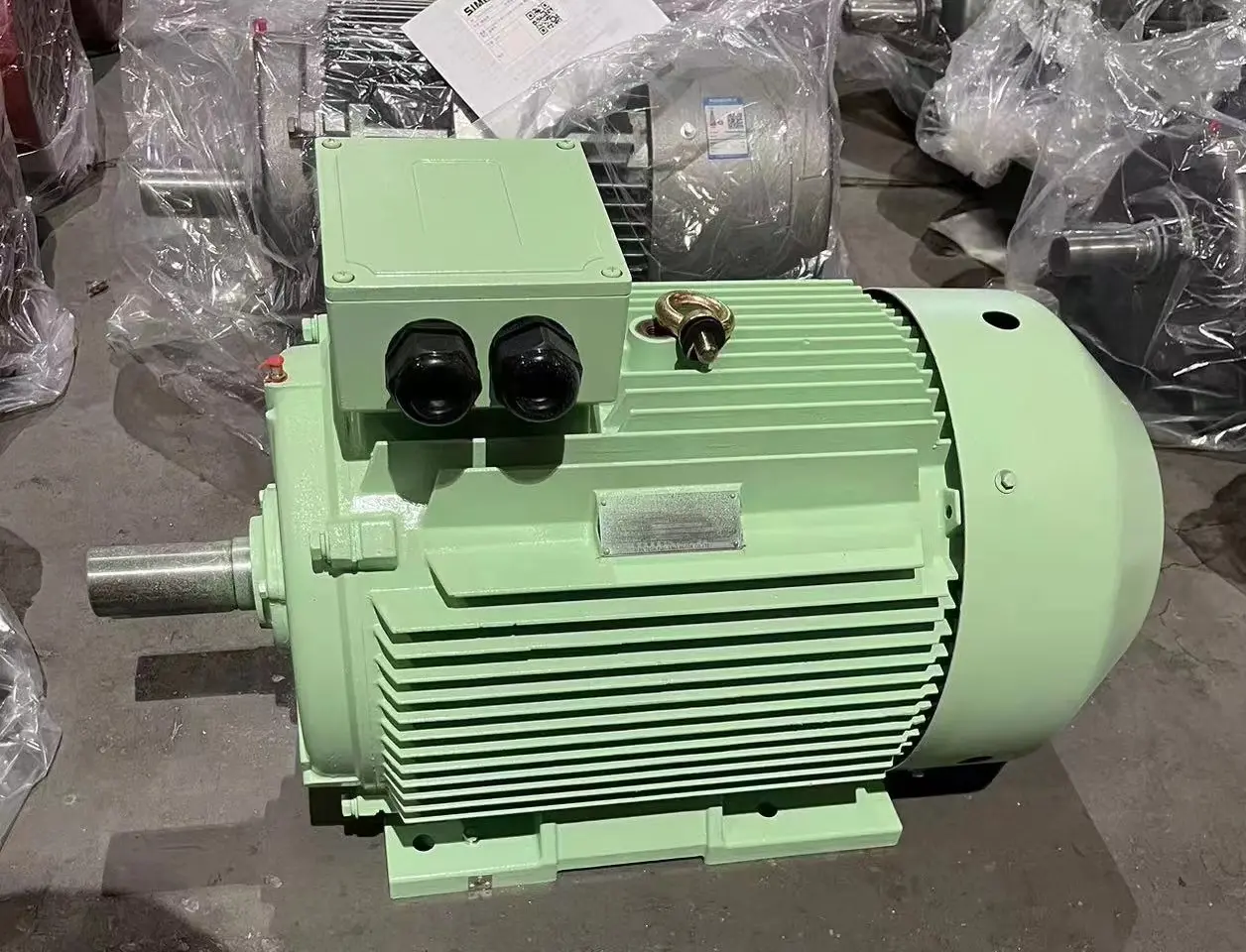
Fig 2: State-of-the-Art Manufacturing: Stator Winding, Machining, and Dynamic Balancing at SIMO Facilities.
The Chinese industrial motor manufacturing sector has transitioned from large-scale production to intelligent, precision-engineered manufacturing. Xi'an Simo Motor Co., Ltd. incorporates Factory 4.0 workflows to ensure high quality and repeatable accuracy in all explosion-proof products.
By utilizing robotic CNC machining centers, automated coil winding lines, and advanced VPI (Vacuum Pressure Impregnation) facilities, Simo achieves strict control over key dimensional tolerances. This is critical for Ex D certified flameproof joints, where tolerances are measured in micrometers.
Ensuring absolute compliance with strict global standards and localized engineering specifications.
For global engineering companies, purchasing flameproof electric motors requires meeting strict certification and regulatory standards. Different geographic markets require different frameworks:
Mandatory for operations within the European Economic Area (ATEX Directive 2014/34/EU) and widely recognized globally (IECEx). These certifications ensure third-party validated explosion protection designs, strict factory audits, and complete traceability of all flameproof materials.
Including Russia's GOST certification, North American UL/CSA listings for Class I Div 1/2 hazardous locations, and China's CCC Ex certification. SIMO maintains a robust compliance framework, helping clients clear local regulatory steps quickly.
A comprehensive manufacturer specializing in large, medium, and high/low voltage electric motors in China.
Xi’an Lite SIMO Motor Co., Ltd is an electric company and a leading enterprise in the Chinese mechanical industry. It specializes in manufacturing large/medium-sized, high/low voltage AC motors, DC motors, synchronous motors, and explosion-proof motors. As a comprehensive manufacturer and service supplier, SIMO integrates motor design, manufacturing, mechanical processing, mold making, and assembly under one quality management system.
The company ranks among the top performers in China’s motor industry in terms of production scale. It has maintained a steady, fast-growing development trend for consecutive years, supported by 3 manufacturing plants, one subsidiary, and fixed assets of 380 million RMB. SIMO employs over 1,200 workers, including more than 260 technical engineers, 21 senior engineers, and 15 expert engineers.
SIMO Motor is established and led by the state government.
Relocates to a new manufacturing plant in Xi'an city to expand production capacity.
Renamed to Xi'an Motor Factory following a series of acquisitions and integrations.
Reformed from a state-owned factory into a limited liability company.
SIMO Motor Group is established, managing 14 subsidiaries.
Moves to a high-tech, advanced manufacturing facility.
Company name changes to Tech Full Simo Motor to align with its technology-driven focus.
Simo continues its development path as a global supplier of industrial electric motors.
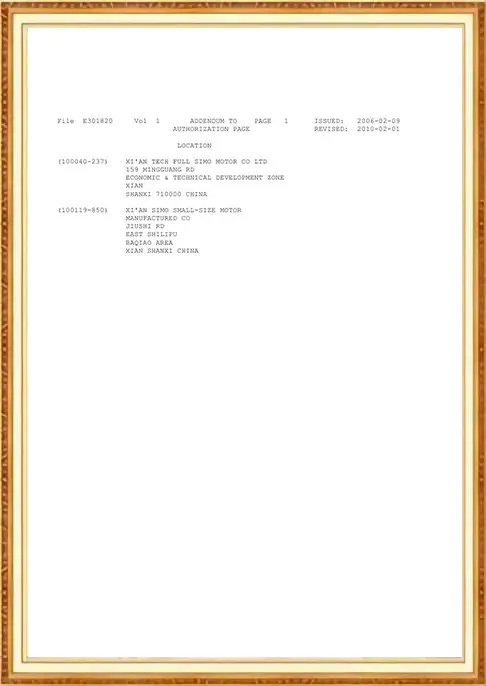
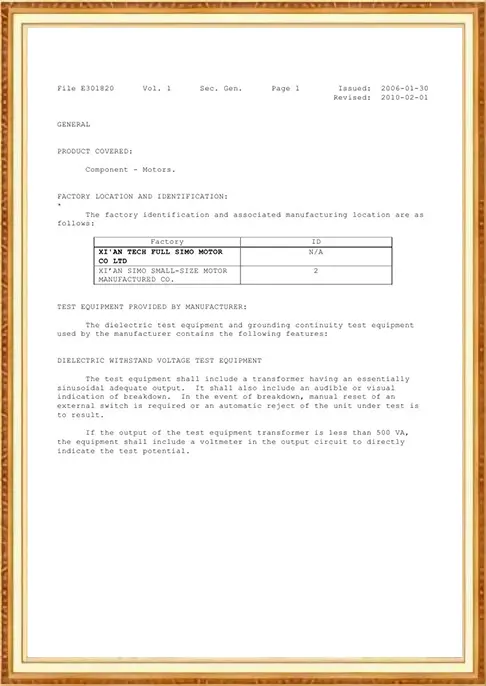
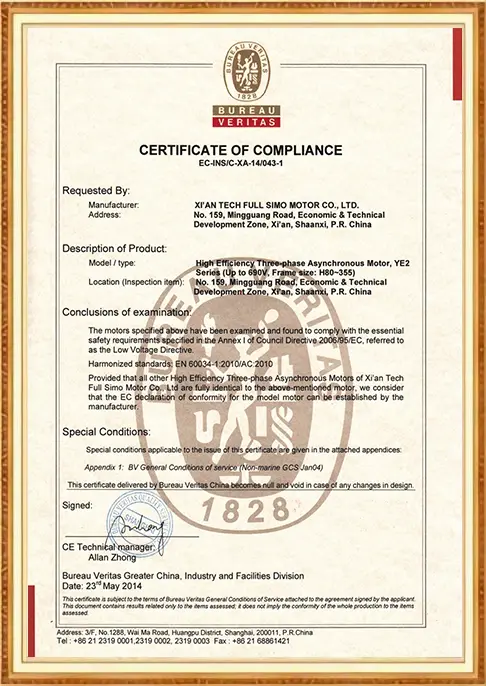
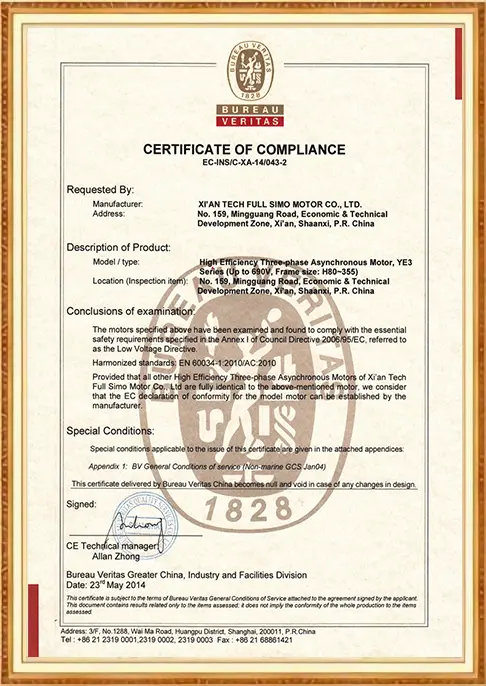
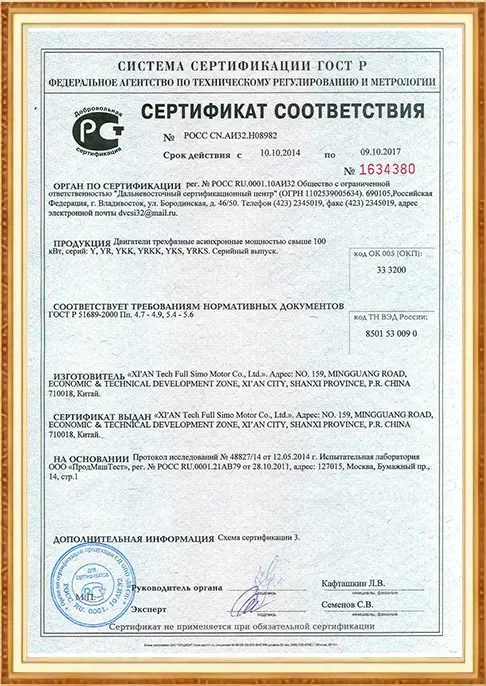
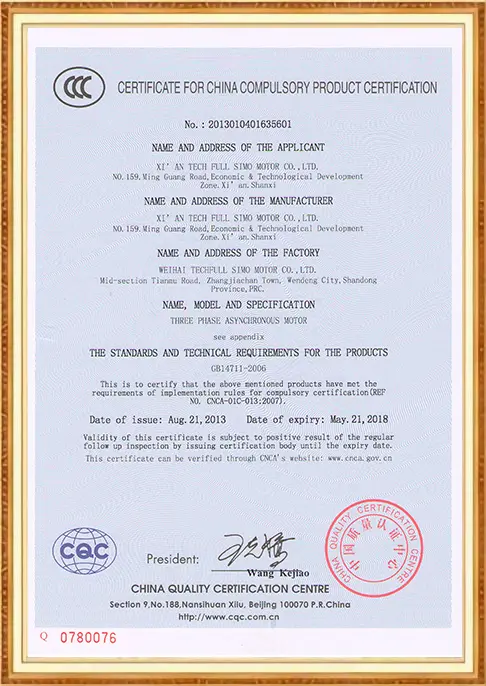
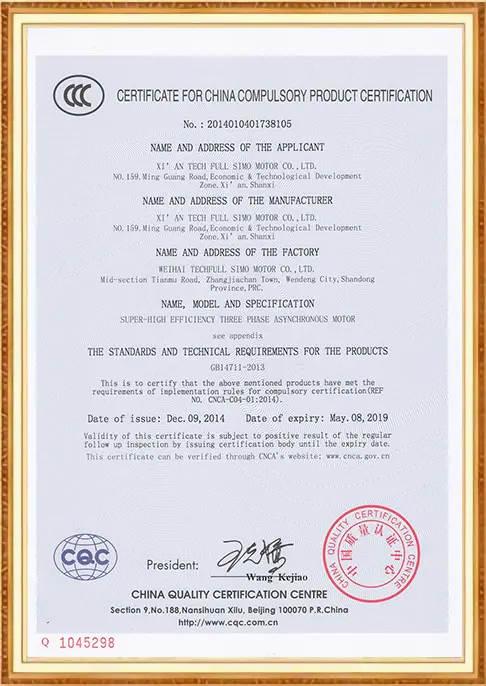
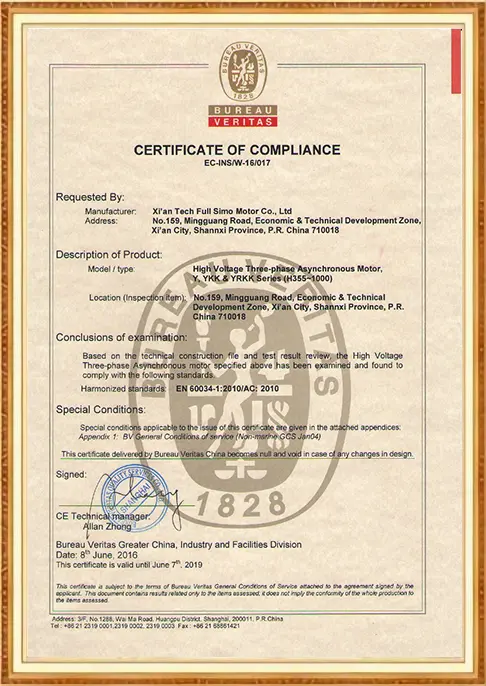
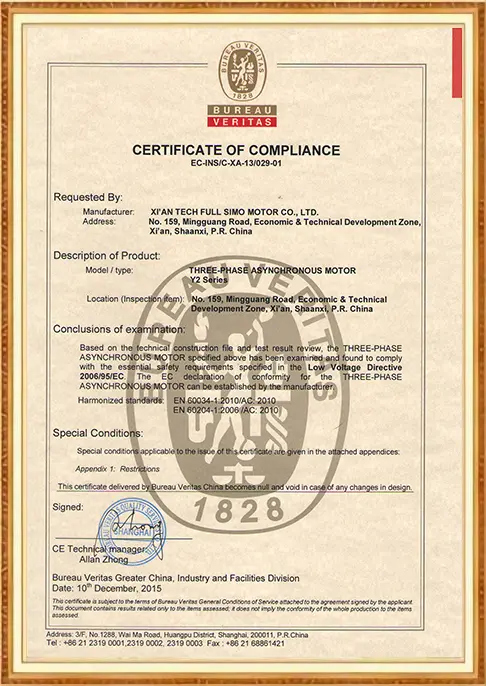
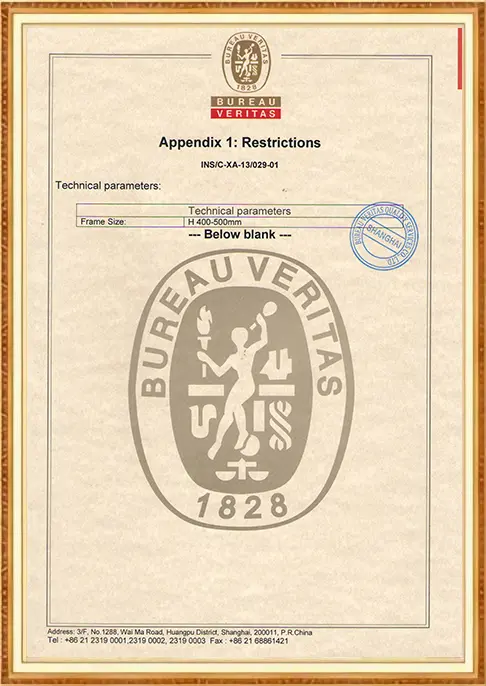
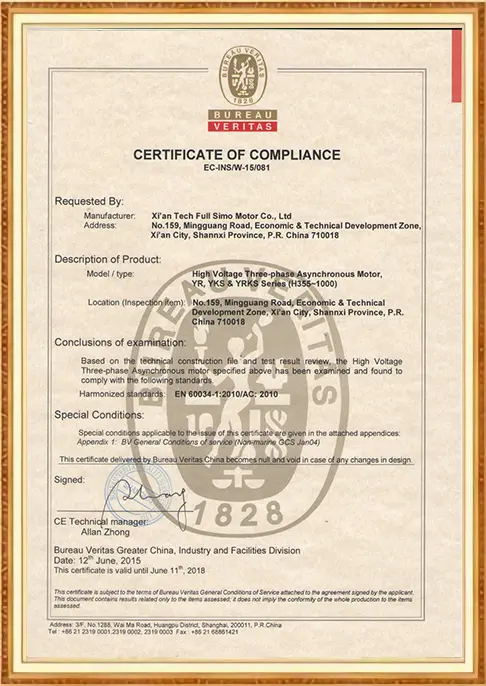
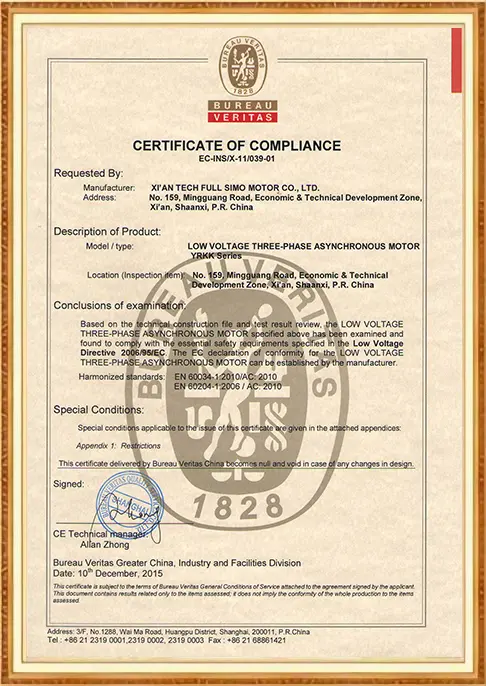
Verified certificates demonstrating conformance with international quality and safety frameworks.
SIMO has successfully passed the ISO9001 Quality System Certification, EU "CE", US "UL", Russian "GOST", and Chinese "CCC Ex" safety benchmarks. Our motors are deployed globally in key industries, including power generation, mining, metallurgy, petrochemicals, water treatment, and aviation.
From high-voltage asynchronous motors to variable frequency drives and flameproof series.
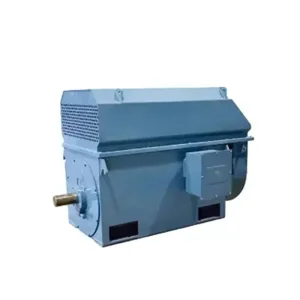
Includes the YX, YXKK, and YXKS series high-efficiency three-phase asynchronous motors, alongside the YR, YRKK, and YRKS series wound rotor motors. Designed for heavy industrial drives like compressors and blowers.
Features the YBX3, YBX4, and YBX5 high/low voltage flameproof motors. Built with cast-iron enclosures and robust seals, they are designed to safely contain internal explosions in petrochemical and mining applications.
Includes the YVFE3, YVFE4, and YVFE5 variable frequency speed-regulating series. Engineered to handle high electrical stress and maintain cooling efficiency across variable speed ranges.
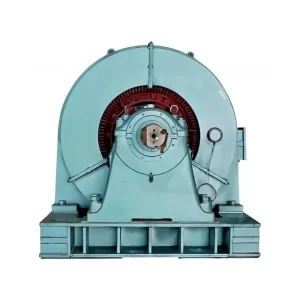
Includes the T, TD, TK, and TDMK series AC synchronous motors, specifically designed for mining applications. We also supply large synchronous generators (TFW350-5000KW series) to support regional industrial grids.
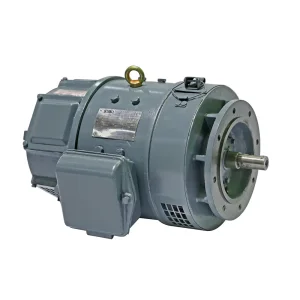
Includes the Z2, Z4, and Z series large DC motors. Built to provide precise speed regulation, high starting torque, and reliable performance under variable load conditions in rolling mills and excavators.
Technical answers to common engineering questions regarding the selection, application, and maintenance of Ex D motors.
 Lite Simo