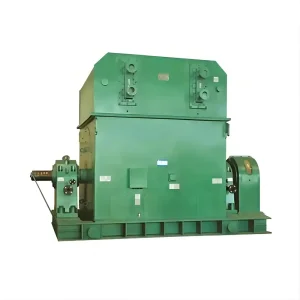
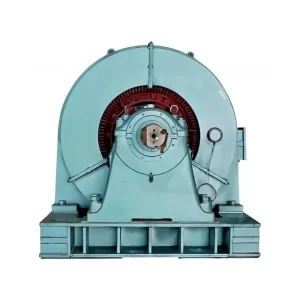
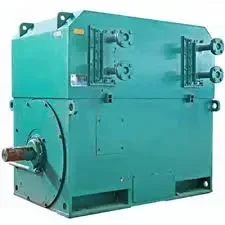
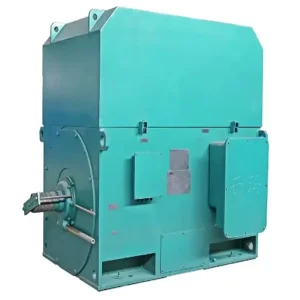
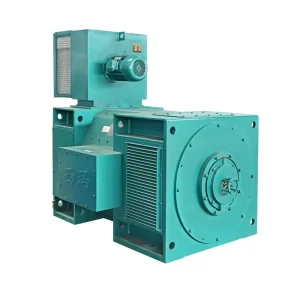
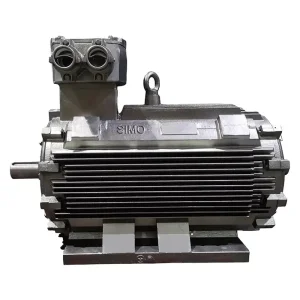
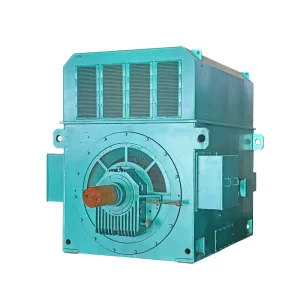
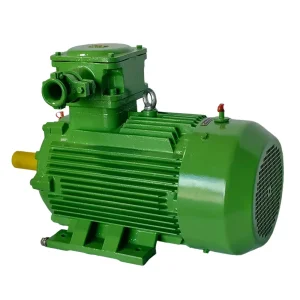
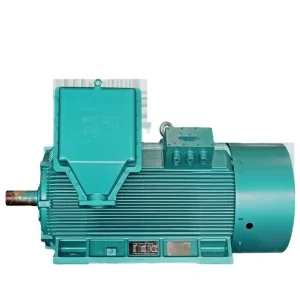
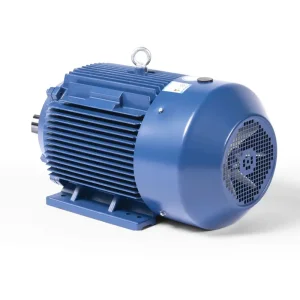
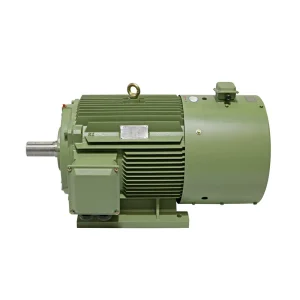
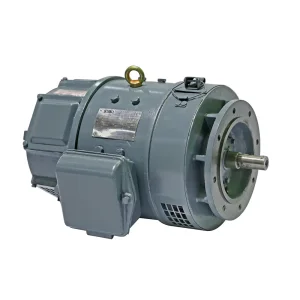
Optimized for heavy duty systems in the US mining, power generation, and milling sectors.
The industrial landscape of the United States is currently undergoing a massive transformation. Driven by stringent environmental guidelines, decarbonization policies, and the necessity to optimize operating expenditures (OpEx), US heavy industries are prioritizing grid stability and high-efficiency motor systems. The demand for massive prime movers, specifically synchronous electric motors, has soared. These machines are not merely drive systems; they represent the heart of critical infrastructure, running continuous processes in mining operations in Nevada, chemical processing units in the Gulf Coast, and municipal water facilities across California.
Unlike standard induction motors, synchronous motors in the United States market offer distinct advantages, most notably the ability to operate at a leading or unity power factor. This capability allows industrial operators to mitigate grid utility penalties, stabilize localized terminal voltage, and significantly reduce system-wide transmission losses. With the aging US power grid facing increased stress from integration with renewable energy sources, the capacity of synchronous motors to act as active grid assets has shifted from an engineering preference to a strategic operational imperative.

Navigating global production challenges, raw material constraints, and regional cost advantages.
Globally, the market for large-scale electric drives is expanding rapidly. Rapid industrial growth in developing economies, coupled with retrofitting projects in North America and Western Europe, has created a supply bottleneck for custom-engineered electric machinery. Major global suppliers face long lead times, often exceeding 12 to 18 months, due to copper, electrical steel, and magnet material constraints. Consequently, procurement officers in multi-national corporations are seeking reliable alternatives that combine technological prowess with fast turnaround times and competitive pricing structures.
The global energy landscape is governed by international efficiency metrics (IEC and NEMA standards). In this environment, Chinese motor manufacturers have established a position of technological leadership. Chinese factories leverage unified domestic supply chains, massive manufacturing hubs, and highly advanced research departments. This allows Chinese manufacturers to engineer, construct, and export heavy-duty industrial electric motors that compete directly with legacy Western brands, but with significantly optimized capital expenditure (CapEx) schedules.
Xi’an Lite SIMO Motor Co., Ltd. (LITESIMO) stands at the pinnacle of the Chinese mechanical industry. As a comprehensive manufacturing and service supplier, SIMO integrates motor design, advanced machining, high-precision mold fabrication, automated assembly, and strict testing. Operating under a registered capital of 21.5 million RMB and utilizing fixed assets exceeding 380 million RMB, SIMO maintains an extensive production ecosystem utilizing more than 1,172 sets of advanced manufacturing machinery.
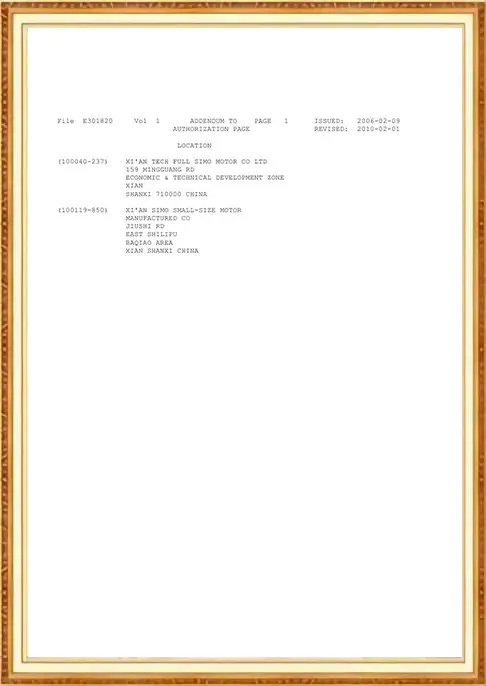
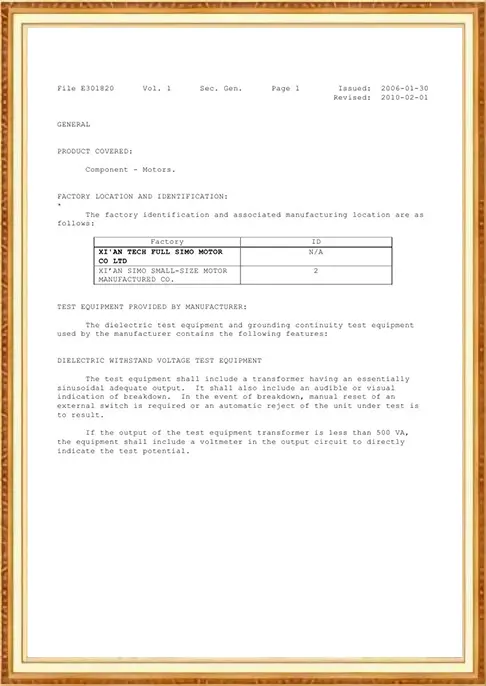
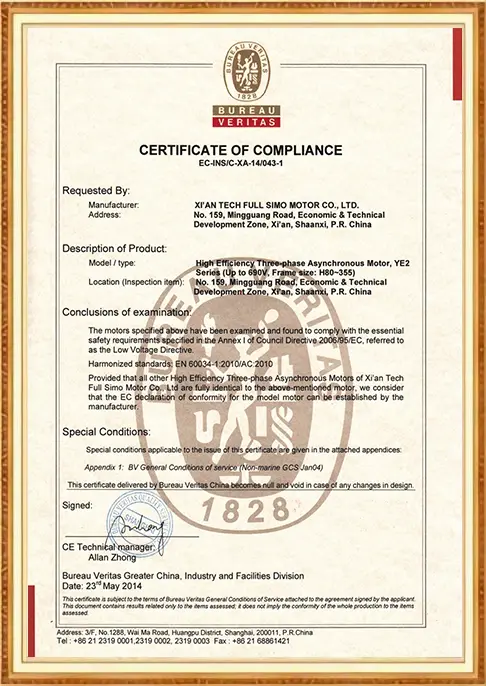
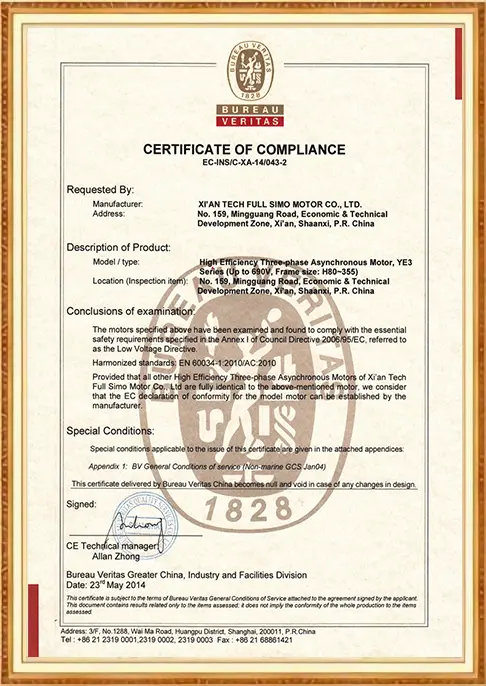
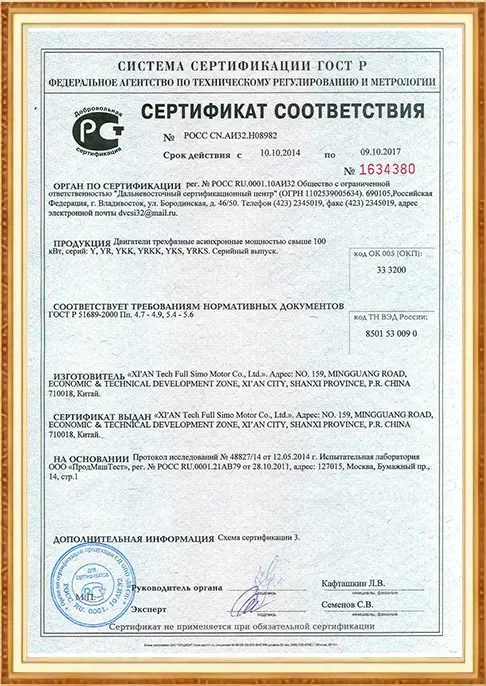
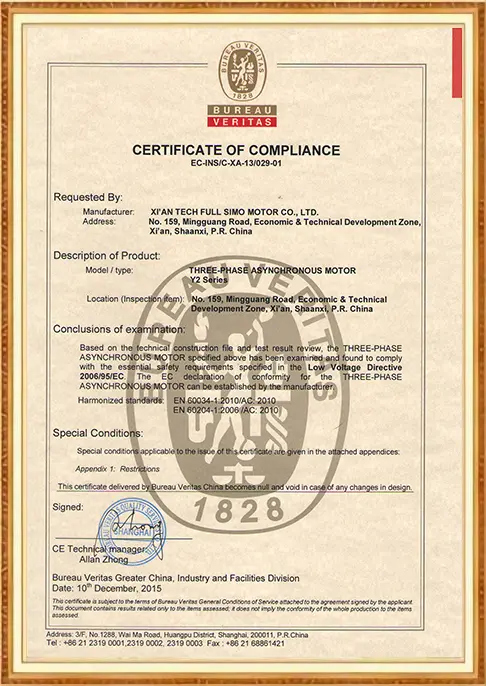
Our product catalog spans 34 major series, including the highly praised T, TD, TK, and TDMK series synchronous motors, and high-efficiency induction systems like the YX/YXKK/YXKS series. We cater to power requirements ranging from 0.35kW all the way up to 25,000 kW. With certification pathways including ISO9001 Quality System Certification, European CE, United States UL, and Russian GOST, SIMO motors are fully certified to perform in the world's most demanding environments.
How high-power synchronous and asynchronous motor topologies drive critical operations.
In mining processing centers across Arizona and Nevada, massive grinding mills (SAG and ball mills) run continuously. Under heavy loads, the TDMK series AC synchronous motors deliver high torque output at low rotation speeds, providing robust, reliable operation. Their high-efficiency profile directly translates to significant energy cost savings.
Texas and Louisiana petrochemical complexes require motors that meet hazardous area ratings. SIMO’s explosion-proof motors (such as the YBX3 and YBX5 series) provide complete protection in explosive atmospheres. Their flameproof designs prevent spark propagation, securing plant operations.
Large-scale water management and agricultural irrigation systems utilize YKS and YKK high-voltage motors to drive heavy-duty water pumps. These double-shielded, air-water or air-air cooled motors ensure continuous operation during extreme weather events, maintaining water supply reliability.
The future of heavy-duty industrial drive technologies.
Modern electrical networks utilize VFDs to run large synchronous and asynchronous motors. This enables soft-starting, limiting mechanical wear and electrical stress on the network during startup. SIMO's specialized variable-frequency motors, like the YVFE3 and YBBP series, are engineered with custom winding insulation systems to withstand the high voltage spikes generated by high-frequency PWM VFD drives.
As international energy policies align with sustainability targets, the demand for IE4 and IE5 ultra-high-efficiency ratings is growing rapidly. Replacing older systems with IE4 induction motors or permanent magnet synchronous machines reduces electricity consumption. This delivers direct financial savings and supports corporate ESG objectives.
Unplanned downtime in heavy manufacturing can cause significant financial losses. Modern motor systems incorporate smart vibration, temperature, and current monitoring sensors. By analyzing real-time data, systems engineers can identify bearing wear, insulation breakdown, or rotor imbalances early. This enables planned, preventative maintenance that minimizes plant downtime.
Industrial components must comply with regional standards across different markets. Quality testing requires verification to international standards like IEEE 115, IEC 60034, and NEMA MG 1. Meeting these requirements ensures motors operate reliably across global networks, regardless of regional electrical variations.
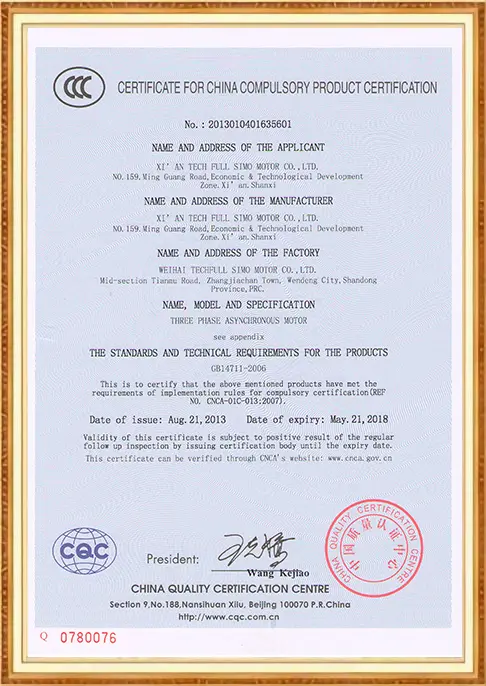
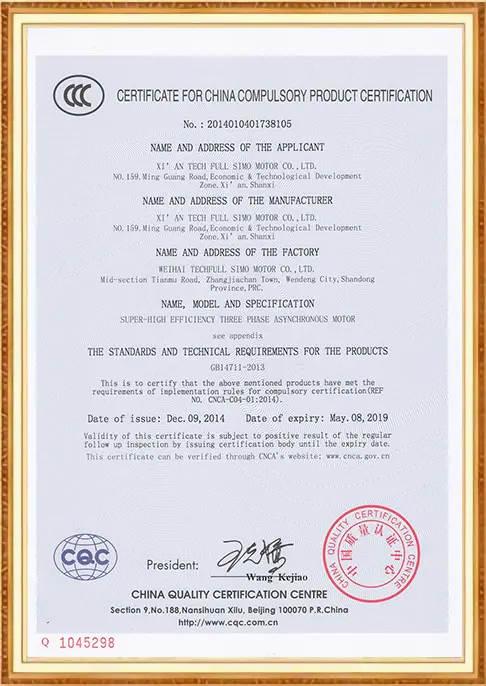
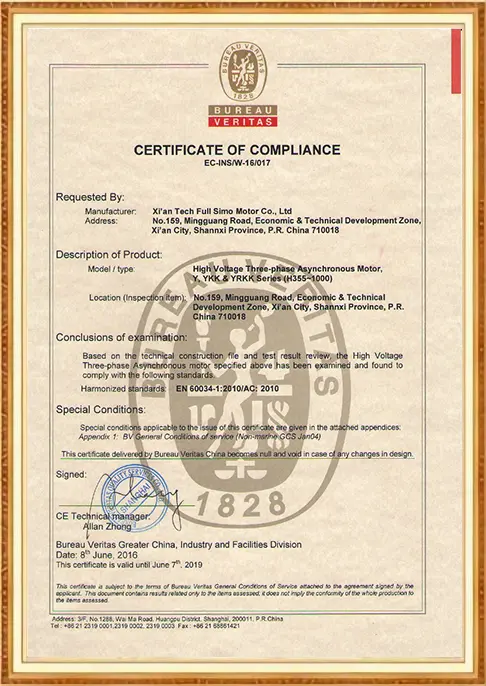
SIMO's manufacturing processes are certified by leading global classification societies.
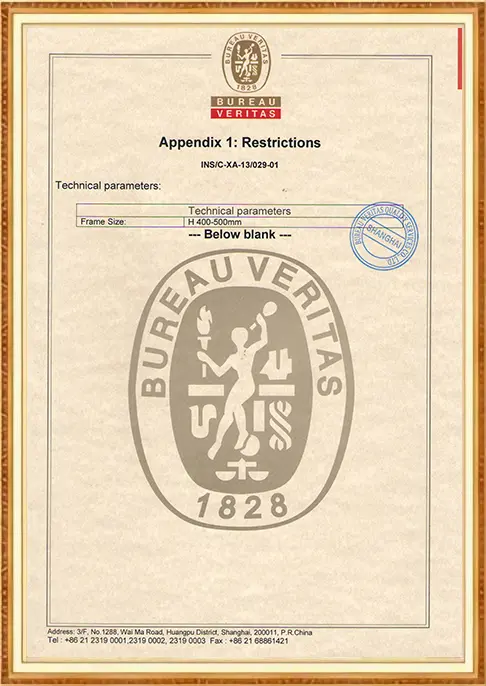
To ensure reliability, our motors undergo strict quality testing and are certified to meet international standards. SIMO has obtained certifications including ISO9001 Quality System Certification, European CE, US UL, and Russian GOST. Our systems are engineered to perform in demanding environments across the power, mining, chemical, and maritime sectors.
Technical guidance for plant engineers and procurement teams.
Explore our wide range of AC induction, flameproof, and high-capacity DC motors.
Connect with our engineering team to discuss specifications, power factor requirements, custom frame sizes, and international certification standards.
 Lite Simo